Best Things to Do in Santa Fe, New Mexico: Hidden Gems, History & Local Favorites
Introduction: Why Santa Fe Captivates the Soul
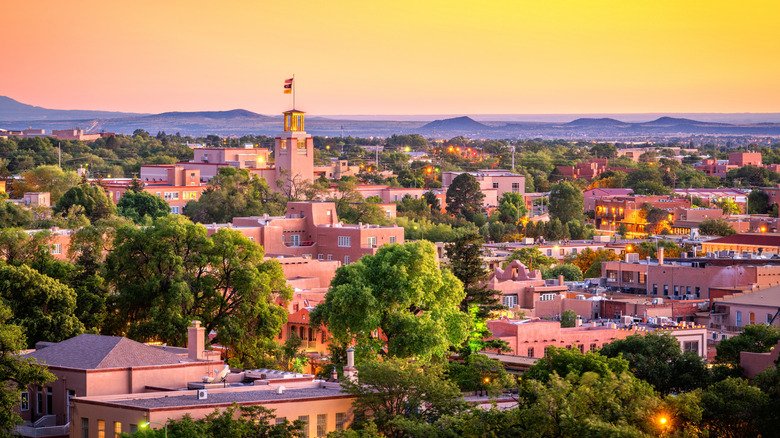
Santa Fe isn’t just a city — it’s a layered, living canvas of ancient traditions, high-desert beauty, and boundless creativity. As the oldest capital city in the U.S., Santa Fe offers more than just sightseeing.
It invites you into its rhythm — where every adobe wall whispers stories, every gallery brims with emotion, and every sunset feels like it’s been painted just for you.
Nicknamed “The City Different,” Santa Fe is unlike anywhere else in the United States. Its distinct blend of Native American, Spanish, and Anglo cultures is evident in everything from architecture to cuisine.
Whether you’re an artist chasing inspiration, a family seeking cultural immersion, or a traveler longing for stillness among stunning landscapes, Santa Fe offers a rare balance of soulful heritage and adventure-ready nature.
This guide was crafted to help you experience Santa Fe deeply — beyond the surface-level highlights. You’ll discover not only the iconic must-sees, but also hidden gems, expert insights, and local recommendations that bring the city to life.
Discover the Historic Santa Fe Plaza: Where the City’s Spirit Lives
If Santa Fe had a heartbeat, it would pulse from the Santa Fe Plaza — the city’s cultural crossroads, living museum, and timeless gathering place since the early 1600s.
Once the terminus of the legendary Santa Fe Trail and the center of Spanish colonial power in the Southwest, today it stands as a vibrant mix of the old and new — where Native artisans display hand-crafted silver jewelry, local musicians strum guitars under shady cottonwoods, and visitors wander through centuries of history all in one city block.
A Walk Through Living History
Set in the heart of downtown, the Plaza feels like a stage where the past and present perform side by side.
It’s framed by low-slung adobe buildings, colorful banners, and historic facades that still hold echoes of Spanish colonial rule, Pueblo resistance, and American expansion.
Here, you’re not just sightseeing — you’re stepping into stories that shaped the American Southwest.
Surrounding the square are some of Santa Fe’s most historically and culturally significant sites:
- The Palace of the Governors: Built in 1610, this is the oldest continuously occupied public building in the U.S. and a National Historic Landmark. Today, it’s part of the New Mexico History Museum, offering exhibits that span Native, Spanish, and American frontier life. Out front, Native American artisans from 23 pueblos sell handmade turquoise jewelry, pottery, and textiles as part of a long-running Native vendor program (source).
- Cathedral Basilica of St. Francis of Assisi: Just steps from the Plaza, this French-Romanesque cathedral dates back to 1886 and stands as a striking contrast to the city’s adobe landscape. Inside, you’ll find stained-glass windows imported from France, a 14th-century Madonna statue from Spain, and a quiet place to reflect.
- New Mexico Museum of Art: Housed in a Pueblo Revival building from 1917, this museum showcases works by early 20th-century Southwest artists as well as contemporary creatives pushing the boundaries of desert expression. It’s not just a museum — it’s a visual storytelling space that speaks to Santa Fe’s deep artistic roots.
Experiences You Can’t Miss
- Browse Native Artisan Booths: Arrive in the morning to chat with artists and find one-of-a-kind handmade pieces you won’t see in gift shops. Many sellers are second- or third-generation craftspeople.
- Attend Seasonal Events: The Plaza hosts some of the city’s most iconic festivals, like Santa Fe Indian Market, Spanish Market, and Zozobra. Check the official event calendar for up-to-date listings.
- Take a Guided Walking Tour: Local historians and cultural guides offer deep insights into the architecture, hidden symbols, and stories behind seemingly ordinary facades.
Insider Tips from Locals
- Visit at sunset when the adobe buildings glow golden, and street performers begin to gather.
- Bring cash or Venmo for local vendors — many don’t accept cards.
- Enjoy people-watching on a shaded bench with a green chile latte from a nearby café.
- Park at the Cathedral Parking Lot for easy walking access to the Plaza and adjacent streets.
Whether you’re starting your trip or wrapping up your stay, spending time at the Santa Fe Plaza offers more than a checklist attraction — it offers a deep, sensory connection to the land, the people, and the layered history that defines this remarkable city.
3. Explore Canyon Road: The World’s Art Mile
If you love art — or simply want to experience the creative soul of Santa Fe — you can’t miss Canyon Road, a half-mile stretch packed with more than 100 galleries, studios, and shops, nestled in historic adobe buildings beneath the Sangre de Cristo foothills.
Once a rural route into the mountains used by indigenous peoples and Spanish settlers, Canyon Road has evolved into one of the most important art districts in the United States, known for its fine art, folk art, contemporary work, and Native craftsmanship.
What You’ll Experience
As you stroll the narrow sidewalk, shaded by cottonwoods and blooming gardens, you’ll encounter sculpture gardens, handwoven textiles, modern mixed-media, and traditional Navajo sand paintings — often with the artists themselves present to talk about their work. The mix of historic architecture and modern creativity makes Canyon Road feel like a gallery without walls.
Many of the buildings themselves are part of the charm. Some are centuries-old adobes that have been lovingly preserved, their interiors filled with warm lighting and clay walls that seem to breathe with history.
Notable stops include:
- Gerald Peters Gallery – A cornerstone of Santa Fe’s art scene, showcasing everything from 19th-century landscapes to contemporary Native voices.
- Canyon Road Contemporary Art – Known for bold, eclectic pieces from emerging and established Southwestern artists.
- The Longworth Gallery – Where metaphysical themes meet ancient cultures, with surrealist works inspired by tribal traditions.
And for sculpture lovers, the Sage Creek Gallery and Kay Contemporary Art offer incredible collections in outdoor courtyards.
Beyond the Art: Dining & Culture
Canyon Road isn’t just about art — it’s also a place to relax and savor the flavors of New Mexico.
- El Farol – A historic tavern serving Spanish tapas and featuring live flamenco shows.
- The Teahouse – A cozy spot for over 150 types of tea, breakfast bites, and quiet reflection among locals and artists.
- Geronimo – For a fine-dining experience in a 1756 adobe home, this award-winning restaurant offers contemporary global cuisine in an unforgettable setting (source).
Expert Tips
- Visit on Friday evenings when many galleries host free open houses and artist receptions with wine and live music.
- If visiting in late fall, don’t miss Canyon Road’s Farolito Walk on Christmas Eve — one of the most magical, candlelit evenings in Santa Fe.
- Plan at least 2–3 hours, or an entire afternoon, to explore fully. Comfortable walking shoes and sun protection are recommended.
4. Visit the Georgia O’Keeffe Museum: A Window into the Soul of the Southwest
You can’t truly grasp the essence of Santa Fe without understanding the woman who painted its desert skies, weathered mesas, and bleached animal bones into icons — Georgia O’Keeffe.
At the Georgia O’Keeffe Museum, you’ll get more than a gallery experience; you’ll step into the mind of a revolutionary artist who redefined how the world saw the American Southwest.
Why It’s a Must-Visit
Opened in 1997, the museum houses the largest collection of O’Keeffe’s work in the world — more than 3,000 paintings, drawings, and personal artifacts.
Unlike typical art museums, this one invites you into an evolving dialogue between art, place, and identity.
You’ll see how O’Keeffe’s move from New York to New Mexico forever changed her artistic language.
Exhibits rotate regularly and often include:
- Iconic oil paintings of New Mexico landscapes and bones
- Rare early abstractions and still lifes from her New York years
- Handwritten letters, tools, and personal photographs offering intimate insight into her creative process and personal journey
- Interactive displays that help contextualize her life, philosophy, and role as a pioneering female artist in the 20th century
This museum doesn’t just display her work — it tells a story about finding freedom, beauty, and truth in nature.
More Than an Artist’s Gallery
The museum also explores the influence O’Keeffe had on the cultural identity of Santa Fe itself.
Through carefully curated programs, films, and partnerships with Native communities, the institution highlights how art, land, and cultural narratives intersect in this region.
A visit here gives you a deeper appreciation for why the Southwest — and Santa Fe in particular — has inspired generations of creatives, and why O’Keeffe chose to call it home for over 40 years.
Insider Tips
- Buy tickets in advance online during peak season (especially spring break and summer) as entry often sells out.
- Don’t miss the adjacent research center if you’re a serious art or history buff. It offers access to O’Keeffe’s archives by appointment.
- Plan for about 1–1.5 hours, and pair your visit with a nearby café lunch or gallery stroll downtown.
5. Hike Among Red Rocks at Kasha-Katuwe Tent Rocks National Monument
Just under an hour from downtown Santa Fe lies a natural wonder that feels like stepping into another planet.
The Kasha-Katuwe Tent Rocks National Monument, located on the Cochiti Pueblo lands, offers an unforgettable hiking experience through surreal landscapes shaped by volcanic eruptions millions of years ago.
What Makes Tent Rocks So Unique?
The name “Kasha-Katuwe” means “white cliffs” in the Keresan language of the Cochiti people.
The monument’s most iconic feature is its cone-shaped rock formations, or “tent rocks,” which rise like stone spires from the canyon floor — some as high as 90 feet.
These formations were created by volcanic ash and pumice deposits, sculpted over time by wind and water.
But it’s not just the geology that captivates — it’s the quiet grandeur of the place. The air is crisp, the path winding, and the silence broken only by the occasional raven or desert breeze.
This is New Mexico at its most raw and awe-inspiring.
Hiking the Slot Canyon Trail
The most popular trail is the Slot Canyon Trail, a moderate 3-mile round-trip hike that takes you:
- Through narrow sandstone passageways barely wide enough to pass
- Past vertical canyon walls towering above your head
- Up to a panoramic viewpoint with stunning 360° views of the Sangre de Cristo, Jemez, and Sandia Mountains
The entire hike takes 1.5 to 2 hours and offers constant visual rewards along the way. If you’re a photographer or nature lover, this is one of the most scenic trails in New Mexico.
What to Know Before You Go
- Check conditions before visiting: The monument is occasionally closed due to weather or tribal decisions. Visit the BLM website for up-to-date information.
- Respect Pueblo lands: This area is sacred to the Cochiti people, and visitors are expected to stay on marked trails, follow rules, and leave no trace.
- Bring water, wear good hiking shoes, and avoid peak heat hours in summer — shade is minimal, and the elevation can affect hikers unaccustomed to high altitudes.
- Facilities are limited: There are vault toilets at the trailhead but no water stations, so come prepared.
Local Insight
If you’re lucky, you might meet Cochiti guides or stewards onsite who offer cultural context and share how their ancestors lived in harmony with the land. It’s a vivid reminder that this isn’t just a hike — it’s a spiritual journey through a living landscape.
Visit the Cathedral Basilica of St. Francis of Assisi: Where Faith Meets Architecture
Tucked in the heart of Santa Fe’s historic district stands a structure that embodies centuries of faith, culture, and resilience — the Cathedral Basilica of St. Francis of Assisi.
This magnificent Romanesque Revival cathedral isn’t just a place of worship — it’s a living monument to Santa Fe’s spiritual and multicultural legacy.
A Cathedral with Deep Historical Roots
Founded in 1869 and completed in 1886, the cathedral was commissioned by Archbishop Jean-Baptiste Lamy, a French missionary whose influence reshaped Catholic life in the Southwest.
Built on the site of older adobe chapels dating back to the early 1600s, this cathedral is a continuation of religious tradition that’s been central to Santa Fe since the days of Spanish colonization.
The basilica’s Romanesque architecture, with its round arches, Corinthian columns, and elegant twin towers, stands in sharp contrast to the surrounding adobe buildings — making it one of the most distinctive sights in the city.
Must-See Highlights Inside and Out
- Stained-Glass Windows: Imported from France, these vibrant windows depict scenes from the lives of saints and glow brilliantly in Santa Fe’s high-desert sunlight.
- The Statue of La Conquistadora: Housed in a side chapel, this 17th-century statue of the Virgin Mary is believed to be the oldest Marian statue in the U.S., carried to Santa Fe by Spanish settlers in 1626.
- The Labyrinth: Outside the cathedral’s front doors, you’ll find a stone labyrinth modeled after the famous one at Chartres Cathedral in France — an invitation to walk and reflect.
- Bronze Doors: Installed for the 400th anniversary of Santa Fe, the doors are engraved with scenes from the city’s Catholic history and southwestern Catholic saints.
- Peace Garden: Adjacent to the cathedral is a quiet, contemplative space ideal for prayer or rest.
A Spiritual and Cultural Anchor
Beyond its religious significance, the cathedral plays a key role in Santa Fe’s civic and cultural life.
It hosts concerts, interfaith events, and major city ceremonies, and its Basilica status (granted by Pope Benedict XVI in 2005) makes it one of the most revered Catholic institutions in the region.
Tips for Visitors
- Admission is free, though donations are appreciated to support restoration efforts.
- Dress modestly if entering during Mass or special services.
- Visit during the early morning or golden hour for peaceful views and optimal lighting for photos.
- Don’t miss the gift shop, which offers locally made religious art, books, and keepsakes.
Wander Canyon Road’s Art Galleries and Studios: A Living Canvas of Santa Fe
If Santa Fe had a heartbeat, it would echo through the adobe-lined stretch of Canyon Road — one of the most iconic and creatively charged streets in the American Southwest.
Just east of the Plaza, this winding, walkable road is a haven for art lovers, collectors, and curious wanderers alike.
With over 100 galleries, studios, and boutiques packed into less than a mile, Canyon Road is more than a destination — it’s a living, breathing gallery in motion.
Where Art and Architecture Collide
Unlike traditional art districts, Canyon Road offers an immersive experience. As you stroll past historic adobe homes now transformed into elegant showrooms, you’ll find everything from:
- Contemporary fine art
- Southwestern landscapes and Native American sculpture
- Folk art, ceramics, and bronze works
- Jewelry and textiles crafted by regional artisans
Much of the art reflects Santa Fe’s surrounding landscape and multicultural roots, giving you a rare glimpse into the soul of New Mexico.
Must-Visit Galleries and Studios
While every gallery has something special, a few standout spaces include:
- Morning Star Gallery – Specializing in Native American art and artifacts from the 19th and early 20th centuries.
- Canyon Road Contemporary Art – Features bold, modern works by local and national artists.
- Meyer Gallery – Housed in a historic building, it’s known for blending contemporary realism with classical technique.
- Patricia Carlisle Fine Art – A showcase of mixed-media pieces with a focus on light and texture.
Many studios are run by working artists — and if you’re lucky, you’ll catch one mid-brushstroke or willing to share the story behind their canvas.
When to Visit Canyon Road
- First Fridays: Many galleries host open houses on the first Friday of each month, offering wine, hors d’oeuvres, and a chance to mingle with artists.
- Autumn and Spring: These are the best times to explore, with mild temperatures and vibrant events like the Canyon Road Paint Out — a street-wide outdoor painting festival that draws artists from across the country.
- Evenings: Some galleries offer candle-lit strolls during the holidays, turning the entire road into a glowing winter wonderland.
Local Tips
- Wear comfortable shoes — you’ll be tempted to explore every doorway.
- Parking is limited, but there’s usually free street parking nearby or a short walk from the Plaza.
- Many galleries ship worldwide, so don’t hesitate to inquire if a piece speaks to you.
You can find more about current exhibitions and events at Visit Canyon Road.
Take in a Performance at the Santa Fe Opera: Music Under the Desert Sky
Perched on a high desert hilltop with panoramic views of the Jemez Mountains, the Santa Fe Opera is more than a performance venue — it’s a breathtaking fusion of world-class music, architecture, and natural beauty.
Whether you’re a lifelong opera fan or a first-time attendee, catching a show here is one of the most magical and memorable experiences you can have in Santa Fe.
Why the Santa Fe Opera is World-Renowned
Founded in 1956, the Santa Fe Opera has built a global reputation for:
- Innovative productions blending classical and modern interpretations.
- Open-air amphitheater design that allows desert sunsets and thunderclouds to become part of the backdrop.
- Debuts of new operas, many of which go on to major stages across the world.
A Unique Cultural and Architectural Experience
Unlike most opera houses, the roofed but open-sided theater immerses you in nature while delivering acoustically rich performances.
From your seat, you’ll see the sunset fade into starlight, the breeze ripple through the audience, and the mountains frame the drama unfolding on stage.
The experience combines the refinement of European opera with the raw beauty of the American Southwest.
Santa Fe Opera at a Glance
| Feature | Details |
| Location | 301 Opera Drive, Santa Fe, NM 87506 |
| Season | Late June through late August |
| Genres Performed | Classic operas, contemporary works, world premieres |
| Special Programs | Apprentice Program, Pre-Opera Talks, Family Nights |
| Dining Option | Tailgate dinners, picnic areas, light concessions, champagne intermission |
Tips for First-Time Visitors
- Tailgating is a tradition: Arrive early and join locals and visitors alike in pre-show parking lot picnics. Some setups are elaborate, complete with candelabras and linen tablecloths.
- Dress code: Casual elegance is the norm — you’ll see everything from jeans and boots to formalwear.
- Sunset seating: The earlier acts often coincide with the golden hour, so book a seat with a westward view for a show both on and off the stage.
Whether you come for Mozart, Puccini, or a daring world premiere, the Santa Fe Opera offers a transformative experience that will leave you breathless — and likely returning for more.
Explore the Historic Turquoise Trail: A Scenic Drive Through Art, Mining, and Quirky Charm
Stretching roughly 50 miles between Santa Fe and Albuquerque, the Turquoise Trail National Scenic Byway is far more than a route — it’s a time machine through New Mexico’s mining past, vibrant art communities, and sweeping desert landscapes.
Named after the precious stone mined here by Native Americans and Spanish settlers, this byway offers a perfect day trip packed with color, culture, and local flavor.
Why the Turquoise Trail Is a Must-Do
Driving this route lets you:
- Step into eclectic small towns with deep artistic and historical roots.
- Visit ghost towns, quirky shops, and roadside sculptures.
- Enjoy panoramic views of the Sandia and Ortiz Mountains.
- Discover off-the-beaten-path attractions that most tourists miss.
Whether you’re into art galleries, mining history, or funky roadside diners, this drive is a Santa Fe essential.
Highlights Along the Turquoise Trail
| Stop | What to See | Insider Tip |
| Madrid | Once a coal mining town, now a quirky artist enclave with over 40 galleries, shops, and cafes. | Visit the Maggie’s Diner made famous in the movie Wild Hogs. Great photo op! |
| Cerrillos | Historic village with turquoise mines, old churches, and the Cerrillos Hills State Park. | Explore the Casa Grande Trading Post and petting zoo for an old-school roadside stop. |
| Golden | A nearly forgotten ghost town that was New Mexico’s first gold rush site. | Snap photos of the picturesque San Francisco de Asís Church, built in the 1830s. |
| Tinkertown Museum | A hand-carved folk art museum near Sandia Crest, with 50,000 tiny pieces and Americana charm. | Open April–November. Don’t miss the antique circus scenes and coin-operated fortune teller. |
Road Trip Tips
- Drive time: About 1.5 hours one-way without stops — but you’ll want to spend the whole day exploring.
- Best time to go: Spring and fall offer cooler temps and vibrant views.
- Bring cash: Many shops and roadside vendors don’t accept cards.
- Fill up: Fuel stations are few and far between on the byway.
From dusty mining relics to adobe art hubs, the Turquoise Trail is the kind of backroad adventure that reminds you why travel should never just be about the destination.
Final Thoughts: Discover the Soul of the Southwest in Santa Fe
Santa Fe isn’t just a destination — it’s an experience that lingers. From centuries-old adobe landmarks and vibrant art colonies to outdoor adventures in high desert landscapes, the city offers a unique blend of history, culture, creativity, and natural beauty you won’t find anywhere else in the U.S.
Whether you’re a solo traveler wandering the winding streets of Canyon Road, a couple soaking in the serenity of Ten Thousand Waves, or a family hiking the red rocks of Kasha-Katuwe, Santa Fe invites you to slow down, explore deeply, and connect authentically.
As America’s oldest capital city, it continues to evolve while honoring its past. And that’s what makes it unforgettable.
So pack your walking shoes, bring your sense of wonder, and let Santa Fe surprise you — again and again.