Things to Do in New Orleans: A Deep Dive into Culture, Cuisine, and Charm
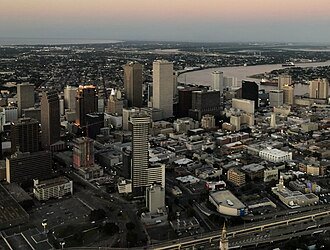
Introduction: Experience the Soul of the South in New Orleans
New Orleans is more than just a city—it’s a cultural symphony of jazz rhythms, Creole cuisine, historic charm, and a spirit that refuses to be replicated.
Known as the “Big Easy,” this vibrant Louisiana gem offers travelers a mix of rich history, deeply rooted traditions, and a carefree attitude that invites exploration.
From the iconic architecture of the French Quarter to the mysterious beauty of the bayous, New Orleans weaves together French, Spanish, African, and Caribbean influences to create a destination that’s as complex as it is captivating.
Whether you’re a foodie seeking the best gumbo, a history enthusiast tracing Civil War landmarks, or a music lover drawn to the birthplace of jazz, New Orleans has something unique for you.
This guide dives deep into the most unforgettable things to do in New Orleans—beyond the tourist clichés.
You’ll uncover local secrets, off-the-beaten-path treasures, and expert travel tips to make your visit truly one of a kind.
Let’s begin your journey into the heart of New Orleans.
1. Wander the Timeless Streets of the French Quarter
The French Quarter, or Vieux Carré, is the historic core of New Orleans—and the heartbeat of its culture.
Dating back to the early 18th century, this neighborhood is a mesmerizing blend of European-style architecture, hidden courtyards, wrought-iron balconies, and vibrant energy at every turn.
What Makes It Special?
Unlike anywhere else in America, the French Quarter combines history, nightlife, and community spirit in one walkable grid.
You’ll find a fascinating contrast between preserved Creole townhouses, haunted alleyways, and world-renowned eateries like Antoine’s (established in 1840) and Café du Monde, where beignets are practically a rite of passage.
Must-See Highlights in the French Quarter:
- Jackson Square: A picturesque plaza anchored by the St. Louis Cathedral and flanked by local artists, musicians, and street performers.
- Royal Street: Famous for its art galleries, antique shops, and elegant southern charm.
- Bourbon Street: Known for its rowdy bars and neon nightlife, but best visited during quieter hours for architectural appreciation.
- Preservation Hall: A must for jazz lovers. Catch intimate live performances in a venue that has preserved the soul of traditional New Orleans jazz since 1961.
- The French Market: America’s oldest public market, offering everything from Creole spices to handmade crafts.
Local Tip:
To avoid the tourist crowds, explore the Quarter early in the morning. The light is perfect for photos, and the scent of fresh beignets from Café Beignet or Croissant D’Or will guide your way.
External Resources:
2. Cruise the Mississippi River on a Historic Steamboat
There’s no better way to soak in the soul of New Orleans than by drifting down the mighty Mississippi River aboard a classic steamboat.
These cruises offer a unique blend of history, scenery, and live jazz, making it one of the city’s most iconic experiences.
Why Take a River Cruise?
New Orleans was born on the banks of the Mississippi, and its story is intimately tied to the river’s rhythm.
A steamboat cruise doesn’t just offer scenic views—it places you in the flow of history.
These vessels harken back to the 1800s, when paddle-wheelers were the lifeline of commerce and culture along the river.
Popular Riverboats to Choose From:
- Steamboat Natchez: The last authentic steamboat on the river, known for its tall stacks, calliope music, and rich heritage.
- Creole Queen: A luxurious paddlewheeler offering dinner jazz cruises and Battle of New Orleans historical tours.
Cruise Options:
- Daytime Harbor Cruise: Ideal for panoramic views of the city’s skyline, Port of New Orleans, and the Crescent City Connection bridge.
- Dinner Jazz Cruise: Offers a candlelit meal with live Dixieland jazz, capturing the romantic essence of old New Orleans.
- Historical Battlefield Cruise: Includes a guided tour of Chalmette Battlefield, site of Andrew Jackson’s 1815 victory.
What You’ll See:
- Historic riverfront architecture
- The bustling Port of New Orleans
- The wetlands and levees that shaped the city’s geography
- Frequent pelican and heron sightings
Local Insight:
Sunset cruises offer breathtaking golden-hour views of the city and the Mississippi River bend. Book in advance during festival weekends or Mardi Gras season to secure a spot.
3. Visit the Garden District and Marvel at Antebellum Architecture
While the French Quarter gets most of the attention, the Garden District offers a quieter, more refined look at New Orleans’ 19th-century grandeur.
This elegant neighborhood is a time capsule of Southern aristocracy, known for its ornate mansions, tree-lined streets, and cast-iron balconies.
Why Visit the Garden District?
The Garden District was developed in the early 1800s for wealthy Americans who didn’t want to live among the Creoles in the French Quarter.
It’s one of the best-preserved collections of antebellum mansions in the U.S., many of which are still privately owned and meticulously maintained.
Highlights of a Visit:
- Lafayette Cemetery No. 1 (currently closed for renovations, but visible from outside): A classic example of New Orleans’ above-ground tombs and one of the oldest city cemeteries.
- Commander’s Palace: An iconic fine-dining restaurant and James Beard Award winner, famous for its jazz brunch and turtle soup.
- Celebrity Homes: Sandra Bullock, John Goodman, and the late Anne Rice all have or had homes in this historic area.
- Prytania Street: One of the most photogenic streets in the district, lined with Greek Revival and Italianate mansions.
How to Explore:
- Guided Walking Tours: Local historians lead architectural and historical walks with fascinating stories of past residents.
- Self-Guided Tour: Download a map or app like GPSmyCity and take your time admiring the exteriors at your own pace.
Insider Tip:
Visit in the late morning when the sunlight enhances the detailed scrollwork and gardens. Afterward, stop by District Donuts Sliders Brew on Magazine Street for a local bite.
4. Experience Live Jazz on Frenchmen Street
No trip to New Orleans is complete without soaking in the heartbeat of the city: live music.
And while Bourbon Street might offer the party, Frenchmen Street is where real music lovers go for authentic New Orleans jazz and a more local, less touristy vibe.
What Makes Frenchmen Street Special?
Frenchmen Street, located in the Faubourg Marigny neighborhood just east of the French Quarter, is a four-block stretch that’s jam-packed with music clubs, street performers, art markets, and late-night food spots.
It’s considered the epicenter of the city’s live music scene, attracting both seasoned musicians and curious travelers.
Best Venues for Live Jazz & Local Music:
- The Spotted Cat Music Club
A classic, intimate venue offering jazz, swing, and blues. No frills—just pure music.
Website - Snug Harbor Jazz Bistro
Legendary for its acoustics and lineup of world-class performers. Also serves Creole-inspired food.
Website - d.b.a. New Orleans
Offers a mix of jazz, funk, brass, and blues in a lively yet relaxed setting.
Website - Blue Nile
One of the longest-standing clubs on the street. Upstairs balcony gives great views of the crowd and stage.
Bonus: Night Art Market
Don’t miss the Frenchmen Art Market, a curated open-air market showcasing local artists’ work—from handmade jewelry to one-of-a-kind paintings.
It’s a great spot to support local creatives and bring home something unique.
Insider Tip:
Arrive around 7:30–8:00 PM for a seat before the music gets going. No need for strict schedules—musicians often wander from bar to bar, so let the sound guide you.
5. Tour the Historic Voodoo Shops and Learn the Lore
New Orleans is a city wrapped in mystery, and nowhere is that more evident than in its deep connection to Voodoo culture.
While often misunderstood and sensationalized, Louisiana Voodoo (or Voodoo-Catholicism) is a legitimate spiritual tradition rooted in West African, Haitian, and Catholic influences.
Exploring this cultural thread offers a richer understanding of the city’s soul.
Dive Into Voodoo History
Contrary to Hollywood myths, Voodoo in New Orleans is about spiritual connection, healing, and honoring ancestors, not dark magic or curses.
The practice dates back to the 18th century, when enslaved Africans brought their religious beliefs to Louisiana and blended them with Catholic saints and rituals.
To understand its true essence, visit these must-see voodoo spots:
Notable Voodoo Destinations in New Orleans
1. Voodoo Authentica
This woman-owned cultural center offers locally handmade gris-gris bags, potions, and dolls, plus educational materials.
Staffed by real practitioners, they emphasize respectful education and preservation of authentic Voodoo practices.
2. Marie Laveau’s House of Voodoo
Named after the famous Voodoo Queen of New Orleans, this shop blends religious offerings, ritual items, and spiritual consultations.
Learn about Marie Laveau, who was a 19th-century healer, activist, and powerful spiritual figure deeply respected in the community.
3. New Orleans Historic Voodoo Museum
Part museum, part shrine, part shop—this compact yet fascinating museum houses altars, relics, and storytelling panels that connect Voodoo to New Orleans’ cultural fabric.
You’ll leave with a nuanced perspective on what Voodoo really means.
Local Insight:
Consider booking a guided Voodoo walking tour, which includes visits to sacred sites and detailed storytelling by local historians or practitioners.
Many tours also tie in St. Louis Cemetery No. 1, where Marie Laveau’s tomb draws visitors from around the world.
Why This Matters:
Voodoo isn’t just folklore—it’s part of New Orleans’ living culture.
Learning about it respectfully deepens your understanding of the city’s complexity, resilience, and spiritual heartbeat.
6. Explore the Garden District’s Mansions and Movie Sets
While the French Quarter may get all the fame, the Garden District is where New Orleans’ opulence, Southern charm, and cinematic beauty truly come to life.
Strolling its leafy streets feels like stepping into a period film — and in fact, you might recognize many spots from the big screen.
A Walk Through Architectural Grandeur
Developed in the early 19th century, the Garden District was established by wealthy American settlers post-Louisiana Purchase who sought to distinguish themselves from the Creole community of the French Quarter.
Their vision manifested in massive Greek Revival and Italianate mansions, surrounded by wrought-iron fences, moss-draped oaks, and overflowing gardens — hence the name.
Don’t-Miss Highlights:
1. Commander’s Palace
One of the most famous restaurants in New Orleans, Commander’s Palace has been serving haute Creole cuisine since 1893.
It’s not just a place to dine — it’s a culinary institution, and the Tiffany-blue Victorian building is a showstopper.
2. Anne Rice’s Former Home
This Gothic-style mansion was once the home of the late Anne Rice, author of Interview with the Vampire.
Fans often stop to snap a photo and feel the eerie yet elegant energy that inspired her writing.
3. Lafayette Cemetery No. 1
This 19th-century cemetery is known for its above-ground tombs, crumbling mausoleums, and literary history — it’s appeared in numerous novels and films.
Though currently closed for renovations, it’s still worth viewing from the gates or through a guided historical tour.
4. Historic Homes on Magazine Street and Prytania Street
Take your time exploring these two parallel roads.
They’re lined with restored mansions, antique shops, cafes, and boutiques, giving you a real sense of the district’s layered history and creative pulse.
Insider Tip:
Download a self-guided walking tour app or join a guided historical walking tour to learn the stories behind the mansions — many of which have ties to literary figures, film locations, or New Orleans high society.
Why It’s Special:
The Garden District provides a peaceful, residential counterpoint to the party energy of the Quarter.
It’s where the elegance of old New Orleans whispers through grand facades and shaded walkways — and it’s one of the best free things to do in the city if you love history, architecture, or photography.
7. Discover Local Art in the Bywater District
Once an overlooked neighborhood, Bywater has emerged as one of New Orleans’ most dynamic creative hubs.
Known for its colorful murals, independent galleries, and laid-back bohemian vibe, this area gives you a refreshing break from the hustle of the French Quarter — all while keeping you immersed in local culture.
Explore Studio BE
Start with Studio BE, a massive warehouse-turned-art installation created by local artist Brandan “Bmike” Odums.
The powerful visual storytelling here centers around Black history, activism, and community resilience. It’s more than just a gallery — it’s a cultural experience that will leave you inspired and reflective.
Stroll Through Crescent Park
Bywater is also home to Crescent Park, a 1.4-mile green space that stretches along the Mississippi River.
It’s perfect for morning walks, sunset views, or grabbing photos with the city skyline in the background.
Locals love it for jogging and yoga, and you’ll often see pop-up events, markets, and art shows.
Support Local Creators
Don’t miss the small but impactful galleries and shops such as The Front and Dr. Bob Art, where you’ll find quirky folk art, sculptures, and paintings — many of them created by local residents.
These aren’t your typical tourist trinkets — they’re meaningful keepsakes that carry the spirit of New Orleans.
8. Visit the National WWII Museum – A World-Class Experience
Often ranked as one of the top museums in the country, the National WWII Museum is not just for history buffs — it’s an emotional, immersive experience that deeply resonates with visitors of all ages.
Why This Museum Stands Out
Located in the heart of New Orleans’ Warehouse District, this sprawling museum spans multiple pavilions and combines powerful storytelling with interactive exhibits, real war artifacts, restored planes, and personal narratives from veterans.
Each section is meticulously curated to provide context and emotion, connecting global events to individual human stories.
What sets it apart is how immersive and cinematic the experience is — from walking through recreated battlefields to boarding a simulated C-47 aircraft or watching the 4D “Beyond All Boundaries” film narrated by Tom Hanks.
This is not a static museum; it’s a gripping journey through one of the most pivotal moments in world history.
Plan Your Visit
- Tickets: General admission starts around $32. Booking online in advance is recommended due to popularity.
- Time Required: Give yourself at least 3–4 hours, though many visitors spend the entire day exploring.
- Tip: Don’t skip the Arsenal of Democracy exhibit or the Campaigns of Courage building for the most powerful storytelling.
Local Insight
Many locals recommend pairing your museum trip with lunch at Cochon Butcher, a nearby artisan meat and sandwich shop just a short walk away — perfect for a post-museum bite that keeps the experience authentically NOLA.
9. Discover the Garden District – Architecture, History, and Southern Charm
If the French Quarter is the beating heart of New Orleans, then the Garden District is its soul — a showcase of 19th-century elegance, grand oak-lined streets, and some of the best-preserved antebellum mansions in the South.
What Makes the Garden District Unique
Originally developed in the early 1800s for wealthy Americans who didn’t want to live among Creoles in the French Quarter, the Garden District today is a neighborhood that feels like stepping back in time.
Its stately Greek Revival, Italianate, and Victorian-style homes are surrounded by lush gardens — hence the name.
Highlights include:
- Lafayette Cemetery No. 1 (temporarily closed for renovations, but still viewable from outside) — one of the oldest cemeteries in New Orleans, known for its above-ground tombs and Gothic ambiance.
- Commander’s Palace – An iconic New Orleans restaurant serving upscale Creole fare since 1893. Their weekday $0.25 martinis at lunch are the stuff of legend.
- Prytania and First Street – A self-guided walking tour down these streets will take you past some of the most beautiful homes in the city. Look out for the house used in The Curious Case of Benjamin Button.
How to Explore
- Streetcar Access: Hop on the historic St. Charles Avenue streetcar and hop off at Washington Avenue to start exploring.
- Walking Tour Tip: Consider using a free self-guided tour app or join a locally guided walking tour to hear the stories behind the facades.
Local Perspective
The Garden District is more than a photo op — it’s a serene escape from the hustle of the Quarter, perfect for a quiet morning stroll followed by coffee at Still Perkin’ or a book browse at Garden District Book Shop, a beloved indie store tucked inside The Rink.
10. Dive Into New Orleans’ Music Scene – Jazz, Brass Bands, and More
New Orleans isn’t just the birthplace of jazz — it’s a city where music is part of daily life.
Whether it’s a brass band second line parade, a soulful saxophonist on a street corner, or a Grammy-winning jazz set in a candlelit club, music pulses through every block of the Crescent City.
Where to Experience Live Music in New Orleans
Frenchmen Street
Just outside the French Quarter, Frenchmen Street is a must-visit for live music lovers.
It’s a four-block stretch lined with intimate clubs and bars where you can hear jazz, blues, funk, and brass until the early hours.
- The Spotted Cat Music Club – Small, soulful, and always packed with energy. It’s a quintessential New Orleans music experience.
- Snug Harbor Jazz Bistro – A more upscale venue offering dinner and performances from top-tier jazz artists.
- Blue Nile – A staple for local brass bands and funk groups with an upstairs lounge that often features DJs and hip-hop.
Preservation Hall
Tucked just off Bourbon Street, this unassuming venue is legendary. Open since 1961, Preservation Hall offers nightly acoustic jazz performances rooted in traditional New Orleans style.
No bar, no flash — just pure, unfiltered music. Get there early; seating is first come, first served.
Street Music
From Jackson Square to Royal Street, don’t overlook the talent playing outdoors. Many of New Orleans’ most recognized musicians started right there on the sidewalks.
Stop and enjoy — just remember to tip.
Insider Tip
Look for second line parades, often held on Sundays by local Social Aid and Pleasure Clubs.
These joyous, brass-heavy processions are open to the public and dance through the streets with umbrellas, feathered fans, and pure celebration.
Check WWOZ’s Livewire for daily music listings and second line schedules.
11. Explore New Orleans’ Haunted Side – Ghost Tours, Cemeteries, and Legends
With over 300 years of history, New Orleans is as famous for its supernatural tales as it is for its food and music.
The city’s layered past—marked by voodoo, pirates, war, plagues, and fires—makes it one of the most haunted cities in the U.S.
Exploring its ghostly legends isn’t just fun—it’s a window into its darker, more mysterious soul.
Take a Ghost Tour Through the French Quarter
Ghost tours are a staple in the city, especially at night when the historic buildings take on a moody glow.
These walking tours guide you through the cobblestone streets and historic homes, sharing eerie stories of murders, restless spirits, and unexplained sightings.
Recommended Tour Providers:
- Ghost City Tours – Offers historically grounded, non-gimmicky ghost tours that are deeply researched and storytelling-focused.
- French Quarter Phantoms – Known for energetic guides and a mix of ghost, vampire, and voodoo history.
12. Experience New Orleans Like a Local – Neighborhoods Beyond the French Quarter
While the French Quarter grabs the spotlight, New Orleans’ deeper soul lies in its surrounding neighborhoods.
These local pockets reveal a slower, more authentic rhythm of life—where jazz pours out of porches, backyard BBQs spark spontaneous gatherings, and colorful shotgun homes sit beneath ancient oaks.
Bywater: Bohemian Charm and Art Vibes
Just east of the French Quarter, Bywater is a haven for artists, musicians, and creatives.
Its streets are filled with funky murals, vibrant cottages, and quirky galleries. Grab a coffee at Satsuma Café, browse local art at Studio BE, or walk along the Crescent Park for stunning skyline and river views.
Insider Tip: Visit during the annual Bywater Mirliton Festival in November—equal parts food fest, art crawl, and neighborhood celebration.
Marigny: The Birthplace of Modern-Day Jazz
Faubourg Marigny blends French-Creole architecture with electric nightlife.
Frenchmen Street, its main artery, is less touristy than Bourbon but offers some of the best live jazz in the city.
Venues like The Spotted Cat Music Club and d.b.a. deliver unforgettable nightly performances.
Mid-City: Local Living and Hidden Gems
If you want to escape the tourist bustle, head to Mid-City.
You’ll find locals walking their dogs under shady oaks, sipping cold drinks on wide porches, or biking to City Park.
Grab a roast beef po’boy at Parkway Tavern and enjoy paddle boating or the sculpture garden nearby.
13. Celebrate the Culture: Annual Festivals That Define New Orleans
Few cities celebrate life quite like New Orleans—and its calendar is packed with festivals that go far beyond Mardi Gras.
From food and music to art and literature, these events are a true reflection of the city’s vibrant cultural identity.
Mardi Gras – The Crown Jewel of Celebration
New Orleans’ Mardi Gras is more than just beads and parades—it’s a centuries-old tradition rooted in French Catholic culture.
The season begins on King’s Day (January 6) and builds to Fat Tuesday, with masked balls, neighborhood “krewe” parades, and an explosion of color, satire, and music.
Don’t miss family-friendly parades in Mid-City and Uptown, or the flamboyant artistry of Krewe du Vieux in the Marigny.
Jazz & Heritage Festival – Where Music and Soul Meet
The New Orleans Jazz & Heritage Festival, known locally as Jazz Fest, is a must for any music lover.
Held over two weekends in April–May, the festival hosts world-renowned artists alongside local legends across blues, gospel, R&B, zydeco, and, of course, jazz. Between sets, explore rows of craft booths and devour crawfish bread, cochon de lait po’boys, and mango freezes.
French Quarter Festival – Local Talent, Local Flavor
Often overshadowed by Jazz Fest, French Quarter Festival in April is a free, community-focused event celebrating Louisiana’s rich music scene.
With over 20 stages scattered through the Quarter and 60+ food vendors, it offers an immersive, no-cost alternative for travelers who want a more local vibe.
Other Must-Know Festivals
- Satchmo SummerFest – Honors Louis Armstrong’s birthday with live music, lectures, and food.
- Voodoo Music + Arts Experience – A Halloween weekend festival with major national acts and New Orleans flair.
- Essence Festival – One of the largest African American culture and music festivals in the U.S.
14. Take a Ride on the Historic St. Charles Avenue Streetcar
No visit to New Orleans is complete without hopping aboard the St. Charles Avenue streetcar—the oldest continuously operating streetcar line in the world.
More than just public transportation, this historic line offers an immersive tour through some of the city’s most iconic neighborhoods and architectural gems.
A Moving Time Capsule Through Uptown
The streetcar starts downtown near Canal Street and runs through the Central Business District, past Lee Circle, and into the picturesque Uptown district.
You’ll pass by grand Greek Revival mansions, lush oak-lined boulevards, and the beautiful campuses of Tulane University and Loyola University.
Stop-Off Highlights Along the Way
- Garden District: Hop off and take a walking tour of the Garden District’s immaculate 19th-century homes and hidden courtyards. Many were built by wealthy American settlers after the Louisiana Purchase and feature cast-iron balconies and manicured gardens.
- Audubon Park: Adjacent to the universities, this expansive green space is ideal for picnicking, jogging, or visiting the Audubon Zoo—one of the country’s top-ranked zoological parks.
- Magazine Street Access: Use the streetcar as a springboard to explore nearby Magazine Street, lined with antique shops, boutiques, and local cafes.
Why It’s Worth the Ride
Beyond affordability ($1.25 per ride or $3 for a full-day pass via RTA GoMobile App), the streetcar is an experience in itself.
The wooden seats, brass fittings, and gentle sway of the car evoke a bygone era and offer a relaxed, scenic way to explore the city without driving or walking in the heat.
15. Explore the Historic French Market
Stretching six blocks from Café du Monde to Esplanade Avenue, the French Market is one of New Orleans’ oldest public marketplaces—operating since 1791.
It’s part open-air bazaar, part farmers market, and part food court, brimming with culture, commerce, and history.
A Melting Pot of Culture and Goods
Originally a Native American trading post, the market evolved under Spanish, French, and American influence into a vital hub of commerce and community.
Today, it’s a lively destination where you’ll find:
- Handmade crafts and local art
- Unique jewelry, clothing, and souvenirs
- Live music from street performers and local bands
- Seasonal festivals, cooking demos, and cultural celebrations
Don’t Miss the Food Vendors
The Farmers Market Pavilion is a paradise for food lovers. Grab a bowl of Cajun gumbo, try an alligator sausage po-boy, or cool down with a refreshing creole praline snowball.
You’ll also find international flavors—from Vietnamese bánh mì to Italian cannoli—served by New Orleans locals.
Insider Tip:
Visit in the morning for the freshest produce and lighter crowds, or stop by in the afternoon for live performances and full vendor variety.
Either way, be prepared to stroll slowly—there’s a lot to take in.
16. Experience the Magic of the New Orleans Historic Voodoo Museum
Nestled in the French Quarter, the New Orleans Historic Voodoo Museum offers a window into one of the city’s most misunderstood and mystified traditions.
Far from the Hollywood myths, this small but impactful museum explores the real cultural, spiritual, and historical roots of Louisiana Voodoo.
What You’ll Discover Inside
Founded in 1972 by artist Charles Massicot Gandolfo, the museum curates a fascinating mix of:
- Voodoo altars, gris-gris bags, ritual items, and voodoo dolls
- Exhibits on famous practitioners like Marie Laveau
- Stories blending African, Haitian, and Catholic influences
- Local lore and rituals that still persist in New Orleans today
The space itself is atmospheric—dimly lit, layered in offerings, and packed wall-to-wall with artifacts that make you feel like you’ve stepped into a hidden world.
Spiritual Tours and Cemetery Visits
The museum also organizes guided voodoo walking tours, including stops at key spiritual sites like St. Louis Cemetery No. 1, where Marie Laveau is believed to be buried.
These tours provide more context and dispel common misconceptions, making it a culturally respectful and educational experience.
Tip from a Local:
Be open-minded and respectful—Voodoo is still a living tradition for many in New Orleans.
If you’re curious, leave a small offering or wish at one of the altars, a local custom rooted in goodwill.
Conclusion: Your Unforgettable Journey Awaits in New Orleans
New Orleans isn’t just a destination—it’s a living, breathing experience.
Every cobblestone, every jazz riff, every spicy bite of gumbo tells a story rooted in centuries of cultural fusion, resilience, and joy.
From the electric energy of Bourbon Street and the reverence of St. Louis Cathedral to the quiet magic of the bayous and the soulful traditions of Voodoo, this city invites you to feel deeply, explore freely, and return often.
Whether you’re planning your first trip or your fifth, there’s always something new to discover.
Hidden speakeasies, neighborhood parades, hole-in-the-wall eateries, and timeworn traditions all await just around the corner.
Let this guide be your starting point—but don’t be afraid to follow your curiosity. In New Orleans, the best moments are often the ones you never planned.