25 Best Places to Visit in Colorado (2025 Travel Guide)
1. Introduction
Colorado isn’t just a state — it’s an experience.
Framed by the soaring peaks of the Rocky Mountains and painted with an ever-changing palette of high desert, alpine lakes, historic mining towns, and dramatic canyons, Colorado is one of the most geographically diverse and adventure-rich places in the United States.
Whether you’re seeking epic ski slopes, backcountry trails, UNESCO-recognized cultural sites, natural hot springs, or cosmopolitan city life, Colorado offers all of it — often in the same weekend.
Travelers flock here year-round for skiing in Aspen, hiking in Rocky Mountain National Park, and soaking in mineral-rich hot springs beneath the stars.
But beyond its Instagram-famous locations lies a deeper, more meaningful travel experience: quiet towns where locals still wave to strangers, scenic byways that change dramatically with the seasons, and hidden gems where you won’t spot a single tour bus.
Whether you’re a solo backpacker chasing elevation, a couple planning a scenic road trip, or a family eager to combine fun with education, Colorado delivers unforgettable moments rooted in nature, culture, and history.
This guide goes beyond basic travel advice — it’s crafted from first-hand insights, extensive research, and recommendations from both locals and seasoned explorers.
In the sections ahead, you’ll discover:
- Major cities and their must-see highlights
- National and state parks worth every step
- Underrated towns with character and charm
- Scenic routes and roadside attractions
- Seasonal tips and micro-itineraries to help you plan smarter
So grab your boots, pack your layers, and charge your camera — because these are the 25 best places to visit in Colorado, handpicked to inspire your next great adventure in 2025.
2. Denver – The Mile-High City
Perched exactly one mile above sea level, Denver serves as the cultural and urban heartbeat of Colorado.
It’s not just a stopover before heading to the Rockies — it’s a vibrant destination packed with art, food, history, and easy access to nature.
For travelers who want to blend cosmopolitan energy with outdoor adventure, Denver hits the sweet spot.
Why Visit Denver?
Denver is one of the fastest-growing cities in the U.S., but it still manages to feel laid-back.
You’ll find restored Victorian buildings nestled beside sleek, glass skyscrapers, food trucks parked outside fine art museums, and mountain views from nearly every angle.
It’s a city where breweries, street art, and a thriving live music scene coexist effortlessly with world-class museums and historic landmarks.
Top Things to Do in Denver
Red Rocks Park & Amphitheatre
Just 15 miles west of downtown, this natural amphitheater carved into massive sandstone formations is legendary.
Even if you’re not catching a concert under the stars, visit during the day to hike the trails or take a free tour.
Red Rocks is part concert venue, part geological wonder, and fully unforgettable.
Denver Art Museum
With bold architecture and diverse exhibitions, the Denver Art Museum holds one of the largest Native American art collections in the world.
The rotating exhibits span contemporary, classic, and global masterpieces — making it one of the most visited museums in the Mountain West.
Union Station
Once a dusty train terminal, Union Station is now a buzzing social hub.
Inside the restored Beaux-Arts building, you’ll find upscale restaurants, cozy bars, indie bookstores, a hotel, and a farmers market on weekends.
It’s a perfect place to relax, dine, and people-watch.
City Park & Denver Museum of Nature & Science
For families or science enthusiasts, City Park offers scenic walking trails, lakeside views, and the Denver Museum of Nature & Science — home to everything from dinosaur skeletons to planetarium shows.
Craft Breweries & Local Eats
Denver is often called the “Napa Valley of Beer,” thanks to its 150+ breweries.
Don’t miss local favorites like Great Divide, Ratio Beerworks, or Cerebral Brewing.
Pair your pint with food from the city’s buzzing culinary scene — ranging from gourmet tacos to bison steaks.
Expert Travel Tip
Denver sits at 5,280 feet above sea level, and altitude sickness can catch first-timers off guard.
Stay hydrated, avoid alcohol on your first day, and take it easy if you’re heading into higher elevations. Also, the city has over 300 days of sunshine, so bring SPF even in winter.
Denver is more than a gateway — it’s a destination that gives you a full taste of what makes Colorado tick: creativity, nature, diversity, and a deep-rooted appreciation for the outdoors.
3. Rocky Mountain National Park – Alpine Adventure
If Colorado had a crown jewel, Rocky Mountain National Park (RMNP) would gleam at its center.
Spanning over 415 square miles of protected alpine wilderness, RMNP is where Colorado’s rugged beauty goes fully untamed — and where visitors can experience nature at its most humbling and majestic.
Why Visit Rocky Mountain National Park?
This is one of the most iconic national parks in the U.S., drawing millions of visitors annually.
But what makes RMNP special isn’t just its peaks and panoramic views — it’s the way it lets you step into raw wilderness just a few hours from urban centers like Denver or Boulder.
It’s a place where you can hike above the treeline, watch herds of elk roam through alpine meadows, and hear the wind howl across glacial lakes, all within a single day.
Top Things to Do in RMNP
Trail Ridge Road
This high-altitude highway, open seasonally (typically late May through October), is the highest continuous paved road in North America.
Peaking at over 12,000 feet, the drive offers sweeping views of the Continental Divide, and the alpine tundra ecosystem feels like another planet.
There are plenty of pull-offs for photos and short hikes — just be prepared for sudden weather changes.
Hike to Emerald Lake
One of the most accessible and rewarding hikes in the park, the 3.6-mile roundtrip trail takes you past Nymph Lake and Dream Lake before ending at the stunning Emerald Lake, framed by steep cliffs and waterfalls.
Ideal for beginners, families, or photographers.
Wildlife Watching
The park is home to over 60 species of mammals, including elk, mule deer, black bears, mountain lions, and bighorn sheep.
For the best chances, visit during early morning or dusk, particularly in the Moraine Park area.
Autumn is especially magical — it’s rutting season, and you’ll hear the eerie bugle calls of male elk echoing through the valleys.
Snowshoeing & Winter Hiking
RMNP doesn’t shut down in winter — it transforms. Snowshoers and cross-country skiers find bliss along Bear Lake or Hidden Valley trails.
With fewer crowds and snow-draped forests, the park feels intimate and serene.
First-Hand Tips & Advice
- Altitude caution: Many popular hikes begin above 9,000 feet — take time to acclimate.
- Timed entry system: From late May through mid-October, a timed-entry permit is required. Reserve in advance via Recreation.gov.
- Weather is unpredictable: Afternoon thunderstorms are common in summer — always start hikes early and check forecasts.
- Respect the ecosystem: Stay on marked trails to protect fragile alpine tundra.
Nearby Town Base: Estes Park
This charming mountain town serves as the eastern gateway to the park. Expect cozy cabins, local shops, elk roaming the golf course, and the historic Stanley Hotel — the eerie inspiration for Stephen King’s The Shining.
With its high-mountain drama, pristine trails, and raw beauty, Rocky Mountain National Park offers travelers a deep connection with Colorado’s wild heart — whether you’re in it for a scenic drive or a backcountry trek.
4. Boulder – Outdoor Culture Meets College Town
Nestled at the base of the iconic Flatirons, Boulder is where bohemian charm, environmental consciousness, and intellectual curiosity collide.
It’s a city where you can start your morning with a sunrise hike, spend your afternoon sipping fair-trade espresso among PhD students and tech founders, and wind down with organic wine and live music under the stars. For many, Boulder isn’t just a stop — it’s a lifestyle.
Why Visit Boulder?
Ranked consistently among the best places to live in the U.S., Boulder offers a unique travel experience that blends small-town vibes with world-class outdoor recreation and progressive culture.
It’s ideal for travelers who want to explore the outdoors without sacrificing great food, culture, or Wi-Fi speed.
Whether you’re a hiker, cyclist, foodie, or curious wanderer, Boulder provides a laid-back yet intellectually stimulating experience that feels refreshingly balanced.
Top Things to Do in Boulder
Explore the Flatirons
These slanted sandstone formations are Boulder’s natural billboard — and one of the best-loved hiking areas in Colorado.
The Chautauqua Trailhead offers several routes of varying difficulty, from leisurely walks to steep climbs with panoramic city and mountain views.
Stroll Pearl Street Mall
This four-block pedestrian mall is Boulder’s social artery. It’s lined with boutique shops, bookstores, art galleries, farm-to-table restaurants, and street performers.
You’ll find everything from handmade jewelry to Patagonia gear and locally roasted coffee.
Sample Boulder’s Wellness Scene
As a health-conscious haven, Boulder offers yoga studios, meditation centers, juice bars, herbal apothecaries, and wellness spas on nearly every block.
Whether it’s a sound bath or a Himalayan salt sauna, wellness is part of the city’s identity.
Ride the Boulder Creek Path
This 5.5-mile multi-use path runs through the heart of town along Boulder Creek. It’s perfect for walking, biking, or even tubing in summer.
Rent a cruiser bike and follow the path from downtown to the foot of the mountains.
Eat (and Drink) Like a Local
Boulder has one of the highest concentrations of natural food companies and gourmet restaurants per capita. Try local favorites like:
- The Kitchen – rustic American food with a sustainability ethos
- SALT – known for farm-to-fork seasonal dishes
- Mountain Sun Pub & Brewery – no tipping allowed, just good beer and better vibes
Expert Travel Tips
- Parking downtown is limited. Opt for biking or walking when exploring the city center.
- Visit in spring or fall. You’ll get the best mix of weather, wildflowers, and fewer tourists.
- Stay green. Boulder has a strong sustainability ethic — recycle, skip plastic, and respect local nature preserves.
Bonus: University of Colorado Boulder
The CU Boulder campus isn’t just for students. Its red-roofed architecture, planetarium, museums, and events are open to the public.
Catch a free concert or stroll through the CU Art Museum while soaking up the academic energy.
Whether you’re drawn by mountain adventures, a progressive spirit, or just world-class coffee with a view, Boulder is more than a pretty place — it’s a destination that invites you to slow down, tune in, and connect with both nature and community in a meaningful way.
5. Aspen – Luxury Meets Natural Beauty
Renowned around the world as a playground for the rich and famous, Aspen is much more than a glitzy ski resort.
While it’s true that celebrities and billionaires vacation here, Aspen’s real magic lies in its natural surroundings — four-season alpine beauty, a creative cultural scene, and outdoor adventures that rival any in the Rockies.
It’s one of the rare destinations where rugged wilderness and refined living blend seamlessly.
Why Visit Aspen?
Aspen offers a uniquely balanced experience: designer boutiques and five-star restaurants sit just blocks away from trailheads and rivers.
Whether you’re coming for luxury or landscape — or both — Aspen delivers. While it’s world-famous for its skiing, summer and fall are arguably even more enchanting, with wildflowers, golden aspens, and fewer crowds.
What makes Aspen especially valuable to travelers is its versatility.
You can hike a glacier-carved valley in the morning, unwind at a mountaintop spa in the afternoon, and catch a live symphony performance by night — all without driving more than 10 minutes.
Top Things to Do in Aspen
Ski the Four Mountains
Aspen Snowmass is actually four separate ski areas — Aspen Mountain, Snowmass, Aspen Highlands, and Buttermilk — each catering to different levels and styles.
Together, they offer more than 5,500 acres of skiable terrain, with runs for absolute beginners to extreme backcountry skiers.
Hike the Maroon Bells
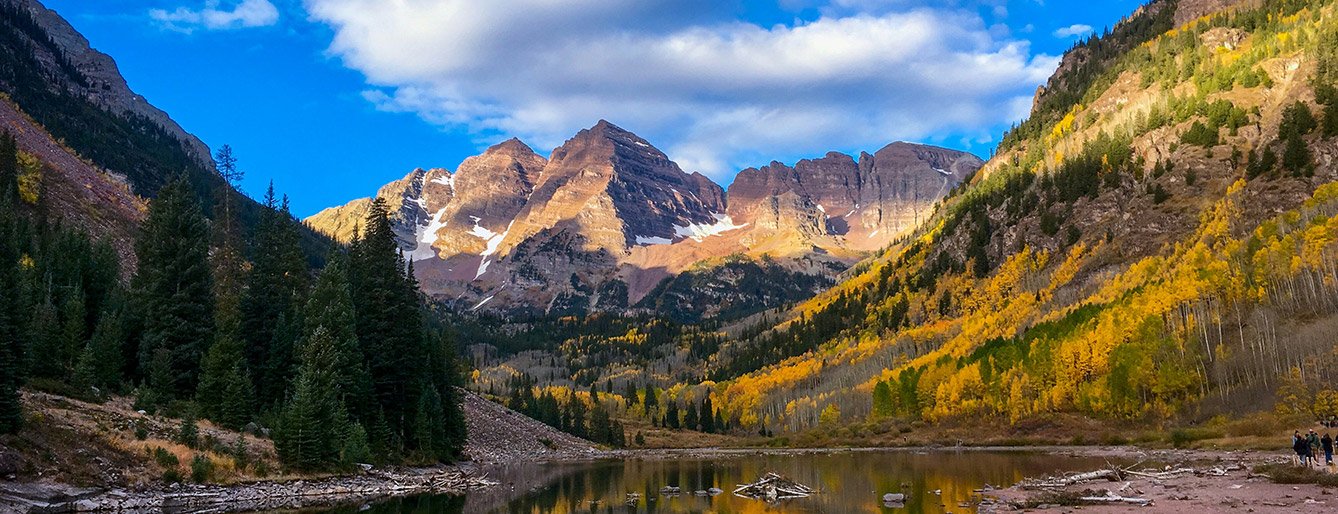
Arguably the most photographed mountains in North America, the Maroon Bells are a must-see.
These twin peaks tower over Maroon Lake, creating a stunning reflection that changes with the seasons.
The easy 1-mile trail around the lake is accessible to most visitors, while the Crater Lake trail offers more of a challenge.
Indulge in Wellness & Hot Springs
Aspen is a wellness capital. From luxury spas to open-air yoga on mountaintops, the town embraces holistic health.
Just 45 minutes away, you’ll find the Penny Hot Springs, a natural soaking spot along the Crystal River that’s free and wild.
Dive into Aspen’s Cultural Scene
Aspen isn’t just for outdoor enthusiasts — it’s also a hub for the arts. Explore:
- The Aspen Institute – a global think tank hosting public lectures and seminars
- Aspen Music Festival – summer symphonies and concerts in the open air
- Wheeler Opera House – classic performances and indie film screenings
Summer Outdoor Fun
When the snow melts, Aspen becomes a hiker’s and biker’s paradise. Popular summer activities include:
- Rio Grande Trail – a 42-mile biking trail that runs along the Roaring Fork River
- Cathedral Lake Trail – a moderate hike to a turquoise glacial lake
- Fly Fishing – the Roaring Fork and Fryingpan Rivers are Gold Medal waters
Where Luxury Lives Naturally
Yes, Aspen has luxury hotels, celebrity chefs, and boutique galleries — but the town’s charm is in how that luxury is layered over a deep respect for nature.
Even the most exclusive resorts are eco-conscious, and Aspen was one of the first ski towns to power its operations with 100% renewable energy.
First-Hand Tips & Advice
- Getting There: Aspen has a regional airport with direct flights from major U.S. cities. Alternatively, drive from Denver (~4 hours) via Independence Pass in summer for breathtaking views.
- Timing: September is a dream season — golden aspen leaves light up the hills, and the summer crowds are gone.
- Reservations: Book in advance during ski season and summer festivals — rooms and restaurants fill up quickly.
If you’re seeking a Colorado destination where indulgence meets authenticity, Aspen offers a rare mix of elegance, elevation, and unforgettable landscapes.
It’s where you go to feel inspired — whether by music, mountains, or the moment.
6. Colorado Springs – Nature and History
Situated at the foot of one of America’s most famous peaks, Colorado Springs is a city where natural wonders and rich history are part of everyday life.
Known for its family-friendly atmosphere, military heritage, and jaw-dropping scenery, it offers a distinctly different vibe than Denver or Boulder — one that’s slower-paced, proudly patriotic, and deeply connected to its landscape
.
From dramatic red rock formations to towering mountains, Colorado Springs gives travelers a chance to explore some of Colorado’s most iconic natural features — many of them free and accessible without long drives or entrance fees.
It’s a perfect base for travelers who want the outdoors without venturing too far into remote territory.
Top Places to Visit in Colorado Springs
Garden of the Gods
This public park is a registered National Natural Landmark — and one of the most photographed places in Colorado.
Massive, jagged red sandstone rock formations rise hundreds of feet from the ground, creating a dramatic contrast against the blue sky and snow-capped Pikes Peak in the background.
Pikes Peak – America’s Mountain
At 14,115 feet, Pikes Peak inspired the lyrics to America the Beautiful. You can reach the summit in three ways:
- Drive the scenic Pikes Peak Highway (with hairpin turns and unreal views)
- Ride the historic Cog Railway (rebuilt in 2021 and now the highest train in North America)
- Hike the challenging Barr Trail (a full-day, 13-mile trek gaining over 7,000 feet in elevation)
Whichever you choose, the panoramic summit views stretch across Colorado and into multiple states.
Manitou Springs
This quirky, artsy town is just minutes from Garden of the Gods but feels like stepping back in time.
Known for its natural mineral springs (you can taste them all on a self-guided tour), Manitou is also home to:
- The Manitou Incline – a legendary 2,768-step hike gaining nearly 2,000 feet in elevation in under a mile
- Historic arcades, boutique shops, and mystical energy stores
- Cave of the Winds – one of Colorado’s oldest tourist attractions with underground cave tours and cliffside ziplining
U.S. Air Force Academy
A working military base and academic institution, the Academy is open to visitors and offers a fascinating glimpse into cadet life.
The ultra-modern Cadet Chapel (currently under renovation) is a stunning piece of architecture and a must-see once reopened.
Other Notable Attractions
- Cheyenne Mountain Zoo – The highest zoo in America, known for its giraffe feeding platform and conservation efforts.
- Seven Falls – A series of cascading waterfalls within a dramatic box canyon; climb 224 steps to the top or take the mountain elevator for epic views.
- The Broadmoor – A historic five-star resort with its own lake, golf course, and luxury spa.
Expert Travel Tips
- Altitude prep: At over 6,000 feet, drink plenty of water and avoid strenuous activity on arrival.
- Weather: Summers are sunny and warm; winters are mild compared to the mountain towns.
- Family-friendly: This is one of the best places in Colorado for multi-generational travel — offering everything from nature to history to amusement.
Why It’s Worth the Trip
Unlike Aspen or Boulder, Colorado Springs doesn’t pretend to be trendy — and that’s part of its charm.
It’s where military families, outdoor lovers, and artists coexist, and where iconic landscapes are accessible without luxury price tags.
It’s also one of the best spots in Colorado to combine cultural depth with outdoor fun — all within an hour’s drive of Denver.
7. Durango & the Million Dollar Highway
Tucked into Colorado’s remote southwestern corner, Durango is a small town with a big personality — and even bigger scenery.
It’s a gateway to the dramatic San Juan Mountains, a living slice of Old West history, and a launchpad for one of the most scenic drives in America: the Million Dollar Highway.
Whether you’re chasing waterfalls, winding through alpine passes, or riding a 19th-century steam train through deep mountain canyons, Durango offers a richly textured experience that blends adventure, culture, and jaw-dropping views — all without the heavy crowds of more commercialized destinations.
Why Visit Durango?
Durango isn’t just scenic — it’s storied. The town was founded during the gold rush and still oozes frontier charm, with historic saloons, original architecture, and preserved railroads that continue to operate today.
Yet it’s also a magnet for modern adventurers: hikers, skiers, mountain bikers, and road trippers looking to get off the beaten path.
And the real magic happens just beyond town — along the Million Dollar Highway, a breathtaking stretch of U.S.
Route 550 that winds between Durango, Silverton, and Ouray, through hair-raising mountain passes and alpine wilderness.
Top Things to Do in Durango
Durango & Silverton Narrow Gauge Railroad
Step back into the 1880s on this iconic steam-powered train ride through the Animas River Gorge.
The journey from Durango to Silverton lasts about 3.5 hours each way (or you can take a train one way and a bus back).
Along the route, you’ll pass cascading waterfalls, sheer cliffs, and untouched wilderness that you can’t see from the road.
Million Dollar Highway (U.S. Route 550)
One of the most jaw-dropping drives in North America, this stretch of road between Silverton and Ouray snakes through the San Juan Mountains, climbing above 11,000 feet with no guardrails and sheer drop-offs.
Not for the faint of heart — but absolutely worth it for experienced drivers.
- Red Mountain Pass: The highest and most dramatic part of the highway
- Views: Alpine lakes, ghost towns, and 13,000-ft peaks
- Fall Foliage: In late September/early October, the golden aspens are surreal
Purgatory Resort
Located 25 miles north of Durango, this family-friendly resort is known for affordable lift tickets, fewer crowds, and sweeping mountain vistas.
In summer, the resort transforms into a hub for mountain biking, ziplining, and alpine slides.
San Juan National Forest
Surrounding Durango, the San Juan National Forest is packed with hiking trails, wildlife, and opportunities for backcountry camping. Popular hikes include:
- Ice Lakes Basin (near Silverton) – Intense but unbelievably beautiful
- Engineer Mountain Trail – A local favorite with panoramic views
- Animas River Trail – Paved and scenic for all skill levels
First-Hand Tips & Local Advice
- Altitude: Durango sits at 6,500+ feet and many surrounding areas climb higher — pace yourself if you’re coming from sea level.
- Seasonal Closures: The Million Dollar Highway is open year-round, but weather can cause delays — check conditions before driving in winter.
- Stay Overnight: Plan at least one night in Silverton or Ouray to fully experience the route and avoid backtracking.
Why Durango Is a Hidden Gem
While destinations like Aspen and Vail get much of the spotlight, Durango offers equally dramatic scenery with a deeper sense of authenticity.
It’s the kind of place where locals still wear cowboy hats, trains still run on steam, and the views are so stunning they feel like a movie set. It’s not just a stop — it’s a journey through the soul of southern Colorado.
8. Telluride – A Hidden Gem in the San Juan Mountains
Tucked away in a dramatic box canyon at nearly 9,000 feet elevation, Telluride is often called one of the most beautiful towns in America — and for good reason.
Surrounded by towering 13,000- and 14,000-foot peaks, lined with Victorian storefronts, and infused with rugged authenticity, Telluride is the kind of place that travelers stumble upon once and never forget.
Despite its world-class ski terrain and celebrity visitors, Telluride has managed to stay true to its roots.
It’s a place where wild beauty meets unpretentious charm, and where every street ends in a mountain view.
Why Visit Telluride?
While other Colorado resort towns lean into glitz, Telluride stays grounded. Originally a silver mining boomtown, its historic district is protected and preserved, giving the town a timeless, almost cinematic quality.
What truly sets it apart, though, is the sheer beauty of its setting — from cascading waterfalls to dramatic ridgelines, every view is photo-worthy.
Add in top-notch festivals, backcountry trails, and a vibe that’s more “mountain soul” than “mountain chic,” and you’ve got a destination that’s equal parts scenic, serene, and seriously memorable.
Top Things to Do in Telluride
Ski or Snowboard Telluride Ski Resort
Ranked consistently among the best ski resorts in North America, Telluride offers over 2,000 acres of skiable terrain with everything from beginner slopes to expert chutes.
What makes it even more special? No lift lines and stunning views from every run.
- Bonus: The free gondola connecting Telluride and Mountain Village is the first and only public transportation system of its kind in North America — and it’s spectacular at sunset.
Hike to Bridal Veil Falls
At 365 feet, Bridal Veil Falls is Colorado’s tallest free-falling waterfall, and it’s located right at the edge of town.
Hike or 4×4 your way up to the top, where you’ll find not only sweeping canyon views but also the historic power plant perched above the falls.
Attend a Festival
Telluride punches far above its weight when it comes to events. Don’t miss:
- Telluride Film Festival (August/September) – A prestigious event attracting Oscar-winning directors and actors
- Telluride Bluegrass Festival (June) – A legendary gathering of musicians and mountain lovers
- Telluride Mushroom Festival (August) – Yes, it’s a thing — complete with foraging walks and fungal science
Bike the Valley Floor or Ride the Trails
Explore the scenic Valley Floor Loop, a peaceful trail perfect for biking or cross-country skiing.
For adrenaline seekers, mountain biking on Prospect Trail or Wasatch Connection will test your skills and reward you with sweeping vistas.
Stroll the Historic Downtown
No chain stores here — just locally owned boutiques, outdoor gear shops, art galleries, and cozy cafés.
The historic buildings, many from the 1880s silver boom, add character to every step.
First-Hand Tips & Local Insight
- Getting There: Telluride is remote — expect a scenic 6-hour drive from Denver or fly into Montrose Regional Airport (~1.5 hours away).
- Stay Awhile: Many visitors say 2–3 days isn’t enough. With limited crowds and endless scenery, it’s the kind of place you’ll want to linger.
- Go in Fall: September brings golden aspen forests, cool weather, and fewer tourists — arguably the best time to visit.
Why Telluride Feels Like a Secret
Unlike Aspen or Vail, Telluride hasn’t been overdeveloped. It’s a town that still feels like a town — not a polished resort.
There’s a raw beauty here that even the most luxurious accommodations can’t overshadow. It’s Colorado at its most cinematic, soulful, and serene.
9. Great Sand Dunes National Park – Surreal Landscapes
In a state famed for snow-capped mountains and evergreen forests, the Great Sand Dunes National Park and Preserve feels like a mirage.
Rising up to 750 feet high, the tallest dunes in North America appear suddenly and dramatically at the base of the Sangre de Cristo Mountains, creating a stark and surreal contrast you won’t find anywhere else in Colorado — or the U.S.
This otherworldly landscape is one of Colorado’s most underrated gems: visually stunning, scientifically fascinating, and surprisingly adventurous.
Why Visit Great Sand Dunes?
The park’s unique combination of towering sand dunes, alpine forests, wetlands, and seasonal streams offers a rare blend of ecosystems in one place.
While most national parks highlight one type of terrain, Great Sand Dunes feels like five parks in one — a dream come true for explorers, photographers, and families alike.
And the best part? It’s still relatively uncrowded compared to other national parks, especially if you visit during shoulder seasons.
Top Things to Do at Great Sand Dunes
Go Sandboarding or Sand Sledding
Yes, you can surf the sand here — and it’s as fun as it sounds. Rent a sandboard or sled (not plastic ones — they won’t work!) from local shops like Kristi Mountain Sports or Oasis Store, then head to the base of High Dune or Star Dune.
Hike the Dunes
There are no marked trails in the dune field — it’s a free-roam zone, which means you can chart your own path.
The most popular hike is to High Dune on First Ridge (2.5 miles roundtrip with a steep incline). For more solitude, aim for Star Dune, the park’s highest dune, which requires a longer, more strenuous trek.
Play in Medano Creek (Seasonal)
In late spring and early summer (usually May to early June), Medano Creek flows at the base of the dunes, creating a natural beach that’s especially popular with families.
Kids float on inner tubes while adults soak in the mountain backdrop.
Stargazing & Night Photography
As a certified International Dark Sky Park, Great Sand Dunes offers world-class stargazing. On moonless nights, the Milky Way is visible to the naked eye.
Many photographers come specifically for night shots of the dunes lit by starlight or moonlight.
Explore the Surrounding Wilderness
Beyond the dunes lies alpine forest and tundra in the Sangre de Cristo Mountains.
Hiking trails like Mosca Pass, Medano Lake, and Zapata Falls (just outside the park) offer cooler temperatures, waterfalls, and wildflower meadows.
First-Hand Tips & Local Insights
- Timing is everything: Spring for creek play, fall for cooler hiking. Summer can be extremely hot.
- Footwear: Wear closed shoes or bring thick socks — the sand gets hot enough to burn your feet.
- Camping: Piñon Flats Campground offers front-row views of the dunes, but reservations are essential during peak season.
- Weather: Afternoon thunderstorms are common in summer. Always start your dune adventures early.
Why It’s Unforgettable
The Great Sand Dunes are a physical paradox — both silent and dynamic, remote yet accessible, harsh and magical.
Whether you’re sledding down a 700-foot dune, watching a lightning storm roll over the valley, or standing in stillness under a starry sky, the park leaves an impression that lasts far beyond the visit.
This isn’t just a place to see — it’s a place to feel.
10. Crested Butte – Wildflowers & Winter Sports
Charming, remote, and brimming with color, Crested Butte feels like the Colorado you imagine in daydreams — quaint downtown streets, endless alpine meadows, and a laid-back mountain culture that hasn’t been overtaken by commercial tourism.
Often referred to as “The Wildflower Capital of Colorado,” Crested Butte is a year-round haven for outdoor lovers, artists, and travelers looking to step off the beaten path.
This is a town where nature still leads the pace of life — and that’s exactly why it’s worth the trip.
Why Visit Crested Butte?
Unlike the high-end polish of Aspen or the tourist bustle of Breckenridge, Crested Butte remains proudly authentic.
It was once a coal mining town, and its historic district is lined with colorful Victorian-era buildings now home to cafés, gear shops, and art galleries.
But the real star here is the landscape — which transforms dramatically by season, from blankets of wildflowers in summer to deep powder and quiet trails in winter.
Whether you’re hiking past blooming alpine meadows or gliding down uncrowded ski runs, Crested Butte delivers a raw, immersive experience that many other mountain towns have lost.
Top Things to Do in Crested Butte
Wildflower Season (Mid-June to Early August)
Crested Butte is world-famous for its explosive summer blooms — lupines, columbines, Indian paintbrush, sunflowers, and more.
The annual Crested Butte Wildflower Festival (held every July) features guided hikes, photography classes, garden tours, and botany workshops.
- Best trails for wildflower viewing:
- Snodgrass Mountain Trail
- Lupine Trail
- Judd Falls Trail
- Snodgrass Mountain Trail
Ski Crested Butte Mountain Resort
One of Colorado’s best-kept ski secrets, this resort offers terrain for all levels, but it’s especially known for extreme skiing and steep chutes.
You’ll find significantly fewer crowds than other major ski resorts — and the vibe is more “locals only” than luxury lodge.
- Bonus: Night skiing, tubing, and après-ski spots like Montanya Distillers add to the experience.
Mountain Biking Mecca
In summer, Crested Butte becomes one of the premier mountain biking destinations in the country. With over 750 miles of singletrack trails, it’s a paradise for riders.
- Signature rides:
- 401 Trail Loop – Iconic, high-elevation ride with epic views
- Doctor Park – Challenging with rewarding downhill sections
- 401 Trail Loop – Iconic, high-elevation ride with epic views
Wellness and Off-the-Grid Escapes
Many visitors come to Crested Butte to unplug and reset.
From yoga retreats and riverside cabins to fly-fishing trips and sound baths, this is a perfect destination for mental and physical restoration.
Explore Downtown Elk Avenue
This colorful, walkable main street is packed with character.
Expect indie bookstores, artisan chocolate shops, galleries featuring local artists, and funky cafés that feel stuck in a good way in the 1970s.
First-Hand Tips & Local Advice
- Getting There: Crested Butte is remote. Fly into Gunnison-Crested Butte Regional Airport (GUC) or take the scenic 4.5-hour drive from Denver.
- Altitude Alert: At nearly 9,000 feet, be sure to hydrate and acclimate slowly.
- Autumn Secret: Fall is an overlooked time to visit — golden aspen groves and empty trails create a peaceful, painterly scene.
Why Crested Butte Is a Soulful Escape
This is the kind of town that doesn’t try to impress you — and ends up doing exactly that.
With its community-first feel, extraordinary scenery, and vibrant seasonal rhythms, Crested Butte is a place to reconnect with nature, art, and simplicity. It’s not just scenic — it’s sincere.
11. Breckenridge – All-Season Resort Town
With its charming historic core, vibrant year-round events, and one of the most popular ski resorts in North America, Breckenridge (or “Breck” as locals call it) strikes the perfect balance between Colorado heritage and mountain adventure.
Once a 19th-century gold rush town, today it’s a lively four-season destination that attracts skiers, hikers, mountain bikers, and families from all over the world.
While it’s known for its snow-covered slopes, Breckenridge’s biggest secret is that it might be even better in the off-season — when wildflowers replace powder, festivals take over Main Street, and the trails are just as thrilling without the skis.
Why Visit Breckenridge?
Breckenridge is one of the most accessible resort towns in Colorado — just a two-hour drive from Denver — yet it manages to keep its small-town feel, even with its popularity.
The historic downtown is filled with restored Victorian buildings, many dating back to the 1800s, housing independent boutiques, craft breweries, and cozy restaurants.
What sets Breckenridge apart is how every season offers something different: world-class skiing in winter, hiking and festivals in summer, leaf-peeping in fall, and snowshoeing or tubing in spring shoulder months.
And thanks to its strong arts community, there’s always something culturally enriching happening alongside the outdoor fun.
Top Things to Do in Breckenridge
Ski Breckenridge Resort
One of the top ski destinations in the country, Breck offers:
- 5 peaks and over 180 trails for all skill levels
- One of the highest chairlifts in North America (Imperial Express SuperChair)
- Terrain parks, ski schools, and incredible alpine bowls
Stroll Historic Main Street
This charming strip is the heart of Breck. Expect art galleries, coffee shops, bookstores, souvenir stores, and a strong craft beer scene.
The entire downtown is a designated National Historic District, with wooden sidewalks and old mining-era buildings still standing.
Summer Hiking & Biking
When the snow melts, Breck becomes a playground for hikers and bikers. Some of the best trails include:
- Mohawk Lakes Trail – Alpine lakes, waterfalls, and mining ruins
- Sawmill Reservoir – A quick, family-friendly hike with beautiful views
- Boreas Pass Road – Ideal for mountain biking or scenic drives in fall
Year-Round Festivals
Breckenridge is a town that knows how to celebrate. No matter when you visit, there’s likely something going on:
- Ullr Fest (January): A winter Viking-themed celebration of snow
- International Snow Sculpture Championships (Late Jan): Teams from around the world carve intricate sculptures entirely from snow
- Breck Film Festival (Fall): Independent films with a mountain town twist
- Oktoberfest (September): Beer, bratwurst, and Bavarian costumes line Main Street
Explore BreckCreate Arts District
This creative hub includes workshops, public art displays, artist studios, and performance spaces.
It’s an unexpected cultural treasure for a ski town, and perfect for non-skiers or rainy day visits.
First-Hand Tips & Local Advice
- Altitude awareness: Breckenridge sits at nearly 9,600 feet — take it slow your first day.
- Free Transportation: The Breck Free Ride Bus gets you around town and to the ski lifts easily.
- Book in advance: Lodging fills quickly during holidays and spring break.
Why Breckenridge Offers the Best of Both Worlds
Breckenridge is the rare resort town that manages to stay grounded.
While it has all the amenities of a major destination — from gourmet dining to luxury spas — it never loses its mountain soul.
Whether you’re sipping cocoa by a fireplace, riding through fresh powder, or hiking into a field of wildflowers, Breck invites you to play, pause, and connect.
12. Vail – World-Class Mountain Resort
If there’s one name that has become synonymous with luxury skiing and alpine elegance in the U.S., it’s Vail.
Modeled after the charming villages of the European Alps, Vail is both a skier’s paradise and a refined mountain retreat that offers exceptional experiences year-round.
But don’t be fooled by its upscale image — beneath the luxury veneer, Vail remains deeply connected to the outdoors.
Whether you’re carving fresh powder on Vail Mountain or mountain biking high-altitude trails in summer, the raw beauty of the Rockies is always front and center.
Why Visit Vail?
Vail isn’t just a resort — it’s a full-scale mountain village where everything is curated for comfort, adventure, and beauty.
With over 5,300 acres of skiable terrain, Vail is one of the largest ski resorts in the world. But its appeal extends beyond the slopes.
The pedestrian-friendly villages, alpine architecture, and abundant fine dining make Vail just as enjoyable for non-skiers.
Thanks to year-round events, high-end shopping, scenic trails, and wellness retreats, Vail draws couples, families, solo travelers, and international tourists — all looking for that perfect blend of luxury and nature.
Top Things to Do in Vail
Ski or Snowboard Vail Mountain
Vail’s ski resort is world-famous for a reason:
- Over 190 trails, from gentle greens to expert back bowls
- Legendary Back Bowls – over 3,000 acres of wide-open, ungroomed terrain
- State-of-the-art lift system with heated gondolas and minimal wait times
Explore Vail Village & Lionshead
These two pedestrian-only alpine villages are filled with European-style chalets, cobblestone walkways, high-end boutiques, cozy cafés, and luxury hotels.
Even if you’re not skiing, strolling through these villages is an experience in itself.
- Don’t miss: Sonnenalp Hotel, Vendetta’s Pizza, The Sebastian’s Library Bar
Summer Adventures
Vail is just as magical without snow. In summer, the ski slopes become bike trails, wildflower meadows, and hiking paths.
- Gondola rides to scenic mountain-top trails
- Mountain biking down the Vail Valley singletrack system
- Fly fishing in Gore Creek
- Stand-up paddleboarding at Nottingham Lake
Vail’s Cultural & Wellness Scene
Vail punches above its weight culturally:
- Bravo! Vail Music Festival (July): World-renowned orchestras in a stunning outdoor amphitheater
- Vail Dance Festival (August): Featuring ballet, contemporary, and international performances
- Spa havens: Visit The Ritz-Carlton Spa or Arrabelle Spa for premium wellness treatments
Winter Wonderland Beyond Skiing
For non-skiers, Vail offers:
- Snowshoeing and Nordic skiing
- Horse-drawn sleigh rides
- Ice skating in the village rinks
- Gourmet food tours and wine tastings
First-Hand Tips & Local Insight
- Getting There: Fly into Eagle County Regional Airport (EGE), just 30 minutes from Vail, or drive ~2 hours from Denver.
- Parking in town is limited and expensive. Use the free in-town shuttle system for convenience.
- Dining reservations: Book early, especially during ski season or festival weeks.
- Budget wisely: Vail can be pricey — visit in shoulder seasons (late spring or early fall) for lower rates and thinner crowds.
Why Vail Lives Up to the Hype
Vail might be famous, but it’s not overrated.
It’s a destination that combines natural grandeur with world-class amenities, offering travelers a chance to go big or go quiet — whether that means heli-skiing, fireside wine tastings, alpine yoga, or a simple walk along Gore Creek.
In every season, Vail delivers the kind of refined mountain experience that keeps visitors coming back — not just for the snow, but for the serenity, the scenery, and the spirit of the Rockies.
13. Maroon Bells – Colorado’s Most Photographed Peaks
If you’ve seen a postcard of Colorado, chances are you’ve seen the Maroon Bells — two towering 14,000-foot peaks mirrored in the calm waters of Maroon Lake, framed by golden aspens or snow-dusted pines depending on the season.
Often referred to as the most photographed mountains in North America, this iconic view isn’t just beautiful — it’s breathtaking in person.
Located just 10 miles from Aspen, the Maroon Bells-Snowmass Wilderness is a protected area of pristine alpine beauty, offering travelers a rare opportunity to witness the Rockies in their purest form.
Why Visit Maroon Bells?
While Colorado is full of jaw-dropping vistas, Maroon Bells stands apart.
The symmetry, scale, and seasonal color palette make it a photographer’s dream, but it’s also a deeply spiritual and serene destination for hikers, families, and nature seekers.
Unlike more developed tourist spots, the area is tightly regulated to protect its fragile ecosystem — which means less crowding and more preserved beauty.
From wildflower-dotted valleys in summer to golden aspen groves in fall, every visit feels different — and equally magical.
Top Things to Do at Maroon Bells
Walk the Scenic Maroon Lake Trail (Easy)
This short, flat 1-mile loop offers panoramic views of the peaks reflected in the lake. Ideal for first-time visitors, families, or anyone looking for maximum scenery with minimal effort.
- Best Time for Photography: Early morning or evening for mirror-like reflections and soft lighting.
Crater Lake Trail (Moderate)
For a deeper adventure, this 3.6-mile roundtrip trail leads to Crater Lake, nestled beneath the peaks with even closer views.
It’s a rocky but rewarding hike, especially in the fall when aspen trees blaze with color.
Buckskin Pass Trail (Difficult)
This strenuous 9-mile out-and-back hike gains over 3,000 feet of elevation and leads you into the heart of the Elk Mountains. A true alpine challenge with jaw-dropping payoffs.
Wildlife Watching
Marmots, moose, foxes, pika, and even bears are occasionally spotted in the area. Bring binoculars and a telephoto lens if you’re a wildlife enthusiast.
First-Hand Tips & Local Insights
- Access is restricted: To preserve the environment, private vehicles are not allowed during peak season (May–October). Use the Maroon Bells Shuttle from Aspen Highlands or arrive before 8 a.m. or after 5 p.m. when private access is permitted.
- Permits for Overnight Use: Backpackers and campers need to obtain a permit through the Recreation.gov Maroon Bells site.
- Fall Foliage Alert: Late September is the absolute peak for fall color, but it’s also the busiest. Book in advance.
Why Maroon Bells Is a Must-See
Maroon Bells is not just a “photo op” — it’s a deeply moving natural experience.
The stillness of the lake, the grandeur of the peaks, and the hushed awe of those around you make this place feel sacred.
It’s one of those rare destinations that lives up to — and often exceeds — the hype.
For travelers seeking beauty, peace, and connection with nature, this might just be the most unforgettable stop in all of Colorado.
14. Glenwood Springs – Hot Springs & Adventure
Tucked between soaring cliffs in the Roaring Fork Valley, the town of Glenwood Springs is where geothermal relaxation meets mountain adrenaline.
Famous for its therapeutic hot springs, historic charm, and access to outdoor adventure, Glenwood Springs is a beloved stop for travelers looking to unwind — or gear up — in the heart of Colorado’s rugged beauty.
Whether you’re soaking under the stars, hiking to a hidden lake, or whitewater rafting through Glenwood Canyon, this mountain town delivers a well-balanced blend of rest and recreation.
Why Visit Glenwood Springs?
Glenwood Springs stands out among Colorado towns because it caters to both thrill-seekers and spa-goers.
Its natural hot springs have been attracting visitors for centuries — first the Ute tribes, then settlers, and now international travelers.
But it’s also a gateway to some of the state’s best hidden hikes, biking trails, and river activities.
Add in a laid-back downtown, scenic rail access, and family-friendly fun, and it’s easy to see why Glenwood Springs consistently ranks as one of Colorado’s top small towns.
Top Things to Do in Glenwood Springs
Soak in the Glenwood Hot Springs Pool
Home to the world’s largest mineral hot springs pool, this is Glenwood’s signature attraction.
The warm, healing waters are open year-round, and the resort offers both family-friendly zones and quiet soaking areas for adults.
- Bonus: The adjacent Lodges at Glenwood Hot Springs make it easy to stay and soak all weekend long.
Iron Mountain Hot Springs
A more modern and serene alternative, Iron Mountain offers 16 smaller soaking pools with varying temperatures — all overlooking the Colorado River.
It’s a quieter, more scenic experience ideal for couples or solo travelers.
Hike to Hanging Lake
Arguably one of the most stunning hikes in Colorado, Hanging Lake features a turquoise pool suspended on a cliffside with waterfalls flowing into it from above.
It’s a short but steep 3-mile roundtrip hike that requires a permit and advance booking to protect the fragile ecosystem.
Raft the Colorado River
In summer, the Glenwood Canyon stretch of the Colorado River becomes a hotspot for whitewater rafting.
Outfitters offer half-day and full-day trips, suitable for both beginners and thrill-seekers.
Visit Glenwood Caverns Adventure Park
This mountaintop theme park combines natural caves with adrenaline rides like the Alpine Coaster, Giant Canyon Swing, and Haunted Mine Drop — perched right on the edge of a cliff. Families with older kids especially love this mix of thrills and scenery.
First-Hand Tips & Local Insights
- Hanging Lake permits: Book far in advance via Visit Glenwood. Only a limited number are issued each day.
- Getting there: Glenwood Springs is one of the only Colorado towns accessible by Amtrak’s California Zephyr route — a scenic and relaxing way to travel.
- Seasonal Tip: Fall is the best time to visit for fewer crowds, vibrant foliage, and crisp evenings in the hot springs.
Why Glenwood Springs is Worth the Stop
This town offers the rare opportunity to go from backcountry hike to spa soak in the same afternoon.
It’s perfect for travelers who want to treat their muscles, explore lesser-known trails, or simply float in warm water while watching the stars overhead.
Whether you stay for a night or make it a long weekend, Glenwood Springs leaves you both recharged and inspired.
Conclusion: Discover the Many Faces of Colorado
From the glitzy heights of Aspen and Vail to the soul-soothing stillness of the Great Sand Dunes, Colorado is more than just a travel destination — it’s a collection of living, breathing experiences, each with its own character, culture, and natural wonder.
Whether you came here seeking majestic mountains, vibrant cities, hidden hot springs, or untamed trails, Colorado delivers in every season — and in more ways than most travelers expect.
This is a state where luxury and wilderness walk side-by-side, where towns still echo with frontier spirit, and where every curve in the road invites a new perspective.
But the real beauty of traveling in Colorado? It meets you where you are.
- Want high-altitude thrills? There’s skiing, climbing, and backcountry hiking.
- Craving peace and reflection? You’ll find it in alpine lakes, dark skies, and desert stillness.
- Traveling with kids, friends, or solo? There’s space for all — and room to breathe.
This guide has only scratched the surface of what Colorado offers.
The best part of your journey might not even be listed here — it could be the small town you discover by accident, the sunrise you catch before the crowds arrive, or the conversation you have with a local who gives you a tip you won’t find online.
As you plan your trip or revisit places you already love, remember this: Colorado rewards the curious.
It’s not just about where you go — it’s about how deeply you let it in.
Now it’s your turn:
Pack your layers. Charge your camera. Clear some space on your map.
Because the best places to visit in Colorado are waiting — and they’re even better than you imagined.