Top Places to Visit in Nashville, Tennessee: Your Ultimate 2025 Travel Guide
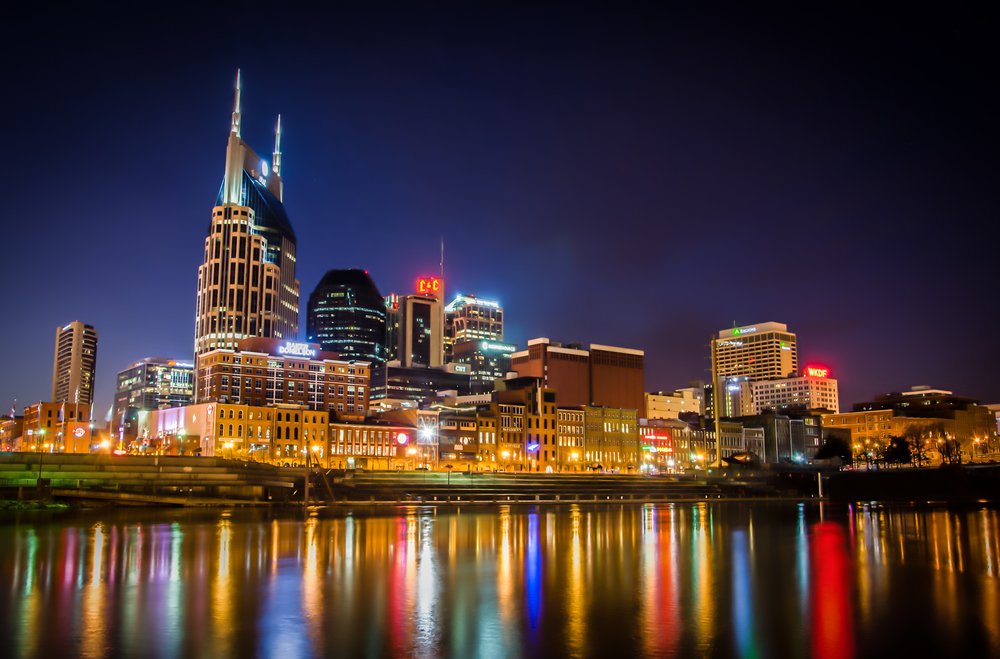
Introduction: Why Nashville Should Be on Your Travel List
Nashville isn’t just a destination—it’s a rhythm, a flavor, a feeling.
Widely known as the “Music City,” Nashville, Tennessee is one of the few American cities that successfully blends rich musical heritage, forward-thinking innovation, Southern hospitality, and cultural depth into a single vibrant experience.
Whether you’re a first-time traveler or a seasoned explorer, Nashville offers something that can’t be replicated elsewhere: an authentic sense of place powered by creativity, culture, and community.
But there’s more to Nashville than country music and honky-tonks.
It’s a city with a thriving food scene, eclectic art, centuries-old history, family-friendly attractions, and natural retreats—all within reach of downtown.
From mural-covered streets and soul-filled venues to Civil War-era estates and serene parks, Nashville invites you to slow down, listen, taste, and explore.
And in 2025, with new museums, festivals, and culinary innovations on the rise, there’s never been a better time to visit.
This guide curates the best places to visit in Nashville, backed by firsthand knowledge, local insights, and hours of research—ensuring you’re not just checking off tourist traps, but experiencing the soul of the city.
Explore the Heart of Country Music
When most people think of Nashville, the first thing that comes to mind is country music—and for good reason.
This city didn’t earn the nickname “Music City” by accident. It’s home to the legends, landmarks, and living traditions that shaped the genre, and even if you’re not a country fan, the stories and artistry rooted in these sites are undeniably compelling.
Country Music Hall of Fame and Museum
A cornerstone of Nashville’s cultural identity, the Country Music Hall of Fame and Museum isn’t just a museum—it’s an immersive archive of American history told through the lens of music.
Housed in a stunning modern building with sweeping architecture meant to resemble piano keys and a bass clef, this institution captures the evolution of country music from its Appalachian roots to its modern-day crossovers.
Inside, you’ll find:
- Costumes worn by legends like Dolly Parton and Hank Williams
- Elvis Presley’s gold Cadillac limousine
- Johnny Cash’s handwritten lyrics
- Interactive sound booths where you can listen to different eras of music
Beyond the exhibits, the museum offers rotating galleries, educational programs, songwriting workshops, and performances.
If you’re interested in how storytelling, struggle, and spirit shaped America’s soundtrack, this is a non-negotiable stop.
Expert Tip: Go early on weekdays to avoid crowds. Consider booking a combo ticket with Studio B for a deeper dive into Nashville’s recording legacy.
Ryman Auditorium
Nicknamed the “Mother Church of Country Music,” the Ryman Auditorium is sacred ground for music lovers.
Originally built in 1892 as a tabernacle, it transformed into a music venue in the 20th century and became the original home of the Grand Ole Opry.
Today, the Ryman still hosts concerts from every genre—bluegrass to indie rock—and stands as a testament to Nashville’s roots and range.
But don’t just attend a show. Take the backstage tour and step onto the same stage that hosted legends like Patsy Cline, Elvis Presley, and more recently, artists like Jack White and Brandi Carlile.
The tour reveals rare anecdotes and behind-the-scenes insights that deepen your appreciation of its iconic status.
Did You Know? The Ryman was almost demolished in the 1970s before a major preservation campaign saved it—a reflection of Nashville’s enduring respect for its musical past.
Grand Ole Opry
If the Ryman is the spiritual home of country music, then the Grand Ole Opry is its beating heart.
Broadcasting live since 1925, the Opry is the longest-running radio show in U.S. history and has launched the careers of countless stars.
Today, it continues to celebrate country, Americana, gospel, and bluegrass acts with weekly live shows.
A visit to the Grand Ole Opry House offers a unique chance to witness this living legacy firsthand.
Whether you attend a show or take a backstage tour (or both), you’ll get an up-close look at the artists, traditions, and behind-the-scenes rituals that keep the spirit of country music alive.
Local Insight: For a truly memorable night, book the VIP tour which includes access to dressing rooms and exclusive photo ops on stage. Shows are family-friendly and full of energy.
In Summary: These aren’t just tourist attractions—they’re cultural institutions that tell the story of a genre that shaped American music.
Even non-country fans walk away with a deeper appreciation for the passion and history behind the songs that shaped generations.
Dive Into Nashville’s Local Neighborhoods
Nashville is more than just its music venues—its neighborhoods pulse with distinct personalities, each offering travelers a unique slice of city life.
From neon-lit party streets to indie enclaves and upscale urban vibes, exploring these communities is essential to truly understanding the spirit of Nashville.
Here’s a breakdown of the top neighborhoods worth your time—and why they belong on your itinerary.
Broadway Street: Where the City Never Sleeps
Broadway is Nashville’s most iconic strip—and it lives up to the hype.
This lively stretch of downtown is lined with honky-tonk bars, rooftop patios, and live music venues that pump out tunes from 10 a.m. to 3 a.m., seven days a week.
Whether you’re into country, rock, or blues, you’ll find it blasting from somewhere as you stroll along this neon corridor.
Top Spots to Visit:
- Tootsie’s Orchid Lounge – A legendary purple-fronted honky-tonk that’s seen performers like Willie Nelson and Kris Kristofferson.
- Acme Feed & Seed – A multilevel venue with rooftop views of the Cumberland River, local bites, and DJ sets after dark.
- Honky Tonk Central – Three floors of non-stop live music and rowdy dancing.
Beyond the party, Broadway is also home to historic landmarks like the Bridgestone Arena, Johnny Cash Museum, and Nashville Symphony’s Schermerhorn Center, making it a diverse stop for both nightlife and daytime exploring.
Local Tip: Weeknights are much less crowded than weekends. If you want to hear original songs and talented locals, visit earlier in the day or seek out songwriter rounds off the main drag.
The Gulch: Trendy, Stylish, and Walkable
Just south of downtown, The Gulch is a sleek and upscale neighborhood that’s perfect for travelers who want a modern, Instagrammable slice of Nashville.
A revitalized industrial district turned hot spot, The Gulch blends boutique shopping, chic cocktail lounges, and eye-catching street art.
What to Expect:
- Biscuit Love – The line is long for a reason. Their “Bonuts” (fried biscuit dough topped with lemon mascarpone) are famous.
- The W Nashville – A luxury hotel with a stunning rooftop pool and bar.
- Murals – Don’t miss the iconic “What Lifts You” angel wings mural by Kelsey Montague.
This neighborhood is ideal for a midday break from Broadway’s chaos or for a stylish evening of dining and craft cocktails.
Insider Advice: Paid parking is limited—opt for ride-share or check if your hotel includes a shuttle.
3.3. East Nashville: Artistic, Bohemian, and Authentically Local
If you want to experience Nashville like a local, head east.
East Nashville is where creative energy flows freely, with a mix of tattoo parlors, vintage boutiques, farmers markets, and laid-back coffee shops.
It’s a haven for artists, musicians, and foodies—and it has some of the best brunch and craft beer scenes in the city.
Explore These Local Favorites:
- Five Points – The heart of East Nashville, with bars, galleries, and indie shops.
- Mas Tacos Por Favor – A no-frills taco joint beloved by locals and celebrities alike.
- Barista Parlor – Known for specialty coffee, airy interiors, and minimalist vibes.
The neighborhood also boasts charming historic homes, community gardens, and a proudly unpolished aesthetic that makes it feel refreshingly real.
Real Talk: East Nashville may be more residential and spread out, but it rewards those who linger. Take your time and wander with intention.
In Summary: Exploring Nashville’s neighborhoods is key to understanding its full identity.
Each district—whether flashy or funky—adds dimension to the city’s charm.
Skip the surface-level tourist traps and dive into the communities that give Nashville its heartbeat.
Historical and Cultural Landmarks
Beyond the music and nightlife, Nashville is a city deeply rooted in American history and Southern heritage.
From antebellum estates to presidential homes and architectural replicas, the city offers visitors a fascinating journey through time.
These historical and cultural landmarks aren’t just photo ops—they’re immersive experiences that reveal how Nashville became what it is today.
The Parthenon at Centennial Park
Yes, Nashville has a full-scale replica of the Parthenon—and no, it’s not a gimmick. Originally built for the 1897 Tennessee Centennial Exposition, the Parthenon stands as a symbol of the city’s nickname: “The Athens of the South,” a nod to its early commitment to education and the arts.
Located in Centennial Park, this architectural marvel includes:
- A 42-foot statue of Athena, the tallest indoor sculpture in the Western Hemisphere
- A fine art museum with 19th and 20th-century American paintings
- Interpretive exhibits about the original Parthenon in Athens and Nashville’s own classical influences
Surrounded by peaceful lawns, a duck pond, and scenic walking trails, the Parthenon is a great place to combine sightseeing with relaxation.
Why It Matters: This monument isn’t just an oddity—it’s a window into Nashville’s ambition to position itself as a cultural capital in the post-Civil War South.
Belle Meade Historic Site & Winery
Step back into the 19th century with a visit to Belle Meade, a Greek Revival mansion that once served as a thoroughbred horse plantation.
This site offers a candid look at both the grandeur and the complexities of Southern history, including the lives of enslaved people who lived and worked on the estate.
Highlights of the Experience:
- Guided tours of the mansion and grounds
- On-site winery with daily tastings
- Historic outbuildings including a smokehouse, carriage house, and dairy
Belle Meade does an excellent job of combining elegant preservation with hard truths, offering specialized tours that focus on African American history and the realities of plantation life.
Travel Tip: Book the “Journey to Jubilee” tour if you want a deeper, more honest exploration of the site’s enslaved population and their stories.
Andrew Jackson’s Hermitage
The Hermitage, home of the seventh U.S. President Andrew Jackson, is one of the best-preserved presidential estates in the nation.
Spread across 1,120 acres, this property includes the Jackson family mansion, formal gardens, original slave cabins, and a museum chronicling Jackson’s controversial legacy.
What makes this site stand out is its commitment to immersive education:
- Costumed interpreters and historical reenactments
- Audio guides and exhibits that highlight both political impact and personal life
- Balanced storytelling, including the complex issues of slavery and Native American displacement
Whether you admire Jackson’s fierce populism or question his legacy, the Hermitage offers the context and nuance to make up your own mind.
Good to Know: The grounds are vast—plan at least 2–3 hours for a meaningful visit, and wear comfortable walking shoes.
In Summary: Nashville’s historical landmarks are more than relics—they’re living classrooms.
Each site offers a lens into different eras, movements, and cultural shifts that shaped not only Tennessee but the United States.
They invite travelers to think critically, engage emotionally, and connect with the past in a way that goes far beyond textbooks.
Must-Visit Museums and Art Spots
Nashville’s creative soul extends well beyond its music venues.
The city boasts a thriving arts scene and a growing number of museums that celebrate everything from American art and African American music to the life of Johnny Cash.
Whether you’re a seasoned art lover or just seeking something inspiring and educational between meals and music, these cultural institutions deliver real substance.
Frist Art Museum
Housed in a stunning Art Deco-style former post office built in the 1930s, the Frist Art Museum is a dynamic, non-collecting museum—meaning the exhibits are always changing.
Every few months, visitors get a completely new set of world-class exhibitions, making each visit unique.
What You’ll Experience:
- Exhibitions from international, national, and local artists
- Themes ranging from classical painting to contemporary installations
- The Martin ArtQuest Gallery, an interactive space where adults and kids alike can create their own art
Frist is as much about participation as it is observation. It’s an accessible, thoughtfully curated space that reflects Nashville’s dedication to innovation in the arts.
Pro Tip: Admission is free for visitors 18 and under. Check the calendar in advance—some exhibits are true once-in-a-lifetime experiences.
Johnny Cash Museum
No visit to Nashville is complete without a tribute to one of its most iconic figures: Johnny Cash. Located just off Broadway, this compact but immersive museum offers a deeply personal look into the life and legacy of the “Man in Black.”
Museum Highlights:
- Rare footage, handwritten lyrics, and family keepsakes
- Costumes and instruments from various stages of Cash’s career
- Insightful storytelling that covers both his fame and struggles
This museum appeals to both die-hard fans and newcomers. It paints a portrait not just of a music icon, but of a man who defied categories and spoke to the human condition.
Extra Tip: Pair this with a visit to the nearby Patsy Cline Museum (located upstairs in the same building) for a double-dose of country music history.
National Museum of African American Music (NMAAM)
One of Nashville’s newest and most culturally significant attractions, the National Museum of African American Music opened in 2021 and has quickly become a must-visit. Located at Fifth + Broadway, this museum is dedicated to the deep and transformative impact of African American musicians on nearly every genre of music.
Expect a Cutting-Edge Experience:
- Interactive exhibits across six thematic galleries: gospel, blues, jazz, R&B, hip-hop, and more
- Opportunities to create music, record your voice, and build playlists
- A powerful historical timeline that places music in the context of civil rights, migration, and cultural change
NMAAM doesn’t just entertain—it educates, empowers, and expands your understanding of American music and identity.
Why It Stands Out: Unlike many museums, NMAAM centers the stories that often go untold. It’s a place where innovation, resistance, and artistry come together.
In Summary: Nashville’s museums offer so much more than rainy-day distractions. They showcase the heart, struggle, and brilliance of artistic expression in all its forms.
Whether it’s standing before a mural, listening to a Cash ballad, or remixing your own track at NMAAM, these cultural spaces help you experience Nashville with depth and meaning.
Family-Friendly Places to Visit in Nashville
While Nashville may have a reputation for honky-tonk bars and late-night concerts, it’s also an incredibly family-friendly city with a wide range of attractions designed to entertain, educate, and inspire kids and adults alike.
From interactive science exhibits to animal encounters and outdoor adventures, these destinations ensure that every member of the family—no matter the age—has a memorable time in Music City.
Nashville Zoo at Grassmere
One of the most visited attractions in Tennessee, the Nashville Zoo is a must-see for families traveling with children.
Spanning over 188 acres, it’s home to more than 3,000 animals from across the globe and offers plenty of hands-on learning opportunities.
What to Expect:
- Walk-through exhibits like Kangaroo Kickabout and Lorikeet Landing
- A beautifully designed Jungle Gym play area, one of the largest in the U.S.
- Behind-the-scenes animal encounters and educational keeper talks
- Interactive experiences like giraffe feedings and a petting zoo
The zoo is also located on historic land—Grassmere Historic Home—so you can explore a 19th-century plantation house right within the zoo grounds.
Insider Tip: Arrive early during summer months to beat the heat and catch the animals while they’re most active.
Adventure Science Center
Perfect for curious minds, the Adventure Science Center offers hands-on exhibits that combine fun with education.
Ideal for children ages 3–14 (but fun for adults too), this museum introduces science, technology, and space exploration in highly engaging ways.
Must-See Highlights:
- Sudekum Planetarium, one of the most advanced in the Southeast
- Interactive exhibits on human biology, earth sciences, robotics, and astronomy
- Climbable adventure towers, flight simulators, and virtual reality pods
This is one of the few places in the city where your child can build a robot, touch a tornado, and travel through the solar system—all in one afternoon.
Local Advice: Weekdays are quieter, and many of the exhibits change seasonally—so check what’s new before you go.
Cumberland Park
Situated along the downtown riverfront, Cumberland Park is a refreshing outdoor break with play spaces and river views perfect for a relaxing afternoon.
It’s part of Nashville’s larger riverfront redevelopment plan and offers modern green space that kids and adults both enjoy.
Family-Friendly Features:
- An interactive splash pad for hot summer days
- A climbing wall and rope bridge
- Sandboxes and shaded seating areas for parents
Best of all, it’s free and just steps from major attractions like Nissan Stadium and the John Seigenthaler Pedestrian Bridge. Pack a picnic and make a full day of it.
Bonus Tip: Time your visit around sunset and cross the bridge for an unforgettable skyline photo op.
In Summary: Nashville isn’t just for grown-ups.
With immersive science centers, sprawling zoos, and riverside playgrounds, the city offers a wealth of opportunities for families to learn, explore, and have fun together.
These spots prove that Music City can also be Memory City—especially for kids.
Nature Escapes & Outdoor Activities
While Nashville is known for its music and nightlife, it’s also a city rich in natural beauty and outdoor experiences.
Whether you’re looking to unwind with a peaceful hike, explore Tennessee’s native ecosystems, or enjoy a casual riverside stroll, the city offers plenty of green spaces and recreational areas to reconnect with nature—without leaving the city limits.
Radnor Lake State Park
Just a 20-minute drive from downtown, Radnor Lake State Park feels like a world away.
This 1,300-acre natural area is a favorite among locals for its peaceful atmosphere, wildlife viewing, and well-maintained trails.
What Makes It Special:
- Home to deer, otters, turtles, and over 200 species of birds
- Several miles of hiking trails, including Otter Creek Trail and the Lake Trail, which offer beautiful lake views and dense forest canopies
- Strict rules to protect the ecosystem—no dogs or bikes allowed on the main trails, making it ideal for quiet, reflective nature walks
Expert Tip: Visit early in the morning for birdwatching and serene lake views. The Barbara J. Mapp Aviary Education Center, open on select days, offers even more insight into native species.
Bicentennial Capitol Mall State Park
Located downtown, at the base of the Tennessee State Capitol, this urban park blends open green space with Tennessee history, architecture, and views of the skyline.
It’s often overlooked by tourists, which makes it a hidden-in-plain-sight gem.
What to See:
- A 200-foot granite map of Tennessee built into the plaza
- The Carillon, made up of 95 bells (one for each county)
- Historical markers and monuments explaining key events in Tennessee’s past
It’s an excellent spot for a mid-day stroll, casual picnic, or learning moment with kids. Plus, it’s right next to the Tennessee State Museum and Nashville Farmers’ Market, so you can easily make it a half-day outing.
Local Insight: If you’re visiting in the fall, the park offers fantastic foliage views against the classical architecture of the Capitol building.
Shelby Bottoms Greenway and Nature Park
Spanning over 950 acres in East Nashville, Shelby Bottoms Greenway is one of the best spots in the city for outdoor recreation.
It’s part of Nashville’s expansive greenway system and is particularly popular among runners, cyclists, and nature photographers.
Highlights Include:
- Over 5 miles of paved trails, plus additional wooded paths
- Access to the Cumberland River, with plenty of wildlife sightings along the way
- The Shelby Bottoms Nature Center, which offers interactive exhibits and nature programming for all ages
The wide, flat trails are stroller-friendly and great for casual biking. With wetlands, open fields, and forested areas, the park provides a diverse ecological experience—without having to leave the city.
Why Go: It’s peaceful, safe, and truly feels like a local hangout spot. Ideal for a sunny afternoon outdoors.
In Summary: Nashville’s nature scene is often overshadowed by its entertainment draw—but it shouldn’t be.
From scenic hiking trails to educational green spaces, the city provides ample opportunity to breathe, slow down, and connect with the natural world.
These spots prove that you don’t need to escape the city to escape the noise.
Hidden Gems & Off-the-Beaten-Path Spots
While Nashville’s headline attractions are worth the hype, the real magic often lies just outside the spotlight.
Whether you’re a returning visitor or someone who simply prefers exploring beyond the obvious, these hidden gems deliver the charm, character, and authenticity that make for truly memorable experiences.
Hatch Show Print
Tucked inside the Country Music Hall of Fame, Hatch Show Print is a working letterpress print shop that’s been crafting show posters since 1879.
What began as a promotional studio for vaudeville and country music acts is now one of the oldest letterpress print shops in America—and it’s still operating today.
What Makes It Special:
- Watch artists create posters in real time
- Take a guided tour and try your hand at printing
- Buy a one-of-a-kind souvenir made with antique wood type
Each poster is designed and printed by hand, the old-fashioned way. If you’re a fan of design, typography, or authentic American craftsmanship, this stop offers far more than a photo op—it’s a tactile connection to Nashville’s creative roots.
Pro Tip: Tours fill up quickly. Book in advance, especially on weekends or during festivals.
RCA Studio B
Tucked away on Music Row, RCA Studio B is one of the most legendary recording studios in the world—but it still flies under the radar for many tourists.
This humble building was the birthplace of the “Nashville Sound” in the 1950s and ‘60s and hosted artists like Elvis Presley, Dolly Parton, Roy Orbison, and Chet Atkins.
Experience Highlights:
- Sit at the piano Elvis used to record over 200 songs
- Hear original session tapes and behind-the-scenes stories
- Stand in the exact spot where iconic tracks were recorded
The tour (accessible through the Country Music Hall of Fame) is led by knowledgeable guides who are passionate about preserving the studio’s legacy.
It’s a pilgrimage-worthy stop for music history buffs.
Insider Insight: The studio has remained almost entirely unchanged. You’ll walk through it just as legends once did.
Cheekwood Estate & Gardens
Located about 20 minutes from downtown, Cheekwood is an elegant escape that combines fine art, history, and botany in a serene, curated setting.
Once the home of the Cheek family (early investors in Maxwell House Coffee), this 55-acre estate now serves as a public garden and art museum.
What You’ll Love:
- Formal gardens, including a Japanese Garden, herb garden, and seasonal displays
- An American art collection housed inside a 1930s Georgian-style mansion
- Rotating exhibitions, sculpture trails, and festive events like Cheekwood in Bloom and Holiday LIGHTS
Whether you’re into photography, landscape design, or simply want to stroll in peace, Cheekwood offers a sophisticated and sensory-rich experience.
Travel Tip: Visit in spring for tulip season or during the holidays when the entire estate is transformed into a winter wonderland.
In Summary: Nashville’s hidden gems are often where the city’s most meaningful experiences are found. They tell quieter stories—of art, innovation, legacy, and craftsmanship.
Skip a second honky-tonk and seek these places out instead. You’ll walk away with a much richer picture of what Nashville is truly about.
Seasonal Events & Festivals Worth Planning Around
One of the best ways to experience Nashville’s culture is by visiting during one of its many signature festivals or seasonal events.
Whether you’re into live music, food, film, or cultural celebrations, these events add extra energy and authenticity to your trip.
They also offer a chance to connect with locals, discover new artists, and dive deeper into the city’s evolving creative scene.
CMA Fest (June)
Perhaps the most iconic event in Nashville, the CMA Fest (Country Music Association Festival) is a four-day music extravaganza that brings hundreds of thousands of fans and the biggest names in country music to downtown Nashville.
What to Expect:
- Live performances on multiple stages across the city (many are free!)
- Exclusive meet-and-greets with top country artists
- Fan experiences, pop-up shows, and after-hours concerts
Even if you don’t consider yourself a country music superfan, the vibe during CMA Fest is electric, welcoming, and unforgettable.
Local Tip: Book accommodations early—hotels fill up months in advance. And don’t forget sunscreen!
Nashville Film Festival (October)
The Nashville Film Festival (NaFF) is one of the longest-running film festivals in the U.S.,
showcasing local, national, and international films across genres.
It’s a hub for indie film lovers, screenwriters, producers, and cinephiles who want to experience cutting-edge storytelling.
Highlights Include:
- Screenings of feature films, documentaries, shorts, and student works
- Industry panels, red carpet events, and filmmaker Q&As
- Special focus on music documentaries and soundtracks
This festival adds a creative, cinematic flair to the city’s identity and offers visitors a chance to see films before they hit mainstream theaters.
Why It’s Worth It: Smaller venues and intimate panels give it a grassroots, personal feel—even when major filmmakers are in the house.
Live on the Green (Summer)
Hosted by local radio station Lightning 100, Live on the Green is a free outdoor music festival that runs on Thursday nights in late summer at Public Square Park, right in front of the Metro Courthouse.
What Makes It Unique:
- Free entry, great lineups (past performers include Sheryl Crow, Ben Harper, and Gary Clark Jr.)
- Family-friendly and pet-friendly
- Food trucks, local vendors, and open-air vibes
There’s no better way to enjoy warm Nashville nights than sprawled out on the grass, listening to live music with the skyline as your backdrop.
Pro Tip: Bring a blanket or lawn chair, arrive early for prime spots, and use ride-share to avoid parking headaches.
Bonus Seasonal Highlights:
- Tomato Art Fest (August) – A quirky, East Nashville celebration of tomatoes and community creativity.
- AmericanaFest (September) – A blend of music industry conference and multi-venue showcase featuring Americana, folk, and roots artists.
- Nashville Christmas Parade & Holiday LIGHTS at Cheekwood (December) – Magical ways to enjoy the city in winter.
In Summary: Timing your trip around a major festival can elevate your experience from great to unforgettable.
Whether you come for CMA Fest’s star power, Live on the Green’s community spirit, or the creative voices at NaFF, these events offer unmatched access to Nashville’s culture in its most alive and expressive form.
Practical Travel Tips for Visiting Nashville
Whether it’s your first time visiting Nashville or your fifth, having a few smart, insider travel tips can make your trip smoother, more affordable, and more enjoyable.
Below are practical, experience-based recommendations to help you navigate Music City like a pro—from timing your visit to transportation and safety.
Best Time to Visit Nashville
Nashville is a year-round destination, but certain seasons offer better experiences depending on what you’re looking for.
Spring (March–May):
- Mild weather, blooming parks, and outdoor festivals like Tin Pan South and East Nashville Beer Fest
- Ideal for walking tours, garden visits (like Cheekwood), and patio dining
Fall (September–November):
- Comfortable temperatures and gorgeous foliage, especially in parks like Radnor Lake and Shelby Bottoms
- Hosts major events like AmericanaFest and the Nashville Film Festival
Summer (June–August):
- Busy season with CMA Fest, outdoor concerts, and rooftop vibes
- Expect high heat and humidity; downtown gets very crowded
Winter (December–February):
- Low season = cheaper hotels and fewer crowds
- Great for museum visits, cozy live shows, and holiday lights
Travel Tip: Avoid major conventions if you’re not attending, as hotel prices spike and downtown becomes congested.
Getting Around the City
Nashville is relatively compact, but transit options vary by area. Here’s how to move around efficiently:
- Walking: Downtown is walkable—perfect for exploring Broadway, museums, and The Gulch.
- Ride-shares (Uber/Lyft): Widely available and often cheaper than parking.
- Parking: Can be pricey downtown ($20–$40/day). Look for garages or opt for street parking in outer neighborhoods.
- Public Transit (WeGo): Buses cover the metro area, but service is limited in frequency and reach. Better for locals than visitors.
- Scooters & Bikes: Companies like Bird and Lime operate in central areas and offer a fun, quick way to zip around.
Local Advice: If you plan on venturing into East Nashville or 12 South, use a ride-share and avoid dealing with limited street parking.
Safety & Local Etiquette
Nashville is generally safe, welcoming, and tourist-friendly, but like any growing city, it helps to stay aware.
- Downtown & Broadway are safe but can get rowdy at night, especially on weekends. Stick to well-lit areas and avoid alleys after dark.
- Tipping is customary—20% at restaurants, $1 per drink at bars, and a few dollars for musicians if you’re enjoying their set.
- Music Venues may have bag checks and age restrictions—check policies in advance.
Cultural Note: Nashville takes pride in hospitality. A “hello” or small talk with strangers is common—and encouraged.
Budget-Friendly Tips
Traveling smart doesn’t mean cutting corners—just knowing where to look:
- Free Attractions: Live on the Green, Centennial Park, Bicentennial Mall, art galleries, and local street murals
- Happy Hours: Many bars and restaurants offer strong weekday deals
- Go Metro: If you’re staying longer than 3 days, consider a bus pass ($4 all-day or $20 for 7 days)
Budget Bonus: Download the “Experience Nashville” app for discount codes, events, and insider updates.
In Summary: A little local knowledge goes a long way in Nashville.
From choosing the right time to visit to knowing how to get around and where to save, these practical tips help you focus less on logistics and more on making the most of your Music City experience.
Wrap-Up: Final Thoughts on Visiting Nashville
Nashville is more than a music capital—it’s a city of soul, stories, and surprises.
Whether you came for the iconic Grand Ole Opry, the neon energy of Broadway, or the quiet beauty of Radnor Lake, one thing becomes clear: Nashville speaks to travelers of all kinds.
What sets this city apart isn’t just its live shows or famous museums.
It’s the way art, history, hospitality, and innovation seamlessly converge.
You might start your day sipping locally roasted coffee in East Nashville, find yourself lost in the rhythm of a honky-tonk band by afternoon, and end it stargazing from a downtown rooftop or walking through a quiet garden at Cheekwood.
If you want a city that can entertain you without feeling overwhelming, teach you history without being boring, and make you feel at home while far from home, then Nashville delivers—consistently.
Suggested 3-Day Itinerary (Optional Add-On)
If you’re planning a short trip, here’s a sample breakdown to help maximize your time:
Day 1 – Classic Nashville
- Morning: Country Music Hall of Fame
- Lunch: Hattie B’s Hot Chicken
- Afternoon: Ryman Auditorium + Hatch Show Print
- Evening: Dinner + live music on Broadway
Day 2 – Local & Cultural Exploration
- Morning: East Nashville coffee + murals
- Midday: Johnny Cash Museum + Frist Art Museum
- Afternoon: Bicentennial Mall + Farmers Market
- Evening: Rooftop drinks in The Gulch
Day 3 – Outdoor + Off-the-Beaten Path
- Morning: Radnor Lake hike
- Lunch: Mas Tacos Por Favor
- Afternoon: Tour of Belle Meade or Cheekwood
- Evening: Relax with a local band in a smaller venue like The Basement East
Final Tip: Don’t rush through the city—let Nashville reveal itself slowly.
Take time to talk to locals, linger in lesser-known neighborhoods, and discover the rich layers that make this city one of America’s most captivating travel destinations.