
Best Time to Visit Charleston, SC: Seasonal Guide with Local Tips (2025 Edition)
Introduction
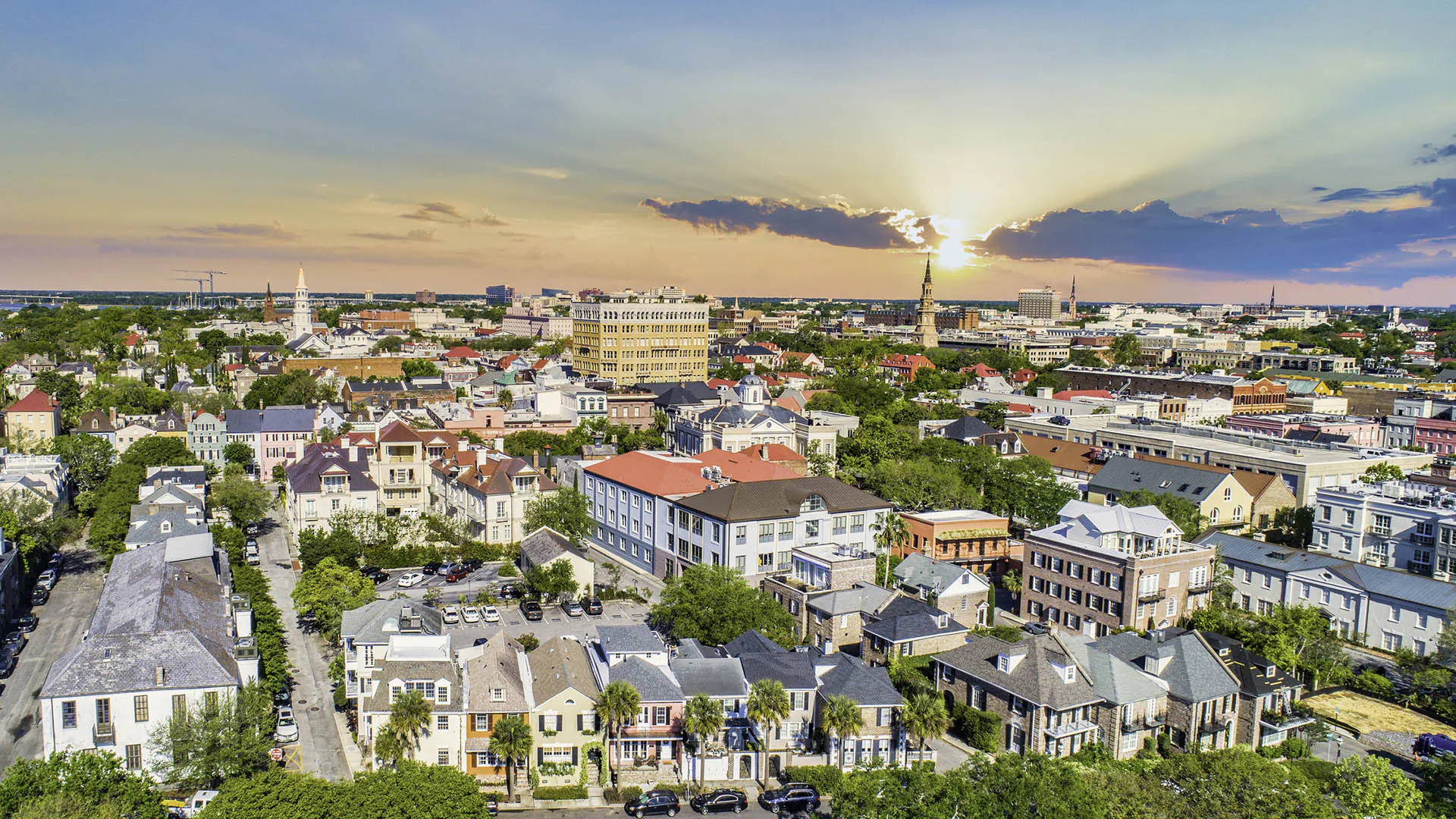
Charleston, South Carolina, isn’t just a destination—it’s a feeling.
With its cobblestone streets, pastel antebellum houses, waterfront promenades, and Lowcountry cuisine, Charleston effortlessly blends southern charm with rich history and vibrant culture.
But if you’re planning a visit, one essential question often comes first: When is the best time to go?
The truth is, there’s no one-size-fits-all answer. The best time to visit Charleston depends on what kind of traveler you are.
Do you dream of strolling under blooming magnolias in spring? Are you chasing beach days in the summer sun? Or are you hoping for a quieter escape with lower hotel rates and fewer crowds?
In this comprehensive guide, we’ll break down Charleston’s seasons, festivals, monthly weather patterns, and travel tips based on real local insights and expert knowledge—so you can plan your visit with confidence and clarity.
Whether you’re a first-time visitor, a romantic getaway seeker, a history lover, or a foodie on a mission, this guide will help you match your ideal travel experience to the right time of year.
Plus, we’ve included month-by-month tips and insider advice to make your trip memorable and smooth.
Let’s dive into Charleston’s seasons and discover the best time for you to experience this beautiful coastal city.
Quick Answer: What’s the Best Time to Visit Charleston, SC?
If you’re short on time and just want the bottom line—the best time to visit Charleston is from March to May or from September to early November.
These shoulder seasons offer the perfect balance of:
- Comfortable weather (mild temperatures and low humidity),
- Fewer crowds compared to peak summer,
- Vibrant cultural events and festivals, and
- Better hotel rates than high season.
However, the “best time” can vary depending on your travel goals. Here’s a quick snapshot to help you decide:
| Travel Goal | Best Time to Visit |
| Best Weather | Late March to early May |
| Fewer Crowds | January–early March, late October |
| Beach Activities | Late May through early September |
| Budget-Friendly Travel | January–February, mid-November |
| Festival & Event Highlights | April–June, late September–October |
| Holiday Charm & Lights | December |
Charleston is a year-round destination, but understanding what each season brings will help you craft the most rewarding trip.
Whether you’re drawn by colorful spring gardens, relaxing beach days, or festive holiday markets, there’s a perfect window waiting for you.
In the next sections, we’ll take a deep dive into each season so you can make a fully informed decision based on your preferences and priorities.
Charleston by Season: Detailed Breakdown
Charleston experiences four distinct seasons, each offering its own flavor of beauty, culture, and travel perks.
Here’s an expert breakdown of what each season brings, including weather insights, crowd levels, local events, and travel tips—so you can align your trip with the experience you want most.
Spring (March – May): Charleston in Full Bloom
Overview:
Spring is widely considered the best time to visit Charleston. The city bursts into bloom with azaleas, magnolias, and dogwoods painting the historic streets in vibrant colors.
Mild temperatures, fresh coastal breezes, and a packed calendar of events make spring ideal for both first-time and returning visitors.
Weather:
- Average highs: 67°F (March) to 81°F (May)
- Comfortable humidity and cool evenings
- Rain is occasional but usually light
Why Visit in Spring:
- Gardens are at their peak—perfect for photography and outdoor strolls
- Historic homes open to the public during the Festival of Houses & Gardens
- Iconic events like Spoleto Festival USA (late May/early June) begin
Pros:
- Pleasant weather for walking, biking, and boat tours
- Plenty of cultural and food events
- Flower-filled scenery and natural beauty
Cons:
- Hotels and airfare start to rise, especially around Easter and spring break
- Popular with tour groups—book accommodations early
Local Tip:
This is a perfect time to walk through the Battery, White Point Garden, or take a guided walking tour—many local guides time their routes to coincide with spring blooms.
Summer (June – August): Sunny Days and Southern Heat
Overview:
Summer brings high humidity, bigger crowds, and longer days—making it the season for beaches, family vacations, and waterfront fun.
It’s also when Charleston’s subtropical climate is most noticeable, with steamy afternoons and the occasional summer storm.
Weather:
- Average highs: 85–90°F
- High humidity levels
- Thunderstorms are common in the late afternoon
- Peak of hurricane season begins in August
Why Visit in Summer:
- Perfect for beachgoers—Charleston’s beaches (like Folly Beach, Sullivan’s Island, and Isle of Palms) are just a short drive from downtown
- Great time for water-based activities: paddleboarding, harbor cruises, kayaking
- Rooftop bars and seafood shacks come alive in the evenings
Pros:
- Full of life and energy—Charleston thrives in summer
- Lots of live music, seafood festivals, and outdoor dining options
- Long daylight hours = more time to explore
Cons:
- Crowds and higher travel costs
- Intense midday heat may limit daytime activities
- Risk of hurricanes increases late in the season
Local Tip:
Plan sightseeing in the early morning or evening, and take a midday break indoors—perhaps at the Charleston Museum or a shaded café in the French Quarter.
Fall (September – November): The Golden Season
Overview:
Fall in Charleston is a sweet spot: summer crowds thin, temperatures cool, and the city regains its leisurely charm.
This season is especially great for romantic escapes, culinary tours, and outdoor exploration.
Weather:
- Early fall remains warm (80s), cooling to 60s by November
- Lower humidity by late September
- Storm risk fades as hurricane season ends
Why Visit in Fall:
- Fewer tourists, which means quieter streets and better hotel deals
- Fall events like MOJA Arts Festival, Charleston Beer Week, and Wine + Food Pop-Ups
- Autumn sunsets over the marshes and harbor are breathtaking
Pros:
- Excellent weather and light crowds
- Vibrant food scene and farmers markets
- Great for photography and walking tours
Cons:
- September can still be warm and storm-prone
- Some beach activities begin to wind down
Local Tip:
This is an underrated time to explore Magnolia Plantation, Middleton Place, or take a scenic drive through the Ashley River Road Historic Corridor.
Winter (December – February): Quiet Charm & Coastal Calm
Overview:
Winter is Charleston’s slow season—but don’t overlook it. While temperatures rarely dip below freezing, you’ll find festive holiday charm, low prices, and a peaceful version of the city that few tourists experience.
Weather:
- Average highs: 57–63°F
- Occasional frost, but no snow
- Crisp, clear skies with lower humidity
Why Visit in Winter:
- Great for budget travel—lowest hotel and flight prices of the year
- Holiday festivities like the Holiday Festival of Lights at James Island
- Cozy dining experiences in historic inns and fireplaces in boutique hotels
Pros:
- No crowds, no lines, no hassle
- Romantic and quiet atmosphere
- Unique seasonal events and light displays
Cons:
- Some attractions reduce hours or close for maintenance
- Not ideal for beach or boat days
- Outdoor dining is limited (though heated patios are common)
Local Tip:
Winter is ideal for a cozy carriage ride through the historic district—especially around Christmas when homes are decorated in Southern holiday style.
Best Time to Visit Charleston for Specific Interests
While Charleston is beautiful year-round, the right time to visit truly depends on what you’re hoping to get out of your trip.
Whether you’re a beach lover, history buff, budget traveler, or foodie, here’s a breakdown of the best times to visit Charleston based on specific travel goals—with insights drawn from local experience and real visitor feedback.
For Great Weather
Best Time: Late March to Early May and Late September to Early November
If ideal weather tops your list, plan your trip in spring or fall.
These shoulder seasons bring comfortable temperatures, low humidity, and plenty of sunshine—perfect for walking tours, outdoor dining, and waterfront sunsets.
Why it’s ideal:
- Average temps range from 65–80°F
- Clear skies with minimal rain
- Ideal for exploring downtown on foot or bike
For Beaches & Water Activities
Best Time: June to Mid-September
Charleston’s beaches—Folly Beach, Isle of Palms, Sullivan’s Island—are at their liveliest in summer.
The water is warm, rentals and surf lessons are abundant, and beach bars are in full swing.
Why it’s ideal:
- Ocean temps reach a comfortable 80°F
- Long daylight hours for beach time and boating
- Summer events like Reggae Nights and beachfront movies
Pro Tip:
Visit in early June or late August to enjoy the beach before/after the peak family vacation rush.
For History & Sightseeing
Best Time: March–May or October–November
Charleston is steeped in history—from Revolutionary War landmarks to preserved plantations.
Spring and fall provide the most comfortable temperatures for self-guided tours, museum visits, and guided walking or carriage tours.
Why it’s ideal:
- Fewer crowds around historic attractions
- Easier to explore walking-heavy areas like The Battery, Rainbow Row, and South of Broad
- Special events at sites like Middleton Place and Fort Sumter
For Foodies & Culinary Events
Best Time: Late February–March and October–November
Charleston’s food scene has earned international praise, and timing your visit around culinary festivals and restaurant seasons can elevate your trip.
From Lowcountry boils to James Beard-nominated chefs, this city feeds the soul.
Events to Watch:
- Charleston Wine + Food Festival (March)
- Oyster Roasts (peak from November to March)
- Restaurant Week Charleston (January & September)
Pro Tip:
Make reservations weeks in advance for top restaurants like Husk, FIG, or The Ordinary—especially during festivals.
For Budget Travel
Best Time: January–Early March and Late November–Mid-December
These months offer the lowest prices on flights and hotels.
While the weather is cooler, Charleston’s Southern hospitality still shines—making it perfect for travelers seeking charm without the cost.
Why it’s ideal:
- Up to 40% off peak season hotel rates
- Fewer crowds = more personalized experiences
- Great time for quiet exploration and photography
For Avoiding Crowds
Best Time: Mid-January to Early March and Late October–Mid-December
If you’re not a fan of lines, traffic, or packed restaurants, these are the months for you.
Charleston slows down after the holidays and again in late fall, giving you space to enjoy its history, beauty, and cuisine at your own pace.
What to Expect:
- Easy access to top attractions without reservations
- Shorter wait times at restaurants and events
- A more relaxed, authentic feel in historic neighborhoods
This travel-style breakdown should help you align your goals with the most rewarding time of year to visit Charleston.
Up next, we’ll zoom in even further with month-by-month travel insights, so you know exactly what to expect no matter when you go.
Month-by-Month Weather & Travel Tips
To help you plan with precision, here’s a month-by-month breakdown of Charleston’s weather patterns, crowd levels, local events, and expert tips.
Each month brings a different rhythm to the city—knowing what to expect will ensure you pack right, book smart, and maximize your experience.
January
- Weather: Cool and crisp; average highs in the upper 50s °F
- Crowds: Minimal—Charleston’s quietest time
- Events: New Year’s celebrations, local art exhibitions
- Tips:
- Great month for budget-friendly hotel stays
- Ideal for peaceful strolls and photography with minimal foot traffic
- Pack layers; mornings and evenings can be chilly
- Great month for budget-friendly hotel stays
February
- Weather: Slightly warmer; early signs of spring
- Crowds: Still low, but Valentine’s Day weekend gets busy
- Events: Southeastern Wildlife Exposition (SEWE)
- Tips:
- Ideal for romantic getaways without spring crowds
- Visit rooftop bars during sunny afternoons for great views without the heat
- Layers and a light jacket recommended
- Ideal for romantic getaways without spring crowds
March
- Weather: Mild and pleasant; highs in the upper 60s to low 70s
- Crowds: Begins to increase, especially mid-month
- Events: Charleston Wine + Food Festival, blooming gardens
- Tips:
- Book early—March is a popular month for events and weddings
- Pack light clothes, but include a jacket for cool evenings
- Best time for historic home tours and culinary experiences
- Book early—March is a popular month for events and weddings
April
- Weather: Arguably the best of the year—sunny and comfortable
- Crowds: High due to spring breaks and Easter travel
- Events: Festival of Houses and Gardens, Cooper River Bridge Run
- Tips:
- Avoid peak Easter weekend if you want fewer crowds
- Great month for outdoor brunch and harbor cruises
- Expect higher hotel rates—book early
- Avoid peak Easter weekend if you want fewer crowds
May
- Weather: Warm and sunny; highs in the low 80s
- Crowds: Moderate to high, especially around Memorial Day
- Events: Spoleto Festival USA begins late May
- Tips:
- Beach season begins—bring swimwear and sunscreen
- Dine outdoors in the evenings when temperatures are perfect
- Keep an eye on hotel deals just before summer rates spike
- Beach season begins—bring swimwear and sunscreen
June
- Weather: Hotter and more humid; upper 80s
- Crowds: High—family vacations kick off
- Events: Spoleto continues, summer concerts
- Tips:
- Visit beaches early or late in the day to avoid peak heat
- Hydration and sunscreen are musts
- Enjoy long summer evenings at waterfront bars
- Visit beaches early or late in the day to avoid peak heat
July
- Weather: Peak summer heat; high humidity, mid-90s possible
- Crowds: Very high, especially over July 4th
- Events: Fireworks on the harbor, summer food fests
- Tips:
- Schedule indoor attractions or rest during midday
- Bring breathable clothing and plan breaks
- Book accommodations months in advance
- Schedule indoor attractions or rest during midday
August
- Weather: Similar to July—hot, humid, with thunderstorm risks
- Crowds: High early in the month; tapering off late August
- Events: Reggae Nights, back-to-school sales
- Tips:
- Watch for hurricane season updates (begins June, peaks August–October)
- Great time for water-based tours and shaded plantations
- End of August can offer slight drops in prices
- Watch for hurricane season updates (begins June, peaks August–October)
September
- Weather: Still warm, but cooling by late month
- Crowds: Lower than summer; ideal for off-peak travelers
- Events: MOJA Arts Festival (late September)
- Tips:
- Book early September for beach days without summer crowds
- Evening temperatures become more pleasant
- Pack both summer and light fall layers
- Book early September for beach days without summer crowds
October
- Weather: Arguably the second-best month after April
- Crowds: Moderate and comfortable
- Events: Charleston Beer Week, Halloween events, harvest markets
- Tips:
- Best time for food tours and historic walking tours
- Hotel rates more favorable than spring
- Bring a mix of short sleeves and light sweaters
- Best time for food tours and historic walking tours
November
- Weather: Mild fall conditions; highs in the 60s
- Crowds: Light except around Thanksgiving
- Events: Holiday Festival of Lights begins
- Tips:
- Ideal for cozy boutique hotel stays
- Thanksgiving dining at Charleston restaurants is a foodie experience
- Start of oyster season—don’t miss a roast
- Ideal for cozy boutique hotel stays
December
- Weather: Cool but rarely freezing; festive charm in full swing
- Crowds: Moderate to high near holidays
- Events: Christmas parades, tree lightings, holiday tours
- Tips:
- Excellent time for festive photos and romantic travel
- Pack warm layers and explore neighborhoods like South of Broad in holiday decor
- Book early for December 24–31 stays
- Excellent time for festive photos and romantic travel
In Summary:
Each month in Charleston brings something unique to the table.
From the vivid energy of spring to the peaceful magic of winter, knowing what’s happening when lets you travel with purpose—and enjoy the Lowcountry on your terms.
Charleston Events & Festivals Calendar
Charleston isn’t just about scenic streets and southern hospitality—it’s a cultural hub with a thriving festival calendar that reflects its rich history, artistic soul, and culinary excellence.
Knowing what’s happening during your trip can elevate your visit from enjoyable to unforgettable.
Below is a season-by-season breakdown of Charleston’s major events and festivals, including locally loved traditions, cultural standouts, and niche gatherings worth planning around.
Spring Festivals (March – May)
Charleston Wine + Food Festival (Early March)
One of the South’s most acclaimed culinary events, this festival brings together local chefs, winemakers, and food lovers from across the country for tastings, cooking demos, and pop-up experiences.
Festival of Houses & Gardens (March–April)
Gain rare access to Charleston’s historic private homes and lush gardens during peak blooming season—ideal for design and architecture enthusiasts.
Cooper River Bridge Run (Early April)
A 10K race over the iconic Ravenel Bridge that draws runners, walkers, and cheering locals for a weekend of fitness and fun.
Spoleto Festival USA (Late May – Early June)
Charleston’s premier performing arts festival features world-class opera, jazz, dance, and theatre in venues across the city.
Spring Tip:
If you’re a fan of food, history, or performing arts, spring is the season to visit. Book hotels 2–3 months in advance—especially during Spoleto or Wine + Food.
Summer Festivals (June – August)
Piccolo Spoleto Festival (Late May – Early June)
A more local, grassroots version of the Spoleto Festival, showcasing regional artists, musicians, and performers across smaller venues and open-air parks.
Reggae Nights Summer Concert Series (Select Fridays, June–August)
Held at James Island County Park, this laid-back series is perfect for families and music lovers alike. Bring a blanket, grab local eats, and enjoy live reggae under the stars.
4th of July Fireworks on the Harbor (July 4th)
Celebrate Independence Day with fireworks over Charleston Harbor, rooftop parties, and historic reenactments at local forts.
Summer Tip:
Many festivals and concerts are outdoors. Stay hydrated, bring sunscreen, and opt for shaded areas when possible.
Fall Festivals (September – November)
MOJA Arts Festival (Late September – Early October)
Celebrating African-American and Caribbean culture through music, dance, visual arts, and storytelling, this festival is a vibrant, enriching experience for all ages.
Charleston Beer Week (October)
Craft beer enthusiasts can tour local breweries, attend pairing dinners, and join in on beer-related games and activities all over town.
Charleston Literary Festival (November)
An emerging cultural gem, this international literary event hosts thought-provoking conversations with renowned authors and thinkers.
Holiday Festival of Lights (Begins Mid-November)
Located at James Island County Park, this drive-through light show features over 750 displays and themed family-friendly attractions.
Fall Tip:
Book your stay for MOJA or Beer Week early—these are local favorites and draw weekend travelers from all over the Southeast.
Winter Festivals (December – February)
Charleston Christmas Parade & Tree Lighting (Early December)
The historic downtown comes alive with carolers, decorated carriages, and a dazzling tree lighting in Marion Square.
Lowcountry Oyster Festival (Late January)
The world’s largest oyster roast, with 80,000+ pounds of oysters served, live music, oyster-eating contests, and plenty of local flavor.
Southeastern Wildlife Exposition (SEWE) (February)
A three-day celebration of nature, wildlife art, and conservation, SEWE includes dog demos, falconry, art exhibits, and family-friendly programming.
Winter Tip:
Bundle up for evening parades and waterfront events, but enjoy mild days with fewer tourists and discounted travel rates.
In Summary:
Charleston’s events calendar is more than just busy—it’s bursting with authenticity.
Whether you’re drawn by oysters, opera, or open gardens, timing your visit with a major festival can completely transform your travel experience.
Next, we’ll explore when it might not be ideal to visit Charleston—because a well-timed trip is about knowing what to avoid, too.
When to Avoid Visiting Charleston (If Any)
While Charleston is an incredible destination all year round, there are a few times when visiting might not align with every traveler’s goals—especially if you’re sensitive to heat, crowds, or budget constraints.
This section provides a transparent look at what to watch out for, based on first-hand insights and local conditions.
Mid-Summer (Late June to August): Heat, Humidity & High Prices
Why It Can Be Challenging:
Charleston’s subtropical climate peaks in summer. Daily highs often exceed 90°F, humidity can be stifling, and afternoon thunderstorms are common.
Add in school vacations, and you get a surge in both tourist numbers and travel costs.
Potential Drawbacks:
- Intense heat makes walking tours and outdoor sightseeing uncomfortable
- Hotel rates and flight prices are at their annual highs
- Long lines at attractions, restaurants, and beaches
- Higher UV index and heat advisories on occasion
Best For:
Beach lovers and families focused on water activities
Avoid If:
You’re sensitive to heat, prefer calm atmospheres, or are traveling on a budget
Peak Hurricane Season (Late August – Early October)
Why It Can Be Risky:
Charleston is located along the Atlantic Coast and is vulnerable to tropical storms and hurricanes.
While a direct hit is rare, late summer and early fall are statistically more likely to bring tropical weather threats.
Considerations:
- Weather can be unpredictable—ranging from sunny to stormy within hours
- Potential for travel disruptions, especially flights and event cancellations
- Travel insurance is highly recommended during this window
Best For:
Flexible travelers who can handle short-notice adjustments
Avoid If:
You want guaranteed weather stability or peace of mind while booking months ahead
Holiday Weeks Without Planning (Late December & Major Holidays)
Why It Can Be a Hassle:
Charleston becomes a festive wonderland in December, but unprepared visitors may face fully booked hotels, long restaurant waits, and surge pricing—especially during Christmas and New Year’s Eve.
Tips to Avoid Stress:
- Book well in advance (2–3 months out)
- Make restaurant reservations early—many are closed on major holidays
- Consider weekday visits before or after peak dates
Avoid If:
You’re expecting a spontaneous trip or are on a strict budget
Spring Break Weeks (Late March – Early April)
Why It Gets Crowded:
The weather is perfect, flowers are blooming, and everyone seems to have the same idea. Spring break (especially around Easter) brings in families, college students, and tour groups.
Challenges:
- Hotels fill up fast; prices increase accordingly
- Parking and reservations become harder to manage
- Certain historic areas may feel overrun during the day
Workaround:
Visit mid-week or before the surge (early to mid-March)
Bottom Line:
Charleston doesn’t have a bad season, but it does have some less optimal windows depending on your priorities.
If you crave peace, affordability, or mild weather, avoid the peak of summer and major holiday weeks—unless your plans revolve around those exact experiences.
Coming up next, we’ll share insider tips and local wisdom to help you make the most of any season in Charleston.
Expert Travel Tips from Locals & Frequent Visitors
Charleston is a city best experienced like a local—not just seen, but felt. To help you elevate your trip beyond guidebook basics, we’ve gathered expert travel tips straight from Charleston natives, long-time visitors, and local guides.
These real-world insights will help you explore smarter, eat better, and avoid common pitfalls—no matter when you visit.
Tip #1: Time Your Day Around the Weather
Charleston’s weather can swing from sunny to steamy in a few hours, especially in summer. Locals know how to beat the heat:
- Do your sightseeing early or late. Reserve midday for museums, long lunches, or shaded gardens like Middleton Place.
- Evening golden hour is perfect for photography along The Battery, Rainbow Row, and the Pineapple Fountain at Waterfront Park.
Tip #2: Book Early—Especially in Spring and Fall
Charleston’s spring and fall calendars are packed with events and weddings. Locals suggest:
- Booking accommodations and restaurant reservations at least 4–6 weeks in advance—even earlier during Spoleto or Wine + Food Fest.
- Use OpenTable or Resy for hard-to-get dining spots like Husk, Leon’s Oyster Shop, or FIG.
Tip #3: Skip the Rental Car in the Historic District
Charleston’s downtown core is walkable and scenic, with narrow streets and limited parking. Here’s what locals recommend:
- Stay downtown if possible—you’ll save time and enjoy the charm right outside your door.
- Use pedicabs, bike rentals, or free DASH trolleys for short hops.
- Reserve a car only if you’re planning day trips to beaches or plantations.
Tip #4: Eat Where the Locals Eat
Charleston is packed with restaurants that cater to tourists—but the real gems are where locals dine:
- For breakfast/brunch: Try Millers All Day, Callie’s Hot Little Biscuit, or Sunrise Bistro Xpress.
- For seafood: Skip the overpriced tourist traps and go for The Darling Oyster Bar, 167 Raw, or Bowens Island Restaurant for waterfront views and fresh catch.
- For fine dining: Slightly North of Broad (SNOB) and Halls Chophouse offer impeccable Lowcountry cuisine.
Tip #5: Off-the-Beaten-Path Experiences Are Worth It
Some of Charleston’s best experiences are slightly under the radar:
- Angel Oak Tree – A 400-year-old Southern live oak just outside the city
- Morris Island Lighthouse – A hauntingly beautiful sight, accessible via kayak or boat tour
- Charleston Tea Garden – The only tea plantation in North America, offering free tours
Avoid the over-photographed stops during peak times and head to these lesser-known treasures for a more personal experience.
Tip #6: What to Pack—Seasonally and Smartly
Locals suggest packing not just for weather, but for comfort:
- Spring/Fall: Light layers, walking shoes, sun hat, light rain jacket
- Summer: Breathable fabrics, sunscreen, water bottle, sandals
- Winter: Medium-weight jacket, layers for cold mornings and mild afternoons
- Always bring: Umbrella, comfortable walking shoes, and a portable charger
Tip #7: Planning to Visit Beaches? Go Midweek
Charleston’s nearby beaches—Folly, Sullivan’s, and Isle of Palms—fill up quickly on weekends. If you’re aiming for a quieter day:
- Visit Tuesday–Thursday for less crowded sands and easier parking
- Arrive before 10 AM or after 4 PM to avoid traffic and score a good spot
- Consider Beachwalker Park on Kiawah Island—a local favorite with less tourist traffic
Tip #8: Read Up Before You Go
Understanding Charleston’s complex history adds depth to every street corner. Enhance your experience with:
- “Charleston: A Historic Walking Tour” by Mary Preston Foster
- “Denmark Vesey’s Garden” by Ethan Kytle and Blain Roberts
- Guided historical walking tours from locally owned companies (many led by licensed historians)
In Summary:
Whether it’s knowing where to eat, when to walk, or how to avoid crowds, a little local knowledge goes a long way in Charleston.
Combine these tips with your seasonal planning, and you’ll experience the city not as a tourist—but as a well-informed guest.
Up next, we’ll wrap things up by helping you decide which season best fits your perfect Charleston experience.
Final Thoughts: Choosing the Best Time for Your Trip to Charleston
Charleston doesn’t just offer one “best” time to visit—it offers the right time for you.
With its year-round beauty, rich cultural calendar, and mild coastal climate, Charleston is less about choosing if you should go, and more about when it best aligns with your travel style, comfort level, and priorities.
Let’s quickly recap:
- Want perfect weather and blooms? Visit in March–May.
- Prefer a lively atmosphere and beach days? Book for June–August.
- Looking to avoid crowds and still enjoy mild weather? Choose September–early November.
- Traveling on a budget or seeking holiday charm? Come in January–February or early December.
Final Expert Advice:
- Flexibility pays off. Midweek travel, early morning activities, and off-season booking can save you money and stress.
- Let your goals lead. Whether it’s food, festivals, history, or rest, align your visit with what you truly value in a trip.
- Leave room for surprises. Charleston is a city of hidden courtyards, quiet sunrise walks, impromptu oyster tastings, and the occasional unexpected rainstorm that only adds to its character.
One Last Local Insight:
“People come to Charleston for the beauty, but they fall in love with how it makes them feel. Pick the season that gives you space to feel it—at your own pace.”
Ready to Plan?
Here are some helpful resources to get started:
- Things to Do in Charleston, SC
- Where to Stay in Charleston: Neighborhood Guide
- Top Restaurants in Charleston (2025 Edition)
Thank you for reading this guide on the Best Time to Visit Charleston, SC. Whether it’s your first visit or your fifth, timing your trip right will let you see—and feel—the city in its best light.