25+ Best Places to Visit in Washington State in 2025 (Hidden Gems + Popular Spots)
Introduction: Why Washington State Should Be Your Next Destination
Washington State is not just a corner of the Pacific Northwest — it’s a world within itself.
From the lush rainforests of the Olympic Peninsula to the volcanic grandeur of Mount Rainier, Washington delivers a depth of natural beauty, cultural richness, and small-town charm that’s hard to match anywhere else in the U.S.
Whether you’re chasing waterfalls, hiking alpine peaks, exploring coastal villages, or wandering vibrant urban neighborhoods, there’s something here for every type of traveler.
Many people are surprised by just how diverse the state is. You can wake up in Seattle with artisan coffee, spend the afternoon kayaking in the Puget Sound, and end your evening stargazing in the desert plateaus of Central Washington.
In fact, few places in America offer such stark contrasts in landscape — all within a half-day’s drive.
This guide is designed for curious travelers, weekend warriors, outdoor lovers, couples looking for a romantic escape, and families planning memorable getaways.
Based on in-depth regional knowledge and firsthand travel experience across the Evergreen State, we’ve curated a list of must-visit destinations — both iconic and under-the-radar — that deserve a spot on your 2025 itinerary.
Unlike many generic “top 10” travel blogs, we go deeper.
This list includes local insights, seasonal travel tips, cultural context, and real highlights that make each location worth your time.
Our goal isn’t just to tell you where to go — it’s to show you why each place matters, what makes it special, and how to experience it fully.
Ready to explore the best of Washington? Let’s dive into the cities, parks, islands, and hidden gems that make this state unforgettable.
1. Seattle: The Heartbeat of the Pacific Northwest
No list of places to visit in Washington is complete without Seattle. As the state’s largest city, Seattle offers an unforgettable mix of world-class attractions, waterfront views, music history, and culinary innovation.
Must-Do Experiences:
- Space Needle & Chihuly Garden and Glass – Combine art and architecture with a panoramic view of the city.
- Pike Place Market – One of the oldest farmers markets in the U.S., known for flying fish, local crafts, and Seattle’s original Starbucks.
- Museum of Pop Culture (MoPOP) – A celebration of music, film, video games, and the city’s grunge legacy.
- Seattle Waterfront & Great Wheel – A family-friendly boardwalk experience with ocean views and seafood shacks.
- Fremont & Capitol Hill – These artsy neighborhoods show Seattle’s quirky and progressive side with indie shops, murals, and nightlife.
Travel Tip: Seattle’s weather can be gray, but don’t let it fool you. The locals embrace it, and the drizzle adds to the moody, cozy coffeehouse charm.
Visit in late spring to early fall for your best chance at clear views of Mount Rainier.
2. Spokane: A Riverfront Revival
Located in Eastern Washington, Spokane is often overlooked — but that’s changing.
With an impressive urban riverfront, revitalized downtown, and growing arts scene, Spokane is a rising star for travelers seeking culture and nature in one package.
Top Highlights:
- Riverfront Park – Home to the Spokane Falls, skyride cable car, historic carousel, and green walking trails.
- Manito Park – A beautifully maintained public garden with Japanese, formal, and rose gardens.
- Kendall Yards – A hip new district with boutique shopping, local dining, and views over the Spokane River.
- Wine & Brewery Scene – Spokane is now home to several excellent wineries and craft breweries.
Why Visit? If you’re road-tripping through Washington or planning a cross-state adventure, Spokane offers a slower-paced, affordable city experience with a strong sense of community.
3. Olympia: The Capital with Small-Town Charm
Washington’s capital city, Olympia, is often overshadowed by Seattle, but it holds its own with history, arts, and a surprisingly progressive vibe.
Don’t Miss:
- Washington State Capitol Building – Take a free guided tour to learn about the state’s history and government.
- Percival Landing Park – A scenic waterfront boardwalk with views of Budd Inlet and public art displays.
- Olympia Farmers Market – One of the best in the state, filled with local produce, crafts, and live music.
- Evergreen State College – Known for its alternative education and cultural impact in the city.
Local Insight: Olympia has a strong activist and art scene. You’ll find indie bookshops, vintage stores, and vegan-friendly cafes throughout its walkable downtown core.
4. Tacoma: Grit Meets Glass and Greenery
Once known as Seattle’s grittier sibling, Tacoma has transformed into a dynamic destination for art lovers, museum-goers, and families.
With a walkable downtown and easy access to Mount Rainier, it’s both a cultural and outdoorsy base.
What to Explore:
- Museum of Glass – Featuring works by renowned glass artist Dale Chihuly, who hails from Tacoma.
- Point Defiance Park & Zoo – One of the largest urban parks in the country with forests, beaches, gardens, and a top-rated zoo.
- LeMay – America’s Car Museum – A vast and fascinating collection of vintage and rare automobiles.
- Ruston Way Waterfront – A scenic promenade for biking, jogging, or relaxing with Puget Sound views.
Why Tacoma Stands Out: It’s a more affordable, less-crowded alternative to Seattle with genuine local character, a rich industrial history, and emerging creative energy.
Final Thoughts on Washington’s Cities:
Each city in Washington offers a different flavor — from Seattle’s skyline to Spokane’s rivers, Olympia’s political pulse to Tacoma’s artistic flair.
They make excellent gateways to the natural wonders of the state, but they’re also destinations in their own right.
Exploring these cities gives you a fuller understanding of what makes Washington such a complex and beautiful state.
National Parks & Natural Wonders in Washington State
Washington is one of the few U.S. states where you can hike glaciers, stand beside ancient trees in a rainforest, soak in hot springs, and stare into the crater of an active volcano—all within a single trip.
The state’s natural diversity is astonishing, and its national parks are among the most scenic and ecologically significant in the country.
This section covers the top national parks and natural landmarks that showcase Washington’s awe-inspiring landscapes, plus expert insights and travel tips for 2025.
5. Mount Rainier National Park: The Crown Jewel
Rising 14,410 feet above sea level, Mount Rainier is the most iconic natural landmark in Washington.
The park spans over 235,000 acres of wildflower meadows, old-growth forests, and glacial terrain, making it a hiker’s paradise and a photographer’s dream.
Top Experiences:
- Paradise Visitor Center – Best base for day hikes and panoramic views of the glacier-capped peak.
- Sunrise Area – Eastern side of the mountain; less crowded with equally stunning trails.
- Skyline Trail – Moderate-to-challenging hike offering close-up views of the Nisqually Glacier.
- Wildflower Season (July–August) – Fields explode in color, attracting photographers from around the world.
Expert Tip: Weekends in summer can be crowded. Visit on a weekday morning and purchase a timed-entry permit in advance for smooth access (required in 2025).
6. Olympic National Park: America’s Most Diverse Ecosystem
Few parks in the U.S. pack as much variety into one location as Olympic National Park, a UNESCO World Heritage Site.
From alpine peaks and glacier-fed lakes to temperate rainforests and rugged coastline, Olympic is a must for travelers looking to experience multiple ecosystems in one trip.
Highlights:
- Hoh Rainforest – Home to moss-draped trees, massive ferns, and silent trails that feel otherworldly.
- Hurricane Ridge – Sweeping mountain vistas and easy access to subalpine hikes.
- Sol Duc Hot Springs – Natural soaking pools perfect after a long hike.
- Rialto & Ruby Beach – Dramatic Pacific Coast beaches with sea stacks, tide pools, and wild sunsets.
Local Insight: Olympic is massive and can’t be fully explored in a day. Plan at least 2–3 days and focus on one region at a time (mountains, rainforest, or coast).
It’s one of the few places in the U.S. where you can surf and snowshoe in the same weekend.
7. North Cascades National Park: Washington’s Wildest Frontier
Often called “The American Alps,” North Cascades National Park is a rugged and remote escape for serious hikers, climbers, and lovers of untouched wilderness.
Despite its jaw-dropping scenery, it remains one of the least-visited national parks in the U.S.—which means no crowds.
Top Natural Features:
- Diablo Lake Overlook – A stunning viewpoint with electric-blue glacier-fed waters.
- Cascade Pass Trail – Moderate day hike through alpine meadows and sweeping vistas.
- Ross Lake & Thunder Creek – For backcountry exploration or kayaking trips.
Expert Tip: There are no major tourist facilities inside the park—come prepared with food, fuel, and gear.
It’s ideal for those seeking solitude and pure, untamed nature. Cell service is almost nonexistent, which is part of the charm.
8. Mount St. Helens National Volcanic Monument: Nature’s Power on Display
On May 18, 1980, Mount St. Helens erupted in the deadliest volcanic event in U.S. history. Today, the area is a living laboratory, showing nature’s destructive force—and its resilience.
Must-See Sites:
- Johnston Ridge Observatory – Closest you can get to the blast zone, with interactive exhibits and awe-inspiring views of the crater.
- Hummocks Trail – An easy hike through the altered landscape created by the eruption.
- Ape Cave – One of the longest lava tubes in North America; explore with a headlamp and sturdy shoes.
Why It’s Unique: Unlike other mountain parks, Mount St. Helens is not about lush forests or alpine views—it’s about witnessing recovery after disaster. The contrast of barren blast zones and regrowth is both humbling and fascinating.
Final Thoughts on Washington’s National Parks
Whether you’re standing in the shadows of volcanoes, trekking through enchanted rainforests, or soaking in alpine air with no one else in sight, Washington’s national parks deliver authentic, immersive, and unforgettable experiences.
These aren’t just postcard places—they’re dynamic landscapes that invite you to explore, reflect, and connect with nature on a deeper level.
Stunning Outdoor Destinations in Washington State
Beyond the grandeur of its national parks, Washington State is packed with scenic gems that offer breathtaking views, charming towns, and outdoor adventures for every type of traveler.
These destinations blend natural beauty with accessibility, making them perfect for day trips, weekend getaways, or multi-stop itineraries.
Whether you’re looking for alpine lakes, hidden beaches, or European-style villages, this list delivers Washington’s most beautiful places to visit in 2025 — beyond the usual tourist trail.
9. Snoqualmie Falls: A Powerful Icon Just Outside Seattle
Located just 45 minutes from Seattle, Snoqualmie Falls is one of Washington’s most photographed landmarks.
At 268 feet tall, this roaring waterfall is easily accessible and offers dramatic views year-round.
Why Visit:
- Upper and lower observation decks for different vantage points
- Wheelchair-accessible paths and free parking
- Popular filming site (featured in the cult classic Twin Peaks)
- Lit up at night for magical views after dark
Pro Tip: Visit in spring when water levels are highest. Combine your trip with brunch at the historic Salish Lodge, perched right above the falls.
10. Leavenworth: A Bavarian-Style Alpine Village
Leavenworth is a mountain town like no other. Modeled after a traditional Bavarian village, it offers Alpine charm in the heart of the Cascade Mountains, complete with German-style architecture, bratwurst shops, beer gardens, and seasonal festivals.
What to Do:
- Attend Oktoberfest or Christmas Lighting Festival
- Go river tubing in summer or snowshoeing in winter
- Explore Icicle Gorge Trail for stunning mountain scenery
- Visit local wineries and cider houses
Why It’s Worth Visiting: Leavenworth may feel like a novelty town at first glance, but its outdoor access, hospitality, and year-round activities make it one of Washington’s most beloved destinations.
It’s fun for families, couples, and anyone who enjoys festive vibes in a dramatic mountain setting.
11. Lake Chelan: Sunshine, Wineries & Waterfront Fun
Tucked between rugged hills and rolling vineyards, Lake Chelan is the ultimate summer escape in Central Washington.
With over 300 days of sunshine per year, it’s a favorite for water sports, wine tasting, and lazy days by the lake.
Don’t Miss:
- Swimming and paddleboarding on the 50-mile-long lake
- Lake Chelan Wine Valley — dozens of boutique wineries with lakeside tasting rooms
- Stehekin Ferry Ride — a scenic boat trip to a remote village only accessible by water or foot
Insider Tip: Stay overnight to catch the sunset across the lake with a glass of local rosé in hand. In 2025, expect even more events and tasting tours, as Chelan continues to grow as a wine destination.
12. Palouse Falls: A Canyon Waterfall in an Unexpected Place
In the southeastern corner of Washington lies Palouse Falls, a hidden wonder that looks like it belongs in a national park — but is tucked away in a remote desert canyon.
Highlights:
- 200-foot waterfall plunging into a basalt amphitheater
- Great photography spot, especially at sunrise and sunset
- Surrounded by dramatic cliffs and rolling hills
Why It’s Unique: The surrounding Palouse region, known for its rolling wheat fields, contrasts starkly with the rugged canyon where the falls are found — offering an unexpected and surreal experience.
Safety Note: Stay on marked trails and avoid cliff edges — the terrain is stunning but unforgiving.
13. Deception Pass State Park: Where Forest Meets Fjord
Connecting Whidbey and Fidalgo Islands, Deception Pass State Park is one of the most visited state parks in Washington — and for good reason.
It offers a dramatic combination of forests, cliffs, tide pools, and bridge views.
Top Experiences:
- Walk or drive across the Deception Pass Bridge
- Explore Bowman Bay and Cranberry Lake
- Kayak through swirling tidal currents (with a guided tour)
- Camp beneath towering evergreens near the water
Why It’s a Must-See: The interplay of misty air, deep green forests, and teal waters creates a Pacific Northwest postcard moment — one that’s even more impressive in person.
14. The San Juan Islands: Coastal Charm & Whale Watching
Just a ferry ride from the mainland, the San Juan Islands offer a peaceful and scenic retreat perfect for those looking to slow down and soak up nature.
Best Islands to Visit:
- San Juan Island – Home to Friday Harbor and Lime Kiln Point (one of the best land-based whale-watching spots in the world)
- Orcas Island – Hike Mount Constitution for panoramic views
- Lopez Island – Great for cycling and quiet beaches
Expert Advice: The best time to see orcas and humpbacks is May through September. Book ferry tickets or tours in advance — summer demand can spike.
15. Whidbey Island: History, Beaches & Artisan Vibes
Just north of Seattle, Whidbey Island is a blend of coastal beauty, military history, and artist communities. It’s a perfect weekend escape with small-town charm and natural landscapes.
What to Explore:
- Ebey’s Landing – Coastal bluff hikes with dramatic views
- Fort Casey State Park – Explore old bunkers and lighthouses
- Coupeville & Langley – Walkable towns with galleries, boutiques, and coffee shops
Why You’ll Love It: It’s slower-paced than the mainland, with enough variety to keep families, couples, and solo travelers entertained for days.
16. Columbia River Gorge: Dramatic Cliffs and Windswept Beauty
Though more famous on the Oregon side, Washington’s half of the Columbia River Gorge features wind-carved cliffs, wildflower meadows, and world-class windsurfing spots.
Highlights:
- Cape Horn Trail – Incredible overlooks and springtime blooms
- Maryhill Museum of Art – A cultural surprise in the middle of nowhere
- Columbia Hills Historical State Park – Home to ancient Native petroglyphs and hiking trails
Local Insight: The Gorge is a powerful landscape — often windy and dramatic. Spring and fall offer the best weather for hiking, while summer is ideal for water sports.
Final Thoughts on Outdoor Destinations
Washington’s outdoor experiences go far beyond its national parks.
These lakes, islands, and mountain towns bring together the state’s natural majesty and cultural texture in unforgettable ways.
They’re where memories are made — whether you’re watching whales breach, sipping wine at sunset, or wandering through a Bavarian village in the mountains.
Off-the-Beaten-Path & Hidden Gems in Washington State
Washington is full of postcard-perfect destinations, but some of its most memorable places are the ones that don’t make it into every tourist brochure.
These hidden gems offer seclusion, authenticity, and a deeper connection to the state’s landscape and local culture.
They’re ideal for travelers who prefer quiet hikes, small communities, and places that feel undiscovered.
Here’s where to go in 2025 if you want to experience Washington beyond the obvious.
17. Winthrop: A Wild West Town in the North Cascades
Step into a time capsule in Winthrop, a tiny town in the Methow Valley that’s styled like an Old West outpost — complete with wooden boardwalks, saloons, and vintage signage.
Why It’s Worth Visiting:
- Stunning access to North Cascades trails and Methow Valley cross-country skiing
- Charming downtown with craft shops, bakeries, and local restaurants
- Sun Mountain Lodge and other cozy mountain retreats
Local Insight: While it looks touristy at first, Winthrop has a real outdoor culture.
Locals ski, hike, and fly fish here year-round, and the town’s commitment to preserving its Western aesthetic makes it more than a gimmick.
18. Stehekin: A Roadless Village in the Wilderness
Stehekin isn’t just off the beaten path — it’s off the grid. This remote village at the head of Lake Chelan is accessible only by boat, seaplane, or foot.
There are no cars, no cell towers, and no chain stores — just stunning wilderness and a small, self-sufficient community.
What to Expect:
- Seclusion, silence, and pristine lake and mountain views
- Hiking access into North Cascades National Park
- The legendary Stehekin Pastry Company — worth the boat ride alone
- Lodges and cabins with no internet — perfect for digital detox
Expert Tip: Book the Lady of the Lake ferry from Chelan, and plan ahead — lodging is limited and sells out in summer. Ideal for those seeking true wilderness solitude.
19. Cape Flattery: The Northwesternmost Point in the Lower 48
Located on the Makah Reservation in the far northwest corner of the state, Cape Flattery is where the Pacific Ocean meets the Strait of Juan de Fuca, with rocky sea stacks, churning waves, and views that feel like the end of the world.
Why It’s Special:
- Dramatic sea cliffs and wooden boardwalk trails through coastal forest
- Panoramic overlooks from Cape Flattery Trail
- Chance to see sea lions, puffins, and whales offshore
- Deep cultural significance to the Makah Tribe
Responsible Travel Note: A recreation permit is required and can be purchased in Neah Bay. Respect local guidelines and recognize you are visiting sovereign Indigenous land with its own rules and stewardship.
20. La Push & Rialto Beach: The Untamed Pacific Coast
Part of the Quileute Nation, the tiny town of La Push and nearby Rialto Beach are raw, wild, and magical — especially in moody weather.
Famous for its misty beaches, wave-battered sea stacks, and tide pools, this stretch of coastline feels cinematic in every season.
What to Do:
- Explore the Hole-in-the-Wall Trail at low tide
- Beachcomb for driftwood and agates
- Watch bald eagles soar over crashing waves
- Stay in rustic beachfront cabins or the Quileute Oceanside Resort
Why It’s Different: You won’t find polished boardwalks or souvenir stands here — just wind, surf, and stories. The isolation adds to the sense of reverence, especially at sunrise or sunset.
21. Artist Point (Mount Baker): A Viewpoint You’ll Never Forget
Artist Point, located near the Mount Baker Ski Area, is one of the most scenic drive-up viewpoints in Washington — but it’s often missed because it’s tucked away at the end of a seasonal road.
What Makes It Special:
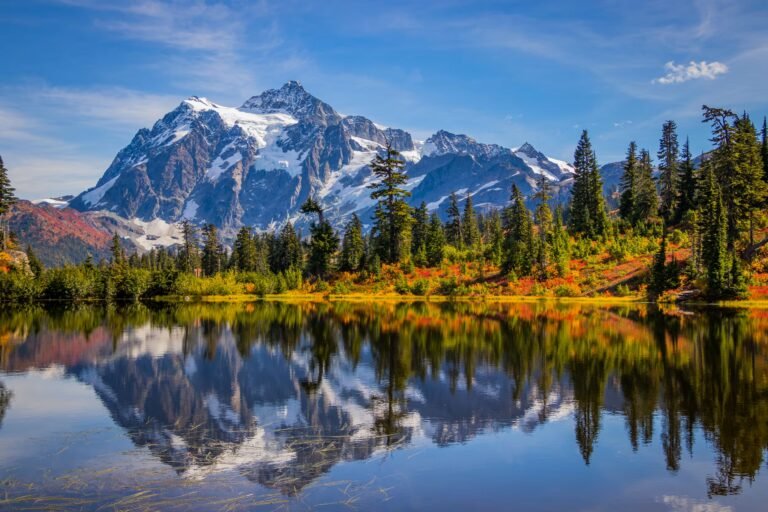
- 360° views of Mount Baker, Mount Shuksan, and the North Cascades
- Easy-access short hikes like Table Mountain and Chain Lakes Loop
- Popular spot for sunset photography and stargazing
Pro Tip: The road to Artist Point (State Route 542) typically opens in mid-July and closes by October due to snow. Go early in the day to beat the crowds and enjoy golden-hour lighting.
Final Thoughts on Washington’s Hidden Gems
For those willing to go a little farther, stay a little longer, or seek something quieter, these off-the-beaten-path spots offer something profoundly different from your typical sightseeing stops.
They remind you why travel is so much more than checking boxes — it’s about connection, stillness, and moments that stay with you long after you’ve left.
Wine Country & Scenic Drives in Washington State
Washington isn’t just rugged mountains and misty forests — it’s also the second-largest wine-producing state in the U.S., home to over 1,000 wineries and dozens of wine-growing regions.
Add to that a web of scenic byways that weave through valleys, deserts, lakes, and historic towns, and you’ve got the perfect excuse to slow down, roll down the windows, and enjoy the ride.
Here’s where to sip and cruise through Washington’s most scenic and flavorful routes in 2025.
Walla Walla Wine Country: Bordeaux of the Northwest
Located in southeastern Washington, Walla Walla is more than just a funny name — it’s one of the top wine regions in North America, known for bold reds like Cabernet Sauvignon and Syrah.
The area is bathed in sunshine and framed by wheat fields, Blue Mountains, and wide-open skies.
Why Visit:
- Over 120 wineries, ranging from boutique tasting rooms to award-winning estates
- Pedestrian-friendly downtown Walla Walla, with gourmet restaurants and local art
- Wine touring on bikes, limos, or shuttles
- Beautiful in all seasons — especially fall, when vineyards turn golden-red
Expert Tip: Don’t miss Woodward Canyon, L’Ecole No 41, or K Vintners. Many wineries are family-run, and you’ll often be tasting with the winemaker.
Yakima Valley: Wine, Hops, and Farm-to-Table Living
As the first AVA (American Viticultural Area) in Washington, the Yakima Valley is where the state’s modern wine scene began.
But it’s also the largest hop-growing region in the country, supplying breweries nationwide — making it the ideal destination for both wine lovers and beer geeks.
What to Explore:
- Red Mountain AVA – Tiny but world-renowned for powerful red wines
- Zillah Wine Tasting Trail – Home to quirky wineries like Two Mountain and Bonair
- Fresh produce markets, orchards, and lavender farms
- Hiking or cycling the Cowiche Canyon Trail
Travel Note: Spring and fall are best for touring — harvest events and blossom festivals add seasonal charm. The valley is also more affordable and less crowded than Walla Walla.
The Cascade Loop: Washington’s Ultimate Road Trip
If you want to experience every face of Washington — from coastal waters and alpine peaks to desert valleys and Bavarian villages — the Cascade Loop is the route for you.
This 440-mile scenic highway circles through the heart of the state and makes for an unforgettable multi-day road trip.
Major Highlights Along the Loop:
- Leavenworth – Bavarian village in the mountains
- Lake Chelan – Wine tasting and watersports
- North Cascades Highway – Jaw-dropping alpine landscapes
- Whidbey Island – Beach towns and bluff hikes
- Deception Pass Bridge – Iconic coastal views
Itinerary Tip: Most people drive the loop clockwise starting from Seattle. Allow 3–5 days minimum, and book lodging in advance during peak seasons.
RV-friendly and great for scenic pullovers and picnics.
Final Thoughts on Wine & Road Travel in Washington
Washington’s wine regions offer world-class pours without the pretension.
And its scenic highways aren’t just routes from A to B — they’re experiences in themselves.
Whether you’re sipping syrah in the high desert or cruising through glacier-carved valleys with music playing and the sun setting, this side of Washington is best explored slowly, one mile and one glass at a time.
Seasonal Experiences in Washington State
Washington State transforms dramatically with the seasons, offering travelers unique experiences throughout the year.
From vibrant tulip fields in spring to snow-covered peaks in winter, there’s always a reason — and a season — to explore.
This section highlights the best seasonal activities and natural phenomena in Washington for 2025, so you can time your trip for maximum impact.
Skagit Valley Tulip Festival (Spring)
Each April, the Skagit Valley, just north of Seattle, bursts into color with acres of blooming tulips and daffodils.
The Skagit Valley Tulip Festival is one of the most celebrated flower festivals in the country, attracting visitors from around the world.
Why It’s Special:
- Over 300 acres of multi-colored tulip fields
- Iconic photo ops with Mount Baker in the background
- Local farms offering tractor rides, bulb sales, and food stands
- Art shows, street fairs, and floral-themed events in nearby Mount Vernon and La Conner
Pro Tip: Arrive early in the day to beat the crowds and have the best lighting for photography. Wear boots — the fields can get muddy.
Fall Foliage in the Cascade Mountains
Fall in Washington is a spectacle of golden larches, fiery maples, and glowing alpine meadows — especially in the Cascades.
While New England gets much of the leaf-peeping fame, the Pacific Northwest offers equally stunning (and less crowded) options.
Top Fall Foliage Spots:
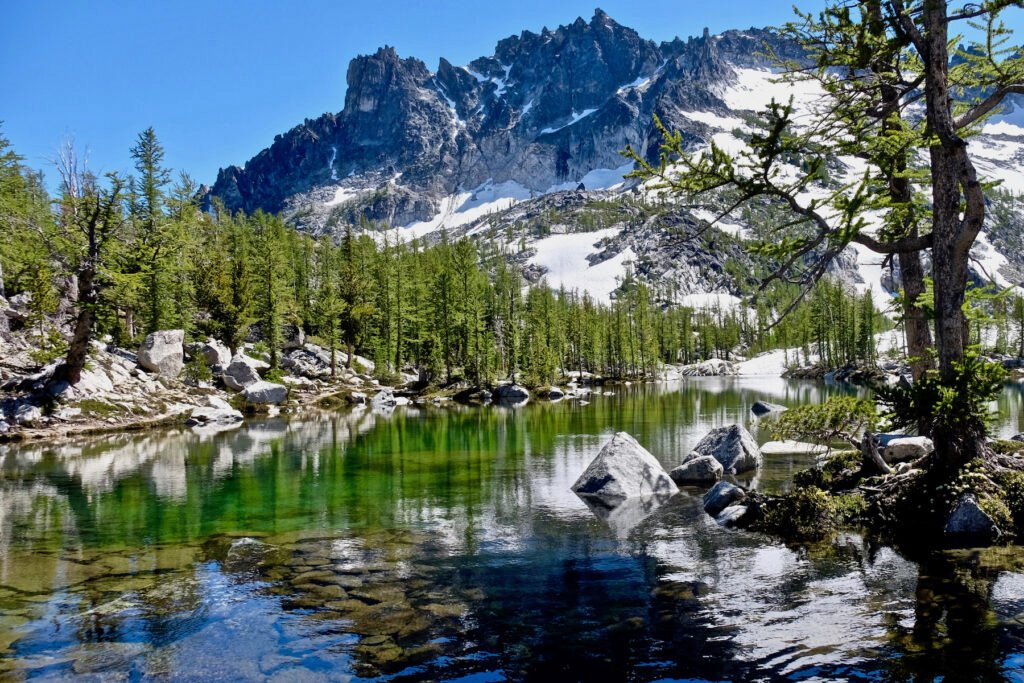
- The Enchantments (Alpine Lakes Wilderness) – Best for golden larches (late September to early October)
- Leavenworth – Brilliant red and yellow foliage framed by Alpine peaks
- Mount Rainier’s Paradise & Sunrise – Subalpine meadows with explosive fall color
- Washington Pass Overlook (North Cascades Highway) – Perfect roadside views
Traveler Tip: The fall color window is short — plan your trip between late September and mid-October for peak color, especially at higher elevations.
Winter Sports & Cozy Getaways
Winter in Washington is a paradise for snow lovers, with world-class skiing, snowboarding, snowshoeing, and alpine lodges.
And even if you’re not into winter sports, you’ll find cozy towns, fireplace-lit cabins, and holiday events that make it a perfect cold-weather escape.
Top Winter Destinations:
- Stevens Pass & Crystal Mountain – Popular ski resorts with deep powder and modern amenities
- Mount Baker – One of the snowiest places in North America (frequent record-holder for snowfall)
- Leavenworth (again!) – Turns into a Christmas village with twinkling lights, sledding hills, and winter festivals
- Snoqualmie Pass – Great for families and beginners, close to Seattle
Don’t Miss: The Mount Rainier Gondola Ride at Crystal Mountain — it runs in winter and offers panoramic views of the snow-covered volcano on clear days.
Bonus: Seasonal Wildlife Experiences
Washington also shines when it comes to seasonal wildlife viewing:
- Spring & Summer: Whale watching in the San Juan Islands (orca and humpback sightings peak May–September)
- Fall: Salmon runs and bear viewing in Olympic National Park
- Winter: Bald eagles congregate in the Skagit River Valley
Final Thoughts on Washington’s Seasons
Each season in Washington offers its own mood and magic. Spring brings floral festivals and waterfalls at full force.
Summer means lakes, islands, and epic hiking. Fall delivers color and crisp mountain air.
Winter transforms the landscape into a snow globe of outdoor adventure and festive charm.
Time your trip with the season that speaks to your travel style — or better yet, come back again and experience them all.
Native Culture, History & Art in Washington State
Long before Washington became a U.S. state, it was home to Indigenous peoples with rich histories, complex societies, and deep relationships with the land.
Today, many of these stories are preserved, celebrated, and shared across the state — through museums, cultural centers, public art, and immersive experiences.
In 2025, travelers are increasingly seeking more meaningful and respectful encounters. Understanding the original stewards of this land adds a deeper layer to your journey.
Here are some of the most insightful and culturally significant Native heritage experiences in Washington.
Tillicum Village (Blake Island): A Living Cultural Experience
Accessible only by boat from Seattle, Tillicum Village on Blake Island State Park offers a cultural immersion into the traditions of the Coast Salish people.
What to Expect:
- A traditional salmon bake cooked over alderwood fires
- Performances featuring storytelling, music, and masked dances
- Art displays and interpretive exhibits about Coast Salish life
- Optional hikes and nature walks on the island
Why It’s Meaningful: This isn’t a gimmick — it’s a curated cultural experience designed to educate, honor, and share Indigenous traditions in a respectful way.
It also supports the preservation of local Coast Salish heritage.
Makah Museum (Neah Bay): Preserving an Ancient Coastal Civilization
Located in Neah Bay at the northwest tip of the state, the Makah Cultural and Research Center houses the Ozette Archaeological Collection, one of the most significant pre-contact Indigenous artifact discoveries in North America.
Highlights:
- Artifacts from a 500-year-old Makah village preserved by a mudslide
- Exquisite carvings, tools, and whale-hunting gear
- Exhibits on whaling traditions, canoe building, and language preservation
- Operated by the Makah Tribe, it’s a powerful example of tribal sovereignty and stewardship
Traveler Tip: Combine your museum visit with a hike to nearby Cape Flattery, the most northwestern point of the contiguous U.S. — and a sacred coastal site.
Totem Poles, Canoe Journeys & Public Art
Washington’s Indigenous stories are also told in public spaces, parks, and annual events throughout the state.
Where to See Totem Poles & Artworks:
- Seattle’s Pioneer Square & Victor Steinbrueck Park – Home to iconic Haida-style totem poles
- Tacoma’s Point Defiance Park – Houses several traditional carvings and a tribal garden
- The Burke Museum (Seattle) – Features Native art, anthropology, and fossils with a strong community partnership model
Cultural Events to Watch For:
- Annual Canoe Journeys – Tribes from across the Pacific Northwest paddle traditional canoes along ancestral water routes, stopping at host nations for days of celebration, songs, and meals
- Indigenous Peoples’ Day Events (October) – Celebrated in many cities including Seattle, Olympia, and Bellingham
Responsible & Respectful Travel Tips:
- Always ask permission or follow guidelines when visiting tribal lands or cultural sites
- Learn about the original tribal territory you’re traveling through (e.g., the Duwamish, Snohomish, or Lummi Nations)
- Support tribal-owned businesses and experiences when possible
- Remember: You’re not just visiting “places” — you’re entering living cultures with sovereignty and history
Final Thoughts on Native Heritage in Washington
Travel that connects with Indigenous culture is more than sightseeing — it’s a chance to understand the deep roots and resilience of the people who have called this land home for thousands of years.
From salmon feasts to whale hunting stories, from modern art to ancient artifacts, Washington offers opportunities to learn, honor, and grow as a more conscious traveler.
Final Travel Tips for Visiting Washington State
Exploring Washington State is an unforgettable experience, but a little preparation goes a long way.
Whether you’re planning a city-hopping trip, a mountain adventure, or a coastal retreat, these travel tips will help you maximize your time, budget, and comfort — all while exploring responsibly and efficiently.
Here’s everything you need to know before you go.
1. Best Time to Visit Washington (By Season)
Washington has distinct seasons, and your experience will vary dramatically depending on when you visit.
| Season | What to Expect | Best For |
| Spring (March–May) | Rainy but lush; waterfalls in full flow; tulip season | Festivals, blooms, fewer crowds |
| Summer (June–August) | Warm and dry; ideal for outdoor activities | Hiking, kayaking, island-hopping |
| Fall (September–October) | Crisp air, fall foliage, harvest season | Wine tasting, scenic drives |
| Winter (November–February) | Snow in mountains, rain in cities | Skiing, cozy retreats, holiday events |
Tip: July–early September offers the most reliable weather statewide. If you’re hiking, wait until mid-July for trails to be fully snow-free in the mountains.
2. What to Pack for Washington Travel
Washington’s weather is notoriously unpredictable, especially west of the Cascades. Layers are your best friend.
Packing Essentials:
- Waterproof jacket – Even in summer, showers happen.
- Layered clothing – Mornings can be chilly; afternoons warm.
- Sturdy shoes – For hiking, beach walks, or urban exploring.
- Sun protection – Yes, even in cloudy conditions.
- Refillable water bottle – Tap water is clean and plentiful.
- Daypack – Perfect for hikes and day trips.
Optional Gear:
- Binoculars (for whale or bird watching)
- Swimsuit (for hot springs or lakes)
- Microspikes (if visiting in winter)
3. Transportation Tips: Getting Around the State
Washington is larger than it looks, and many of its best destinations are outside urban areas. Choosing the right transportation will make or break your trip.
Best Options:
- Rental Car – Essential for flexibility, especially for National Parks and hidden gems
- Washington State Ferries – Scenic and reliable for island travel (book in advance during peak season)
- Amtrak Cascades – Beautiful train ride between Seattle, Portland, and Vancouver BC
- Link Light Rail (Seattle) – Efficient for airport-city transfers and downtown transport
Insider Advice: Traffic in Seattle can be intense — plan around rush hour and consider park-and-ride options for day trips.
4. Travel Etiquette & Safety Tips
Washington is a progressive, environmentally-conscious state — and travelers are expected to respect that ethos.
Be a Responsible Visitor:
- Follow Leave No Trace principles in all outdoor areas
- Respect tribal land rules and signage
- Don’t feed wildlife — ever
- Stay on designated trails and roads
- Support local and Indigenous-owned businesses
Safety Notes:
- Cell service can be limited in rural/mountain areas — download offline maps
- Wildfires are increasingly common in late summer/fall — check air quality and road conditions
- Be bear-aware in national parks; carry bear spray when advised
5. Budgeting for a Washington Trip
Washington can be both affordable and luxurious, depending on how you travel.
Average Costs:
- Mid-range hotels: $150–$250/night
- Campgrounds: $20–$40/night (book early!)
- National park entrance: $30 per vehicle (valid for 7 days)
- Ferry rides: $10–$20 per person (vehicle extra)
- Winery tastings: $10–$25 per tasting, often waived with purchase
Savings Tip: Consider buying an America the Beautiful Pass ($80/year) if visiting multiple national parks or monuments nationwide.
Final Thought: Make the Most of Your Journey
Washington State isn’t just a place to visit — it’s a place to feel alive. It challenges, inspires, and slows you down.
Whether you’re driving mountain passes, sipping wine in the sun, or watching a whale breach under a gray sky, every moment has the power to connect you to something greater.
So plan wisely — but leave room for spontaneity. Some of the best parts of Washington can’t be scheduled — they’re discovered.
Conclusion: Why Washington State Belongs on Your Travel Bucket List
Washington State is more than just a destination — it’s an experience shaped by contrast. It’s the silence of a rainforest trail and the roar of Snoqualmie Falls.
It’s the scent of cedar trees after rain and the taste of crisp Chardonnay from a high-desert vineyard.
It’s a whale breaching at sunrise, a Bavarian village nestled in the mountains, and an evening ferry ride across Puget Sound with the Seattle skyline behind you.
Whether you’re chasing adventure or seeking serenity, craving culture or hungry for connection, Washington offers it all — often in a single day.
Few states in the U.S. deliver this much diversity in geography, culture, and experience without ever crossing a border.
This guide has taken you through:
- Iconic cities brimming with art, food, and history
- Breathtaking national parks with volcanoes, glaciers, and rainforests
- Stunning natural wonders that go beyond the ordinary
- Hidden gems worth the detour
- Wine country and scenic byways for the slow traveler
- Seasonal adventures from spring blooms to winter slopes
- And the cultural roots that give this land its depth and meaning
But as any seasoned traveler will tell you, the best part of Washington is how it makes you feel.
The feeling of being small beneath a towering old-growth tree. The feeling of being just right in a cabin with rain tapping the roof.
The feeling of a place that is wild, beautiful, welcoming — and yours to explore.So pack your layers, bring your curiosity, and hit the road. Because in Washington, the journey is just as incredible as the destination.