Arizona Ghost Towns: Exploring the Deserted Wild West in 2025
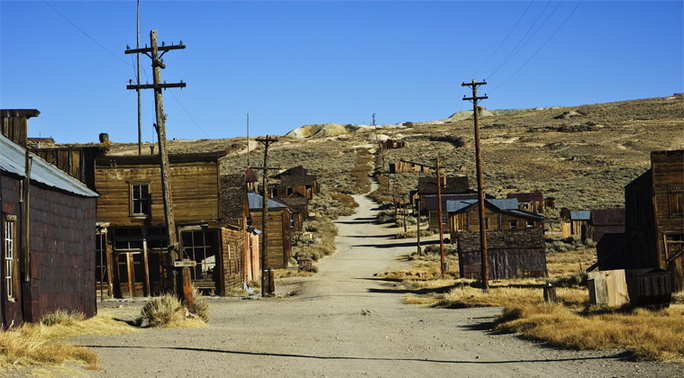
Arizona is more than deserts, cacti, and national parks—it’s also home to over 300 ghost towns, each whispering tales of fortune, failure, and frontier life.
These towns were once bustling with miners, merchants, and pioneers chasing the promise of gold, silver, and copper during the late 1800s.
But when the mines dried up or railroads shifted, entire communities were abandoned almost overnight, leaving behind eerie streets, crumbling saloons, and forgotten cemeteries.
For modern travelers, these ghost towns are not just ruins—they’re living museums that transport you back to the Wild West era, where outlaws walked the streets and saloons echoed with the laughter of miners spending their day’s wages.
Today, some towns like Jerome and Tombstone have reinvented themselves as vibrant tourist destinations, while others, like Ruby and Swansea, remain frozen in time, accessible only to the most adventurous.
Exploring Arizona’s ghost towns in 2025 offers more than sightseeing.
It’s a chance to experience authentic history, hear local legends of hauntings, and witness the stark beauty of desert landscapes reclaiming what humans left behind.
Whether you’re a history buff, a photographer searching for dramatic landscapes, or a road-tripper looking for hidden gems, Arizona’s ghost towns promise an unforgettable journey through the state’s rugged past.
1. The Origins of Arizona Ghost Towns
The story of Arizona’s ghost towns begins in the mid-1800s, when prospectors, miners, and pioneers poured into the Arizona Territory, lured by the promise of precious metals buried beneath the desert soil.
Gold, silver, and copper were discovered in abundance, sparking mining booms that transformed isolated stretches of desert into bustling communities almost overnight.
At their peak, towns like Jerome and Bisbee had thousands of residents, complete with saloons, schools, post offices, and even theaters.
These towns weren’t just rough mining camps—they became fully functioning settlements with diverse populations.
Mexican miners, European immigrants, Chinese laborers, and American pioneers all played a role in shaping the culture of these frontier communities.
The lure of “striking it rich” drew people from every walk of life, and for a time, the Arizona desert echoed with the noise of dynamite blasts, railroad whistles, and piano music from rowdy saloons.
But just as quickly as they rose, many towns collapsed.
Mining operations were highly volatile—once an ore vein ran dry or global metal prices plummeted, fortunes vanished.
Without economic stability, towns emptied almost overnight. Some, like Swansea, were abandoned when smelters closed.
Others, like Fairbank, withered after railroads rerouted trade routes.
The harsh desert environment accelerated the decay, leaving wooden structures weathered by sun and wind, and mines collapsing into silent caverns.
By the early 20th century, Arizona was littered with the skeletons of once-prosperous towns.
These ghost towns became symbols of both the ambition and impermanence of the Wild West—a reminder that the desert always reclaims what humans leave behind.
2. Types of Ghost Towns in Arizona
Not all ghost towns in Arizona share the same story.
While many were mining camps, others were tied to agriculture, railroads, or trade routes.
Understanding the different types of ghost towns helps travelers appreciate the unique character each one offers.
1. Mining Ghost Towns
Mining towns make up the majority of Arizona’s ghost towns.
During the late 19th and early 20th centuries, the discovery of copper, silver, and gold sparked rapid development.
Towns like Jerome and Bisbee once boasted populations in the thousands, built around mines and smelters.
When ore veins were exhausted or market prices collapsed, these towns lost their lifeblood.
Some were completely abandoned, while others survived as “living ghost towns,” reinventing themselves through tourism and art.
2. Railroad Ghost Towns
The arrival of the railroad often created small communities at stops and junctions.
These towns thrived by servicing trains, supplying goods, and housing workers.
Fairbank, for example, was once a vital hub connecting Tombstone’s silver mines to larger markets.
But when railroads rerouted or closed, these towns quickly declined, leaving behind depots, warehouses, and remnants of once-busy settlements.
3. Agricultural Settlements
Though less common, some ghost towns were farming communities dependent on irrigation and local trade.
Towns like Swansea had elements of both mining and agriculture, with residents trying to sustain themselves beyond the mines.
But when resources dwindled or water systems failed, residents had little reason to stay.
4. “Living” Ghost Towns
Not all ghost towns are entirely abandoned. Places like Tombstone and Oatman still have residents, businesses, and even tourists filling their streets.
They keep their ghost town identity through preserved buildings, reenactments, and folklore, but they also serve as vibrant destinations where the Old West is brought back to life.
These “living ghost towns” offer a different experience—one that blends authenticity with entertainment.
3. Most Famous Arizona Ghost Towns
Arizona is home to hundreds of ghost towns, but a handful stand out for their rich history, accessibility, and ability to transport visitors back to the Old West.
These are the towns that have become iconic symbols of Arizona’s frontier past.
Jerome – The Wickedest Town in the West
Perched on Cleopatra Hill, Jerome was once one of the richest copper mining towns in America.
At its peak in the 1920s, it had over 15,000 residents, complete with saloons, hotels, and a notorious red-light district.
When the mines shut down in the 1950s, Jerome nearly turned into a complete ghost town.
Today, it thrives as an artist colony and tourist destination, with restored buildings, quirky shops, and the legendary Jerome Grand Hotel, famous for its paranormal activity.
Why visit?
- Explore historic mine sites and museums
- Stay in haunted hotels
- Enjoy panoramic views of Verde Valley
Bisbee – Mining Legacy Meets Artsy Charm
Founded in 1880 as a copper, silver, and gold mining town, Bisbee became one of the richest mining centers in the Southwest.
Unlike many ghost towns, Bisbee never completely died—it reinvented itself as a cultural hub.
Today, the town is known for its preserved Victorian architecture, art galleries, and vibrant music scene, while still honoring its mining roots.
The Queen Mine Tour lets visitors descend into the old tunnels once worked by miners.
Why visit?
- Walk historic Main Street lined with 19th-century architecture
- Take underground tours into real mines
- Experience Bisbee’s quirky arts and nightlife scene
Tombstone – The Town Too Tough to Die
Tombstone is perhaps the most famous of Arizona’s ghost towns, immortalized by the Gunfight at the O.K. Corral in 1881.
Unlike completely abandoned towns, Tombstone remains a “living ghost town” with residents, businesses, and reenactments that keep its Wild West history alive.
Visitors can watch staged shootouts, tour historic saloons, and walk the same streets where outlaws like Wyatt Earp and Doc Holliday made history.
Why visit?
- Watch O.K. Corral reenactments
- Visit the Boothill Graveyard
- Tour the Bird Cage Theatre, rumored to be haunted
Vulture City – A Restored Mining Camp
Near Wickenburg lies Vulture City, once the site of Arizona’s most productive gold mine.
Founded in 1863, the town produced more than 340,000 ounces of gold. At its height, Vulture City had over 5,000 residents, but it was abandoned when the mine closed in 1942.
Today, it’s been partially restored, with guided tours taking visitors through the old assay office, brothel, and boarding house.
Why visit?
- See restored mining structures
- Take guided tours led by historians
- Explore authentic Old West ruins
Goldfield Ghost Town – A Family-Friendly Destination
Located near Apache Junction at the base of the Superstition Mountains, Goldfield is a reconstructed ghost town built on the site of an original 1890s mining camp.
Unlike some ghost towns that are difficult to reach, Goldfield is designed as a family-friendly attraction.
Visitors can pan for gold, ride a narrow-gauge train, and explore a replica saloon and blacksmith shop.
Why visit?
- Perfect for families with kids
- Fun reenactments and gold-panning experiences
- Close to the scenic Apache Trail
4. Hidden Gems and Lesser-Known Ghost Towns
While towns like Tombstone and Jerome get most of the spotlight, Arizona is dotted with lesser-known ghost towns that offer an even more authentic, off-the-beaten-path experience.
These hidden gems are perfect for travelers seeking raw history, quiet exploration, and the thrill of discovery.
Ruby – One of the Best-Preserved Ghost Towns
Tucked away in southern Arizona near the Mexican border, Ruby is a privately owned ghost town considered one of the most intact in the state.
Founded in the 1870s as a gold, silver, and lead mining camp, Ruby once supported over 1,200 residents.
When the mines closed in the 1940s, the town emptied, leaving behind well-preserved adobe buildings, a jail, a schoolhouse, and mining relics.
Why visit?
- Authentic, untouched atmosphere with over 300 structures
- Great for photographers and history buffs
- Remote location means fewer crowds
Chloride – Arizona’s Oldest Mining Community
Established in the 1860s, Chloride claims the title of Arizona’s oldest continuously inhabited mining town.
While it still has a small population, the town feels frozen in time, with weathered buildings and old murals painted on boulders in the hills.
Visitors can explore a mix of abandoned structures and quirky local art installations.
Why visit?
- Explore the Chloride Murals, painted by local artist Roy Purcell
- See both abandoned ruins and lived-in spaces
- Experience a mix of history and small-town charm
Swansea – Remote Desert Ruins
Once a thriving copper-mining town with a smelter, railroad connection, and hundreds of residents, Swansea is now one of Arizona’s more remote ghost towns.
Located in western Arizona, its crumbling brick buildings, kilns, and mining equipment offer a glimpse into the industrial side of frontier life.
Why visit?
- Off-the-beaten-path adventure for serious explorers
- Atmospheric ruins with little modern development
- Strong sense of isolation in the Sonoran Desert
Fairbank – A Railroad Hub Turned Ghost Town
Just outside Tombstone, Fairbank served as the main railroad supply hub for the silver mines in the late 1800s.
Today, it’s part of the San Pedro Riparian National Conservation Area, with restored buildings like a schoolhouse and general store, plus trails leading to abandoned cemeteries and homesteads.
Why visit?
- Easy access near Tombstone
- Hiking trails combining history and nature
- Restored schoolhouse with interpretive exhibits
Congress – A Faded Mining Past
Near Wickenburg, Congress was once home to the Congress Gold Mine, one of the richest in the region.
Today, little remains except a cemetery, a few structures, and relics of its mining heritage.
It’s a quiet stop for those seeking solitude and a taste of history without the crowds.
Why visit?
- See remnants of a once-prosperous mining hub
- Explore cemeteries that tell stories of pioneer life
- Combine with a visit to nearby Vulture City
5. Oatman – The Ghost Town with Wild Burros
Few ghost towns in Arizona capture the imagination quite like Oatman, a quirky Old West stop along historic Route 66.
Founded in the early 1900s after two prospectors struck gold, Oatman quickly became a booming mining camp with thousands of residents.
But when the gold mines closed in the 1940s, Oatman’s population dwindled, leaving it on the verge of abandonment.
What makes Oatman truly unique today are its wild burros—descendants of the pack animals once used by miners.
These friendly donkeys freely roam the streets, often poking their heads into shops or nudging visitors for a snack.
They’ve become the town’s unofficial mascots and one of its biggest attractions.
The town also leans into its Wild West heritage with daily staged gunfights, Route 66 souvenir shops, and rustic saloons.
Visitors can grab a drink at the historic Oatman Hotel, where Clark Gable and Carole Lombard spent their honeymoon in 1939, or watch reenactors recreate Old West shootouts on the main street.
Despite its touristy atmosphere, Oatman retains a raw authenticity—wooden boardwalks, weathered facades, and panoramic desert scenery remind visitors that this was once a frontier outpost.
Why visit Oatman?
- Meet the wild burros that roam the streets
- Watch Old West shootouts and reenactments
- Explore a piece of Route 66 history
- Visit the Oatman Hotel and learn its Hollywood connection
6. Goldfield Ghost Town – A Family-Friendly Stop
If you’re looking for a ghost town that combines history with entertainment, Goldfield Ghost Town near Apache Junction is one of Arizona’s most accessible and family-friendly destinations.
Located at the base of the Superstition Mountains, Goldfield was originally a bustling mining camp founded in 1892 during a gold strike.
At its peak, the town had a population of around 4,000, with saloons, a blacksmith shop, a brewery, and even a school.
However, when the gold ran out just a few years later, Goldfield quickly declined and was nearly abandoned by the early 1900s.
Unlike other ghost towns left to crumble, Goldfield has been reconstructed and revived as a living museum.
Today, it offers visitors an immersive Old West experience, blending authentic history with interactive attractions.
Families can pan for gold, tour an underground mine, or ride the narrow-gauge Superstition Railroad around the property.
The town also features staged gunfights, a historic church, a museum filled with mining artifacts, and a replica saloon where you can grab a bite to eat.
What makes Goldfield especially appealing is its balance of fun and education.
Children can learn about Arizona’s mining past in a hands-on way, while adults can enjoy the historical details and the scenic backdrop of the rugged Superstitions.
The town also hosts seasonal events, including festivals, craft fairs, and even ghost tours in the evening.
Why visit Goldfield Ghost Town?
- Easy to access from Phoenix and Apache Junction
- Interactive experiences for kids and families
- Scenic location near the legendary Superstition Mountains
- A blend of authentic mining history and staged Old West fun
7. Haunted Arizona Ghost Towns
Arizona’s ghost towns don’t just carry the weight of history—they’re also said to be alive with spirits of the past.
With tales of shootouts, mining accidents, and Wild West lawlessness, it’s no surprise that many of these towns have become hotspots for paranormal activity.
For adventurous travelers, visiting haunted ghost towns adds an eerie layer of excitement to the journey.
Jerome – The Haunted Hilltop Town
Nicknamed the “Wickedest Town in the West,” Jerome has a dark reputation that lingers to this day.
The most famous haunted site is the Jerome Grand Hotel, once a hospital where hundreds of miners died from accidents and illnesses.
Guests and staff report unexplained footsteps, flickering lights, and ghostly apparitions.
Other haunted spots include the old high school and abandoned miners’ boarding houses.
Bisbee – Ghosts of the Queen Mine
Bisbee, though now a lively arts town, has its share of ghostly legends.
The Queen Mine, where thousands of miners once toiled deep underground, is a popular spot for paranormal tours.
Visitors claim to hear the echoes of picks striking rock and voices of long-gone miners. The historic Copper Queen Hotel is also rumored to house friendly spirits who never checked out.
Tombstone – Shootouts That Still Echo
As the site of the infamous Gunfight at the O.K. Corral, Tombstone has no shortage of ghostly lore.
The Bird Cage Theatre, once a rowdy saloon and brothel, is said to be one of the most haunted buildings in America.
Visitors and paranormal investigators have reported cold spots, moving objects, and phantom voices from the theatre’s bullet-riddled walls.
Vulture City – Restless Spirits of Miners
In Vulture City, where the gold mine once thrived, stories abound of miners who perished in accidents—or on the gallows.
The town has been featured in several paranormal TV shows, with visitors claiming to see shadowy figures and hear whispers near the old assay office and hanging tree.
Ghost Tours and Paranormal Adventures
Many Arizona ghost towns now embrace their haunted reputations by offering guided ghost tours, nighttime investigations, and storytelling events.
These tours not only provide spooky thrills but also weave in authentic history, making them both educational and spine-tingling.
Whether you’re a skeptic or a believer, walking through dimly lit streets and abandoned saloons after dark is an unforgettable experience.
Why explore haunted ghost towns in Arizona?
- Blend of history and paranormal lore
- Unique evening experiences through ghost tours
- Opportunity to explore sites after hours in a thrilling way
8. Ghost Town Road Trips Across Arizona
With more than 300 ghost towns scattered across the state, one of the best ways to explore them is by planning a road trip.
Arizona’s vast landscapes—rugged mountains, cactus-filled deserts, and historic highways—make the journey as rewarding as the destinations themselves.
Whether you have a weekend or a full week, here are some suggested ghost town itineraries.
3-Day Ghost Town Road Trip (Central Arizona & Route 66)
Day 1: Start in Phoenix and head north to Goldfield Ghost Town at the foot of the Superstition Mountains.
Continue to Jerome, the hillside “Wickedest Town in the West.” Overnight in Jerome or nearby Cottonwood.
Day 2: Drive along scenic roads toward Chloride, Arizona’s oldest mining town.
From there, follow Route 66 into Oatman, famous for its wild burros and shootout reenactments. Overnight in Kingman.
Day 3: Explore more of Route 66 history before heading back south, stopping at small ghost towns along the way.
5-Day Southern Arizona Ghost Town Road Trip
Day 1: Begin in Tucson and head to Bisbee, touring the Queen Mine and exploring the artsy downtown. Overnight in Bisbee.
Day 2: Drive to Tombstone, the “Town Too Tough to Die.” See the O.K. Corral, Bird Cage Theatre, and Boothill Graveyard. Overnight in Tombstone.
Day 3: Continue south to Ruby, one of Arizona’s most intact ghost towns. Spend time photographing adobe ruins and exploring the remote landscape. Overnight in Nogales or Patagonia.
Day 4: Head toward Fairbank, once a railroad hub, now a preserved townsite with trails. Then continue to Pearce, another lesser-known mining settlement. Overnight in Benson or Sierra Vista.
Day 5: Wrap up by visiting smaller ghost towns and scenic backroads on the return to Tucson.
Northern Arizona Adventure Loop
For adventurous travelers with more time, a loop through northern Arizona combines ghost towns with natural wonders.
Start in Flagstaff, then head to Jerome, loop through Route 66 towns like Oatman, and pair the trip with side visits to the Grand Canyon or Petrified Forest National Park.
Tips for a Ghost Town Road Trip
- Plan for distances: Ghost towns are often remote, so bring extra water, fuel, and snacks.
- Mix famous and hidden towns: Pair well-known stops like Tombstone with lesser-visited spots like Swansea.
- Combine history and nature: Ghost towns are often near scenic drives, hiking trails, or national parks—perfect for creating a varied itinerary.
9. Photography & Exploration Tips
Arizona’s ghost towns aren’t just historic treasures—they’re also photographer’s playgrounds.
Weathered wooden storefronts, rusting mining equipment, sun-bleached landscapes, and eerie cemeteries provide endless opportunities for dramatic shots.
But capturing the essence of these towns requires more than just pointing and clicking.
Here are some tips to help travelers make the most of their ghost town photography adventures.
Best Time of Day for Photos
- Golden Hour (sunrise & sunset): Soft light enhances textures of old wood, adobe ruins, and desert landscapes. Shadows add drama, making ghost towns look especially atmospheric.
- Midday: While harsh, Arizona’s midday sun can highlight stark contrasts—perfect for black-and-white photography of ruins and machinery.
- Night Photography: If permitted, ghost towns offer incredible opportunities for astro-photography. With little light pollution in remote areas, you can capture star-filled skies above abandoned saloons and crumbling mine shafts.
What to Focus On
- Details: Rusted nails, cracked windows, and faded signs tell just as much of a story as wide street shots.
- Buildings: Capture saloons, hotels, churches, and jails—each structure reflects the town’s character.
- Landscape: Place ghost town ruins against Arizona’s dramatic backdrops—red cliffs, cactus-filled deserts, and sweeping valleys.
- Cemeteries: Many ghost towns have pioneer cemeteries, offering haunting yet powerful storytelling opportunities.
Using Drones Responsibly
Drone photography is becoming popular in Arizona ghost towns, but always check local rules and restrictions.
Some sites are privately owned or managed by preservation groups, which may prohibit drone use to protect structures and wildlife.
If permitted, drones provide striking overhead shots that show the town’s layout and surrounding desert.
Respect the Ruins
While it’s tempting to climb into abandoned buildings or touch fragile artifacts, remember that ghost towns are part of Arizona’s cultural heritage.
Many structures are unstable, and disturbing them not only risks injury but also damages history.
The best photographers capture towns as they are—without altering or disturbing them.
Packing Tips for Ghost Town Photographers
- Wide-angle lens for landscapes and building interiors
- Polarizing filter to cut glare under the Arizona sun
- Tripod for low-light or night photography
- Extra batteries and memory cards (remote locations rarely have amenities)
- Plenty of water and sun protection
10. Seasonal Guide: Best Time to Visit Arizona’s Ghost Towns
Arizona’s ghost towns sit in some of the most rugged and climate-diverse regions of the state, from desert valleys to mountain foothills.
Knowing the best season to visit can make your trip far more enjoyable—and safer.
Spring (March – May): The Ideal Season
Spring is arguably the best time to explore ghost towns.
Temperatures are mild, ranging from the 60s to 80s °F in most regions, and the desert often comes alive with wildflowers.
Roads are usually clear, and outdoor exploration is comfortable.
- Pros: Perfect weather, colorful desert blooms, fewer tourists than summer.
- Cons: Can be busy in popular towns like Jerome and Tombstone during spring break.
Summer (June – August): Hot but Manageable in Some Areas
Summer in Arizona is extremely hot, especially in desert ghost towns like Swansea or Vulture City, where temperatures can exceed 110°F.
Visiting during this time requires extra caution—hydration, sun protection, and early morning exploration are essential.
However, higher elevation ghost towns such as Jerome or Bisbee can be cooler and more pleasant.
- Pros: Livelier seasonal events, smaller crowds in desert towns.
- Cons: Dangerous heat in low-desert areas, limited daytime comfort.
Fall (September – November): A Close Second
Fall is another excellent season, with comfortable weather and fewer crowds compared to spring.
It’s especially great for road trips along Route 66 and for visiting ghost towns combined with autumn festivals.
Towns like Oatman and Tombstone often host seasonal reenactments and Halloween ghost tours, making fall a fun, atmospheric time to visit.
- Pros: Crisp air, cultural events, great photography lighting.
- Cons: Early fall can still be hot in desert locations.
Winter (December – February): Quiet and Atmospheric
Winter brings cooler weather, especially in desert ghost towns, where temperatures can range from 40s to 70s °F.
This season offers peaceful exploration with fewer tourists.
Higher elevation towns like Jerome can see snow, adding a surreal backdrop to Old West ruins.
- Pros: Less crowded, comfortable weather in the low desert.
- Cons: Cold nights in desert areas, occasional snow limiting access to some mountain ghost towns.
Best Overall Recommendation
For most travelers, spring (March–May) and fall (September–November) offer the best combination of weather, accessibility, and events.
Summer should be approached with caution unless you’re visiting higher elevations, and winter provides a quiet, moody alternative for those who don’t mind cooler conditions.
11. Safety Tips for Exploring Ghost Towns
Exploring Arizona’s ghost towns can feel like stepping back in time—but it also comes with risks.
Many of these towns are in remote desert regions, with harsh conditions and fragile structures.
Staying safe ensures that your adventure is memorable for the right reasons.
1. Be Cautious Around Old Buildings
Ghost towns often have decaying wooden structures, rusting metal, and unstable foundations.
Avoid climbing into buildings unless they’re clearly marked as safe for visitors. Roofs, mine shafts, and floorboards may collapse under weight.
2. Watch Out for Abandoned Mines
Many ghost towns grew around mining operations, which means deep vertical shafts, tunnels, and caves still exist.
Some are hidden by brush or sand. Never attempt to explore an abandoned mine without a professional guide—lack of oxygen, falling rocks, and sudden drops make them extremely dangerous.
3. Stay Hydrated and Sun-Protected
Arizona’s desert climate is unforgiving. Always bring extra water, even if you’re only planning a short visit.
Wear sunscreen, sunglasses, and a wide-brimmed hat. In hotter months, plan exploration in the early morning or late afternoon to avoid midday heat.
4. Be Aware of Wildlife
Remote ghost towns are often home to Arizona’s desert wildlife. Be mindful of rattlesnakes, scorpions, spiders, and coyotes.
Never reach into dark crevices or abandoned items where animals may be hiding.
If visiting Oatman, remember the wild burros are friendly but should not be overfed or treated like pets.
5. Pack for Remote Travel
Many ghost towns are off paved highways, requiring dirt-road driving or long hikes. Carry:
- Plenty of water and snacks
- A detailed map or GPS (cell service is often limited)
- First aid kit
- Sturdy hiking boots
- Flashlight or headlamp if staying after dark
6. Respect Private Property and Preservation Rules
Some ghost towns are privately owned or managed by preservation groups.
Always follow posted signs, stay on designated paths, and avoid removing artifacts.
Taking “souvenirs” damages history and can even be illegal.
7. Travel With a Buddy When Possible
While solo exploration sounds adventurous, traveling with a companion is safer in remote areas.
If you must go alone, let someone know your exact destination and expected return time.
12. Ghost Towns in Pop Culture
Arizona’s ghost towns don’t just belong to history books—they’ve become icons of popular culture, inspiring Hollywood Westerns, novels, documentaries, and even video games.
Their crumbling facades, dusty streets, and outlaw legends have helped shape the global image of the American Wild West.
Hollywood Westerns
Classic Western films drew heavily on Arizona’s ghost towns for both inspiration and filming locations.
Towns like Tombstone became legendary after being immortalized in movies such as Tombstone (1993) and Gunfight at the O.K. Corral (1957).
Even if not filmed directly on location, ghost towns influenced set designs that defined the “cowboy town” aesthetic seen on the silver screen.
Television and Documentaries
Shows like Ghost Adventures and Dead Files have featured haunted Arizona ghost towns, particularly Jerome’s Grand Hotel and Vulture City, further cementing their reputation as paranormal hotspots.
Documentaries about mining history often highlight Arizona as one of the richest and most turbulent mining regions in the U.S.
Books and Literature
Ghost towns frequently appear in Western novels and travel memoirs, where they serve as backdrops for tales of outlaws, pioneers, and lost fortunes.
Local Arizona authors and historians have published books cataloging ghost towns, often blending fact with folklore.
Titles like Ghost Towns of Arizona by James E. and Barbara H. Sherman provide detailed historical records while keeping the romance of the frontier alive.
Video Games and Modern Media
In recent years, ghost towns have influenced video game design, from Red Dead Redemption to Fallout: New Vegas.
While not direct recreations, the abandoned saloons, cemeteries, and desert settlements in these games echo the atmosphere of Arizona’s real-life ghost towns.
This crossover introduces younger generations to the mystique of the Wild West.
Tourism Through Pop Culture
Pop culture has played a direct role in drawing tourists to Arizona. After movies like Tombstone popularized the O.K. Corral story, visitor numbers surged.
Paranormal TV shows have inspired ghost tours in Jerome and Bisbee. Even Route 66 culture—heavily romanticized in movies, songs, and car culture—has kept Oatman alive as a must-visit stop.
13. Preservation and Restoration Efforts
Ghost towns may feel like timeless relics, but without active preservation, many of Arizona’s historic settlements would vanish entirely.
Between harsh desert conditions, natural erosion, and human interference, these fragile sites are constantly at risk.
Thankfully, a mix of local organizations, volunteers, and tourism initiatives play a vital role in keeping Arizona’s ghost towns standing for future generations.
Why Preservation Matters
Each ghost town is a living piece of history—a snapshot of Arizona’s mining past, pioneer struggles, and Wild West culture.
Preserving them ensures that travelers can experience authentic frontier life rather than replicas or ruins lost to time.
These towns also serve as educational resources, helping new generations understand the challenges and ambitions that shaped the American Southwest.
Local and State Efforts
- Vulture City: Once abandoned, it has been carefully restored with guided tours showcasing the assay office, brothel, and gallows tree. Preservationists stabilized crumbling walls and reopened parts of the mine for safe exploration.
- Fairbank: Now part of the San Pedro Riparian National Conservation Area, Fairbank benefits from government oversight, ensuring that trails, cemeteries, and restored buildings remain protected.
- Jerome: Instead of collapsing into ruins, Jerome reinvented itself through tourism and art. Local businesses and historical societies maintain buildings and promote ghost tours, ensuring preservation through sustainable economic use.
Volunteer and Community Involvement
Many ghost towns survive thanks to local volunteers who clean up sites, stabilize buildings, and educate visitors.
Events like ghost town festivals often double as fundraising opportunities for restoration.
Tourism’s Role in Preservation
Tourism provides essential funding. Admission fees, guided tours, and local businesses generate income that is often reinvested into preservation.
For example, Goldfield Ghost Town blends education with entertainment, attracting families while supporting ongoing maintenance.
Challenges in Preservation
- Harsh climate: Intense heat, flash floods, and monsoon storms accelerate decay.
- Vandalism and theft: Artifacts are sometimes stolen, and graffiti damages historical integrity.
- Balancing access and protection: Allowing visitors to explore while keeping fragile sites intact remains a constant challenge.
How Travelers Can Help
- Visit responsibly: Stay on paths and avoid entering unstable buildings.
- Support local preservation groups by joining tours or making donations.
- Never take artifacts—leave ghost towns exactly as you found them.
- Spread awareness by sharing photos and stories, encouraging respectful tourism.
14. Ghost Town Festivals and Events
Exploring Arizona’s ghost towns isn’t limited to wandering through ruins—many of these towns host annual festivals and themed events that celebrate their Wild West roots.
These gatherings blend history, entertainment, and community spirit, making them some of the most immersive ways to experience ghost towns.
Helldorado Days in Tombstone
One of the most famous Old West celebrations, Helldorado Days, takes place every October in Tombstone.
The event commemorates the town’s mining heritage and notorious past with gunfight reenactments, parades, and street performances.
Visitors can watch cowboys, lawmen, and outlaws relive Tombstone’s wildest days.
Oatman’s Burro Days
Every spring, Oatman celebrates its most famous residents—the wild burros.
The festival includes races, parades, and Old West-themed games, attracting both locals and tourists.
It’s a quirky event that highlights the unique personality of this Route 66 town.
Bisbee 1000 Stair Climb
Though not a traditional ghost town festival, this annual event in Bisbee draws thousands of participants.
Runners climb over 1,000 steps through the town’s historic staircases, winding past old miners’ houses and hillside streets.
It blends fitness with history in a way that no other ghost town can match.
Jerome’s Ghost Walk
Each fall, Jerome hosts the Ghost Walk, where costumed actors perform historical reenactments along the town’s streets and alleys.
This event combines Jerome’s haunted reputation with its artistic culture, creating an interactive storytelling experience.
Why Festivals Matter
These events keep ghost towns alive—not just as static historical sites but as living cultural
experiences. They attract tourism, support preservation, and give visitors a chance to see history come to life through reenactments, local food, and music.
15. Ghost Towns for Families vs. Adventurers
Not all ghost towns in Arizona offer the same kind of experience.
Some are family-friendly destinations with safe, interactive activities, while others appeal more to adventurous travelers willing to hike, camp, or explore remote ruins.
Knowing which ghost towns match your travel style ensures a better trip.
Family-Friendly Ghost Towns
These ghost towns are safe, accessible, and often come with activities designed for kids and families.
- Goldfield Ghost Town (Apache Junction): With mine tours, train rides, and gold panning, Goldfield is perfect for young travelers learning about the Old West in a fun way.
- Tombstone: The O.K. Corral gunfight reenactments and horse-drawn stagecoach rides make history exciting and interactive for families.
- Oatman: Children love meeting the wild burros that freely roam the streets, while parents enjoy the Route 66 nostalgia.
Ghost Towns for Adventurers
These destinations offer more rugged, less commercialized experiences, appealing to explorers who want authenticity and solitude.
- Ruby: Remote and privately owned, Ruby offers over 300 preserved structures surrounded by wilderness—perfect for history buffs and photographers.
- Swansea: Desert ruins that require off-road driving to access; best suited for travelers seeking isolation and raw history.
- Chloride: A blend of abandoned structures and quirky art murals, with hiking opportunities nearby.
Tips for Choosing the Right Ghost Town
- Families should stick to towns with facilities, guided tours, and nearby lodging.
- Adventurers should prepare for rough roads, lack of services, and the need for self-sufficiency.
- Combining both is possible—plan a trip that mixes accessible ghost towns with hidden gems for variety.
16. Ghost Town Camping and Overnight Stays
For travelers who want to go beyond a quick visit, some Arizona ghost towns and nearby areas offer opportunities for overnight stays—whether in historic hotels, campgrounds, or nearby lodges.
Spending the night gives you a chance to experience the atmosphere of these towns after dark, when they’re at their quietest—and, in some cases, most mysterious.
Historic Hotels in Living Ghost Towns
- Jerome Grand Hotel (Jerome): Once a hospital, now a historic hotel famous for its paranormal reputation. Staying here is both a history lesson and a ghost-hunting adventure.
- Copper Queen Hotel (Bisbee): Opened in 1902, this elegant hotel is one of Arizona’s oldest and is rumored to be haunted. It blends luxury with history.
- Oatman Hotel (Oatman): Known for hosting Clark Gable and Carole Lombard’s honeymoon in 1939, the Oatman Hotel offers a rustic stay steeped in Route 66 charm.
Camping Near Ghost Towns
- Ruby: Visitors can camp nearby in southern Arizona wilderness, with star-filled skies above preserved ruins. It’s remote, so plan for no amenities.
- Swansea: Surrounded by desert solitude, Swansea allows dispersed camping for adventurers seeking an immersive Old West experience.
- Chloride: With RV-friendly areas and nearby campgrounds, it’s a convenient spot for road-trippers.
Modern Lodging Near Ghost Town Attractions
- Tombstone: Offers a variety of hotels, B&Bs, and Western-themed motels within walking distance of historic sites.
- Goldfield Ghost Town: While you can’t stay overnight inside Goldfield, Apache Junction and Mesa provide plenty of lodging options close by.
Why Stay Overnight?
- Atmosphere: Ghost towns take on a completely different mood at night—quiet, haunting, and unforgettable.
- Photography: Sunrise and sunset lighting is perfect for capturing ghost town landscapes.
- Immersion: Staying overnight allows you to connect more deeply with the history and spirit of these towns.
17. Ghost Towns and Arizona’s Scenic Landscapes
One of the most remarkable things about Arizona’s ghost towns is not just their history, but the spectacular landscapes they inhabit.
From desert valleys to red rock cliffs, these abandoned settlements are often framed by some of the most dramatic scenery in the American Southwest.
Exploring ghost towns becomes even more rewarding when paired with the natural beauty that surrounds them.
Superstition Mountains and Goldfield Ghost Town
Goldfield sits at the base of the Superstition Mountains, a rugged range wrapped in legends of the Lost Dutchman’s Gold Mine.
The jagged peaks provide a stunning backdrop to Goldfield’s wooden saloons and mining relics.
Visitors can combine ghost town exploration with nearby hikes into the Superstitions for a full day of adventure.
Verde Valley and Jerome
Jerome clings to Cleopatra Hill, overlooking the Verde Valley, one of Arizona’s most picturesque wine regions.
The hillside location offers sweeping views of red rock formations and lush valleys, making it one of the most photogenic ghost towns.
After exploring Jerome’s historic streets, travelers can sample local wines or take a scenic drive through Oak Creek Canyon.
Sonoran Desert and Vulture City
Vulture City lies in the heart of the Sonoran Desert, surrounded by towering saguaros and wide-open desert skies.
The stark beauty of the desert amplifies the eerie, abandoned feel of the ghost town, especially at sunset when the ruins glow in golden light.
San Pedro River Valley and Fairbank
Fairbank sits along the San Pedro River, which has long been a lifeline for Arizona’s communities.
The riparian landscape here is rich in wildlife, offering a unique mix of history and nature.
Hikers can explore the ghost town before walking trails that follow the river and pass through abandoned homesteads and cemeteries.
Route 66 and Oatman
Oatman’s location on historic Route 66 places it amid rolling desert hills and winding roads beloved by road-trippers.
The combination of Route 66 nostalgia, wild burros, and desert scenery makes Oatman one of Arizona’s most atmospheric stops.
Why the Landscape Matters
Ghost towns don’t exist in isolation—they’re part of Arizona’s greater story of survival in a harsh but beautiful environment.
The surrounding landscapes enhance the experience, reminding travelers that these communities once thrived in places where nature demanded resilience.
18. Conclusion
Arizona’s ghost towns are more than forgotten settlements—they’re time capsules of the Wild West, each with its own story of ambition, struggle, and survival.
From the lively streets of Tombstone to the haunting silence of Ruby, these towns reveal the human side of history: miners chasing fortunes, families building communities, and cultures colliding on the frontier.
For travelers in 2025, exploring Arizona’s ghost towns means more than sightseeing.
It’s about walking in the footsteps of pioneers, discovering the desert’s hidden corners, and witnessing how nature reclaims what was once booming with life.
Some ghost towns, like Goldfield and Oatman, thrive as interactive attractions perfect for families, while others, like Swansea and Ruby, demand rugged exploration for those seeking authenticity and solitude.
Whether you’re drawn by history, photography, road trips, or the thrill of paranormal legends, Arizona’s ghost towns offer something unforgettable.
They stand as reminders that while gold and silver may have vanished, the spirit of the Old West still lingers in weathered wood, dusty streets, and the whispers of desert winds.
So pack your boots, bring your curiosity, and step into a world where the past hasn’t disappeared—it’s simply waiting to be rediscovered.