Savannah Botanical Gardens: A Hidden Gem in Georgia’s Historic City
Savannah, Georgia, is a city known for its cobblestone streets, moss-draped oak trees, and a history that stretches back nearly three centuries.
While most visitors flock to iconic spots like Forsyth Park, River Street, and Bonaventure Cemetery, there’s a quieter retreat tucked just minutes from the city’s historic district: the Savannah Botanical Gardens.
Spread across nearly ten acres, the gardens are more than just a collection of plants.
They represent the work of local gardeners, historians, and nature enthusiasts who’ve transformed this space into a blend of horticultural beauty and Southern heritage.
Visitors can stroll past fragrant roses, lose themselves in shaded woodland trails, pause at a serene two-acre pond, or step back in time inside the Reinhard House, a restored 19th-century farmhouse.
What makes the Savannah Botanical Gardens truly unique is that it remains free and open to the public, supported by the Savannah Area Council of Garden Clubs.
This makes it not only one of the city’s most accessible attractions but also one of the most authentic — a place shaped and preserved by the community for the community.
For travelers looking for something beyond Savannah’s busy tourist landmarks, the gardens offer a peaceful escape where nature, history, and culture converge.
Whether you’re a plant lover, a history enthusiast, a photographer, or simply a visitor who wants to experience Savannah at a slower pace, the Savannah Botanical Gardens deserves a spot on your itinerary.
History and Background of Savannah Botanical Gardens
The Savannah Botanical Gardens is not the work of a single landscaper or city project — it is the result of decades of community effort led by the Savannah Area Council of Garden Clubs (SACGC).
Founded in 1955, this coalition of garden clubs across Chatham County has played a vital role in preserving Savannah’s horticultural traditions and creating spaces that celebrate nature.
The council began developing the gardens in the late 20th century, transforming an open plot of land into a living showcase of the region’s flora.
Their mission was simple yet powerful: to provide a free, public garden where residents and visitors could experience the beauty of Southern plants while also supporting education in gardening and conservation.
One of the garden’s most significant treasures is the Reinhard House, a white clapboard farmhouse dating back to the 1840s.
Originally built in Effingham County, the house was relocated to the gardens in the 1990s to save it from demolition.
Today, it stands as a centerpiece of the property, connecting Savannah’s rich cultural history to its botanical beauty.
Inside, visitors can explore period furnishings and artifacts that reflect everyday life in 19th-century Georgia.
Unlike larger, heavily funded botanical gardens in major cities, Savannah’s gardens remain community-driven.
Volunteers and local garden clubs maintain much of the landscape, and seasonal plant sales help raise funds for upkeep.
This grassroots foundation gives the gardens a distinctive character: they’re not just a tourist site, but a living project that belongs to Savannah’s residents.
For visitors, understanding this background adds another layer of appreciation.
The gardens are not simply a curated collection of plants but a testament to Savannah’s dedication to preservation, education, and community heritage.
The Different Gardens and Features to Explore
One of the best things about the Savannah Botanical Gardens is its diversity.
In just under ten acres, visitors can experience a surprising range of landscapes — from colorful flower beds to quiet woodland trails.
Each section of the gardens has its own character, making it a place you can explore again and again while always noticing something new.
Rose Garden
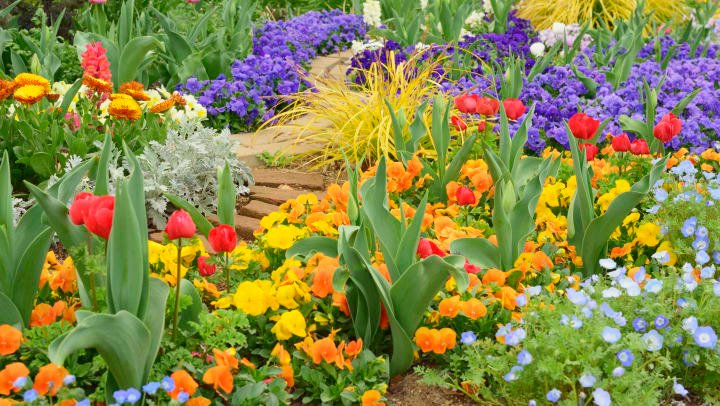
The rose garden is one of the most photogenic corners of the property.
Bursting with vibrant colors in spring and early summer, it features multiple varieties that bloom in stages, ensuring that there’s nearly always something to admire.
It’s also a popular backdrop for weddings and portraits, giving travelers a perfect spot to capture Savannah’s romantic side.
Camellia and Azalea Gardens
Few flowers represent the South quite like camellias and azaleas, and here they flourish.
Camellias, known as the “winter rose,” offer rich blooms when many other plants are dormant, while azaleas transform the garden into a riot of pinks, reds, and whites in spring.
If you time your visit right, walking through these blooms feels like stepping into a living postcard of the South.
Woodland and Shade Trails
For those who prefer a slower, more reflective stroll, the shaded woodland trails are a highlight.
These winding paths take you through groves of native trees, ferns, and wildflowers.
It’s an excellent place for birdwatching, with cardinals, finches, and even hawks often spotted overhead.
The trails also provide welcome shade in Savannah’s warm summers, making them a refreshing escape.
Pond and Wetland Habitat
At the center of the property lies a peaceful two-acre pond, complete with turtles sunning themselves on logs, fish darting below the surface, and dragonflies skimming across the water.
Benches invite visitors to sit and reflect, while the surrounding wetland plants provide both beauty and an important habitat for local wildlife.
For photographers, this is one of the best spots in the gardens.
Children’s Garden
Traveling with kids? The Children’s Garden is designed to make learning fun, with hands-on displays that teach children about plants, soil, and pollinators.
It’s a wonderful way to introduce younger visitors to the natural world and gives families a chance to explore together at a child’s pace.
Herb and Perennial Gardens
For gardeners and cooking enthusiasts, the herb garden is a treat.
Featuring Southern staples like rosemary, thyme, and sage, it offers inspiration for home cooks who want to bring a bit of Savannah’s flavor into their kitchens.
The perennial beds, meanwhile, ensure that something is always in bloom, no matter the season.
Together, these spaces make the Savannah Botanical Gardens more than just a walk in the park.
They’re a living classroom, a photographer’s paradise, and a sanctuary for anyone seeking peace and quiet amid Savannah’s historic bustle.
Seasonal Highlights at the Savannah Botanical Gardens
One of the charms of the Savannah Botanical Gardens is that it offers something different in every season.
While many visitors associate gardens with springtime blooms, this 10-acre retreat has been carefully planned so that there’s always something to enjoy — whether you visit in the heat of summer, during Savannah’s mild winters, or in the golden light of fall.
Spring: A Riot of Color
Spring is the most popular time to visit the gardens, and for good reason.
Azaleas explode into full bloom, painting the pathways with vibrant pinks, reds, and purples.
Camellias, which begin blooming in late winter, are still putting on a show, while roses begin their first flush of the year.
It’s the season when photographers and couples flock to the gardens to capture their beauty.
Summer: Shaded Serenity
Savannah summers are hot, but the Botanical Gardens offer plenty of shaded trails beneath tall oaks and pines.
The pond area feels especially tranquil in summer, alive with dragonflies and the calls of native birds. Perennial beds ensure splashes of color even in the peak heat.
Summer is also a time when the gardens feel less crowded, making it perfect for a peaceful stroll.
Fall: Warm Hues and Wildlife
Fall in Savannah may not deliver the dramatic foliage of New England, but the gardens still take on a golden glow as leaves shift to warm shades.
The air is cooler and drier, making it one of the most comfortable times to explore.
Migrating birds often pass through the area in autumn, making it a rewarding season for birdwatchers.
Winter: Camellias in Bloom
Unlike many gardens that go dormant in winter, Savannah’s climate allows for year-round interest.
The star of the season is the camellia, often called the “winter rose.” Their lush blooms brighten the landscape from December through February, a rare treat when most gardens are bare.
Winter also tends to be the quietest season, giving visitors a chance to explore without crowds.
Whether you visit in spring’s explosion of color, summer’s shade, fall’s golden tones, or winter’s camellia blooms, the Savannah Botanical Gardens prove that every season has its beauty.
It’s one of the reasons locals return again and again — the gardens never look the same twice.
The Reinhard House: A Step Back in Time
While the flowers and trails are the obvious draw, the Reinhard House gives the Savannah Botanical Gardens a layer of history that makes it unlike most botanical gardens.
This white clapboard farmhouse, with its pitched roof and simple lines, dates back to the 1840s
and offers visitors a rare glimpse into everyday life in 19th-century Georgia.
Originally built in Effingham County, the house was rescued from demolition in the 1990s when it was carefully relocated to the garden grounds.
Its preservation reflects Savannah’s broader dedication to protecting the past while making it accessible for future generations.
Stepping inside feels like stepping back in time. Period furnishings, wooden floors, and household artifacts give an intimate sense of how families lived in rural Georgia nearly two centuries ago.
Unlike grand plantation houses that often dominate historic tourism in the South, the Reinhard House tells a more authentic, middle-class story — a reminder that history is shaped as much by ordinary families as by the wealthy elite.
The house is also used as a venue for small tours, educational programs, and occasionally community events.
When paired with the surrounding gardens, it creates a unique juxtaposition: history preserved alongside living landscapes that continue to evolve.
For travelers, visiting the Reinhard House adds cultural richness to what might otherwise be a simple garden stroll.
It’s not just about plants — it’s about understanding the people who once called this region home, and seeing how their heritage is still being preserved today.
Things to Do at Savannah Botanical Gardens
The Savannah Botanical Gardens may not be the city’s largest attraction, but what it lacks in size, it makes up for in variety.
Whether you’re seeking relaxation, education, or a chance to connect with nature, the gardens offer plenty of things to see and do.
1. Take a Leisurely Stroll Through the Gardens
The most obvious activity — and often the most rewarding — is simply walking the grounds.
With trails winding past rose beds, shaded woodlands, and a peaceful pond, visitors can take in a wide range of scenery in just one visit.
Benches throughout the property invite you to pause and soak in the tranquility.
2. Explore the Reinhard House
For history lovers, a stop inside the 1840s Reinhard House is a must.
Touring the farmhouse provides cultural context to the gardens and offers a rare glimpse into Savannah’s everyday past, beyond the grand architecture found downtown.
3. Join a Guided Tour or Workshop
The Savannah Area Council of Garden Clubs occasionally hosts guided tours and educational programs.
These sessions provide insider knowledge on the plants you’re seeing, tips for home gardeners, and the cultural history of the site.
Workshops and seasonal plant sales are also popular, especially among locals looking to expand their own gardens.
4. Enjoy Photography Opportunities
The gardens are a photographer’s dream. From spring azaleas to reflections in the pond, every season offers a different backdrop.
Couples often choose the site for wedding or engagement shoots, while travelers find it perfect for capturing Savannah’s softer, natural side.
5. Go Birdwatching and Wildlife Spotting
The pond and woodland trails attract a variety of birds, butterflies, and small animals. It’s a great spot for casual birdwatchers or families introducing kids to wildlife.
Keep an eye out for cardinals, woodpeckers, and turtles basking in the sun.
6. Plan a Relaxing Picnic
While the gardens aren’t a commercial attraction with cafés and restaurants on-site, they welcome visitors to bring their own food.
Pack a blanket, grab some local treats from Savannah’s markets, and enjoy a picnic surrounded by nature — a peaceful alternative to the city’s busier squares and parks.
The Savannah Botanical Gardens may not have rides, flashy exhibits, or large-scale attractions, but that’s exactly the point.
It’s a place to slow down, reconnect with nature, and discover beauty at your own pace.
Events and Programs at the Savannah Botanical Gardens
The Savannah Botanical Gardens is more than a scenic retreat — it’s also a hub for community events, educational programs, and private celebrations.
Supported by the Savannah Area Council of Garden Clubs, the gardens host a variety of activities throughout the year that make it more than just a place to visit once.
Seasonal Plant Sales
One of the most anticipated events is the annual plant sales, typically held in spring and fall.
Local garden clubs organize these sales, offering everything from azaleas and camellias to herbs and native perennials.
Visitors not only leave with plants but also gain expert gardening advice from volunteers who know the region’s soil and climate inside out.
Educational Programs and Workshops
The gardens regularly host educational workshops for both adults and children.
Topics range from sustainable gardening practices to floral arrangement demonstrations and pollinator education.
For school groups, tailored programs introduce kids to the basics of horticulture and conservation in a fun, hands-on way.
Community Events and Fundraisers
As a community-driven space, the gardens serve as a gathering spot for seasonal festivals, charity events, and cultural celebrations.
These events not only raise funds for the upkeep of the gardens but also help strengthen the bond between locals and visitors.
Weddings and Private Rentals
The gardens’ lush landscapes and romantic atmosphere make it a popular setting for intimate weddings, bridal portraits, and private events.
The rose garden and pond area are especially popular for ceremonies, while the Reinhard House offers an elegant historic backdrop for photos.
Choosing the gardens as a wedding venue also directly supports their preservation and maintenance.
These events and programs transform the Savannah Botanical Gardens from a simple stroll into a living, dynamic destination.
Whether you’re a first-time visitor or a local who comes back for every plant sale, there’s always something happening that connects people to nature and community.
Visitor Information for the Savannah Botanical Gardens
Before heading out to explore the Savannah Botanical Gardens, it’s helpful to know the basics.
While the gardens are smaller and more relaxed than many major attractions, a little preparation ensures you can make the most of your visit.
Location and Directions
The Savannah Botanical Gardens are located at 1388 Eisenhower Drive, Savannah, Georgia, just a short drive from the historic downtown district.
For travelers staying in the city center, it’s about a 10–15 minute drive, making it an easy addition to a day of sightseeing.
Hours of Operation
The gardens are generally open daily from dawn until dusk, though specific events may alter access.
The Reinhard House typically has more limited hours and may require advance coordination for tours.
Admission
One of the best things about the Savannah Botanical Gardens is that admission is free.
Donations, however, are encouraged and directly support the maintenance of the grounds and historic house.
This makes the gardens one of the most budget-friendly activities in Savannah, especially for families.
Parking
Free on-site parking is available, making it convenient for those driving in from downtown or nearby neighborhoods.
Accessibility
The main garden paths are relatively flat and accessible, though some woodland trails may be uneven.
The gardens are generally stroller- and wheelchair-friendly, but visitors may want to wear comfortable walking shoes for the natural trails.
Facilities
- Restrooms are available near the main garden entrance.
- Benches and shaded areas are scattered throughout the property.
- Picnic-friendly spaces allow you to bring your own food.
This combination of free entry, easy access, and family-friendly amenities makes the Savannah Botanical Gardens a welcoming stop for all types of travelers, whether you’re exploring solo, with kids, or with a tour group.
Insider Tips for Travelers
The Savannah Botanical Gardens may be smaller than some well-known attractions, but knowing a few insider tips can help you get the most out of your visit.
These recommendations will make your experience smoother, more enjoyable, and more rewarding.
1. Best Time of Year to Visit
- Spring (March–April): Peak bloom season for azaleas and roses — the most colorful and popular time.
- Winter (December–February): Don’t overlook camellias, which brighten the gardens when most landscapes are bare.
- Fall: Comfortable weather and migrating birds make autumn an underrated gem.
If you want to avoid crowds, consider visiting in late summer or winter when the gardens feel especially peaceful.
2. Best Time of Day
Morning hours are ideal. The light is softer for photography, temperatures are cooler, and wildlife is more active around the pond and woodland trails.
3. How Long to Spend
Most visitors spend about 1–2 hours at the gardens. This is enough time to stroll the trails, explore the Reinhard House, and enjoy a quiet break by the pond.
4. What to Bring
- Comfortable walking shoes for trails and natural surfaces.
- A camera or smartphone for photography, especially in bloom season.
- Water and snacks or a picnic if you plan to relax in the garden’s shaded areas.
- Bug spray during warmer months, particularly around the pond.
5. Family-Friendly Notes
The gardens are stroller-friendly, and the Children’s Garden offers interactive learning for kids.
Families often find this space less overwhelming than busier city attractions, making it a great stop for travelers with young children.
6. Pairing With Other Attractions
Since the gardens are just a short drive from downtown, they can easily be combined with nearby sites like Wormsloe Historic Site, Bonaventure Cemetery, or a stroll through the Savannah Historic District.
By following these tips, visitors can turn a simple stop at the Savannah Botanical Gardens into a relaxed, memorable highlight of their trip.
Nearby Attractions to Combine with Your Visit
One of the advantages of visiting the Savannah Botanical Gardens is their convenient location.
Just a short drive from downtown, the gardens can be enjoyed on their own or as part of a larger day of sightseeing. Here are some nearby attractions that pair perfectly with a visit:
Wormsloe Historic Site
Famous for its breathtaking avenue of live oaks draped in Spanish moss, Wormsloe is one of Savannah’s most iconic historic sites.
After a peaceful morning at the gardens, a drive down this stunning oak-lined path is like stepping into a Southern fairytale.
The site also features walking trails, a museum, and colonial-era ruins.
Bonaventure Cemetery
Known worldwide for its haunting beauty, Bonaventure Cemetery is another must-visit spot near the gardens.
The cemetery’s elaborate headstones, sculptures, and moss-covered oaks have made it a favorite for photographers, historians, and travelers seeking Savannah’s more mysterious side.
Savannah Historic District
No trip to Savannah is complete without exploring the historic district, just minutes from the gardens.
With its 22 public squares, cobblestone streets, and preserved architecture, it’s one of the most charming urban areas in the U.S.
Visitors can shop, dine, or simply wander the shaded streets, soaking in the city’s timeless atmosphere.
Skidaway Island State Park
For those who enjoy the outdoors, Skidaway Island State Park is about a 20-minute drive from the gardens.
The park offers scenic hiking trails through maritime forests and salt marshes, along with opportunities for camping, birdwatching, and spotting wildlife like fiddler crabs and deer.
Oatland Island Wildlife Center
Located between downtown Savannah and Tybee Island, this family-friendly wildlife center is home to wolves, cougars, bison, and native species of the coastal Southeast.
It’s a great complement to the botanical gardens if you’re traveling with children or want to experience more of the region’s natural side.
Pairing the Savannah Botanical Gardens with one or two of these nearby attractions makes for a well-rounded Savannah experience — balancing the quiet beauty of the gardens with the history, culture, and outdoor adventure that the city is known for.
Dining and Picnic Options Near the Savannah Botanical Gardens
The Savannah Botanical Gardens may not have an on-site café or restaurant, but that’s part of its charm — it feels more like a community retreat than a commercial attraction.
Visitors are welcome to bring their own food, and the gardens provide shaded areas and benches that are perfect for enjoying a picnic surrounded by nature.
Picnicking at the Gardens
If you’d like to dine al fresco, pack a blanket or picnic basket. The pond area and woodland trails both offer quiet spots to sit and relax.
Many locals bring sandwiches, snacks, or even fresh produce from Savannah’s farmers’ markets to enjoy a peaceful break.
Just remember to bring along water, especially in warmer months, and carry out all trash to help keep the gardens pristine.
Nearby Dining Options
If you’d rather eat out, the gardens are conveniently close to some excellent local dining spots:
- Sandfly BBQ at the Streamliner – A beloved Savannah barbecue joint housed in a historic diner car, serving slow-smoked meats and Southern sides.
- Green Truck Neighborhood Pub – Known for its farm-to-table burgers and locally sourced ingredients, just a short drive from the gardens.
- Local 11ten Food & Wine – A stylish spot in a restored bank building, offering contemporary Southern cuisine — great for dinner after an afternoon in the gardens.
- Back in the Day Bakery – Perfect if you want to grab coffee, baked goods, or a light lunch before or after your visit.
Savannah Farmers’ Market Finds
If you’re visiting on a weekend, consider stopping by one of Savannah’s local farmers’ markets before your garden trip.
Places like the Forsyth Farmers’ Market (Saturday mornings) offer fresh fruits, baked goods, and artisanal snacks that make excellent picnic fare.
Whether you choose to pack a picnic or sample Savannah’s diverse dining scene, combining food with a trip to the gardens makes the experience more memorable — because there’s nothing quite like enjoying a meal surrounded by nature’s beauty.
Why the Savannah Botanical Gardens Are a Must-Visit
Savannah has no shortage of attractions — from its cobblestone squares and riverfront shops to its grand historic mansions and famous cemeteries.
Yet, the Savannah Botanical Gardens stand out as one of the city’s most authentic and underrated experiences.
A Blend of Nature and History
Few places combine horticultural beauty with cultural heritage quite like the gardens.
Walking through blooming azaleas one moment and stepping into the 1840s Reinhard House the next creates a unique contrast: a living landscape alongside preserved history.
This dual experience makes the gardens more than just a park — they’re a window into Savannah’s soul.
A Peaceful Alternative to Crowded Attractions
Downtown Savannah is lively and often bustling with tourists, especially during festivals or weekends.
The Botanical Gardens, on the other hand, offer a serene escape. Here, you can hear birdsong instead of traffic and pause to reflect by the pond instead of jostling through crowds.
It’s a side of Savannah that many visitors overlook but deeply appreciate once they find it.
Community-Driven and Accessible
Unlike large, commercial botanical gardens, this one is maintained largely by local volunteers and supported by donations.
That grassroots spirit gives it a personal, community feel that’s hard to replicate.
Add in the fact that admission is completely free, and it becomes one of the most accessible attractions in the city — perfect for families, budget travelers, and anyone looking for hidden gems.
A Destination That Changes With the Seasons
Because the gardens feature a variety of plant species, no two visits are exactly the same.
From spring’s explosion of azaleas to winter’s camellias, each season offers its own beauty.
That makes the gardens a place worth returning to, whether you’re a first-time tourist or a local resident.
In short, the Savannah Botanical Gardens offer something that’s becoming harder to find in popular destinations: an authentic, peaceful, and meaningful experience that connects nature, history, and community.
For anyone looking to go beyond Savannah’s “top ten” lists, this is the place to do it.
How the Gardens Reflect Savannah’s Southern Identity
The Savannah Botanical Gardens aren’t just about plants — they embody the spirit of the South.
Every element, from the camellias and azaleas to the historic Reinhard House, tells a story about Southern life and traditions.
- Floral Identity: Camellias and azaleas are staples of Southern horticulture, beloved for their beauty and resilience. Their prominence in the gardens reflects how deeply flowers are tied to Savannah’s cultural identity, from front-porch displays to citywide festivals.
- Hospitality and Community: The fact that the gardens are free and maintained by volunteers captures Savannah’s famous hospitality and generosity. Visitors aren’t treated like customers — they’re welcomed as guests.
- History and Heritage: Unlike attractions that focus only on grandeur, the inclusion of the Reinhard House reminds visitors of Savannah’s everyday history — ordinary families, hardworking communities, and the roots of Southern culture.
In many ways, a visit here feels like stepping into Savannah’s character: warm, authentic, and deeply connected to its land and history.
Photography & Wedding Opportunities at the Gardens
The Savannah Botanical Gardens is not only a place for casual visitors — it’s also one of the city’s hidden gems for photography and special occasions.
Photography Hotspots
- Rose Garden: In peak bloom, this space bursts with color and makes a stunning backdrop for portraits and nature photography.
- Azalea and Camellia Trails: Seasonal blooms create dramatic color palettes that photographers love capturing.
- Pond Reflections: The two-acre pond is especially photogenic at sunrise and sunset, with mirrored reflections of trees and skies.
- Woodland Walks: Spanish moss-draped oaks and shaded trails evoke the classic Southern aesthetic, perfect for capturing Savannah’s timeless charm.
Weddings and Private Events
The gardens have become a popular venue for intimate weddings, elopements, and vow renewals.
Couples often choose the rose garden or pond area for ceremonies, while the Reinhard House offers a historic backdrop for bridal portraits.
The natural setting eliminates the need for heavy décor, letting the Southern landscape shine as the main stage.
Garden clubs and local organizers also host bridal showers, community celebrations, and photo shoots here.
Renting the gardens for such events not only provides a memorable setting but also supports their preservation for future visitors.
Tips for Visitors with Cameras
- Arrive early in the day for the best light and fewer people in the background.
- Spring and fall provide the most dynamic colors, though winter camellias make a striking subject.
- Be respectful of wildlife and fellow visitors — avoid stepping into flowerbeds or disrupting the natural setting.
The Savannah Botanical Gardens may be smaller than some commercial venues, but its romantic, natural charm makes it one of Savannah’s most treasured settings for both everyday photography and once-in-a-lifetime events.
Educational Value & Family Experiences at the Gardens
While the Savannah Botanical Gardens is a beautiful place to relax, it also doubles as an outdoor classroom, offering visitors of all ages opportunities to learn about plants, wildlife, and history.
Children’s Garden
One of the most family-friendly features is the Children’s Garden, designed to engage young minds through interactive displays.
Kids can explore how plants grow, learn about pollinators, and discover the role of soil and water in sustaining life.
For many families, this garden serves as a gentle introduction to science and the environment, all in a fun, hands-on setting.
School Programs and Field Trips
Local schools often partner with the Savannah Area Council of Garden Clubs to bring students here for educational outings.
Guided tours help children understand the difference between native and non-native plants, why pollinators are essential, and how gardens contribute to biodiversity.
These programs align with the gardens’ mission to promote conservation and environmental stewardship.
Workshops for All Ages
The gardens also host educational workshops open to the public.
Topics range from home gardening tips and composting basics to floral design and nature journaling.
These events are especially popular among locals, but visitors with an interest in gardening are welcome to join in.
Wildlife Encounters
Beyond plants, the gardens offer opportunities to learn about local wildlife.
Children delight in spotting turtles in the pond, while birdwatchers enjoy seeing everything from cardinals to herons.
This makes it an ideal destination for families who want to balance fun with learning.
By blending play, education, and discovery, the Savannah Botanical Gardens provides a family-friendly experience that’s as enriching as it is relaxing.
Parents can enjoy the beauty of the gardens while their children learn through exploration — making it a stop that appeals to multiple generations.
Conservation and Community Involvement at the Savannah Botanical Gardens
The Savannah Botanical Gardens are more than a scenic retreat; they’re a reflection of the city’s commitment to conservation, preservation, and community spirit.
Unlike many large botanical gardens that rely on government funding, this space thrives largely thanks to the dedication of volunteers and local garden clubs.
Volunteer-Driven Care
Much of the gardens’ upkeep is handled by members of the Savannah Area Council of Garden Clubs and community volunteers.
These passionate individuals plant seasonal flowers, maintain the walking trails, and organize events like plant sales to raise funds.
Their involvement gives the gardens a warm, grassroots atmosphere that visitors often notice right away.
Promoting Native and Sustainable Gardening
The gardens highlight both ornamental favorites like roses and azaleas, as well as native plants that thrive in Georgia’s climate.
This balance helps educate the public on sustainable gardening practices and encourages visitors to plant species that support local pollinators and wildlife.
Educational Outreach
From children’s programs to adult workshops, the gardens serve as a hub for environmental education.
Topics such as water conservation, composting, and pollinator protection are woven into the gardens’ programming, ensuring that both locals and tourists walk away with a better understanding of ecological responsibility.
Community Events for Preservation
Events such as seasonal plant sales, fundraisers, and cultural gatherings don’t just create enjoyable experiences — they directly support the preservation of the gardens and the historic Reinhard House.
Each donation or plant purchased goes back into maintaining this community treasure.
In many ways, the Savannah Botanical Gardens stand as a symbol of what community-led conservation can achieve.
They’re not just a place to visit — they’re a shared project that locals and visitors alike help sustain, ensuring that this natural and cultural landmark will be enjoyed for generations to come.
Travel Itinerary Ideas: Pairing the Gardens With a Day in Savannah
The Savannah Botanical Gardens are small enough to explore in a couple of hours, which makes them an ideal addition to a broader Savannah itinerary.
Here are a few ways you can pair a visit with other highlights to create a well-rounded day:
Option 1: Nature & History Combo
- Morning: Start at the Savannah Botanical Gardens. Enjoy a leisurely walk through the rose beds and shaded trails before stepping inside the historic Reinhard House.
- Afternoon: Drive over to Wormsloe Historic Site for its famous oak-lined avenue and trails.
- Evening: Head back into the Savannah Historic District for dinner and a sunset walk along River Street.
Option 2: Family-Friendly Day
- Morning: Explore the Botanical Gardens, especially the Children’s Garden, which is perfect for hands-on fun.
- Afternoon: Take the kids to the Oatland Island Wildlife Center to see wolves, cougars, and bison up close.
- Evening: End with a casual family dinner at a nearby spot like Green Truck Neighborhood Pub.
Option 3: Romantic Escape
- Morning: Stroll through the gardens, capturing photos in the rose garden and relaxing by the pond.
- Afternoon: Visit Bonaventure Cemetery, one of the most atmospheric and romantic spots in Savannah.
- Evening: Book a table for two at Local 11ten Food & Wine or enjoy a sunset riverboat cruise.
Option 4: Outdoor Adventure Day
- Morning: Begin at the Savannah Botanical Gardens with a relaxing walk and a picnic brunch.
- Afternoon: Head out to Skidaway Island State Park for a hike along its marsh and forest trails.
- Evening: Return to the city and unwind at a rooftop bar in the Historic District.
By weaving the Savannah Botanical Gardens into your itinerary, you’ll enjoy not only a peaceful retreat but also a gateway to exploring the city’s diverse attractions — from hauntingly beautiful cemeteries to vibrant historic squares.
Visitor FAQs About the Savannah Botanical Gardens
When planning a visit, many travelers have a few practical questions in mind. Here are some of the most common ones, answered to help you prepare.
Is there an admission fee?
No — admission to the Savannah Botanical Gardens is completely free of charge.
Donations are welcome and go directly toward maintaining the grounds and supporting the volunteer garden clubs that keep the space beautiful.
How much time should I plan to spend there?
Most visitors spend about 1–2 hours exploring the gardens.
This allows enough time to stroll the trails, see the pond and rose garden, and take a quick tour of the Reinhard House.
If you’re attending an event or enjoying a picnic, you may want to plan for a longer visit.
Are the gardens family-friendly?
Yes — the gardens are very family-friendly. The Children’s Garden offers interactive learning experiences, and the flat, stroller-accessible paths make it easy for families with young kids.
Kids also love spotting turtles in the pond and butterflies along the trails.
Can I bring food or have a picnic?
Absolutely. Visitors are welcome to bring their own food and enjoy a picnic in designated areas.
Many people pack snacks or local treats to enjoy on benches or in shaded spots around the pond.
Are pets allowed?
Rules may vary depending on events, but generally, leashed pets are allowed on the garden grounds.
It’s best to check ahead of time, especially if you’re traveling with dogs, to confirm current guidelines.
Is the garden accessible for wheelchairs and strollers?
Yes — most of the main paths are wheelchair- and stroller-friendly, though some of the woodland trails may have uneven surfaces.
Comfortable walking shoes are recommended for all visitors.
What’s the best season to visit?
It depends on what you want to see:
- Spring: Azaleas, roses, and camellias in full bloom.
- Summer: Shady trails and wildlife activity.
- Fall: Cooler weather and migrating birds.
- Winter: Camellias brighten the landscape when most gardens are bare.
Insider Travel Tips From Locals Who Love the Gardens
Savannah locals know the Botanical Gardens better than anyone, and their insights can help you experience the space in a way most tourists miss.
Here are some tips often shared by residents who return again and again.
1. Visit Early for Peace and Wildlife
Locals recommend arriving soon after sunrise if you want the gardens nearly to yourself. Early mornings are cooler, quieter, and filled with birdsong.
You’re more likely to spot turtles sunning by the pond or hear woodpeckers in the wooded trails before the day gets busy.
2. Don’t Skip the Herb Garden
While many visitors flock straight to the rose beds, locals love the herb and perennial gardens, where the scents of rosemary, thyme, and sage linger in the air.
It’s a hidden gem within the grounds that many tourists overlook.
3. Best Picnic Spots
Frequent visitors say the bench overlooking the pond is the most peaceful picnic spot.
Another favorite is the shaded stretch along the woodland trail — perfect if you want a quiet break surrounded by greenery.
4. Time Your Visit With Plant Sales
Locals know that the seasonal plant sales are one of the best times to visit.
Not only can you bring home native plants or flowers, but you’ll also meet passionate gardeners who share insider knowledge about what thrives in Savannah’s climate.
5. Use the Gardens as a Break Between Big Attractions
Savannah can feel overwhelming with all its historic tours and bustling downtown energy.
Locals often recommend the gardens as a “reset stop” in your day — a chance to slow down, recharge, and see another side of the city.
Following these local tips helps transform your visit from a quick stop into an immersive, memorable experience that feels more personal and connected to Savannah itself.
How Savannah Botanical Gardens Compare to Other Gardens in the Southeast
The American South is home to several renowned gardens, each with its own personality.
From sprawling estates to urban botanical centers, travelers have plenty of choices. So how does the Savannah Botanical Gardens measure up?
Atlanta Botanical Garden (Georgia)
- Size & Scale: The Atlanta Botanical Garden is massive, featuring a canopy walk, tropical greenhouses, and nationally recognized plant collections.
- Experience: While Atlanta’s garden offers grandeur and innovation, it’s also busy and ticketed. By contrast, Savannah’s gardens are smaller, more intimate, and free to enter, creating a more relaxed and personal experience.
Magnolia Plantation & Gardens (Charleston, SC)
- History: Magnolia is one of the oldest public gardens in America, with romantic landscapes dating back to the 17th century.
- Comparison: Both Magnolia and Savannah Botanical Gardens celebrate Southern flora, but Savannah’s version is community-run rather than estate-owned, giving it a grassroots charm. It’s less formal but just as reflective of regional culture.
Brookgreen Gardens (Myrtle Beach, SC)
- Highlights: Famous for blending art and horticulture, with one of the largest collections of outdoor sculptures in the U.S.
- Comparison: Savannah’s gardens don’t compete on size or art installations, but they offer something Brookgreen doesn’t: authentic Southern simplicity — a garden built by locals, for locals, and shared freely with visitors.
Louisiana’s Botanical Gardens (Shreveport, LA)
- Focus: Known for extensive rose gardens and formal displays.
- Comparison: While Shreveport’s roses are impressive, Savannah’s collection is enhanced by its historic farmhouse and woodland trails, which provide a more diverse experience beyond formal beds.
Why Savannah Stands Out
What sets the Savannah Botanical Gardens apart is their accessibility, authenticity, and intimacy.
They may not be the largest or most famous, but they embody the essence of Savannah — blending history, horticulture, and hospitality in a way that bigger institutions often can’t replicate.
Travel Tips: Pairing the Gardens With a Tybee Island Day Trip
One of the best things about Savannah is its proximity to both historic landmarks and coastal escapes.
If you’re planning to visit the Savannah Botanical Gardens, consider pairing your trip with a day at Tybee Island, Savannah’s beloved beach getaway.
Morning: Start at the Gardens
Begin your day with a quiet walk through the Botanical Gardens. In just 1–2 hours, you can enjoy the rose beds, shaded woodland trails, and a reflective stop at the pond.
This relaxed start sets a calming tone before heading out for an afternoon of sun and sand.
Midday: Drive to Tybee Island
From the gardens, Tybee Island is about a 30–40 minute drive.
The route takes you past scenic marshes and small communities, giving you a glimpse of Savannah’s coastal character before arriving at the ocean.
Afternoon: Enjoy the Beach
Spend the afternoon at North Beach for a quieter, family-friendly setting or head to South Beach if you prefer a lively atmosphere with shops and restaurants.
Active travelers can rent kayaks, paddleboards, or bikes to explore more of the island.
Evening: Sunset and Seafood
End your day with a coastal dinner. Local favorites like The Crab Shack or Coco’s Sunset Grille serve fresh seafood with laid-back island vibes.
Watching the sunset over the water provides a perfect contrast to the garden’s serene morning beauty.
Why This Combo Works
Pairing the Savannah Botanical Gardens with Tybee Island offers the best of both worlds: a peaceful, nature-filled morning in the city followed by an afternoon of beach relaxation.
It’s an itinerary that blends Savannah’s historic charm with its coastal treasures.
This pairing makes for a well-rounded Savannah experience that balances gardens, history, and the seaside — a combination many travelers don’t think of, but locals love.
Best Photography Seasons at the Savannah Botanical Gardens
For many visitors, the Savannah Botanical Gardens isn’t just a place to stroll — it’s a place to capture memories and stunning images.
The gardens change dramatically with the seasons, and knowing when to visit can make all the difference for your photos.
Spring: The Photographer’s Dream
- Best For: Weddings, engagement shoots, and nature photography.
- Why: This is when the gardens explode with color. Azaleas, camellias, and roses bloom in overlapping waves, creating backdrops that feel straight out of a Southern storybook. Morning and late afternoon light adds softness to portraits, while the vibrant flower beds provide endless inspiration.
Summer: Tranquil Greenery
- Best For: Candid lifestyle shots and shaded woodland images.
- Why: Though blooms are fewer, the lush greenery and peaceful pond create a serene, natural canvas. The shaded trails also make for atmospheric photography, especially when Spanish moss filters the sunlight.
Fall: Golden Tones & Wildlife
- Best For: Wildlife, family portraits, and atmospheric travel photography.
- Why: The gardens take on a warm glow as leaves shift to muted yellows and golds. Migrating birds and active wildlife around the pond provide opportunities for dynamic nature shots. Afternoon light at this time of year is especially golden and flattering.
Winter: Camellia Elegance
- Best For: Minimalist and artistic photography.
- Why: Winter highlights the camellias, which bloom in rich reds, pinks, and whites against a simpler landscape. With fewer crowds, you can capture striking floral close-ups or atmospheric images of the Reinhard House surrounded by evergreens.
Pro Tip for Photographers:
- Aim for early morning or golden hour lighting.
- Bring a tripod for low-light woodland shots.
- Respect the space — stay on paths and avoid disturbing wildlife.
In every season, the Savannah Botanical Gardens offer unique photographic opportunities — from romantic floral frames in spring to peaceful, reflective shots in winter.
For photographers, it’s a destination worth visiting more than once.
Hidden Gems Within the Savannah Botanical Gardens
While the main highlights — the rose beds, pond, and Reinhard House — get most of the attention, the Savannah Botanical Gardens hold several lesser-known treasures that many casual visitors miss.
Seeking out these spots can make your visit feel even more special.
1. The Herb Garden’s Fragrant Corners
Tucked away near the perennial beds, the herb garden is easy to overlook. Yet it’s one of the most sensory-rich spaces in the gardens.
From the earthy aroma of rosemary to the sweet scent of mint, this corner feels like Savannah’s kitchen garden, connecting Southern culinary traditions with horticulture.
2. Shaded Benches Along the Woodland Trail
While many visitors circle the main flower gardens, those who wander deeper into the woodland paths discover quiet benches under the oaks.
These shaded spots are perfect for reading, meditating, or just enjoying a moment of stillness away from the city.
3. The Pond’s Reflection Point
Most people pause at the pond, but few notice the small clearing at its far end.
This spot offers the best angle for capturing reflections of trees and sky on calm days. It’s also where turtles are most often seen sunbathing.
4. Seasonal Butterfly Sightings
In late spring and early summer, parts of the perennial garden come alive with butterflies. Monarchs, swallowtails, and skippers are drawn to the nectar-rich plants.
This natural show isn’t officially marked, so you’ll need to linger and look closely to catch it.
5. The Reinhard House Porch
Many visitors step inside the historic farmhouse, but the front porch itself is a hidden gem.
Sitting here, you can take in the view of the surrounding gardens much as a 19th-century family might have done — in quiet reflection, with nature as the backdrop.
Exploring these hidden gems makes a visit to the Savannah Botanical Gardens feel more personal and rewarding, as if you’ve discovered a secret side of Savannah that not every traveler sees.
Accessibility & Traveler-Friendly Features of the Gardens
One of the reasons the Savannah Botanical Gardens appeal to such a wide audience is their accessibility and traveler-friendly design.
Unlike some attractions that can feel overwhelming or difficult to navigate, these gardens are welcoming to visitors of all ages and abilities.
Wheelchair and Stroller Accessibility
- The main pathways are flat and well-maintained, making them suitable for wheelchairs, walkers, and strollers.
- Some woodland trails are more natural and uneven, but visitors can easily enjoy the central gardens and pond without difficulty.
- Benches placed throughout the property ensure that guests can rest whenever needed.
Ease of Visit
- The gardens are compact (around 10 acres), so visitors can explore without feeling rushed or fatigued.
- Free parking right on site adds to the convenience, especially for families traveling with children or seniors.
- Restrooms near the entrance provide comfort for longer stays.
Family-Friendly Features
- The Children’s Garden is designed with young visitors in mind, offering interactive learning displays.
- Open spaces allow kids to wander safely without the congestion of busier city attractions.
- Families can bring their own food, making the gardens a great spot for affordable picnics.
Peaceful Alternative for Seniors & Travelers Seeking Rest
For older travelers, the gardens offer a slower-paced alternative to Savannah’s bustling historic squares and guided tours.
Shaded trails and seating areas create a calm environment for relaxation, reflection, or simply enjoying a gentle walk.
By keeping accessibility and traveler needs in mind, the Savannah Botanical Gardens stand out as one of Savannah’s most inclusive attractions.
Whether you’re visiting with children, exploring in a wheelchair, or simply looking for a slower pace, the gardens make it easy to enjoy nature and history together.
Best Times to Visit Savannah Botanical Gardens for Events & Festivals
While the Savannah Botanical Gardens are open year-round, timing your visit with one of their events or citywide festivals can make the experience even more memorable.
Here’s when to go if you want to enjoy the gardens at their liveliest.
Spring Plant Sale (March–April)
One of the most anticipated events, the annual spring plant sale brings together local gardeners, plant lovers, and curious travelers.
It’s the best time to buy azaleas, camellias, and native plants while learning directly from the experts who grow them.
Fall Plant Sale (October–November)
The autumn sale is another highlight, featuring seasonal perennials and plants suited for cooler months.
For visitors, it’s a chance to see the gardens dressed in fall hues while connecting with Savannah’s gardening community.
Holiday Season (December)
During December, the gardens and the historic Reinhard House sometimes host holiday-themed events, from festive décor to small community gatherings.
The camellias begin to bloom at this time, adding natural color to the winter atmosphere.
Citywide Festival Pairings
Because Savannah is such a festival-rich city, visiting the gardens alongside a major event can create a perfect balance of activity and calm:
- Savannah Music Festival (spring): Pair high-energy performances with a peaceful garden stroll.
- Savannah Tour of Homes & Gardens (spring): Enhance the experience by seeing both private city gardens and the community’s botanical gem.
- Savannah Food & Wine Festival (fall): Combine culinary indulgence with a reflective garden walk.
By visiting during these times, you’ll experience the Savannah Botanical Gardens not only as a scenic retreat but also as a community gathering space, alive with seasonal color, local culture, and Southern hospitality.
Conclusion
The Savannah Botanical Gardens may not be the biggest or most famous attraction in Georgia, but that’s exactly what makes them special.
Tucked just minutes from downtown Savannah, these ten acres of roses, camellias, woodlands, and a historic farmhouse offer travelers a chance to slow down, breathe deeply, and experience a side of the city that many overlook.
Here, nature and history live side by side.
You can wander shaded trails filled with birdsong, admire seasonal blooms that reflect the South’s horticultural identity, or step back in time inside the 1840s Reinhard House.
Unlike many attractions, the gardens are free to enter, welcoming everyone with the kind of warmth and authenticity that defines Savannah itself.
Whether you’re a family seeking a budget-friendly outing, a photographer chasing the perfect bloom, a couple looking for a romantic picnic spot, or simply a traveler who craves a break from the bustle of the historic district, the Savannah Botanical Gardens deliver an experience that feels both personal and memorable.
For locals, they’re a symbol of community pride and volunteer spirit. For visitors, they’re a hidden gem — a reminder that the best parts of travel are often found away from the crowds.
So next time you’re in Savannah, take an hour or two to explore these gardens.
You’ll leave with more than just photos — you’ll carry with you a deeper connection to the nature, history, and soul of the South.