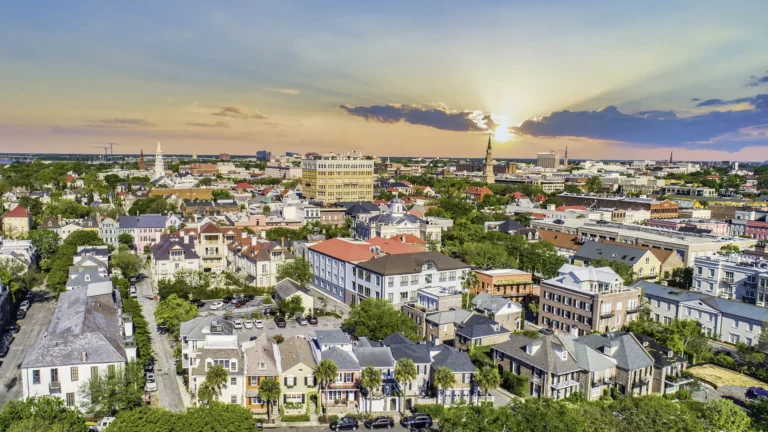
Best Time to Visit New Orleans: Weather, Festivals & Travel Tips
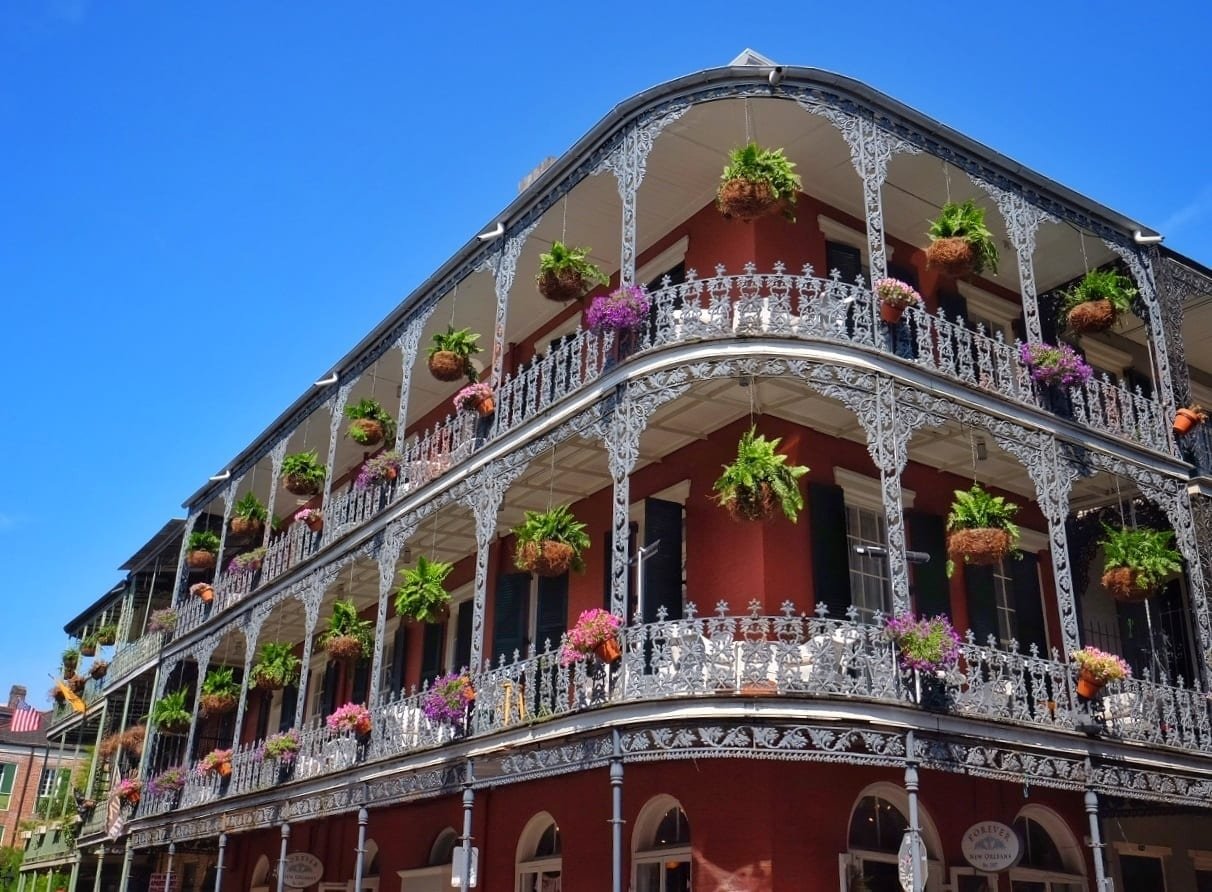
New Orleans isn’t just a destination—it’s an experience.
Known for its soulful jazz rhythms, Creole and Cajun flavors, vibrant festivals, and French Quarter charm, the city has a magnetic pull for travelers worldwide.
But one thing that often surprises first-time visitors is how much the timing of your trip can shape your entire experience.
Unlike many U.S. cities where weather alone dictates the best time to visit, New Orleans weaves its identity around seasonal festivals, food traditions, and cultural rhythms.
For instance, visiting during Mardi Gras is a bucket-list adventure filled with parades, music, and costumes, but it’s vastly different from strolling the quiet, romantic streets in December or catching an intimate jazz performance in September.
In this guide, we’ll take a season-by-season and month-by-month look at New Orleans—covering everything from weather patterns and major festivals to insider tips on food, crowds, and budgeting.
Whether you’re a first-time visitor eager for Mardi Gras or a repeat traveler looking for authentic, off-the-beaten-path experiences, this breakdown will help you discover the best time for your New Orleans adventure.
2. Overview: New Orleans Climate Throughout the Year
New Orleans has a humid subtropical climate, which means warm temperatures, high humidity, and distinct seasonal shifts.
Travelers often underestimate how much the climate impacts their trip — from the food you’ll find in season to how comfortable it is to walk through the French Quarter.
Here’s a breakdown of what you can expect:
- Winter (December–February):
Winters in New Orleans are mild compared to much of the U.S., with daytime temperatures ranging from the mid-50s to low 60s °F (12–17 °C). Nights can dip into the 40s °F (4–9 °C), so a light jacket is useful. Rainfall is moderate, but overall, this is one of the most comfortable seasons to explore the city. - Spring (March–May):
Spring is widely considered the best season to visit. The weather is warm but not yet sweltering, averaging highs in the 70s and 80s °F (21–28 °C). Flowers bloom across the Garden District, and major festivals like Mardi Gras, the French Quarter Festival, and Jazz Fest make the city come alive. - Summer (June–August):
Summers are hot, humid, and rainy. Highs often reach the 90s °F (32–35 °C) with heavy humidity, and afternoon thunderstorms are common. This is also the start of hurricane season (officially June through November), which travelers should keep in mind. On the upside, hotels often slash prices, and crowds thin out. - Fall (September–November):
Fall brings cooler, more comfortable weather, with temperatures dropping back into the 70s and 80s °F (21–28 °C). The city also hosts unique festivals like the Voodoo Music + Arts Experience and Halloween celebrations, when New Orleans’ spooky, haunted charm is at its peak.
Key Takeaway:
New Orleans’ climate is never extreme enough to make the city “off-limits,” but each season shapes a different version of the city.
Whether you want mild weather, fewer crowds, or festival energy, understanding the climate is the first step to planning the perfect trip.
3. Best Time Overall to Visit New Orleans
If you’re looking for a quick answer: the best overall time to visit New Orleans is spring (February through May).
During this period, the city is at its liveliest — the weather is comfortable, flowers are blooming, and iconic festivals like Mardi Gras, French Quarter Festival, and Jazz Fest create an atmosphere unlike anywhere else in the world.
Streets are filled with music, parades, and cultural energy that define the spirit of New Orleans.
That said, the “best time” depends on what kind of traveler you are:
- Festival Lovers: Spring is unmatched, especially late February through April. Be prepared for higher prices and larger crowds.
- Budget Travelers: Summer (June–August) offers the lowest hotel rates and fewer tourists, but you’ll face high heat and humidity.
- Food Enthusiasts: Fall and winter bring oyster season, local food festivals, and seasonal dishes that highlight Louisiana’s culinary traditions.
- Romantic & Relaxed Trips: Winter (December–February, excluding Mardi Gras) has fewer crowds, mild weather, and cozy holiday charm.
Insider Tip:
Locals often say there are “many New Orleans experiences,” not just one. If you want to capture the city’s iconic energy, spring is ideal.
But if you’re seeking a quieter, more affordable, and equally authentic side of the Crescent City, late fall or early winter can be just as rewarding.
4. Visiting New Orleans in Spring (March–May)
Spring is often called the sweet spot for visiting New Orleans, and for good reason.
The city comes alive with cultural celebrations, beautiful weather, and an atmosphere that blends Southern charm with vibrant street energy.
Weather in Spring
- Average highs: 70s–80s °F (21–28 °C)
- Comfortable evenings in the 60s °F (15–20 °C)
- Low humidity compared to summer
- Blooming azaleas and magnolias add color to the city’s parks and the Garden District
Festivals and Events
Spring is the heartbeat of New Orleans’ cultural calendar:
- Mardi Gras (Feb/March): The world-famous Carnival celebration, with colorful parades, costumes, and non-stop parties.
- French Quarter Festival (April): A free music festival featuring hundreds of local musicians and food vendors, celebrating the soul of the city.
- Jazz & Heritage Festival (April/May): Known globally as Jazz Fest, this iconic event blends jazz, blues, gospel, and more with local food and art.
Why Spring is the Best Season
- Ideal weather for walking tours of the French Quarter and Garden District.
- Street performers, brass bands, and second lines make every stroll feel like part of a festival.
- Outdoor dining is especially enjoyable, from café beignets in the morning to crawfish boils in the evening.
Travel Tips for Spring
- Book early: Hotels fill up months in advance during Mardi Gras and Jazz Fest.
- Expect crowds: The city swells with visitors, so plan extra time for dining and transportation.
- Dress light: Layers are best since afternoons are warm but evenings can be cooler.
Verdict:
Spring is the peak season to experience New Orleans at its most vibrant.
If you want the city’s energy at full throttle, this is your season.
5. Visiting New Orleans in Summer (June–August)
Summer in New Orleans is hot, humid, and unpredictable, but it also offers a side of the city many travelers overlook.
While some visitors shy away from the Crescent City during this season, those who embrace it are rewarded with lower costs, fewer crowds, and a more relaxed atmosphere.
Weather in Summer
- Average highs: 88–95 °F (31–35 °C)
- High humidity makes it feel hotter
- Afternoon thunderstorms are common but usually short-lived
- Start of hurricane season (June–November), with the peak risk in late summer
Pros of Visiting in Summer
- Lower prices: Hotels and flights often drop significantly since summer is considered off-season.
- Fewer tourists: Easier access to restaurants, museums, and attractions like the National WWII Museum or swamp tours.
- Laid-back vibe: The city feels more local, with fewer crowds at jazz clubs and neighborhood events.
Cons of Visiting in Summer
- The heat and humidity can be intense, especially for those not used to subtropical climates.
- Hurricane season adds a layer of uncertainty — though storms don’t happen every year, it’s wise to have travel insurance.
- Outdoor activities can be challenging during midday; mornings and evenings are more comfortable.
Events and Festivals
Even in the heat, New Orleans doesn’t slow down completely:
- Essence Festival (July): A massive celebration of Black culture, music, and empowerment.
- Satchmo SummerFest (August): Honoring jazz legend Louis Armstrong with live music, food, and cultural events.
- Smaller neighborhood festivals keep the local spirit alive year-round.
Travel Tips for Summer
- Stay hydrated: Always carry water when exploring.
- Plan around the heat: Do walking tours in the morning and save indoor attractions for the afternoon.
- Pack smart: Light, breathable clothing and an umbrella or rain poncho are must-haves.
Verdict:
Summer isn’t for everyone, but if you don’t mind the heat and want to enjoy New Orleans at a slower pace with budget-friendly prices, this can be a surprisingly rewarding season.
6. Visiting New Orleans in Fall (September–November)
Fall is when New Orleans transitions from the heavy heat of summer to a cooler, breezier season, making it one of the most comfortable times to explore the city.
For travelers seeking a mix of good weather, lively festivals, and slightly fewer crowds than spring, autumn is a sweet spot.
Weather in Fall
- Early fall: still warm, with highs in the 80s °F (27–29 °C)
- Late fall: cooler, ranging from 60s–70s °F (15–24 °C)
- Lower humidity compared to summer
- Hurricane season continues until November, but the risk decreases after October
Why Fall is Special
- Perfect for walking tours of the French Quarter, Garden District, and cemeteries without the discomfort of summer heat.
- The city’s oak-lined streets and courtyards take on a cozy, festive atmosphere as Halloween approaches.
- Fall is also prime time for food lovers — oysters come into season, and local chefs highlight hearty, seasonal dishes.
Festivals and Events
New Orleans loves its fall celebrations, with events that highlight both music and culture:
- Crescent City Blues & BBQ Festival (October): A must for music and barbecue fans.
- Halloween in New Orleans: With ghost tours, costume balls, and haunted history, it’s one of the most spirited cities in the U.S. to celebrate.
- Voodoo Music + Arts Experience (October): A major multi-genre music festival that blends New Orleans’ flair with international talent.
Travel Tips for Fall
- Book ahead for October: The city draws big crowds during Halloween and music festivals.
- Pack layers: Early fall can still be hot, but evenings in November may feel chilly.
- Hurricane awareness: While the risk decreases later in the season, consider flexible bookings or travel insurance.
Verdict:
Fall offers the perfect balance of pleasant weather, food festivals, and cultural events.
If you’re not tied to experiencing Mardi Gras but still want a lively, festive New Orleans, this is one of the best seasons to visit.
7. Visiting New Orleans in Winter (December–February)
Winter in New Orleans is mild compared to most U.S. cities, making it an inviting escape for travelers looking to avoid freezing temperatures.
The city takes on a festive glow during the holiday season, and by late winter, it gears up for the world-famous Mardi Gras.
Weather in Winter
- Average highs: 55–65 °F (12–18 °C)
- Cooler evenings can dip into the 40s °F (4–9 °C)
- Rain is possible, but snow is extremely rare
- Comfortable weather for walking tours, streetcar rides, and outdoor dining
Why Winter is Worth Visiting
- Holiday magic: Jackson Square and the French Quarter sparkle with Christmas lights, while hotels host traditional Réveillon dinners (a Creole holiday dining tradition).
- Mild climate: Ideal for sightseeing, walking through historic neighborhoods, and enjoying open-air markets.
- Pre-Mardi Gras buildup: January and February host parades and celebrations leading up to the Carnival climax.
Festivals and Events
- Celebration in the Oaks (December): A dazzling holiday light display in City Park.
- Mardi Gras (late February or early March): The city’s biggest event, filled with parades, costumes, and nonstop revelry.
- New Year’s Eve in Jackson Square: A festive countdown with fireworks over the Mississippi River.
Travel Tips for Winter
- Book early for Mardi Gras: Hotels sell out months in advance, and prices spike during Carnival season.
- Dress in layers: While days are mild, evenings can feel chilly.
- Plan for crowds in late February: If you prefer quieter streets, aim for December or early January.
Verdict:
Winter offers two distinct sides of New Orleans: a festive, cozy holiday season with light crowds and a high-energy Carnival season when the city becomes a global stage.
Whether you prefer quiet charm or full-throttle celebration, winter delivers.
8. The Magic of Mardi Gras Season
No discussion about the best time to visit New Orleans is complete without highlighting Mardi Gras, the city’s most iconic celebration.
Known as “Fat Tuesday,” Mardi Gras marks the last day before Lent in the Christian calendar, but in New Orleans, it’s far more than a single day — it’s a season of parades, balls, and community traditions that lasts several weeks.
When Does Mardi Gras Happen?
- Mardi Gras Day falls 47 days before Easter, so the exact date changes each year (usually between mid-February and early March).
- Parades and festivities typically begin weeks in advance, starting in January.
What to Expect
- Parades & Krewes: Local organizations, known as krewes, organize parades with floats, marching bands, and performers. Each krewe has its own themes, traditions, and iconic “throws” — beads, trinkets, and even hand-decorated coconuts.
- Costumes & Masks: Visitors and locals alike dress in elaborate costumes, especially on Mardi Gras Day. Purple, green, and gold dominate the city (symbolizing justice, faith, and power).
- Family-Friendly & Wild Sides: Uptown parades are family-friendly, while Bourbon Street’s celebrations lean toward the rowdier side.
Why It’s Special
Mardi Gras isn’t just a party — it’s a centuries-old tradition rooted in French Catholic heritage, adapted over generations into something uniquely New Orleans.
It’s a cultural experience where locals open their homes, share food, and pass down traditions to future generations.
Travel Tips for Mardi Gras
- Book 6–12 months in advance: Hotels, flights, and even restaurants get booked quickly.
- Know the parade routes: Uptown is great for families, while the French Quarter is better for adults.
- Pack smart: Comfortable shoes, layers for unpredictable weather, and a festive costume if you want to blend in.
- Use public transit or walk: Driving and parking are extremely difficult during parades.
Verdict:
If you want the full force of New Orleans’ spirit, Mardi Gras is the ultimate time to visit.
It’s crowded, energetic, and unforgettable — a once-in-a-lifetime experience that embodies the city’s soul.
9. Best Time for Music Lovers
Music isn’t just part of New Orleans — it is New Orleans.
From the birth of jazz to brass bands leading second lines through the streets, the city lives and breathes rhythm.
While live music can be found year-round, certain times of year make the experience especially unforgettable.
Spring: The Peak Season for Music
- French Quarter Festival (April): The largest free music festival in the South, featuring hundreds of local artists across multiple stages. From jazz and gospel to zydeco and funk, it’s a crash course in Louisiana sound.
- New Orleans Jazz & Heritage Festival (April–May): Known worldwide as Jazz Fest, this event celebrates not just jazz but blues, gospel, rock, Cajun, and international music. It’s also a food and cultural festival, with local crafts and cuisine.
Summer Highlights
- Satchmo SummerFest (August): A tribute to Louis Armstrong, New Orleans’ most famous musical son. This intimate festival includes performances, seminars, and food reflecting Armstrong’s legacy.
- Essence Festival (July): One of the biggest celebrations of Black culture and music in the U.S., bringing together major headliners and community events.
Fall & Winter Gems
- Voodoo Music + Arts Experience (October): A mix of local acts and international stars across genres, set in City Park.
- Year-Round on Frenchmen Street: No matter the season, Frenchmen Street in the Faubourg Marigny neighborhood is a hub for live jazz, funk, and brass bands in small, intimate clubs.
Why Music Lovers Should Plan Around Events
- Festivals showcase the full diversity of New Orleans’ sound, but they also draw big crowds and higher hotel prices.
- Off-season visits allow for intimate club experiences where you can hear world-class musicians up close.
Insider Tip:
If you’re serious about music, plan your trip around Jazz Fest or French Quarter Festival.
But don’t worry if you can’t — in New Orleans, you can step into a bar on a random Tuesday and find a brass band that blows your mind.
Verdict:
Spring is the best time for music lovers, but no matter when you visit, New Orleans delivers a soundtrack you’ll carry long after you leave.
10. Best Time for Foodies
New Orleans is one of America’s greatest food cities, where every season brings fresh flavors, seafood traditions, and culinary festivals.
While gumbo, jambalaya, and po’boys are available year-round, true food lovers will want to plan their trip around seasonal specialties and food-centered celebrations.
Spring: Crawfish & Festival Feasts
- Crawfish Season (March–June): Spring is peak crawfish boil season, when locals gather to enjoy these spicy, flavorful crustaceans with corn and potatoes.
- Festival Food: Jazz Fest and French Quarter Festival aren’t just about music — they double as food festivals, featuring everything from crawfish étouffée to alligator sausage po’boys.
Summer: Cooling Treats & Local Eats
- Snowballs (not snow cones): A New Orleans summer tradition, these finely shaved ice desserts come in dozens of flavors, topped with sweet syrups and condensed milk.
- Lighter seafood dishes and Creole salads help beat the heat.
Fall: Oyster Season & Comfort Foods
- Oysters are best from September to April, when Gulf waters are cooler. Try them raw, chargrilled, or fried at local institutions like Casamento’s or Drago’s.
- Fall also brings hearty gumbo and jambalaya, perfect for cooler evenings.
- Po-Boy Festival (November): A celebration of the city’s most iconic sandwich, with creative takes from local chefs.
Winter: Holiday Treats & Traditional Dishes
- Réveillon Dinners (December): A Creole holiday tradition where restaurants serve multi-course feasts featuring seasonal and historic recipes.
- King Cake season begins in January, leading up to Mardi Gras — a sweet brioche-style cake decorated in purple, green, and gold.
Why Foodies Should Consider Timing
- Each season highlights different local ingredients, so your dining experience changes depending on when you visit.
- Food festivals are some of the best ways to sample dozens of New Orleans dishes in one place.
Insider Tip:
If you love seafood, aim for spring (crawfish) or fall/winter (oysters). And whatever the season, skip a meal or two before hitting a festival — you’ll want room to try everything.
Verdict:
The best time for foodies is spring and fall, when seafood is at its peak and festivals serve up endless New Orleans flavors.
11. Best Time for Families
Traveling to New Orleans with kids or multigenerational groups requires balancing fun, safety, and comfort.
While the city has a reputation for nightlife, it also offers a wealth of family-friendly experiences — from riverboat cruises and streetcar rides to world-class museums and zoos.
The key is picking the right season to make it enjoyable for everyone.
Best Seasons for Families
- Winter (December–February, outside of Mardi Gras week): Mild weather makes it easy for families to explore without worrying about extreme heat. Holiday lights and kid-friendly attractions add festive charm.
- Spring (March–May): A fantastic time if your kids can handle crowds. The city is buzzing with festivals, and outdoor activities like walking tours and park visits are ideal.
Why Families Should Avoid Summer
- The heat and humidity can be tough on children.
- Afternoon thunderstorms can disrupt outdoor plans.
- Hurricane season adds a layer of unpredictability.
Family-Friendly Events & Activities
- Audubon Zoo and Aquarium: Great any season, but especially comfortable in spring or winter.
- Steamboat Natchez Cruise: A fun way to see the Mississippi River and enjoy live jazz.
- Children’s Museum and City Park: Kid-approved spots with room to run and play.
- Holiday Season: Celebration in the Oaks transforms City Park into a glowing wonderland with light displays, rides, and family fun.
Travel Tips for Families
- Skip Bourbon Street: While iconic, it’s not family-friendly. Stick to French Quarter attractions, streetcar rides, and museums.
- Consider Mardi Gras carefully: Uptown parades are family-friendly, but the French Quarter is not. If visiting during Carnival, plan your viewing spots in advance.
- Stay central: Hotels near the Garden District or Uptown are quieter and better suited for kids than the heart of the French Quarter.
Verdict:
The best times for families to visit New Orleans are winter (holiday season) and spring (festival season).
Both offer plenty of kid-friendly activities without the challenges of extreme weather.
12. Best Time for Couples and Romantic Getaways
New Orleans may be famous for its parades and parties, but it’s also one of the most romantic cities in the U.S.
The blend of French-inspired architecture, candlelit jazz clubs, riverfront strolls, and carriage rides makes it a dream destination for couples. Timing your visit can set the mood for the kind of romantic experience you want.
Spring: Garden Romance & Festival Energy
- The city is in bloom — azaleas and magnolias brighten the Garden District, perfect for romantic walks.
- Outdoor dining in courtyards and evenings on Frenchmen Street set the stage for unforgettable dates.
- If you enjoy lively energy, spring festivals offer music-filled nights for couples who love the crowd.
Winter: Cozy & Intimate Escapes
- Holiday lights twinkle across the French Quarter, creating a magical setting for evening strolls.
- Carriage rides through historic streets feel extra cozy in cooler weather.
- Fewer crowds (except Mardi Gras) mean more private experiences at museums, restaurants, and jazz clubs.
Fall: Music, Mystery, & Romantic Nights
- With cooler evenings and spooky charm, fall is a great season for couples who love history and haunted tours.
- The Voodoo Music + Arts Experience and Halloween festivities offer unique date nights.
Romantic Activities by Season
- Riverboat Cruises (year-round): Sunset jazz cruises on the Mississippi are timeless for couples.
- French Quarter Courtyards: Best enjoyed in spring and fall when weather is mild.
- Wine & Dine: From Creole fine dining to hidden speakeasies, New Orleans’ culinary scene is perfect for romantic evenings.
Travel Tips for Couples
- Book boutique hotels or historic B&Bs for more charm than chain hotels.
- If visiting during busy seasons like Mardi Gras or Jazz Fest, plan romantic activities away from the main crowds.
- For proposals, anniversaries, or honeymoons, winter holidays or spring bloom make for unforgettable backdrops.
Verdict:
The best times for couples are spring (romantic blooms and lively nights) and winter (cozy holidays and intimate charm).
Both offer unique atmospheres that can turn any getaway into a love story.
13. Best Time for Budget Travelers
New Orleans can be surprisingly affordable if you time your trip right.
While hotel rates soar during Mardi Gras and major festivals, the city offers excellent deals in off-peak seasons — without sacrificing too much of the experience.
Summer (June–August): The Cheapest Season
- Low hotel rates: With the heat and humidity keeping crowds away, many hotels slash prices by 30–40%.
- Affordable flights: Airlines often run promotions during the summer, making it the best time to snag cheap airfare.
- Restaurant deals: Some upscale restaurants offer prix-fixe summer menus, allowing you to sample fine dining at lower costs.
Early Fall (September): Shoulder Season Savings
- The weather begins to improve, but crowds haven’t fully returned.
- Deals are easier to find than in October and November, when festivals draw larger audiences.
Winter (December–January, excluding Mardi Gras): Quiet & Affordable
- The weeks between Christmas and Mardi Gras offer mild weather and low hotel rates.
- Attractions are less crowded, and you can enjoy more personal service in restaurants and tours.
Money-Saving Travel Tips
- Avoid major festivals: Mardi Gras, Jazz Fest, and French Quarter Festival cause hotel rates to double or triple.
- Stay just outside the French Quarter: Neighborhoods like the Garden District, Mid-City, or Marigny often have cheaper accommodations within a streetcar ride of the action.
- Take advantage of free activities: Streetcar rides, French Quarter street performances, walking through the Garden District, and exploring City Park cost little to nothing.
Insider Tip:
Budget travelers often find late summer into early fall the sweet spot.
While the heat is real, you’ll enjoy the city with thinner crowds, cheaper stays, and plenty of affordable local eats like po’boys, gumbo, and beignets.
Verdict:
The best time for budget travelers is summer through early fall, when New Orleans is most affordable.
If you want lower prices without extreme weather, December to mid-January is another great window.
14. Best Time for Outdoor Activities
New Orleans is a city best experienced outdoors — from wandering the French Quarter’s historic streets to gliding through the bayou on a swamp tour.
But with subtropical weather, timing matters if you want to fully enjoy outdoor adventures without battling extreme heat or heavy rain.
Spring (March–May): Ideal for Outdoor Fun
- Comfortable temperatures and low humidity make spring the top choice for walking tours, garden visits, and street festivals.
- The city’s parks — like City Park and Audubon Park — are in full bloom, creating perfect backdrops for picnics and strolls.
- Swamp and plantation tours are especially enjoyable, as wildlife is active and weather is pleasant.
Fall (September–November): A Close Second
- Fall offers cooler weather and fewer bugs compared to summer.
- Great for cemetery tours, bike rides along the Mississippi River, and exploring neighborhoods like the Garden District.
- Outdoor festivals like the Crescent City Blues & BBQ Festival make this season extra special.
Winter (December–February): Mild but Festive
- While slightly cooler, winter still allows for comfortable walking tours and riverboat cruises.
- Holiday decorations add charm to outdoor exploring.
Seasons to Avoid for Outdoor Activities
- Summer (June–August): High heat, humidity, and sudden thunderstorms make midday activities uncomfortable. Outdoor fun is still possible, but best saved for mornings and evenings.
- Hurricane Season (June–November): Outdoor plans can be disrupted, especially in late summer and early fall, so flexible scheduling is important.
Outdoor Highlights by Season
- Spring: Jazz in the Park, French Quarter strolls, swamp tours
- Fall: Halloween cemetery tours, biking in cooler weather
- Winter: Holiday lights at Celebration in the Oaks, carriage rides
- Summer: Evening riverboat cruises, shaded garden walks
Verdict:
The best seasons for outdoor activities in New Orleans are spring and fall, when the weather is most comfortable.
Winter is also enjoyable, but summer requires early starts, evening outings, and a lot of water breaks.
15. Best Time to Avoid Crowds
New Orleans is famous for its lively festivals and bustling French Quarter, but not every traveler wants to be surrounded by massive crowds.
If you’re looking for a quieter experience — more space to explore, shorter waits at restaurants, and easier hotel bookings — timing your trip is key.
Late Summer (July–August): The Quietest Months
- The heat and humidity drive most tourists away, leaving attractions and restaurants far less crowded.
- Hotels often have availability at discounted rates.
- Downside: uncomfortable midday heat and the start of hurricane season.
Early Winter (December–Mid-January): Calm Before Carnival
- After the holiday season but before Mardi Gras parades begin, the city slows down.
- Museums, walking tours, and even Frenchmen Street music venues feel more local than touristy.
- This is also one of the easiest times to get last-minute reservations.
Post-Mardi Gras (March, after Carnival ends): Relaxed Vibe
- Once the parades wrap up, the crowds disperse, but the weather remains pleasant.
- A great time for travelers who want good conditions without the frenzy of Mardi Gras itself.
Crowd Management Tips
- Visit mid-week: Even in busy seasons, Mondays through Wednesdays are calmer than weekends.
- Stay outside the French Quarter: Neighborhoods like Bywater, Marigny, or the Garden District give you a quieter base.
- Choose off-peak festivals: Instead of Jazz Fest or Mardi Gras, try smaller celebrations like Satchmo SummerFest or the Po-Boy Festival.
Insider Note:
Locals often say the best way to truly “feel” New Orleans is to visit outside the peak madness of Carnival or Jazz Fest.
During quieter times, you can enjoy intimate jazz sessions, chat with restaurant staff, and soak in the city’s rhythms without the tourist crush.
Verdict:
The best times to avoid crowds are late summer, early winter, and post-Mardi Gras in spring.
Each offers a more laid-back, authentic New Orleans experience.
16. Hurricane Season in New Orleans (June–November)
New Orleans’ location along the Gulf of Mexico means it sits directly in the path of potential tropical storms and hurricanes.
While this doesn’t mean you should avoid visiting entirely, it’s important to understand the risks and plan accordingly if your trip falls during this period.
When is Hurricane Season?
- Officially runs from June 1 to November 30.
- Peak season: August through October, when the Gulf waters are warmest and storms are most likely to intensify.
What It Means for Travelers
- Weather interruptions: Even when major storms don’t hit, afternoon showers and heavy rainfall are common.
- Travel disruptions: Flights, events, and outdoor tours may be delayed or canceled during storm warnings.
- Safety considerations: In rare cases of strong hurricanes, evacuations and citywide closures can occur.
Pros of Visiting During Hurricane Season
- Lower prices: Hotels and flights are often cheaper compared to spring or festival seasons.
- Fewer crowds: Attractions and restaurants are easier to access.
- Local vibe: With fewer tourists, you’ll see more of the “everyday” side of New Orleans.
Cons of Visiting During Hurricane Season
- Unpredictable weather can limit outdoor activities.
- The risk — however small — of having to change or cancel your trip due to storms.
Travel Tips for Hurricane Season
- Buy travel insurance: Make sure it covers weather-related cancellations.
- Monitor forecasts: Check the National Hurricane Center and local news for updates.
- Flexible planning: Opt for refundable bookings and avoid locking yourself into non-changeable plans.
- Pack for rain: Umbrellas, ponchos, and waterproof shoes can save your day during sudden downpours.
Insider Note:
Locals are well-prepared for tropical weather, and not every summer brings severe storms.
Many travelers visit during this season without issues — but being informed and flexible is key.
Verdict:
Hurricane season isn’t the most convenient time to visit, but if you’re prepared and looking for lower costs and fewer crowds, it can still be a worthwhile choice.
Just plan smart and stay weather-aware.
17. Month-by-Month Breakdown
If you’re trying to decide the exact month to visit New Orleans, this quick guide highlights what to expect in terms of weather, festivals, and overall vibe.
January
- Weather: Cool and mild (50s–60s °F / 10–18 °C).
- Events: Early Mardi Gras parades often begin this month.
- Vibe: Quieter after the holidays, but Carnival energy starts to build.
February
- Weather: Mild, with occasional chilly nights.
- Events: Mardi Gras season peaks (depending on the Easter calendar).
- Vibe: Crowded, festive, and unforgettable — the city at full throttle.
March
- Weather: Warming up, 60s–70s °F (16–24 °C).
- Events: St. Patrick’s Day parades, sometimes late Mardi Gras, crawfish season kicks in.
- Vibe: Lively, festive, and perfect for outdoor fun.
April
- Weather: Ideal spring temps, 70s–80s °F (21–28 °C).
- Events: French Quarter Festival and Jazz Fest.
- Vibe: One of the busiest, most exciting months in New Orleans.
May
- Weather: Warm but comfortable, 70s–80s °F.
- Events: Jazz Fest continues into May, Bayou Boogaloo.
- Vibe: Still festive but slightly less crowded after Jazz Fest.
June
- Weather: Hot and humid, 80s–90s °F (27–34 °C).
- Events: Start of hurricane season, Creole Tomato Festival.
- Vibe: Slower pace, more affordable.
July
- Weather: Very hot and humid.
- Events: Essence Festival (music & culture), Go Fourth on the River fireworks.
- Vibe: Quiet except during festivals; great for deals.
August
- Weather: Peak heat and humidity, thunderstorms likely.
- Events: Satchmo SummerFest, White Linen Night (art & culture).
- Vibe: Hot but affordable, with a more local feel.
September
- Weather: Still warm but cooling slightly, 70s–80s °F.
- Events: Southern Decadence (Labor Day), start of oyster season.
- Vibe: Transition month — fewer tourists, growing fall energy.
October
- Weather: Pleasant, cooler evenings.
- Events: Voodoo Music + Arts Experience, Halloween festivities.
- Vibe: Spooky, festive, and fun — one of the most atmospheric months.
November
- Weather: Mild and comfortable, 60s–70s °F.
- Events: Bayou Bacchanal (Caribbean culture), Po-Boy Festival.
- Vibe: Relaxed, foodie-focused, fewer crowds.
December
- Weather: Cool and festive, 50s–60s °F.
- Events: Celebration in the Oaks, Réveillon dinners, holiday parades.
- Vibe: Romantic, cozy, and family-friendly with holiday charm.
Verdict:
- Best for Festivals: February–April
- Best for Budget: July–September
- Best for Food Lovers: March–June (crawfish) & September–February (oysters, holiday feasts)
- Best Overall: April & October for great balance of weather and events
18. Packing Tips Based on Season
Packing smart can make or break your New Orleans trip.
The city’s subtropical climate means conditions change dramatically by season — from humid summers to cool, festive winters.
Here’s what to bring, tailored to when you’re visiting:
Spring (March–May)
- Light layers: Days are warm, but evenings can be cooler.
- Comfortable shoes: Essential for walking tours, parades, and festivals.
- Festival gear: A small backpack, sunscreen, and a reusable water bottle.
Summer (June–August)
- Breathable clothing: Lightweight cotton or linen to handle the humidity.
- Rain protection: A compact umbrella or poncho for sudden storms.
- Hydration: A refillable water bottle is a must in the heat.
- Bug spray: Especially if you’re planning swamp tours or outdoor evenings.
Fall (September–November)
- Versatile layers: Warm afternoons, cooler evenings — bring light jackets or sweaters.
- Festival outfits: October and Halloween bring lots of themed costumes — fun if you want to join the spirit.
- Comfortable walking shoes: Great for outdoor events and exploring historic districts.
Winter (December–February)
- Light to medium jackets: Winters are mild, but nights can dip into the 40s °F (4–9 °C).
- Dress shoes & outfits: For holiday dinners or Carnival balls.
- Layers: Sweaters and scarves for extra comfort on chillier nights.
Year-Round Essentials
- Casual, comfortable attire: New Orleans is stylish but relaxed; most venues don’t require formal wear.
- Sun protection: Sunglasses, hats, and sunscreen are useful in every season.
- Reusable tote bag: Handy for festivals, farmers’ markets, and souvenirs.
Insider Tip:
Leave plenty of space in your suitcase — New Orleans is known for its markets, art, and local crafts, so you’ll almost certainly want to bring a few treasures home.
Verdict:
Pack light, versatile clothing and festival-ready gear in spring and fall, breathable outfits in summer, and cozy but not bulky layers in winter.
Being prepared ensures you’ll enjoy the city comfortably in any season.
19. Insider Tips from Locals
No one knows New Orleans better than the people who call it home.
While guidebooks highlight the big attractions, locals often recommend a different rhythm — one that lets you experience the city’s heart without falling into tourist traps.
Here are insider tips that can elevate your trip, no matter when you visit.
Timing Your Visit
- Avoid Bourbon Street on weekends: It’s fun once, but locals prefer Frenchmen Street for authentic live music.
- Early spring vs. peak spring: If you want good weather but fewer crowds, visit before or after Mardi Gras/Jazz Fest. March and May are sweet spots.
- Summer survival: Locals swear by snowballs (finely shaved ice with flavored syrup) to beat the heat. Try Hansen’s Sno-Bliz, an institution since 1939.
Food Secrets by Season
- Crawfish boils in spring: Many locals host backyard boils — ask around, and you may find smaller neighborhood spots offering the most authentic experiences.
- Oysters in fall/winter: Head to dive bars like Casamento’s or Felix’s rather than big touristy restaurants.
- Late-night eats: After music clubs close, locals head to 24-hour diners like Clover Grill or greasy-spoon po’boy shops.
Festival Tips
- Mardi Gras: Locals recommend catching parades Uptown for a family vibe, rather than the crowded French Quarter.
- Jazz Fest: Bring cash, sunscreen, and an empty stomach — the food vendors are as legendary as the performers.
- Halloween: The city’s haunted history shines brightest in October. Ghost tours are fun, but locals say the cemeteries and French Quarter at dusk feel spooky enough.
Year-Round Wisdom
- Take the streetcar: It’s scenic, cheap, and historic — locals use it as much as tourists.
- Respect the pace: New Orleans moves slow. Meals are meant to be lingered over, music is savored, and “laissez les bons temps rouler” (let the good times roll) is more than just a motto.
- Tip musicians generously: Street performers and jazz bands are the soul of the city. A few dollars in the bucket goes a long way.
Verdict:
The best way to experience New Orleans is to combine its headline attractions with local traditions.
Eat where the locals eat, explore beyond Bourbon Street, and don’t rush — because in New Orleans, slowing down is part of the magic.
20. Conclusion: Choosing the Best Time for Your Trip
The truth is, there’s no single “best” time to visit New Orleans — it all depends on what kind of experience you want.
Each season offers a different version of the Crescent City, and part of the magic is choosing the one that matches your style of travel.
- For first-time visitors & festival seekers: Spring (February–May) is unbeatable, with Mardi Gras, Jazz Fest, and perfect weather.
- For food lovers: Spring crawfish season and fall/winter oyster season serve up the city’s best flavors.
- For budget travelers: Summer and early winter (outside of Mardi Gras) bring lower prices and fewer crowds.
- For romance & cozy charm: Winter holidays and spring blooms create the most romantic settings.
- For quiet, authentic vibes: Late summer and post-Mardi Gras spring reveal the city at a slower pace.
No matter when you go, New Orleans always delivers: the brass bands on Frenchmen Street, the scent of beignets drifting from Café du Monde, the timeless charm of the Garden District, and the endless energy of its festivals.Final Tip: Instead of asking “when is the best time to visit New Orleans,” ask yourself what kind of experience you want — lively and festive, cozy and romantic, budget-friendly, or foodie-focused.
Once you match the season to your interests, you’ll discover why New Orleans is a city worth visiting again and again.