Solo Travel Tips: The Ultimate Guide for Independent Travelers
Why Solo Travel is Life-Changing
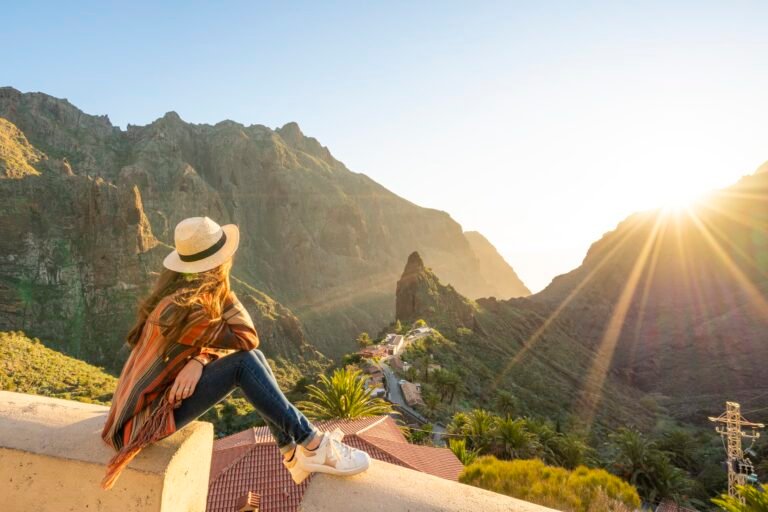
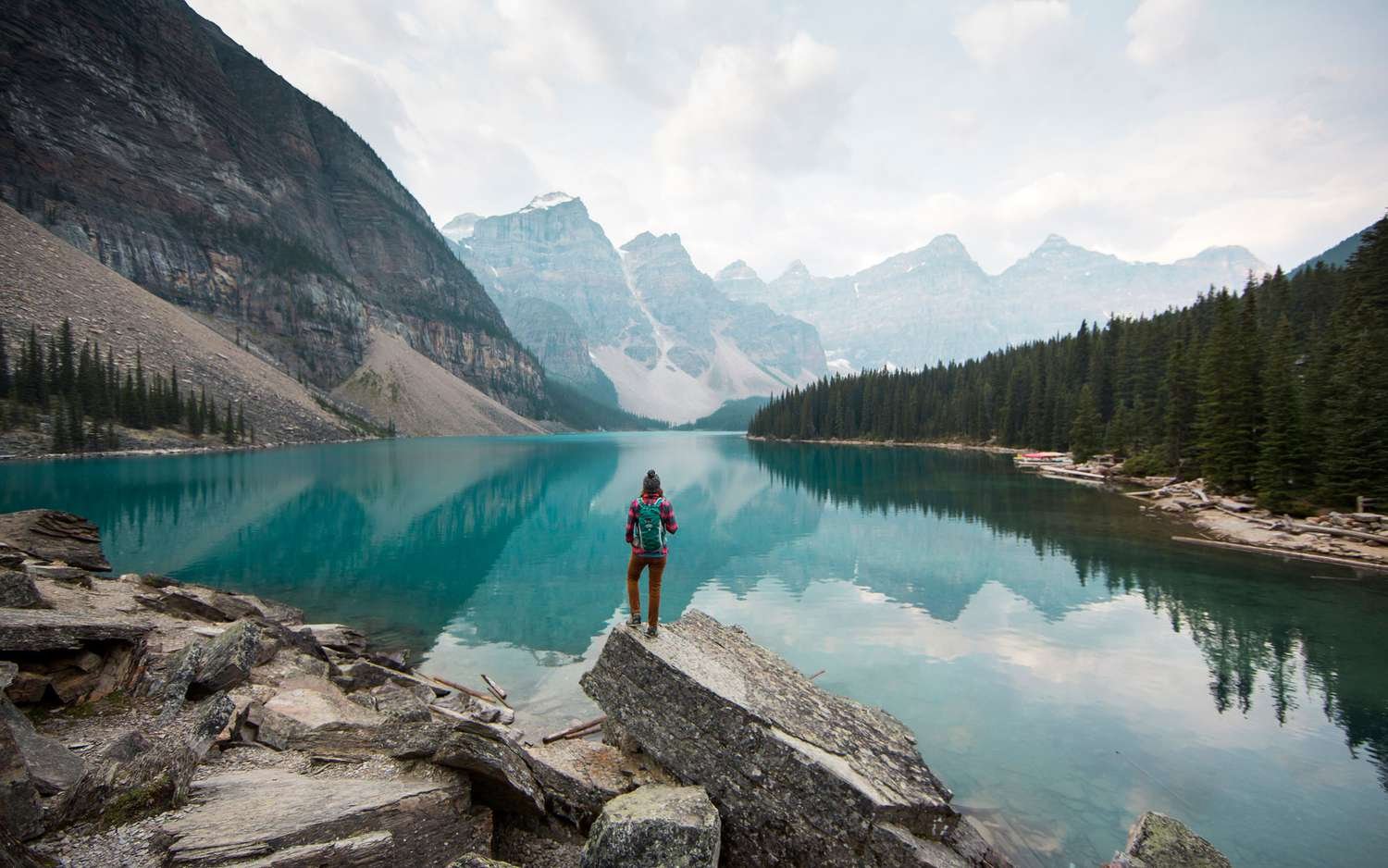
Traveling alone can be one of the most transformative experiences you’ll ever undertake.
Beyond the thrill of exploring new places, solo travel offers unparalleled opportunities for personal growth, self-reflection, and the freedom to design every aspect of your journey.
Unlike group travel, where schedules and preferences must be balanced, traveling solo puts you in complete control—allowing you to wake up with the sunrise, linger in a quaint café, or change your plans on a whim without compromise.
Why people choose solo travel:
- Personal Growth: Navigating unfamiliar cities and cultures fosters resilience and confidence. Handling challenges independently strengthens problem-solving skills and nurtures a sense of self-reliance.
- Freedom and Flexibility: You decide the pace, the places, and the activities. Whether you’re chasing adventure or seeking solitude, every choice is yours.
- Immersive Cultural Experiences: Solo travelers often engage more deeply with locals and communities. Without the comfort of a travel companion, you’re more open to conversations, local events, and authentic experiences.
- Self-Discovery: Many travelers report that solo trips reveal aspects of themselves that were previously unexplored—values, passions, and even limits.
Interestingly, research from the Adventure Travel Trade Association indicates that solo travel is on the rise globally, with 1 in 4 international travelers now exploring destinations alone.
This trend is not only driven by millennial and Gen Z independence but also by the increasing availability of digital tools, safety resources, and social platforms that make solo journeys easier to plan.
By understanding why solo travel is so rewarding, you can approach your journey with intention, confidence, and curiosity.
This guide is designed to equip you with practical advice, safety strategies, and insightful tips—ensuring your solo adventure is not just memorable, but life-changing.
1. Planning Your Solo Trip: Research is Key
Planning is the backbone of any successful solo adventure.
Unlike traveling with friends or family, solo trips leave you fully responsible for your itinerary, safety, and logistics.
Thorough preparation can make the difference between a stressful experience and a seamless, enjoyable journey.
Choosing the Right Destination
Not every destination is equally suitable for solo travelers. While the idea of adventure is exciting, safety, accessibility, and local culture are crucial considerations.
Here are key factors to evaluate:
- Safety: Consult official sources such as government travel advisories (e.g., U.S. State Department, UK Foreign Office) for information on crime rates, political stability, and natural hazards. Consider destinations with a strong reputation for tourism safety.
- Language: Navigating a place where you don’t speak the language can be challenging but rewarding. Use translation apps like Google Translate or Duolingo for basic communication.
- Solo-Friendly Communities: Some cities and countries have thriving solo traveler networks, hostels, or group activities that make meeting people easier. For example, Bangkok, Lisbon, and Melbourne are renowned for their solo-friendly tourism infrastructure.
Using Reliable Sources for Research
Quality research ensures you anticipate challenges and maximize your experience. Top resources include:
- Travel Blogs and Vlogs: First-hand accounts provide insights into real experiences, tips, and hidden gems. Look for recent content to ensure accuracy.
- Forums and Communities: Platforms like Reddit (r/solotravel), Lonely Planet’s Thorn Tree forum, and Nomad List offer authentic advice from solo travelers worldwide.
- Guidebooks and Official Tourism Sites: Lonely Planet, Fodor’s, and local tourism boards provide trusted information about transportation, accommodations, and local regulations.
Travel Insurance and Emergency Planning
Solo travel comes with added responsibility—you are your safety net. Comprehensive travel insurance is non-negotiable.
Look for coverage that includes:
- Medical emergencies and hospital stays
- Trip cancellations or interruptions
- Lost or stolen belongings
It’s also wise to prepare an emergency plan.
Share your itinerary with a trusted friend or family member, keep digital backups of important documents, and note local emergency contacts such as hospitals, police stations, and your country’s embassy.
Setting Realistic Goals
Planning isn’t just about logistics—it’s about designing the experience you want.
Determine what you want to get out of your trip:
- Adventure vs. relaxation
- Cultural immersion vs. sightseeing
- Short-term exploration vs. long-term travel
Having a clear goal helps streamline decisions, prevents overpacking, and ensures that each day aligns with your personal travel vision.
2. Budgeting for Solo Travel
Budgeting is one of the most important aspects of solo travel.
Traveling alone means all costs—accommodation, meals, transportation, activities—fall on you. Without careful planning, expenses can quickly spiral.
A realistic budget not only ensures financial safety but also reduces stress, allowing you to focus on enjoying the journey.
Understanding Your Travel Costs
Start by breaking down your anticipated expenses into clear categories:
- Accommodation: Hostels, guesthouses, boutique hotels, or Airbnb rentals.
- Hostels are cost-effective and great for meeting other travelers.
- Private rooms in budget hotels or Airbnb offer more privacy but at a higher cost.
- Hostels are cost-effective and great for meeting other travelers.
- Transportation: Flights, trains, buses, ride-hailing apps, and local taxis.
- Use tools like Skyscanner or Google Flights to find deals.
- Consider multi-day transport passes or city cards for savings.
- Use tools like Skyscanner or Google Flights to find deals.
- Food and Dining: Eating out, groceries, snacks, and occasional splurges.
- Street food and local markets are affordable and authentic.
- Reserve a small portion for occasional fine dining or unique experiences.
- Street food and local markets are affordable and authentic.
- Activities and Tours: Museums, excursions, guided tours, and adventure activities.
- Research free or low-cost attractions, walking tours, and city passes.
- Research free or low-cost attractions, walking tours, and city passes.
- Miscellaneous and Emergencies: Souvenirs, tips, SIM cards, toiletries, and unforeseen expenses.
- Keep at least 10–15% of your total budget reserved for emergencies.
- Keep at least 10–15% of your total budget reserved for emergencies.
Money-Saving Tips for Solo Travelers
- Book in Advance: Flights and accommodations are often cheaper when booked early.
- Travel Off-Peak: Avoid peak tourist seasons to get lower prices on everything from hotels to attractions.
- Use Loyalty Programs and Discounts: Reward points, student discounts, or travel apps like Hopper and Hostelworld can save money.
- Cook or Grab Local Food: Many hostels have kitchens. Shopping at local markets reduces food costs while providing a cultural experience.
- Walk or Use Public Transport: Beyond cost savings, walking allows you to explore hidden corners of a city.
Tracking Your Spending
Budgeting doesn’t end at planning—it requires ongoing tracking. Use tools like:
- Travel Budget Apps: Trail Wallet, TravelSpend, or Mint to monitor your daily expenses.
- Digital or Physical Logs: Keep a simple notebook or spreadsheet for recording costs.
- Adjust On the Go: If you overspend one day, adjust meals or activities the next to stay on track.
Emergency Funds Are Non-Negotiable
Unexpected events—missed flights, medical emergencies, or lost belongings—can happen to anyone.
Always keep an emergency fund separate from your daily spending. A practical rule is to reserve at least $200–$500 depending on your destination’s cost of living.
3. Choosing the Right Accommodation
Where you stay during your solo trip can make or break your experience.
Accommodation isn’t just about having a place to sleep—it influences your safety, social opportunities, convenience, and overall comfort.
For solo travelers, the right lodging balances affordability, security, and the chance to connect with others—or enjoy privacy when needed.
Types of Accommodation for Solo Travelers
- Hostels
- Ideal for budget-conscious travelers.
- Offers private rooms or dorm-style options.
- Social environment is perfect for meeting other solo travelers.
- Many hostels organize events, tours, or communal meals, fostering connections.
- Ideal for budget-conscious travelers.
- Boutique Hotels & Guesthouses
- Often provide a more personalized experience than chain hotels.
- Private rooms with local charm and amenities.
- Can be slightly pricier but often safer and quieter than hostels.
- Often provide a more personalized experience than chain hotels.
- Airbnb & Vacation Rentals
- Offers flexibility, privacy, and home-like amenities.
- Suitable for longer stays or travelers who want to cook their own meals.
- Read reviews carefully to ensure hosts are reliable and the neighborhood is safe.
- Offers flexibility, privacy, and home-like amenities.
- Hotels & Resorts
- Ideal for luxury or comfort-focused travelers.
- Often located in central, safe areas with additional security.
- Solo travelers may find it easier to get local advice from concierge services.
- Ideal for luxury or comfort-focused travelers.
Factors to Consider When Booking Accommodation
- Safety and Security
- Choose neighborhoods known for low crime rates.
- Check if the property has secure locks, 24/7 reception, and surveillance.
- Avoid isolated locations, especially at night.
- Choose neighborhoods known for low crime rates.
- Location and Accessibility
- Proximity to public transportation, attractions, and essential services.
- Being close to local cafés, grocery stores, or metro stations saves time and money.
- Avoid relying solely on taxis or rideshares in unfamiliar areas.
- Proximity to public transportation, attractions, and essential services.
- Social Opportunities vs. Privacy
- Decide whether you want to meet other travelers or enjoy quiet solitude.
- Dorm-style hostels encourage interaction, while private rooms or boutique hotels provide more privacy.
- Some hostels offer “mixed” options: private rooms with communal areas to socialize.
- Decide whether you want to meet other travelers or enjoy quiet solitude.
- Budget Considerations
- Compare options across multiple platforms (Booking.com, Hostelworld, Airbnb).
- Look for deals on last-minute bookings or long stays.
- Balance price with safety, location, and amenities; cheaper isn’t always better.
- Compare options across multiple platforms (Booking.com, Hostelworld, Airbnb).
- Reviews and Ratings
- Focus on recent reviews from solo travelers.
- Look for feedback on cleanliness, security, and staff friendliness.
- Use multiple sources to verify consistency of experiences.
- Focus on recent reviews from solo travelers.
Tips for Booking Solo-Friendly Accommodation
- Use Trusted Apps: Hostelworld, Booking.com, and Airbnb often have filters for solo travelers or female-only rooms.
- Contact Hosts Directly: Ask about security, nearby facilities, and local travel tips.
- Check Cancellation Policies: Flexibility is crucial for unexpected changes in your itinerary.
- Join Solo Traveler Communities: Reddit’s r/solotravel or Facebook groups often have real-time advice on safe and welcoming accommodations.
Key Takeaways from this Section:
- Your choice of accommodation affects safety, social opportunities, and overall comfort.
- Evaluate options based on safety, location, privacy, budget, and reviews.
- Hostels, boutique hotels, Airbnb, and hotels each offer unique advantages for solo travelers.
- Always verify information with reviews, trusted sources, and direct communication with hosts.
4. Packing Smart for One Person
Packing for a solo trip is both a science and an art. Since you’re traveling alone, every item you bring matters—you’ll carry it, manage it, and rely on it throughout your journey.
Smart packing reduces stress, increases mobility, and ensures you’re prepared for any situation.
1. Start with a Packing List
A well-structured list ensures you don’t forget essentials and helps you avoid overpacking.
Categories to include:
- Clothing: Versatile pieces suitable for multiple weather conditions. Layering is key.
- Toiletries: Travel-sized essentials and any prescription medications.
- Electronics: Phone, charger, adapters, power bank, and optional camera.
- Travel Documents: Passport, visas, tickets, insurance, and copies of important documents.
- Health & Safety Items: First-aid kit, hand sanitizer, face masks, and personal safety tools.
2. Choose the Right Bag
- Backpack (30–40L): Ideal for mobility, especially if using public transport or walking long distances.
- Carry-On Suitcase: Provides structure, easy organization, and often fits in overhead compartments.
- Daypack: A small bag for daily excursions, keeping essentials handy.
Tips for choosing bags:
- Lightweight, durable, and water-resistant materials.
- Multiple compartments for organization.
- Comfortable straps for long periods of carrying.
3. Packing Techniques
- Roll, Don’t Fold: Rolling clothes reduces wrinkles and maximizes space.
- Packing Cubes: Great for separating items, keeping clothing organized, and easy access.
- Compression Bags: Useful for bulky items like jackets or sweaters.
4. Essentials Every Solo Traveler Should Pack
- Portable Charger: Ensures your phone or GPS is always functional.
- Travel Lock: Secures your luggage in hostels or public transport.
- Reusable Water Bottle: Saves money and reduces waste.
- Travel-Friendly First Aid Kit: Band-aids, antiseptic, pain relievers, and basic medications.
- Compact Umbrella or Raincoat: Weather can change unexpectedly.
- Multi-Purpose Clothing Items: Items that can be dressed up or down, suitable for different climates.
5. Minimize and Optimize
- Avoid overpacking by planning outfits for mix-and-match versatility.
- Limit shoes to 2–3 pairs: comfortable walking shoes, versatile casual shoes, and optional formal shoes.
- Keep toiletries minimal—many hotels or hostels provide basics.
6. Safety Considerations for Packing
- Keep a copy of your passport, ID, and travel insurance in a separate location from originals.
- Use RFID-blocking wallets or travel pouches to protect against digital theft.
- Store valuables in secure compartments, especially when using shared accommodations like hostels.
Packing smart ensures you remain agile, organized, and prepared for anything, allowing your focus to stay on exploring, meeting people, and enjoying your journey.
5. Staying Safe While Traveling Solo
Safety is the top concern for solo travelers, and being prepared can mean the difference between an enjoyable trip and a stressful one.
While the idea of traveling alone may feel intimidating at first, following proven safety strategies allows you to explore confidently without compromising your freedom.
1. Research Safety Before You Go
- Destination Awareness: Learn about local laws, cultural norms, areas to avoid, and common scams. Government travel advisories, Lonely Planet, and solo travel forums provide reliable insights.
- Health Considerations: Check vaccinations, local medical facilities, and availability of prescription medications. Sites like the CDC or WHO offer up-to-date health guidance.
- Emergency Contacts: Note the local embassy, police, hospitals, and emergency numbers in both your phone and a hard copy.
2. Secure Your Accommodation
- Prioritize accommodations with 24/7 security, good reviews, and safe neighborhoods.
- Always lock your doors, windows, and luggage.
- Avoid sharing your room or personal information with strangers unnecessarily.
3. Blend In and Stay Low-Profile
- Dress to match the local culture to avoid drawing attention.
- Avoid flaunting expensive gadgets, jewelry, or large amounts of cash.
- Use discreet bags and accessories like money belts or crossbody bags with anti-theft features.
4. Stay Connected
- Keep your phone charged and carry a portable charger.
- Share your itinerary and daily plans with a trusted friend or family member.
- Use apps like Google Maps, Maps.me, or TripIt to navigate safely.
5. Trust Your Instincts
- If something feels off, remove yourself immediately.
- Solo travelers often develop a heightened sense of situational awareness—listen to it.
- Avoid risky situations, such as walking alone at night in unfamiliar areas or accepting rides from strangers.
6. Use Technology Wisely
- GPS tracking, safety apps like bSafe or Companion, and WhatsApp location sharing can help friends track your location.
- Keep digital copies of all important documents, including passport, visa, ID, and insurance.
- Enable phone security features such as passcodes, fingerprint locks, or encryption.
7. Transportation Safety
- Prefer reputable taxi services, rideshare apps, or public transportation over unmarked vehicles.
- Avoid isolated bus stops, train stations, or late-night walks alone.
- When renting vehicles or bikes, check insurance coverage and local driving regulations.
8. Social Safety Strategies
- Connect with other travelers in common areas, hostels, or local meetups.
- Avoid oversharing personal information online or in public spaces.
- Participate in group tours or activities for added security when exploring unfamiliar areas.
Staying safe while traveling solo isn’t about living in fear—it’s about preparation, awareness, and proactive decision-making.
By implementing these strategies, you maintain your independence while reducing risks significantly.
6. Navigating Airports and Flights as a Solo Traveler
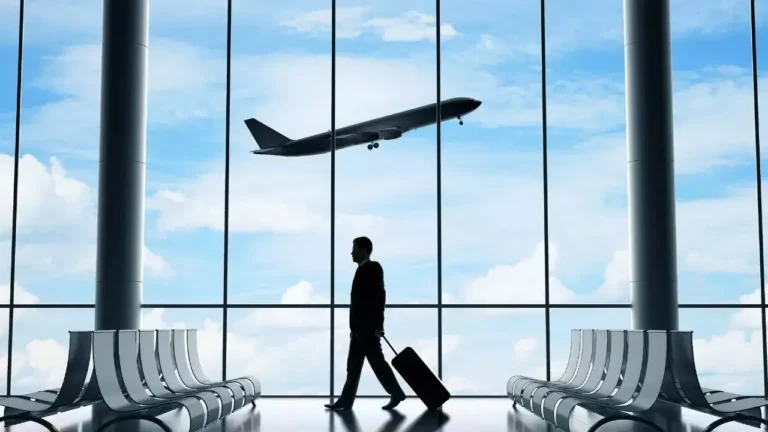
Air travel can be one of the most stressful parts of solo trips, especially if it involves long layovers, unfamiliar airports, or multiple connections.
However, with careful planning, you can turn airports and flights into a smooth, even enjoyable, part of your journey.
1. Pre-Flight Preparation
- Check-In Online: Save time and reduce stress by checking in 24–48 hours before your flight.
- Digital Boarding Passes: Keep a backup on your phone and a printed copy in case of device failure.
- Packing Rules: Familiarize yourself with carry-on limits, liquid restrictions, and prohibited items to avoid last-minute hassles.
- Travel Insurance: Ensure it covers delays, cancellations, and lost luggage for peace of mind.
2. Efficient Airport Navigation
- Arrive Early: Solo travelers should arrive 2–3 hours before domestic flights, 3–4 hours for international flights.
- Use Airport Apps: Airlines and major airports have apps showing real-time gate info, security wait times, and amenities.
- Organize Your Documents: Keep passport, tickets, ID, and boarding passes in an easily accessible pocket.
3. Safety and Comfort in Airports
- Stay Alert: Watch your belongings and avoid leaving bags unattended.
- Secure Essentials: Carry valuables like electronics, money, and travel documents in a neck pouch or anti-theft backpack.
- Comfort Items: Noise-canceling headphones, neck pillows, and reusable water bottles make waiting and flights more pleasant.
4. Solo Traveler Tips During Flights
- Choose Strategic Seats:
- Window seat for privacy and better views.
- Aisle seat if you prefer mobility or easier access to restrooms.
- Window seat for privacy and better views.
- Plan In-Flight Entertainment: Download movies, books, podcasts, or audiobooks.
- Stay Hydrated and Move: Drink water regularly and walk/stretch during long flights to avoid fatigue or deep vein thrombosis.
5. Managing Layovers
- Explore if Time Allows: Many airports have cultural exhibits, lounges, or nearby attractions for layover exploration.
- Use Lounges Wisely: Solo travelers can use pay-per-use lounges for comfortable seating, meals, and quiet spaces.
- Stay Organized: Keep essentials like snacks, chargers, and documents in a carry-on to avoid rushing between terminals.
6. Handling Delays and Flight Issues
- Stay Calm: Delays or cancellations are common; maintain a proactive mindset.
- Know Your Rights: Be aware of airline policies regarding compensation, accommodations, and rebooking.
- Have Backup Plans: Carry a portable charger, extra snacks, and water for unexpected waits.
By planning ahead and maintaining organization, solo travelers can reduce stress, stay safe, and even enjoy their time at airports and on flights.
7. Using Public Transport and Local Travel Tips
Navigating a new city alone can be daunting, but public transport is often the most affordable, efficient, and immersive way to explore.
Solo travelers can save money, meet locals, and gain a deeper understanding of their destination by mastering public transport.
1. Research Your Options in Advance
- Know the System: Check whether buses, trains, trams, subways, or ferries are available.
- Payment Methods: Some cities use reloadable cards, while others require cash or mobile apps.
- Maps and Apps: Download official transit apps or use Google Maps for real-time routes and schedules.
2. Safety Tips for Solo Travelers
- Stay Alert: Keep an eye on your belongings, especially in crowded trains or buses.
- Avoid Empty Vehicles: If traveling late, choose busy stations and well-lit routes.
- Know Emergency Numbers: Local police and transit security contacts can be lifesavers in emergencies.
- Blend In: Observe local behavior to avoid drawing unnecessary attention as a solo traveler.
3. Money-Saving Strategies
- Travel Passes: Daily, weekly, or multi-day passes often save money over single tickets.
- Off-Peak Travel: Some cities have cheaper fares during non-peak hours.
- Combo Tickets: Tourist cards may combine public transport with museum entries or attractions.
4. Local Travel Tips
- Ask Locals for Guidance: Staff, shopkeepers, or fellow passengers can provide insider tips.
- Plan for Walking: Many attractions are best accessed on foot; comfortable shoes are essential.
- Learn Key Phrases: Simple local language phrases can help with directions, fares, and communication.
- Avoid Rush Hour: Public transport can be overwhelming during peak hours; plan your travel accordingly.
5. Extra Solo Traveler Hacks
- Photo Documentation: Snap photos of maps, stations, or bus numbers to avoid getting lost.
- Keep Essentials Handy: Wallet, tickets, phone, and water should be easily accessible.
- Use Ride-Sharing Wisely: When public transport isn’t safe or convenient, apps like Uber or Lyft provide a reliable alternative.
- Follow Local Etiquette: Stand on the correct side of escalators, give up seats if necessary, and respect personal space.
Mastering public transport allows solo travelers to explore efficiently, save money, and immerse themselves in local life, all while staying safe and confident.
8. Meeting People While Traveling Solo
One of the biggest joys of solo travel is the opportunity to meet new people—fellow travelers, locals, or even tour guides.
Building connections can enrich your journey, provide insider tips, and create lasting memories.
The key is to approach social interactions safely, confidently, and respectfully.
1. Stay in Social Accommodations
- Hostels: Shared dorms, common kitchens, and social events are perfect for meeting travelers.
- Guesthouses or B&Bs: Often provide local hosts eager to share tips and stories.
- Co-Living Spaces: Growing in popularity, these spaces combine accommodation with community activities.
2. Join Tours and Group Activities
- Walking Tours: Explore the city while meeting other travelers with shared interests.
- Adventure or Activity-Based Groups: Hiking, biking, cooking classes, or photography tours naturally bring people together.
- Local Experiences: Airbnb Experiences or Meetup events offer unique cultural immersion while socializing.
3. Use Online Communities
- Travel Apps: Platforms like Travello, Backpackr, or Meetup connect solo travelers for activities and meetups.
- Social Media Groups: Facebook travel groups or Reddit forums provide opportunities to connect with locals and fellow travelers.
- Language Exchange Apps: Great for cultural exchange and making friends in a new city.
4. Practice Safe Socializing
- Meet in Public Places: Cafés, parks, or organized events are safer than private locations.
- Share Your Plans: Inform someone you trust about your location when meeting new people.
- Trust Your Instincts: If a situation feels off, politely exit. Safety always comes first.
5. Small Talk and Conversation Starters
- Ask for Recommendations: Restaurants, attractions, or local secrets are great icebreakers.
- Share Your Travel Story: Solo travelers often bond over similar experiences.
- Be Open-Minded: Respect cultural differences and embrace new perspectives.
6. Keep in Touch
- Exchange Social Media or Contacts: A simple follow or chat can turn a brief encounter into a lasting friendship.
- Travel Journals or Blogs: Sharing experiences online can create connections with like-minded travelers.
- Plan Future Meetups: Some friendships started on a solo trip can lead to future travel adventures together.
Meeting people during solo travel adds a social dimension without compromising independence.
The combination of social accommodations, group activities, and safe, thoughtful interaction ensures your journey is enriched by human connections.
9. Staying Healthy While Traveling Solo
Maintaining health on the road is crucial for solo travelers. Without companions to watch over you, it’s your responsibility to stay physically fit, mentally balanced, and energized throughout your journey.
Proper preparation ensures your adventures are safe, enjoyable, and sustainable.
1. Prioritize Physical Health
- Balanced Diet: Carry portable snacks like nuts, granola bars, or dried fruit for long days. Explore local markets to enjoy fresh, wholesome meals.
- Hydration: Always carry a reusable water bottle and drink regularly, especially in hot climates or during flights.
- Exercise: Walking, hiking, swimming, or hotel room workouts keep your body active and reduce travel fatigue.
2. Manage Sleep and Jet Lag
- Consistent Sleep Schedule: Try to maintain your regular sleep patterns despite time zones.
- Travel Comfort: Use neck pillows, eye masks, and noise-canceling headphones to improve rest on planes, trains, or buses.
- Natural Remedies: Short naps, light exposure in the morning, and staying hydrated can help adjust to new time zones.
3. Mental Well-Being
- Practice Mindfulness: Meditation, journaling, or deep breathing exercises help reduce stress and increase focus.
- Stay Connected: Regularly check in with family or friends to reduce loneliness and maintain emotional stability.
- Alone Time is Okay: Solitude can be empowering; embrace reflection and self-discovery during your travels.
4. Travel-Specific Health Precautions
- Vaccinations and Medications: Ensure all necessary vaccines are up to date and carry prescription medications with proper documentation.
- Travel Insurance: A comprehensive plan covering health emergencies, accidents, and repatriation is essential.
- Emergency Health Kit: Include pain relievers, antiseptic wipes, bandages, anti-diarrheal medication, and hand sanitizer.
5. Hygiene and Safety Practices
- Hand Hygiene: Wash hands regularly, especially before meals and after public transport use.
- Food Safety: Eat freshly cooked foods, avoid unclean street food, and peel fruits when possible.
- Safe Swimming: Check water quality at beaches or pools to avoid infections or illnesses.
6. Listen to Your Body
- Rest When Needed: Don’t over-schedule; fatigue increases risk of accidents and illness.
- Seek Local Medical Advice: If you feel unwell, visit certified clinics or hospitals rather than ignoring symptoms.
- Preventive Care: Stretch, apply sunscreen, and use insect repellent where necessary.
Staying healthy while traveling solo is about balance, awareness, and preparation.
By taking care of your body and mind, you ensure every day of your journey is enjoyable, safe, and memorable.
10. Packing Smart for Solo Travel
Packing for solo travel requires strategic planning, efficiency, and foresight.
With no one to share luggage or supplies, every item you bring should serve a purpose, save space, and enhance convenience.
Smart packing reduces stress, avoids overpacking, and ensures you’re prepared for any situation.
1. Start with a Packing List
- Categorize Essentials: Clothing, toiletries, electronics, documents, health items, and travel gear.
- Plan by Duration and Destination: Check climate, cultural norms, and planned activities to avoid unnecessary items.
- Include a “Just-in-Case” Section: Basic first-aid, portable charger, and travel locks are always useful.
2. Choose the Right Luggage
- Backpack vs. Suitcase: Backpacks are ideal for mobility and public transport, while lightweight suitcases work for urban stays.
- Size Matters: Aim for carry-on size to avoid baggage fees and reduce waiting at airports.
- Durability: Invest in water-resistant and sturdy luggage to protect your belongings.
3. Pack Multi-Purpose Items
- Clothing: Neutral colors, layers, and versatile pieces for day-to-night transitions.
- Shoes: Limit to 2–3 pairs: comfortable walking shoes, casual shoes, and something dressy.
- Accessories: Scarves, hats, or jackets can serve multiple purposes: warmth, sun protection, and style.
4. Optimize Space
- Rolling vs. Folding: Rolling clothes saves space and reduces wrinkles.
- Packing Cubes: Organize items by category, making unpacking and repacking quick and easy.
- Compressible Bags: Great for bulky items like jackets or sleeping bags.
5. Carry-On Essentials for Solo Travelers
- Documents: Passport, ID, tickets, travel insurance, and emergency contacts.
- Electronics: Phone, charger, power bank, headphones, and camera.
- Comfort Items: Snacks, water, neck pillow, and a light jacket or sweater.
- Health and Hygiene: Hand sanitizer, tissues, face masks, and basic medications.
6. Safety and Security Considerations
- Locks and Zippers: Secure compartments to deter theft, especially in hostels or crowded areas.
- Keep Valuables Close: Use anti-theft bags or hidden pouches for passports, money, and electronics.
- Duplicate Important Documents: Keep digital copies on cloud storage or email for emergencies.
7. Pack Light, Travel Smart
- Avoid Overpacking: Carry only what you need; extra items slow you down and increase stress.
- Laundry Planning: Identify local laundromats or accommodations with washing facilities to reduce clothing needs.
- Minimalism Pays Off: The less you carry, the freer and more flexible your solo travel experience will be.
Smart packing ensures that your solo journey is comfortable, efficient, and stress-free, allowing you to focus on exploration, experiences, and personal growth rather than managing excess luggage.
11. Managing Travel Budgets as a Solo Traveler
Traveling alone gives you full control over your spending, but it also means you bear all costs yourself.
Smart budget management ensures that your solo trip is affordable, stress-free, and financially sustainable while still allowing for meaningful experiences.
1. Plan Your Budget in Advance
- Set a Daily Limit: Allocate funds for accommodation, food, transportation, activities, and emergencies.
- Research Costs: Use websites, forums, and travel blogs to estimate expenses in your destination.
- Include Buffer Funds: Always set aside extra money for unexpected situations like medical emergencies or transportation changes.
2. Save on Accommodation
- Hostels and Guesthouses: Affordable, social, and often located centrally.
- Home Rentals or Couchsurfing: Can significantly reduce lodging costs while providing a local experience.
- Travel Loyalty Programs: Booking platforms often offer discounts or rewards points for solo travelers.
3. Smart Transportation Choices
- Public Transport: Buses, subways, and trams are far cheaper than taxis or ride-shares.
- Multi-Day Travel Passes: Save money if you plan frequent trips within the city.
- Budget Airlines and Trains: Compare fares in advance and book early for the best deals.
4. Optimize Food Expenses
- Local Eateries and Street Food: Affordable and authentic, giving a taste of the local culture.
- Self-Catering: Staying in accommodations with kitchens allows you to cook simple meals.
- Daily Food Budget: Allocate a set amount for meals to prevent overspending.
5. Choose Free or Low-Cost Activities
- City Walks and Parks: Explore local streets, gardens, and landmarks without spending.
- Museums and Cultural Events: Many offer free days or discounted entry for students or solo travelers.
- Community Events: Local markets, festivals, or workshops provide cultural immersion at minimal cost.
6. Use Technology to Your Advantage
- Budget Apps: Track expenses in real time with apps like Trail Wallet, Mint, or Splitwise.
- Currency Converters: Avoid overspending due to currency confusion.
- Travel Deals and Discounts: Subscribe to newsletters, check Groupon or local deal websites for offers.
7. Carry Emergency Cash and Cards
- Multiple Payment Options: Carry a small amount of local cash and at least one credit/debit card.
- Avoid Excessive ATM Fees: Use banks with partner networks or withdraw larger amounts less frequently.
- Emergency Fund: Keep a hidden reserve for sudden emergencies or unexpected travel changes.
8. Solo Traveler Money Mindset
- Prioritize Experiences: Spend on activities that truly enhance your journey.
- Be Flexible: Adjust plans or destinations based on cost savings without compromising enjoyment.
- Track and Reflect: Review your daily spending to identify areas for improvement during the trip.
Managing a solo travel budget is about planning, smart choices, and adaptability. With careful attention, you can enjoy a rich travel experience without financial stress.
12. Navigating Solo Travel Challenges
Solo travel is empowering, but it comes with unique challenges.
Recognizing these obstacles in advance and preparing strategies to overcome them ensures your journey remains enjoyable, safe, and enriching.
1. Loneliness and Homesickness
- Acknowledge Feelings: Feeling lonely or missing home is natural; it doesn’t mean you’re failing at solo travel.
- Stay Connected: Regular calls or messages to family and friends help reduce homesickness.
- Engage Locally: Attend social events, group tours, or communal meals to combat isolation.
2. Safety Concerns
- Research Your Destination: Know safe neighborhoods, cultural norms, and local laws.
- Emergency Plans: Have local emergency contacts, travel insurance, and backup documents.
- Trust Instincts: Avoid risky situations and places that feel unsafe, even if they are popular tourist spots.
3. Language Barriers
- Learn Basic Phrases: Greetings, directions, and polite expressions go a long way in connecting with locals.
- Translation Tools: Apps like Google Translate or offline dictionaries help navigate communication gaps.
- Non-Verbal Communication: Gestures, drawings, or pointing can be surprisingly effective.
4. Decision Fatigue
- Plan Ahead: Book accommodations, transport, and major activities in advance to reduce stress.
- Prioritize Choices: Focus on what truly matters to your trip instead of over-analyzing every option.
- Use Trusted Resources: Travel blogs, guidebooks, and apps help simplify planning and decision-making.
5. Health and Wellbeing Challenges
- Self-Care Routine: Maintain exercise, proper nutrition, hydration, and sleep.
- Medical Preparedness: Carry essential medications, first-aid supplies, and know local healthcare access.
- Mental Health Awareness: Journaling, mindfulness, or connecting with fellow travelers can reduce stress and anxiety.
6. Budget Management Pressure
- Track Expenses: Use apps or spreadsheets to monitor spending.
- Flexible Planning: Adjust your itinerary or activities to stay within budget.
- Look for Savings: Seek local discounts, free attractions, or group deals where available.
7. Solo Travel Confidence
- Self-Reliance: Trust your instincts and decision-making skills.
- Learn from Experience: Each challenge strengthens your independence and problem-solving abilities.
- Celebrate Small Wins: Successfully navigating challenges boosts confidence and makes travel more rewarding.
8. Cultural Misunderstandings
- Research Local Customs: Understand cultural etiquette, tipping norms, dress codes, and social behaviors.
- Observe and Adapt: Watch how locals interact and follow their lead to avoid unintentional faux pas.
- Be Respectful and Humble: A positive attitude fosters goodwill and enhances local interactions.
Successfully navigating solo travel challenges is about preparedness, adaptability, and self-awareness.
The obstacles you face can transform into lessons, growth opportunities, and memorable experiences when approached thoughtfully.
13. Traveling Solo with Technology
Technology is a solo traveler’s best companion, providing safety, convenience, and enhanced experiences.
From planning to navigation and communication, leveraging the right digital tools can make your journey smoother, more efficient, and more enjoyable.
1. Travel Planning and Organization
- Trip Itinerary Apps: Tools like TripIt or Google Trips consolidate bookings, flight details, and schedules in one place.
- Digital Notes: Keep checklists for packing, activities, and emergency contacts in apps like Evernote or Notion.
- Budget Trackers: Apps like Trail Wallet or Mint help manage expenses and prevent overspending.
2. Navigation and Transportation
- GPS and Maps: Google Maps, Maps.me, or Citymapper provide offline maps, walking directions, and public transit options.
- Ride-Sharing Apps: Uber, Lyft, or local equivalents help with safe, on-demand transportation.
- Transport Planning Apps: Rome2Rio or Skyscanner compare routes, flights, trains, and buses for efficiency and cost-saving.
3. Communication Tools
- Messaging Apps: WhatsApp, Telegram, or Signal allow easy contact with friends, family, or local guides.
- Translation Apps: Google Translate or Microsoft Translator bridge language barriers, even offline.
- Emergency Contacts: Store local emergency numbers in your phone, and share your location with trusted contacts.
4. Safety and Security
- Location Sharing: Apps like Find My or Life360 provide a safety net for loved ones to track your journey.
- Travel Safety Apps: Smart Traveler (U.S. Department of State) or Sitata alert travelers to local safety risks and health concerns.
- Password Management and VPNs: Use LastPass or 1Password for secure logins and VPNs to protect personal data on public Wi-Fi.
5. Accommodation and Booking Apps
- Hotel and Hostel Platforms: Booking.com, Hostelworld, or Airbnb simplify reservations, reviews, and secure payments.
- Local Experiences: Apps like Klook or GetYourGuide help discover tours, activities, and workshops.
- Rating Systems: Check verified traveler reviews for accurate and updated information.
6. Health and Wellness Tech
- Fitness Apps: Strava, MyFitnessPal, or simple step trackers help maintain exercise routines.
- Meditation Apps: Calm or Headspace support mental well-being during travel stress.
- Medical Apps: Ada or local telemedicine apps assist in minor health concerns or finding nearby clinics.
7. Capturing and Sharing Experiences
- Photography and Video Tools: Smartphone cameras, gimbals, and editing apps like Lightroom enhance travel memories.
- Travel Journaling Apps: Day One or Journey allow you to record reflections, photos, and experiences digitally.
- Social Media and Travel Blogs: Share highlights responsibly while maintaining personal safety and privacy.
8. Digital Backup and Data Management
- Cloud Storage: Google Drive, Dropbox, or iCloud backup photos, documents, and travel records.
- Offline Accessibility: Download important files, maps, and translations for areas with poor connectivity.
- Battery Management: Portable power banks ensure your devices stay operational throughout long travel days.
Using technology wisely empowers solo travelers to stay organized, safe, and fully engaged with their surroundings.
It allows you to travel confidently, manage logistics efficiently, and create lasting memories without unnecessary stress.
14. Meeting People While Traveling Solo
Solo travel offers the freedom to explore at your own pace, but it can sometimes feel isolating.
Meeting people while on the road not only enriches your journey but also creates memorable experiences, friendships, and cultural connections.
1. Stay in Social Accommodations
- Hostels and Guesthouses: Shared dorms or communal spaces encourage interaction with other travelers.
- Co-Living Spaces: Modern co-living arrangements combine accommodation with networking and group activities.
- Community Events: Many accommodations host social nights, tours, or cooking classes ideal for meeting fellow travelers.
2. Join Group Tours and Activities
- Day Trips and Excursions: Organized tours attract like-minded travelers and make it easier to connect.
- Adventure or Hobby-Based Activities: Hiking groups, diving courses, or photography workshops foster shared experiences.
- Cultural Classes: Cooking, dance, or language classes are excellent ways to meet locals and travelers alike.
3. Use Technology to Connect
- Travel Apps: Meetup, Couchsurfing events, and Backpackr connect solo travelers and locals.
- Social Media Groups: Join Facebook groups or online forums dedicated to travelers in your destination.
- Local Events Apps: Platforms like Eventbrite list concerts, festivals, or workshops where you can meet people.
4. Engage with Locals
- Cafés and Community Spots: Frequent local coffee shops, markets, or parks where locals gather.
- Volunteer Opportunities: Short-term volunteering allows meaningful engagement and cultural exchange.
- Ask for Recommendations: Conversations with locals often lead to unexpected experiences and connections.
5. Practice Safe Socializing
- Meet in Public Spaces: Always prioritize safety, especially when meeting strangers.
- Trust Your Instincts: If a situation feels off, remove yourself immediately.
- Share Plans: Inform friends or family of meet-ups and locations for added security.
6. Be Open and Approachable
- Small Gestures: Smile, make eye contact, and initiate casual conversations.
- Ask Questions: Showing curiosity about people’s cultures or experiences encourages dialogue.
- Be Respectful: Listen actively and be considerate of cultural norms and personal boundaries.
7. Attend Networking or Travel Events
- Travel Meetups: Organized gatherings for solo travelers provide a safe environment to connect.
- Language Exchanges: Learn local languages while making friends and practicing social interaction.
- Workshops and Conferences: Participate in events aligned with your interests or profession to meet like-minded individuals.
Meeting people while traveling solo enriches your journey by providing shared experiences, cultural insights, and lasting friendships.
With openness, curiosity, and safety in mind, solo travel can be socially fulfilling and deeply rewarding.
Conclusion: Embrace the Freedom and Growth of Solo Travel
Traveling solo is more than just visiting new places—it’s an opportunity for personal growth, self-discovery, and unforgettable experiences.
While it comes with unique challenges such as safety concerns, loneliness, and budgeting pressures, thoughtful planning, the right tools, and a proactive mindset make these hurdles manageable.
By preparing well, you gain confidence to navigate transportation, accommodation, and cultural differences with ease.
Technology becomes your ally, helping you stay organized, safe, and connected.
Meanwhile, social opportunities—from hostels to local events—allow meaningful interactions, turning solo journeys into enriching adventures.
Ultimately, solo travel empowers you to create your own path, make independent decisions, and discover not only the world but also yourself.
Each challenge you overcome strengthens resilience, adaptability, and confidence, leaving you with memories that are truly your own.
So pack your bags, plan smartly, stay curious, and embrace every moment of your solo journey. The world is waiting, and your adventure starts with a single step.