Things to Do in Maui: Your Ultimate 2025 Island Adventure Guide
1. Welcome to Maui: The Magic of Hawaii’s Valley Isle
Maui isn’t just a destination—it’s a sensory experience that awakens your love for nature, culture, and adventure all at once.
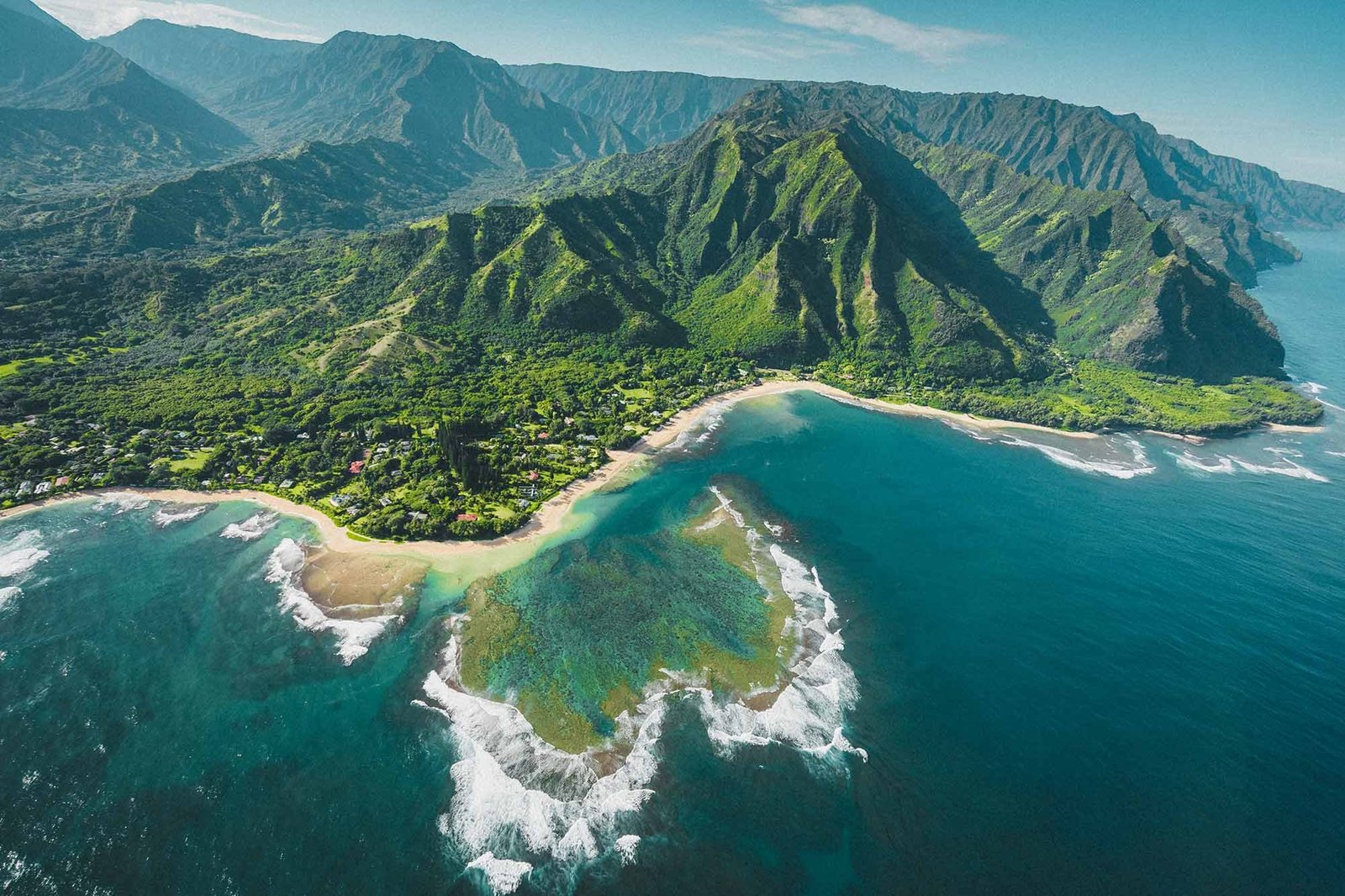
Known as the “Valley Isle,” Maui is the second-largest Hawaiian island, home to dramatic volcanic landscapes, lush rainforests, golden beaches, and a deep-rooted sense of aloha that travelers can feel the moment they step off the plane.
Whether you’re a thrill-seeker looking to hike ancient lava fields or a wellness traveler seeking healing through Hawaiian traditions, Maui offers something that feels deeply personal and unforgettable.
Unlike Oahu’s bustling city life or the Big Island’s rugged terrain, Maui strikes a rare balance—laid-back yet full of opportunity.
The west side, including Lahaina and Kaanapali, is where you’ll find resort vibes, nightlife, and iconic beaches.
East Maui, home to Hana and its famed coastal highway, offers quiet, jungle-like seclusion.
Upcountry Maui, nestled on the slopes of Haleakalā, introduces you to local farms, hidden lavender fields, and paniolo (Hawaiian cowboy) culture.
But what truly makes Maui magical is the spirit of the people and the reverence for nature.
Hawaiian values like malama ‘āina (to care for the land) and aloha ‘āina (love of the land) are not just phrases—they’re lived experiences.
Supporting local businesses, respecting sacred sites, and slowing down to connect with the rhythm of the island aren’t just recommendations—they’re essential to experiencing Maui authentically.
2. Bask on the Golden Sands of Kaanapali Beach
Once the retreat of Hawaiian royalty, Kaanapali Beach today is a postcard-perfect stretch of coastline that captures the essence of Maui’s allure.
Located on the island’s western shore just north of Lahaina, this three-mile-long beach is consistently ranked among the best in the United States—and for good reason.
What Makes Kaanapali Beach Special?
The sand here is soft and golden, the water a crystal-clear shade of turquoise, and the weather rarely disappoints.
But Kaanapali is more than just a pretty place to lay your towel—it’s an immersive destination filled with activities, natural wonders, and cultural moments that go far beyond lounging in the sun.
At its heart lies Puʻu Kekaʻa, or Black Rock, a lava promontory steeped in Hawaiian legend.
Said to be a leaping point for spirits transitioning to the afterlife, this spot is now one of the best snorkeling areas on the island.
Expect to see schools of tropical fish, colorful coral, and if you’re lucky, a green sea turtle or two gliding by.
Experienced swimmers can even cliff dive from the rock—an homage to King Kahekili, a revered Maui chief known for his daring jumps.
Top Activities at Kaanapali Beach
- Snorkeling at Black Rock – Shallow, calm waters make this spot beginner-friendly, especially in the mornings.
- Stand-Up Paddleboarding (SUP) – Rent a board from a beachside shack and glide over calm surf while spotting reef life below.
- Sunset Beach Walks – The beach walk pathway stretches along the resort strip, perfect for an evening stroll as the sky turns gold and pink.
- Catamaran Cruises – Departing right from the beach, these tours offer a chance to sail, snorkel, or sip mai tais as the sun dips below the horizon.
- Free Cliff Diving Ceremony – Every evening at sunset, visitors gather to witness a traditional torch-lighting and cliff dive from Black Rock, keeping Hawaiian heritage alive.
Where to Stay and Dine
Kaanapali Beach is lined with several luxury resorts and beachfront hotels, such as:
- Hyatt Regency Maui Resort & Spa
- Sheraton Maui Resort & Spa
- The Westin Maui Resort & Spa
These resorts aren’t just places to sleep—they’re all-in-one destinations with ocean-view dining, hula performances, and top-tier spa services.
For casual bites, walk over to Whalers Village, a beachfront shopping and dining complex. Here, you can enjoy:
- Monkeypod Kitchen for farm-to-table Hawaiian cuisine
- Hula Grill for toes-in-the-sand dining
- Leilani’s on the Beach for fresh seafood with unbeatable views
Insider Tips from Locals & Seasoned Travelers
- Arrive Early: Parking fills up fast, especially at public access lots. Early morning hours offer the calmest water conditions and fewer crowds.
- Mind the Currents: Conditions at Black Rock can change quickly. Avoid swimming too close to the rock if currents pick up.
- Stay for the Sunset: Don’t leave before dusk—the view of the sun sinking into the Pacific, often with Molokaʻi in the distance, is unforgettable.
- Respect the Reef: Wear reef-safe sunscreen and never step on coral. Maui’s marine life is precious and protected.
Kaanapali Beach is more than a stop on your itinerary—it’s an experience that effortlessly blends natural beauty, rich culture, and adventure in one unforgettable stretch of paradise.
3. Watch the Sunrise at Haleakalā National Park
There are sunrises—and then there’s sunrise at Haleakalā, an experience so surreal it’s often described as spiritual.
Towering over Maui at more than 10,000 feet above sea level, Haleakalā Crater is a dormant volcano whose name translates to “House of the Sun”—a title that perfectly fits the drama that unfolds each morning at its summit.
Watching the sun rise above a sea of clouds from this otherworldly landscape is more than a photo op—it’s a deeply emotional experience that ties you to the island’s mana (spiritual energy) and geological grandeur.
Why It’s a Must-Do
The experience begins long before dawn. As you ascend the switchback roads through the clouds, you’ll pass through climate zones that shift from tropical to alpine in a matter of minutes.
When you arrive at the summit, you’ll find yourself on the rim of a massive volcanic crater, surrounded by silvery ʻāhinahina (Haleakalā silversword) plants, red cinder cones, and black lava fields that resemble the surface of Mars.
Then, as the first glow appears on the horizon, the sky shifts from pitch black to deep indigo to fiery gold.
Slowly, the sun breaks through the clouds and spills light across the crater in a breathtaking display of nature’s power and beauty.
Reservations Required
Due to its popularity and environmental sensitivity, sunrise access to Haleakalā requires a reservation:
- Visit the National Park Service’s website to book your sunrise permit (available 60 days in advance).
- Entry is only allowed between 3:00 AM and 7:00 AM for those with sunrise permits.
- You’ll still need to pay the $30 park entrance fee, which is valid for three days.
What to Bring & How to Prepare
- Warm Clothing: Don’t underestimate how cold it gets at 10,000 feet—temperatures can drop below freezing before sunrise. Wear layers, gloves, and a hat.
- Flashlight or Headlamp: Essential for navigating in the dark before sunrise.
- Blanket or Thermos of Coffee: Many seasoned travelers bring both to stay warm while waiting.
- Camera with Tripod: The crater’s light changes quickly—sunrise photographers will appreciate the steady setup.
- Arrive Early: Aim to arrive at least 1 hour before sunrise to get parking and a good viewing spot.
Cultural Significance
Haleakalā isn’t just a natural wonder—it’s a place of deep spiritual importance to Native Hawaiians.
According to legend, the demigod Maui lassoed the sun from atop this summit to slow its journey across the sky, giving the island more daylight.
When you witness this phenomenon firsthand, you’ll understand why ancient Hawaiians believed this to be the home of divine power.
To respect the sacredness of the site:
- Stay on designated trails
- Keep noise levels down
- Never remove rocks or touch native plants like the endangered silversword
Extend Your Visit
After the sunrise, consider exploring more of the park:
- Sliding Sands Trail (Keoneheʻeheʻe): A dramatic trail that descends into the crater
- Hosmer Grove: A quick stop for birdwatching and native flora
- Visitor Center: Learn about the geology, history, and native ecosystems of the summit
Few places on Earth offer the kind of sublime, soul-stirring beauty that Haleakalā delivers.
It’s more than an attraction—it’s a pilgrimage that leaves a lasting imprint on every traveler lucky enough to witness it.
4. Drive the Legendary Road to Hana
The Road to Hana isn’t just a drive—it’s a journey through the heart of Maui’s natural and cultural richness.
Stretching over 64 miles of winding highway along the island’s rugged northeastern coast, this road trip offers 600+ curves, 50+ bridges, and dozens of stops—each more breathtaking than the last.
It’s not about the destination—it’s about the unforgettable experience of getting there.
Why the Road to Hana Is So Famous
The Road to Hana (officially Hana Highway, Route 360) is renowned for its dramatic cliffs, tropical rainforests, towering waterfalls, and black sand beaches.
But more than just scenery, the route reveals a quieter, untouched side of Maui—one where ancient traditions, taro farms, and native flora still thrive.
You’ll pass through small towns, local fruit stands, and viewpoints that beg you to pull over. It’s slow travel at its finest.
Must-See Stops Along the Road
You could spend multiple days exploring the route, but here are the essential highlights (mile markers are approximate and may vary slightly):
Twin Falls (Mile Marker 2)
- Easy hike to accessible waterfalls
- Fresh coconut and banana bread stand
Garden of Eden Arboretum (MM 10.5)
- Lush botanical garden with panoramic ocean views
- Filming location for Jurassic Park
Upper Waikani Falls (MM 19)
- Also known as “Three Bears Falls”
- Gorgeous photo op right from the road
Pua’a Ka’a State Wayside Park (MM 22)
- Waterfall, restrooms, and short trails
- Great stop for a snack and leg stretch
Waiʻānapanapa State Park (MM 32)
- Home to Maui’s famous black sand beach
- Sea caves, blowholes, and coastal hikes
Hana Town (MM 34)
- Quiet, authentic village where time slows down
- Stop for local plate lunch, fresh poke, and a stroll
ʻOheʻo Gulch & Pipiwai Trail (Beyond Hana, MM 42)
- Also known as “Seven Sacred Pools”
- Pipiwai Trail leads to 400-ft Waimoku Falls through bamboo forests
Travel Tips from Experienced Road-Trippers
- Start Early: Leave before 7 AM to beat traffic and tour buses.
- Drive Yourself or Take a Tour?
- Driving allows more freedom, but requires focus and patience.
- Guided tours (like Road to Hana Tours or Valley Isle Excursions) provide local stories, Hawaiian history, and stress-free travel.
- Driving allows more freedom, but requires focus and patience.
- Download an Offline Map or Audio Guide: Cell service is spotty; apps like GyPSy Guide or Shaka Guide enhance the experience with narrated insights.
- Pack Snacks, Water, and Motion Sickness Aids: It’s a full-day adventure with lots of curves and limited places to eat.
- Respect the Land and Residents: Don’t trespass, block driveways, or litter. Many waterfalls are on private property—enter only if signs say it’s allowed.
Should You Drive the Full Loop?
Some adventurous travelers continue past Hana to “loop” the road via the Piʻilani Highway (Route 31).
This route is remote, rugged, and often unpaved in parts. It offers sweeping views of Maui’s backside but is not recommended for standard rental cars or during rainy weather.
The Road to Hana isn’t a checklist—it’s an unfolding story of Maui’s raw beauty and resilience.
Take your time, roll down the windows, and let the island show you its hidden corners—mile by mile.
5. Go Snorkeling or Scuba Diving at Molokini Crater
Just a few miles off Maui’s southwestern coast lies one of Hawaii’s most iconic snorkeling and diving destinations: Molokini Crater.
This crescent-shaped, partially submerged volcanic caldera rises dramatically from the ocean and forms a marine sanctuary teeming with biodiversity.
With crystal-clear visibility up to 150 feet, Molokini is one of the best places in Hawaii—if not the world—for underwater exploration.
What Is Molokini Crater?
Formed by a volcanic eruption over 230,000 years ago, Molokini is a State Marine Life and Seabird Conservation District, meaning it’s fully protected from fishing, human interference, and pollution.
That protection has paid off: the crater is home to more than 250 species of tropical fish, many of which are found only in Hawaiian waters.
Because of its crescent shape, the inside (protected) edge of the crater is calm and perfect for snorkeling, while the outer rim features deeper drop-offs favored by advanced scuba divers.
What You’ll See Underwater
Snorkelers and divers are treated to vibrant coral gardens and a rainbow of marine life, including:
- Humuhumunukunukuāpuaʻa (Hawaii’s state fish)
- Moorish idols, tangs, wrasses, and parrotfish
- Manta rays, white-tip reef sharks, and octopuses (often spotted by scuba divers)
- Occasional spinner dolphins and even whale songs during humpback season (Dec–Apr)
Top Tour Operators to Consider
You can only visit Molokini by boat. Here are some highly rated tour providers:
- Redline Rafting Co. – Smaller groups, fast boats, and access to additional snorkel sites like La Perouse Bay
- Four Winds II – Family-friendly catamaran with a waterslide and glass-bottom viewing
- Pacific Whale Foundation – Eco-certified nonprofit offering marine education with every trip
- Trilogy Excursions – Luxury catamaran with excellent food, service, and sustainable practices
Many tours include:
- Breakfast & lunch
- Snorkel gear
- Reef-safe sunscreen
- Optional stops at Turtle Town or Coral Gardens
Prices typically range from $100 to $180 per person, depending on duration and boat size.
Pro Tips for a Better Molokini Experience
- Book the Earliest Tour Possible: Morning conditions are calmer, water is clearer, and crowds are smaller.
- Use Reef-Safe Sunscreen: It’s the law in Hawaii—and crucial for coral preservation.
- Bring a GoPro or Underwater Camera: Visibility is exceptional, and you’ll want to capture it.
- Motion Sickness?: Take Dramamine or a ginger supplement before boarding. Swells outside the crater can be rough.
Is It Worth It?
Absolutely—Molokini is a bucket-list experience for anyone visiting Maui. The clarity of the water, the abundance of marine life, and the unique setting of a sunken volcano make it a one-of-a-kind excursion.
Even if you’ve snorkeled elsewhere in Hawaii, nothing compares to floating above the vibrant coral beds of Molokini.
Whether you’re a beginner snorkeler or a seasoned scuba diver, Molokini offers a magical window into Maui’s thriving underwater world—one that will leave you breathless (in the best way possible).
6. Whale Watching Tours in Lahaina (Seasonal Must!)
If you’re lucky enough to visit Maui between December and April, you’re in for a truly awe-inspiring treat: whale watching in the warm waters off Lahaina, where North Pacific humpback whales migrate annually to breed, calve, and nurse their young.
Every winter, over 10,000 humpback whales make the 3,000-mile journey from Alaska to the shallow, protected waters between Maui, Molokaʻi, and Lānaʻi, known as the Hawaiian Islands Humpback Whale National Marine Sanctuary.
Lahaina—on the island’s leeward coast—is the ideal launching point to witness this magnificent spectacle.
Why Lahaina Is the Best Spot
The calm waters off Lahaina and Maʻalaea provide perfect conditions for whale watching. You don’t need to go far offshore—many sightings happen within just a few miles of the coast.
This area is part of the whales’ nursery grounds, meaning you’re likely to see mothers with calves, breaching males, and even mating behaviors.
While Lahaina Town tragically suffered devastating damage in 2023, many local tour operators have relocated nearby and are continuing operations from Maʻalaea Harbor and Kāʻanapali Beach.
What You’ll See on a Whale Watch Tour
- Breaching: Whales hurling themselves out of the water—a thrilling and photogenic moment.
- Spyhopping: Curious whales lifting their heads above the surface to look around.
- Tail slaps & pectoral fin waves: Communication and courtship behaviors.
- Mothers and calves: Calves often imitate their mothers and are playful at the surface.
- Whale songs: Males sing haunting, complex songs—sometimes audible through the boat hull.
Best Tour Operators (Eco-Conscious & Expert-Guided)
- Pacific Whale Foundation – A nonprofit focused on marine conservation and research; tours include onboard naturalists and hydrophones to hear whale songs.
- Ultimate Whale Watch – Small-group tours on rafts with excellent viewing and fast response times to sightings.
- Redline Rafting – Small, agile boats that get you close to the action while respecting marine laws.
- Sail Trilogy – Offers luxurious sailing experiences and excellent interpretation from guides.
Most tours last 2 to 3 hours and depart from:
- Maʻalaea Harbor
- Kāʻanapali Beach
- (Previously) Lahaina Harbor – reopening TBD
Expect to pay between $70–$120 per person, depending on group size and amenities.
Insider Tips for the Best Experience
- Book Early: Prime whale season tours fill up weeks in advance.
- Go in the Morning: Mornings often have calmer seas and better light for photography.
- Bring Binoculars & Long Lenses: While whales can get close, a zoom lens enhances the experience.
- Listen to Whale Songs: Many boats drop hydrophones in the water so you can hear the eerie, beautiful calls of singing males.
- Respect Distance: Federal law requires all vessels to stay 100 yards away from whales—responsible tour operators will always comply.
Is Whale Watching in Maui Worth It?
Absolutely—there are few wildlife encounters as powerful or accessible as seeing a 40-ton humpback breach just yards from your boat.
You don’t have to be a marine biologist to feel humbled by their presence. It’s an emotional, heart-racing experience that stays with you long after you’ve left the island.
And remember: every ticket helps fund conservation when you book through ethical tour companies—so you’re not just watching whales, you’re helping protect them.
7. Visit the Sacred ʻĪao Valley State Monument
Tucked into the lush, misty heart of central Maui is ʻĪao Valley State Monument—a place where nature, history, and spiritual reverence converge.
Located just west of Wailuku in the West Maui Mountains, ʻĪao Valley offers travelers more than just incredible scenery; it provides a deep, cultural connection to the island’s past.
If you’re seeking a quiet escape surrounded by emerald peaks and flowing streams—or want to walk in the footsteps of ancient Hawaiian warriors—ʻĪao Valley belongs on your Maui itinerary.
Why ʻĪao Valley Matters
ʻĪao Valley is not just a scenic stop—it’s one of Hawaiʻi’s most sacred and historically significant sites.
In 1790, it was the site of the Battle of Kepaniwai, where King Kamehameha I fought to unite the Hawaiian Islands under one rule.
The valley was said to run red with the blood of warriors during this brutal battle—Kepaniwai translates to “the damming of the waters.”
Today, ʻĪao is a tranquil contrast to its violent history, offering visitors a chance to reflect, learn, and reconnect with the natural world.
The valley remains a sacred burial ground for Hawaiian chiefs and is considered a wahi pana (a legendary place) in Hawaiian culture.
Key Highlights Inside ʻĪao Valley State Monument
ʻĪao Needle (Kūkaʻemoku)
- A towering 1,200-foot green-covered basalt pinnacle that rises dramatically from the valley floor.
- Once used as a natural lookout post, it’s one of the most iconic natural landmarks in all of Maui.
- Often shrouded in mist, it creates a surreal, almost dreamlike atmosphere.
Paved Walking Trails
- The ʻĪao Needle Lookout Trail is a short, easy, family-friendly hike (about 0.6 miles round-trip).
- Well-maintained paths take you through lush gardens, past the ʻĪao Stream, and to scenic viewpoints.
- Benches and interpretive signs along the way explain the cultural and ecological significance of the area.
Native Flora & Fauna
- ʻĪao is home to many native Hawaiian plants like koa trees, ferns, and ʻōhiʻa lehua.
- Keep an eye out for endemic birds and listen to the sound of water flowing through the valley—it’s a true sensory experience.
Practical Info & Entry Details
- Hours: Open daily from 7 AM to 6 PM
- Entry Fee: $5 per person for non-residents + $10 parking fee
- Reservations: As of 2023, advance reservations are required for non-Hawaii residents. Book at: gostateparks.hawaii.gov
- Facilities: Restrooms, interpretive signage, and a small viewing platform
Travel Tips for a More Meaningful Visit
- Arrive Early: Morning hours offer the best light for photos and the fewest crowds.
- Bring Rain Gear: ʻĪao is often rainy and humid—it’s part of what makes it so lush.
- Respect the Land: Stay on trails, avoid climbing rocks, and don’t disturb sacred areas or plant life.
- Pair with Wailuku Exploration: After your visit, explore nearby Wailuku’s local shops, coffeehouses, and historic sites.
Why ʻĪao Valley Is a Must-Visit
ʻĪao Valley is one of those rare places where nature and history speak the same language.
It’s peaceful, powerful, and spiritually charged—offering a quiet counterpoint to Maui’s more adrenaline-filled activities.
Even if you only spend an hour there, you’ll leave with a deeper appreciation of Hawaiian culture, resilience, and reverence for the land.
8. Take a Surfing Lesson at Kihei or Lahaina
Maui is where surfing legends are born—and there’s no better way to connect with Hawaiian culture than by learning to ride a wave on the very ocean that gave birth to the sport.
Whether you’re a first-time surfer or someone looking to sharpen your skills, Kihei and Lahaina are two of the best places on the island for beginner-friendly surfing lessons.
With warm water, mellow waves, and expert instructors, surfing in Maui isn’t just fun—it’s an experience that taps into the island’s soul.
The Cultural Roots of Hawaiian Surfing
Surfing, or heʻe nalu in Hawaiian, is more than a sport—it’s a cultural tradition that dates back centuries.
Ancient Hawaiian chiefs were often skilled surfers, and boards were crafted from native koa or wiliwili wood.
Surfing was a spiritual practice, deeply connected to the ocean, the gods, and the community.
By taking a surf lesson in Maui, you’re not just learning a skill—you’re stepping into a living legacy.
Why Kihei and Lahaina Are Ideal for Beginners
Kihei (South Maui)
- Best Beach: Cove Park (also known as The Cove)
- Gentle, consistent waves perfect for beginners
- Sandy-bottom breaks and plenty of space for paddling
- Calm morning conditions and accessible parking
Lahaina (West Maui)
- Best Beach: Breakwall at Lahaina Harbor
- A great mix of small surf, shallow water, and reliable breaks
- Close to surf shops, restaurants, and historic Lahaina Town
- Ideal for lessons with longboard rentals nearby
Note: While Lahaina suffered significant fire damage in 2023, some surf schools have temporarily relocated to nearby beaches or now operate out of Kāʻanapali or Ukumehame.
Top Surf Schools to Consider
Whether you’re solo, with friends, or traveling as a family, these local surf schools offer excellent beginner packages:
- Goofy Foot Surf School (Lahaina) – Experienced instructors with a safety-first approach and group or private lessons
- Maui Waveriders (Kihei) – Excellent for first-timers; includes all gear, rash guards, and photo options
- Outrageous Surf School (Lahaina) – Family-friendly and fun, with a reputation for getting everyone standing
- Surf Shack Maui (Kihei) – Affordable pricing and small group sizes
Most surf lessons include:
- Soft-top longboard rental
- Leash and rash guard
- Land instruction and in-water coaching
- Safety and ocean awareness guidance
Price range: ~$75–$120 per person for a 1.5–2 hour group session
Pro Tips for Surfing in Maui
- Book Morning Sessions: Winds are lightest and waves most consistent before noon.
- Don’t Stress About Standing Up: Most people catch a wave by the end of their first lesson!
- Wear Reef-Safe Sunscreen: Protect your skin and Maui’s coral reefs.
- Hydrate & Stretch: Surfing works muscles you didn’t know you had—hydrate before and after.
- Listen to Your Instructor: They know how to read waves, currents, and safety cues.
Why It’s Worth It
Even if you’ve never touched a surfboard, surfing in Maui is incredibly rewarding.
You’ll feel a rush of adrenaline, a connection to Hawaiian culture, and a sense of pride when you catch that first wave—no matter how small.
Plus, you’ll walk away with stories (and probably photos) of an authentic island experience that you simply can’t get from a tour bus or sunset cruise.
9. Swim with Sea Turtles at Turtle Town
One of the most enchanting experiences in Maui is swimming alongside Hawaiian green sea turtles, or honu—gentle, ancient creatures that glide through the water with slow, effortless grace.
While turtles can be seen at many beaches on the island, the best place to encounter them up close (and respectfully) is Turtle Town, a stretch of reef located off the coast of Mākena, South Maui.
Here, you’re not just snorkeling—you’re immersing yourself in a living reef ecosystem, surrounded by vibrant coral, tropical fish, and the island’s most beloved marine residents.
Where Exactly Is Turtle Town?
Turtle Town refers to a stretch of coastline between Nahuna Point and Mākena Landing, just south of Wailea.
The area is known for its lava rock reefs, which provide perfect resting and feeding spots for sea turtles.
The most popular access point is:
- Mākena Landing Park — a small cove with calm waters, restrooms, and free parking
It’s an ideal launch spot for snorkelers and kayakers looking to explore the area safely.
What to Expect When Snorkeling at Turtle Town
- Shallow Reefs: Most of the snorkeling happens in 8 to 15 feet of water—clear, calm, and easy for beginners.
- Lots of Turtles: Green sea turtles are often spotted resting on the reef, swimming just under the surface, or popping their heads up for air.
- Colorful Marine Life: You’ll also see parrotfish, butterflyfish, triggerfish, sea urchins, and the occasional eel or octopus.
- Early Mornings = Best Conditions: Winds and waves pick up later in the day—go between 7 AM and 10 AM for the clearest, calmest snorkeling.
Guidelines for Respecting Honu (It’s the Law!)
Turtles are protected by both federal and state law. Please follow these critical guidelines:
- Stay at least 10 feet (3 meters) away — no touching, chasing, or riding
- Don’t block their path to the surface — they need to breathe frequently
- Use reef-safe sunscreen — harmful chemicals damage their food sources
- Avoid standing on or kicking coral reefs — they’re fragile and home to turtle food
Violating these rules can result in serious fines—and more importantly, harm to these vulnerable animals.
Guided Tours vs. DIY Snorkeling
You can easily snorkel Turtle Town from shore, but guided tours offer added value:
Snorkel Tours
- Kai Kanani Sailing: Leaves from Mākena Beach and includes Molokini + Turtle Town
- Redline Rafting: Small groups, more time in the water, and eco-education
- Maui Snorkel Charters: Includes reef briefings and turtle behavior info
Most tours include:
- Mask, snorkel, fins, flotation devices
- Certified guides
- Breakfast or lunch
Cost: $100–$150 for a half-day trip, often bundled with other snorkel sites
Tips for the Best Experience
- Bring a GoPro: The turtles often swim calmly beside you—perfect photo ops
- Wear a rash guard: Helps protect against sun and jellyfish stings without harming the reef
- Avoid touching anything: The ocean is not a petting zoo—look, don’t disturb
- Float, Don’t Flail: Calm movements make for better wildlife encounters (and visibility!)
Why You’ll Remember It Forever
Swimming with honu isn’t just fun—it’s humbling and deeply peaceful. You’re sharing space with a creature that’s lived in these waters for over 100 million years.
Watching one coast beneath you with wide, flippered wings is a moment of pure Maui magic—quiet, respectful, and unforgettable.
10. Sunset Sail Along the West Maui Coast
If you’re looking for that one unforgettable, soul-stirring Maui moment, it might just be this: gliding across the Pacific on a catamaran as the sun melts into the horizon, painting the sky in gold, lavender, and flaming coral.
A sunset sail off West Maui’s coast isn’t just an activity—it’s an emotion. Peaceful, romantic, and visually stunning, it’s an experience that captures the island’s spirit in a single magical evening.
Why West Maui Is Ideal for Sunset Sailing
The leeward (western) side of Maui is protected from strong trade winds and rain, offering calmer waters and the best sunset views on the island.
As the sun dips behind the neighboring islands of Lānaʻi and Molokaʻi, you’re treated to a horizon with no obstructions—just open ocean, gentle waves, and dramatic colors.
Whether you depart from Kāʻanapali Beach, Lahaina, or Maʻalaea Harbor, each sail offers a front-row seat to nature’s nightly spectacle, often with bonus marine life sightings like dolphins or breaching whales (during season).
What to Expect on a Sunset Sail
- Duration: Most cruises last 1.5 to 2 hours, departing around 4:30–5:00 PM depending on the season.
- Beverages & Pupus (Appetizers): Many boats include open bars with local beer, wine, mai tais, and island-inspired appetizers.
- Live Music or Commentary: Some boats offer traditional Hawaiian music or stories from local guides.
- Luxury or Laid-Back Options: You can choose between romantic couples’ sails or more festive group excursions.
Top-Rated Sunset Sail Operators
Here are a few of the most trusted and traveler-loved sailing companies:
Sail Trilogy
- Family-run for over 50 years, known for excellent service and sustainability.
- Gourmet appetizers and premium bar.
Teralani Sailing Adventures
- Depart from Kāʻanapali Beach.
- Known for smooth rides, friendly crew, and great drinks.
Pacific Whale Foundation
- Eco-certified nonprofit; proceeds support marine conservation.
- Includes marine commentary and responsible sailing practices.
Sea Maui
- Chill, social vibe with an open-air bar and lively music.
- Launches directly from the beach—no harbor needed.
Price Range: $80–$130 per person depending on the boat, menu, and extras.
Best Tips for Your Sunset Sail
- Arrive Early: Boats leave on time, and some require check-in 30–45 minutes prior to departure.
- Dress in Layers: It’s warm when you leave, but the breeze picks up after the sun sets.
- Bring a Light Jacket, Sunglasses & Camera: You’ll want photos—but don’t forget to pause and just enjoy the view.
- Book in Advance: Especially during peak travel seasons (winter and summer), sunset sails fill up fast.
Why This Should Be on Every Maui Itinerary
There’s something transformative about watching the sky burn orange and pink as your boat rocks gently in the water, a cool drink in hand, trade winds blowing, and no sound but laughter and the ocean.
Whether you’re celebrating a honeymoon, toasting a solo trip, or creating memories with family, a sunset sail along the West Maui coast delivers something that few other excursions can: pure, peaceful magic—the kind that stays with you long after you’ve returned home.
11. Explore the Rainforest and Waterfalls of East Maui
If the west side of Maui is where you go to unwind, then East Maui is where you go to feel alive.
Raw, untamed, and lush beyond belief, this region is the heart of the island’s natural beauty, home to some of the most verdant rainforests, plunging waterfalls, and hidden trails in all of Hawaiʻi.
Here, you’re not just sightseeing—you’re stepping into an ancient, breathing ecosystem shaped by volcanic activity, tropical weather, and time itself.
What Makes East Maui Special?
East Maui is largely undeveloped and often accessible only via the legendary Road to Hana (see Section 4), which winds along dramatic cliffs and dense forests.
But beyond the road trip itself, the region’s rainforest trails, cascading waterfalls, and secret swimming holes make it worth slowing down—and staying a little longer.
Unlike resort-lined beaches or manicured gardens, East Maui’s rainforest is wild and sacred.
You’ll encounter mist-covered valleys, bamboo groves, wild ginger blooms, and the soothing sound of rushing water nearly everywhere you go.
Top Rainforest Hikes and Waterfall Adventures
Pipiwai Trail (in Haleakalā National Park, Kipahulu District)
- Distance: ~4 miles round trip
- Difficulty: Moderate
- Highlights:
- Towering banyan trees
- A boardwalk trail through a dense bamboo forest
- Ends at Waimoku Falls, a dramatic 400-foot drop into a cliffside basin
- Easily one of the most rewarding hikes in Hawaii
- Towering banyan trees
Makapipi Falls (Mile Marker 25)
- Unique top-down view from a bridge overlooking the falls
- Great for a quick photo stop—especially after rainfall
Hanawi Falls & Upper Waikani Falls (Mile Marker 19)
- Hanawi is a roadside cascade framed by jungle foliage
- Waikani (aka “Three Bears”) is a trio of picture-perfect drops visible from the bridge
- Use extreme caution if you choose to explore—rocks can be slippery
Wailua Falls (Beyond Hana Town)
- One of Maui’s most photographed waterfalls
- 80 feet tall and easily accessible from the road with a parking pull-off
- Safe swimming area below—perfect for a dip on a hot day
Tips for Visiting East Maui’s Waterfalls & Rainforests
- Go Early: Morning light is magical, and the earlier you go, the fewer crowds you’ll face.
- Bring Proper Footwear: Trails can be muddy and slick—sturdy, waterproof shoes are best.
- Pack Essentials: Insect repellent, drinking water, reef-safe sunscreen, and a light rain jacket.
- Respect Kapu Areas: Many waterfalls and pools are on private or sacred land. Never trespass or cross barriers, even if you see others doing it.
- Don’t Leave Valuables in Cars: Break-ins can happen at popular stops—take only what you need.
Hidden Gems & Local Insights
- Nāhiku Road: A quiet detour off the Road to Hana. Lush vegetation, serene jungle roads, and fewer tourists.
- Kahanu Garden: Near Hana, this National Tropical Botanical Garden showcases native Hawaiian plants and features Piʻilanihale Heiau, the largest ancient Hawaiian temple in Polynesia.
Why It’s Worth the Effort
Exploring East Maui’s rainforests and waterfalls isn’t about checking off tourist boxes—it’s about feeling the pulse of the island’s living landscape.
It’s where you can pull off the road, hike into the jungle, and find yourself standing in front of a thundering waterfall with no one else in sight.
In a world of curated experiences, this is pure, unfiltered nature—and it’s one of the most authentic gifts Maui can give.
12. Visit a Working Pineapple Farm
You haven’t truly tasted pineapple until you’ve bitten into a sun-warmed, freshly harvested one—straight from the fields of Maui.
While most people picture pineapples growing on trees (spoiler: they don’t), a tour of a working pineapple farm not only busts myths, but also offers a hands-on, mouthwatering look into one of Hawaii’s most iconic crops.
A visit to Maui’s pineapple farms isn’t just a treat for your taste buds—it’s a fascinating agricultural, cultural, and culinary experience, all in one.
Why Pineapples Matter in Hawaiian History
Although pineapples are not native to Hawaii, they’ve become deeply entwined with the island’s identity.
In the early 1900s, companies like Dole and Maui Pineapple Company turned pineapple farming into a global industry. For decades, pineapples symbolized Hawaii to the rest of the world.
While commercial production has moved offshore for the most part, Maui remains one of the few places where you can tour an active pineapple plantation, meet the farmers, and taste the real thing—at its peak ripeness.
Best Pineapple Farm Tours on Maui
Maui Gold Pineapple Tour (Haliʻimaile, Upcountry Maui)
- Location: Nestled in the cool elevations of Upcountry near Makawao
- Duration: ~90 minutes
- What You’ll Do:
- Ride through real working fields in an open-air van
- Learn the full pineapple life cycle—from planting to harvest
- See different pineapple stages side by side
- Taste freshly picked Maui Gold pineapples (famous for their extra-sweet, low-acid flavor)
- Take home a free pineapple, boxed and ready to fly
- Ride through real working fields in an open-air van
Cost: ~$75 per person (includes pineapple and tasting)
Tip: Book the combo tour with Haliʻimaile Distilling Company next door for a fun boozy bonus
What Makes Maui Gold Pineapples So Special?
- Lower acidity → gentler on the stomach, sweeter on the tongue
- Grown at elevated altitudes in rich volcanic soil
- Hand-harvested at peak ripeness—never picked green
- Available only in Hawaii or through specialty distributors
This is not the grocery store pineapple you’re used to—it’s better. Juicier. More flavorful. Truly unforgettable.
Why It’s Worth the Trip to Upcountry Maui
Aside from the tour, Upcountry Maui offers a totally different vibe from the coast:
- Cooler temps and sweeping views of the valley and ocean
- Nearby attractions include Surfing Goat Dairy, Ali’i Kula Lavender Farm, and Makawao town
- Fewer tourists = a peaceful, local experience
Tips Before You Go
- Wear closed-toe shoes (you’ll be walking in real farm fields)
- Bring water and sun protection—even at elevation, it gets hot
- Leave space in your suitcase for pineapples—they’re worth it
- Arrive early if you plan to explore the distillery or nearby Makawao after
The Takeaway
Visiting a working pineapple farm is a unique Maui activity that combines food, education, and fun in a way you won’t forget.
You’ll gain a whole new appreciation for a fruit that once powered Hawaii’s economy—and a much deeper understanding of the land it comes from.
Oh, and did we mention you’ll taste the best pineapple of your life?
13. Unwind at a Beachfront Luau Experience
You haven’t fully experienced Maui until you’ve sat under the stars, toes in the sand, watching hula dancers sway by torchlight, the scent of roasted pork in the air, and the rhythmic beat of Polynesian drums filling the night.
A luau isn’t just dinner and a show—it’s a living celebration of Hawaiian culture, storytelling, and aloha spirit.
And in Maui, some of the best luaus happen right on the beach, where the sunset becomes part of the performance.
What Is a Luau?
A luau is a traditional Hawaiian feast that blends food, music, dance, and storytelling.
While modern luaus are adapted for visitors, many still honor ancient Polynesian traditions, from the ceremonial imu (underground oven) roasting of the pig to the graceful movements of the hula kahiko (ancient hula).
Luaus often include elements from other Polynesian cultures as well—like Samoan fire knife dancing, Tahitian drumming, and Maori war chants—making it a powerful, immersive cultural evening.
Top Beachfront Luaus in Maui (And What Makes Each Special)
Old Lāhainā Lūʻau (Lahaina)
- Widely considered the most authentic Hawaiian luau
- Focuses on Hawaiian-only traditions (no fire dancing)
- Oceanfront seating and traditional low tables (with mats)
- Incredible storytelling through hula, chants, and live Hawaiian music
Tip: Sells out weeks in advance—reserve early
Note: Temporarily paused after the 2023 Lahaina fires; check for updates
Feast at Lele (Lahaina)
- A fine-dining luau experience with table service (no buffet)
- Multi-course plated meals from Polynesian cultures: Hawaii, Tahiti, Samoa, and New Zealand
- More intimate and romantic—great for couples
- Breathtaking oceanfront views
Te Au Moana at Wailea Beach Marriott (Wailea)
- Stunning setting overlooking the South Maui coastline
- Buffet dinner, open bar, and energetic fire knife performance
- Family-friendly and large-scale, but beautifully executed
Drums of the Pacific at Hyatt Regency (Kāʻanapali)
- One of the longest-running luaus on Maui
- Great energy, larger production with lots of Polynesian variety
- Impressive torch-lighting and fire dance finale
What’s Included in a Luau Ticket?
- Welcome mai tai or tiki cocktail
- Traditional Hawaiian buffet: kalua pork, poi, poke, lomi salmon, grilled fish, tropical fruits, and coconut desserts
- Live music and narrated performances
- Open bar (varies by venue)
- Cultural demonstrations (lei-making, coconut husking, etc.)
Tips for the Best Luau Experience
- Book early—especially during peak travel seasons (December–April, June–August)
- Arrive on time for best seating and pre-show activities
- Dress comfortably but island-chic (aloha shirts, flowy dresses, sandals)
- Bring a light jacket—evenings near the ocean can get breezy
- Don’t skip the stories—many luaus include history, chants (oli), and moʻolelo (legends) that give deep cultural context
Why Every Maui Visitor Should Go to a Luau
A beachfront luau is the heart and soul of Hawaiian hospitality. It’s an opportunity to slow down, connect with the culture, and feel the rhythm of Maui in every drumbeat and hula step.
Whether you’re a first-time visitor or returning for your fifth island trip, no two luaus are ever the same—each is a celebration of ohana (family), mana (spiritual energy), and aloha.
Conclusion: Let Maui Leave Its Mark on You
Maui isn’t just a destination—it’s a feeling. It’s the scent of plumeria on a warm breeze, the hum of the ocean under a starry sky, the stillness of the rainforest after a morning rain.
It’s the whisper of ancient legends in the ʻĪao Valley, the taste of just-harvested pineapple, and the awe of watching the sunrise from above the clouds.
From the golden sands of Kaanapali to the untamed cliffs of Hana, from snorkeling alongside sea turtles to listening to the chants of a hula kahiko performance—Maui offers more than activities.
It offers moments that live in your memory foreverBut perhaps the most powerful thing Maui offers is perspective.
The island invites you to slow down, tune into nature, and reconnect—with yourself, with others, and with the land.
Whether you’re chasing waterfalls, dancing under the stars, or doing absolutely nothing at all, you’re doing it in one of the most beautiful places on Earth.
So take your time. Take the long road. Take the wave. Take the bite. Take the photo. Take the silence.
Because Maui doesn’t just change your itinerary—it changes you.