Things to Do in Puerto Rico: Your Ultimate Caribbean Escape Guide (2025 Edition)
Why Puerto Rico Belongs on Your 2025 Travel Bucket List
Puerto Rico isn’t just another Caribbean destination — it’s a one-of-a-kind island that blends tropical paradise with deep cultural richness, historic depth, and easy access for U.S. travelers.
And in 2025, it continues to rise as a top-tier travel hotspot for solo travelers, couples, families, and adventure seekers alike.
No Passport Required (For U.S. Citizens)
One of the biggest perks of visiting Puerto Rico is its accessibility. As an unincorporated territory of the United States, U.S. citizens don’t need a passport to enter.
Flights from major U.S. hubs (New York, Miami, Chicago, Dallas) are frequent and affordable, making it an ideal destination even for last-minute travel.
A Unique Fusion of Cultures
Puerto Rico’s cultural identity is deeply rooted in Spanish, African, and Taíno traditions — and you’ll feel that fusion in everything from music and architecture to cuisine and language.
Whether you’re sipping a piña colada in Old San Juan or watching a Bomba performance at a street festival, you’re witnessing centuries of living history.
Geography That Offers More Than Beaches
While Puerto Rico is famous for its sun-soaked beaches, it’s the island’s diverse geography that makes it truly special.
From the lush, misty trails of El Yunque National Forest (the only tropical rainforest in the U.S. Forest System) to the bioluminescent bays that glow blue under the night sky, every region of the island offers something striking and unexpected.
Why 2025 Is the Year to Go
Post-pandemic tourism has rebounded strongly, and Puerto Rico has used this momentum to enhance its infrastructure while preserving its natural and cultural treasures.
Tourism boards have invested in sustainable travel, new eco-tours, and better transportation services. In short — there’s never been a better time to explore Puerto Rico than in 2025.
A Safe, Enriching, and Immersive Experience
Unlike more commercialized island destinations, Puerto Rico offers an experience that feels authentic, immersive, and people-first.
You can take a salsa class in a neighborhood square, hike to a hidden waterfall guided by locals, or eat home-cooked lechón at a mountain family-run eatery. It’s an island that invites you to not just visit, but connect.
Explore Old San Juan: Cobblestones, Colors & Colonial Charm
No visit to Puerto Rico is complete without spending time in Old San Juan. This historic district isn’t just the island’s cultural heart—it’s a living museum where 500 years of history, architecture, and Caribbean life converge.
Walkable, vibrant, and visually stunning, Old San Juan invites travelers to slow down and explore at street level.
Stroll the Blue Cobblestone Streets
The iconic blue cobblestones—made from iron slag brought over from Spain in the 1700s—aren’t just beautiful, they’re symbolic of Puerto Rico’s colonial past.
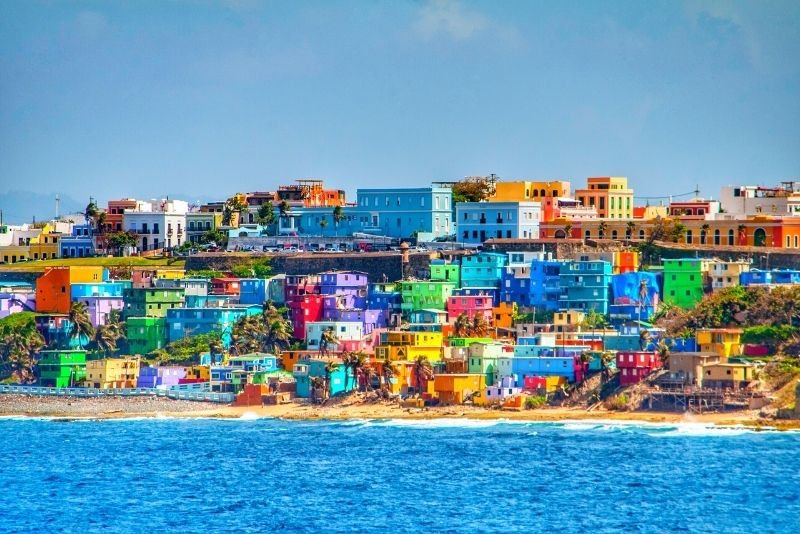
As you walk through Calle del Cristo or Calle de San Sebastián, the atmosphere is electric: pastel-hued buildings with ornate balconies, the distant sound of salsa, and the scent of fresh coffee or baked pastries from local panaderías.
The entire area is incredibly pedestrian-friendly, making it easy to lose yourself among centuries-old churches, boutique shops, and hidden courtyards. You’re not just sightseeing—you’re stepping into history.
Discover Castillo San Felipe del Morro and Castillo San Cristóbal
Old San Juan is home to two of the most remarkable Spanish forts in the Americas: Castillo San Felipe del Morro (commonly known as El Morro) and Castillo San Cristóbal.
These massive stone structures were built to protect the city from seaborne attacks and together form part of the San Juan National Historic Site.
- El Morro: Overlooking the Atlantic Ocean, it’s the more iconic of the two. Explore the multi-level fortress, tunnels, barracks, and lighthouse. The views from the top are extraordinary.
- San Cristóbal: This is the largest Spanish fort in the New World. Designed to stop land-based attacks, it offers panoramic views of the city and fascinating exhibits on military strategy and history.
Tip: Purchase a single ticket that gives you access to both forts. Arrive early in the morning to avoid crowds and heat.
Experience Calle Fortaleza and the Iconic Umbrella Street
One of the most Instagrammed spots in Old San Juan, Calle Fortaleza is famous for its ever-changing art installations hanging above the street.
While the colorful umbrellas are its best-known iteration, the displays rotate with new designs and themes throughout the year.
Beyond the photo ops, Calle Fortaleza is also one of the best areas for dining and shopping. Don’t miss:
- La Fortaleza: The oldest governor’s mansion still in use in the Western Hemisphere.
- Boutiques and galleries featuring local designers and artisans.
- Fine dining at Marmalade or contemporary Puerto Rican cuisine at Princesa Gastrobar.
Savor the Flavors of Old San Juan
Food in Old San Juan is a sensory experience. You’ll find everything from traditional Puerto Rican street snacks to gourmet interpretations of island staples.
Recommended stops:
- Caficultura: Known for its brunch and rich coffee made from locally sourced beans.
- Casa Cortés ChocoBar: A must for chocolate lovers—try the chocolate grilled cheese.
- Raíces: For a more traditional sit-down experience with classic décor and hearty local dishes.
Whether you’re wandering at sunrise or joining the buzz of nightlife, Old San Juan offers a richly textured experience that balances history with vibrant modern energy.
It’s not just the starting point for exploring Puerto Rico—it’s the soul of the island.
Hike Through El Yunque National Forest: Puerto Rico’s Rainforest Paradise
Tucked into the northeast corner of Puerto Rico lies El Yunque National Forest—the only tropical rainforest managed by the U.S. Forest Service.
This lush, mist-covered ecosystem is one of the island’s most unique and awe-inspiring natural attractions.
It’s not just a hike—it’s an immersive experience through waterfalls, rare wildlife, panoramic mountain views, and centuries-old trees that have weathered both storms and time.
Why El Yunque Is So Unique
Covering over 28,000 acres, El Yunque is home to more than 240 species of trees, dozens of native orchids, and the elusive Coquí frog, whose nighttime chirp is iconic across Puerto Rico.
Unlike the dry forests found elsewhere on the island, El Yunque sees frequent rainfall, which keeps its dense foliage vibrant and its rivers flowing year-round.
More importantly, this rainforest has deep cultural and spiritual significance for Puerto Ricans.
The name “El Yunque” is believed to come from the Taíno word “Yuké,” meaning “white lands,” and the mountain is considered sacred by many.
Top Trails to Explore
El Yunque offers a variety of trails for all skill levels. Whether you’re an experienced hiker or a first-time visitor, there’s something for you.
- La Mina Trail (Currently under renovation; check status)
A popular path leading to La Mina Falls, one of the most photogenic waterfalls in the park. - Mount Britton Trail and Tower
A moderate uphill hike that leads to a stone observation tower. On clear days, you can see the Atlantic Ocean, the Caribbean Sea, and even the Virgin Islands in the distance. - Big Tree Trail
A great choice for beginners or families. This trail runs parallel to La Mina and also leads to waterfalls, surrounded by massive tropical trees and scenic overlooks. - El Angelito Trail
A flat, easy walk ending at a natural swimming hole with a rope swing—a hidden gem for cooling off.
Tip: Wear proper hiking shoes, bring a rain jacket, and pack water. Rain can come without warning, and the terrain can be slick.
Guided Tours vs. Independent Hiking
If you’re new to rainforest hiking or want deeper insights into the ecology and history, consider booking a guided tour.
Many local operators offer half-day or full-day excursions that include transportation, gear, and bilingual guides.
Independent hiking is also allowed, but be aware that cell signal is weak or nonexistent in some areas, and maps should be downloaded in advance.
- For guided tours, reputable options include Island Journeys and Rainforest Zipline Park.
- Entry is free for most parts of the forest, but a reservation is required through Recreation.gov for the main section of El Yunque.
Eco-Friendly and Responsible Travel Tips
El Yunque is a fragile environment that has suffered damage from hurricanes and human activity. Follow Leave No Trace principles:
- Stay on marked trails
- Avoid touching or removing plants
- Pack out all trash
- Respect wildlife and maintain a safe distance
Visiting El Yunque is more than a scenic trek—it’s an opportunity to witness one of the rarest ecosystems in the U.S. and engage with Puerto Rico’s wild, untamed beauty.
It’s where nature is left to breathe, and where travelers can slow down, listen, and connect with the deeper rhythms of the island.
Kayak the Glowing Waters of a Bioluminescent Bay
Imagine dipping your paddle into dark Caribbean waters—and watching it leave a glowing trail of light behind. In Puerto Rico, this isn’t fantasy.
It’s a real and rare natural phenomenon known as bioluminescence, and the island is home to three of the world’s five bioluminescent bays.
These glowing waters are caused by microscopic organisms called dinoflagellates, which emit a bluish-green light when disturbed.
Puerto Rico’s bays are unique because the concentration of these organisms is incredibly high, creating an unforgettable, almost magical nighttime experience.
Mosquito Bay (Vieques): The Brightest Bioluminescent Bay in the World
According to the Guinness Book of World Records, Mosquito Bay on the island of Vieques is officially the brightest bioluminescent bay in the world.
Located just off the southeastern coast of Puerto Rico, this bay consistently wows visitors with its surreal brightness, especially on moonless nights.
- Getting there: Accessible via a short flight or ferry from mainland Puerto Rico.
- Tour details: Only non-motorized kayaks are allowed. Tours generally last about 90 minutes and include a brief ecology lesson.
- Best time to go: New moon phase when the sky is darkest. Avoid full moons for optimal glow.
This experience is often described as otherworldly—you’ll see fish streaking like comets through the glowing water and every paddle stroke lighting up the bay.
Laguna Grande (Fajardo): The Most Accessible Option
Located just an hour from San Juan, Laguna Grande in Fajardo is the most popular and convenient bioluminescent bay for travelers staying on the main island.
What makes Laguna Grande special is the journey: to reach the glowing lagoon, you’ll paddle through a narrow mangrove-lined canal under the stars. As you enter the open lagoon, the water begins to shimmer with movement.
- Why choose this one: Easiest to reach from San Juan; great for shorter stays.
- Family-friendly: Tours are available for beginners and children over age 6.
- Tour tip: Wear clothes you don’t mind getting wet. Many kayaks are tandem, and splashing is part of the fun.
La Parguera (Lajas): The Only Bay Where You Can Swim
Located on the southwest coast, La Parguera is the least visited of the three, which makes it ideal for travelers seeking a more laid-back or less commercialized experience.
It’s also the only bay in Puerto Rico where swimming is allowed—letting you experience the bioluminescence up close.
- What to expect: Motorized boats are permitted here, and tours are often combined with snorkeling or sunset cruises.
- Swimming in glowing water: Movement from your arms and legs causes the organisms to light up—creating an unforgettable underwater light show around your body.
- Insider tip: Tours leave in the early evening and return late, so plan for a late dinner or snacks post-excursion.
Important Things to Know Before You Go
- Book in advance: Especially during holidays or peak travel seasons.
- Avoid full moon nights: Bright moonlight reduces visibility of the glow. Some operators offer “moonlight filters” to improve viewing.
- No chemicals: Don’t wear insect repellent or sunscreen that might damage delicate marine ecosystems.
- Be respectful: These ecosystems are fragile. Follow all guide instructions to preserve their longevity.
Visiting a bioluminescent bay in Puerto Rico is a travel experience that stays with you long after you’ve left.
It’s not just a bucket-list item—it’s a deeply humbling reminder of the planet’s hidden wonders, best experienced slowly, silently, and with full attention.
Soak Up the Sun at Puerto Rico’s Best Beaches
Puerto Rico offers an unmatched variety of beaches, each with its own personality—from white-sand shores ideal for swimming to rugged coastal stretches perfect for surfing.
Whether you’re seeking calm turquoise waters, vibrant snorkeling reefs, or remote, crowd-free coastlines, Puerto Rico delivers it all.
Flamenco Beach (Culebra): Postcard-Perfect and World-Renowned
Consistently ranked among the top beaches in the world, Flamenco Beach is the crown jewel of Culebra Island, located off Puerto Rico’s east coast.
The water here is crystal-clear, the sand is powdery white, and the setting is surrounded by gentle green hills.
- Ideal for: Swimming, sunbathing, snorkeling, and photography.
- Famous sights: Two rusted U.S. Navy tanks abandoned on the beach—now iconic photo spots covered in colorful graffiti.
- Getting there: Take a ferry from Ceiba or a short flight from San Juan. Day trips are popular, but staying overnight lets you enjoy sunrise and fewer crowds.
Flamenco isn’t just beautiful—it’s nearly untouched, with calm waters perfect for kids and first-time snorkelers.
Playa Crash Boat (Aguadilla): A Local Favorite With Lively Energy
Located on Puerto Rico’s northwest coast, Crash Boat Beach offers a dynamic atmosphere with plenty of local flavor.
Once used as a military port (hence the name), the beach is now a favorite for both tourists and residents.
- Ideal for: Snorkeling, pier diving, paddleboarding, and beachside food.
- Vibe: Colorful fishing boats line the shore, and there are food kiosks selling empanadillas, piña coladas, and fresh seafood.
- Sunsets: This is one of the best spots on the island for watching the sun dip below the horizon.
Unlike some more secluded beaches, Crash Boat buzzes with energy and activity—without ever feeling overcrowded.
Playa Buyé (Cabo Rojo): Hidden Gem With a Relaxed Vibe
Tucked along the island’s southwest coast, Playa Buyé offers a more low-key and local beach experience.
You won’t find resorts or big crowds here—just calm waves, palm trees, and golden sand.
- Ideal for: Families, couples, and anyone looking to relax.
- Access: Drive through a residential area and pay a small parking fee to reach the beach. Vendors sell ice cream, drinks, and snacks.
- Bonus: Walk the nearby cliffs at Cabo Rojo Lighthouse for sweeping ocean views.
This is one of those beaches you’ll want to keep to yourself—and many Puerto Ricans do.
Playa Jobos (Isabela): Surfers, Sunsets, and Smooth Sand
For a mix of natural beauty and surf-town cool, Playa Jobos is hard to beat.
The beach has a laid-back, youthful vibe with beachfront bars, food shacks, and strong surfing culture.
- Ideal for: Surfing, people-watching, and enjoying the local beach bar scene.
- Safety tip: While great for experienced surfers, currents can be strong. Beginners should stick to the shallower, protected side of the bay.
- Nearby: The famous “Pozo de Jacinto” blowhole is a short walk away—ask locals about the legend that comes with it.
Bonus: Secret Beaches for Off-the-Grid Explorers
If you’re willing to hike or drive a bit further, Puerto Rico rewards the effort with secluded beaches rarely featured in tourist guides:
- Playa Escondida near Fajardo: A 20-minute hike through a coastal trail leads you to a quiet, crescent-shaped beach with golden sands.
- Survival Beach in Aguadilla: Reached via a hike through forested trails and rock formations, this beach is rugged, wild, and utterly breathtaking.
These beaches are perfect for travelers looking to disconnect from crowds and reconnect with nature.
Whether you prefer calm family-friendly shores or dramatic coastal adventures, Puerto Rico’s beaches are more than just pretty places—they’re the heartbeat of local life and some of the most rewarding places to slow down, explore, and recharge.
Go Snorkeling or Scuba Diving in Crystal-Clear Waters
Puerto Rico’s coastal waters are home to some of the most biodiverse and accessible marine ecosystems in the Caribbean.
Whether you’re a certified diver or a first-time snorkeler, you’ll find world-class underwater experiences across the island—from coral-covered reefs to shipwrecks and underwater caves.
What sets Puerto Rico apart is the variety: you can snorkel right off the beach in San Juan or dive deep walls off the islands of Culebra and Vieques, all without needing a passport.
Top Snorkeling Spots Around Puerto Rico
1. Tamarindo Beach (Culebra)
Often overshadowed by nearby Flamenco Beach, Tamarindo is a calm, reef-protected spot ideal for snorkeling. It’s a top place to see green sea turtles feeding in the seagrass beds.
- What you’ll see: Sea turtles, stingrays, starfish, and schools of colorful fish.
- Accessibility: Bring your own gear or rent from local vendors in Culebra. The beach is rocky, so water shoes are helpful.
2. Steps Beach (Rincón)
Located on the island’s west coast, this beach is part of the Reserva Marina Tres Palmas, a federally protected marine reserve.
- Best time to go: Spring and summer, when the water is calmer.
- Marine life: Elkhorn corals, reef fish, parrotfish, and moray eels.
- Extra tip: Stay until late afternoon for a stunning sunset over the ocean.
3. Escambrón Marine Park (San Juan)
For those staying in the capital, Escambrón offers a convenient and surprisingly rich snorkeling experience within walking distance from Old San Juan.
- Features: A protected cove, underwater sculptures, and shallow reefs.
- Why it’s great: Ideal for beginners or travelers short on time. Lifeguards are usually present.
Best Scuba Diving Sites for Certified Divers
1. Vieques Island
While famous for its bioluminescent bay, Vieques also boasts stunning dive sites just offshore. The underwater terrain features walls, tunnels, and abundant marine life.
- Highlights: Coral gardens, nurse sharks, eagle rays, and sometimes dolphins.
- Top dive sites: Mosquito Pier and Blue Tang Reef.
2. Culebra Wall
A vertical drop that starts at about 40 feet and plunges to more than 100, the Culebra Wall is one of Puerto Rico’s most dramatic dive sites.
- Ideal for: Advanced divers seeking big marine life and technical dives.
- What to expect: Barracuda, reef sharks, and large pelagic fish.
3. La Parguera Wall (Lajas)
Located on the southwest coast, this site is ideal for deep wall dives and night dives.
- Unique experience: Bioluminescent night dives are sometimes available here—a rare chance to combine diving with glowing waters.
- Operators: Most local shops offer full-day trips with equipment rental and guides.
Guided Tours vs. DIY: What to Know
While some beaches like Escambrón and Steps are beginner-friendly and suitable for DIY snorkeling, many of the best sites—especially those near Culebra and Vieques—require boat access or local knowledge.
Why choose a guided tour:
- Equipment included
- Safety briefings and marine ecology info
- Transportation to harder-to-access reefs
- Local guides who know where to find turtles, rays, and healthy coral
Recommended operators include:
- Aqua Adventure Dive Center (San Juan & Fajardo)
- Culebra Divers
- Island Scuba (La Parguera)
Marine Conservation and Responsible Travel Tips
Puerto Rico’s coral reefs are under threat from rising ocean temperatures, pollution, and careless tourism. Help preserve these underwater ecosystems:
- Don’t touch or stand on coral
- Avoid using chemical sunscreens (choose reef-safe brands)
- Never feed or chase marine life
- Support tour companies with eco-certifications or marine protection partnerships
Snorkeling and diving in Puerto Rico is more than a recreational activity—it’s a window into one of the most vibrant marine ecosystems in the Americas.
And with increasing conservation efforts, your visit can help protect these reefs for future generations.
Take a Catamaran to Icacos Island or Culebra
If you’re looking for a full-day tropical escape without the stress of logistics, a catamaran tour to Puerto Rico’s nearby islands is one of the most memorable excursions you can take.
These day trips offer a mix of beach lounging, open-bar sailing, crystal-clear snorkeling, and remote island exploration—all wrapped in a laid-back, Caribbean vibe.
Two of the most popular sailing destinations are Icacos Island and Culebra, each offering a different kind of experience depending on your interests and schedule.
Icacos Island: The Ultimate Day Trip from San Juan
Located just off the coast of Fajardo (about one hour east of San Juan), Icacos Island is an uninhabited nature reserve with sugar-soft sand and vibrant turquoise water.
It’s only accessible by boat, making it feel remote despite being close to the mainland.
Why it’s popular:
- Short boat ride (20–30 minutes)
- Ideal for families, groups, and casual travelers
- Shallow, calm water for snorkeling and swimming
- Great for relaxing, beachcombing, or just soaking up the sun
What’s included in most tours:
- Round-trip transportation (from San Juan or Fajardo)
- Open bar (rum punch, piña coladas, soft drinks)
- Lunch (typically sandwiches, pasta salad, or local fare)
- Snorkeling gear and guided reef exploration
Tour operators to consider:
- East Island Excursions
- Castillo Tours
- Spread Eagle Catamaran
These tours typically last 5–6 hours and are available year-round. Morning departures fill quickly, especially on weekends and holidays, so early booking is recommended.
Culebra Island: A Full-Day Adventure to World-Class Beaches
If you want to visit one of the top beaches in the world, then a catamaran trip to Culebra Island—home of Flamenco Beach—is a must.
Culebra is farther out than Icacos and requires a longer boat ride, but the reward is undeniable: wide-open stretches of pristine sand, rich marine life, and minimal development.
Highlights of a Culebra catamaran tour:
- Visit Flamenco Beach, often listed among the top 10 beaches globally
- Snorkel at Tamarindo or Luis Peña Channel Nature Reserve
- See sea turtles, rays, and coral reefs in crystal-clear water
- Enjoy lunch and drinks on board, plus free time to explore the beach
What to expect:
- Tour length: 7–9 hours
- Boat ride: Approximately 1.5 hours each way (can be choppy—bring motion sickness medication if needed)
- Culebra is quieter and more natural than Icacos; less party, more paradise
Recommended operators:
- Island Flyer Catamaran
- Caribe Bliss
- Salty Dog Catamaran
These tours are ideal for travelers who want a more immersive, beach-forward adventure and don’t mind a longer day with some travel time.
Choosing Between Icacos and Culebra
| Feature | Icacos Island | Culebra Island |
| Travel Time | Short (20–30 mins) | Long (1.5 hrs each way) |
| Vibe | Casual, fun, party-style | Remote, tranquil, nature-focused |
| Best For | Families, casual beachgoers | Snorkelers, photographers, beach lovers |
| Accessibility | Easier for half-day or short trips | Full-day commitment |
If you’re traveling with kids or want a relaxed half-day experience, Icacos is a great fit. If you’re craving powdery beaches, fewer crowds, and a more epic escape, Culebra is worth every minute of the journey.
Experience Puerto Rican Culture & Festivals
Beyond its beaches and rainforests, Puerto Rico is a vibrant cultural destination with deep-rooted traditions, expressive music, and a year-round calendar of colorful festivals.
From casual street gatherings to nationally celebrated events, the island’s cultural scene invites travelers to not just observe—but participate.
Exploring Puerto Rico’s culture is essential for anyone who wants to truly understand the soul of the island.
The food, music, dance, and community spirit reflect a powerful mix of Spanish, African, and Taíno influences—and locals take pride in keeping these traditions alive.
La Placita de Santurce: Where the Night Comes Alive
In the heart of San Juan lies La Placita de Santurce, a farmers’ market by day and one of the liveliest social hubs on the island by night.
Every evening, especially on weekends, the area transforms into an open-air party where locals and travelers gather to dance, eat, and enjoy live music.
Why visit La Placita:
- Authentic Puerto Rican nightlife without tourist traps
- Affordable drinks, open-air salsa dancing, and live DJs
- Dozens of small restaurants and bars within walking distance
La Placita offers a rare glimpse into how Puerto Ricans unwind and celebrate, especially after a workweek. It’s a great place to mingle with locals and pick up some impromptu salsa moves.
Music & Dance: Salsa, Bomba, Plena, and Reggaetón
Puerto Rico has long been a musical powerhouse in the Caribbean—and around the world.
Whether you’re hearing live drummers at a community gathering or catching a reggaetón hit blasting from a car stereo, music is part of daily life here.
Key styles to explore:
- Salsa: Originated from Cuban and Puerto Rican roots; you’ll hear it in clubs, plazas, and festivals across the island.
- Bomba: One of the island’s oldest Afro-Caribbean traditions, where dancers and drummers interact in a powerful, call-and-response rhythm.
- Plena: A folkloric style often used to tell stories or comment on political and social events. You’ll often see pleneros performing in small groups with handheld drums.
- Reggaetón: Puerto Rico is considered the birthplace of reggaetón. While it’s more commercial, it’s deeply ingrained in modern youth culture and nightlife.
For travelers, this diversity offers a chance to explore both historical and contemporary expressions of Puerto Rican identity.
Must-See Cultural Events and Festivals
Puerto Rico’s festivals are not just entertainment—they are cultural rituals, often rooted in history, faith, and community pride.
Here are some of the most notable events worth planning your trip around:
1. San Sebastián Street Festival (Fiestas de la Calle San Sebastián)
Held every January in Old San Juan, this multi-day celebration marks the end of the holiday season.
Expect parades, live music, food vendors, artisans, and crowds that fill the narrow streets with energy and color.
2. Noche de San Juan (Night of St. John)
Celebrated on June 23rd, this midsummer event blends Catholic tradition with island folklore.
At midnight, thousands of people across Puerto Rico run into the ocean backward three times—believed to bring good luck and ward off negativity.
3. Festival de la Piña Paradisíaca (Pineapple Festival)
Held in La Parguera each June, this quirky and colorful event celebrates one of the island’s most delicious crops—complete with music, food, dancing, and pineapple everything.
4. Loíza Festival (Festival de Santiago Apóstol)
A week-long cultural event in the town of Loíza, combining African and Catholic traditions.
You’ll see vibrant costumes, traditional masks, and bomba dancing. It’s a rich celebration of Puerto Rico’s Afro-Caribbean roots.
5. Festival Casals (San Juan)
For something more refined, this internationally respected classical music festival brings world-renowned musicians to San Juan every spring.
Named after legendary cellist Pablo Casals, it offers a different side of Puerto Rico’s cultural depth.
How to Experience Culture Like a Local
- Stay in a parador (small, locally owned inn) instead of a resort
- Take a bomba or salsa dance workshop with community instructors
- Visit museums like Museo de Arte de Puerto Rico or Museo de Las Américas
- Eat at family-run restaurants that serve traditional dishes like pasteles and asopao
- Ask locals about upcoming events—many small-town festivals aren’t listed online but are full of authentic charm
Puerto Rican culture isn’t something you need to seek out—it finds you.
Whether you’re walking past a plaza concert, following the beat of street drums, or sharing a toast at a neighborhood bar, the island’s rhythm becomes part of your own travel story.
Eat Your Way Through Puerto Rico’s Flavor-Packed Cuisine
Puerto Rican cuisine is a fusion of history and flavor—deeply rooted in Spanish, Taíno, and African traditions, and celebrated for its bold spices, comforting textures, and creative use of local ingredients.
Eating here isn’t just about nourishment—it’s about culture, family, and storytelling. Every dish has a backstory. Every bite has an identity.
For travelers, this means you’re not just dining—you’re discovering.
Must-Try Puerto Rican Dishes
These iconic dishes are at the heart of Puerto Rican cuisine and should be at the top of every traveler’s food bucket list.
Mofongo
Puerto Rico’s signature dish, mofongo is made by mashing fried green plantains with garlic, olive oil, and pork cracklings.
It’s then shaped into a mound and served with chicken, shrimp, steak, or vegetables—often smothered in savory broth or garlic sauce.
Lechón Asado
This slow-roasted whole pig dish is a national treasure. Cooked over an open flame for hours, lechón is crispy on the outside, tender inside, and packed with smoky, garlicky flavor.
It’s a must-try, especially in the mountain town of Guavate, known as “The Pork Highway.”
Arroz con Gandules
A staple side dish of seasoned rice with pigeon peas, olives, and pork, flavored with sofrito (a sautéed blend of peppers, garlic, onions, and herbs). Often served at holidays and gatherings.
Tostones
These twice-fried plantain slices are crunchy, golden, and perfect with garlic dipping sauce. A go-to snack or side dish you’ll find almost everywhere.
Pasteles
Puerto Rico’s version of tamales—mashed green banana or yuca dough stuffed with meat, then wrapped in banana leaves and boiled.
Often enjoyed during the holidays but available year-round at family-run kitchens.
Tembleque
For dessert, try this coconut milk pudding dusted with cinnamon. Light, silky, and completely dairy-free.
Coquito
A festive coconut-based rum drink, similar to eggnog but tropical and much richer in flavor.
Widely consumed during the Christmas season, though you can find variations throughout the year.
Best Food Tours in San Juan
If you’re short on time or want to dive deep into Puerto Rico’s culinary scene, a guided food tour can be one of the most rewarding experiences.
These tours typically combine history, walking, and food sampling in places tourists might otherwise miss.
Recommended food tours:
- Flavors of San Juan: A top-rated culinary tour through Old San Juan’s streets, stopping at local eateries for tastings and history lessons.
- Spoon Experience: Offers both walking and driving food tours focused on farm-to-table, artisanal, and traditional cuisine.
- San Juan Food Tours: Offers coffee tastings, cocktail pairings, and in-depth stories behind each dish.
These tours are also a great way to support local chefs, restaurateurs, and small food artisans—many of whom share personal family recipes passed down through generations.
Where to Eat: From Street Food to Fine Dining
Puerto Rico caters to every budget and palate, from roadside kiosks to white-tablecloth dining.
Street Food (Kioskos & Chinchorros)
Head to Luquillo Kiosks near El Yunque for rows of beachfront food stalls serving everything from fresh seafood to alcapurrias (fried plantain fritters).
In the mountains, try “chinchorreo”—a tradition where locals hop from one roadside food stand to the next, often paired with music and drinks.
Local Favorites (Comedores & Panaderías)
- La Casita Blanca (San Juan): A cozy, old-school eatery serving homemade Puerto Rican classics.
- Punto de Vista (Old San Juan): Rooftop dining with a view and excellent mofongo.
- Panadería España (Carolina): Bakery-café combo with delicious sandwiches, pastries, and strong Puerto Rican coffee.
Fine Dining & Modern Caribbean Cuisine
- Marmalade (Old San Juan): High-end, locally sourced, and internationally inspired tasting menus.
- 1919 Restaurant (Condado): Refined dishes by Michelin-starred Chef Juan José Cuevas using farm-fresh ingredients.
- Vianda (Santurce): Modern Puerto Rican cuisine with a sustainable focus, featuring seasonal, locally grown produce.
Drinks to Try While You Eat
- Pitorro: Puerto Rican moonshine—traditionally homemade and often flavored with tropical fruits.
- Medalla Light: The island’s go-to beer—light, crisp, and available everywhere.
- Barrilito Rum: A small-batch Puerto Rican rum beloved by locals and connoisseurs.
Puerto Rican cuisine is flavorful, complex, and full of personality. But more than that, it’s one of the best ways to experience the heart of the island.
From the sizzle of a food cart to the elegance of fine dining, the food tells a story—of the land, the people, and a culture built on resilience and celebration.
Discover Hidden Gems & Off-the-Beaten-Path Adventures
While many travelers come to Puerto Rico for its iconic beaches and historic Old San Juan, some of the island’s most memorable experiences lie beyond the usual routes.
Venture inland, to the south, or into less-traveled towns, and you’ll find a side of Puerto Rico most tourists never see—one filled with natural wonders, cultural depth, and adrenaline-pumping adventures.
This is where Puerto Rico surprises even seasoned travelers.
Toro Verde Adventure Park: Zipline Through the Mountains
Located in Orocovis, deep in the Cordillera Central mountain range, Toro Verde Adventure Park is a thrill-seeker’s dream.
It’s home to “The Monster,” one of the longest zip lines in the world, stretching 7,234 feet—over 1.3 miles—of high-speed, high-altitude adrenaline.
- What to expect: You’ll soar over mountains, forests, and valleys at speeds approaching 95 km/h (60 mph).
- Other attractions: Suspension bridges, climbing walls, and shorter ziplines for beginners.
- Good to know: Reservations are recommended. Suitable for ages 7+, though some activities have height/weight restrictions.
Even if you’re not into ziplining, the panoramic views from Toro Verde are reason enough to visit.
Guánica Dry Forest & Salt Flats: A Rare Ecological Wonderland
In contrast to El Yunque’s tropical rainforest, the Guánica State Forest in southwest Puerto Rico is a UNESCO-designated biosphere reserve and one of the best-preserved subtropical dry forests in the world.
- Hiking: Over a dozen well-marked trails with coastal views, rare bird sightings, and giant cacti.
- Unique wildlife: Look for the endangered Puerto Rican nightjar, a bird found nowhere else on Earth.
- Nearby: Cabo Rojo Salt Flats, a surreal landscape of pinkish-white salt fields and migratory birds.
This area offers a slower, meditative contrast to the more tourist-heavy regions—and is ideal for nature lovers and birdwatchers.
Coffee Plantations in the Central Highlands
Puerto Rico’s highlands are home to a vibrant coffee culture dating back to the 18th century.
Though hurricanes temporarily disrupted production, many farms have made a strong comeback, offering educational tours, tastings, and eco-lodging.
Top coffee experiences include:
- Hacienda Pomarrosa (Ponce): A family-run estate with an in-depth coffee tour and tasting.
- Sandra Farms (Adjuntas): Sustainable coffee production with guest stays and walking trails.
- Café Lucero (Ponce): Offers tours that cover everything from bean to brew, with incredible views of the mountains.
Coffee in Puerto Rico is more than a beverage—it’s a cultural heritage. Tasting it on the land where it’s grown adds context and richness to every cup.
Charco Azul and Hidden Waterfalls
Scattered across Puerto Rico’s central and southern regions are natural swimming holes and jungle-shrouded waterfalls—many of which are known mostly to locals.
Charco Azul (Patillas)
A forest-lined pool with clear, cold water and a short hiking trail. Ideal for a refreshing dip after exploring the nearby Carite Forest.
Gozalandia Waterfalls (San Sebastián)
A twin-tiered waterfall system surrounded by greenery and smooth rocks. Easily accessible with a parking area and small café nearby.
El Charco de los Suspiros (Aibonito)
This quiet, remote natural pool is tied to local legends and completely free of crowds.
When visiting these natural sites, remember to leave no trace—many of them are unregulated and don’t have facilities.
Respect the space, take your trash, and be cautious during heavy rains.
Whether you’re hiking through dry forests, sipping mountain-grown coffee, or ziplining across canyons, these hidden experiences showcase the deeper layers of Puerto Rico—where authenticity thrives and every turn leads to something unexpected.
Travel Tips for Visiting Puerto Rico in 2025
Puerto Rico is an accessible, welcoming, and culturally rich destination—but like any trip, a little preparation can make a big difference.
Whether it’s your first visit or your fifth, these practical travel tips will help you make the most of your 2025 Puerto Rico experience—saving you time, money, and potential headaches.
Best Time to Visit Puerto Rico
Puerto Rico enjoys a tropical climate year-round, but some seasons are better than others depending on your preferences.
- High Season (December to April): Best weather with cooler temps and less humidity. Expect higher prices and larger crowds—especially during holidays and spring break.
- Shoulder Season (May & November): Great balance of good weather and fewer crowds. May is ideal for nature lovers; November kicks off the holiday festivities.
- Low Season (June to October): Warmer, more humid, and part of the Atlantic hurricane season. Travel is still possible, and deals are abundant, but trip insurance is advised.
Tip: Avoid major U.S. holiday weekends if you’re looking for quieter beaches and lower rates.
Transportation: Getting Around the Island
Public transit is limited, so how you get around can drastically shape your experience.
- Car rental is highly recommended for exploring beyond San Juan. Roads are well-paved in most regions, though mountain routes can be narrow and winding.
- Rideshare apps (Uber, Lyft) are widely available in San Juan and nearby towns, but less so in rural areas.
- Ferries run to Culebra and Vieques from Ceiba. Book online early, especially for weekends and holidays. Flights from San Juan are faster but pricier.
- Taxis and private drivers are an option but can be expensive without fixed pricing—always confirm the fare before the ride begins.
Driving is safe, but locals may drive aggressively in urban areas. Use GPS apps with real-time updates and always download offline maps for mountainous or remote areas.
Currency, Language & Connectivity
- Currency: U.S. Dollar (USD)
- Language: Spanish is the primary language, but English is widely understood in tourist areas. Learning a few Spanish phrases is appreciated.
- Mobile Service: U.S. carriers (Verizon, AT&T, T-Mobile) work without roaming fees. Coverage is strong in cities but may weaken in rural areas.
- Wi-Fi is widely available in hotels, restaurants, and cafes—though speeds may vary.
Health & Safety Tips
- Tap water is safe to drink in most areas, including hotels and restaurants.
- No vaccines required beyond regular travel immunizations.
- Sun protection is essential—use reef-safe sunscreen to protect marine life.
- Mosquito repellent is recommended, especially in humid or forested areas.
- Crime is generally low in tourist areas, but petty theft can occur. Avoid flashing valuables and stay alert at night in unfamiliar neighborhoods.
Emergency services are reliable. Dial 911 in case of emergencies. Hospitals and clinics meet U.S. standards in major cities.
Cultural Etiquette and Local Norms
- Greet people politely—a simple “Buenos días” goes a long way.
- Tipping is customary: 15–20% in restaurants and $1–$2 for luggage or valet.
- Dress code is casual but respectful. Beachwear is for the beach—locals dress neatly in cities and restaurants.
- Sunday closures: Some small businesses and attractions may be closed or operate on reduced hours, especially outside of tourist areas.
Puerto Ricans are warm, welcoming, and proud of their island. A respectful, curious attitude will open doors to authentic experiences and connections you won’t find in guidebooks.
Budget Tips for Every Type of Traveler
- Free activities: Many of Puerto Rico’s best attractions—beaches, waterfalls, plazas—are free or low-cost.
- Eat local: Skip hotel restaurants and try comidas criollas (home-style local meals) at small cafés or kiosks.
- Travel in shoulder season: May and November offer lower prices without sacrificing weather.
- Lodging: Guesthouses, paradores, and short-term rentals can offer better value and more authentic stays than big-name hotels.
With smart planning, Puerto Rico offers excellent value whether you’re traveling solo, as a couple, with friends, or with family.
Map of Puerto Rico’s Top Attractions
A well-planned trip to Puerto Rico isn’t just about picking destinations—it’s about understanding how those experiences connect across the island.
With diverse regions ranging from lush mountains to coastal islands and colonial cities, geography plays a key role in shaping your itinerary.
To help travelers visualize and plan their route efficiently, an embedded interactive map is a powerful tool that turns your blog into a functional travel resource.
What Your Map Should Include
To add real utility for your readers, your map should go beyond just pins.
It should categorize, route, and offer helpful layers such as driving times, terrain, and recommended clusters of activities.
Suggested Categories to Pin:
- Historical & Cultural
- Old San Juan
- Castillo San Felipe del Morro
- San Cristóbal Fortress
- La Placita de Santurce
- Museo de Arte de Puerto Rico
- Old San Juan
- Nature & Adventure
- El Yunque National Forest
- Toro Verde Adventure Park
- Guánica Dry Forest
- Gozalandia Waterfalls
- Charco Azul
- El Yunque National Forest
- Beaches & Islands
- Flamenco Beach (Culebra)
- Tamarindo Beach
- Crash Boat Beach (Aguadilla)
- Playa Buyé (Cabo Rojo)
- Icacos Island
- Playa Jobos
- Flamenco Beach (Culebra)
- Bioluminescent Bays
- Mosquito Bay (Vieques)
- Laguna Grande (Fajardo)
- La Parguera (Lajas)
- Mosquito Bay (Vieques)
- Culinary Hotspots & Coffee Tours
- Luquillo Kiosks
- Guavate (Lechón Highway)
- Hacienda Pomarrosa
- Café Lucero
- Marmalade (Old San Juan)
- Luquillo Kiosks
Suggested Map Features:
- Driving route suggestions for 3, 5, and 7-day itineraries
- Legend with icons (e.g., beach, food, hike, history)
- Clickable points with photos and descriptions
- Custom color-coding for each category
- Mobile-responsive layout
How to Create and Embed Your Map
Use a tool like Google My Maps to create a custom map. Here’s how:
- Go to Google My Maps
- Click “Create a New Map”
- Add pins and labels based on the categories above
- Use custom icons and layers
- Click “Share” → “Embed on my site” to copy the embed code
- Paste the embed code into your blog (WordPress users can use the HTML block)
A custom map gives your readers confidence to explore independently—and provides real, functional value that sets your blog apart from generic travel guides.
Final Thoughts: Why Puerto Rico Will Steal Your Heart
Puerto Rico isn’t just a destination—it’s an experience that lingers long after your trip ends.
From the vibrant rhythm of Old San Juan to the glowing waters of bioluminescent bays, from the misty peaks of El Yunque to the golden sands of Flamenco Beach, the island offers more than a vacation. It offers connection.
You’re not just witnessing nature—you’re immersed in it. You’re not just tasting food—you’re savoring generations of tradition.
You’re not just exploring a new place—you’re becoming part of a story still being written by its people, landscapes, and culture.
What makes Puerto Rico especially unique is its ability to offer depth and diversity in one compact, accessible package.
Whether you’re a solo traveler, a family planner, a honeymooner, or a cultural explorer, there’s something here not just to enjoy—but to remember.
In 2025, Puerto Rico stands tall as one of the Caribbean’s most enriching, welcoming, and multifaceted destinations.
And for those who approach it with curiosity and respect, the reward is always greater than expected.So don’t just visit—immerse. Experience the island, support its communities, and leave with more than souvenirs.
Leave with stories, memories, and maybe even a few new rhythms in your step.