
The Ultimate Travel Packing Checklist: Everything You Need for Stress-Free Trips
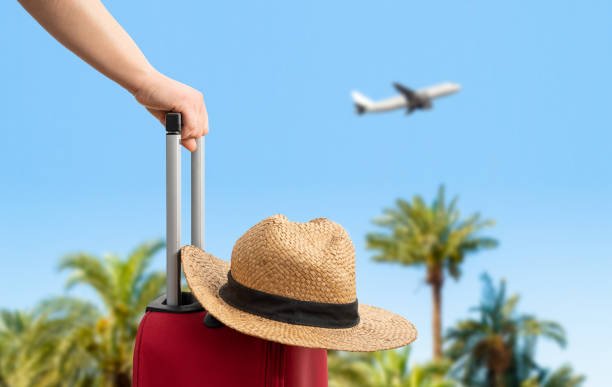
Packing for a trip can often be more stressful than the journey itself.
Whether you are preparing for a weekend getaway, a business trip, or an extended vacation, the process of deciding what to bring—and what to leave behind—can feel overwhelming.
Many travelers underestimate the importance of strategic packing, resulting in overstuffed suitcases, forgotten essentials, or unnecessary purchases during the trip.
A well-planned travel packing checklist is more than just a list of items—it is a roadmap to a smooth, organized, and stress-free travel experience.
It ensures that you have everything necessary for comfort, safety, and convenience while allowing for flexibility and efficiency.
Beyond simply remembering items, a thoughtful packing checklist helps minimize luggage weight, prevents last-minute panic, and allows travelers to focus on enjoying their journey rather than worrying about missing essentials.
This guide provides a comprehensive, expert-level travel packing checklist suitable for all types of travelers.
From essential documents and clothing to electronics, personal care, and specialized gear, every item is carefully considered to ensure a complete travel experience.
Additionally, practical packing tips, hacks, and insights are included to help you save space, travel efficiently, and customize your packing strategy based on your destination and trip type.
By the end of this guide, you will have a clear, structured, and actionable travel packing checklist that guarantees you can travel confidently, prepared for any situation, and without unnecessary stress.
Planning Your Packing
Effective packing begins long before you open your suitcase. Proper preparation ensures that you only bring what is necessary, while avoiding excess weight or forgotten essentials.
Planning your packing involves assessing your trip type, duration, destination, and activities to create a checklist tailored specifically to your needs.
1. Identify Your Trip Type
Understanding the purpose of your travel is the first step in planning your packing.
Business trips, leisure vacations, adventure travel, and family vacations all have distinct packing requirements. For example:
- Business trips often require formal attire, professional accessories, and organized document storage.
- Adventure or outdoor trips require durable clothing, specialized gear, and safety equipment.
- Leisure vacations may focus on comfort, versatile clothing, and entertainment items.
Recognizing your trip type ensures you pack items that are relevant and functional, eliminating unnecessary clutter.
2. Consider Trip Duration
The length of your trip directly impacts the amount and type of clothing, toiletries, and supplies you need.
ips may require only a carry-on, while longer journeys demand a balance between sufficient clothing and efficient packing methods. Consider:
- How often you can do laundry at your destination.
- Whether you plan to re-wear clothing items.
- Space-saving techniques for longer trips, such as packing cubes or compression bags.
3. Factor in Destination Climate and Activities
Researching your destination’s weather and planned activities is critical.
Packing without considering the climate can leave you unprepared for rain, extreme temperatures, or outdoor adventures. Essential considerations include:
- Seasonal weather patterns: hot, cold, rainy, or humid conditions.
- Activity-specific clothing: hiking boots, swimwear, formal wear, or rain gear.
- Layering options for unpredictable weather.
4. Plan for Efficiency and Flexibility
Even with a well-prepared checklist, smart packing strategies make travel easier:
- Prioritize versatile items that can serve multiple purposes, such as neutral clothing that mixes and matches.
- Use space-saving techniques like rolling clothes, vacuum bags, or packing cubes.
- Keep essentials accessible in your carry-on, including medications, important documents, and travel comforts.
By carefully planning your packing based on trip type, duration, climate, and activities, you establish a strong foundation for a stress-free and organized travel experience.
This initial planning stage ensures that your checklist is purposeful and tailored, avoiding unnecessary items while covering all essentials.
Essential Travel Documents
Having all your travel documents organized and accessible is one of the most critical aspects of any trip.
Forgetting a passport, visa, or travel insurance can cause serious disruptions, so a comprehensive document checklist is a must for stress-free travel.
1. Identification and Travel Credentials
- Passport: Ensure it is valid for at least six months beyond your planned return date. Some countries require this as a standard entry requirement.
- Visas: Research visa requirements well in advance. Some countries require applications weeks or months ahead.
- Driver’s License or National ID: Necessary for domestic travel, car rentals, or identification purposes.
2. Travel Itinerary and Bookings
- Flight Tickets and Boarding Passes: Keep digital and printed copies for convenience.
- Hotel Confirmations: Printed or accessible via email/app to avoid delays during check-in.
- Activity Reservations: Museum tickets, tours, or event passes organized in one folder or app.
3. Travel Insurance and Emergency Contacts
- Travel Insurance: Essential for unexpected medical emergencies, trip cancellations, or lost belongings. Carry a copy of your policy and know your coverage details.
- Emergency Contacts: List of local contacts, family members, and embassy details. This is vital for safety and quick assistance if needed.
4. Financial Documents
- Credit/Debit Cards: Ensure international usage is activated if traveling abroad.
- Cash: Small denominations in local currency for immediate expenses.
- Backup Payment Methods: Consider a prepaid travel card or a secondary credit card in case of emergencies.
5. Digital Backups and Organization
- Scan Important Documents: Keep copies of passports, visas, insurance, and tickets in cloud storage or email for quick access.
- Travel Apps: Use secure apps to store tickets, hotel reservations, maps, and emergency information.
- Offline Access: Download important files or maps for areas with limited connectivity.
Organizing travel documents in a single folder or travel wallet, and backing up digital copies, ensures smooth airport navigation, quick check-ins, and peace of mind throughout your journey.
Being meticulous with your documents prevents unnecessary stress and allows you to focus on enjoying the trip.
Clothing Checklist
Packing clothing efficiently requires careful planning to balance comfort, style, and practicality.
The right wardrobe ensures you are prepared for different weather conditions, activities, and occasions without overpacking.
1. Categorize Clothing by Trip Duration and Activities
- Short Trips (1–3 days): Focus on versatile pieces that can be mixed and matched. Consider neutral colors and lightweight fabrics.
- Medium Trips (4–7 days): Include a combination of casual, formal, and activity-specific clothing, and plan for at least one re-wear of each item.
- Extended Trips (1 week+): Incorporate layering pieces and consider laundry options. Prioritize multi-purpose clothing to reduce luggage weight.
- Activity-Based Packing: Tailor clothing for hiking, swimming, sightseeing, or formal events. Specialized items like hiking boots, swimsuits, or suits should be prioritized accordingly.
2. Must-Have Versatile Clothing Items
- Layering Pieces: Lightweight jackets, cardigans, or hoodies for variable weather.
- Tops: A mix of casual t-shirts, blouses, or dress shirts.
- Bottoms: Jeans, trousers, shorts, and skirts depending on the climate.
- Shoes: Comfortable walking shoes, casual shoes, and any specialized footwear for specific activities.
- Accessories: Scarves, hats, and belts to adapt outfits without taking up excessive space.
3. Packing Strategies
- Rolling vs Folding: Rolling clothes saves space and reduces wrinkles for casual wear. Folding may be better for formal attire.
- Packing Cubes: Separate clothing by type or day to stay organized.
- Compression Bags: Ideal for bulky items like jackets or sweaters, saving significant suitcase space.
4. Specialty Clothing Considerations
- Formal Events: Bring at least one outfit suitable for formal dinners or occasions.
- Outdoor Adventures: Include moisture-wicking fabrics, waterproof jackets, and sturdy footwear.
- Swimwear and Beach Trips: Quick-dry swimsuits and cover-ups.
- Seasonal Needs: Warm layers, thermal undergarments, or sun-protective clothing depending on climate.
By categorizing your clothing, choosing versatile items, and using effective packing strategies, you can reduce luggage weight, stay organized, and ensure that you have the right outfit for any situation during your trip.
This approach not only maximizes efficiency but also allows travelers to feel comfortable and prepared throughout their journey.
Toiletries and Personal Care
Maintaining personal hygiene while traveling is essential for comfort, health, and confidence.
Packing toiletries efficiently not only saves space but also ensures you have everything you need without unnecessary bulk.
1. Essentials to Pack
- Oral Care: Toothbrush, toothpaste, dental floss, and mouthwash.
- Skincare: Moisturizer, sunscreen, lip balm, and any specific treatments.
- Haircare: Shampoo, conditioner, comb or brush, hair ties, and styling products if necessary.
- Body Care: Soap or body wash, deodorant, and hand sanitizer.
- Feminine Hygiene Products: Pads, tampons, or menstrual cups as required.
2. Medications and Health Items
- Prescription Medications: Ensure you carry sufficient supply for the entire trip.
- Over-the-Counter Essentials: Pain relievers, allergy medications, motion sickness remedies, or cold medicine.
- Vitamins or Supplements: Keep daily doses organized and easily accessible.
3. Travel-Sized and TSA-Compliant Packaging
- Liquid Restrictions: Follow airline rules for liquids in carry-on luggage (usually 100ml per container, all in a clear zip-lock bag).
- Travel-Sized Products: Reduce bulk by using small bottles or solid alternatives (e.g., bar shampoo, solid deodorant).
- Reusable Containers: Consider refillable bottles to minimize waste and carry just what you need.
4. Additional Personal Care Items
- Shaving Needs: Razors, shaving cream, or electric shavers.
- Earplugs and Sleep Masks: Useful for long flights or noisy accommodations.
- Nail Care: Small nail kit, file, and clippers.
- Emergency Hygiene: Wet wipes or tissues for situations where facilities are limited.
By organizing toiletries and personal care items in a compact, efficient manner, travelers can maintain hygiene, save suitcase space, and reduce the risk of forgetting critical items.
Using travel-sized containers and keeping essentials accessible ensures a smoother, more comfortable travel experience.
Electronics and Gadgets
In today’s connected world, electronics are essential for navigation, communication, entertainment, and work while traveling.
Properly packing and organizing gadgets ensures functionality without unnecessary clutter or lost devices.
1. Essential Devices
- Smartphone: Your primary tool for communication, maps, booking apps, and travel information.
- Laptop or Tablet: Necessary for business trips, digital work, or entertainment during long journeys.
- Camera: For capturing high-quality travel memories; consider extra memory cards and lenses if applicable.
- Headphones or Earbuds: Essential for flights, public transport, or quiet relaxation.
2. Power and Charging Solutions
- Chargers and Cables: Bring chargers for all devices and keep them organized to avoid tangling.
- Power Banks: Ensure you can charge devices on the go, especially during long excursions or layovers.
- Adapters and Converters: Necessary for international travel to match local electrical outlets and voltage.
3. Organization and Safety Tips
- Cord Management: Use cable organizers, twist ties, or small pouches to keep cords untangled.
- Protective Cases: Protect smartphones, laptops, and cameras from damage during transit.
- Backup Solutions: Cloud storage or external hard drives can safeguard important files, photos, and documents.
- Offline Preparedness: Download maps, travel guides, and entertainment in case of poor internet connectivity.
4. Optional Gadgets
- Smartwatch or Fitness Tracker: Helpful for navigation, activity tracking, and notifications.
- E-Reader: Saves space compared to carrying physical books.
- Portable Speakers: For music in accommodations or outdoor activities.
By carefully selecting essential electronics and organizing them efficiently, travelers can stay connected, capture memories, and enjoy convenience throughout their trip.
Prioritizing portability, protection, and backup solutions ensures that your devices enhance the travel experience without creating stress or clutter.
Health and Safety Items
Maintaining health and safety while traveling is crucial for an enjoyable and worry-free trip.
Packing essential medical and safety items ensures you are prepared for minor injuries, illnesses, or unexpected situations.
1. First Aid Kit Essentials
- Bandages and Plasters: For minor cuts, blisters, or scrapes.
- Antiseptic Wipes and Creams: To clean and protect wounds.
- Pain Relief: Over-the-counter medications like ibuprofen or acetaminophen.
- Other Supplies: Tweezers, scissors, and safety pins for emergency use.
2. Prescription Medications
- Carry sufficient quantities of any prescribed medications for the entire trip.
- Keep medications in original packaging with prescriptions to avoid issues during travel.
- Consider a small, labeled pill organizer for convenience and easy access.
3. Travel Health Essentials
- Hand Sanitizer and Disinfecting Wipes: Maintain hygiene in public spaces or during travel.
- Insect Repellent: Especially important for tropical destinations or outdoor activities.
- Sunscreen and Lip Balm: Protect skin from sun exposure, even in cold or cloudy climates.
- Face Masks (if needed): For crowded or enclosed spaces during travel.
4. Emergency Preparedness
- Medical Information: Carry a card listing allergies, chronic conditions, and emergency contacts.
- Travel Insurance Info: Keep policy details accessible in case of accidents or illness.
- Safety Gear: Consider a whistle, small flashlight, or portable door lock for added security.
By including these health and safety items in your packing checklist, you can minimize risks and be prepared for common travel emergencies.
Thoughtful preparation in this area promotes peace of mind and allows you to focus on enjoying your trip rather than worrying about unexpected issues.
Miscellaneous Essentials
Beyond clothing, documents, and personal care, there are several additional items that can significantly enhance comfort, convenience, and safety during travel.
These often-overlooked essentials ensure that your trip runs smoothly and efficiently.
1. Travel Comfort Items
- Travel Pillow and Eye Mask: Useful for long flights, train rides, or overnight trips.
- Earplugs or Noise-Canceling Headphones: Help block out noise and ensure restful sleep.
- Reusable Water Bottle: Stay hydrated while reducing plastic waste and avoiding frequent purchases.
2. Luggage and Organization Tools
- Packing Cubes: Keep clothing and accessories organized for quick access.
- Luggage Locks: Provide security and peace of mind for checked or stored bags.
- Expandable or Lightweight Luggage: Allows flexibility for souvenirs or extra items without exceeding weight limits.
3. Snacks and Entertainment
- Non-Perishable Snacks: Nuts, granola bars, or dried fruit for long journeys or remote destinations.
- Books, Magazines, or E-Readers: Keep entertained during travel downtime.
- Portable Games or Cards: Useful for family travel or social downtime.
4. Small Comforts and Miscellaneous Items
- Notebook and Pen: For travel journaling, notes, or contact information.
- Plastic Bags or Laundry Bags: Keep dirty or wet clothing separate from clean items.
- Extra Face Masks, Tissues, or Wet Wipes: Convenience and hygiene for unexpected situations.
Including these miscellaneous essentials in your packing checklist ensures that you have practical, comfort-focused items that make the travel experience more enjoyable.
Even small touches, like a travel pillow or reusable water bottle, can significantly reduce discomfort and improve overall convenience during your trip.
Packing Tips and Hacks
Efficient packing is both an art and a science. Implementing smart strategies can save space, reduce luggage weight, and ensure that your belongings remain organized and accessible throughout your trip.
1. Space-Saving Techniques
- Rolling Clothes: Rolling instead of folding reduces wrinkles and maximizes suitcase space.
- Compression Bags: Ideal for bulky items like jackets, sweaters, or bedding.
- Layering Strategically: Place heavier items at the bottom of the suitcase and lighter items on top to optimize space and balance weight.
2. Weight Distribution
- Even Packing: Distribute weight evenly between sides of your suitcase to make it easier to carry or wheel.
- Carry-On Essentials: Keep important documents, medications, and valuables in your carry-on for easy access.
- Limit Overpacking: Stick to your checklist and avoid adding “just-in-case” items unless absolutely necessary.
3. Organizing Accessories and Small Items
- Packing Cubes: Separate items by category (tops, bottoms, undergarments) to keep your luggage organized.
- Accessory Pouches: Use small pouches for electronics, chargers, toiletries, or jewelry to prevent tangling or loss.
- Ziploc Bags: Ideal for liquids, snacks, or wet items to prevent spills and contamination.
4. Laundry and Re-Wear Strategies
- Plan Outfits: Choose versatile pieces that can be mixed and matched.
- Laundry Opportunities: Pack lightweight, quick-dry clothing if you plan to do laundry during the trip.
- Re-Wear Wisely: Reuse items strategically, such as jackets, scarves, or neutral tops, to minimize excess packing.
5. Multi-Destination Packing
- Flexible Wardrobe: Pack clothing suitable for multiple climates or activities.
- Layering Options: Allows you to adapt to changing temperatures without overpacking.
- Portable Storage: Consider a lightweight daypack for excursions or carrying items between destinations.
Implementing these packing tips and hacks ensures that your luggage is organized, lightweight, and practical.
These strategies save time, reduce stress, and allow you to focus on enjoying your travels rather than dealing with the chaos of disorganized or overstuffed bags.
Specialty Packing Checklists
Different types of trips often require specialized items beyond the standard travel packing checklist.
Tailoring your packing to the purpose of your journey ensures you are fully prepared for every scenario.
1. Business Travel
- Professional Attire: Suits, dress shirts, skirts, or business-appropriate shoes.
- Work Essentials: Laptop, chargers, business cards, and portable presentation materials.
- Travel-Friendly Accessories: Lightweight briefcase or organizer, travel-sized toiletries for quick refreshes, and wrinkle-resistant clothing.
2. Adventure or Outdoor Trips
- Durable Clothing: Moisture-wicking shirts, quick-dry pants, and sturdy jackets.
- Footwear: Hiking boots, trail shoes, or water shoes depending on terrain.
- Gear: Headlamps, trekking poles, reusable water bottles, compact first aid kits, and insect repellent.
- Safety Items: Maps, GPS devices, and emergency whistles or signaling tools.
3. Family Travel with Children
- Kids’ Essentials: Diapers, wipes, snacks, toys, and comfort items.
- Entertainment: Books, tablets, or small games for long journeys.
- Extra Clothing: Accidents and weather changes require additional outfits for children.
- Travel Safety: Child harnesses, ID bracelets, or travel-friendly car seats if needed.
4. Seasonal or Destination-Specific Travel
- Winter Trips: Thermal clothing, gloves, scarves, hats, waterproof boots, and insulated jackets.
- Tropical Destinations: Lightweight clothing, swimsuits, sun hats, sunglasses, and high-SPF sunscreen.
- Cultural Considerations: Pack modest clothing if visiting religious or conservative areas.
- Special Equipment: Snorkeling gear for beach vacations or ski equipment for mountain trips.
Customizing your packing checklist based on trip type, destination, and seasonal requirements ensures that you have everything necessary for comfort, safety, and enjoyment.
Specialty packing also minimizes unnecessary items, streamlines your luggage, and allows you to be prepared for specific challenges or activities during your journey.
Final Thoughts
A well-organized travel packing checklist is the foundation of a stress-free and enjoyable trip.
By carefully planning, categorizing essentials, and incorporating practical packing strategies, travelers can avoid common pitfalls such as overpacking, forgotten items, or last-minute purchases.
Remember that the goal of packing is not just to bring everything possible but to bring what is truly necessary—items that enhance comfort, safety, and convenience.
Customizing your checklist based on trip type, destination, climate, and activities ensures that you are fully prepared while keeping luggage manageable.
Using tips like packing cubes, compression bags, and digital backups, along with specialty considerations for business trips, adventure travel, or family vacations, will streamline your travel experience.
The extra effort put into thoughtful packing pays off in reduced stress, more efficient travel, and a greater ability to enjoy your journey.Finally, a travel packing checklist is not static—it should evolve with each trip. Keep notes on what worked well, what was unnecessary, and what was forgotten.
Over time, you will develop a personalized, highly efficient packing system that suits your unique travel style, allowing every trip to be as seamless and enjoyable as possible.