Things to Do in Albuquerque: A Complete 2025 Travel Guide
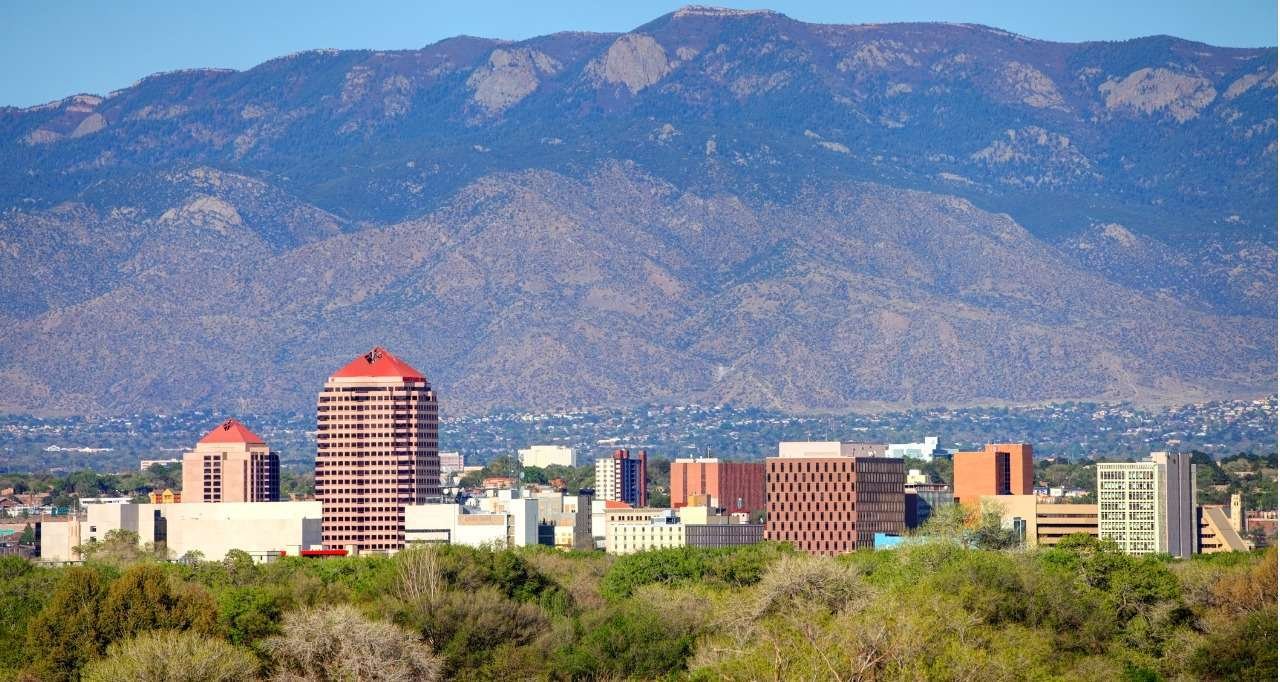
Tucked between the Sandia Mountains and the flowing Rio Grande, Albuquerque is a city where centuries-old traditions meet modern creativity.
As the largest city in New Mexico, it offers a rare blend of Native American heritage, Spanish colonial history, and contemporary Southwestern culture.
Travelers are often surprised by how diverse Albuquerque feels — one moment you’re exploring adobe-walled courtyards in Old Town, the next you’re gazing across desert vistas from the world’s longest aerial tramway.
What sets Albuquerque apart from other U.S. destinations is its ability to showcase the Southwest in its purest form.
The city isn’t polished into a commercial tourist hub; instead, it’s authentic, layered, and alive with cultural intersections.
Pueblo traditions still shape local art and cuisine, Route 66 nostalgia runs through neon-lit diners, and annual events like the Albuquerque International Balloon Fiesta capture imaginations around the world.
Beyond its cultural richness, Albuquerque is also a hub for outdoor adventure. With 310 days of sunshine annually, it’s an ideal base for hiking, biking, skiing, and scenic drives through the high desert.
Add to that a flourishing food scene — famous for its red and green chile culture — and Albuquerque becomes a destination that satisfies both curiosity and appetite.
This guide explores the best things to do in Albuquerque, weaving together history, nature, food, art, and one-of-a-kind experiences.
Whether you’re planning a weekend getaway or a longer trip, you’ll find that Albuquerque is more than just a stop on Route 66 — it’s a city that rewards exploration at every turn.
1. Explore Old Town Albuquerque
If you want to experience Albuquerque’s roots, there’s no better place to start than Old Town, the city’s historic heart.
Founded in 1706 as a Spanish colonial settlement, this district has preserved much of its original charm with adobe buildings, cobblestone plazas, and narrow streets that feel like stepping back in time.
At the center of Old Town stands San Felipe de Neri Church, built in 1793 and still active today.
Its white adobe walls and twin bell towers are an iconic landmark, offering a glimpse into Albuquerque’s deep Catholic and Spanish heritage.
Around the church, you’ll find a lively plaza where festivals, music, and community gatherings take place throughout the year.
What makes Old Town especially compelling is its blend of history and creativity. The district is home to more than 100 locally owned shops, galleries, and boutiques showcasing everything from Native American jewelry and pottery to modern Southwestern art.
Many of these artisans come from nearby pueblos, giving visitors a direct connection to centuries-old traditions.
For those who appreciate history, the Albuquerque Museum and the New Mexico Museum of Natural History & Science are both within walking distance, providing deeper context on the city’s cultural and geological past.
Old Town is also a food lover’s haven. From family-owned restaurants serving traditional New Mexican dishes to charming cafés tucked inside adobe courtyards, dining here is a sensory experience.
Be sure to try dishes smothered in red or green chile — the defining flavor of Albuquerque cuisine.
2. Ride the Sandia Peak Tramway
For sweeping views of Albuquerque and the vast New Mexico desert, few experiences compare to the Sandia Peak Tramway.
Stretching 2.7 miles along the rugged western face of the Sandia Mountains, it’s the longest aerial tramway in the Americas.
The ride lifts visitors from the edge of the city up to 10,378 feet at the summit, offering a dramatic perspective of both the Rio Grande Valley below and the endless sky above.
On clear days — which Albuquerque has plenty of, thanks to more than 300 days of sunshine annually — the views extend for nearly 11,000 square miles.
Sunset rides are especially popular, when the Sandia Mountains glow with their famous “watermelon hue” (the word sandía is Spanish for watermelon), a sight that leaves a lasting impression on most visitors.
Once at the top, travelers find a variety of ways to enjoy the summit. In summer, the area serves as a gateway to over 100 miles of hiking trails in the Cibola National Forest.
Options range from short, family-friendly walks along the Crest Trail to challenging treks for experienced hikers. Wildlife is common here, from mule deer grazing among the pines to hawks circling above the cliffs.
In winter, Sandia Peak transforms into a small but well-loved ski area, making Albuquerque one of the few U.S. cities where you can ski just 30 minutes from downtown.
For those not interested in outdoor sports, the summit also offers observation decks, picnic areas, and even a restaurant where you can enjoy a meal while gazing out over the high desert.
3. Visit the Albuquerque International Balloon Fiesta
History and Global Significance
What began in 1972 with just 13 balloons has grown into the world’s largest hot-air balloon festival, featuring 500+ balloons and attracting nearly a million visitors annually.
Albuquerque’s unique geography — the “Albuquerque Box” wind pattern — creates ideal flying conditions, making it the perfect stage for this global gathering.
Morning Magic: Dawn Patrol and Mass Ascension
The day begins with Dawn Patrol, when glowing balloons illuminate the pre-dawn sky. Soon after, the Mass Ascension takes place — hundreds of balloons launching in waves, painting the horizon with color.
From classic teardrops to whimsical shapes like animals and cartoon figures, the variety is unmatched anywhere else in the world.
Evening Events: Balloon Glow and Festivities
As the sun sets, the festival transforms. During the Balloon Glow, pilots ignite burners while tethered to the ground, turning the launch field into a sea of lanterns.
Fireworks, live music, and local food stalls — serving green chile specialties and traditional fair treats — make evenings equally memorable.
Community Spirit and Interactive Experiences
Unlike many large festivals, the Balloon Fiesta encourages direct interaction. Visitors can walk among launch fields, talk to pilots, and even volunteer as part of balloon crews.
Artisan markets, photography workshops, and cultural performances ensure the experience appeals to more than just balloon enthusiasts.
Tips for Visitors
- Arrive early: Parking and shuttles fill before sunrise.
- Book in advance: Hotels and campsites sell out months ahead.
- Dress in layers: Mornings are cold, afternoons warm.
- Plan multiple days: Each session offers unique events and balloon launches.
Attending the Albuquerque International Balloon Fiesta is more than a sightseeing opportunity — it’s an immersion into New Mexico’s culture, community, and adventurous spirit.
For many, it’s the highlight of their trip and a once-in-a-lifetime bucket-list event.
4. Experience Petroglyph National Monument
A Window Into Ancient History
Just minutes from downtown Albuquerque, the Petroglyph National Monument preserves one of the largest collections of ancient rock art in North America.
Carved into volcanic basalt by Native peoples and early Spanish settlers, these petroglyphs date back 400 to 700 years, with some symbols possibly much older.
They represent everything from animals and celestial figures to spiritual icons, offering a direct connection to the cultural traditions of the region’s earliest inhabitants.
Exploring the Trails
The monument spans over 17 miles of hiking trails, each leading past clusters of petroglyphs etched into the dark volcanic rock.
- Boca Negra Canyon: A short, accessible trail with some of the most easily visible carvings.
- Piedras Marcadas Canyon: Known for having over 400 petroglyphs scattered along the trail.
- Rinconada Canyon: A more rugged, less crowded path for those seeking solitude.
These hikes range from easy strolls to moderate treks, making them suitable for visitors of all ages and activity levels.
Cultural and Spiritual Significance
The carvings are not just artwork; they’re sacred symbols still meaningful to Native communities today.
Many designs reflect stories, rituals, and beliefs passed down through generations. Visitors are encouraged to approach the site with respect, understanding that this is both a cultural treasure and a living spiritual landscape.
Visitor Tips
- Respect preservation: Touching or defacing petroglyphs is prohibited.
- Best time to visit: Early morning or late afternoon for cooler temperatures and better light for photography.
- Visitor Center: Provides maps, educational exhibits, and guidance on trail options.
Why It’s Worth a Visit
Petroglyph National Monument isn’t just an outdoor museum — it’s a place where history, culture, and nature intersect.
Standing before these centuries-old carvings, framed by desert skies and volcanic cliffs, gives travelers a profound sense of connection to Albuquerque’s deep past.
5. Explore Albuquerque’s Museum Scene
Albuquerque Museum
Located in Old Town, the Albuquerque Museum is the city’s cultural anchor. Its exhibits span centuries, from Spanish colonial artifacts to contemporary Southwestern art.
Rotating galleries feature regional artists, while permanent displays highlight Albuquerque’s role in the broader history of New Mexico.
The museum’s sculpture garden, filled with large-scale works, is an outdoor extension worth exploring.
Indian Pueblo Cultural Center
Owned and operated by the 19 Pueblo tribes of New Mexico, the Indian Pueblo Cultural Center is a must-visit for anyone wanting to understand the living traditions of the Southwest.
Visitors encounter Pueblo pottery, ceremonial regalia, and storytelling through immersive exhibits.
Regular cultural dances, artist demonstrations, and seasonal markets provide first-hand insight into Native heritage.
National Hispanic Cultural Center
This institution celebrates the contributions of Hispanic and Latino communities across the Americas.
With art galleries, a performing arts theater, and an extensive library, the National Hispanic Cultural Center showcases everything from ancient Mesoamerican artifacts to modern Latinx creative expression.
Special events often include concerts, film screenings, and literary festivals.
New Mexico Museum of Natural History & Science
Families and science enthusiasts flock to this museum, where prehistoric skeletons and interactive displays bring the state’s natural history to life.
Highlights include full-size dinosaur fossils, a planetarium, and an exhibit on New Mexico’s role in space exploration.
The hands-on approach makes it particularly engaging for younger travelers.
Why Albuquerque’s Museums Matter
Collectively, these museums offer more than indoor attractions — they provide a deeper understanding of the city’s cultural mosaic.
From Pueblo traditions to Hispanic legacies, from natural wonders to contemporary art, Albuquerque’s museums act as windows into the stories that shape the city.
They’re not just rainy-day options but essential stops for travelers who want to leave with a richer perspective.
6. Stroll Along the Rio Grande Bosque
The Heart of Albuquerque’s Natural Landscape
Running through the city, the Rio Grande provides more than a scenic backdrop — it sustains a unique ecosystem known as the Bosque, a cottonwood forest that thrives along the riverbanks.
This lush corridor offers a sharp contrast to the surrounding desert, making it one of Albuquerque’s most distinctive outdoor spaces.
Trails for Walking, Biking, and Birdwatching
The Bosque Trail, a paved multi-use path, stretches for 16 miles and connects several parks and neighborhoods.
It’s popular with cyclists, joggers, and casual walkers who want to explore the river without leaving the city.
For nature lovers, side trails lead deeper into the cottonwood groves, where it’s common to spot herons, hawks, roadrunners, and even porcupines. The trail network is flat and accessible, making it suitable for all ages and fitness levels.
Rio Grande Nature Center State Park
At the heart of the Bosque lies the Rio Grande Nature Center, a state park that serves as an educational hub.
Its visitor center features exhibits on local wildlife, while observation blinds along ponds allow for quiet birdwatching.
Families especially enjoy the interpretive programs and guided walks offered here throughout the year.
Seasonal Beauty Along the River
The Bosque changes dramatically with the seasons. In spring, cottonwoods burst with bright green leaves, while autumn transforms the forest into a golden canopy.
Winter brings migrating sandhill cranes and snow geese, turning the riverbanks into a birdwatcher’s paradise. Each visit reveals a new side of Albuquerque’s natural environment.
Why Visit the Bosque
The Rio Grande Bosque offers more than recreation — it’s a place where locals and travelers alike connect with the natural rhythm of the desert and river.
Whether cycling at sunrise, strolling under cottonwoods in the fall, or quietly observing wildlife, the Bosque provides a refreshing pause from the city while keeping you within its boundaries.
7. Discover Breaking Bad Filming Locations
Albuquerque on the Screen
For many, Albuquerque is instantly recognizable as the backdrop of Breaking Bad and its spin-off, Better Call Saul.
These critically acclaimed series didn’t just use the city as a setting — they made it a character in its own right.
The desert landscapes, suburban neighborhoods, and local businesses all played pivotal roles in shaping the gritty yet authentic atmosphere of the shows.
Iconic Locations to Visit
- Walter White’s House: A private residence still recognizable from the show, though visitors are asked to be respectful.
- Saul Goodman’s Office: While the fictional office exterior has changed, fans often seek out the strip mall where it was filmed.
- Los Pollos Hermanos: Actually Twisters Burgers and Burritos, this fast-food spot remains a pilgrimage site for fans.
- A1A Car Wash: The real-life Octopus Car Wash continues to operate, offering fans a chance to experience a familiar setting.
- Downtown Albuquerque: Several street corners, motels, and diners featured throughout the series can still be explored on foot.
Breaking Bad Tours
For a structured experience, several local companies run Breaking Bad RV Tours, where fans ride in a replica of the iconic RV while visiting key locations.
These tours are led by guides who often share behind-the-scenes stories and trivia that go beyond what’s on screen.
Cultural Impact on Albuquerque
The shows have left a lasting legacy on Albuquerque’s tourism industry. Local businesses embraced the fandom, selling themed merchandise, murals, and even specialty candies like the infamous “blue rock candy.”
While Breaking Bad painted a darker fictional version of the city, the real Albuquerque benefits from the global attention it brought.
Why It’s Worth Exploring
Even if you’re not a die-hard fan, exploring the filming locations provides an unusual way to experience Albuquerque’s neighborhoods and landmarks.
It blends pop culture with local discovery, making it one of the more unique activities the city offers.
8. Explore Petroglyph National Monument
Albuquerque is home to one of the largest petroglyph sites in North America—Petroglyph National Monument.
This protected area stretches across the city’s volcanic west side and features more than 24,000 ancient rock carvings left behind by Native American and Spanish settlers.
The site offers both a cultural experience and a chance to immerse yourself in the desert landscape.
Hiking Trails and Volcanic Landscapes
The monument has multiple trail systems ranging from short, easy walks to longer hikes.
Popular trails include Boca Negra Canyon, where visitors can see dozens of carvings along a relatively short path, and Rinconada Canyon, which features hundreds of petroglyphs spread across a more rugged route.
As you hike, you’ll also encounter unique volcanic formations that tell the story of the region’s geologic past.
Cultural and Historical Significance
For Pueblo peoples, many of the petroglyphs are considered sacred, carrying spiritual and historical meaning.
Some designs depict animals, humans, and celestial patterns, while others remain a mystery.
Interpretive signs and ranger-led programs help visitors better understand the cultural importance of these carvings.
Tips for Visiting
- Arrive early in the morning to avoid the heat, especially in summer.
- Bring water, sunscreen, and sturdy shoes.
- Photography is allowed, but touching the petroglyphs is prohibited to protect their preservation.
Visiting Petroglyph National Monument provides a rare opportunity to walk among ancient artwork while reflecting on the deep history of the Southwest.
9. Stroll Through Old Town Albuquerque
At the heart of Albuquerque lies Old Town, a historic district founded in 1706 by Spanish settlers.
With its adobe buildings, centuries-old plaza, and charming narrow streets, Old Town offers visitors a step back in time while still buzzing with modern culture, shops, and eateries.
The Central Plaza and San Felipe de Neri Church
The Old Town Plaza serves as the neighborhood’s cultural hub. Surrounded by shady trees and benches, it’s a place where locals gather for events, festivals, and live performances.
Just across from the plaza stands San Felipe de Neri Church, the city’s oldest building, dating back to 1793. Its whitewashed adobe walls and twin bell towers make it an iconic landmark.
Shopping and Local Art
Old Town is lined with over 100 boutiques, art galleries, and souvenir shops, where visitors can find everything from Native American jewelry to Southwestern pottery and handcrafted textiles.
Many of these shops are family-owned, showcasing the artistry and traditions passed down through generations.
Museums and Cultural Stops
Several museums sit within Old Town, including the Albuquerque Museum, which highlights regional history and art, and the New Mexico Museum of Natural History & Science, which appeals to families and dinosaur enthusiasts alike.
These attractions make Old Town more than just a shopping district—it’s a cultural hub.
Dining and Local Flavors
Food lovers will enjoy the abundance of restaurants serving New Mexican cuisine. Whether it’s enchiladas smothered in red or green chile or traditional biscochitos (the state cookie), Old Town offers a true taste of Albuquerque.
Outdoor patios also make for a relaxed dining experience, especially in the evening when the streets glow with lanterns.
A visit to Old Town Albuquerque is both a cultural and sensory journey, combining history, art, food, and shopping into one unforgettable stop.
10. Experience the Indian Pueblo Cultural Center
The Indian Pueblo Cultural Center (IPCC) is one of Albuquerque’s most significant cultural landmarks.
Established in 1976, the center is dedicated to preserving and celebrating the history, art, and living traditions of the 19 Pueblo tribes of New Mexico.
A visit here provides an authentic introduction to Native American heritage that goes far beyond surface-level storytelling.
Exhibits and Galleries
The center’s permanent and rotating exhibits highlight centuries of Pueblo life. Visitors can explore artifacts such as pottery, textiles, tools, and ceremonial objects, each telling a story of resilience and creativity.
The exhibits often blend ancient traditions with contemporary works, showcasing how Pueblo culture continues to evolve.
Traditional Dances and Performances
One of the most memorable experiences at IPCC is watching live traditional Native dances in the outdoor courtyard.
Performed by local Pueblo members, these dances are not staged shows but cultural expressions passed down through generations.
They provide insight into spiritual practices, seasonal cycles, and community values.
Pueblo-Inspired Dining
The on-site Indian Pueblo Kitchen (formerly Pueblo Harvest Café) offers a menu inspired by traditional recipes with a modern twist.
Dishes might include blue corn pancakes, bison tacos, or oven-baked bread—all made with locally sourced ingredients.
Dining here allows visitors to taste food rooted in Pueblo history while supporting Indigenous culinary traditions.
Learning Beyond the Exhibits
The IPCC also hosts educational workshops, art demonstrations, and lectures, giving guests the chance to interact directly with Native artists and community members.
From pottery-making to storytelling sessions, these programs provide meaningful connections to Pueblo traditions.
Why Visit?
The Indian Pueblo Cultural Center is more than a museum—it’s a living cultural space where history, art, food, and tradition converge.
For travelers wanting to understand New Mexico’s Indigenous heritage in an authentic and respectful setting, the IPCC is a must-see stop in Albuquerque.
10. Visit the Indian Pueblo Cultural Center
The Indian Pueblo Cultural Center (IPCC) is one of Albuquerque’s most important cultural landmarks, dedicated to preserving and sharing the history, traditions, and artistry of New Mexico’s 19 Pueblo tribes.
Opened in 1976, the center serves as both a museum and a living cultural space, offering visitors an immersive way to understand Indigenous heritage.
Exhibits and History
The museum inside the IPCC houses permanent and rotating exhibits that explore Pueblo history, resilience, and contributions to the Southwest.
Artifacts include pottery, textiles, tools, and ceremonial pieces, each telling the story of the Pueblo people from ancient times to the present.
Interactive displays also provide context about traditions, governance, and the significance of land and community.
Live Cultural Demonstrations
One of the center’s most unique offerings is its traditional Native dance performances, often held in the courtyard.
These dances, performed by members of local Pueblos, are accompanied by drumming and singing, allowing visitors to witness living traditions that have been practiced for centuries.
Seasonal festivals and storytelling sessions further enrich the experience.
Pueblo Art and Marketplace
The IPCC supports Native artisans through its gallery and gift shop, where visitors can purchase authentic jewelry, pottery, paintings, and beadwork directly from Pueblo artists.
Unlike mass-produced souvenirs, each piece carries cultural meaning and supports local communities.
Dining at Pueblo Harvest
The on-site Pueblo Harvest restaurant blends traditional recipes with modern flair. Guests can enjoy dishes like bison stew, horno-baked bread, or frybread tacos while learning about Indigenous foodways.
The restaurant has gained recognition for elevating Pueblo cuisine in a contemporary setting.
Why It Matters
Beyond being a museum, the IPCC acts as a cultural bridge, fostering understanding between Pueblo communities and visitors.
It’s not just about observing history but about appreciating a living culture that continues to thrive.
A visit here is essential for anyone who wants to gain a deeper appreciation of Albuquerque’s roots and the Indigenous voices that continue to shape New Mexico today.
11. Ride the Sandia Peak Tramway
For breathtaking views of Albuquerque and the surrounding desert landscape, few experiences compare to the Sandia Peak Tramway.
Stretching 2.7 miles along the rugged cliffs of the Sandia Mountains, it is the longest aerial tramway in North America and one of the city’s most iconic attractions.
The Journey Up
The tram departs from the base at the edge of Albuquerque and climbs nearly 4,000 feet in elevation to reach the crest of Sandia Peak at 10,378 feet above sea level.
The 15-minute ride takes visitors over deep canyons and rocky outcroppings, offering sweeping panoramas that shift as you ascend.
On clear days, the view extends for over 11,000 square miles, showcasing the Rio Grande Valley, the city, and distant mountain ranges.
Activities at the Summit
Once at the top, visitors can explore a network of hiking trails ranging from casual walks to strenuous treks along the ridgeline.
In winter, Sandia Peak is home to a ski area with slopes for both beginners and experienced skiers.
The observation deck is another highlight, offering one of the best vantage points in New Mexico for photography, especially at sunset.
Dining with a View
At the summit, the TEN 3 restaurant provides fine dining and casual fare with floor-to-ceiling windows that make the scenery part of the experience.
Enjoying a meal or a drink while looking out across the desert and mountains is an unforgettable way to cap off a tramway ride.
Best Time to Visit
While the tramway is open year-round, the experience changes with the seasons.
Summer offers wildflowers and warm breezes, autumn brings golden aspens, winter delivers snow-covered vistas, and spring provides clear skies perfect for photography.
Evening rides are particularly popular, as the city lights of Albuquerque glitter below.
The Sandia Peak Tramway is more than just a mode of transportation—it’s a bucket-list adventure that combines natural beauty, engineering marvel, and outdoor recreation in one unforgettable trip.
11. Ride the Sandia Peak Tramway
For sweeping views of Albuquerque and beyond, few experiences compare to a ride on the Sandia Peak Tramway.
Stretching 2.7 miles, it is one of the longest aerial tramways in the world, carrying passengers from the city’s edge up to the crest of the Sandia Mountains at over 10,300 feet above sea level.
The Journey Up
The tram ride itself takes about 15 minutes each way, but the scenery makes it unforgettable. As the gondola ascends, riders watch the desert floor give way to rocky cliffs, deep canyons, and dense forests.
On clear days, the panoramic view extends nearly 11,000 square miles, spanning the Rio Grande Valley, the city of Albuquerque, and distant mountain ranges.
Activities at the Top
Once at the summit, visitors can explore Sandia Peak, which is part of the Cibola National Forest. In the warmer months, hiking trails lead to scenic overlooks and wildflower meadows.
In winter, the area becomes a hub for skiing and snowboarding at Sandia Peak Ski Area. Year-round, the crisp mountain air and expansive vistas make the trip worthwhile.
Dining with a View
At the top sits Ten 3 Restaurant, offering fine dining and casual fare with unbeatable views.
From sunset cocktails to hearty mountain meals, dining here turns the tramway visit into a full experience. Reservations are recommended, especially in peak season.
Tips for Visiting
- Best time to go: Sunset rides are especially popular, as the sky glows with shades of orange and purple over the desert.
- Altitude awareness: The elevation change can be significant, so visitors should pace themselves if hiking.
- Weather changes: Temperatures can be 20–30 degrees cooler at the top than in Albuquerque, so bringing a jacket is advised.
The Sandia Peak Tramway is not just a ride—it’s an adventure that captures the essence of Albuquerque’s geography, where desert meets mountain in dramatic fashion.
12. Explore Petroglyph National Monument
Few places in Albuquerque showcase the city’s deep connection to ancient history as vividly as Petroglyph National Monument.
Spanning nearly 17 miles along Albuquerque’s West Mesa, this protected area preserves one of the largest collections of Native American and Spanish rock carvings in North America, with an estimated 24,000 petroglyphs etched into volcanic rock.
Historical and Cultural Significance
The petroglyphs were created between 400 and 700 years ago by the Ancestral Puebloans and later by Spanish settlers.
They depict animals, human figures, spirals, masks, and symbols whose meanings are still interpreted today.
For many Indigenous communities, these carvings are not just artifacts—they remain sacred cultural expressions tied to stories, ceremonies, and beliefs.
Hiking Trails and Viewing Areas
Visitors can explore the monument through several marked trails:
- Boca Negra Canyon – The most accessible area, with short trails leading to dozens of carvings visible up close.
- Rinconada Canyon – A longer, 2.2-mile loop offering a quieter experience and hundreds of petroglyphs along the way.
- Piedras Marcadas Canyon – Known for having one of the densest concentrations of carvings, this trail is ideal for photography.
Each hike offers a different perspective of the volcanic landscape, blending natural beauty with cultural discovery.
Visitor Center and Education
The monument’s visitor center provides maps, exhibits, and background on the geology and cultural heritage of the area.
Rangers and volunteers often lead guided walks, adding context to the symbols and helping visitors appreciate their cultural significance.
Tips for Visiting
- Stay on marked trails to protect the fragile desert ecosystem and respect sacred sites.
- Morning or evening visits are best, as midday heat can be intense.
- Bring water, sun protection, and sturdy shoes, as many trails are rocky.
Why It’s Worth a Visit
Petroglyph National Monument is not just a hiking destination—it’s a window into Albuquerque’s earliest history.
Walking among the volcanic rocks and carvings offers a tangible connection to the people who lived here long before modern development.
13. Spend a Day at ABQ BioPark
The ABQ BioPark is one of Albuquerque’s most family-friendly attractions, offering a collection of interconnected facilities dedicated to wildlife, plant life, and aquatic ecosystems.
Located near downtown along the Rio Grande, the BioPark is made up of a zoo, aquarium, botanic garden, and Tingley Beach, providing a full day of exploration for visitors of all ages.
Albuquerque Zoo
The ABQ BioPark Zoo spans 64 acres and is home to more than 900 animals from around the world.
Guests can see elephants, giraffes, lions, polar bears, and chimpanzees, alongside native species like Mexican wolves.
The zoo emphasizes conservation, with programs supporting endangered species. Family favorites include the penguin exhibit and the expansive Africa habitat.
Aquarium
The aquarium takes visitors on a journey through freshwater and ocean environments, beginning with the Rio Grande and leading to the Gulf of Mexico.
Highlights include a shark tank with a walk-through tunnel, displays of stingrays and sea turtles, and educational exhibits about marine conservation.
Botanic Garden
Covering 36 acres, the botanic garden showcases themed gardens ranging from desert landscapes to lush butterfly pavilions.
Seasonal blooms, Japanese gardens, and a whimsical children’s fantasy garden make this section especially photogenic. It’s a peaceful retreat for those wanting a slower-paced experience.
Tingley Beach
Adjacent to the BioPark is Tingley Beach, a recreational area featuring fishing ponds, paddle boats, and walking trails.
It’s a great spot for picnics or a relaxing break between the more structured exhibits of the zoo and aquarium.
Tips for Visiting
- Plan at least a full day if you want to experience all four attractions.
- A train and shuttle system connects the different sections, making it easier for families.
- Summer can get hot, so early visits are recommended.
The ABQ BioPark blends education, conservation, and recreation, making it one of the most versatile attractions in Albuquerque for families, couples, and nature lovers alike.
14. Experience the Albuquerque International Balloon Fiesta
No trip to Albuquerque is complete without mentioning the Albuquerque International Balloon Fiesta, the city’s most iconic event and the largest hot air balloon festival in the world.
Held each October, it draws nearly a million visitors and over 500 balloons from across the globe.
Mass Ascensions
The highlight of the fiesta is the Mass Ascension, where hundreds of balloons lift off at sunrise, filling the sky with color against the backdrop of the Sandia Mountains. It’s a breathtaking spectacle that has become a symbol of Albuquerque itself.
Special Shape Rodeo and Glow Events
Unique balloon shapes—ranging from animals to cartoon characters—take flight during the Special Shape Rodeo, a favorite among families.
In the evenings, the Balloon Glow events light up the night sky as balloons remain tethered and illuminated, creating a magical atmosphere.
More Than Balloons
The fiesta also includes live music, artisan markets, food stalls serving New Mexican cuisine, and interactive exhibits on ballooning history and science.
It’s not just an event but a full celebration of culture, creativity, and community.
Why It’s Unmissable
The Balloon Fiesta is more than a festival—it’s an immersive experience that combines Albuquerque’s ideal weather, open skies, and adventurous spirit.
Attending even once leaves travelers with unforgettable memories.
Conclusion: Discovering Albuquerque’s Spirit
Albuquerque is a city where ancient history meets modern creativity, set against the dramatic backdrop of desert landscapes and mountain peaks.
From exploring centuries-old petroglyphs and Pueblo traditions to riding the Sandia Peak Tramway or strolling through Old Town’s adobe streets, every experience reveals another layer of the city’s character.
The annual Balloon Fiesta may be its most famous attraction, but Albuquerque shines year-round with its art, cuisine, outdoor adventures, and cultural diversity.
Visitors who dive deep into its history and embrace its local flavors will find themselves experiencing a side of the Southwest that is both authentic and unforgettable.