
The Ultimate Guide to Travel on a Budget
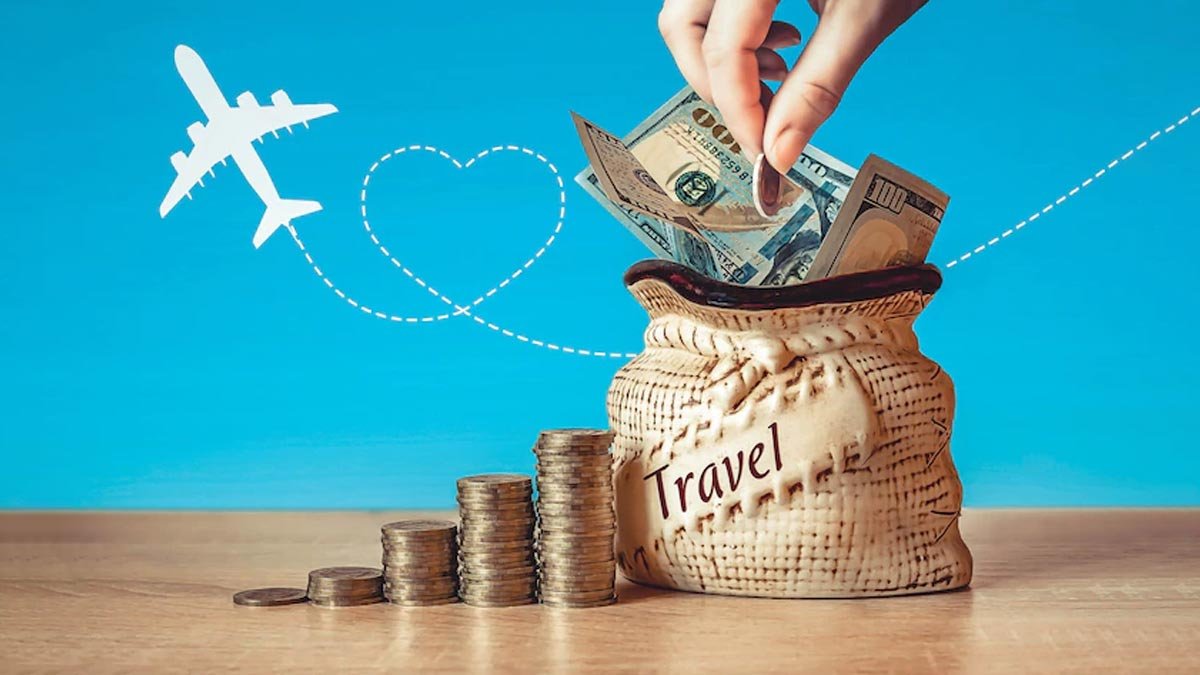
Traveling doesn’t have to mean draining your savings or compromising on quality. In fact, with smarter tools, flexible options, and a rising wave of slow and sustainable tourism, 2025 is the best year yet to explore the world without breaking the bank.
Why Budget Travel Is Booming:
- Rising costs of living have pushed travelers to seek better value destinations.
- Platforms like Skyscanner, Hopper, and Rome2Rio give price transparency like never before.
- Digital nomads and remote workers have normalized longer, slower, and more cost-efficient travel.
- Countries with weak currencies or visa-free access for many passports are gaining traction (e.g., Georgia, Vietnam, Mexico).
“Traveling cheap doesn’t mean missing out. It means choosing smarter, local, and more intentional experiences.”
In this guide, we’ll show you:
- How to save on flights, accommodations, and food without feeling deprived
- Tools and platforms that give you the upper hand
- How to find hidden-value destinations
- Real tips from experienced travelers and locals
Section 1: Why Traveling on a Budget in 2025 Is Smarter Than Ever
Travel used to be a luxury. Now, it’s a skill — and in 2025, budget travel isn’t just possible, it’s strategic. With inflation and airfare fluctuations, being smart about when, where, and how you travel can easily save you hundreds (or thousands) — without sacrificing comfort or fun.
What’s Driving the Budget Travel Movement in 2025?
- More tools = more power.
From flight trackers like Hopper to global itinerary planners like Rome2Rio, budget travelers now have more control and price transparency than ever before. - Remote work is normal now.
Working from a scenic beach in Albania or a café in Oaxaca is no longer just for digital nomads. Many full-time employees are choosing long-stay, low-cost travel to stretch their dollars and their PTO. - Sustainable tourism is on the rise.
People are choosing experiences over extravagance. Budget travel often supports local communities, slow tourism, and eco-conscious lodging — all while costing less. - Currencies and geo-arbitrage favor travelers.
Countries like Turkey, Indonesia, and Vietnam offer high-quality experiences at a fraction of the cost, especially for travelers coming from USD or EUR economies.
Budget Travel Isn’t About Being Cheap — It’s About Being Smart
This guide is about:
- Making your travel dollars go further
- Avoiding common tourist traps
- Choosing experiences that feel rich — even when they’re free
💬 “The goal isn’t just to spend less. It’s to travel better, longer, and more meaningfully.”
Section 2: When and Where to Travel for Maximum Savings
You don’t need to downgrade your trip — you just need to time it right and go where your money works harder. Choosing the right season and destination can cut your travel costs in half before you even pack your bags.
Travel During Shoulder Seasons (Not Peak Times)
The shoulder season is the sweet spot between peak crowds and low-season closures — giving you great weather, fewer tourists, and much lower prices.
| Region | Shoulder Season Months | Why It’s Cheaper |
| Europe | April–May & September–October | Fewer tourists, discounted hotels |
| Southeast Asia | May–early June & October | Post-monsoon/pre-tourist calm |
| USA & Canada | Late January–early March, late October | Post-holiday and pre-summer lull |
| South America | April–June & September | Avoids summer & holiday inflation |
🔎 Real Example: A round-trip flight from NYC to Paris in July 2025 can cost ~$1,000. Book it for early October? Under $500, often with better hotel deals too.
Destinations Where Your Dollar Stretches Further in 2025
Looking for safe, beautiful, and budget-friendly travel spots? Try these:
🇹🇷 Turkey
- Turkish Lira remains favorable for USD/EUR travelers.
- Cappadocia hot air balloon rides under $150.
- Street food like gözleme for less than $2.
🇻🇳 Vietnam
- $1-2 meals, $10 boutique hotels.
- Free attractions like Hanoi’s Old Quarter or Hoi An’s lantern-lit streets.
🇦🇱 Albania
- Europe’s hidden gem — beaches like Greece, prices like Southeast Asia.
- Budget-friendly coastal towns: Ksamil, Himara, Saranda.
🇲🇽 Oaxaca & Puebla, Mexico
- Deep culture, rich food scene, safe and affordable.
- Ideal for long stays or remote work setups.
🇺🇸 Midwest USA
- Kansas City, Milwaukee, Cincinnati: underrated and affordable.
- Great for families, foodies, and road trippers.
Section 3: How to Find Cheap Flights (Without Wasting Hours)
Scoring a cheap flight isn’t about luck — it’s about knowing where to look, when to book, and what tools to use. Here’s a proven, practical system for consistently finding low fares, even for international travel in 2025.
Use Flight Comparison Tools That Do the Work for You
Start your search with these smart, free tools that track fares, compare dates, and uncover error fares:
| Tool | Best For | Pro Tip |
| Google Flights | Flexible calendar search | Use “Explore” to discover low fares by region |
| Hopper | Predicting price drops | Set alerts and get notified when to book |
| Skyscanner | Cheapest month feature | Great for open-ended destinations |
| Going.com (formerly Scott’s Cheap Flights) | Hidden deals & mistake fares | Free & paid options available |
| Kayak Explore | Visual budget mapping | Shows deals based on max price filters |
Best Practices for Booking
- Book 6–8 weeks in advance for domestic flights, and 2–4 months for international.
- Fly on Tuesdays or Wednesdays — statistically the cheapest days of the week.
- Use private/incognito mode to avoid dynamic price increases based on search history.
- Be flexible with airports. A $100 bus or train ride could save you $400 on airfare.
Example: Flying into Brussels and taking a $30 train to Paris is often cheaper than flying directly to CDG.
Look for Budget Airlines (But Know the Rules)
Low-cost carriers like Spirit, Frontier, Ryanair, Wizz Air, Scoot, AirAsia, and VivaAerobus can save you big — but only if you play by their rules:
- Always read baggage policies (many charge for even a carry-on).
- Check-in online to avoid airport fees.
- Bring your own snacks and water.
- Factor in the cost of transport from secondary airports (like London Stansted vs. Heathrow).
Bonus Hack: Flight Alerts & Deal Newsletters
Set up alerts or subscribe to flight deal digests — they do the legwork for you. Some great options:
- Airfarewatchdog
- Secret Flying
- Thrifty Traveler
- The Flight Deal
- Google Flight Alerts
✉️ These newsletters often share glitch fares or short-term promo deals, which disappear quickly — so be ready to book when you see a great fare.
Section 4: How to Save Big on Accommodations Without Sacrificing Comfort
Flights may get you there, but where you sleep can make or break your travel budget — and your overall experience. The good news? You no longer need to choose between overpriced hotels or shady hostels. With the right strategy, you can find safe, clean, and even charming places to stay — on a budget.
Best Alternatives to Hotels (And How to Use Them Smartly)
| Option | Why It Saves You Money | Tips to Maximize It |
| Hostels | Cheapest nightly rates, often with free breakfast | Use Hostelworld, read reviews, consider private rooms |
| Airbnb / Vrbo | Ideal for longer stays, kitchens save food costs | Filter by “Entire place,” check cleaning fees and cancellation policies |
| Budget Hotel Sites | Last-minute deals & off-season pricing | Use Booking.com, Agoda, Hotwire |
| Couchsurfing | Free stay with locals, cultural exchange | Great for solo travelers open to social experiences — always check host reviews |
| House Sitting / Pet Sitting | Free stays in exchange for looking after a home or pet | Try TrustedHousesitters or MindMyHouse |
| Work Exchanges | Stay free while volunteering 4–5 hours/day | Explore Workaway, WWOOF, or Worldpackers |
Book Smarter, Not Just Cheaper
- Compare across platforms. Prices can vary drastically — use a metasearch engine (like Trivago or Kayak) to compare listings from multiple platforms.
- Avoid tourist traps. Booking a place 1–2 metro stops outside the main city center often gets you 30–50% off — with better local food.
- Use cashback & rewards. Sites like Rakuten and credit card travel portals offer cash back or points on accommodation bookings.
- Check for hidden fees. Cleaning fees, resort charges, and taxes can turn a $30/night stay into $60 — always review the total price before booking.
Bonus Hack: Stay Longer, Pay Less
The longer you stay, the better your nightly rate. Many hosts offer:
- Weekly discounts (5–15%)
- Monthly discounts (20–40%)
- Lower cleaning fees for extended bookings
💬 “I booked a 4-night stay in Split, Croatia — then realized I could stay 2 weeks for only $100 more. Easy choice.” — Real traveler, Reddit r/Shoestring
Section 5: Cheap Transportation Tips Once You’re on the Ground
Getting to your destination is only half the battle. Once you’re there, transportation can silently drain your budget — especially in cities where taxis, rental cars, or even metro rides can add up. But with the right mix of apps, strategy, and local know-how, you can navigate like a local — for less.
Use Public Transport Like a Pro
Public transportation is usually the cheapest, safest, and most authentic way to get around — especially in cities like Bangkok, Berlin, or Mexico City.
Pro Tips:
- Buy multi-day or tourist transport passes (they often include museum discounts too!)
- Use Google Maps, Moovit, or Citymapper to plan routes in real-time.
- Avoid peak rush hours when trains and buses are overcrowded — especially with luggage.
Example: In Lisbon, the Viva Viagem transport card costs under €7 for unlimited daily travel on metro, trams, and buses — and includes the historic tram 28 ride tourists usually pay extra for.
Walk More, See More (It’s Free)
Walking isn’t just budget-friendly — it’s the best way to experience a city’s vibe. You’ll find hidden cafés, quirky art, and off-the-map gems.
Budget-friendly walking tips:
- Join free walking tours via sites like GuruWalk or FreeTour.com — tip what you can.
- Download offline maps using apps like Maps.me or Google Maps “Offline Mode”.
- Prioritize walkable neighborhoods when choosing accommodations (e.g., Alfama in Lisbon, Old Town in Prague).
Rent a Bike or Scooter for Short Hops
In many cities, renting a bike or e-scooter is often cheaper (and faster) than transit or taxis.
Use apps like:
- Lime / Bird / Tier (for scooters)
- Nextbike / Donkey Republic / Beryl (for bikes)
Pro tip: Some hostels and hotels rent bikes for free or at deep discounts for guests — always ask at check-in!
Budget Car Rentals & Ridesharing
If you’re venturing outside cities or in rural areas:
- Use Discover Cars or Kayak to compare cheap rental car options.
- Choose local rental companies (they’re often cheaper than global brands).
- Look into car-sharing apps like BlaBlaCar (in Europe) or Turo (in the U.S.) for long-distance or one-way rides.
In Europe and Latin America, intercity buses are often more budget-friendly than trains. Check:
- FlixBus
- BlaBlaBus
- ALSA in Spain
💬 Real Tip from a Traveler:
“In Seoul, I got around entirely on foot and subway. A 5-day trip cost me under $10 in total transit. That’s less than one Uber ride back home.” – @budgetglobetrekker
Section 6: How to Eat Well on a Budget (Without Living on Instant Noodles)
You don’t have to give up great meals to stick to your budget. In fact, some of the best food experiences around the world cost less than $5 — if you know where (and how) to look. Budget travel is about eating smart, not eating less.
1. Eat Where Locals Eat — Not Where the Tourists Sit
Forget overpriced restaurants in city centers with multi-language menus. Instead:
- Look for busy spots filled with locals, even if the sign is faded or it’s just a street stall.
- Use apps like Google Reviews, TheFork, and HappyCow to scout highly-rated cheap eats.
- Walk a few blocks away from main squares or monuments — even 10 minutes away can cut the price in half.
Example: In Rome, a slice of pizza near the Colosseum can be €7. In Trastevere or Testaccio? Less than €3 — and better quality.
2. Embrace Street Food (It’s Delicious and Safe)
Street food is not only the cheapest way to eat — it’s often the most authentic and memorable.
Must-try street food scenes:
- Bangkok – Pad Thai, mango sticky rice, skewers (under $2/meal)
- Istanbul – Simit, doner kebabs, Turkish tea
- Mexico City – Tacos al pastor, tlacoyos, tamales
- Hanoi – Bún chả, egg coffee, fresh spring rolls
Safety Tip: Eat at stalls with:
- High turnover (fresh food!)
- Locals waiting in line
- Prepped-to-order meals
3. Shop Local Markets & Cook Your Own Meals
If your accommodation has a kitchen or kitchenette:
- Visit local produce markets and supermarkets for fresh ingredients
- Try cooking 1 meal per day — even simple breakfasts or snacks can save a lot
- Local ingredients also make great souvenirs (like spices, pasta, or dried fruits)
💰 Bonus: Cooking for yourself can cut your food costs by up to 60%.
4. Know the Lunch Trick
In many countries, lunch is way cheaper than dinner — and just as filling.
Try the local:
- Set lunch menus (menú del día) in Spain or Latin America
- Bento box deals in Japan
- “Blue plate specials” or rotating menus in U.S. diners
- Worker’s menus in Portugal and Greece — 3 courses for €5–8
5. Drink Smarter
- Bring a refillable water bottle — use refill stations or your hostel’s water tank
- Buy alcohol at supermarkets instead of bars
- Choose happy hours if you want to try local drinks affordably
- Skip bottled sodas at restaurants — they often cost more than a full meal!
💬 Real Tip:
“In Oaxaca, I lived off 50-cent tamales, $1 tlayudas, and fruit from the mercado. Best meals of my life — for under $10 a day.” – @solofoodiebackpacker
Section 7: Budget-Friendly Activities That Are Still Incredible
Think you have to spend big to have memorable travel experiences? Think again. Some of the most enriching and unforgettable things to do are 100% free — or cost just a few bucks. With the right mindset and research, you can fill your itinerary with culture, adventure, and local charm without going broke.
1. Take Advantage of Free Museum Days
Many world-class museums offer free or discounted admission on certain days each month:
- The Louvre (Paris) – Free first Friday of the month (evening hours)
- Museo del Prado (Madrid) – Free daily from 6–8 PM
- Chicago’s Museums – Free days for IL residents (check Choose Chicago)
- National Museum of Korea (Seoul) – Always free
Pro Tip: Check local tourism boards or museum websites for free entry schedules and cultural passes.
2. Join Free Walking Tours
Free walking tours are a goldmine for budget travelers — led by passionate locals, these tours are informative, fun, and tip-based, so you decide what to pay.
Popular platforms:
- GuruWalk
- FreeTour.com
- Hostel bulletin boards often list local meetups too
Bonus: Prefer solo exploring? Use apps like VoiceMap or Rick Steves Audio Europe for free self-guided walking tours.
3. Explore Nature (It’s Free Therapy)
You don’t need a tour guide to experience natural beauty — and national parks, city gardens, riverside trails, and free viewpoints are often more rewarding than commercial tours.
Examples:
- Table Mountain hike in Cape Town (free if you walk)
- Arthur’s Seat in Edinburgh
- Free beaches in Greece, Thailand, or the Philippines
- Waterfall hikes in Bali or Costa Rica
Use apps like AllTrails, Komoot, or Maps.me for trail maps and user reviews.
4. Attend Local Events & Festivals
Every city has its own rhythm — and local festivals, parades, and street fairs are usually free to enjoy.
What to look for:
- Night markets (Southeast Asia)
- Food truck festivals (North America)
- Open-air concerts (Europe in summer)
- Religious or cultural parades (India, Latin America)
Check Facebook Events, local Reddit threads, or tourist info centers to see what’s happening during your visit.
5. Visit Public Art & Architecture
Cities like Berlin, Buenos Aires, and Melbourne are outdoor art galleries — filled with street murals, sculptures, and architectural wonders.
🖼️ Free art moments:
- Wynwood Walls (Miami) – Many walls around the area are free to view
- East Side Gallery (Berlin) – A preserved portion of the Berlin Wall turned into a mural showcase
- Gaudí’s architecture in Barcelona – Walk by Casa Batlló or Park Güell (free outer views)
💬 Real Tip from a Traveler:
“In Mexico City, I skipped pricey tours and just explored neighborhoods on foot — Roma, Coyoacán, and Centro were museums in themselves. Spent $0 and learned more than any guide could teach.” — @urbanadventureseeker
Section 8: Smart Ways to Travel Longer for Less (Slow Travel Tips)
Want to see more of the world without burning through your savings? The secret isn’t faster travel — it’s slower travel. When you stay longer in one place, not only do you get deeper experiences — but you also spend less per day. Here’s how to stretch your trip and your budget.
1. Choose Affordable Base Cities
Make a budget-friendly city your hub and explore nearby places using day trips or short connections. This cuts down on transport and accommodation costs.
Great slow-travel base cities:
- Chiang Mai, Thailand – Digital nomad haven with low rent, markets, and nearby nature
- Medellín, Colombia – Spring weather year-round, great metro system, low cost of living
- Kraków, Poland – Affordable food, beautiful old town, day trips to Zakopane & Auschwitz
- Tbilisi, Georgia – Visa-free for many, booming expat scene, $3 meals
2. Negotiate Monthly Rentals
Most Airbnb hosts and guesthouses offer steep discounts for longer stays (2+ weeks or a full month). Plus, you’ll often get added perks:
- Lower nightly rates (up to 50% off)
- Free cleaning, laundry, or utilities
- Kitchen access (saving you even more on food)
💬 “I paid $280/month for a full apartment in Albania with sea views and Wi-Fi — cheaper than my rent back home for a week.” – Reddit, r/TravelHacks
3. Try Volunteering or Work Exchanges
Work a few hours a day in exchange for free room and board — and cultural immersion.
Top platforms:
- Workaway – Teach English, help on farms, assist with hostels
- Worldpackers – Verified hosts with travel insurance
- WWOOF – Farm stays in exchange for work
💡 Most hosts expect 15–25 hours/week of help in exchange for housing — sometimes meals too.
4. Use Remote Work to Fund Long-Term Travel
With remote jobs and freelance gigs on the rise, you can earn and travel — without having to return home to “reset.”
- Try platforms like Upwork, Fiverr, or Toptal
- Use co-working hostels and cafés with fast Wi-Fi
- Join digital nomad Facebook groups or forums (e.g. Nomad List)
Pro Tip: Countries like Portugal, Georgia, Indonesia, and Croatia now offer digital nomad visas for long stays.
5. Embrace the “Stay Longer, Spend Less” Mindset
- Slow travel means fewer transportation costs
- You develop routines = fewer impulse purchases
- Local friends = insider tips, home-cooked meals, and free experiences
Slow travel is budget travel done right. You’re not missing out — you’re digging deeper.
Section 9: Tools and Apps Every Budget Traveler Should Have
The difference between overpaying and outsmarting the system often comes down to the apps and tools you use. Here’s a curated list of essential digital companions that help you save money, stay safe, and travel smarter — all from your smartphone.
Flight Deals & Travel Alerts
- Google Flights: Flexible date searching + price tracking
- Hopper: Tells you when to book and when to wait
- Skyscanner: “Everywhere” search feature is perfect for flexible travelers
- Going: (formerly Scott’s Cheap Flights) – Get email alerts for mistake fares
Pro Tip: Set multiple alerts and be flexible with airports to score sub-$300 international round trips.
Accommodations & Alternatives
- Booking.com: Filters for free cancellation and no prepayment
- Hostelworld: Reviews and cheap hostels with verified photos
- TrustedHousesitters: Free accommodation in exchange for pet care
- Couchsurfing: Connect with locals offering free stays
Navigation & Local Discovery
- Google Maps: Offline mode for navigating without data
- Maps.me: Offline hiking and walking routes — great for trails
- Rome2Rio: Shows all transport options between two points
- Moovit: Local transit schedules and alerts in 100+ countries
Budgeting & Currency
- XE Currency: Live exchange rates and offline calculator
- Trail Wallet: Expense tracking tailored to travelers
- Splitwise: Ideal for trips with friends — split bills fairly
Communication & Wi-Fi
- Airalo: eSIMs for affordable data in 190+ countries
- WhatsApp: Global messaging and voice calls over Wi-Fi
- Speedtest: Check Wi-Fi before booking or working remotely
Bonus: Experiences & Local Tours
- GuruWalk and FreeTour.com: Find local walking tours for free or tips
- Withlocals: Personal tours and food experiences
- EatWith: Book home-cooked meals with locals around the world
🧠 Remember: A few minutes spent on the right app can save you hours of frustration and hundreds of dollars. Make these part of your travel routine and you’ll always stay ahead of the game.
Section 10: Real-World Itinerary Examples – 3 Budget-Friendly Trips You Can Copy
Theory is great — but let’s look at how real travelers stretch $500–$1,000 into unforgettable experiences across different parts of the world. These sample itineraries include transportation, accommodations, meals, and fun — and prove that smart planning = big savings.
1. One-Week Europe Adventure: Budapest, Vienna & Bratislava
Total Budget: ~$650 (flights not included)
Why it works: All three cities are close together (2–3 hours by train/bus), affordable, and rich in culture.
Sample Itinerary:
- Days 1–3: Budapest, Hungary
- Free walking tour, soak in Széchenyi Baths (~$20), explore ruin bars
- Stay in a private room in a central hostel (~$25/night)
- Free walking tour, soak in Széchenyi Baths (~$20), explore ruin bars
- Day 4: Vienna, Austria
- Day trip via Flixbus (~$10)
- Visit Schönbrunn Gardens (free), Naschmarkt for cheap eats
- Day trip via Flixbus (~$10)
- Days 5–7: Bratislava, Slovakia
- Hike to Bratislava Castle, Old Town wander, street food
- Stay at a guesthouse (~$20/night)
- Hike to Bratislava Castle, Old Town wander, street food
💡 Budget Breakdown:
- Accommodations: $160
- Food: $140 (groceries + street food)
- Transport (buses + metro): $50
- Activities & extras: $100
- Buffer: $200
📝 Resources:
- FlixBus for intercity buses
- Booking.com for affordable stays
- Rome2Rio for transit logistics
2. 10 Days in Southeast Asia: Thailand Island Hopping
Total Budget: ~$750 (excluding international flight)
Why it works: Thailand offers exceptional value, even for luxury experiences.
Sample Itinerary:
- Days 1–3: Bangkok
- Street food tour ($2 meals), Grand Palace (~$12), free temple visits
- Stay in a capsule hostel ($15/night)
- Street food tour ($2 meals), Grand Palace (~$12), free temple visits
- Days 4–7: Krabi or Koh Lanta
- Bus + ferry combo (~$25), beach time, scooter rental ($8/day)
- Snorkeling trip (~$20–30)
- Bus + ferry combo (~$25), beach time, scooter rental ($8/day)
- Days 8–10: Chiang Mai
- Overnight train ($30), free local temples, elephant sanctuary visit (~$45)
- Stay at a guesthouse ($12/night)
- Overnight train ($30), free local temples, elephant sanctuary visit (~$45)
Budget Breakdown:
- Accommodations: $120
- Food: $100
- Transportation: $150
- Activities: $180
- Buffer + shopping: $200
Resources:
- 12Go Asia for bus, train, and ferry tickets
- Agoda for local stays
🇺🇸 3. 5-Day U.S. City Break: Denver on a Dime
Total Budget: ~$450 (excluding airfare)
Why it works: Denver offers nature, culture, and affordability in one place — ideal for short, budget-conscious trips.
Sample Itinerary:
- Day 1: Arrive + explore RiNo Art District
- Day 2: Hike Red Rocks Park (free), pack your own lunch
- Day 3: Denver Museum of Nature & Science (free with city pass)
- Day 4: Day trip to Boulder ($5 bus) + Pearl Street
- Day 5: Relax in Cheesman Park + local brewery tour
Budget Breakdown:
- Hostel or Airbnb stay: $180 ($36/night)
- City pass: $45
- Public transport: $25
- Food: $100
- Extras + tips: $100
Resources:
- Denver.org for events and free attractions
- Go City Pass for museum and attraction bundles
Final Thought
Budget travel doesn’t mean cutting corners — it means getting creative, staying curious, and prioritizing experiences over luxuries. With the right tools, strategies, and mindset, you can explore more of the world — and spend less doing it.
If you’re ready to travel smarter and further than ever before, let this guide be your first step.