Best Island to Visit in Hawaii for First-Time Visitors
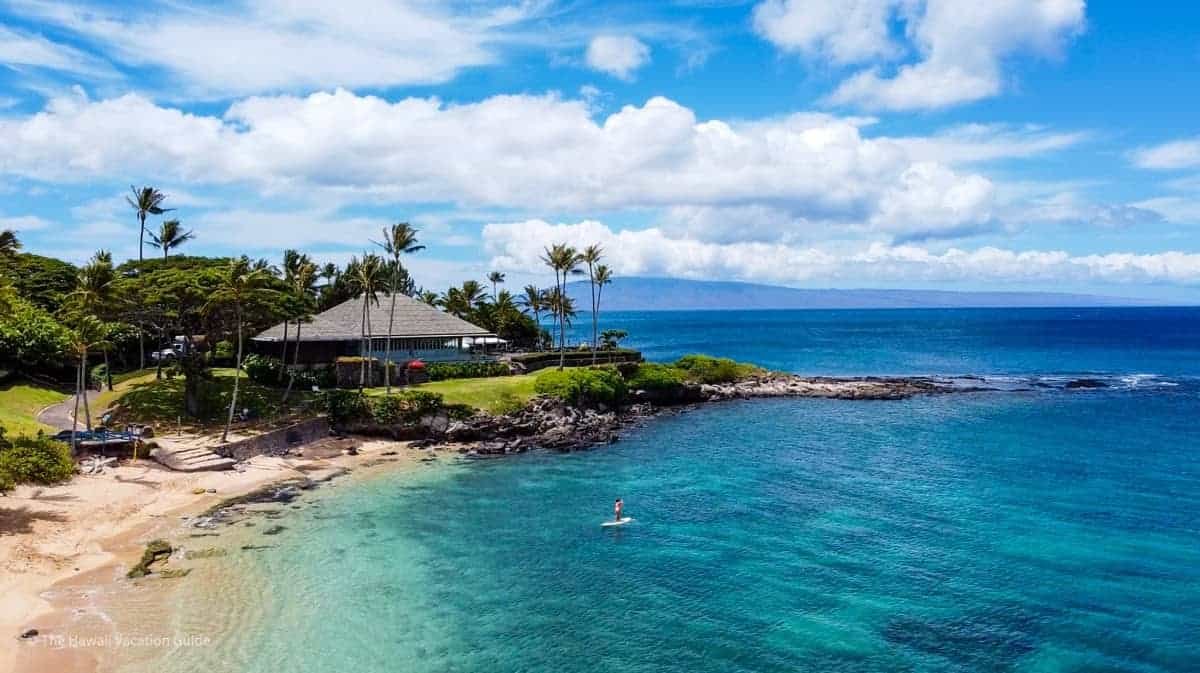
For many travelers, visiting Hawaii is the realization of a lifelong dream.
With its emerald-green mountains, turquoise waters, and aloha spirit, Hawaii feels like both a tropical paradise and a cultural experience unlike anywhere else in the United States.
Yet for first-time visitors, one question quickly arises: Which island should I visit first?
Hawaii isn’t a single destination but a collection of islands, each with its own character, landscapes, and rhythms of life.
Oahu buzzes with city energy and famous beaches, Maui dazzles with romantic scenery and luxury resorts, the Big Island promises volcanic adventures and starry skies, while Kauai offers lush jungles and unspoiled tranquility.
Then there are Moloka‘i and Lanai, less-traveled gems that provide an authentic or exclusive side of Hawaii.
Choosing the right island can shape your entire first experience. Pick Oahu, and you’ll get history, nightlife, and convenience.
Opt for Kauai, and your days will be filled with hiking trails, waterfalls, and quiet beaches.
Each island tells a different story, so understanding what makes them unique helps ensure your first trip is unforgettable for the right reasons.
This guide breaks down Hawaii’s major islands one by one, weighing their strengths and weaknesses, and then helps you match the right island to your travel style — whether you’re planning a family vacation, a romantic honeymoon, or an adventure-packed getaway.
By the end, you’ll have a clear sense of not only where to go, but also why that island is the best fit for you.
1. Quick Geography: Hawaii at a Glance
Hawaii is the only U.S. state made entirely of islands, located in the heart of the Pacific Ocean about 2,500 miles from California.
This geographic isolation is part of what makes Hawaii so unique — it has developed its own culture, ecosystems, and pace of life, all influenced by both Polynesian traditions and its history as America’s 50th state.
The Hawaiian archipelago is made up of 137 islands, but only a handful are accessible to travelers.
The four major islands that attract most visitors are:
- Oahu – Home to Honolulu, Waikiki Beach, and Pearl Harbor
- Maui – Known for scenic drives, luxury resorts, and whale watching
- Hawai‘i Island (The Big Island) – Famous for its active volcanoes and diverse landscapes
- Kauai – Nicknamed “The Garden Isle” for its lush greenery and dramatic cliffs
In addition, there are two smaller, less-visited islands:
- Moloka‘i – Known for its authentic Hawaiian culture and slower pace
- Lanai – A blend of rugged backcountry and upscale seclusion, with just a few luxury resorts
Traveling between islands typically requires a short flight (30–50 minutes), though many first-time visitors stick to one island to maximize their time.
Each island feels like its own mini world — with unique scenery, activities, and even microclimates — which is why choosing wisely is so important for your first Hawaiian adventure.
2. Overview of Hawaii’s Main Islands
Hawaii isn’t a one-size-fits-all destination — each island offers a distinct personality, landscape, and type of experience.
Before we dive into detailed breakdowns, here’s a quick snapshot of the main islands first-time visitors should consider:
Oahu – The Gathering Place
The most visited island, Oahu blends city life with iconic natural beauty.
It’s home to Honolulu, Waikiki Beach, Pearl Harbor, and the famous North Shore surf scene.
If you want a little bit of everything — beaches, nightlife, history, shopping, and culture — Oahu delivers.
Maui – The Valley Isle
Often ranked among the most beautiful islands in the world, Maui is known for the Road to Hana, sunrise at Haleakalā, and world-class resorts.
It’s a favorite for couples and families who want stunning scenery without sacrificing comfort and luxury.
Hawai‘i Island (The Big Island)
The largest of all the Hawaiian Islands, the Big Island is an adventure paradise.
With active volcanoes, black sand beaches, lush rainforests, and snow-capped mountains, it’s a land of contrasts.
Perfect for travelers who want diversity and outdoor exploration.
Kauai – The Garden Isle
Kauai is the oldest and greenest of the main islands, filled with waterfalls, canyons, and dramatic cliffs.
The Na Pali Coast and Waimea Canyon are natural wonders you won’t forget.
It’s less developed than Oahu or Maui, making it ideal for peace seekers and nature lovers.
Moloka‘i – The Friendly Isle
Moloka‘i offers a glimpse of old Hawaii, with fewer tourists and strong cultural traditions.
Life here moves at a slower pace, with small towns, unspoiled beaches, and authentic Hawaiian communities.
Lanai – The Pineapple Isle
Once dominated by pineapple plantations, Lanai today is a mix of rugged terrain and ultra-luxury.
With just one main town and a couple of high-end resorts, it’s a retreat for those who want seclusion and exclusivity.
3. Oahu – The Gateway to Hawaii
For most first-time visitors, Oahu is the island that sets the stage for their Hawaiian adventure.
Nicknamed “The Gathering Place”, Oahu is home to nearly two-thirds of Hawaii’s population and serves as the state’s hub for business, culture, and tourism.
Honolulu, the state capital, is located here, and it’s where most international and mainland U.S. flights land — making it the most convenient entry point for new travelers.
What Makes Oahu Special?
Oahu is the island of balance. It offers a little bit of everything — golden beaches, city nightlife, historic landmarks, hiking trails, and a strong sense of Hawaiian culture.
This variety makes it a great starting point for those who want a broad introduction to Hawaii without feeling limited to just one type of experience.
Must-See Highlights on Oahu
- Waikiki Beach – One of the most famous beaches in the world, perfect for swimming, beginner surfing, and enjoying lively boardwalks lined with restaurants and shops.
- Diamond Head Crater – An iconic hike that rewards visitors with panoramic views of Honolulu and the Pacific Ocean.
- Pearl Harbor National Memorial – A moving historical site that tells the story of the events of December 7, 1941.
- North Shore – Legendary for its massive winter waves and professional surfing competitions, but also home to laid-back beach towns and shrimp trucks.
- Hanauma Bay Nature Preserve – A stunning marine sanctuary ideal for snorkeling among vibrant coral reefs.
The Vibe of Oahu
Unlike some of the quieter islands, Oahu has an energetic and diverse vibe.
In Honolulu and Waikiki, you’ll find luxury resorts, bustling nightlife, shopping malls, and world-class dining.
But drive just 30 minutes in any direction, and you’ll discover small surf towns, scenic hikes, and pristine coastlines that feel far removed from city life.
For first-time travelers who want both excitement and relaxation, Oahu provides an excellent balance.
It’s also one of the most affordable islands in terms of flight accessibility and lodging variety, making it an easy choice for many visitors.
4. Pros & Cons of Visiting Oahu
Like any destination, Oahu comes with both advantages and drawbacks.
For first-time visitors, weighing these factors can help you decide if it’s the best match for your travel style.
Pros of Visiting Oahu
- Convenient Access – Honolulu International Airport (HNL) is Hawaii’s main gateway, with the most frequent and often cheapest flights from the mainland U.S. and international destinations.
- Diverse Experiences – From historic Pearl Harbor to trendy Waikiki nightlife, from surfing lessons to mountain hikes, Oahu offers a little of everything.
- Great for First-Timers – Oahu provides a well-rounded introduction to Hawaiian culture, food, history, and natural beauty — ideal if you only have one island to visit.
- Budget-Friendly Options – Compared to other islands, Oahu has the widest range of accommodations, from luxury resorts to affordable hotels and vacation rentals.
- Public Transportation – Unlike other islands where renting a car is essential, Oahu has public buses and shuttles, especially useful in Honolulu and Waikiki.
Cons of Visiting Oahu
- Crowds & Tourism Density – Waikiki and Honolulu can feel very busy, especially during peak travel seasons. For some travelers, this may diminish the “island escape” vibe.
- Urban Atmosphere – Parts of Honolulu feel like a big city — with traffic, high-rises, and commercial zones — which may not match what travelers expect from a tropical paradise.
- Less Seclusion – While Oahu does have hidden beaches and quiet trails, they require effort to find. If solitude is your goal, another island may be better.
- Commercialization – With its popularity comes commercialization. Some areas feel more tourist-oriented than authentically Hawaiian.
Bottom Line on Oahu
Oahu is the perfect choice for first-time travelers who want an easy introduction to Hawaii, plenty of activities, and a balance of culture, history, nightlife, and natural beauty.
However, if you’re craving total seclusion or a more “wild” island vibe, you may want to consider Kauai or the Big Island instead.
5. Maui – The Valley Isle of Scenic Beauty
If Oahu is Hawaii’s energetic hub, Maui is its romantic, scenic escape.
Nicknamed “The Valley Isle” because of the lush valley between its two volcanic mountain ranges, Maui is the second most visited island after Oahu and is often considered the ideal destination for honeymooners, couples, and families seeking both adventure and relaxation.
What Makes Maui Special?
Maui combines jaw-dropping natural beauty with a more relaxed, upscale atmosphere compared to Oahu.
It’s the island where travelers come to slow down, soak in the scenery, and indulge in some of Hawaii’s best resorts and dining.
At the same time, it offers thrilling outdoor experiences — from epic drives to world-class snorkeling.
Must-See Highlights on Maui
- The Road to Hana – A legendary scenic drive with waterfalls, black sand beaches, and lush rainforest views.
- Haleakalā National Park – Home to a dormant volcano where visitors can watch a sunrise above the clouds at over 10,000 feet.
- Whale Watching (December–April) – Maui is one of the best places in the world to spot humpback whales during migration season.
- Molokini Crater – A crescent-shaped volcanic crater offering some of Hawaii’s clearest snorkeling and diving waters.
- Lahaina & Kaʻanapali Beach – A historic town and nearby golden beaches known for resorts, shopping, and oceanfront dining.
The Vibe of Maui
Maui is often described as the perfect blend of luxury and laid-back charm.
You’ll find five-star resorts in Wailea, family-friendly accommodations in Kaʻanapali, and small-town vibes in places like Paia and Makawao.
The pace of life is slower than Oahu, and the scenery feels more dramatic — with winding coastal roads, towering cliffs, and miles of pristine beaches.
For first-time visitors who want to experience Hawaii’s natural beauty in a more serene and polished setting, Maui is an unforgettable choice.
6. Pros & Cons of Visiting Maui
Maui is often called the “best of both worlds” because it blends natural beauty with modern comforts.
But like every island, it has its strengths and drawbacks that first-time visitors should consider.
Pros of Visiting Maui
- Scenic Diversity – From volcanic peaks to lush waterfalls and golden beaches, Maui delivers postcard-worthy views at every turn.
- Romantic Atmosphere – With luxury resorts, fine dining, and stunning sunsets, Maui is a top choice for honeymooners and couples.
- Outdoor Adventures – The Road to Hana, whale watching, and snorkeling at Molokini Crater are unforgettable experiences.
- Family-Friendly Resorts – Areas like Kaʻanapali offer resorts with pools, kids’ activities, and calm beaches suitable for families.
- Less Crowded Than Oahu – While still popular, Maui feels more spread out and relaxed compared to the bustle of Honolulu and Waikiki.
Cons of Visiting Maui
- Higher Costs – Resorts, dining, and activities in Maui tend to be pricier, especially in Wailea and other luxury areas.
- Limited Nightlife – Unlike Oahu, Maui doesn’t have a strong nightlife scene. Even Lahaina (before the 2023 wildfires) was more about casual evenings than vibrant clubs.
- Traffic on Scenic Routes – Popular attractions like the Road to Hana can feel congested during peak travel times.
- Tourism-Heavy Areas – Some parts of Maui, particularly resort zones, may feel more polished and tourist-oriented than authentically Hawaiian.
Bottom Line on Maui
Maui is perfect for travelers who want to relax in comfort, enjoy world-class scenery, and balance adventure with luxury.
It may not suit those seeking budget travel or lively nightlife, but for first-timers who want romance, family fun, or breathtaking landscapes, Maui is hard to beat.
7. Big Island (Hawai‘i) – Adventure and Diversity
The island of Hawai‘i, commonly called the Big Island, is the youngest and largest of the Hawaiian Islands — bigger than all the others combined.
Its massive size gives it an unmatched variety of landscapes: fiery volcanoes, snow-dusted peaks, lush rainforests, rolling pastures, and both black and green sand beaches.
What Makes the Big Island Special?
If you’re looking for adventure and diversity, the Big Island delivers in ways no other Hawaiian island can.
It’s the only place in the U.S. where you can witness active lava flows (depending on volcanic activity), explore dramatically different climates in a single day, and stargaze from one of the world’s best observatories at Mauna Kea.
Must-See Highlights on the Big Island
- Hawai‘i Volcanoes National Park – A UNESCO World Heritage Site where you can explore lava tubes, craters, and sometimes even glowing lava flows.
- Mauna Kea Summit – Rising nearly 14,000 feet above sea level, it’s the tallest mountain in Hawaii and one of the world’s top stargazing spots.
- Punaluʻu Black Sand Beach – Famous for its jet-black volcanic sand and Hawaiian green sea turtles basking on the shore.
- Akaka Falls & Rainbow Falls – Two of the island’s most spectacular waterfalls.
- Kona Coffee Country – The Big Island is world-renowned for its rich, flavorful Kona coffee.
The Vibe of the Big Island
The Big Island feels wild, expansive, and untamed compared to Oahu or Maui.
Driving across the island, you’ll pass through lava fields, ranch lands, lush rainforests, and coastal towns.
It’s less developed in many areas, giving travelers a sense of raw adventure and discovery.
For first-time visitors who want to experience a side of Hawaii that’s both rugged and diverse, the Big Island is unmatched.
8. Pros & Cons of Visiting the Big Island
The Big Island is unlike any other destination in Hawaii.
Its vast size and natural diversity make it a paradise for adventure seekers, but it also comes with some challenges that first-time travelers should know.
Pros of Visiting the Big Island
- Unmatched Diversity of Landscapes – From volcanoes to snow-capped peaks and rainforests to deserts, the Big Island offers the most geographic variety of any Hawaiian island.
- Volcanic Wonders – Hawai‘i Volcanoes National Park is a bucket-list destination where visitors can see craters, lava tubes, and — if conditions allow — flowing lava.
- Less Crowded – The island’s large size means it rarely feels congested, even in popular areas. You’ll often find beaches and trails with plenty of space to yourself.
- Outdoor Adventure Paradise – Perfect for hiking, snorkeling, diving with manta rays, stargazing, and exploring unique ecosystems.
- Authentic Local Culture – The Big Island has strong ties to Hawaiian traditions, small farming communities, and fewer high-rise developments compared to Oahu or Maui.
Cons of Visiting the Big Island
- Long Driving Distances – Attractions are spread far apart, often requiring hours of driving. It’s not an island where you can “see it all” in a few days.
- Limited Nightlife – With the exception of Kona’s small bar scene, nightlife is minimal. This is an island built for early mornings and outdoor exploration.
- Weather Variability – The Big Island has multiple climate zones, which means sudden rain showers or temperature changes are common.
- Fewer White Sand Beaches – While it has unique black and green sand beaches, the classic postcard-style beaches are less common than on Maui or Oahu.
- Accessibility Challenges – Some of the best spots (like Mauna Kea summit or remote lava fields) require guided tours or 4WD vehicles.
Bottom Line on the Big Island
The Big Island is best suited for travelers who want adventure, exploration, and variety over resort luxury or city excitement.
It’s not the easiest island for first-timers with limited time, but for those craving something bold and unforgettable, it’s a top contender.
9. Kauai – The Garden Isle of Serenity
If Hawaii is paradise, Kauai is the version untouched by time.
Known as “The Garden Isle”, Kauai is the oldest of the main Hawaiian islands and perhaps the most naturally stunning.
With its lush rainforests, towering sea cliffs, hidden waterfalls, and emerald valleys, it offers a raw beauty that feels worlds apart from the busier islands.
What Makes Kauai Special?
Kauai is Hawaii’s most unspoiled and tranquil island. Roughly 70% of the island is inaccessible by road, leaving much of its beauty to be discovered through hiking, boat tours, or helicopter rides.
This wildness makes Kauai a haven for nature lovers, hikers, and anyone seeking peace away from crowds.
Must-See Highlights on Kauai
- Na Pali Coast – A dramatic stretch of cliffs rising 4,000 feet above the Pacific, best viewed by boat, kayak, or helicopter.
- Waimea Canyon – Often called the “Grand Canyon of the Pacific,” this massive gorge is filled with vibrant red and green landscapes.
- Hanalei Bay – A crescent-shaped bay with calm waters in summer, perfect for swimming and paddleboarding.
- Wailua River & Fern Grotto – A lush river valley where boat tours showcase waterfalls and tropical scenery.
- Poipu Beach – A family-friendly beach on the sunnier south shore, ideal for snorkeling and spotting monk seals.
The Vibe of Kauai
Kauai has a quiet, small-town charm that makes it feel like true Hawaii.
There are no sprawling cities or towering skylines here — just small communities, local shops, and breathtaking natural backdrops.
Nightlife is almost nonexistent, and the island prioritizes conservation over commercialization.
For first-time visitors who want to experience Hawaii’s raw beauty, outdoor adventures, and slower pace of life, Kauai is an incredible choice.
10. Pros & Cons of Visiting Kauai
Kauai is a favorite for travelers who want to immerse themselves in nature and escape the busier, more commercialized islands.
But with its rugged beauty also come some trade-offs that first-time visitors should consider.
Pros of Visiting Kauai
- Unmatched Natural Beauty – From the Na Pali Coast to Waimea Canyon, Kauai offers some of the most spectacular scenery in all of Hawaii.
- Outdoor Adventure – Hiking, kayaking, snorkeling, and helicopter tours make it an outdoor enthusiast’s paradise.
- Laid-Back Atmosphere – Kauai has a quiet, rural charm with small towns and fewer crowds, offering a truly relaxing vibe.
- Less Commercialization – Compared to Oahu and Maui, Kauai feels more authentic, with limited development and a strong connection to nature.
- Wildlife Encounters – It’s common to spot Hawaiian monk seals, sea turtles, and even humpback whales (seasonal) around the island.
Cons of Visiting Kauai
- Limited Nightlife – Aside from a few local bars and restaurants, nightlife is virtually nonexistent. This isn’t the place for party seekers.
- Fewer Luxury Resorts – While there are upscale options, Kauai has fewer high-end resorts compared to Maui or Oahu.
- Rainy Weather – The island’s lush beauty comes at a cost — Kauai is the wettest Hawaiian island, especially on the north shore.
- Remote Accessibility – Many of the island’s most stunning sights (like parts of the Na Pali Coast) can only be reached by boat, helicopter, or strenuous hikes.
- Higher Costs for Activities – Because some natural attractions require tours (boat rides, helicopters), experiencing Kauai fully can get expensive.
Bottom Line on Kauai
Kauai is the best choice for first-time visitors seeking tranquility, natural wonders, and outdoor adventure over nightlife or luxury.
If your dream Hawaiian trip is filled with waterfalls, dramatic coastlines, and unspoiled landscapes, Kauai will leave a lasting impression.
11. Moloka‘i – Hawaii’s Cultural Heartbeat
If you’re looking for the most authentic and traditional Hawaiian experience, Moloka‘i is the island that stays truest to its roots.
Known as “The Friendly Isle”, Moloka‘i has resisted large-scale tourism and development, preserving its strong Hawaiian culture and slower way of life.
What Makes Moloka‘i Special?
Moloka‘i feels like stepping back in time.
There are no big resorts, flashy nightlife, or crowded tourist attractions. Instead, you’ll find small local communities, untouched landscapes, and deep cultural traditions passed down through generations.
It’s an island where aloha isn’t a marketing slogan — it’s a lived way of life.
Must-See Highlights on Moloka‘i
- Kalaupapa National Historical Park – A remote and moving site once home to a Hansen’s disease (leprosy) settlement, accessible by mule ride or hiking trail.
- Halawa Valley – One of the island’s oldest inhabited areas, rich in history and culture, with guided hikes to waterfalls led by local families.
- Papohaku Beach – A three-mile stretch of golden sand that is often nearly empty.
- Moloka‘i Sea Cliffs – Some of the tallest sea cliffs in the world, best viewed by boat or plane.
The Vibe of Moloka‘i
Moloka‘i is the antithesis of commercial tourism.
Life here moves slowly, and visitors are encouraged to embrace community values, respect traditions, and immerse themselves in the real Hawaii.
It’s an island where you wave to strangers on the road, support local businesses, and enjoy simple pleasures like fishing, farming, and storytelling.
For first-time visitors who want a deeply cultural, off-the-beaten-path Hawaiian experience, Moloka‘i provides something truly special — but it’s not for everyone.
Travelers seeking luxury, convenience, or nightlife may feel out of place here.
12. Lanai – Luxury and Seclusion
If Moloka‘i represents Hawaii’s cultural heart, then Lanai is its exclusive retreat.
Nicknamed “The Pineapple Isle” because of its history as a Dole pineapple plantation, Lanai today is a mix of rugged backcountry and upscale luxury, making it a fascinating option for travelers who want privacy and elegance.
What Makes Lanai Special?
Lanai is home to only about 3,000 residents and has just one main town, Lanai City.
The island is largely undeveloped, with dirt roads leading to secluded beaches and dramatic cliffs.
At the same time, it’s known for its ultra-luxury resorts, including two world-renowned Four Seasons properties, which attract celebrities and high-end travelers seeking quiet indulgence.
Must-See Highlights on Lanai
- Hulopoʻe Bay – A marine reserve with crystal-clear waters, perfect for snorkeling and spotting dolphins.
- Shipwreck Beach – A remote stretch of sand dotted with rusting shipwrecks, accessible only by 4WD.
- Garden of the Gods (Keahiakawelo) – A surreal landscape of red rock formations that looks more like Mars than Hawaii.
- Polihua Beach – A vast, often deserted beach with sweeping views of Moloka‘i.
The Vibe of Lanai
Lanai offers two very different experiences: upscale luxury and rugged adventure.
Stay at one of the Four Seasons resorts, and you’ll be pampered with world-class dining, golf courses, and spa treatments.
Venture out into the wild backcountry, and you’ll find dirt roads, dramatic landscapes, and quiet beaches with almost no one around.
For first-time visitors who want a private, secluded Hawaiian escape with top-tier luxury, Lanai is unmatched.
However, it’s not as practical for budget travelers or those who want a wide variety of activities in a single trip.
13. Which Island is Best for First-Time Visitors? (Quick Comparison)
Choosing the best island for your first trip to Hawaii depends on what kind of experience you’re looking for.
Each island has its own personality, and while Oahu often tops the list for newcomers, the “best” really comes down to your travel style.
Here’s a quick breakdown to help you decide:
- Oahu (The Gathering Place)
- Best for: First-timers who want a little of everything — beaches, history, nightlife, culture.
- Why choose it: It’s the most accessible, with famous attractions like Waikiki, Pearl Harbor, and the North Shore.
- Best for: First-timers who want a little of everything — beaches, history, nightlife, culture.
- Maui (The Valley Isle)
- Best for: Couples, honeymooners, and families seeking scenic beauty and upscale comfort.
- Why choose it: Luxury resorts, the Road to Hana, whale watching, and romantic sunsets.
- Best for: Couples, honeymooners, and families seeking scenic beauty and upscale comfort.
- Big Island (Hawai‘i Island)
- Best for: Adventure seekers and nature lovers.
- Why choose it: Active volcanoes, black sand beaches, and stargazing at Mauna Kea.
- Best for: Adventure seekers and nature lovers.
- Kauai (The Garden Isle)
- Best for: Outdoor enthusiasts and peace seekers.
- Why choose it: The Na Pali Coast, Waimea Canyon, and untouched natural landscapes.
- Best for: Outdoor enthusiasts and peace seekers.
- Moloka‘i (The Friendly Isle)
- Best for: Culture-focused travelers who want an authentic, traditional Hawaiian experience.
- Why choose it: Minimal tourism, rich cultural heritage, and a slower pace of life.
- Best for: Culture-focused travelers who want an authentic, traditional Hawaiian experience.
- Lanai (The Pineapple Isle)
- Best for: Luxury travelers and those seeking seclusion.
- Why choose it: Exclusive resorts, secluded beaches, and rugged landscapes.
- Best for: Luxury travelers and those seeking seclusion.
Quick Tip for First-Time Travelers
If you’re unsure, Oahu is the most versatile choice.
It offers a balanced introduction to Hawaii with plenty of things to see and do, while still giving you a taste of local culture and natural beauty.
From there, you can plan a return trip to explore the more specialized islands like Kauai or the Big Island.
14. Family-Friendly Choices
Traveling to Hawaii with kids can be an incredible experience, but some islands cater to families better than others.
When choosing the best island for a first-time family trip, factors like safe swimming beaches, kid-friendly resorts, and easy access to activities matter most.
Best Islands for Families
Oahu
- Why it works for families:
- Wide variety of accommodations, from budget hotels to family resorts.
- Easy transportation with buses, shuttles, and short drives between attractions.
- Kid-friendly highlights include Waikiki Beach, the Honolulu Zoo, Waikiki Aquarium, and cultural experiences at the Polynesian Cultural Center.
- Wide variety of accommodations, from budget hotels to family resorts.
- Best for: Families who want a mix of fun, learning, and convenience.
Maui
- Why it works for families:
- Resorts in Kaʻanapali and Wailea offer pools, children’s programs, and calm beaches.
- Family-friendly activities like snorkeling at Molokini, visiting ʻĪao Valley, and whale watching tours.
- Resorts in Kaʻanapali and Wailea offer pools, children’s programs, and calm beaches.
- Best for: Families looking for relaxation with built-in resort activities to keep kids entertained.
Big Island
- Why it works for families:
- Great for older kids and teens who love adventure — exploring volcanoes, hiking, and stargazing.
- Kona side offers calm beaches for snorkeling and safe swimming.
- Great for older kids and teens who love adventure — exploring volcanoes, hiking, and stargazing.
- Best for: Active families who don’t mind long drives and want a mix of learning and adventure.
Less Ideal for Families
- Kauai – While beautiful, many hikes and attractions are challenging for young kids, and rainy weather can disrupt outdoor plans.
- Moloka‘i & Lanai – Limited amenities and fewer kid-oriented activities make them better suited for adults or repeat travelers.
Bottom Line for Families
For first-time family visitors, Oahu and Maui are the top picks.
They provide the right balance of accessibility, variety, and kid-friendly fun, ensuring a smooth and memorable Hawaiian vacation for the whole family.
15. Best for Couples & Honeymooners
Hawaii is one of the world’s top honeymoon destinations, and for good reason — its sunsets, luxury resorts, and natural beauty create the perfect romantic backdrop.
But not every island offers the same atmosphere for couples. Here’s a look at the best picks for first-time visitors planning a romantic getaway.
Maui – The Honeymoon Favorite
- Why it’s ideal: Maui’s blend of scenic beauty, world-class resorts, and romantic activities makes it the most popular choice for couples. Watching the sunrise from Haleakalā, driving the Road to Hana hand-in-hand, or enjoying a private dinner on the beach are classic honeymoon experiences.
- Best for: Couples who want romance with adventure — luxury spas by day, waterfalls and hikes by afternoon.
Kauai – Natural Romance
- Why it’s ideal: Known for its lush landscapes and quiet atmosphere, Kauai is perfect for couples who value privacy and nature. Imagine kayaking down the Wailua River, hiking to hidden waterfalls, or taking a sunset boat tour along the Na Pali Coast.
- Best for: Nature-loving couples seeking seclusion and breathtaking scenery.
Lanai – Exclusive Luxury
- Why it’s ideal: Lanai is a honeymooner’s dream for couples who want total seclusion and indulgence. The island’s luxury resorts (like the Four Seasons) offer spa treatments, private beaches, and world-class dining with few other travelers around.
- Best for: Couples who want luxury, privacy, and pampering in an exclusive setting.
Other Islands for Romance
- Oahu offers some romantic spots (like Waikiki sunsets and rooftop dining), but its busy vibe makes it less intimate than Maui or Kauai.
- Big Island can be romantic if couples enjoy adventure together — like stargazing at Mauna Kea or soaking in secluded beaches — but it’s less polished than Maui or Lanai.
Bottom Line for Couples
For first-time honeymooners or romantic travelers, Maui stands out as the top choice, with Kauai close behind for couples who prefer tranquility.
Lanai is unbeatable for luxury, but it’s less practical for most first-time visitors due to cost and limited accessibility.
16. Best for Adventure Seekers
If your idea of the perfect Hawaiian vacation includes hiking volcanoes, snorkeling with manta rays, or chasing waterfalls, some islands are better suited for adventure than others.
For first-time visitors seeking adrenaline and exploration, here are the top choices.
Big Island (Hawai‘i Island) – The Adventure Capital
- Why it’s ideal: The Big Island is unmatched for variety and thrill. You can hike through lava fields at Hawai‘i Volcanoes National Park, dive with manta rays in Kona, and even snowboard (in winter) or stargaze on Mauna Kea’s summit — all on the same trip.
- Adventure highlights: Volcano hikes, black and green sand beaches, waterfall treks, manta ray night dives.
- Best for: Travelers who crave nonstop exploration and unique landscapes.
Kauai – The Outdoor Playground
- Why it’s ideal: Known as the Garden Isle, Kauai is a paradise for hikers and kayakers. The Na Pali Coast offers some of the most stunning hikes in the world, while Waimea Canyon is perfect for challenging treks. Kayaking the Wailua River and ziplining over lush valleys are also popular.
- Adventure highlights: Kalalau Trail, Na Pali Coast boat/kayak trips, canyon hikes, helicopter tours.
- Best for: Nature enthusiasts and hikers who want wilderness and raw beauty.
Maui – Scenic Thrills
- Why it’s ideal: While Maui is often known for romance, it also offers plenty of outdoor adventures. Driving the Road to Hana is an epic road trip full of hikes and waterfalls, while snorkeling at Molokini Crater is a must. Whale watching (in season) adds another layer of excitement.
- Adventure highlights: Road to Hana, Haleakalā sunrise hikes, Molokini snorkeling, whale watching.
- Best for: Couples or families who want adventure mixed with comfort.
Bottom Line for Adventure Travelers
For first-time visitors, the Big Island is the ultimate adventure destination, while Kauai is best for hikers and wilderness lovers.
Maui works well if you want scenic adventures but still enjoy the luxury of returning to a resort at night.
17. Budget vs. Luxury – Where to Go
Hawaii can be both an affordable adventure or a high-end luxury escape, depending on which island you choose.
For first-time visitors, your budget will play a big role in determining which island best fits your style of travel.
Best Islands for Budget Travelers
Oahu
- Oahu offers the widest range of accommodations — from hostels and vacation rentals to mid-range hotels and luxury resorts.
- Public transportation is better here than on other islands, making it possible to explore without renting a car.
- Free or low-cost activities like hiking Diamond Head, exploring beaches, and visiting Pearl Harbor make it easier to stretch your budget.
Big Island
- While distances can mean higher car rental and gas costs, the Big Island has many affordable vacation rentals and local dining options.
- Free adventures (like hiking, exploring waterfalls, and visiting black sand beaches) keep activity costs low.
Best Islands for Luxury Travelers
Maui
- Known for upscale resorts in Wailea and Kaʻanapali, Maui is a favorite for luxury seekers.
- World-class dining, spa experiences, golf courses, and private excursions make it perfect for high-end travel.
Lanai
- The ultimate in Hawaiian luxury. With just a couple of Four Seasons resorts, Lanai offers exclusivity, seclusion, and indulgence.
- Perfect for couples or travelers seeking privacy, but prices are steep.
Kauai (Selective Luxury)
- While not as developed as Maui, Kauai has a few luxury resorts on the south shore (like Poʻipū) and north shore (Princeville).
- Best for those who want luxury while still being surrounded by nature.
Bottom Line on Budget vs. Luxury
- Budget-conscious first-timers: Oahu or Big Island are your best bets.
- Luxury-focused travelers: Maui and Lanai deliver world-class experiences.
- Balanced travelers: Kauai offers a middle ground, with both upscale and modest options.
18. Practical Travel Tips for First-Time Visitors
Visiting Hawaii for the first time is exciting, but a little planning goes a long way in making your trip smooth and memorable.
Here are some essential tips every first-time traveler should know.
Best Time to Visit
- High season: December–April and June–August bring more crowds and higher prices.
- Shoulder season: April–May and September–October offer pleasant weather, fewer crowds, and better deals.
- Tip: If budget matters, avoid Christmas and summer holidays when flights and hotels peak.
Getting There and Around
- Most flights arrive in Honolulu (Oahu), with some direct flights to Maui, Kona (Big Island), and Kauai.
- Island-hopping: Best done by inter-island flights (30–50 minutes). Ferries are limited (only between Maui and Lanai).
- Rental cars: Essential on Maui, Big Island, and Kauai. On Oahu, you can rely more on buses and shuttles if staying in Honolulu/Waikiki.
Packing Tips
- Essentials: Lightweight clothes, swimsuits, reef-safe sunscreen (required by law in Hawaii), sturdy shoes for hiking, and a rain jacket (especially for Kauai).
- Extras: Snorkel gear, reusable water bottle, and a light sweater for cooler evenings or higher elevations like Haleakalā or Mauna Kea.
Respecting Hawaiian Culture
- Learn a few Hawaiian words like aloha (hello, love) and mahalo (thank you).
- Respect sacred sites and follow posted rules, especially at cultural landmarks.
- Support local businesses, farmers’ markets, and artisans to give back to the community.
Money-Saving Tips
- Book flights and accommodations early, especially for peak seasons.
- Eat like a local — try food trucks, plate lunches, and farmers’ markets for delicious, budget-friendly meals.
- Many hikes, beaches, and cultural sites are free — you don’t need to overspend to enjoy Hawaii.
Safety Tips
- Watch for strong ocean currents and always check beach safety signs.
- Stay on marked trails when hiking — flash floods and unstable cliffs are real dangers.
- Protect the environment: don’t touch coral reefs, wildlife, or remove natural items from beaches.
19. Choosing an Island Based on Trip Length
One of the most overlooked factors when planning a Hawaiian vacation is the length of your trip.
Hawaii may look small on a map, but each island offers enough to fill an entire vacation.
First-time travelers often underestimate how much time is lost in flights, driving, and simply adjusting to the island lifestyle.
Choosing the right island (or islands) based on your available days can make the difference between a relaxing trip and a rushed one.
Short Trips (4–5 Days)
If you only have four or five days, it’s best to focus on just one island.
Oahu is the most practical choice because it combines beaches, history, nightlife, and easy transportation.
You can explore Pearl Harbor, hike Diamond Head, relax at Waikiki, and take a day trip to the North Shore — all without spending hours in transit.
Maui also works for a short trip if your focus is on relaxation and scenic beauty.
Medium Trips (7–10 Days)
With a week to 10 days, you can comfortably explore two islands. Popular pairings include:
- Oahu + Kauai: Great if you want culture and history (Oahu) combined with nature and seclusion (Kauai).
- Maui + Big Island: Perfect for couples or families who want a balance of luxury (Maui) and adventure (Big Island).
Traveling between islands requires short flights, but be sure to plan at least 3–4 full days on each island to avoid feeling rushed.
Longer Stays (2+ Weeks)
If you’re fortunate enough to have two weeks or more, island-hopping becomes worthwhile.
A three-island combination gives you the most diverse Hawaiian experience. For example:
- Oahu + Maui + Big Island: A great all-rounder mix of culture, luxury, and adventure.
- Maui + Kauai + Lanai: Ideal for romance and relaxation with plenty of scenic beauty.
The key is not to overextend yourself — even with two weeks, limit your trip to three islands maximum to leave time for rest and immersion.
Bottom Line
Your trip length should guide your island choice. For most first-timers, Oahu (short trips) or Oahu + Maui (longer trips) will strike the best balance. Choosing wisely ensures you maximize your time in paradise rather than spending it in airports and cars.
20. Food and Local Cuisine by Island
Hawaii’s cuisine is as diverse as its landscapes, blending native Hawaiian traditions with Asian, Polynesian, and Western influences.
For first-time visitors, trying local food isn’t just about eating — it’s a way to experience the culture of each island.
While many dishes overlap across the state, each island has its own specialties and dining culture worth exploring.
Oahu – The Culinary Melting Pot
Oahu, especially Honolulu, is Hawaii’s food capital. You’ll find everything from Michelin-starred fine dining to roadside food trucks serving iconic local dishes.
- Must-try eats:
- Poke bowls — fresh marinated raw fish, often with shoyu or spicy sauces.
- Garlic shrimp trucks on the North Shore, like the famous Giovanni’s.
- Plate lunch — rice, macaroni salad, and a protein like teriyaki beef or kalua pork.
- Malasadas (Portuguese donuts) from Leonard’s Bakery in Honolulu.
- Poke bowls — fresh marinated raw fish, often with shoyu or spicy sauces.
- Dining culture: Oahu is where you can splurge on high-end restaurants in Waikiki one night and grab $10 plate lunches the next.
Maui – Farm-to-Table Freshness
Maui’s food scene leans into fresh, local, and upscale dining. Its fertile valleys and farms provide incredible produce that chefs transform into gourmet experiences.
- Must-try eats:
- Fresh mahi mahi and ono prepared in local styles.
- Farm-to-table dining at restaurants like Mama’s Fish House.
- Banana bread stands along the Road to Hana — a Maui staple.
- Local craft beers and pineapple wines.
- Fresh mahi mahi and ono prepared in local styles.
- Dining culture: Maui blends resort dining with local finds, so you can enjoy both high-end restaurants and small-town cafés.
Big Island – Bold Flavors and Coffee Culture
The Big Island is a paradise for foodies who want to sample unique local flavors grown right on the island.
It’s also the home of world-famous Kona coffee.
- Must-try eats:
- Kona coffee — best enjoyed at a plantation tour and tasting.
- Loco moco — rice topped with a hamburger patty, egg, and gravy.
- Fresh tropical fruit from farmers’ markets, like lychee and rambutan.
- Macadamia nut products — cookies, candies, and flavored coffees.
- Kona coffee — best enjoyed at a plantation tour and tasting.
- Dining culture: Expect a mix of laid-back cafés, roadside stops, and farmers’ markets. The island is more about authentic flavors than fine dining.
Kauai – Simple, Fresh, and Local
Kauai has a smaller, more low-key food scene compared to Oahu and Maui, but it shines with fresh seafood and home-style cooking.
- Must-try eats:
- Poke and sashimi straight from local fishermen.
- Plate lunches at small, family-owned spots.
- Shave ice with tropical flavors like passionfruit and guava.
- Farmers’ market specialties like taro-based snacks.
- Poke and sashimi straight from local fishermen.
- Dining culture: Casual and community-based. Expect more small eateries and food trucks than high-end restaurants.
Moloka‘i & Lanai – Authentic and Exclusive
- Moloka‘i: Known for simplicity — no big restaurants or chains. Food here is about local, home-cooked style meals, like fresh fish, poi, and breadfruit. Eating in Moloka‘i is more about community and tradition than variety.
- Lanai: On the other hand, Lanai’s dining scene is tied to its luxury resorts. Expect fine dining experiences with chefs focusing on gourmet Hawaiian-inspired cuisine, often prepared with locally sourced ingredients.
Bottom Line
Hawaiian cuisine is more than food — it’s a story of the islands’ history, culture, and people.
From Oahu’s bustling food trucks to Maui’s farm-to-table elegance, the Big Island’s bold flavors, and Kauai’s laid-back fare, first-time visitors should treat dining as an essential part of their Hawaiian adventure.
21. Festivals and Cultural Experiences
Hawaii is more than just beaches and volcanoes — it’s a place where cultural traditions are deeply woven into daily life.
For first-time visitors, attending a festival or cultural event is one of the best ways to connect with the islands’ heritage, music, dance, and community spirit.
Each island has its own signature celebrations, reflecting the diversity and pride of Hawaiian culture.
Oahu – The Center of Celebration
Oahu hosts some of Hawaii’s largest and most accessible festivals, perfect for first-time travelers.
- Aloha Festivals (September): A month-long series of parades, street parties, hula shows, and concerts across Oahu, celebrating Hawaiian music and culture.
- Honolulu Festival (March): A three-day event that highlights cultural exchange between Hawaii and the Pacific Rim, featuring parades, craft fairs, and fireworks.
- Lei Day (May 1st): A statewide celebration of the Hawaiian lei, with pageants, lei-making contests, and cultural performances in Honolulu.
Why attend on Oahu: The festivals here are large-scale, easy to access, and showcase a blend of traditional and modern Hawaiian culture.
Maui – Festivals with Natural Backdrops
Maui’s festivals are often tied to the island’s landscapes and seasonal highlights.
- Maui Whale Festival (February): Celebrates the return of humpback whales with parades, ocean activities, and educational programs.
- Maui Film Festival (June): A glamorous event held under the stars at Wailea Beach, featuring film screenings, celebrity appearances, and stargazing.
Why attend on Maui: The events combine culture, nature, and a touch of luxury, perfect for couples and families.
Big Island – Cultural Depth and Tradition
The Big Island is rich in tradition, with festivals that highlight hula, history, and agriculture.
- Merrie Monarch Festival (April): The most prestigious hula competition in the world, honoring King David Kalākaua, who revived Hawaiian arts. Tickets sell out months in advance, but the parades and community events are free.
- Kona Coffee Cultural Festival (November): A 10-day celebration of the island’s most famous crop, with tastings, tours, and contests.
Why attend on the Big Island: You’ll experience authentic Hawaiian traditions in a less commercial setting.
Kauai – Small and Authentic
Kauai’s events are community-driven, offering a more intimate cultural experience.
- Kauai Mokihana Festival (September): A week-long celebration of Hawaiian music, hula, and cultural workshops.
- Waimea Town Celebration (February): One of Hawaii’s oldest festivals, featuring rodeos, music, food, and cultural events.
Why attend on Kauai: The smaller scale makes these festivals feel personal, giving visitors a closer connection to local traditions.
Moloka‘i & Lanai – Niche but Memorable
- Moloka‘i Ka Hula Piko (June): A festival celebrating the origins of hula, featuring performances, chants, and cultural sharing led by the community.
- Lanai Pineapple Festival (July): A tribute to the island’s pineapple plantation heritage, with parades, crafts, and fireworks.
Why attend here: These events are less touristy and offer an authentic glimpse into small-island traditions.
Bottom Line
Festivals in Hawaii aren’t just entertainment — they’re living history.
For first-time visitors, attending even one event can provide a deeper appreciation for the aloha spirit and the resilience of Hawaiian culture.
Whether it’s the grandeur of Oahu’s Aloha Festivals or the intimacy of Kauai’s community celebrations, these cultural experiences enrich any Hawaiian adventure.
22. Best Beaches for First-Timers
Hawaii is world-famous for its beaches, but not all are ideal for first-time visitors.
Some are best for beginners learning to surf, others for snorkeling, and some are perfect for simply relaxing on soft sand.
Knowing which beaches are best suited for first-timers helps maximize safety and enjoyment, especially if you’re new to Hawaii’s ocean conditions.
Oahu – Accessible & Iconic Beaches
Oahu is the best island for first-timers who want easy access to world-class beaches.
- Waikiki Beach: Hawaii’s most famous beach, with calm waters perfect for swimming and beginner surfing lessons. Surrounded by restaurants and shops, it’s convenient for new visitors.
- Hanauma Bay Nature Preserve: A protected marine sanctuary with calm, shallow waters ideal for snorkeling. A great introduction to Hawaii’s underwater life.
- Lanikai Beach: Known for its powdery white sand and turquoise water, it’s one of the most photogenic beaches in Hawaii.
Maui – Scenic & Family-Friendly
Maui’s beaches are postcard-perfect, often paired with nearby resorts.
- Kaʻanapali Beach: A three-mile stretch of golden sand lined with family resorts, with gentle waves for swimming and snorkeling.
- Wailea Beach: Ideal for couples and families, located near luxury resorts, with calm waters and easy amenities.
- Hamoa Beach: A more secluded, crescent-shaped beach on the Road to Hana, surrounded by lush greenery.
Big Island – Unique & Diverse
The Big Island offers some of Hawaii’s most unusual beaches due to volcanic activity.
- Hapuna Beach: One of the few classic white sand beaches on the Big Island, excellent for swimming in calm conditions.
- Punaluʻu Black Sand Beach: Famous for its striking black sand and Hawaiian green sea turtles basking onshore. Swimming can be rough here, but it’s stunning to visit.
- Papakōlea Green Sand Beach: One of only four green sand beaches in the world, reached via a hike — best for adventurous travelers.
Kauai – Raw Beauty & Adventure
Kauai’s beaches feel more wild, perfect for nature lovers.
- Hanalei Bay: A stunning crescent-shaped bay backed by mountains. Calm in summer, great for paddleboarding and swimming.
- Poʻipū Beach: Family-friendly, with lifeguards, picnic spots, and calm snorkeling areas. Hawaiian monk seals are often spotted here.
- Tunnels Beach: A snorkeling paradise with coral reefs and views of the Na Pali Coast, though currents can be strong.
Lanai & Moloka‘i – Quiet Escapes
- Hulopoʻe Bay (Lanai): A marine preserve with clear waters, tide pools, and calm snorkeling, often with spinner dolphins nearby.
- Papohaku Beach (Moloka‘i): One of Hawaii’s largest white sand beaches — usually empty, giving a true castaway feeling.
Safety Note for First-Timers
Hawaii’s ocean is powerful. Always check posted warnings, swim at lifeguarded beaches when possible, and remember that conditions can change quickly.
Even experienced swimmers should treat the ocean with respect.
Bottom Line
For first-time visitors, Waikiki Beach (Oahu), Kaʻanapali Beach (Maui), and Poʻipū Beach (Kauai) are the most beginner-friendly.
For the adventurous, the Big Island offers unique sands, while Lanai and Moloka‘i provide unmatched solitude.
23. Sustainable & Responsible Tourism in Hawaii
Hawaii is one of the world’s most breathtaking destinations, but it’s also fragile.
Its ecosystems, cultural heritage, and limited resources are under constant pressure from millions of visitors each year.
For first-time travelers, practicing responsible tourism is not just encouraged — it’s essential to preserving the islands for future generations.
Why Responsible Tourism Matters in Hawaii
- Environmental challenges: Coral reef damage, beach erosion, and plastic waste threaten marine and coastal life.
- Cultural respect: Native Hawaiians continue to face issues of cultural preservation, land rights, and overtourism at sacred sites.
- Community impact: Tourism fuels Hawaii’s economy, but it also strains housing, traffic, and local resources.
By being mindful visitors, travelers can help protect what makes Hawaii so unique.
How First-Time Visitors Can Travel Responsibly
1. Protect the Ocean
- Use reef-safe sunscreen — Hawaii banned sunscreens containing oxybenzone and octinoxate because they harm coral reefs. Look for mineral-based options (zinc oxide, titanium dioxide).
- Avoid standing on or touching coral reefs when snorkeling or diving. Even slight contact can kill living coral.
- Dispose of trash properly and reduce single-use plastics.
2. Respect Sacred Sites & Local Culture
- Places like Mauna Kea, heiau (temples), and cultural landmarks are sacred. Visit respectfully and follow posted rules.
- Learn and use Hawaiian words like aloha (hello/love) and mahalo (thank you). It shows respect for the local culture.
- Consider attending cultural festivals (like the Merrie Monarch Festival or Aloha Festivals) to learn about traditions in a meaningful way.
3. Support Local Communities
- Choose local restaurants, food trucks, and farmers’ markets over large chains.
- Buy souvenirs from local artisans instead of imported trinkets.
- Book tours with locally owned operators who prioritize sustainability.
4. Travel Lightly
- Conserve water and electricity at your accommodations.
- Stick to marked trails when hiking to prevent erosion and protect native plants.
- Be mindful of wildlife — keep a safe distance from turtles, monk seals, and whales.
The Aloha Spirit in Action
Responsible tourism in Hawaii isn’t just about rules — it’s about embracing the aloha spirit, which means love, respect, and harmony with nature and people.
By traveling with mindfulness and care, first-time vis
24. Choosing an Island for Special Interests: Surfing, Hiking, Snorkeling, Photography
Every Hawaiian island offers something unique, but depending on your personal passions, some stand out more than others.
For first-time visitors, aligning your special interests with the right island ensures your trip feels tailor-made to your travel style.
Surfing
- Oahu: Known as the birthplace of modern surfing, Oahu is the top destination for wave seekers. Beginners can take lessons at Waikiki Beach, while advanced surfers flock to the North Shore in winter for world-class breaks like Pipeline and Sunset Beach.
- Maui: Offers great beginner-friendly spots like Lahaina Harbor and more challenging breaks at Ho‘okipa Beach, famous for windsurfing.
- Kauai & Big Island: Less crowded surf spots exist, but conditions can be more unpredictable and better suited for experienced surfers.
Hiking
- Kauai: A hiker’s paradise, with trails like the Kalalau Trail along the Na Pali Coast and the breathtaking Waimea Canyon hikes.
- Big Island: Offers diverse hikes, from lava fields in Hawai‘i Volcanoes National Park to rainforest trails and high-altitude treks on Mauna Kea.
- Oahu: Accessible hikes like Diamond Head and Makapuʻu Point make it beginner-friendly, while trails like Olomana offer challenges for seasoned hikers.
Snorkeling & Diving
- Maui: Home to Molokini Crater, one of Hawaii’s most famous snorkeling and diving spots with crystal-clear water and abundant marine life.
- Oahu: Hanauma Bay is a beginner-friendly snorkeling sanctuary with vibrant coral reefs and tropical fish.
- Big Island: Kona is world-famous for its night manta ray dives, one of the most unique snorkeling/diving experiences on Earth.
- Lanai: Offers uncrowded snorkeling at Hulopoʻe Bay with pristine reefs.
Photography
- Kauai: The most photogenic island, with dramatic cliffs, waterfalls, and endless greenery. The Na Pali Coast is a photographer’s dream.
- Big Island: Its black and green sand beaches, lava landscapes, and stargazing opportunities create otherworldly backdrops.
- Oahu: Iconic city-meets-nature views — Waikiki sunsets, surfers on the North Shore, and Diamond Head from the air.
- Maui: Romantic sunsets, scenic drives, and Haleakalā’s sunrise above the clouds make for unforgettable shots.
Bottom Line
- Surfing: Oahu is the undisputed leader.
- Hiking: Kauai and Big Island are top picks.
- Snorkeling: Maui and Big Island lead the way.
- Photography: Kauai offers unmatched natural beauty, while Oahu and Maui deliver iconic postcard shots.
By choosing the island that aligns with your passion, your first trip to Hawaii becomes more than just a vacation — it becomes a personal journey tailored to your favorite experiences.
25. Conclusion & Final Recommendation
For first-time visitors, choosing the right Hawaiian island is one of the most important travel decisions you’ll make.
Each island offers something special:
- Oahu is the most versatile, with a balance of beaches, history, nightlife, and culture — making it the safest and most convenient choice for newcomers.
- Maui delivers luxury, romance, and world-class scenery, ideal for couples and families who want comfort without losing adventure.
- The Big Island is for explorers, offering volcanoes, diverse landscapes, and unique outdoor experiences.
- Kauai is the serene, nature-filled retreat, perfect for hikers and peace seekers.
- Moloka‘i preserves authentic Hawaiian traditions and rural charm, while Lanai provides secluded luxury and exclusivity.
If you’re asking, “Which island is best for my very first trip to Hawaii?” — the answer for most travelers is Oahu.
It’s easy to reach, offers something for every type of traveler, and gives you a broad introduction to Hawaiian life.
From there, you can always return to explore Maui’s luxury, Kauai’s serenity, or the Big Island’s raw adventure on future trips.
But no matter which island you choose, your first trip to Hawaii will leave you with memories of warm sunsets, vibrant culture, and the spirit of aloha that stays with you long after you’ve returned home.
Final Tip: Don’t try to “do it all.” Hawaii isn’t about rushing — it’s about slowing down, connecting with the land and people, and finding your own perfect version of paradise.