20+ Best Places to Visit in Arizona in 2025: Breathtaking Landscapes, Culture & Hidden Gems
Introduction
Arizona isn’t just about deserts and cacti — it’s one of the most geologically and culturally diverse states in the U.S.
Where you can hike through ancient canyons in the morning, sip wine in high-altitude vineyards by afternoon, and sleep under star-filled skies in the desert.
From the mighty Grand Canyon to little-known ghost towns and vibrant art scenes, Arizona’s travel offerings are as varied as its landscapes.
What makes Arizona special isn’t just the scenery — it’s the stories layered into every mesa, canyon, and mining town.
Whether you’re planning a road trip through Route 66, chasing red rock sunsets in Sedona, or learning from Navajo guides in Monument Valley, this guide will walk you through the top places worth visiting in 2025.
Unlike many generic travel lists, this blog is written by travel content experts and inspired by real experiences, researched thoroughly to offer both popular sites and local gems you won’t find in most guides.
We’ve included well-known natural wonders, hidden treasures, cultural experiences, seasonal tips, and expert insights to help you plan a meaningful and unforgettable Arizona journey.
1. Grand Canyon National Park (South & North Rim)
No list of places to visit in Arizona is complete without the Grand Canyon — not just because it’s one of the Seven Natural Wonders of the World, but because of the way it continues to awe even repeat visitors.
Stretching 277 miles long and up to 18 miles wide, the Grand Canyon isn’t just a landmark — it’s a living geologic record of nearly two billion years of Earth’s history, carved by the Colorado River and shaped by wind, erosion, and time.
South Rim: Best for First-Time Visitors
The South Rim is the most accessible and most visited section of Grand Canyon National Park.
Open year-round and well-developed with visitor facilities, it’s the ideal choice for families, first-timers, and those looking for iconic viewpoints.
Top South Rim Highlights:
- Mather Point: Just steps from the visitor center, this is the classic postcard view of the canyon. Sunrise here is unforgettable.
- Desert View Drive: A 25-mile scenic road with dramatic overlooks and the historic Desert View Watchtower, designed by famed architect Mary Colter.
- Bright Angel Trail: A maintained trail into the canyon with water stations and shade — but prepare for a steep climb back up.
- Yavapai Geology Museum: Learn how the canyon was formed and enjoy panoramic indoor views.
Insider Tip:
While the South Rim can be crowded, visiting in the shoulder seasons (March–May or September–November) offers cooler weather and fewer tourists.
Sunrise and sunset are quieter and more magical outside summer months.
North Rim: Rugged, Remote, and Wild
Far less crowded and only open from mid-May through October, the North Rim is the Grand Canyon’s wilder, more forested counterpart.
Situated 1,000 feet higher in elevation than the South Rim, it offers cooler temps, alpine vegetation, and a sense of solitude.
North Rim Highlights:
- Bright Angel Point: A short trail with staggering views and dramatic drop-offs — not for those with a fear of heights.
- Cape Royal & Angels Window: Two of the most scenic spots, especially at sunset, with wide views and easy access.
- Roosevelt Point: A quieter stop along the Cape Royal Road, great for reflection and photography.
Who Should Go to the North Rim?
- Travelers seeking serenity, uncrowded trails, and cooler temperatures
- Photographers and seasoned hikers
- Those looking to disconnect from busy tourism zones
Adventure Options
- Helicopter tours from Tusayan give a bird’s-eye view over the canyon’s deep fissures.
- Whitewater rafting on the Colorado River offers a full immersion into the canyon’s core — but requires advance booking (often a year ahead).
- Backpacking permits allow for overnight hikes into the inner canyon via the Rim-to-Rim or Havasupai trails.
What Most Guides Don’t Tell You:
- The Grand Canyon is also a certified International Dark Sky Park, offering some of the best stargazing in the Southwest.
- There’s a historic train ride from Williams to the South Rim (Grand Canyon Railway), which is a unique family-friendly experience that also reduces vehicle traffic into the park.
2. Sedona — Red Rocks, Energy Vortexes & Scenic Trails
Sedona isn’t just a place you visit — it’s a place you feel.
Tucked between glowing red sandstone formations in northern Arizona, Sedona is known for its otherworldly beauty, spiritual energy vortexes, world-class hiking, and thriving art scene.
It’s a rare destination where rugged adventure meets spiritual wellness, attracting everyone from outdoor lovers to holistic healers.
Why Sedona is Unique
Few places in the U.S. combine raw natural beauty with spiritual mystique like Sedona.
Its towering rock formations — Cathedral Rock, Bell Rock, and Courthouse Butte — change color with the light, glowing in golden, copper, and crimson hues as the sun shifts.
Beyond the scenery, Sedona has earned a reputation as an energy center, with four main vortex sites believed to enhance healing, meditation, and self-discovery.
But Sedona isn’t just for the spiritually curious — it’s a hub for hiking, off-road adventures, fine dining, and high-desert relaxation.
Top Things to Do in Sedona
1. Hike Cathedral Rock Trail
- Difficulty: Moderate to strenuous (1.2 miles round-trip)
- Why Go: This steep, short trail offers breathtaking summit views and a chance to sit right in one of Sedona’s most powerful vortexes.
- Pro Tip: Hike near sunset for stunning light and fewer crowds — bring grippy shoes, as some sections require scrambling.
2. Take a Pink Jeep Tour
- These iconic open-air 4×4 tours take you deep into Sedona’s backcountry, reaching places inaccessible to regular vehicles. The Broken Arrow tour is the most famous, known for its thrilling climbs and cinematic views.
3. Visit the Vortex Sites
- Bell Rock, Airport Mesa, Cathedral Rock, and Boynton Canyon are the four main vortex areas. Whether or not you believe in their spiritual energy, each site offers panoramic views, peaceful hikes, and quiet spaces for reflection or yoga.
4. Explore Tlaquepaque Arts & Shopping Village
- Designed to resemble a traditional Mexican village, Tlaquepaque is home to galleries, artisan boutiques, and upscale restaurants — ideal for a relaxing stroll after a day of hiking.
5. Drive the Red Rock Scenic Byway (SR 179)
- This 7.5-mile stretch is often referred to as a “museum without walls.” Pull off at designated stops like Bell Rock Vista and Courthouse Vista for photographs and short walks.
Seasonal Travel Tips
- Best Time to Visit: March to May or late September to November — perfect for hiking with mild temperatures and blooming desert flora.
- Avoid: Summer afternoons can be dangerously hot on exposed trails. Monsoon season (late July to August) can bring sudden downpours and flash floods.
- What to Bring: Sun protection, reusable water bottles, layered clothing (it can drop 20°F from day to night), and a camera with ample storage — you’ll need it.
Expert Insight: Sedona’s Soulful Side
Sedona draws energy healers, yoga instructors, astrologers, and artists from around the world.
Wellness retreats, crystal shops, aura readings, and sound baths are part of the local culture — but even skeptics often leave Sedona feeling “lighter” and recharged.
Local Tip: For a quieter experience, stay in the Village of Oak Creek just south of Sedona. It’s less crowded but close to major trailheads and offers incredible views.
3. Antelope Canyon & Horseshoe Bend (Page, AZ)
Few places in the American Southwest are as instantly recognizable — or as photogenic — as Antelope Canyon and Horseshoe Bend.
Both are located near the small town of Page, Arizona, and are often visited together as part of a northern Arizona itinerary.
These natural wonders, shaped by water and time, offer unforgettable visuals and immersive experiences for photographers, adventurers, and curious travelers alike.
Antelope Canyon: A Masterpiece of Light and Stone
Antelope Canyon is a slot canyon — a narrow passageway carved by flash floods over thousands of years — that has become famous for its wave-like sandstone walls and surreal shafts of sunlight.
Located on Navajo tribal land, the canyon is split into two primary sections:
Upper Antelope Canyon (The Crack)
- Best For: First-timers and photographers.
- Features: Easier walk-through access, iconic light beams (especially around midday from April to October), and narrow passageways glowing in reds, oranges, and purples.
- Pro Tip: Book a midday tour for the most dramatic sunbeams — these sell out months in advance.
Lower Antelope Canyon (The Corkscrew)
- Best For: Adventurous travelers looking for less-crowded tours.
- Features: Steeper staircases, tighter turns, and slightly more physically demanding terrain, but equally stunning views.
Important Note:
All visits to Antelope Canyon require a guided tour, as it’s located on protected Navajo land.
Tours are operated by Navajo-run companies who offer valuable cultural and geological insights along the way.
What Most Guides Don’t Mention:
- Rain in nearby areas can cause sudden flooding. Always check weather forecasts, even if it’s sunny at the canyon entrance.
- Some companies offer photography-specific tours with longer time slots and tripods allowed — perfect for serious photographers.
Horseshoe Bend: Nature’s Perfect Curve
Just a short 10-minute drive from downtown Page, Horseshoe Bend is a meander in the Colorado River that forms a near-perfect U-shape, 1,000 feet below a towering cliff ledge.
What makes it spectacular isn’t just the shape — it’s the scale.
What to Expect:
- A 1.5-mile round-trip hike from the parking lot brings you to a wide viewing platform with protective railings.
- The best times to visit are sunrise or late afternoon, when the sun is low enough to reduce harsh shadows and temperatures.
- Summer midday visits can be brutally hot, with limited shade and crowds — plan accordingly.
Photography Tip:
If you’re aiming for that iconic shot, a wide-angle lens is essential. For safety, avoid leaning past the rails — the drop is dramatic and unforgiving.
Combining the Two for a Day Trip
If you’re staying in Page or passing through on a northern Arizona road trip, it’s possible to:
- Visit Lower Antelope Canyon in the morning
- Explore Horseshoe Bend in the late afternoon
- Enjoy sunset at Lake Powell or Glen Canyon Dam Overlook
Local Bonus:
Consider a boat tour on Lake Powell or a short hike to Toadstool Hoodoos — two less-visited but equally rewarding additions to your Page itinerary.
Responsible Travel & Cultural Respect
Both Antelope Canyon and Horseshoe Bend lie within Navajo Nation territory. As you explore, remember:
- Always respect local rules and sacred areas.
- Do not carve, touch, or climb canyon walls.
- Tipping your Navajo guide is appreciated, especially after a memorable tour.
4. Monument Valley — Iconic Desert Views & Navajo Culture
If there were a single landscape that defined the cinematic image of the American West, it would be Monument Valley.
Located on the Arizona–Utah border within the Navajo Nation, this vast expanse of red desert is dotted with towering sandstone buttes, mesas, and spires that rise like ancient sentinels from the flat earth.
Monument Valley isn’t just visually dramatic — it’s sacred land, rich in Native American history and spiritual significance.
Why Monument Valley Captures the Imagination
Chances are, you’ve seen Monument Valley before — in classic Western films, Jeep commercials, and road trip posters.
Directors like John Ford used it as the backdrop for defining American frontier cinema.
But no screen can capture the true scale or emotional resonance of standing before these giant monoliths as the light changes and casts surreal shadows across the land.
This place isn’t just about the views. It’s about the silence, the spirit of the land, and the stories passed down through generations of Navajo people who still live and herd sheep here.
Top Experiences in Monument Valley
1. Monument Valley Scenic Drive (17-Mile Loop)
- This dirt road winds through the valley floor and provides close-up views of famous formations like:
- The Mittens
- Merrick Butte
- Three Sisters
- John Ford’s Point
- The Mittens
- Self-driving is permitted only with a day-use permit, but for the full experience, guided tours are highly recommended.
2. Take a Navajo-Guided Tour
- Only Navajo guides can take you to restricted areas of the valley, including:
- Ear of the Wind Arch
- Big Hogan
- Petroglyph sites
- Ear of the Wind Arch
- Many guides share traditional stories, songs, and cultural perspectives that add meaning to the landscape.
Expert Tip:
Choose a sunrise or sunset tour to witness the valley bathed in golden or crimson hues. These are the best times for photography — and spiritual connection.
3. Stay Overnight for a Star-Filled Sky
- Monument Valley is far from urban light pollution, offering world-class stargazing.
- You can stay at the The View Hotel (Navajo-owned) for a balcony view of the Mittens, or book tent camping or glamping experiences with local Navajo hosts.
Cultural Sensitivity and Travel Tips
- Monument Valley is not a U.S. national park — it’s tribal land, which means:
- U.S. National Parks passes are not valid here.
- Permits and entry fees go directly to the Navajo Nation.
- U.S. National Parks passes are not valid here.
- Drones are not allowed without special permission.
- Always ask permission before photographing local residents, homes, or livestock.
- Avoid venturing off designated paths — many areas are considered sacred.
Beyond the Valley: Nearby Highlights
- Goulding’s Trading Post & Museum: Offers historical context, local crafts, and classic film memorabilia.
- Forrest Gump Point (US-163): Just north of the valley, this is the famous spot where Forrest ends his cross-country run — and one of the most photographed roadside stops in the Southwest.
- Navajo Code Talkers Museum (Kayenta): Learn about the Navajo Marines who played a pivotal role in World War II by developing an unbreakable code based on their language.
Why This Place Matters
Monument Valley isn’t just a destination — it’s a cultural crossroads. Visiting respectfully gives travelers the chance to appreciate the living heritage of the Navajo people and experience the land with deeper understanding.
5. Phoenix & Scottsdale — Desert Luxury, Art & Outdoor Adventure
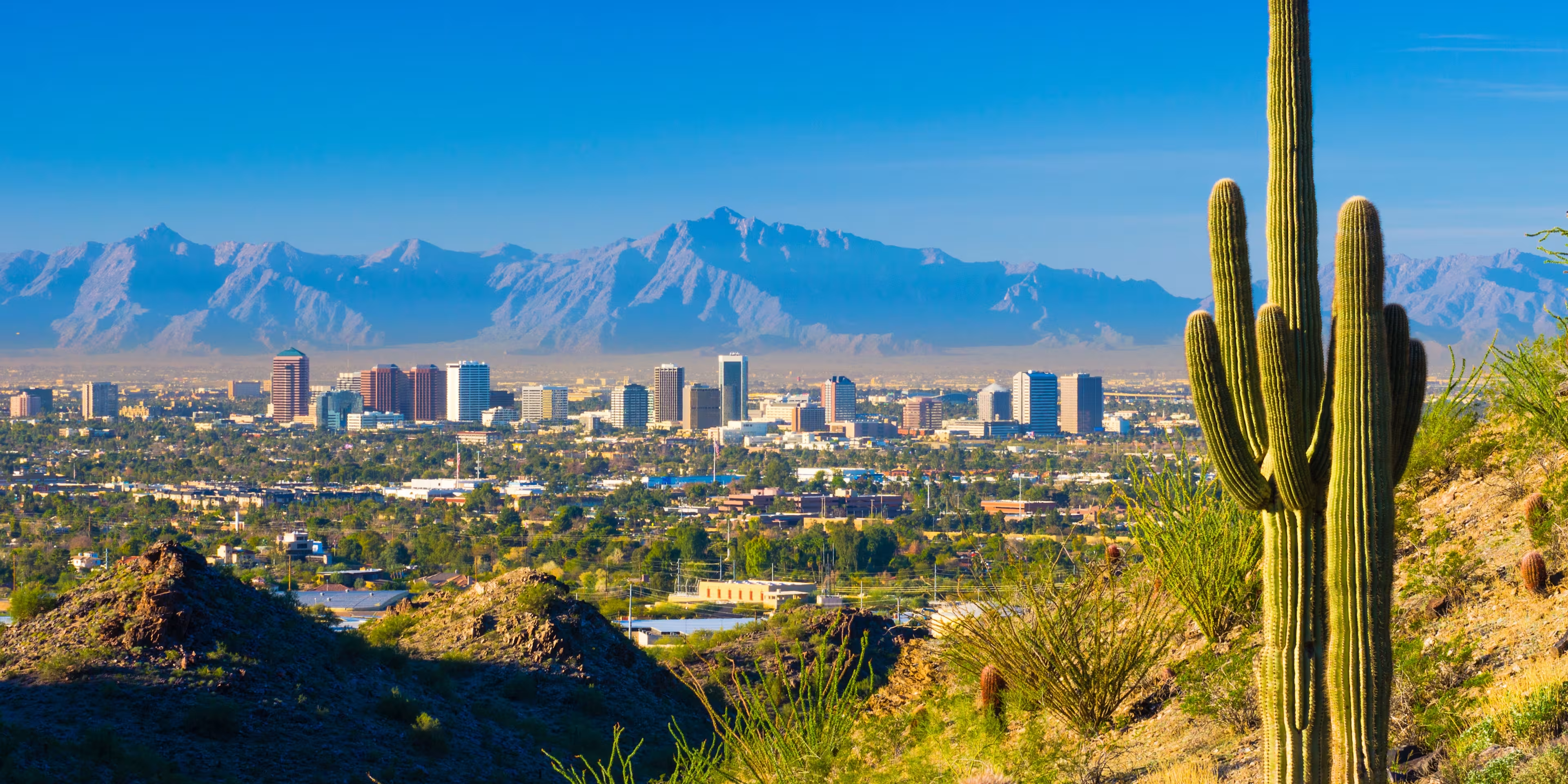
The Phoenix metropolitan area, also known as the Valley of the Sun, is more than just a stopover — it’s a vibrant and sprawling desert metropolis where ancient Sonoran landscapes blend seamlessly with cutting-edge art, award-winning dining, and luxury resorts.
Within the valley, Phoenix offers a mix of culture, urban energy, and desert adventure, while Scottsdale provides a more upscale, resort-centered experience with world-class spas, shopping, and galleries.
Together, they make a compelling base for travelers who want to explore Arizona’s desert environment without giving up modern comfort.
Why Visit the Greater Phoenix Area
Phoenix is the 5th-largest city in the U.S., but it feels surprisingly easy to navigate.
With over 300 days of sunshine a year, it’s a haven for outdoor lovers, snowbirds, and anyone chasing winter warmth.
What makes this area truly special is its contrasting blend of:
- Indigenous culture and contemporary art
- Desert wilderness and sleek urban design
- Hikeable peaks and healing hot tubs
- Cactus forests and cutting-edge cuisine
Top Things to Do in Phoenix & Scottsdale
1. Hike Camelback Mountain
- One of the most popular urban hikes in the U.S., with panoramic views from the summit.
- Two main trails: Echo Canyon (steep and rocky) and Cholla Trail (longer and less vertical).
- Best tackled at sunrise or sunset — always bring water and sun protection.
2. Explore Desert Botanical Garden
- Located in Papago Park, this beautifully curated space showcases over 50,000 arid-land plants from around the world.
- Great for learning about desert flora, sustainability, and indigenous agricultural practices.
- Don’t miss the seasonal butterfly pavilion and art installations.
3. Visit the Heard Museum
- A world-renowned institution dedicated to the art, history, and culture of Native American tribes, particularly the Southwest.
- Exhibits feature Hopi katsina dolls, Navajo textiles, and contemporary indigenous art.
- The “Remembering Our Indian School Days” exhibit offers crucial insight into the U.S. boarding school era.
4. Indulge in Scottsdale’s Spa & Resort Scene
- Home to top-tier resorts like The Phoenician, Civana, and Sanctuary Camelback Mountain, Scottsdale is a desert wellness retreat.
- Many offer day passes for non-guests — think desert stone massages, hydrotherapy pools, and mountain-view yoga.
5. Wander Old Town Scottsdale
- This walkable district blends cowboy charm with modern flair — expect art galleries, tasting rooms, boutiques, and excellent local restaurants.
- Perfect for evening strolls, especially during Thursday night ArtWalks.
6. Discover the Food Scene
- Phoenix has evolved into a foodie destination, with a strong focus on farm-to-table dining and Native-inspired cuisine.
- Notables: Kai (Michelin-level fine dining with Native American influences), FnB (local favorite), and Barrio Café (modern Mexican with heart).
Day Trips from Phoenix
Phoenix’s central location makes it an ideal launchpad for exploring more of Arizona:
- Superstition Mountains & Lost Dutchman State Park – For rugged hiking and ghost town tales.
- Taliesin West – Frank Lloyd Wright’s winter home and school, now a UNESCO World Heritage Site.
- Salt River Tubing (seasonal) – Float the cool waters east of the city surrounded by red rock canyons.
Seasonal Travel Tips
- Best Time to Visit: October to April — when the weather is mild and ideal for outdoor activities.
- Avoid: June to August, when temps often exceed 110°F (43°C).
- Packing Essentials: Lightweight clothes, hydration packs, sunscreen, and a wide-brimmed hat.
Local Perspective: Why Phoenix Isn’t Just a Stopover
Most people rush through Phoenix on their way to Sedona or the Grand Canyon. That’s a mistake.
Spend two or three days here, and you’ll find a dynamic, artistic, and welcoming desert city that rewards slow exploration.
6. Tucson — Culture, Cacti & the Soul of the Sonoran Desert
Nestled in the heart of the Sonoran Desert, Tucson is a city where desert beauty meets cultural richness.
Known for its cactus-covered landscapes, centuries-old adobe architecture, vibrant arts scene, and culinary heritage, Tucson is often overshadowed by Phoenix — but make no mistake, it’s one of Arizona’s most authentic and soulful destinations.
In 2015, Tucson became the first U.S. city designated a UNESCO City of Gastronomy, a recognition of its deep-rooted food traditions, indigenous farming systems, and thriving farm-to-table movement.
But beyond its cuisine, Tucson offers a blend of Native American, Spanish, Mexican, and frontier influences, all set against the backdrop of blazing sunsets and the towering saguaro cactus.
Top Reasons to Visit Tucson
1. Saguaro National Park
- Home to the largest cacti in the U.S., this park is split into two districts — East (Rincon Mountain District) and West (Tucson Mountain District) — that flank the city.
- Best for hiking, scenic drives, and sunset views among fields of towering saguaros.
- Notable trails: Valley View Overlook Trail, Signal Hill Petroglyph Trail, and Tanque Verde Ridge Trail.
Local Tip:
Visit in March or April to catch the desert wildflowers and blooming cacti — a brief but magical window.
2. Arizona-Sonora Desert Museum
- A hybrid zoo, botanical garden, natural history museum, and aquarium all rolled into one — and one of the most respected in the U.S.
- Get up close with desert animals like bobcats, javelinas, rattlesnakes, and even a walk-in hummingbird aviary.
3. Experience the Food Culture
Tucson’s food scene is rooted in 4,000+ years of agricultural tradition, from O’odham farming techniques to Sonoran-style street food.
Don’t Miss:
- El Charro Café: Oldest family-owned Mexican restaurant in the U.S., famous for inventing the chimichanga.
- Tucson Tamale Company: Locally loved for hand-rolled tamales in dozens of varieties.
- Downtown Gastronomic Tours: Explore innovative dining from chefs using native ingredients like mesquite flour and prickly pear.
4. Stroll Historic Barrio Viejo
- One of the oldest neighborhoods in the Southwest, filled with vibrantly painted adobe homes, quiet courtyards, and photogenic doorways.
- Great for walking tours and understanding the city’s multicultural roots.
5. Tucson Museum of Art & Presidio District
- A compact but well-curated museum featuring Southwestern, Mexican, and contemporary art.
- Nearby, the Presidio San Agustín del Tucson offers a glimpse into the city’s Spanish colonial past with living history demonstrations.
Outdoor Adventures Near Tucson
Mount Lemmon Scenic Byway
- Drive from cactus-strewn desert to pine forest and alpine meadows in under an hour.
- Ideal for summer visitors looking to escape the heat — you can go from 100°F to 65°F (38°C to 18°C) in 27 miles.
- Hiking, rock climbing, and even skiing (in winter) at Mount Lemmon Ski Valley.
Kitt Peak National Observatory
- One of the largest astronomical observatories open to the public in the U.S.
- Offers night sky programs and stargazing tours with powerful telescopes — a must-do in Tucson’s dark desert skies.
Tucson Travel Tips
- Best Time to Visit: October through April — winters are mild, sunny, and perfect for exploring.
- What to Pack: Comfortable walking shoes, breathable clothes, layers for cool desert evenings, and sun protection.
- Getting Around: A car is essential to fully explore Tucson and the surrounding Sonoran region.
Why Tucson is Underrated
Unlike more polished destinations, Tucson offers an unfiltered and deeply rooted desert experience.
Its combination of natural wonder, indigenous heritage, and food culture gives it a richness and authenticity that mass tourism can’t replicate.
If you’re looking for a place where desert landscapes meet soulful living, Tucson delivers — and then some.
7. Flagstaff — Mountain Air, Route 66 Charm & Grand Canyon Gateway
Perched at 7,000 feet in the Coconino National Forest, Flagstaff is Arizona’s mountain town — a cool, pine-covered contrast to the state’s desert image.
It’s a laid-back, outdoorsy city that offers easy access to the Grand Canyon, Route 66 history, alpine adventures, and stargazing at one of the country’s most renowned observatories.
Unlike the sun-drenched scenes of Phoenix and Tucson, Flagstaff has four true seasons — complete with snowy winters and breezy summers.
For travelers looking to hike, ski, or simply breathe in crisp mountain air, it’s the perfect base for northern Arizona exploration.
Top Reasons to Visit Flagstaff
1. Gateway to the Grand Canyon
- Flagstaff is just 80 miles south of Grand Canyon National Park, making it one of the most convenient jumping-off points for day trips or longer excursions.
- The Grand Canyon Railway also offers roundtrip excursions from nearby Williams for a unique, low-stress way to visit the South Rim.
2. Visit Lowell Observatory
- Founded in 1894, this is where Pluto was famously discovered in 1930.
- Offers evening stargazing sessions, telescope tours, and astronomy talks — Flagstaff was the first International Dark Sky City, making it ideal for cosmic exploration.
3. Arizona Snowbowl
- Located on the San Francisco Peaks, Snowbowl is Arizona’s top ski destination.
- Winter activities include skiing, snowboarding, and snow play, while summer brings scenic gondola rides, hiking trails, and panoramic views that stretch to the Grand Canyon on clear days.
4. Historic Downtown & Route 66
- Stroll brick-lined streets filled with coffee shops, breweries, bookshops, and independent boutiques.
- Snap a photo under the iconic Route 66 signs, and check out the Flagstaff Visitor Center inside the historic train station for maps and local tips.
5. Hike in Coconino National Forest
- Trails vary from easy forest walks to challenging mountain climbs.
- Popular trails:
- Fatman’s Loop Trail (great views of Mount Elden)
- Kachina Trail (lush forest and meadows)
- Lava River Cave (a self-guided underground lava tube hike — bring headlamps!)
- Fatman’s Loop Trail (great views of Mount Elden)
Nearby Day Trips & Attractions
Walnut Canyon National Monument
- Ancient cliff dwellings built by the Sinagua people over 700 years ago.
- A scenic loop trail lets you descend into the canyon and explore the homes carved into limestone walls.
Sunset Crater Volcano National Monument
- A cinder cone volcano that last erupted about 1,000 years ago.
- Unique landscapes of black lava fields, colorful cinders, and unusual vegetation make for fascinating hikes and photo ops.
Wupatki National Monument
- Visit the preserved ruins of ancient Puebloan villages scattered across a red rock desert.
- Easy walking trails lead to dwellings, ball courts, and petroglyphs that tell the story of early Native communities.
Local Food, Brews & Culture
Flagstaff has a thriving food and craft beer scene that punches above its weight:
- Diablo Burger – Famous for local beef and English muffin buns.
- Beaver Street Brewery – A local favorite for handcrafted beers and wood-fired pizzas.
- Brix Restaurant & Wine Bar – Elevated dining with seasonal ingredients.
- Heritage Square – Outdoor concerts, festivals, and artisan markets during summer.
When to Visit Flagstaff
- Summer (June–August): Cool temperatures (70s°F), perfect for hiking and escaping the desert heat.
- Fall (Sept–Oct): Brilliant autumn foliage — especially along Snowbowl Road and Aspen Corner.
- Winter (Dec–Feb): Snow sports and cozy mountain vibes.
- Spring (Mar–May): Ideal for waterfall hikes and lower-elevation trails as the snow melts.
Why Flagstaff Deserves More Than a Stopover
Too often, Flagstaff is treated as a pitstop en route to the Grand Canyon.
But spend a few days here, and you’ll discover a city alive with science, outdoor spirit, and Southwestern charm.
It’s a rare place where you can ski in the morning, sip craft beer in the afternoon, and stargaze through historic telescopes by night.
8. Petrified Forest National Park & Painted Desert — Time Travel Through Arizona’s Ancient Past
In the remote, windswept lands of northeastern Arizona lies one of the state’s most surreal and underappreciated national parks: Petrified Forest National Park. Here, 225-million-year-old fossilized trees, cracked into rainbow-colored segments, lie scattered across a vast landscape of badlands, mesas, and eerie silence. And surrounding it all is the Painted Desert, a dreamlike expanse of pink, lavender, gray, and red hills that seem hand-painted by nature.
This region is less visited than Arizona’s more famous parks — but for those seeking quiet, color, history, and otherworldly beauty, it’s an absolute must.
Why This Park is Special
Petrified Forest is the only national park in the U.S. that protects a section of historic Route 66, ancient archaeological sites, Triassic-era fossils, and badlands in one location. It’s not just a park — it’s a geological and cultural time capsule, stretching back over 200 million years.
The park is split by Interstate 40, making it one of the most driveable national parks, but also easy to overlook. Don’t make that mistake — the rewards here are quiet, vast, and unforgettable.
Top Things to Do in Petrified Forest & Painted Desert
1. Blue Mesa Trail
- A 1-mile loop through striped badlands that look like they belong on another planet.
- The trail descends into a small valley where bands of blue, gray, and purple clay form sculpted mounds.
- Best light: Early morning or late afternoon when the shadows stretch and colors deepen.
2. Crystal Forest
- An easy, paved trail that winds through one of the park’s densest collections of petrified logs.
- These fossilized trees, once part of a lush subtropical forest, now shimmer with quartz, amethyst, and jasper tones.
- Learn how the ancient wood turned to stone over millions of years due to volcanic ash, minerals, and pressure.
3. Puerco Pueblo & Petroglyphs
- Remains of a 100-room ancestral Puebloan village, dating back to A.D. 1250.
- Nearby, you’ll find a preserved rock face carved with over 100 petroglyphs — solar calendars, animals, and geometric patterns that tell stories of ancient life.
4. Historic Route 66 Alignment
- Drive the stretch of old Route 66 within the park — look for the rusted-out 1932 Studebaker marking the historic roadway.
- This is the only U.S. national park that preserves a segment of this iconic route.
5. Painted Desert Inn National Historic Landmark
- Originally built in the 1920s, this beautifully restored adobe building now serves as a museum and viewpoint.
- The surrounding hills are part of the Painted Desert, where ancient volcanic ash layers have colored the earth in stunning pastel shades.
Planning Your Visit
How to Get There
- Located off I-40 near Holbrook, the park has a north and south entrance and a 28-mile scenic drive that connects them.
- You can explore most major sites in a half-day drive, or take a full day for hiking and lingering at overlooks.
Best Time to Visit
- Fall and spring offer the best weather — cool and clear.
- Summers can be extremely hot, especially mid-day.
- Winters are quiet and peaceful, with occasional snow dusting the badlands — a rare sight.
Unique Facts You Won’t See on Most Blogs
- Petrified wood cannot be collected or removed — even the smallest piece. Park rangers report hundreds of pounds of illegally removed wood each year, often mailed back anonymously with “cursed” notes from regretful visitors.
- There’s a free backcountry hiking program called “Off the Beaten Path,” where rangers provide guidance for exploring remote fossil beds.
- The Painted Desert is so named not for its literal paint-like appearance, but for the changing light that transforms the colors throughout the day.
Why It’s Worth the Trip
This is a park for quiet contemplation, vivid colors, and deep time. Where else can you:
- Walk among trees older than dinosaurs?
- Trace the footsteps of ancient Puebloan people?
- Drive Route 66 and see a fossil forest in one afternoon?
Petrified Forest and the Painted Desert don’t just show you the past — they immerse you in it.
9. Jerome — Arizona’s Spookiest Ghost Town Turned Artistic Haven
Clinging to the side of Cleopatra Hill, high above the Verde Valley, Jerome is a town that refuses to die — and that’s part of its charm.
Once known as the “Wickedest Town in the West,” Jerome was a booming copper mining town in the late 1800s, home to gamblers, gunfights, saloons, and scandal.
When the mines closed in the 1950s, the population dropped from thousands to less than 100 — leaving a ghost town filled with haunted buildings, broken streets, and crumbling facades.
But then something unexpected happened: artists, musicians, and free spirits moved in.
Today, Jerome is a quirky, creative hillside community filled with art galleries, boutiques, wineries, and echoes of the Old West.
Why Visit Jerome?
Because there’s no other place like it in Arizona — or the country. It’s a town that feels like a time warp: part Wild West relic, part 1960s artist commune, and part small-town revival success story.
Whether you’re chasing ghost stories, sipping local wine, or exploring steep staircases with panoramic views, Jerome delivers unforgettable character.
Top Things to Do in Jerome
1. Explore Jerome’s Haunted History
- Jerome Grand Hotel: Once a hospital, now a hotel where guests report flickering lights, phantom footsteps, and haunted halls. Even if you don’t stay, stop in for a drink or meal at the Asylum Restaurant.
- Jerome Historical Society Ghost Walk: Annual event in October with theatrical reenactments of the town’s scandalous past.
- Haunted Hamburger: A local eatery with great food, epic views, and a playful nod to Jerome’s spooky legacy.
2. Visit the Jerome Artists’ Cooperative Gallery
- Housed in the historic Hotel Jerome, this co-op features paintings, jewelry, sculpture, and ceramics from dozens of local artists.
- Great spot to support the local art scene and take home a truly unique piece.
3. Gold King Mine & Ghost Town
- Just a few minutes outside downtown, this open-air museum showcases antique mining equipment, vintage cars, blacksmith demos, and a walk-through of an old mine shaft.
- It’s quirky, a bit chaotic, and totally Jerome.
4. Enjoy Local Wine with a View
- Jerome is part of the Verde Valley Wine Trail, and local tasting rooms take full advantage of the town’s hillside perch.
- Try Caduceus Cellars (founded by Maynard James Keenan of the band Tool), Passion Cellars, or Four Eight Wineworks.
5. Jerome State Historic Park & Douglas Mansion
- Learn the story of Jerome’s rise and fall in this beautifully preserved mansion-turned-museum.
- Interactive exhibits explain mining operations, geology, and the day-to-day life of early residents.
How to Get There
- Located about two hours north of Phoenix and just 40 minutes southwest of Sedona, Jerome makes an excellent day trip or overnight detour.
- The drive from Cottonwood or Sedona is steep and winding, offering dramatic views — take your time and stop at pullouts.
Local Travel Tips
- Wear comfortable walking shoes — Jerome is extremely hilly with lots of stairs, slanted sidewalks, and uneven paths.
- Visit on weekdays or early mornings to avoid crowds — it’s popular with tourists on weekends.
- Parking is limited, but there are designated lots with shuttles that run during peak times.
Why Jerome Is More Than Just a Ghost Town
Sure, it has the eerie charm and creaky floorboards of a ghost town.
But Jerome is alive with creativity, from its thriving artist community to its unique shops and festivals.
It’s a place where every building has a story, and every corner offers a mix of history, mystery, and reinvention.
Whether you’re sipping wine in a former brothel or admiring abstract paintings in a building that once housed miners, Jerome reminds you that decay and beauty can coexist — and that even a ghost town can find a second life.
10. Lake Havasu City — Bridge to Fun, Sun & the Colorado River
Lake Havasu City is Arizona’s unexpected waterfront escape — a desert oasis where palm trees line the shore, powerboats cut across turquoise water, and beachgoers bask in the sun.
But what truly sets this city apart is its most unusual attraction: the original London Bridge. Yes, that London Bridge — dismantled and shipped stone-by-stone from England and rebuilt here in the 1970s.
Set along a large reservoir of the Colorado River, Lake Havasu is a favorite for boaters, spring breakers, water lovers, and retirees alike.
It’s a little bit Florida, a little bit Vegas, and a whole lot of Arizona adventure.
Why Lake Havasu City Stands Out
While most people think of Arizona as dry and dusty, Lake Havasu offers a completely different vibe — beaches, blue water, and year-round sunshine. It’s ideal for:
- Water sports enthusiasts
- Families looking for summer fun
- Couples chasing warm winter getaways
- History lovers curious about that famous bridge
Top Things to Do in Lake Havasu City
1. Walk Across the Real London Bridge
- Originally built in 1831 and once spanning the Thames River in London, the bridge was bought by American businessman Robert McCulloch in 1968.
- It was dismantled, transported to Arizona, and reassembled brick by brick over a man-made canal.
- Today, it connects the mainland to a small island filled with beaches, trails, and resorts.
- Fun Fact: It’s the second-most visited tourist attraction in Arizona after the Grand Canyon.
2. Get on the Water
- Boating, jet skiing, wakeboarding, paddleboarding, and kayaking are the lifeblood of Lake Havasu.
- Rentals are widely available at the marina and along the channel.
- Popular spots include:
- Copper Canyon – known for cliff jumping and lively boat parties.
- Thompson Bay – calm waters for paddleboarding and swimming.
- Bridgewater Channel – a narrow, beach-lined stretch perfect for anchoring and people-watching.
- Copper Canyon – known for cliff jumping and lively boat parties.
3. Relax at Lake Havasu State Park
- A family-friendly area with clean beaches, shaded picnic spots, RV camping, and hiking trails.
- Great for sunset walks and spotting wildlife like great blue herons and burros.
- Windsor Beach is the largest and most accessible.
4. Attend the Lake Havasu Balloon Festival (January)
- One of the top balloon festivals in the U.S., this annual event features mass ascensions, evening glow shows, live music, food vendors, and family activities.
- The desert-meets-water backdrop makes for epic photo opportunities.
5. Explore the Local Brewery and Dining Scene
- Grab a beer at College Street Brewhouse, Mudshark Brewery, or Hangar 24 — all popular with locals and visitors alike.
- Waterfront restaurants offer laid-back vibes, from barbecue joints to seafood shacks.
When to Visit Lake Havasu
- Spring (March–May): Ideal for warm weather and fewer crowds than summer. Wildflowers bloom in the desert nearby.
- Summer (June–August): Extremely hot (over 110°F), but perfect for water play. Expect big crowds on weekends.
- Fall (September–November): Still warm and lively, but more relaxed after the summer season.
- Winter (December–February): Mild and sunny — popular with snowbirds and home to major events like the Balloon Festival.
Travel Tips
- Hydrate constantly — the dry desert heat and time on the water can sneak up on you.
- Use high-SPF sunscreen and reapply often.
- Arrive early for parking at public beaches and launch ramps, especially on weekends.
- Boat traffic rules are strictly enforced — familiarize yourself before renting.
Why Lake Havasu is Worth a Visit
It’s not often you find a place where you can swim, sunbathe, and walk across a 19th-century London bridge in the same afternoon.
Lake Havasu combines fun and oddity in equal measure, making it one of Arizona’s most unique destinations.
Whether you’re planning a family lake day, a couple’s escape, or an energetic group trip, Lake Havasu delivers adventure, history, and pure sunshine.
Final Thoughts: Discover the Many Faces of Arizona
Arizona is far more than a desert postcard — it’s a land of contrasts, stories, and soul.
From the towering red cliffs of Monument Valley to the haunted hills of Jerome, from the turquoise waters of Lake Havasu to the ancient forests turned to stone in the Painted Desert, every corner of the state offers something distinct and unforgettable.
This guide was written not just to list destinations, but to help you feel the depth of Arizona — its geological wonders, Native cultures, mountain towns, artistic communities, and the timeless beauty of its wild spaces.
Whether you’re a first-time visitor or a seasoned traveler returning for more, Arizona rewards those who take the time to slow down, explore beyond the obvious, and listen to the land.
So where will your Arizona story begin?
Will it be a spiritual sunrise hike in Sedona, a ghost hunt in Jerome, or a late-night stargazing session in Flagstaff?
Wherever you choose to go, know that Arizona is a state that never reveals all its magic at once — but invites you back again and again to uncover more.
Quick Travel Tips Before You Go:
- Best Time to Visit: Fall (Sept–Nov) and Spring (March–May) offer the most comfortable weather for travel.
- Getting Around: Renting a car is essential to reach Arizona’s most scenic and remote areas.
- Travel Respectfully: Many top destinations are located on Native American lands. Always follow posted rules, support local artisans, and seek out guided experiences from Indigenous-owned operators.
- Pack Smart: Bring layers, hydration packs, sun protection, and shoes suitable for both rocky trails and long walks.
Need Help Planning Your Itinerary?
We recommend grouping destinations by region to save time and maximize your experience:
- Northern Arizona: Grand Canyon, Flagstaff, Page, Monument Valley
- Central Arizona: Sedona, Prescott, Jerome
- Southern Arizona: Tucson, Bisbee, Tombstone
- Western Arizona: Lake Havasu City, Route 66 towns
Arizona doesn’t just show you beautiful places — it invites you to feel the passage of time, the stories in stone, and the warmth of the desert sun.
Happy travels.