Best Time to Visit Colorado: A Season-by-Season Guide for Every Type of Traveler
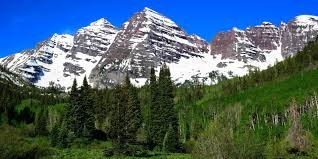
Introduction: Why the Right Timing Makes All the Difference in Colorado
Colorado is not just a destination—it’s an experience that shifts dramatically with the seasons.
From skiing in the powdery slopes of Aspen in winter to hiking through wildflower-covered meadows in Crested Butte during summer, the Centennial State offers something spectacular year-round.
But here’s the catch: the best time to visit Colorado isn’t the same for everyone.
Whether you’re a powder-chasing skier, a foliage photographer, a summer road tripper, or simply a traveler seeking serenity in nature, choosing the right season can turn a good trip into an unforgettable one.
Colorado’s vast elevation range—from 3,000-foot canyons to 14,000-foot mountain peaks—creates a climate so varied that one side of the state can be basking in sunshine while the other is blanketed in snow.
This comprehensive guide breaks down the best times to visit Colorado based on your personal interests, travel goals, and budget.
You’ll discover the ideal months for skiing, hiking, festivals, fall foliage, and even budget-friendly travel.
We’ll also share real seasonal tips, climate nuances by region, and expert-level advice based on firsthand insights and Colorado tourism data.
So, whether you’re planning your first trip to Colorado or you’re returning to experience a new season, this guide will help you confidently pick the best time for your journey—because in Colorado, when you go is just as important as where you go.
Understanding Colorado’s Unique Climate
Colorado’s climate is one of the most fascinating—and often misunderstood—aspects of travel in the state.
Many first-time visitors expect it to be either perpetually snowy or uniformly mountainous, but the reality is far more dynamic.
With an elevation range spanning from under 4,000 feet on the eastern plains to over 14,000 feet in the Rockies, the climate shifts dramatically depending on where—and when—you go.
Elevation Changes Everything
Elevation is the single most important factor influencing weather in Colorado. In cities like Denver (5,280 ft), you might enjoy sunny spring temperatures in the 60s°F (15–20°C), while just a short drive away in Breckenridge (9,600 ft), you could be walking through fresh snow.
Higher altitudes mean thinner air, colder temperatures, and a greater likelihood of rapid weather changes—even in summer.
- Rule of thumb: For every 1,000 feet you climb, temperatures typically drop about 3.5°F (2°C).
- This means a 70°F day in Boulder could feel like 50°F in Rocky Mountain National Park.
Microclimates Across the State
Colorado’s topography divides the state into distinct regions, each with its own seasonal character:
- Eastern Plains – Hotter summers, colder winters, less snow but more wind.
- Front Range Cities (e.g., Denver, Boulder, Colorado Springs) – Four distinct seasons with mild spring and fall, snow in winter, and warm summers.
- High Country (e.g., Vail, Breckenridge, Aspen) – Long, snowy winters and cool, short summers; weather can change hourly.
- Western Slope (e.g., Grand Junction, Durango) – Milder winters, dry heat in summer, longer autumns.
This diversity is what makes Colorado such an appealing—and unpredictable—destination. You can ski in the morning and golf in the afternoon, depending on the time of year and region.
Altitude and Your Body
Travelers often overlook how altitude affects the body.
Visitors from sea level may experience mild altitude sickness—headaches, fatigue, or shortness of breath—especially above 8,000 feet.
Staying hydrated, avoiding alcohol for the first 24 hours, and acclimatizing slowly can make a significant difference in your trip’s comfort and safety.
Seasonal Extremes to Know
- Summer Thunderstorms: Common in July and August, especially in the mountains. Lightning strikes are dangerous—start hikes early and finish by early afternoon.
- Spring Snowstorms: March is actually Colorado’s snowiest month, often surprising spring break travelers.
- Sudden Drops in Temperature: A sunny 70°F day can turn into a blizzard within hours. Always pack layers.
Key Takeaway
Colorado is not a “one-weather” state—it’s a patchwork of microclimates shaped by altitude, geography, and seasonal extremes.
Understanding this complexity helps you plan better, pack smarter, and avoid common mistakes like underestimating mountain weather.
Spring in Colorado (March – May)
Spring in Colorado is a season of contrast. While cities like Denver and Boulder begin to thaw and bloom, the mountain towns remain deep in snow well into April.
It’s a transitional time—muddy, unpredictable, and surprisingly rewarding for those who know where (and how) to explore.
Weather Overview
Spring brings the most varied weather of any season in Colorado. March is typically the snowiest month of the year, particularly in the central mountains.
By April, lower elevations start to warm up, with average highs in the 50s°F (10–15°C), while May sees full-blown springtime in cities and valleys.
- March: Snowy and cold in the mountains, mixed snow/rain in cities
- April: Transitional—ski season ends, flowers begin to bloom
- May: Spring is in full swing; great hiking begins at lower elevations
Spring travel requires flexibility. You could encounter a blizzard on Monday and 70°F sunshine by Friday. But for the prepared traveler, this season offers several unique perks.
Best Things to Do in Spring
- Spring Skiing (March–April): Many resorts—like Arapahoe Basin and Breckenridge—stay open well into April. The crowds thin, the prices drop, and bluebird ski days are plentiful.
- Wildflower Watching (Late May): Lower elevation hikes near Colorado Springs or Golden reveal the first bursts of spring color.
- Hot Springs & Scenic Soaks: Take advantage of chilly evenings and visit Glenwood Hot Springs, Pagosa Springs, or Strawberry Park Hot Springs near Steamboat.
- Denver Day Trips: Urban trails, rooftop patios, and botanic gardens start coming alive.
Pros of Visiting in Spring
- Lower prices: Accommodations and flights are often significantly cheaper than winter or summer
- Fewer tourists: Many attractions and towns are quieter
- Great skiing without peak-season pricing
- Mild city weather and early-season blooms
Cons of Visiting in Spring
- Mud season in the mountains: As snow melts, hiking and biking trails can be soggy or closed
- Limited access to high-elevation hikes or roads: Places like Trail Ridge Road or Mount Evans Scenic Byway remain closed until late May or June
- Unpredictable weather: You’ll need to pack for all conditions—from snow to sun
Expert Tip
If you’re looking for off-peak travel with great value, spring is your golden window.
Just focus on cities and lower-elevation regions like Boulder, Colorado Springs, or Fruita for outdoor fun. And if you want to ski without the winter crowds, late March is a local favorite.
Summer in Colorado (June – August)
Summer is when Colorado truly shines—both literally and figuratively.
With clear blue skies, warm days, and cool nights, it’s the state’s most popular travel season.
From hiking alpine trails to kayaking mountain lakes and dancing at outdoor music festivals, summer in Colorado is nothing short of spectacular.
Weather Overview
Colorado summers are generally sunny, dry, and mild—especially compared to the heatwaves experienced in other parts of the U.S.
However, afternoon thunderstorms are common, especially in the mountains.
- June: Warm and dry; ideal hiking and road-tripping weather
- July: Peak summer with higher rainfall (due to afternoon storms)
- August: Still warm but with slightly cooler nights and early hints of fall at higher elevations
Average daytime highs range from the upper 70s°F to mid-80s°F (25–30°C) in most cities, while higher elevations like Breckenridge or Crested Butte rarely exceed 70°F (21°C).
That makes it perfect for outdoor adventures without overheating.
Best Things to Do in Summer
- Hike Colorado’s 14ers: Climb famous peaks like Mount Elbert or Quandary Peak; July and August offer the safest conditions.
- Explore National Parks: Rocky Mountain National Park, Black Canyon of the Gunnison, and Great Sand Dunes are in full swing.
- Whitewater Rafting: Ride the thrilling rapids of the Arkansas River, especially near Buena Vista and Salida.
- Attend Festivals: Enjoy everything from the Telluride Bluegrass Festival to Denver’s Underground Music Showcase.
- Scenic Drives: Drive Trail Ridge Road (RMNP) or Independence Pass for unforgettable mountain views.
Top Destinations for Summer Travel
- Crested Butte: Known as Colorado’s wildflower capital
- Ouray & Telluride: Alpine towns surrounded by dramatic peaks
- Aspen & Maroon Bells: Postcard-perfect lakes, hikes, and photo ops
- Durango: Home to the Durango & Silverton train and Mesa Verde National Park
- Steamboat Springs: Great for hot springs, tubing, and biking
Pros of Visiting in Summer
- All mountain roads and trails are open
- Incredible weather for outdoor exploration
- Full access to national parks and scenic byways
- Wide range of events, festivals, and family activities
Cons of Visiting in Summer
- Peak season = higher prices and larger crowds, especially in tourist-heavy towns
- Afternoon thunderstorms, particularly in July and August
- Limited availability at popular lodges and campsites (book 3–6 months ahead)
Expert Tip
To avoid crowds while still enjoying perfect summer weather, travel in early to mid-June or late August, when many families are not yet—or no longer—on school break. Also, start your hikes early (before 9 a.m.) to avoid both the heat and the storms.
Fall in Colorado (September – November)
If summer is Colorado’s most popular season, fall is its best-kept secret. Between mid-September and early October, the state’s landscapes burst into shades of gold, amber, and crimson as the aspen trees begin their annual transformation.
Combine that with crisp air, fewer tourists, and lower prices, and you have one of the most rewarding times to visit.
Weather Overview
Fall in Colorado begins with warm days and cool nights in September and transitions into colder, snowier conditions by November—especially in higher elevations.
- September: Comfortable and dry; ideal for hiking and photography
- October: Foliage fades mid-month; chilly nights and early snow in mountain towns
- November: Transition to winter; ski resorts begin opening mid-to-late month
Daytime highs range from the upper 60s°F (20°C) in early September to the low 40s°F (5°C) by November in most regions. In the mountains, snow is likely as early as late October.
Why Fall in Colorado Is So Special
- Aspen Gold: Fall foliage in Colorado is dominated by the quaking aspen, which turns brilliant shades of yellow and gold.
- Quiet Trails: With summer tourists gone and winter travelers not yet arriving, trails and roads are more peaceful.
- Great Travel Value: Hotel rates and flight prices are often lower during shoulder season.
- Cool but Comfortable Weather: Ideal for active travelers who prefer crisp air over summer heat.
Top Places for Fall Foliage
- Kebler Pass: Near Crested Butte; one of the largest aspen groves in the world
- Maroon Bells: Near Aspen; iconic mirrored lake views with dramatic golden backdrops
- San Juan Skyway: A 233-mile scenic loop through Durango, Ouray, Telluride, and Silverton
- Peak to Peak Scenic Byway: Near Boulder and Estes Park; easily accessible from Denver
Best Fall Activities
- Scenic Drives & Photography: Early morning or late afternoon light enhances the colors
- Hiking Among Aspens: Trails like the Crater Lake Trail (Aspen) or Beaver Lake Trail (Beaver Creek) are especially scenic
- Attend Fall Festivals:
- Telluride Horror Show (October)
- Denver Oktoberfest
- Elk Fest in Estes Park
- Telluride Horror Show (October)
- Hot Springs Soaks: Fewer crowds at Glenwood or Strawberry Park
Pros of Visiting in Fall
- Breathtaking landscapes filled with color and contrast
- Lower accommodation prices and better availability
- Cool, dry air perfect for hiking and exploration
- Fewer crowds compared to summer and winter
Cons of Visiting in Fall
- Foliage season is brief—typically only 2–3 weeks of peak color
- Some seasonal attractions begin to close after early October
- Mountain weather can be cold and unpredictable by late fall
Expert Tip
To catch the peak fall foliage, plan your trip between September 15–October 5 for elevations above 8,000 feet, and October 5–15 for mid-elevation regions.
Colorado’s leaf-peeping season moves from north to south and from high to low elevations, so time your visit accordingly.
Winter in Colorado (December – February)
Colorado in winter is nothing short of magical.
Snow-draped mountains, cozy alpine towns, world-class ski resorts, and festive holiday events make it a dream destination for winter lovers.
Whether you’re carving down the slopes of Vail or soaking in hot springs beneath falling snow, winter here offers an unmatched blend of adventure and serenity.
Weather Overview
Winter weather in Colorado varies significantly by elevation and region.
While Denver might have sunny days in the 40s°F (4–9°C), towns like Breckenridge or Telluride can sit well below freezing with consistent snowfall.
- December: Beginning of ski season; festive holiday atmosphere
- January: Coldest month of the year; excellent snow conditions
- February: Still deep in winter, but with increasing daylight and often more stable snowpack
Expect snow in mountain towns and ski areas from November through April, with the best powder days typically between mid-December and mid-March.
Colorado’s Top Ski Resorts
- Aspen Snowmass: Luxury meets variety—four mountains, upscale dining, and celebrity vibes
- Vail: The largest ski resort in Colorado with incredible back bowls and terrain for all levels
- Breckenridge: High-altitude, historic town with a lively après-ski scene
- Steamboat Springs: Famous for its Champagne Powder and western charm
- Keystone & Copper Mountain: Great for families and budget-conscious travelers
- Monarch & Loveland: Smaller, more local resorts with excellent value and fewer crowds
Winter Activities Beyond Skiing
- Snowshoeing & Nordic Skiing: Popular trails near Estes Park, Frisco, and Leadville
- Dog Sledding & Snowmobiling: Available in Winter Park, Vail, and Steamboat
- Hot Springs Retreats: Soak in warm geothermal pools in Pagosa Springs or Glenwood Springs
- Winter Hikes & Ice Climbing: For the adventurous, explore frozen waterfalls or climb the Ouray Ice Park
- Festive Events:
- Breckenridge Ullr Fest (January)
- Steamboat Winter Carnival (February)
- Vail Snow Days (December)
- Breckenridge Ullr Fest (January)
Pros of Visiting in Winter
- World-class skiing and snowboarding
- Holiday magic and seasonal events
- Less crowded cities and scenic road trips with snow-covered backdrops
- Great deals on lodging in January and early February
Cons of Visiting in Winter
- Travel delays due to snowstorms and icy roads
- Expensive lift tickets and lodging during holidays
- Limited access to summer hiking trails or high-elevation drives
Winter Driving & Safety Tips
- Rent a 4WD or AWD vehicle if you’re heading into the mountains
- Check road conditions on COtrip.org before departure
- Carry tire chains (especially on I-70 during snowstorms)
- Dress in layers with moisture-wicking base layers, insulated jackets, and waterproof outerwear
Expert Tip
To save money and skip the crowds, avoid holiday weeks like Christmas to New Year’s and Presidents’ Day weekend.
Instead, book your trip for mid-January to early February, when snow conditions are ideal and lodging is more affordable.
Best Time to Visit Colorado Based on Travel Goals
While Colorado is beautiful year-round, the best time to visit depends on what you want to experience.
Each season opens a different door—powdery slopes, golden forests, wildflower meadows, or quiet, crowd-free towns.
This section helps you match your travel priorities with the ideal time to go.
If You Want to Ski or Snowboard
Best Time: Mid-December to Mid-March
This is Colorado’s peak ski season.
Snow conditions are most reliable after mid-December, especially in resorts with higher elevations like Breckenridge, Vail, and Steamboat. January and early February typically offer smaller crowds and better prices than the holiday season.
Insider Tip: For powder hounds, aim for late February or early March, when storm systems bring deep snow but spring breakers haven’t yet arrived in full force.
If You Want to Hike, Camp, or Visit National Parks
Best Time: Late June to Early September
High alpine trails and iconic drives like Trail Ridge Road and Independence Pass are typically only accessible from mid-June to mid-October due to snowpack.
This is the window for 14er hikes, backcountry camping, and park visits like Rocky Mountain National Park, Mesa Verde, and Great Sand Dunes.
Insider Tip: July is peak wildflower season in places like Crested Butte and American Basin—don’t miss it if you’re into photography or botany.
If You Want to See Fall Colors
Best Time: Mid-September to Early October
Fall colors in Colorado are breathtaking but fleeting.
Aspens turn golden and contrast beautifully against blue skies and evergreen forests.
Timing varies by elevation and latitude—higher elevations turn earlier.
Insider Tip: Plan scenic drives around Kebler Pass, Maroon Bells, or the San Juan Skyway for the most dramatic views.
If You’re After Festivals, Events, or Music
Best Time: June – August and Late September – October
Colorado hosts major cultural events and outdoor festivals in the summer and early fall.
From the Telluride Film and Bluegrass Festivals to Palisade’s Wine Festival and the Great American Beer Festival in Denver—there’s something for every taste.
Insider Tip: Book accommodations early—popular towns like Telluride and Aspen sell out during major events.
If You Want a Quiet, Relaxing, Budget-Friendly Escape
Best Time: Late April – Early June or October – Mid-December
These shoulder seasons offer lower hotel rates, fewer crowds, and a more relaxed vibe.
Ideal for romantic getaways, soaking in hot springs, or scenic drives without the tourist rush.
Insider Tip: In October, you can still catch fall colors in lower elevations and enjoy crisp air without the snow.
If You’re Traveling With Kids
Best Time: June – August (summer) or Late December (winter holidays)
Summer is perfect for hiking, fishing, ziplining, and wildlife spotting.
Winter offers snow tubing, sleigh rides, ski lessons, and kid-friendly festivals.
Insider Tip: Consider less crowded family-friendly towns like Frisco, Glenwood Springs, or Estes Park for better lodging options and easier logistics.
Summary Chart: Best Time by Activity
| Travel Goal | Ideal Time to Visit |
| Skiing & Snowboarding | Mid-Dec – Mid-Mar |
| Hiking & National Parks | Late Jun – Early Sep |
| Fall Foliage | Mid-Sep – Early Oct |
| Festivals & Events | Jun – Aug / Sep – Oct |
| Quiet & Budget-Friendly Travel | Late Apr – Early Jun / Oct – Dec |
| Family Travel | Jun – Aug / Late Dec |
Top Festivals & Events by Season
Colorado doesn’t just shine through its landscapes—it comes alive through its vibrant, seasonal festivals.
From world-renowned music gatherings to quirky small-town traditions, these events reflect the state’s diverse culture, rich history, and love for the outdoors.
Planning your visit around a festival can transform your trip into something unforgettable.
Spring Festivals (March – May)
- Durango Bluegrass Meltdown (April – Durango)
A lively local festival featuring bluegrass bands in historic downtown venues. Great for music lovers and those seeking authentic small-town charm. - Boulder Creek Festival (May – Boulder)
Kick off summer with this free outdoor event showcasing arts, food trucks, live music, and community spirit along Boulder Creek. - Cinco de Mayo Festival (May – Denver)
One of the largest Cinco de Mayo celebrations in the U.S., featuring parades, mariachi bands, and amazing Latin American cuisine.
Summer Festivals (June – August)
- Telluride Bluegrass Festival (June – Telluride)
Set against jaw-dropping alpine scenery, this iconic festival attracts top folk and bluegrass talent from around the world. - Aspen Food & Wine Classic (June – Aspen)
A luxury experience for culinary travelers, offering tastings, celebrity chef demos, and premium wines. - Cherry Creek Arts Festival (July – Denver)
A nationally acclaimed art event that brings together painters, sculptors, and creatives for three days of outdoor exhibitions and performances. - Denver PrideFest (June – Denver)
Celebrates LGBTQ+ pride with a colorful parade, concerts, and family-friendly activities in Civic Center Park. - Colorado Shakespeare Festival (June–August – Boulder)
Outdoor performances of Shakespeare classics at the picturesque University of Colorado campus.
Fall Festivals (September – November)
- Great American Beer Festival (October – Denver)
With thousands of craft brews to sample, this is a must-visit for beer enthusiasts. It’s the largest beer event in North America. - Elk Fest (Late September – Estes Park)
Celebrate elk rutting season with educational booths, music, and bugling contests. A unique, wildlife-centered fall event. - Oktoberfest (September–October – Breckenridge, Denver & more)
Traditional German food, beer steins, polka music, and lederhosen-clad locals create unforgettable fall memories. - Colorado Mountain Winefest (September – Palisade)
Sip local wines among the vineyards of Colorado’s Western Slope during the peak of harvest season.
Winter Festivals (December – February)
- Breckenridge Ullr Fest (January – Breckenridge)
A Viking-themed snow celebration complete with a massive bonfire, parade, and world-record shot ski. It’s weird—and it’s wonderful. - Steamboat Winter Carnival (February – Steamboat Springs)
One of the oldest winter festivals in the U.S., featuring ski-jumping dogs, fireworks, and kids pulled on skis behind horses through downtown. - Vail Snow Days (December – Vail)
A free concert series marking the start of ski season, paired with après parties and gear demos. - Ouray Ice Festival (January – Ouray)
A premier international event for ice climbing fans, featuring clinics, gear expos, and competitions in “the Switzerland of America.”
Expert Tip:
Many of Colorado’s top festivals sell out months in advance—especially those in mountain towns with limited accommodations.
If your visit overlaps with a major event, book your lodging as early as possible and plan for higher-than-average pricing during festival weekends.
Travel Tips for Visiting Colorado Any Time of Year
No matter when you visit Colorado, a little preparation goes a long way.
From navigating high-altitude conditions to adapting to fast-changing weather, these expert travel tips will help you enjoy a smoother, safer, and more rewarding experience across all seasons.
1. Understand and Respect the Altitude
Many destinations in Colorado sit at 5,000 feet or higher, and some mountain towns (like Breckenridge at 9,600 ft) can cause altitude sickness for those coming from sea level.
Symptoms of altitude sickness:
- Headaches, nausea, shortness of breath, dizziness, dehydration
What to do:
- Acclimate slowly: Spend a day in Denver or Boulder before heading to higher elevations
- Hydrate constantly: Drink 2–3 liters of water per day and avoid alcohol for the first 24 hours
- Eat light and rest often: Don’t overexert yourself on day one
- Consider altitude pills: Over-the-counter options or doctor-prescribed medication may help if you’re sensitive
2. Pack Layers—Always
Colorado weather can shift dramatically in just a few hours. A sunny morning may turn into a chilly thunderstorm by late afternoon.
Year-round essentials to pack:
- Moisture-wicking base layers
- Warm fleece or down jacket
- Rain shell or waterproof outerwear
- Sun protection: SPF 30+, sunglasses, and a wide-brimmed hat
- Gloves and beanies (yes—even in summer, if hiking at elevation)
3. Prepare for Road Conditions
If you’re road-tripping through the state—especially into the Rockies or Western Slope—driving conditions may vary by season.
Tips for safe travel:
- Winter: Rent a 4WD/AWD vehicle; carry tire chains; check road conditions on COtrip.org
- Summer: Watch for flash floods in canyons and always obey closure signs
- Mountain passes: Independence Pass and Trail Ridge Road are closed in winter—reopen typically in late May or early June
4. Book Early for Popular Seasons
Ski season (Dec–Mar) and summer (Jun–Aug) bring in millions of visitors. Lodging in places like Aspen, Vail, Telluride, or Estes Park fills up fast—sometimes six months in advance.
Tips:
- Book accommodations and rental cars early if traveling during holidays or festival weekends
- Consider nearby satellite towns for better deals (e.g., staying in Silverthorne instead of Breckenridge)
- If camping, use Recreation.gov or ReserveAmerica.com to secure permits
5. Download These Before You Go
- AllTrails: Trail maps, difficulty ratings, and user reviews
- COtrip: Live road condition updates from CDOT
- OpenSnow: For real-time snow forecasts in ski regions
- The Weather Channel: Use hourly forecasts to avoid summer storms
- Offline Google Maps: Many areas in the mountains have no service
6. Respect Nature & Local Communities
Colorado prides itself on responsible recreation and preserving its natural beauty.
Tips for sustainable travel:
- Stay on designated trails
- Pack out all trash
- Respect wildlife and maintain safe distances
- Obey fire bans and campfire rules (especially in summer and fall)
- Support local businesses in mountain towns—they rely on tourism
Expert Tip:
If you plan on visiting multiple national parks (like RMNP, Mesa Verde, or Great Sand Dunes), purchase an America the Beautiful Pass.
For $80/year, it gives you access to all U.S. national parks and federal lands—a great value for multi-park trips.
Regional Guide: Best Time to Visit Each Area in Colorado
Not all parts of Colorado follow the same seasonal rhythm. Here’s a region-by-region breakdown to help you decide when to go based on location:
Denver & Front Range (Denver, Boulder, Colorado Springs)
- Best time: May to October
- Spring blooms, fall colors, and year-round festivals make this region ideal for city trips, day hikes, and cultural experiences.
Central Mountains (Aspen, Vail, Breckenridge, Leadville)
- Best time for skiing: December to March
- Best time for hiking/wildflowers: Late June to mid-August
- Winters are prime for snow sports; summers offer high-alpine hiking and scenic drives.
Southwest Colorado (Durango, Ouray, Telluride, Silverton)
- Best time: Late June to September (for hiking & train rides)
- Mid-September to early October for stunning fall colors
- Less touristy and incredibly scenic, this region is perfect for adventurous road trips and cultural heritage sites.
Western Slope (Grand Junction, Palisade, Fruita)
- Best time: April to June and September to October
- Great for wine tasting, desert biking, and mild winters. Visit during harvest season (Sept) for food and wine festivals.
High Plains (Pueblo, Trinidad, Limon, Eastern Colorado)
- Best time: Spring (April–May) and Fall (September–October)
- Hot in summer, cold and windy in winter. Visit during transitional seasons for comfort and fewer bugs.
Month-by-Month Breakdown: Colorado Weather & Travel Highlights
| Month | Weather Snapshot | Travel Highlights |
| January | Cold, snowy, peak ski season | Best skiing, ice festivals, hot springs |
| February | Cold, snowy, quieter ski travel | Great powder skiing, winter carnivals |
| March | Snowy in mountains, warming in cities | Spring skiing, snowshoeing, lower ski prices |
| April | Mud season in mountains, flowers in cities | City-based travel, hot springs, end-of-season skiing |
| May | Wildflowers in foothills, variable weather | Great for Denver, Boulder, Colorado Springs day trips |
| June | Warm days, accessible mountain roads/trails | Start of hiking season, whitewater rafting, festivals |
| July | Hot in cities, perfect in mountains | Peak hiking, wildflowers, festivals, camping |
| August | Similar to July, afternoon storms in mountains | Less crowded late in month, Telluride Jazz, state fairs |
| September | Cooler, dry, start of fall colors | Prime leaf-peeping, wine festivals, fewer tourists |
| October | Peak fall foliage in early month | Elk rut, scenic drives, cozy mountain retreats |
| November | Cold, early snow in mountains, quiet season | Off-peak deals, Thanksgiving trips, pre-ski season |
| December | Festive, snowy, ski season begins | Holiday lights, skiing, winter wonderlands |
Best Scenic Drives by Season in Colorado
Colorado is one of the most scenic road trip destinations in the U.S., and many of its byways change character dramatically with the seasons. Here are some must-drive routes and when they shine the most:
Spring:
- Highway of Legends (Walsenburg to Trinidad): Discover lesser-known mountain passes and wildflower blooms as the snow melts.
- Poudre Canyon Scenic Byway: Fewer cars, lush greenery, and excellent early-season fishing spots.
Summer:
- Trail Ridge Road (RMNP): One of America’s highest paved roads, open June–mid-October. Ideal for alpine views and wildlife.
- Independence Pass (Aspen to Twin Lakes): Snow-capped peaks, waterfalls, and hairpin turns—only accessible in summer.
Fall:
- Kebler Pass: Arguably Colorado’s most stunning fall drive—an endless canopy of golden aspen trees.
- San Juan Skyway (Telluride to Durango): Offers dramatic mountain passes and vivid fall colors.
Winter:
- Peak to Peak Scenic Byway: Accessible year-round and breathtaking after a snowfall, with views of the Indian Peaks Wilderness.
- US-285 (Denver to Buena Vista): Snowy plains, vast mountain views, and easy winter driving conditions with fewer steep grades.
Best National and State Parks by Season
Colorado has 4 national parks and over 40 state parks, and each offers a different kind of magic depending on the season.
Summer:
- Rocky Mountain National Park: All trails and alpine roads open. Perfect for hiking, camping, and wildlife photography.
- Great Sand Dunes National Park: Hot days, cool nights, and sand sledding under the sun.
- State Pick: Eleven Mile State Park – Excellent for boating, fishing, and stargazing.
Fall:
- Black Canyon of the Gunnison: Less crowded, colorful canyon walls, and mild temperatures.
- State Pick: Golden Gate Canyon State Park – Stunning fall foliage near Denver.
Winter:
- Mesa Verde National Park: Open year-round with fewer visitors and ranger-led tours of cliff dwellings.
- State Pick: Rifle Falls State Park – Frozen waterfalls and a peaceful winter escape.
Spring:
- Florissant Fossil Beds National Monument: Blooming meadows and fascinating geology.
- State Pick: Castlewood Canyon – Best explored before summer heat arrives.
What to Eat & Drink in Each Season in Colorado
Every season brings unique flavors to Colorado’s diverse food scene. Here’s what to look for:
Winter:
- Elk stew, bison chili, and warm fondue in mountain lodges
- Locally roasted coffee and hot spiced cider
- Après-ski charcuterie boards and Colorado craft stouts
Spring:
- Lamb and fresh trout dishes
- Early harvest greens and rhubarb desserts
- Dry rosé and herbal teas from Western Slope farms
Summer:
- Palisade peaches, Olathe sweet corn, and seasonal farmers markets
- BBQ festivals, fresh salads, and Colorado IPAs
- Winery tours in Grand Valley
Fall:
- Pumpkin everything, wild mushrooms, and game meats
- Colorado ciders and seasonal ales
- Apple picking in Cedaredge or Penrose
Romantic Getaways in Colorado by Season
Perfect for couples planning honeymoons, anniversaries, or surprise trips.
Spring:
- Colorado Springs: Garden of the Gods and luxury spa retreats
- Glenwood Springs: Thermal hot springs and scenic riverwalks
Summer:
- Crested Butte: Wildflower hikes and alpine picnics
- Telluride: Gondola rides, sunset dinners, and live music
Fall:
- Aspen: Golden foliage, fireplaces, and fine dining
- Palisade: Vineyard tours, wine tastings, and fall harvest vibes
Winter:
- Vail or Beaver Creek: Ice skating, luxury resorts, and snowy horse-drawn carriage rides
- Ouray: Ice climbing adventures by day, hot springs by night
Packing Checklist by Season
Help travelers avoid overpacking—or worse, underpacking—for Colorado’s unpredictable climate.
Spring Packing List
- Waterproof hiking shoes
- Light jacket + layers
- Rain gear
- Sunglasses + sunscreen
Summer Packing List
- Quick-dry clothes
- Hiking boots
- Refillable water bottle
- Swimsuit + sandals
Fall Packing List
- Insulated layers
- Beanie and gloves (for higher elevations)
- Camera with wide-angle lens (for fall colors)
- Thermos for hot drinks
Winter Packing List
- Heavy insulated coat + base layers
- Waterproof snow boots
- Hand warmers and ski gloves
- Traction cleats for icy sidewalks
Final Wrap-Up: Plan Smart, Travel Better in Colorado
Whether you’re chasing powder turns in the winter, hiking to alpine lakes in summer, leaf-peeping in the fall, or soaking in hot springs under a springtime sky, Colorado offers a world-class experience year-round.
The secret isn’t in when you go—it’s in aligning your interests, goals, and expectations with the season that suits you best.
This guide gave you:
- A season-by-season breakdown with weather insights and travel tips
- The best times to visit for skiing, hiking, photography, romance, and festivals
- Insider knowledge on regional climates, hidden gems, and expert packing advice
- Detailed event calendars, national park highlights, and food suggestions by season
Now, you’re not just ready to go—you’re ready to go smarter. With this information in your travel toolkit, you’ll enjoy Colorado the way it’s meant to be explored: on your terms, in your season, and with confidence.
No matter when you visit, Colorado welcomes you with open skies, high peaks, and unforgettable moments. Safe travels!