California Road Trip: The Ultimate 2025 Itinerary & Travel Guide
Introduction
A California road trip isn’t just a vacation — it’s a rite of passage for explorers, dreamers, and travelers craving an unforgettable blend of coastline, mountains, deserts, and world-class cities.
Whether you’re chasing sunsets along the Pacific Coast Highway, stargazing in the quiet desert of Joshua Tree, or hiking among ancient redwoods, the Golden State offers a rare ability to pack wildly different landscapes and cultures into a single itinerary.
But planning a California road trip in 2025 requires more than just picking a start and end point.
With rising travel costs, climate-aware tourism, EV road-tripping options, and a growing interest in off-the-beaten-path experiences, the expectations have evolved — and so should your itinerary.
This guide is designed for curious, experience-seeking travelers. You won’t just find the usual “top 10” tourist spots — we’ll show you:
- When to go for the best weather and lowest crowds
- Exactly how to build your route with a customizable day-by-day breakdown
- Hidden gems, alternate endings, and scenic detours worth every mile
- Practical advice from real travelers and locals who’ve done it right
- And yes, we’ve included eco-friendly tips, local food stops, and unique lodging options to elevate your trip beyond the basics
Whether it’s your first California road trip or your fifth, this expert-level travel guide will help you create a journey that feels personal, rewarding, and unforgettable.
Next Up: “Best Time to Road Trip Through California” – where we break down the seasons, pros & cons, and month-by-month travel advice based on firsthand insight and regional trends.
Best Time to Road Trip Through California
California may be a year-round destination, but when you hit the road makes a huge difference in what you’ll experience — from crowd levels and weather conditions to seasonal highlights like wildflower blooms, whale migrations, or snow-capped Sierra peaks.
Let’s break down the best times to take your California road trip based on real-world road conditions, seasonal events, and local insight — so you can plan a journey that aligns with your interests and avoids common pitfalls.
Quick Overview by Season
| Season | Pros | Cons |
| Spring (Mar–May) | Wildflowers, waterfalls, mild temps, fewer tourists | Some high-altitude roads/trails still closed (Yosemite, Tahoe) |
| Summer (Jun–Aug) | Long days, coastal fog, all routes open, vibrant cities | Crowds, high prices, inland areas can be very hot |
| Fall (Sep–Nov) | Fewer crowds, wine harvest season, warm coastlines | Shorter days, some attractions begin closing |
| Winter (Dec–Feb) | Ski season, desert bloom potential, fewer tourists | Snow in the Sierra, some national parks have limited access |
Month-by-Month Breakdown (with Local Insight)
January–February
- Best for: Skiing in Lake Tahoe or Mammoth; quiet coastal drives in Big Sur
- Avoid: Yosemite and mountain routes (many roads are closed due to snow)
- Pro Tip: Desert parks like Joshua Tree or Death Valley are ideal in winter — cool days and crystal-clear nights
March–April
- Best for: Wildflower season in places like Antelope Valley or Carrizo Plain; Yosemite waterfalls begin flowing
- Road Conditions: Some passes may still be closed, especially Tioga Pass (Hwy 120)
- Expect: Occasional rain in NorCal and coastal fog
May–June
- Best for: Avoiding summer crowds while enjoying warm weather and full access to coastal and wine regions
- Yosemite is spectacular in May/June — waterfalls are roaring, and snowmelt fills the Merced River
- All major scenic routes begin to open
July–August
- Best for: Families, summer vacationers, beach lovers
- Full access to Pacific Coast Highway, Redwoods, Sierra Nevada, and national parks
- Note: Expect heatwaves inland (Palm Springs, Death Valley, Sacramento) and dense fog on the central coast (Big Sur, SF)
September–October
- Best for: Wine lovers (harvest season in Napa, Sonoma, Paso Robles); fewer tourists than summer
- Scenic Drives: Clear skies, crisp mornings, and the start of fall colors in the Sierra
- A relaxed, less chaotic time for road trippers
November–December
- Best for: Desert getaways, San Diego sun, or beginning of ski season
- Coastal towns (like Carmel-by-the-Sea or Solvang) decorate beautifully for the holidays
- Note: Mountain passes close for winter again — check Caltrans road conditions before driving into high elevations
Final Tips for Choosing the Right Time
- If Yosemite or the Sierra Nevada are on your itinerary, aim for late May to October
- For desert parks and scenic drives, November through April is ideal
- If you want to avoid crowds but still enjoy warm weather, early June or late September is your sweet spot
- Use Caltrans QuickMap or NPS Road Alerts before starting your journey — road closures are common due to weather or wildfires
Next, we’ll cover Road Trip Essentials — everything you need to pack, download, rent, and prepare before hitting the open California highway.
California Road Trip Essentials
Before you hit the road, preparation is key.
California’s vast and varied landscape means you’ll encounter everything from winding mountain passes to remote desert stretches, beach towns to big-city traffic — often in a single day. That’s why your gear, apps, car, and budget need to be road-trip ready.
This section covers the must-have essentials that seasoned travelers and locals recommend for a smooth, stress-free, and enjoyable California road trip in 2025.
Car Rental Tips: Choosing the Right Vehicle
California roads are generally well-maintained, but the type of car you rent can shape your experience dramatically.
Best Vehicle Types:
- Sedan or Hybrid: Great for city-to-city travel and gas savings
- SUV: Ideal for mountain parks (Yosemite, Sequoia) and winter driving
- Convertible: Iconic option for coastal routes like Highway 1
- Campervan/RV: Popular for national parks and remote areas
EV-Friendly Travel (California 2025 Ready):
- California has over 80,000 charging stations and a strong EV infrastructure
- Tesla Superchargers and ChargePoint stations are common along major routes
- Use PlugShare or A Better Route Planner (ABRP) to plan your EV trip
Rental Tips:
- Check for unlimited mileage and insurance coverage
- Inspect the vehicle for scratches or tire wear before driving off
- If visiting national parks, consider a National Park Pass (America the Beautiful – $80/year)
Road Trip Packing List: What You Really Need
Skip the fluff — here are road trip-tested essentials for your California adventure:
Documentation
- Driver’s license (international visitors need an IDP)
- Printed and digital rental agreement
- National Park Pass or entry reservation confirmation
Car Essentials
- Phone mount + USB charger
- First-aid kit, flashlight, paper maps (for no-service zones)
- Refillable water jugs or bottles
- Sunscreen, sunglasses, hats (the sun can be intense year-round)
Outdoor Gear
- Hiking shoes, daypacks, reusable utensils
- Lightweight jacket (even in summer, coastal areas can be chilly)
- Swimsuit, towel, picnic blanket
Overnight/Comfort Items
- Power bank, sleeping mask, earplugs (helpful for motels or campgrounds)
- Compact cooler for snacks and drinks
- Reusable tote bags for groceries and waste
Must-Have Apps for a California Road Trip
For Navigation & Route Planning:
- Google Maps (offline download your route!)
- Roadtrippers – Custom itineraries, roadside attractions, points of interest
- Waze – Best for avoiding LA/SF traffic delays
For Lodging & Camping:
- Booking.com, HotelsTonight, Airbnb
- The Dyrt or Hipcamp – Campsites, glamping, RV parks
- Recreation.gov – National Park campsite reservations
For Food & Local Finds:
- Yelp, Google Reviews, Eater
- AllTrails – Find hikes with photos, difficulty ratings, and reviews
- GasBuddy – Find cheapest gas by location
For EV Travelers:
- PlugShare
- Tesla App
- A Better Route Planner (ABRP)
Budgeting for a California Road Trip (Realistic 2025 Estimates)
| Category | Average Daily Cost (Per Person) |
| Gas/Fuel | $30–$50 |
| Lodging | $80–$250 (budget to mid-range) |
| Food & Dining | $40–$70 |
| National Park Fees | $15–$35 per park (or $80 annual pass) |
| Car Rental/Insurance | $60–$120 |
| Activities/Attractions | $20–$100 |
Money-Saving Tip: Many museums and attractions in cities like LA and SF offer free admission days. Pack snacks, shop at local markets, and stay in motels or campgrounds for budget-friendly nights.
Map of the Ultimate California Road Trip Route
A well-planned route is the backbone of a successful California road trip. With so much ground to cover — from coastal cliffs to desert valleys and alpine forests — the key is to balance iconic stops with lesser-known gems while keeping drive times manageable.
In this section, we’ll outline the perfect 10-day loop that maximizes your California experience, with options to extend, shorten, or re-route based on your interests and schedule.
California Road Trip Route Overview (2025 Edition)
Route Style: Loop
Starting Point: San Francisco or Los Angeles
Total Distance: Approx. 1,100–1,300 miles
Ideal Duration: 10–14 days
Recommended Direction: North to South (for better coastal views along Highway 1)
Suggested Route Itinerary (Major Stops)
- San Francisco
- Monterey / Carmel-by-the-Sea
- Big Sur
- Santa Barbara
- Los Angeles
- San Diego
- Joshua Tree National Park
- Palm Springs
- Yosemite National Park or Lake Tahoe (depending on season)
- Return to San Francisco or fly out from LA
Interactive Map (Embed Tip for Your Blog)
To enhance your blog’s user experience:
- Use Google My Maps or Roadtrippers to embed an interactive route
- Pin gas stops, national parks, food spots, hotels, and hidden detours
- Include distance + drive time between stops
North-to-South vs South-to-North: What’s Better?
North to South Pros:
- You’ll drive on the ocean side of the Pacific Coast Highway (PCH), perfect for unobstructed views and easier scenic pullouts
- It’s a more natural build-up: starting in foggy NorCal, winding down into sunshine, beaches, and deserts
South to North Pros:
- Better for flight logistics if you’re starting in LA
- You’ll finish with NorCal’s wineries, redwoods, and cooler weather (ideal in summer)
Drive Time Between Key Destinations
| From → To | Drive Time | Distance |
| San Francisco → Monterey | ~2 hrs | ~120 mi |
| Monterey → Big Sur | ~1.5 hrs | ~50 mi |
| Big Sur → Santa Barbara | ~4–5 hrs | ~220 mi |
| Santa Barbara → LA | ~2 hrs | ~95 mi |
| LA → San Diego | ~2.5 hrs | ~120 mi |
| San Diego → Joshua Tree | ~3 hrs | ~160 mi |
| Joshua Tree → Palm Springs | ~1 hr | ~50 mi |
| Palm Springs → Yosemite (via Fresno) | ~6 hrs | ~330 mi |
| Yosemite → San Francisco | ~4 hrs | ~170 mi |
Note: Adjust timing based on traffic (especially around LA/SF) and season (Yosemite road closures possible in winter).
Customization Options
- Tight on time? Skip San Diego or Yosemite and focus on coastal + desert.
- More time? Extend north to Redwood National & State Parks, or east to Death Valley, Sequoia, or Lake Tahoe.
- Want less driving? Fly into SF and out of LA or vice versa (multi-city flights are often only slightly more expensive).
This route is designed to give you a diverse, exciting, and balanced California experience — whether you’re craving iconic cities, scenic drives, national parks, or hidden beach towns.
The Perfect 10-Day California Road Trip Itinerary (Customizable)
This 10-day itinerary is crafted to give you the best of California: scenic drives, cultural cities, outdoor adventure, beaches, and hidden gems.
It includes flexible options, so you can extend or swap stops based on your interests and travel pace.
Day 1–2: San Francisco & Surroundings
Highlights:
- Golden Gate Bridge
- Alcatraz Island
- Fisherman’s Wharf
- Painted Ladies & Haight-Ashbury
- Chinatown & Ferry Building Marketplace
Local Tip:
Skip the car rental on Day 1 — SF is best explored on foot or public transit, and parking is expensive. Rent your car when you’re ready to leave the city.
Optional Add-ons:
- Muir Woods for redwoods (just 45 minutes north)
- Napa or Sonoma Valley for wine tasting
Where to Stay:
- Budget: HI San Francisco Downtown Hostel
- Mid-range: Hotel Zephyr or Hotel Bohème
- Luxe: Fairmont San Francisco
Day 3: Monterey & Big Sur
Route: Drive down Highway 1, one of the most scenic coastal roads in the world.
Stops to Make:
- Monterey Bay Aquarium
- Cannery Row & 17-Mile Drive
- Carmel-by-the-Sea (charming, walkable town)
- Bixby Creek Bridge
- McWay Falls at Julia Pfeiffer Burns State Park
Travel Tip:
Fuel up in Monterey. Gas stations are rare (and pricey) in Big Sur.
Where to Stay:
- Budget: Big Sur Campgrounds or motels in Monterey
- Unique: Treebones Resort (Yurt glamping), Ventana Big Sur (luxury tents)
Day 4–5: Santa Barbara to Los Angeles
Morning Drive: Enjoy the coastal route through San Luis Obispo and Pismo Beach.
Santa Barbara Stop (Optional):
- Spanish Mission architecture
- Stearns Wharf
- Wine tasting in the Funk Zone
Arrive in Los Angeles (Day 4 PM):
Day 5 Highlights:
- Griffith Observatory & Hollywood Sign
- Santa Monica Pier & Venice Beach
- The Getty Center or LACMA
- Sunset Boulevard or Melrose Avenue for shopping
Where to Stay in LA:
- Budget: Freehand LA
- Mid-range: The Line Hotel or Palihotel
- Luxe: Chateau Marmont, Proper Hotel Santa Monica
Local Tip:
Expect heavy traffic — avoid rush hours and stick to one region per day (e.g., West LA one day, Hollywood the next).
Day 6–7: San Diego
Drive Time: ~2.5 hours from LA (or take the coastal Pacific Surfliner train for a car-free break)
Highlights:
- La Jolla Cove (sea lions, kayaking, snorkeling)
- Balboa Park & San Diego Zoo
- Gaslamp Quarter for dining & nightlife
- Coronado Island for beaches and views
Where to Stay:
- Budget: ITH Adventure Hostel
- Mid-range: The Pearl Hotel or Hotel Indigo
- Luxe: Hotel del Coronado or Pendry San Diego
Optional Experiences:
- Sunset cliffs hike
- Tijuana day trip (passport required)
Day 8: Joshua Tree National Park
Drive Time: ~3 hours from San Diego
Why Visit:
Stark desert beauty, boulder formations, famous Joshua trees, and world-class stargazing.
Top Activities:
- Keys View (panoramic overlook)
- Hidden Valley Trail (easy and iconic)
- Cholla Cactus Garden at sunrise/sunset
Where to Stay:
- Unique: Off-grid Airbnb domes or airstreams in Yucca Valley
- Budget: Camping in the park (reserve early)
Local Tip:
There’s no cell service in much of the park — download offline maps.
Day 9: Palm Springs or Route 66 Detour
Option 1 – Palm Springs:
- Chill day with spas, pools, and mid-century modern design
- Take the Palm Springs Aerial Tramway to San Jacinto Peak
- Visit the Moorten Botanical Garden
Option 2 – Route 66 Adventure:
- Detour to quirky towns like Amboy, Barstow, and Oatman
- Visit vintage diners, murals, and Route 66 museums
Where to Stay in Palm Springs:
- Budget: Infusion Beach Club
- Mid-range: Ace Hotel & Swim Club
- Luxe: Parker Palm Springs or L’Horizon
Day 10: Yosemite National Park or Lake Tahoe (Seasonal Ending)
Option A – Yosemite National Park (Spring to Fall)
- Enter via Fresno or Mariposa (check Tioga Pass status)
- Iconic sights: El Capitan, Half Dome, Bridalveil Fall
- Great for hiking, photography, and soaking in natural grandeur
Option B – Lake Tahoe (Year-round, especially winter)
- Best for skiing, snowboarding, lakeside relaxation
- Drive the Lake Tahoe Scenic Loop for jaw-dropping alpine views
Where to Stay:
- Yosemite: Curry Village (tent cabins), Yosemite Valley Lodge, AutoCamp Yosemite
- Lake Tahoe: Basecamp Hotel, Heavenly Resort, local Airbnb cabins
End Your Trip:
- Drive back to San Francisco or fly out of Reno (if ending in Tahoe) or Fresno (if ending in Yosemite)
Top Scenic Drives & Hidden Gems in California
One of the greatest joys of a California road trip isn’t just the big-ticket destinations — it’s the serendipitous detours and awe-inspiring roads that most tourists miss.
Whether you’re looking for jaw-dropping scenery, quiet natural beauty, or authentic small-town experiences, California delivers far beyond the expected.
This section reveals must-drive scenic routes and off-the-radar gems that will elevate your road trip and leave a lasting impression.
Scenic Drives That Are Worth the Miles
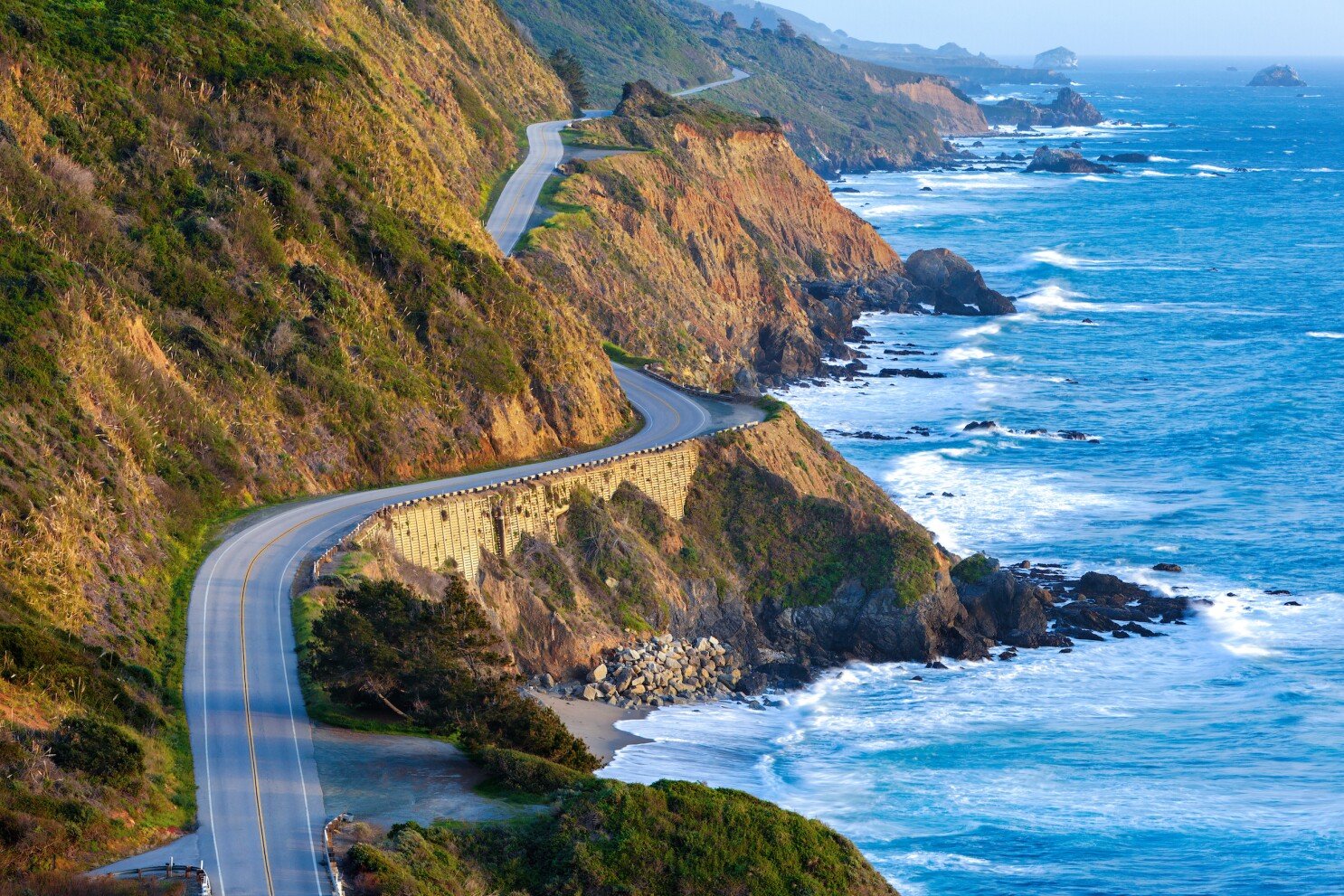
1. Pacific Coast Highway (Highway 1) – San Francisco to Los Angeles
- Why it’s iconic: Hugging rugged cliffs and crashing surf, this coastal stretch is California at its most cinematic.
- Don’t miss: Bixby Bridge, Ragged Point, Elephant Seal Vista Point, Hearst Castle
- Pro Tip: Drive north to south for ocean-side views and safer pull-offs.
2. Highway 395 – Eastern Sierra Route
- Route: From Bishop to Bridgeport (or further north toward Lake Tahoe)
- What you’ll see: Snow-capped mountains, volcanic ridges, hot springs, and ancient bristlecone pines
- Highlights: Mammoth Lakes, Mono Lake, Convict Lake, Hot Creek Geological Site
- When to go: Late spring to early fall; closed sections in winter due to snow
3. Avenue of the Giants – Northern California
- Location: Humboldt Redwoods State Park (32-mile scenic drive)
- Why go: Drive through towering 2,000-year-old redwoods — literally through some of them
- Don’t miss: Founders Grove, Shrine Drive-Thru Tree, Eel River viewpoints
- Local Tip: Start early for misty morning photography among the trees
4. Silverado Trail – Napa Valley
- What it offers: A more scenic, less touristy alternative to Highway 29
- Bonus: Vineyards, boutique wineries, and rolling hills — great for a romantic detour
5. Tioga Pass (Highway 120) – Yosemite’s Backdoor (Seasonal)
- Why it’s special: High-altitude road through granite domes, alpine lakes, and meadows
- Best months: June through October (check snow closures)
- Warning: Not for RVs or nervous drivers — steep grades and tight curves
Hidden Gems to Add to Your Itinerary
1. Solvang – A Danish Village in Santa Barbara County
- Windmills, pastries, wine tasting, and European charm
- A unique pit stop between Big Sur and Los Angeles
2. Carrizo Plain National Monument – California’s Serengeti
- Spring super blooms of wildflowers
- One of the state’s last undeveloped grassland ecosystems
- Perfect for photography, hiking, and stargazing
3. Julian – A Mountain Gold Rush Town
- Just an hour east of San Diego
- Famous for apple pie, cozy B&Bs, and scenic hikes
- Great fall destination for foliage and apple festivals
4. Point Reyes National Seashore – Northern Coastal Escape
- 90 minutes from San Francisco
- Sea cliffs, lighthouse views, elk herds, and dramatic coastal hikes
- Don’t miss: Alamere Falls — a waterfall that drops into the ocean
5. Lone Pine & Alabama Hills – Wild West Film Backdrop
- Located along Highway 395
- Epic granite formations with views of Mount Whitney
- Movie Road Loop is famous for classic Western film settings
How to Discover More Hidden Spots On the Road
- Use Reddit threads like r/California or r/Roadtrippers for updated tips
- Ask locals at diners, gas stations, and campgrounds — they often know hidden waterfalls, swimming holes, or scenic overlooks
- Explore AllTrails and Google Maps satellite view to scout out unmarked trails or coastal access points
These hidden corners and lesser-known routes are where California reveals its soul — far from the crowds and full of surprise.
Build flexibility into your itinerary so you can say “yes” to a dirt road, a roadside sign, or a scenic overlook you didn’t plan for.
Where to Stay: Hotels, Motels, and Campsites
A California road trip isn’t just about the drive — where you rest your head each night can make or break the journey.
The state offers a wide range of accommodation options: from seaside motels and forest cabins to luxury resorts and desert glampsites.
In this section, we’ll break down where to stay along your route based on your budget, experience preference, and location.
Types of Accommodations
1. Budget-Friendly
- Motels & Budget Hotels: Look for chains like Motel 6, Super 8, and local independent inns — often located near highways or park entrances.
- Hostels: Great in cities like San Francisco, LA, and San Diego (e.g., HI Hostels, Samesun Venice Beach).
- Campgrounds: National Parks (Yosemite, Joshua Tree, etc.) and State Parks offer affordable stays with stunning natural surroundings.
2. Mid-Range
- Boutique Hotels & Lodges: Expect unique decor, central locations, and better service than chains. Look in areas like Santa Barbara, Carmel, and Palm Springs.
- Airbnb/VRBO: Perfect for groups or couples seeking more space and local flavor. Especially valuable in Big Sur, Joshua Tree, or Lake Tahoe.
- AutoCamps: Luxury airstream camping available in Yosemite, Russian River, and Joshua Tree — a stylish and comfortable in-between.
3. Unique & Luxury Stays
- Treehouses in the Redwoods
- Beachfront bungalows in Malibu or Laguna
- Desert domes & glamping tents in Joshua Tree
- Historic hotels like The Mission Inn in Riverside or Hotel del Coronado in San Diego
- Spa resorts in Napa, Ojai, or Palm Springs
Top Campsites to Reserve (Book Early!)
| Campground | Location | Highlight |
| Upper Pines | Yosemite Valley | Central access to Yosemite trails |
| Big Sur Campground | Big Sur River area | Redwood-lined, family-friendly |
| Jumbo Rocks | Joshua Tree NP | Stargazing and rock formations |
| Doheny State Beach | Dana Point | Beachside camping |
| Lake Tahoe Basin Sites | South or North Tahoe | Lakeside access and scenic beauty |
Booking Tip:
Use Recreation.gov or ReserveCalifornia.com for national and state park campsites. Popular campgrounds open for reservations 6 months in advance — set a calendar alert!
Where to Stay Along the Itinerary (Sample Night-by-Night)
| Night | Location | Budget Stay | Mid-Range / Unique Stay |
| 1–2 | San Francisco | HI SF Downtown Hostel | Hotel Zephyr / Fairmont SF |
| 3 | Big Sur / Monterey | Riverside Campground or Motel | Treebones Yurts / Big Sur River Inn |
| 4 | Santa Barbara | Beachside Inn | Brisas del Mar / The Wayfarer |
| 5 | Los Angeles | Freehand LA / local motel | The Line / Hotel Erwin / Mama Shelter |
| 6–7 | San Diego | ITH Hostel / Budget Hotel | The Pearl / Pendry San Diego |
| 8 | Joshua Tree | Hidden Valley Campground | AutoCamp JT / Unique Airbnb Dome |
| 9 | Palm Springs | Infusion Beach Club | Ace Hotel / Parker Palm Springs |
| 10 | Yosemite or Tahoe | Curry Village / Campground | Tenaya Lodge / Basecamp Tahoe |
Accommodation Planning Tips
- Flexibility Pays Off: Book 2–3 anchor stays ahead of time, but leave space for spontaneity in less crowded areas.
- Avoid Overpacking Days: Aim to drive 2–4 hours per day max — longer stretches = earlier check-in stress or missed detours.
- Consider Staying Outside National Parks: Nearby gateway towns (like Mariposa for Yosemite or Joshua Tree for JTNP) offer more availability and better prices.
Must-Try California Eats on the Road
California is a food lover’s paradise — especially when you’re exploring it by car. From taco trucks and seafood shacks to vineyards and farm-to-table cafes, the Golden State serves up flavors as diverse as its landscapes.
Whether you’re driving the coast, crossing the desert, or winding through wine country, there’s no shortage of iconic bites, local favorites, and hidden food gems.
In this section, we’ll guide you through must-try California road trip eats, regional specialties, and places worth pulling over for.
Iconic Road Trip Foods in California
| Dish / Snack | Where to Try It |
| In-N-Out Burger | Statewide (a California classic — try it “Animal Style”) |
| Fish Tacos | San Diego, Ventura, Santa Barbara |
| California Burrito | San Diego (includes fries inside!) |
| Sourdough Bread | San Francisco (try Boudin or local bakery spots) |
| Tri-Tip BBQ | Central Coast – Santa Maria-style |
| Avocado Toast | LA cafes, coastal brunch spots |
| Date Shakes | Palm Springs, Indio (try Shields Date Garden) |
| Apple Pie | Julian (mountain town known for fall apple season) |
| Vegan Eats | LA, SF, and Santa Cruz – leading the plant-based movement |
| Wine & Cheese Pairings | Napa, Sonoma, Paso Robles |
Where to Eat by Region (From Road Trippers Who’ve Been There)
San Francisco Bay Area
- Ferry Building Marketplace: Artisan food stalls & local treats
- Swan Oyster Depot: Legendary seafood counter
- Tartine Bakery: Iconic baked goods in the Mission District
Monterey / Big Sur
- Nepenthe (Big Sur): Clifftop views + comfort food
- Big Sur Bakery: Cozy breakfast and wood-fired pizza
- Phil’s Fish Market (Moss Landing): Famous cioppino
Santa Barbara / Central Coast
- Los Agaves (SB): Gourmet Mexican with authentic flavor
- Cold Spring Tavern: A hidden 1800s stagecoach stop for BBQ
- Solvang Bakeries: Danish pastries and aebleskiver
Los Angeles
- Grand Central Market: Diverse bites in a historic downtown space
- Guisados: Slow-cooked taco perfection
- Sqirl: Inventive brunch with cult following
- Taco Trucks: Tacos Leo (al pastor) or Mariscos Jalisco (seafood)
San Diego
- Las Cuatro Milpas: Beloved for handmade tortillas & homestyle Mexican
- The Crack Shack: Fried chicken meets chef creativity
- Little Italy Food Hall: Casual but high-quality eats
Joshua Tree / Palm Springs
- Pappy & Harriet’s (Pioneertown): Live music, BBQ, and desert vibes
- Crossroads Cafe (JT): Breakfast burritos + coffee fuel
- Farm (Palm Springs): French country-style brunch
Yosemite / Sierra Foothills
- The Alley (Mariposa): Cozy American comfort food
- South Gate Brewing Co (Oakhurst): Local beer + hearty meals
- Erna’s Elderberry House (Oakhurst): Fine dining oasis
Pro Tips for Eating on the Road
- Pack a Cooler: Keep fruit, snacks, and drinks on hand to avoid fast food overload
- Visit Farmers Markets: California’s produce is second to none — check out roadside stands or town markets
- Use Yelp & Google Maps Reviews Smartly: Filter by rating, distance, and open hours — and look for places with lots of local reviews, not just tourists
- Build in “Food Days”: Dedicate 1–2 days to exploring the food scene in SF, LA, or SD
California’s food culture is vibrant, experimental, and grounded in fresh, local ingredients.
Whether you’re indulging in street tacos on the beach or sipping wine in a vineyard, you’ll experience flavors that reflect the land — and the people — of the Golden State.
Travel Tips from California Road Trip Experts
A California road trip is unforgettable — but it can also be unpredictable. From navigating LA traffic to managing Yosemite reservations, the state rewards those who are both adventurous and well-prepared.
This section draws from first-hand experience, local insight, and expert-level tips to help you avoid common pitfalls, discover hidden wins, and travel more smoothly from coast to desert to mountain.
On the Road: Driving & Navigation Tips
1. Avoid Major Traffic Bottlenecks
- Los Angeles: Avoid driving between 7–10 AM and 3–7 PM. Use Waze to get real-time detours.
- San Francisco Bay Area: Golden Gate and Bay Bridge traffic can be brutal. Cross early or late.
- Coastal Highway (Big Sur): One-lane bridges and curves = slow drives. Don’t rush — this is a place to enjoy the scenery.
2. Gas Up Strategically
- Fill up in cities before heading into remote areas like Big Sur, Death Valley, or Yosemite.
- Use GasBuddy or Upside apps to find the cheapest fuel near you.
- Some stations in national parks charge $1–$2 more per gallon.
3. Download Offline Maps
- Cell reception is spotty in Big Sur, Joshua Tree, Yosemite, and parts of Highway 395.
- Use Google Maps offline mode or download maps with Maps.me.
Time-Saving Itinerary Hacks
- Spend at least 2 nights in Big Sur, Yosemite, or Joshua Tree to fully enjoy the experience without rushing.
- Plan to arrive at parks early (before 9 AM) to beat crowds and secure parking.
- If you’re short on time, focus on coastal + desert, or city + mountains, but don’t try to do everything in 7 days.
Safety Tips & Road Conditions
- Always check weather + fire conditions, especially in summer and fall. Use:
- CalFire Map
- Caltrans Road Conditions
- CalFire Map
- Chains may be required in Yosemite, Lake Tahoe, and Sierra Nevada between November and April.
- Watch for wildlife crossings in rural areas — deer are common near Yosemite and Northern California roads.
EV Travelers: Must-Know Tips
- California is EV-friendly, but charging availability varies by region.
- Download PlugShare to see reviews, reliability, and pricing at nearby stations.
- Always charge up before entering national parks or remote desert highways (charging in-park is limited).
How to Discover More Than Just Tourist Stops
- Ask locals: Bartenders, baristas, or park rangers will often share spots that never make it onto guidebooks.
- Reddit: Search subreddits like r/California, r/RoadTrip, and r/NationalParks for hidden gems and route updates.
- Stop at Visitor Centers: Often overlooked — they offer up-to-date trail, road, and event info.
Money-Saving Travel Strategies
- Split the trip with friends to share rental car, lodging, and gas costs.
- Eat like a local: Farmer’s markets, food trucks, and hole-in-the-wall spots deliver incredible value.
- Consider a National Park Pass ($80) if visiting 3 or more parks — it pays for itself quickly.
Expert Bonus: Make It Meaningful
- Keep a travel journal or blog — you’ll forget details by the end of the trip
- Take fewer photos and enjoy more moments — the coastal breeze, the smell of pine, the desert silence
- Don’t overpack your schedule — leave time for detours and the unexpected
A great California road trip isn’t just about mileage — it’s about memories.
These real-world tips will help you make better decisions, avoid tourist traps, and stay flexible enough to create unforgettable moments along the way.
Sustainable Road Tripping in California
California is home to some of the most breathtaking — and fragile — ecosystems in the world: ancient redwood forests, pristine coastlines, arid deserts, and alpine wilderness.
As road trippers, we have a responsibility to preserve these spaces not just for ourselves, but for the millions of travelers and residents who rely on them.
In this section, we’ll show you how to make your California road trip more eco-conscious, ethical, and community-supportive — without compromising on adventure or convenience.
Why Sustainable Travel Matters in California
- California experiences intense environmental stress: droughts, wildfires, over-tourism, and traffic congestion all impact its landscapes and communities.
- Popular destinations like Yosemite, Big Sur, and Joshua Tree see millions of annual visitors — which means small choices add up fast.
- Supporting sustainability isn’t just about nature — it’s also about uplifting local economies, respecting cultural spaces, and minimizing waste.
Drive Greener: Fuel Efficiency & EV Travel
Go Electric or Hybrid
- California leads the U.S. in EV infrastructure. Cities, highways, and even some parks offer charging stations.
- Rent hybrid or electric vehicles through companies like Hertz, Turo, or Teslas via Envoy or EV-specific fleets.
Plan Smart Routes
- Use tools like A Better Route Planner (ABRP) to map energy-efficient itineraries.
- Avoid unnecessary backtracking — every saved mile = less emissions.
Respect the Outdoors: Leave No Trace
Whether you’re camping in Yosemite or hiking in Big Sur:
- Stay on trails — trampling wildflowers or cryptobiotic desert crust causes permanent damage.
- Pack it in, pack it out — don’t leave trash, even biodegradable items like banana peels or apple cores.
- Don’t feed wildlife — human food alters their behavior and can shorten their lifespan.
- Use refillable water bottles — avoid single-use plastics, which are banned in many California parks.
Tip: Keep a “zero-waste” kit in your car: metal utensils, reusable straws, cloth napkin, and a tote bag.
Support Local, Not Corporate
Buying local means your dollars go further — directly into the hands of Californians who keep the state’s unique culture alive.
Spend Your Money Here:
- Farmers markets and roadside fruit stands
- Independent motels, glamping sites, and campgrounds
- Family-run restaurants, bakeries, and taco trucks
- Artisan shops and small-town general stores
Ask vendors about their stories — often you’ll find surprising local history and even secret trail or food tips.
Be a Responsible Camper or Lodger
- Book designated campsites — never wild camp in restricted zones like Big Sur or near Joshua Tree neighborhoods.
- Use biodegradable soaps and don’t dump waste near water sources.
- Turn off unnecessary lights to reduce light pollution — this is key in dark-sky areas like Death Valley and Anza-Borrego.
Low-Impact Tips for City Stops
Even in urban areas like LA or SF, sustainability applies:
- Take public transport or rent bikes to explore neighborhoods
- Dine plant-based a few meals a week — California excels at vegan and vegetarian cuisine
- Stay in LEED-certified hotels or those using solar, local sourcing, or waste-reduction programs
Travel With Intention
- Ask yourself: Am I taking more than I give?
- Leave places better than you found them — pick up litter, donate to local park foundations, tip your guides or servers well
- Share your sustainable travel tips online to inspire others — real change comes from everyday choices
Sustainable road tripping is more than a trend — it’s a mindset. California is generous with its beauty, but it needs thoughtful, intentional travelers to keep it thriving for generations to come.
Conclusion: Final Thoughts on Your California Road Trip Adventure
A California road trip is more than just a journey across a state — it’s a cross-section of America’s most iconic landscapes, diverse cultures, and unforgettable experiences.
From the cool fog of San Francisco’s Golden Gate Bridge to the burning stars above Joshua Tree, the Golden State delivers a rare blend of wild nature and urban energy, spontaneity and soul.
But the real magic of a California road trip lies in its flexibility. No two travelers will experience it the same way.
Whether you’re a first-time visitor or a local rediscovering your home state, this guide is designed to help you:
- Craft a trip that feels meaningful and personal
- Avoid tourist traps and discover the unexpected
- Move responsibly through California’s stunning, but sensitive environments
- Return home with stories that feel authentic, unfiltered, and unforgettable
What to Do Next
- Pick your start and end points. SF to LA? Full loop? One-way? Customize it.
- Check season-specific closures, fire alerts, and reservation requirements.
- Book 2–3 key stays in advance, but leave time for spontaneity.
- Pack light, plan smart, and stay curious.
Parting Wisdom from the Road
- Don’t rush. You’ll remember the moments, not the mileage.
- Watch the sunset whenever possible. It’s free, it’s grounding, and California does it best.
- Talk to locals. Your best meals, best hikes, and best memories may come from unexpected conversations.
- Go off script. That detour sign or dirt road? It might lead to your favorite part of the trip.
Share Your Story
If this guide helped shape your California road trip, pass it on — and consider sharing your own experience. The best way to give back is to inspire the next traveler with honesty, insight, and intention.
Wherever you’re headed, may your California road trip be full of open skies, winding roads, great food, and stories you’ll tell for years.