The Perfect Costa Rica Itinerary: A 7 to 14-Day Adventure Through Rainforests, Beaches & Volcanoes
Introduction
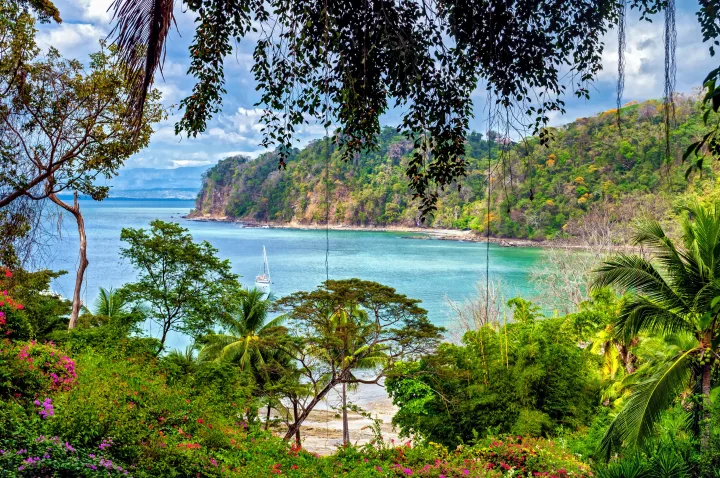
From lush rainforests to volcanic hot springs, pristine beaches to vibrant biodiversity, Costa Rica is a destination that redefines adventure and eco-travel.
Nestled in the heart of Central America, it punches well above its weight in natural beauty, sustainability, and unforgettable experiences.
Whether you’re a first-time visitor seeking a taste of the tropics or a seasoned traveler craving immersive nature escapes, a well-crafted Costa Rica itinerary can make all the difference between a rushed vacation and a transformative journey.
This guide offers a flexible, field-tested Costa Rica itinerary designed for different trip lengths — 7, 10, or 14 days — and travel styles, from backpackers on a budget to families or honeymooners looking for a luxury retreat.
Built on first-hand travel insights and up-to-date research, it covers not just where to go, but how to get there, what to do, what to pack, and how to travel responsibly.
You’ll explore iconic highlights like Arenal Volcano, the Monteverde Cloud Forest, and Manuel Antonio National Park, as well as lesser-known gems like Dominical, Uvita, and the Osa Peninsula — places that offer a deeper connection to Costa Rica’s rich culture and natural wonders.
This isn’t just another copy-paste travel itinerary — it’s a people-first, experience-driven guide shaped by real travelers, local knowledge, and a passion for sustainable exploration.
Best Time to Visit Costa Rica
When planning your Costa Rica itinerary, timing can dramatically influence your experience—from the wildlife you’ll encounter to how easily you get around.
Costa Rica has two main seasons: the dry season (verano) and the green season (invierno). Understanding these seasonal patterns is crucial for choosing the right regions and experiences based on your goals.
Dry Season (December to April) — Ideal for First-Time Visitors
The dry season is the most popular time to visit Costa Rica — and with good reason. From December to April, you’ll enjoy:
- Sun-drenched days and clear skies, perfect for beach lounging and zip-lining.
- Smooth road conditions in most regions, especially for reaching rural or mountainous areas.
- Easier access to national parks and wildlife reserves, many of which may have limited operations during heavy rains.
However, with popularity comes higher prices and more crowds, especially around Christmas, New Year, and Easter. Booking accommodations and car rentals well in advance is essential.
Green Season (May to November) — Ideal for Adventurers & Budget Travelers
Often misunderstood, the green season can be magical for the right kind of traveler.
Yes, it rains — but typically in the late afternoon or evening, leaving mornings bright and activity-friendly. Benefits include:
- Fewer tourists, allowing for a more immersive experience.
- Lush landscapes and fuller waterfalls, especially in rainforest areas like La Fortuna or the Osa Peninsula.
- Lower prices on tours, hotels, and flights — often 20–30% less than in peak season.
The downside? Some remote areas like the Nicoya Peninsula or Osa can become difficult to access due to flooded roads.
Also, Caribbean weather patterns differ significantly, which brings us to…
Regional Weather Differences: Pacific vs. Caribbean Coast
Costa Rica may be small, but it’s climatically diverse:
- Pacific Coast (e.g., Tamarindo, Manuel Antonio, Uvita): Follows the traditional dry/wet split. Dry season offers perfect beach weather; wet season brings lush landscapes and afternoon storms.
- Caribbean Coast (e.g., Puerto Viejo, Cahuita): Weather here is less predictable. Rain can fall year-round, but September and October — Costa Rica’s rainiest months overall — are often the driest months on the Caribbean side.
This makes the Caribbean coast an excellent alternative during the Pacific’s peak rainy season — ideal if you’re looking for surfing, Afro-Caribbean culture, or coral reef snorkeling.
When to Go Based on Your Interests
| Travel Interest | Best Time to Visit |
| Wildlife watching (sloths, monkeys, toucans) | Year-round (dry season offers better visibility) |
| Whale watching (Uvita area) | July–October, December–March |
| Turtle nesting (Tortuguero) | July–October (Green Sea Turtles) |
| Surfing (Pacific Coast) | May–November (larger swells) |
| Budget travel | May–mid-December |
Bottom Line
There’s no single “best time” to visit Costa Rica — just the right time for your travel style.
If you’re seeking perfect weather and don’t mind crowds, go during the dry season.
If you’re looking for solitude, better prices, and lush scenery, the green season could be your best-kept secret.
Essential Travel Tips Before You Go
Planning a successful trip to Costa Rica isn’t just about choosing the right places — it’s about understanding the logistics that make your journey smoother, safer, and more rewarding.
From how to get around to what to pack for rainforest hikes and beach days, these expert-backed travel tips will help you prepare like a pro.
Entry Requirements & Travel Documents
- Visa-Free Entry: Citizens of the U.S., Canada, EU, and many other countries can enter Costa Rica visa-free for up to 90 days. However, your passport must be valid for at least 6 months beyond your entry date.
- Proof of Exit: You may be asked to show proof of onward travel (like a return ticket or bus out of the country).
- Travel Insurance: Not mandatory, but highly recommended, especially during rainy season or if you’re doing adventure activities like rafting or zip-lining.
Currency, Cash & Cards
- Local currency: Costa Rican Colón (CRC), but U.S. dollars are widely accepted in tourist areas.
- Cards vs Cash: Credit/debit cards work in most hotels, restaurants, and tour operators, but always carry some cash for rural towns, buses, or local sodas (small family-run restaurants).
- ATMs: Widely available, but alert your bank before travel and choose reputable ATMs like BAC or BCR.
Safety in Costa Rica
Costa Rica is one of the safest countries in Central America, but common-sense precautions still apply:
- Avoid flashing valuables in crowded places or on public beaches.
- Don’t leave bags unattended in rental cars or visible in hotel lobbies.
- Watch out for strong ocean currents—not all beaches have lifeguards.
- Tap water is safe to drink in most areas, especially in tourist hubs.
Transportation: How to Get Around
Costa Rica may look small on a map, but travel times can be deceptive due to winding roads and changing terrain. Here are your best options:
Renting a Car (Recommended for Independence)
- Ideal if you’re exploring remote areas like Monteverde or the Osa Peninsula.
- A 4×4 is essential for certain regions, especially during the rainy season.
- Use apps like Waze (preferred over Google Maps locally).
Shared Shuttles
- Door-to-door service, safe and comfortable.
- Great for solo travelers or those uncomfortable with driving.
- Popular companies: Interbus, Gray Line, Caribe Shuttle
Public Buses
- Budget-friendly, reliable between major cities, but less efficient for remote areas.
- Local buses can be slow and may not follow fixed schedules.
Domestic Flights
- Save time for long-distance routes like San José to Drake Bay or Puerto Jiménez.
- Local airlines: Sansa Airlines, Green Airways
What to Pack for Costa Rica
Costa Rica’s microclimates demand versatile packing. Here’s a region-tested list:
- Lightweight rain jacket (even in dry season)
- Quick-dry clothing for hikes and beach days
- Closed-toe hiking shoes (especially for Arenal, Monteverde, Corcovado)
- Sandals or water shoes for beach and waterfalls
- Bug spray (DEET-free if possible)
- Sunscreen (reef-safe recommended)
- Reusable water bottle
- Dry bags for electronics during boat tours or rainy hikes
- Headlamp for jungle lodges and early-morning wildlife treks
Optional but useful:
- Binoculars for birdwatching
- Waterproof phone pouch
- Travel towel
- Spanish phrasebook or app
Pro Tips From the Road
- Don’t overpack your itinerary. Drive times take longer than you expect — allow time for spontaneous wildlife sightings or roadside fruit stands.
- Embrace “Pura Vida” — the Costa Rican way of life. Things may move slower than you’re used to, but it’s part of the experience.
- Always book tours through reputable operators. Look for certifications like CST (Sustainable Tourism Certification).
This section sets you up for a hassle-free and safe experience — whether you’re flying in for a week of beaches or diving deep into the rainforest.
Up next, we’ll dive into the Costa Rica Itinerary Overview, where you’ll see how a real trip can unfold.
Costa Rica Itinerary Overview
Costa Rica is a destination that rewards slow, immersive travel — yet it’s also flexible enough to accommodate travelers on tight timelines.
Whether you have a week or two, the key is to balance iconic must-sees with off-the-beaten-path gems.
This overview offers a modular route covering volcanoes, cloud forests, wildlife, beaches, and rainforests — designed with efficiency, diversity, and depth in mind.
Below is a suggested 14-day itinerary (which you can shorten or modify for a 7- or 10-day version) that flows naturally through Costa Rica’s most captivating regions.
Day 1–3: San José → Arenal / La Fortuna (Volcanoes, Hot Springs & Waterfalls)
- Arrive in San José: Costa Rica’s capital is your entry point. Depending on your arrival time, you may choose to stay the night or transfer directly to Arenal.
- Transfer to La Fortuna: ~3 hours by car or shuttle. Home to the iconic Arenal Volcano, La Fortuna is adventure central.
- Top Activities:
- Hike Arenal Volcano National Park
- Soak in natural hot springs (Tabacón, EcoTermales)
- Visit La Fortuna Waterfall
- Go white-water rafting or take a wildlife river safari
- Hike Arenal Volcano National Park
- Recommended Stay: 2–3 nights in an eco-lodge or hot spring resort
Why it’s worth it: La Fortuna is a stunning introduction to Costa Rica’s geothermal and biological diversity — a mix of lush rainforest, epic views, and high-adrenaline activities.
Day 4–6: Monteverde Cloud Forest (Nature, Canopy Walks & Biodiversity)
- Drive to Monteverde: ~3.5 hours from La Fortuna. Roads can be rough — consider a 4×4 vehicle or a shared shuttle.
- Top Activities:
- Walk the famous hanging bridges of Selvatura or Sky Adventures
- Zip-line above the canopy (Monteverde is the birthplace of zip-lining)
- Visit the Monteverde Cloud Forest Biological Reserve
- Night tours to spot sloths, kinkajous, and glowing fungi
- Walk the famous hanging bridges of Selvatura or Sky Adventures
- Recommended Stay: 2–3 nights in a cloud forest lodge
Why it’s worth it: Monteverde offers one of the richest ecosystems on Earth, with endemic plant and animal species not found elsewhere — ideal for nature lovers, birdwatchers, and science nerds.
Day 7–9: Manuel Antonio (Beaches & Wildlife)
- Drive to Manuel Antonio: ~3.5–4.5 hours from Monteverde. The journey offers scenic views of Pacific coastlines and palm plantations.
- Top Activities:
- Explore Manuel Antonio National Park — monkeys, sloths, and turquoise beaches
- Kayak through Damas Island Mangroves
- Sunset catamaran tour
- Surfing lessons or parasailing
- Explore Manuel Antonio National Park — monkeys, sloths, and turquoise beaches
- Recommended Stay: 2–3 nights at a beachfront hotel or hillside jungle villa
Why it’s worth it: This is where you combine wildlife with white-sand beaches.
Manuel Antonio is compact but teeming with life — one of the few places where you might spot sloths while sipping a coconut on the beach.
Day 10–12: Dominical / Uvita (Waterfalls, Whales & Tranquility)
- Drive to Uvita or Dominical: ~1.5 hours south of Manuel Antonio along the Costanera Sur highway.
- Top Activities:
- Visit the Whale’s Tail sandbar at Marino Ballena National Park
- Seasonal humpback whale watching (July–Oct & Dec–Mar)
- Hike to Nauyaca Waterfalls
- Yoga sessions, surfing, or slow beach days
- Visit the Whale’s Tail sandbar at Marino Ballena National Park
- Recommended Stay: 2–3 nights in a jungle bungalow or boutique eco-lodge
Why it’s worth it: This stretch of coast is more laid-back and less developed — perfect for travelers craving nature and solitude, with opportunities to see whales, explore waterfalls, and connect with Costa Rica’s slower rhythms.
Day 13–14: Return to San José or Extend to the Caribbean Coast
- Option 1: Return to San José (~4.5 hours from Uvita) for your outbound flight.
- Option 2: If you have more time or prefer Caribbean vibes, continue eastward:
- Tortuguero (for turtle nesting and canals)
- Puerto Viejo de Talamanca (surf, Afro-Caribbean culture, nightlife)
- Tortuguero (for turtle nesting and canals)
Why it’s worth it: Wrapping up your journey in the capital gives you a moment to reflect, but if time allows, ending on the Caribbean side offers a totally different cultural flavor and fewer crowds.
7-Day Costa Rica Itinerary (Highlights Tour)
Short on time but still want to experience Costa Rica’s vibrant ecosystems, stunning landscapes, and unforgettable adventures?
This 7-day itinerary is designed for travelers who want to see the best of Costa Rica in just one week, without rushing through the experience.
The itinerary focuses on three must-see regions: Arenal / La Fortuna, Monteverde, and Manuel Antonio.
You’ll get a taste of volcanoes, cloud forests, wildlife, and beaches — all in one efficient loop.
Day 1: Arrival in San José → Transfer to La Fortuna
- Arrival at Juan Santamaría International Airport (SJO)
Aim to arrive early. If your flight is in the morning or early afternoon, drive (~3 hours) or take a shuttle to La Fortuna, the adventure capital of Costa Rica. - Evening: Check into your hotel or eco-lodge and relax in natural hot springs.
Travel Tip: Skip staying in San José unless your flight arrives late at night. Getting to La Fortuna on day one maximizes your time for exploration.
Day 2: Arenal Volcano, Waterfalls & Adventure Sports
- Morning: Hike Arenal Volcano National Park for lava trails and panoramic views.
- Afternoon: Visit La Fortuna Waterfall (don’t forget your swimwear).
- Optional: Go zip-lining, horseback riding, or take a wildlife float on the Peñas Blancas River.
- Evening: Enjoy a soak at Tabacón, Baldi, or EcoTermales hot springs.
Why it matters: Arenal offers a perfect mix of active adventure and relaxation, and it’s one of the most iconic landscapes in Central America.
Day 3: Travel to Monteverde + Cloud Forest Introduction
- Morning: Travel to Monteverde Cloud Forest (~3–4 hours via scenic mountain roads).
- Afternoon: Settle into your cloud forest lodge and explore Santa Elena town or take a self-guided walk in Curi-Cancha Reserve.
- Evening: Join a night walk tour to spot nocturnal wildlife like kinkajous, frogs, and glowing fungi.
Insider tip: Don’t skip the night tour — Monteverde’s cloud forest comes alive after dark in a way few destinations do.
Day 4: Hanging Bridges & Zip-lining in Monteverde
- Morning: Walk the Sky Walk or Selvatura hanging bridges, suspended above the jungle canopy.
- Optional: Go zip-lining (Sky Trek is one of the longest in Latin America).
- Afternoon: Visit a butterfly garden or hummingbird gallery, or take a coffee and chocolate tour.
Why this day matters: You’ll be immersed in the biological richness of Monteverde — home to over 400 species of birds and thousands of plant species.
Day 5: Travel to Manuel Antonio (Beach Time Begins)
- Morning: Drive or shuttle to Manuel Antonio (~3.5–4.5 hours).
- Afternoon: Check in, hit the beach, and enjoy the sunset from Playa Espadilla.
- Evening: Dinner with an ocean view; try fresh ceviche or casado at a local soda.
Why this transition works: By Day 5, you’ll welcome the chance to unwind by the ocean — this is the shift from rainforest to tropical paradise.
Day 6: Explore Manuel Antonio National Park
- Morning: Hike the trails of Manuel Antonio National Park — keep your eyes out for sloths, monkeys, and toucans.
- Midday: Relax on Playa Manuel Antonio (inside the park).
- Afternoon: Optional kayak tour through Damas Island mangroves or a sunset catamaran cruise.
Wildlife note: The park is small but biodiverse — and one of the best places to photograph monkeys up close (keep snacks secured!).
Day 7: Return to San José & Departure
- Morning: Depending on your flight time, enjoy a final beach walk or breakfast with a view.
- Transfer to San José: ~3 hours to the airport (SJO).
- Departure.
Quick Summary: 7-Day Costa Rica Highlights Tour
| Day | Destination | Key Experiences |
| 1 | La Fortuna | Travel, Hot Springs |
| 2 | La Fortuna | Volcano hike, Waterfall, Adventure tour |
| 3 | Monteverde | Travel, Cloud forest intro, Night walk |
| 4 | Monteverde | Hanging bridges, Zip-lining, Coffee tour |
| 5 | Manuel Antonio | Travel, Beach time |
| 6 | Manuel Antonio | National Park, Wildlife, Ocean activities |
| 7 | San José | Return travel, Flight home |
This 7-day itinerary ensures that even short-term travelers leave Costa Rica with lifelong memories — from hiking lava fields to spotting a sloth in the wild.
Up next, we’ll take it a step further with the 10-Day Costa Rica Itinerary, ideal for travelers who want a more relaxed pace or to add a hidden-gem destination like Dominical or Uvita.
10-Day Costa Rica Itinerary (Balanced Adventure + Nature)
If you have 10 days in Costa Rica, you’ve struck the sweet spot — enough time to explore multiple ecosystems, enjoy beach downtime, and still move at a comfortable, non-rushed pace.
This itinerary builds on the 7-day highlights tour, but with the added bonus of a slower rhythm and an immersive dive into Costa Rica’s more serene, lesser-traveled regions like Uvita or Dominical.
Day 1: Arrival in San José → Transfer to La Fortuna
- Land at SJO International Airport and head directly to La Fortuna (~3-hour drive).
- Check in to your lodge or hotel and enjoy an evening soak in natural hot springs.
Why it’s smart: Starting strong with hot springs and volcano views sets the tone for the entire trip.
Day 2: Explore Arenal Volcano & La Fortuna Waterfall
- Morning: Hike through Arenal Volcano National Park (lava fields, panoramic views).
- Afternoon: Visit La Fortuna Waterfall (a 200-foot drop into a jungle pool).
- Optional: Chocolate tour, horseback ride, or guided wildlife boat tour.
Pro tip: Hire a naturalist guide — they’ll help you spot wildlife you’d otherwise miss, like howler monkeys, leaf-cutter ants, or hidden snakes.
Day 3: Arenal Hanging Bridges + Transfer to Monteverde
- Morning: Walk the Mistico Hanging Bridges in the rainforest canopy — a 2-mile loop through the treetops with views of Arenal Volcano.
- Afternoon: Travel to Monteverde via 4×4 or lake crossing shuttle (~3–4 hours).
Optional: Book a Lake Arenal boat crossing + Jeep combo for a scenic and efficient route to Monteverde.
Day 4: Monteverde Cloud Forest Adventures
- Morning: Explore the Monteverde Cloud Forest Reserve, one of the most biodiverse places on earth.
- Optional: Zip-lining, birdwatching (resplendent quetzals!), or visit to the hummingbird gallery.
- Evening: Do a guided night walk — you’re likely to see sloths, armadillos, and glowing mushrooms.
Day 5: Coffee Tour + Travel to Manuel Antonio
- Morning: Take a coffee + chocolate tour to learn about local agricultural traditions.
- Afternoon: Drive to Manuel Antonio (~3.5–4.5 hours); arrive in time for sunset at the beach.
Local insight: Costa Rican coffee farms are often family-run and give a deep look into the country’s sustainable farming practices.
Day 6: Explore Manuel Antonio National Park
- Early morning: Visit the national park before it gets hot or crowded. Expect monkeys, sloths, iguanas, toucans, and raccoons.
- Midday: Swim or relax at the stunning Playa Manuel Antonio.
- Evening: Try a beachside dinner in Quepos.
Day 7: Optional Tours + Relaxation in Manuel Antonio
- Optional:
- Catamaran cruise with snorkeling
- Damas Island mangrove tour
- Surf lessons
- Catamaran cruise with snorkeling
- Or simply relax on Playa Espadilla and enjoy the pura vida vibes.
Day 8: Drive to Uvita / Dominical (Hidden Coastal Gems)
- Drive ~1.5–2 hours south to Costa Rica’s laid-back Southern Pacific Coast.
- Check into a beachfront eco-lodge or jungle cabin.
- Spend the afternoon at Playa Hermosa, Playa Ventanas, or sipping smoothies in Dominical’s surf cafes.
Why add this stop: These towns offer a tranquil contrast to busier beach hubs — perfect for whale watching, yoga, and slow mornings.
Day 9: Waterfalls, Whales & Wildlife in Uvita
- Morning: Hike to Nauyaca Waterfalls, a two-tiered jungle cascade with swimming pools.
- Afternoon (seasonal): Whale watching tour from Uvita (best from July–Oct & Dec–Mar).
- Evening: Enjoy dinner at a cliffside restaurant overlooking the ocean.
Wildlife note: Uvita is one of the top places in the world to see humpback whales, thanks to two migrating populations each year.
Day 10: Return to San José & Departure
- Depending on your flight time, begin your return to San José (~4.5–5 hours).
- Optional: Break up the drive with a stop at Tarcoles River to see massive crocodiles from the bridge.
Quick Summary: 10-Day Costa Rica Itinerary
| Day | Destination | Key Experiences |
| 1 | La Fortuna | Arrival, Hot Springs |
| 2 | La Fortuna | Volcano hike, Waterfall, Adventure tours |
| 3 | Arenal → Monteverde | Hanging bridges, Travel |
| 4 | Monteverde | Cloud forest, Zip-lining, Night walk |
| 5 | Monteverde → M. Antonio | Coffee tour, Travel |
| 6 | Manuel Antonio | National Park, Wildlife, Beach |
| 7 | Manuel Antonio | Ocean tours or Relaxation |
| 8 | Uvita / Dominical | Hidden beaches, Yoga, Surf |
| 9 | Uvita | Waterfalls, Whale Watching |
| 10 | San José | Return travel, Departure |
With 10 days, you’ll experience Costa Rica’s most iconic landscapes and its peaceful, untouched gems.
Whether you’re into wildlife, surfing, jungle treks, or cultural immersion, this balanced itinerary delivers variety without burnout.
14-Day Costa Rica Itinerary (Deep Exploration Route)
With 14 days in Costa Rica, you’re no longer just scratching the surface — you’re immersing yourself in the country’s wild soul, with enough time to uncover both the iconic destinations and the secret corners most travelers miss.
This itinerary weaves together volcanoes, cloud forests, beaches, rainforests, and both coasts, offering a truly rich and balanced journey for curious, eco-conscious travelers.
This is the ideal route for nature lovers, photographers, honeymooners, or slow travelers who want deeper experiences, meaningful encounters with wildlife, and room to breathe.
Day 1: Arrival in San José → Overnight Stay
- Depending on your flight arrival time, spend the night in San José to rest and reset.
- Optional: Visit Barrio Escalante for a local dinner, or stroll through Parque La Sabana.
Tip: Staying near the airport (Alajuela) can save time if you plan to hit the road early the next day.
Day 2–4: La Fortuna / Arenal Volcano (Adventure + Relaxation)
- Day 2: Drive (~3 hours) to La Fortuna. Settle in and enjoy hot springs.
- Day 3: Hike Arenal Volcano trails, go canyoning or take a guided wildlife river safari.
- Day 4: Visit La Fortuna Waterfall, take a chocolate-making tour, or relax at your lodge.
Why it matters: Arenal is your ideal launchpad — its mix of adrenaline and calm makes it the best first stop for resetting your rhythm.
Day 5–6: Monteverde Cloud Forest (Elevation, Ecosystems & Mist)
- Day 5: Travel to Monteverde (~3–4 hours via scenic mountain roads or lake crossing).
- Day 6: Explore the Monteverde Cloud Forest Reserve, walk hanging bridges, go zip-lining, or join a specialist birdwatching tour.
Don’t miss: A night walk or an early morning cloud forest hike — this is when many animals are most active and visibility is ideal.
Day 7–9: Manuel Antonio (Wildlife + Beach Bliss)
- Day 7: Travel south to Manuel Antonio (~3.5–4.5 hours).
- Day 8: Visit Manuel Antonio National Park, enjoy its world-famous beaches and hike coastal jungle trails.
- Day 9: Free day — join a catamaran cruise, surf at Playa Espadilla, or sip smoothies at beach cafes.
Why it’s special: This is the only national park in Costa Rica where you can see sloths, monkeys, and iguanas on the same trail within an hour — and then swim in the ocean.
Day 10–11: Dominical & Uvita (Raw Nature + Whale Watching)
- Day 10: Drive to Uvita or Dominical (~1.5 hours). Check into a rainforest bungalow or oceanfront ecolodge.
- Day 11:
- Visit the Whale’s Tail sandbar at low tide
- Take a whale watching tour (seasonal)
- Hike to Nauyaca Waterfalls and swim in natural jungle pools
- Visit the Whale’s Tail sandbar at low tide
Insider tip: The best months for whale watching are July–October and December–March — Costa Rica is one of the few places with two whale migration seasons.
Day 12–13: Osa Peninsula or Puerto Viejo (Choose Your Coast)
You’ve got two incredible choices for a final deep dive:
Option 1: Osa Peninsula (Corcovado National Park)
For remote wilderness lovers
- Day 12: Travel to Drake Bay or Puerto Jiménez via Sierpe boat taxi or domestic flight.
- Day 13: Full-day guided hike in Corcovado National Park — one of the most biodiverse places on Earth.
Expect to see: Tapirs, scarlet macaws, four species of monkeys, and (if you’re lucky) a jaguar or puma.
Option 2: Puerto Viejo (Caribbean Culture & Vibes)
For culture, nightlife, and Afro-Caribbean charm
- Day 12: Travel east to Puerto Viejo de Talamanca (~5–6 hours from Uvita via San José).
- Day 13: Bike to Playa Chiquita, take a chocolate-making tour, or explore Cahuita National Park.
Why go east: Puerto Viejo offers a completely different cultural flavor—reggae rhythms, Creole cuisine, and warm Caribbean waters.
Day 14: Return to San José & Departure
- Travel back to San José or fly from a regional airport if available.
- If you’re returning from the Osa Peninsula, you can catch a short domestic flight (45 mins) to save time.
- If returning from Puerto Viejo, plan for ~5–6 hours of drive time.
Summary: 14-Day Costa Rica Itinerary
| Days | Destination | Highlights |
| 1 | San José | Arrival, overnight stay |
| 2–4 | La Fortuna | Volcano hikes, hot springs, waterfalls |
| 5–6 | Monteverde | Cloud forest, canopy walks, zip-lining |
| 7–9 | Manuel Antonio | National park, beach, wildlife |
| 10–11 | Uvita / Dominical | Whale watching, waterfalls, quiet beaches |
| 12–13 | Osa or Puerto Viejo | Jungle trekking or Caribbean culture |
| 14 | San José | Return & Departure |
With two full weeks, this itinerary allows you to go far beyond the surface.
You’ll discover Costa Rica’s wild heart, from the cloud-shrouded canopy of Monteverde to the untouched rainforests of Corcovado or the laid-back Afro-Caribbean coast.
Top Experiences You Shouldn’t Miss in Costa Rica
Costa Rica isn’t just a destination—it’s a sensory journey through some of the most biodiverse and breathtaking environments on Earth.
Whether you’re zip-lining through cloud forests, soaking in volcanic hot springs, or spotting sloths in the treetops, the country offers a long list of experiences that feel straight out of a nature documentary.
Here are the most authentic, high-value experiences that belong on every Costa Rica itinerary—chosen for their impact, uniqueness, and the memorable emotions they evoke.
1. Soaking in Arenal’s Natural Hot Springs
Imagine sitting in a naturally heated river surrounded by jungle, with the Arenal Volcano looming in the distance.
Costa Rica’s volcanic energy feeds dozens of mineral-rich hot springs in La Fortuna.
- Top choices:
- Tabacón Hot Springs (luxury, lush surroundings)
- EcoTermales (quiet, sustainable, locally owned)
- Free local spot: Río Chollín — natural and public
- Tabacón Hot Springs (luxury, lush surroundings)
Insider tip: Visit in the evening for a surreal experience under the stars.
2. Walking Through Monteverde’s Cloud Forest Canopy
The Monteverde Cloud Forest is a rare, high-elevation jungle perpetually shrouded in mist, filled with rare orchids, bromeliads, hummingbirds, and the elusive resplendent quetzal.
- Walk the Sky Walk or Selvatura hanging bridges
- Join a naturalist-led sunrise hike
- Don’t miss the night tour—a magical jungle experience
Why it matters: This is one of the only places on Earth where 80% of the forest life is found in the canopy, not the forest floor.
3. Spotting Sloths, Monkeys & Toucans in Manuel Antonio
Manuel Antonio National Park is small but loaded with wildlife—and one of the best places to guarantee sightings of Costa Rica’s most iconic animals.
- Expect capuchin monkeys, sloths, toucans, raccoons, iguanas, and howler monkeys.
- Swim in Playa Manuel Antonio, often ranked among the world’s most beautiful beaches.
Pro tip: Arrive early (park opens at 7 AM), and hire a guide for the best wildlife spotting. They often carry telescopes and know the habits of resident animals.
4. Surfing the Pacific or Caribbean Coasts
Costa Rica is a world-class surf destination, with waves suitable for all levels—plus plenty of yoga studios and wellness retreats for downtime.
- Best for beginners: Tamarindo, Santa Teresa, Dominical
- Advanced surfers: Pavones (longest left break in the world), Playa Hermosa (Jacó)
- Caribbean vibe: Puerto Viejo’s Salsa Brava
Local culture: Surfing is a lifestyle here, not just a sport—expect a laid-back, friendly atmosphere in surf towns.
5. Whale Watching in Uvita’s Marino Ballena National Park
One of the only places in the world where two populations of humpback whales migrate to breed and give birth.
- Best times: July–October and December–March
- Tours launch from Uvita beach, often timed with low tide at the Whale’s Tail
Unique geography: The beach itself is shaped like a whale’s tail — visible from above at low tide — making this one of the most poetic wildlife encounters anywhere.
6. Exploring Waterfalls Off the Beaten Path
Costa Rica’s lush topography is blessed with hundreds of waterfalls, many tucked into jungles or flowing through volcanic rock.
- Must-visit:
- La Fortuna Waterfall (popular and stunning)
- Nauyaca Waterfalls (Dominical – epic jungle hike + swimming)
- Llanos de Cortez (Guanacaste – wide and dramatic)
- Montezuma Falls (Nicoya Peninsula – adventurous climb)
- La Fortuna Waterfall (popular and stunning)
Pro tip: Always wear hiking sandals or water shoes — the trails can be muddy, slippery, and wild (in the best way).
7. Taking a Chocolate & Coffee Tour
Costa Rica grows some of the finest cacao and Arabica coffee in the world, and farm tours let you see the process up close—often from bean to cup (or bar).
- Best regions: La Fortuna, Monteverde, Turrialba, and Puerto Viejo
- Many tours are run by local cooperatives or indigenous families, offering a deeper cultural experience
Why go: These experiences combine sustainability, agriculture, and tradition—and you’ll never drink store-bought coffee the same way again.
8. Cruising the Mangroves at Damas Island
Located near Manuel Antonio, this brackish water maze of mangrove tunnels is ideal for spotting crocodiles, monkeys, snakes, and exotic birds.
- Best done by kayak or electric boat
- Quiet, slow-paced, and teeming with biodiversity
Why it’s unforgettable: It’s one of the most peaceful ecosystems to experience wildlife without crowds or noise—just the sounds of paddles and howler monkeys.
9. Discovering Indigenous Culture in the Talamanca Mountains
Few visitors make it to the Bribri and Cabécar communities in the southern Caribbean and Talamanca mountains.
- Learn about traditional cacao ceremonies, plant medicine, and sustainable farming
- Often accessed via Puerto Viejo or Cahuita with local guides
E-E-A-T bonus: This is true experiential learning — cultural immersion that adds depth, respect, and understanding to your trip.
These experiences go beyond sightseeing — they connect you to Costa Rica’s land, people, and living ecosystems. In the next section, we’ll guide you on exactly where to stay based on your route, travel style, and desire for comfort, sustainability, or adventure.
Where to Stay: Best Lodges & Hotels by Region
In Costa Rica, where you stay is part of the adventure. Unlike chain-heavy destinations, this country is known for its boutique eco-lodges, jungle bungalows, treetop cabins, and beachfront villas—many of which are family-run, locally owned, and deeply embedded in nature.
Below is a curated list of accommodations by region, catering to different travel styles and budgets—while prioritizing sustainability, atmosphere, and first-hand guest experiences.
La Fortuna / Arenal Volcano
Best for: Hot springs access, volcano views, adventure activities
- Luxury:
- Nayara Gardens – Award-winning luxury with private casitas, open-air showers, and a top-tier spa. Often ranked among the best hotels in the world.
- Tabacón Thermal Resort & Spa – Direct access to thermal rivers, lush tropical gardens, and a refined wellness vibe.
- Nayara Gardens – Award-winning luxury with private casitas, open-air showers, and a top-tier spa. Often ranked among the best hotels in the world.
- Mid-range:
- Arenal Springs Resort & Spa – Great location, beautiful views, and its own hot spring pools.
- Hotel Los Lagos – Ideal for families, with pools, water slides, and in-house thermal springs.
- Arenal Springs Resort & Spa – Great location, beautiful views, and its own hot spring pools.
- Eco/Budget:
- Arenal Oasis Eco Lodge – A true nature lodge with guided night walks and rustic charm.
- Selina La Fortuna – A hip, budget-friendly hostel with private rooms, co-working space, and tour connections.
- Arenal Oasis Eco Lodge – A true nature lodge with guided night walks and rustic charm.
Local tip: For a quiet experience, choose lodges outside the main town but within a 10-minute drive.
Monteverde
Best for: Cloud forest views, birdwatching, zip-lining, sustainability
- Luxury:
- Monteverde Lodge & Gardens – Romantic, upscale, and walkable to the town and cloud forest.
- Senda Monteverde – Elegant design meets sustainable living in this boutique eco-hotel.
- Monteverde Lodge & Gardens – Romantic, upscale, and walkable to the town and cloud forest.
- Mid-range:
- Hotel Belmar – Long-time favorite with stunning views, craft beers, and its own farm-to-table restaurant.
- Los Pinos Cabañas – Self-catering cabins tucked into the forest, great for families.
- Hotel Belmar – Long-time favorite with stunning views, craft beers, and its own farm-to-table restaurant.
- Eco/Budget:
- Cabinas Vista Al Golfo – Budget rooms with expansive views and friendly hosts.
- Sleepers Sleep Cheaper Hostel – Clean, reliable, and ideal for backpackers.
- Cabinas Vista Al Golfo – Budget rooms with expansive views and friendly hosts.
Local insight: Monteverde gets chilly—pack layers, even in the dry season.
Manuel Antonio
Best for: Beach access, wildlife sightings, national park proximity
- Luxury:
- Arenas del Mar Beachfront & Rainforest Resort – A top-tier sustainable resort right on the beach and within walking distance of wildlife trails.
- Makanda by the Sea (Adults Only) – Private infinity pools and cliffside views perfect for couples or honeymooners.
- Arenas del Mar Beachfront & Rainforest Resort – A top-tier sustainable resort right on the beach and within walking distance of wildlife trails.
- Mid-range:
- Hotel Costa Verde – “Still more monkeys than people” is their motto—plus, you can sleep in a converted airplane suite!
- The Falls Resort – Tropical gardens, walkable location, and cozy charm.
- Hotel Costa Verde – “Still more monkeys than people” is their motto—plus, you can sleep in a converted airplane suite!
- Eco/Budget:
- Millenium Manuel Antonio – Right next to the park entrance; unbeatable location for the price.
- Hostel Plinio – Social vibes, good breakfast, and an excellent budget base.
- Millenium Manuel Antonio – Right next to the park entrance; unbeatable location for the price.
Tip: Lodging is often built into the hillside — choose based on whether you prioritize jungle immersion or beach proximity.
Uvita / Dominical
Best for: Whale watching, surfing, waterfalls, tranquility
- Luxury:
- Kura Boutique Hotel – Adults-only, open-air design, infinity pool with panoramic ocean views. Arguably one of Costa Rica’s most romantic retreats.
- Oxygen Jungle Villas – Elegant glass villas in the rainforest with private paths and views.
- Kura Boutique Hotel – Adults-only, open-air design, infinity pool with panoramic ocean views. Arguably one of Costa Rica’s most romantic retreats.
- Mid-range:
- Villas Alturas – Amazing views, wildlife sightings, and a rescue sanctuary on-site.
- Cascada Verde Hostel – Friendly, treehouse-style lodge in the jungle — great for longer stays.
- Villas Alturas – Amazing views, wildlife sightings, and a rescue sanctuary on-site.
- Eco/Budget:
- Flutterby House – Funky eco-hostel near the beach with treehouse dorms and artistic flair.
- TikiVillas Rainforest Lodge – Rustic luxury at an accessible price, with breakfast and jungle access.
- Flutterby House – Funky eco-hostel near the beach with treehouse dorms and artistic flair.
Why it’s special: Uvita accommodations often include open-air living and the sounds of howler monkeys in the morning.
Osa Peninsula (Corcovado Region)
Best for: Off-grid adventures, rainforest immersion, wildlife
- Luxury:
- Lapa Rios Lodge – A pioneer in eco-luxury, built on a private reserve teeming with wildlife.
- Copa de Arbol Beach & Rainforest Resort – Accessible only by boat, this is a true wilderness escape.
- Lapa Rios Lodge – A pioneer in eco-luxury, built on a private reserve teeming with wildlife.
- Mid-range/Eco:
- Drake Bay Getaway Resort – Boutique-style, with personalized tours and panoramic decks.
- El Remanso Lodge – Located in a private reserve, blending rustic luxury with deep forest access.
- Drake Bay Getaway Resort – Boutique-style, with personalized tours and panoramic decks.
Note: Many Osa lodges include all meals, guides, and transfers, as they are hard to reach independently.
Puerto Viejo (Caribbean Coast)
Best for: Afro-Caribbean culture, beaches, nightlife, yoga
- Luxury:
- Aguas Claras – Colorful, artsy boutique hotel with a Caribbean soul and modern comforts.
- Le Cameleon Boutique Hotel – Stylish design with direct access to Playa Cocles.
- Aguas Claras – Colorful, artsy boutique hotel with a Caribbean soul and modern comforts.
- Mid-range:
- Hotel Banana Azul – Oceanfront, great service, and a romantic vibe.
- Namuwoki Lodge – Jungle cabins with lots of privacy near Playa Chiquita.
- Hotel Banana Azul – Oceanfront, great service, and a romantic vibe.
- Eco/Budget:
- Pagalu Hostel – Popular among solo travelers; clean and safe.
- Tree House Lodge – Stay in an actual treehouse just steps from the beach — wildly unique!
- Pagalu Hostel – Popular among solo travelers; clean and safe.
Cultural flair: This area has the most vibrant music, food, and nightlife scene in Costa Rica — don’t miss the local markets or reggae nights.
Wherever you choose to stay, prioritize local ownership, sustainability certifications (like CST), and guest reviews that speak to authenticity and experience—not just comfort.
The place you rest each night is a reflection of how you travel.
Final Thoughts: Designing Your Ideal Costa Rica Trip
Costa Rica is not a one-size-fits-all destination — and that’s exactly what makes it magical.
Whether you’re chasing waterfalls, walking above the clouds, spotting howler monkeys, or surfing your first wave, the beauty of Costa Rica lies in its flexibility, diversity, and soul-deep connection to nature.
In this guide, we’ve walked you through:
- The best times to visit based on weather, regions, and activities
- What to pack and prepare before you go
- Carefully structured 7-day, 10-day, and 14-day itineraries tailored for different styles of travel
- The top experiences you shouldn’t miss, from volcano hikes to whale watching
- A curated list of the best places to stay, filtered by region, comfort, and eco-value
How to Personalize Your Costa Rica Itinerary
- Short on time? Stick with the 7-day route: La Fortuna → Monteverde → Manuel Antonio.
- Want balance and less rush? Choose the 10-day itinerary with an extra stop in Uvita or Dominical.
- Craving deep immersion? Follow the 14-day itinerary and explore Osa Peninsula or Puerto Viejo for a unique end to your journey.
Mix and match destinations, take it slower, or go full throttle — there’s no wrong way to explore this country as long as you respect its land, people, and pace.
A Quick Word on Responsible Travel
Costa Rica is a global leader in sustainability, and travelers play a big role in keeping it that way. As you explore:
- Support locally owned hotels, restaurants, and tour operators
- Choose businesses with Certified Sustainable Tourism (CST) credentials
- Leave no trace in parks, beaches, and rainforests
- Travel with curiosity, not entitlement — and embrace the Pura Vida spirit
Ready to Start Planning?
Costa Rica rewards the curious. Every region has its own flavor, and every trip reveals something new — a hidden trail, a quiet lagoon, a warm smile from a local vendor.
Whether you come for adventure, relaxation, nature, or culture, Costa Rica will give you memories that matter.
Start with this itinerary, shape it to your style, and go live your Pura Vida.