Gatlinburg Scenic Overlook: The Ultimate Guide to Smoky Mountain Views in 2025
Why Gatlinburg Scenic Overlooks Are a Must-See in the Smokies
Tucked into the heart of the Great Smoky Mountains, Gatlinburg isn’t just a gateway to America’s most-visited national park—it’s a scenic sanctuary for travelers chasing unforgettable mountain views.
Whether you’re winding up a fog-kissed trail at dawn, snapping a golden hour photo from a roadside pull-off, or sipping coffee while the hills roll out in layers before you—Gatlinburg’s scenic overlooks offer a visual experience that lingers long after you leave.
But not all overlooks are created equal. Some are easy roadside stops ideal for families or travelers short on time.
Others require a rewarding hike to get to, rewarding you with unspoiled, panoramic vistas from towering elevations. And then there are those lesser-known spots—hidden gems locals whisper about—that give you a piece of the Smokies all to yourself.
This guide is your local-insider roadmap to the most beautiful, photogenic, and soul-stirring scenic overlooks in and around Gatlinburg.
From the classic pull-off views to the hard-earned summit shots, you’ll discover:
- The best overlooks for sunrise, sunset, and seasonal foliage
- Easy-access viewpoints for every type of traveler
- Hidden gems that most tourists miss
- Photo tips, local insights, and interactive maps
- A 2-day scenic itinerary to help you maximize your visit
Whether you’re a seasoned hiker, road-tripper, photographer, or a first-time visitor planning a family vacation, this comprehensive guide is designed to help you see Gatlinburg like a local—one breathtaking overlook at a time.
Best Scenic Overlooks in Gatlinburg for Breathtaking Views
Gatlinburg is surrounded by elevations that offer some of the most dramatic vistas in the southeastern United States.
From quick pull-offs on scenic drives to mountain summits reached by trail, these overlooks showcase the Smokies in their full majesty—rolling ridgelines, wildflower meadows, fog-filled valleys, and fiery fall colors.
Below are the most iconic—and worth-your-time—scenic viewpoints in and around Gatlinburg.
Gatlinburg Scenic Overlook (Bypass View)
Where it is: On the Gatlinburg Bypass, between the Spur and the entrance to Great Smoky Mountains National Park
Why it’s iconic: The classic postcard view of downtown Gatlinburg framed by the Smoky Mountains
Best time to visit: Sunset or dusk, when city lights begin to sparkle against the blue ridges
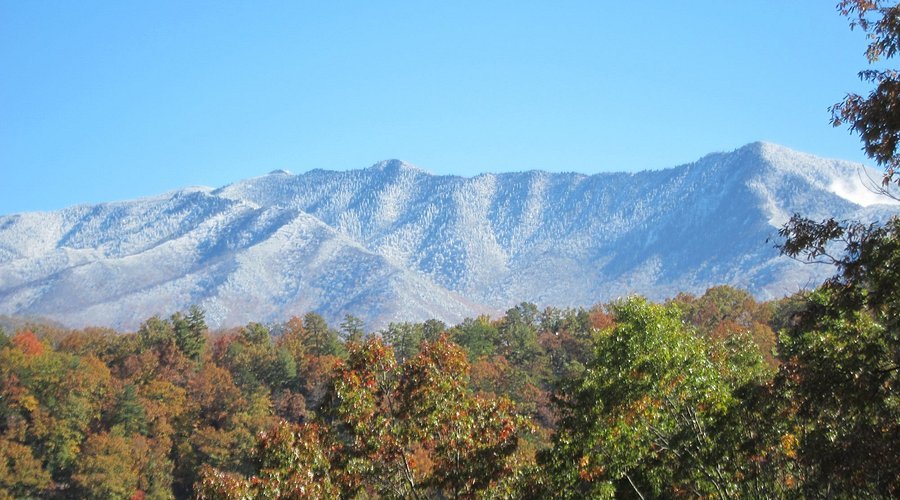
Arguably the most famous viewpoint near town, the Gatlinburg Scenic Overlook offers a panoramic view of the city with Mount LeConte towering in the background.
It’s the kind of spot that stops you in your tracks—perfect for a family photo, proposal moment, or a quiet breath of mountain air.
The overlook is free, easy to access via car, and open year-round.
Expert tip: Visit just after a rainstorm for dramatic clouds swirling around the peaks—or come early morning for a crowd-free experience.
Cliff Tops at Mt. LeConte
Where it is: Accessed via Alum Cave Trail or Trillium Gap Trail
Elevation: 6,593 feet (third-highest peak in the Smokies)
Best time to visit: Late afternoon for a glowing sunset above the clouds
Cliff Tops isn’t just a viewpoint—it’s an event.
After hiking 5–7 miles (depending on your trail), you’ll arrive at a rocky outcrop with jaw-dropping views that stretch over the Smokies into North Carolina.
The silence, the wind, and the light filtering through mountain haze make it feel like the edge of the world.
What makes it special: You can spend the night at LeConte Lodge, the only lodge in the park that’s accessible only by foot.
Watching the sunset from Cliff Tops and then walking to your rustic cabin by lantern light is an experience you won’t forget.
Newfound Gap Overlook
Where it is: On US-441, 15 miles from Gatlinburg
Elevation: 5,046 feet
Why it’s historic: It’s where President Franklin D. Roosevelt formally dedicated the park in 1940
Newfound Gap straddles the Tennessee-North Carolina border, and it’s one of the most accessible high-elevation viewpoints in the region.
Sweeping views, interpretive signs, and crisp, cool air await. On clear days, you can see for over 30 miles.
It’s a great stop if you’re driving through the park or heading toward Clingmans Dome.
Local tip: Visit in October for peak fall color—and pack a jacket. It can be 10–15 degrees cooler here than in downtown Gatlinburg.
Chimneys Picnic Area Overlook
Where it is: Off Newfound Gap Road, before reaching the Chimney Tops Trailhead
Why it’s underrated: It offers stunning views with very few crowds
Best for: Quiet picnics, couples, or solo travelers looking for peace
Tucked between more famous overlooks, this area offers a wide-angle view of the surrounding ridges and valleys, all from your picnic blanket.
It’s ideal for travelers who want a scenic meal stop without a hike or a crowd.
Tip: Early morning visitors often spot deer or wild turkeys. Bring binoculars!
Campbell Overlook
Where it is: About 1.2 miles from Sugarlands Visitor Center on Newfound Gap Road
Why it’s photogenic: Uninterrupted view of Mount LeConte, framed by green forest and a flowing river
Best time to go: Morning, when fog hangs low over the trees and soft light creates ethereal photos
This smaller, lesser-known pull-off packs a big punch. You’ll find plenty of space to park and enjoy a peaceful look into one of the park’s most scenic valleys.
It’s also a great way to preview Mount LeConte without a hike.
Pro tip: Use it as your sunrise stop before heading deeper into the park.
The Most Instagrammable Spots in Gatlinburg
Gatlinburg is a visual dream—where misty mountain backdrops, historic wooden cabins, and dramatic lighting create ready-made Instagram magic.
Whether you’re a content creator, casual photographer, or just want to wow your friends with your feed, these spots deliver both jaw-dropping aesthetics and authentic Smoky Mountain vibes.
Where to Capture the Perfect Smoky Mountain Shot
Gatlinburg Scenic Overlook (Bypass View)
This is your signature Gatlinburg skyline shot—city lights twinkling beneath smoky ridges. Best at twilight or sunrise.
Clingmans Dome Observation Tower
The highest point in the Great Smoky Mountains National Park (6,643 feet) offers a surreal 360° view above the clouds.
On clear days, you can see 100 miles in any direction. The spiral ramp itself also makes for a great architectural photo.
Anakeesta’s AnaVista Tower
As Gatlinburg’s highest downtown observation point, AnaVista delivers panoramic shots of Mt. LeConte, the Smokies, and even parts of Kentucky on a clear day.
The gardens below also provide a colorful foreground for content.
SkyBridge at Gatlinburg SkyPark
Snap a photo walking across the longest pedestrian suspension bridge in North America. Glass panels in the middle make for a thrilling, one-of-a-kind shot.
Laurel Falls Trail
An easy 2.6-mile round-trip hike rewards you with a dreamy, two-tiered waterfall. It’s shaded, mossy, and mystical—perfect for moody nature shots.
Insider Tip: Use a polarizing lens filter when shooting near waterfalls or foggy overlooks to reduce glare and enhance depth.
Seasonal Photo Tips: Fall, Winter, Spring & Summer
Gatlinburg’s look transforms drastically with the seasons. Here’s how to plan your content around it:
Fall (Late September to Early November)
- Most popular for photography—gold, orange, and red leaves dominate the hillsides
- Best spots: Newfound Gap Road, Roaring Fork Motor Nature Trail, Clingmans Dome
- Use sunrise or golden hour lighting for maximum color contrast
Winter (December to February)
- Snow-dusted peaks, frozen waterfalls, and fewer tourists make it serene and cinematic
- Best spots: Mt. LeConte after snow, SkyBridge with frosty backdrops
- Dress warm—layers make for interesting texture in photos
Spring (Late March to May)
- Wildflowers begin to bloom, creeks run high, and everything feels fresh and new
- Best spots: Porter’s Creek Trail, Chimneys Picnic Area, Anakeesta gardens
- Add macro shots of blossoms for variety
Summer (June to August)
- Lush green forests and clear skies dominate
- Best for family portraits, adventure photos, and waterfall exploration
- Beat the harsh mid-day light by shooting early morning or after 4 PM
Scenic Drives & Easy Hikes with Epic Views
Not every unforgettable view in Gatlinburg requires a grueling hike. Some of the Smokies’ best scenery is accessible from the comfort of your car or a gentle, family-friendly trail.
Whether you’re traveling with kids, seniors, or just prefer a more relaxed adventure, these scenic drives and easy hikes deliver big on views with minimal effort.
Roaring Fork Motor Nature Trail
Distance: 5.5-mile one-way loop
Type: Self-guided auto tour
Best for: Waterfalls, wildlife sightings, historic cabins, and forest views
This narrow mountain road loops through one of the most picturesque areas near Gatlinburg.
As you drive through dense forests and alongside roaring mountain streams, you’ll pass trailheads for hikes like Rainbow Falls and Grotto Falls.
There are plenty of pull-offs for scenic shots, so take your time and explore at your own pace.
Local Tip: Arrive early or go late in the day—this route is popular and parking near falls can fill quickly. Closed in winter.
Gatlinburg Trail (Easy & Scenic)
Distance: 3.8 miles round trip
Type: Out and back
Best for: Families, bikers, and leashed pets
One of the few dog-friendly trails in the national park, the Gatlinburg Trail runs along the West Prong of the Little Pigeon River, offering peaceful woodland scenery and gentle terrain.
It starts near the Sugarlands Visitor Center and ends in downtown Gatlinburg—making it a great way to combine a nature walk with a stop in town.
Why it’s scenic: Think river views, footbridges, and the occasional deer grazing trailside.
Best Day Hikes for Scenic Overlooks
Not all hikes require hours of climbing. These day hikes strike the perfect balance between accessibility and breathtaking views:
Alum Cave Trail
- Distance: 4.4 miles round trip to Alum Cave Bluffs
- Elevation gain: ~1,100 feet
- Highlights: Arch Rock, sweeping mountain vistas, and Alum Cave’s bluff overhang
- Continue to Mt. LeConte for a full-day challenge.
Laurel Falls Trail
- Distance: 2.6 miles round trip
- Type: Paved trail with gentle inclines
- Why go: The 80-foot-tall waterfall and lush surroundings are pure Smoky Mountain charm
- Great for early-morning photos without crowds
Clingmans Dome Observation Tower
- Distance: 1.2 miles round trip
- Note: Steep but short paved path from the parking lot to the top
- What you’ll see: 360° panoramic views, often above the clouds
- Highest point in the Smokies, with interpretive signs and benches along the way
Pro Tip for Hikers & Drivers:
Download an offline trail map or use the official NPS app. Cell service can be spotty in the park, especially on mountain roads and deeper trails.
Where to Stay Near Gatlinburg Scenic Overlooks
When it comes to accommodations in Gatlinburg, location makes all the difference—especially if you’re chasing sunrise views, peaceful stargazing nights, or quick access to scenic drives.
Whether you prefer a mountaintop cabin, a luxury resort, or a cozy lodge near trailheads, Gatlinburg offers a wide range of stays that pair comfort with unbeatable views.
Cabins with a View: Smoky Mountain Living at Its Finest
1. Gatlinburg Falls Resort
- Why stay here: Panoramic views of the Smokies, private hot tubs, game rooms, and fireplaces
- Who it’s for: Couples, families, and larger groups
- View factor: Many cabins offer balcony views of Mt. LeConte or the Gatlinburg valley
2. Elk Springs Resort Cabin Rentals
- Why stay here: Tucked into a private forest just minutes from downtown, yet serene and remote
- Special feature: Luxury cabins with floor-to-ceiling windows and theater rooms
- Best for: Travelers who want scenic solitude without sacrificing modern amenities
3. Airbnb Options with Direct Mountain Views
- Tip: Look for listings labeled “Mountain view,” “Sunrise deck,” or “Near Ober Gatlinburg” for direct overlook access
- Search nearby areas: Chalet Village, Cobbly Nob, and Ski Mountain Road
Pro Tip: Book well in advance for peak seasons like October or spring break—these cabins are highly sought after during foliage and flower bloom months.
Scenic Hotels & Resorts: Easy Access, Great Views
The Park Vista – a DoubleTree by Hilton Hotel
- Location: Just above downtown Gatlinburg on a forested hill
- What you’ll love: 360-degree circular tower views, indoor pool, mountain-facing balconies
- Highlight: It’s one of the tallest structures in the area—meaning higher elevation views than most hotels
Margaritaville Resort Gatlinburg
- Vibe: Fun, tropical-themed luxury meets Smoky Mountain charm
- Perks: Pool cabanas, spa services, and mountain-view rooms
- Who it’s best for: Couples, honeymooners, or anyone looking to unwind in style
Greystone Lodge on the River
- Why stay here: Overlooks the river and is within walking distance to downtown attractions and the Gatlinburg Trail
- Ideal for: Travelers who want to stay close to nature without leaving the city
Bonus: Campgrounds with Scenic Overlooks
If you’re looking for a rustic experience close to nature, these campgrounds offer great views and even better stargazing:
- Elkmont Campground – Located inside Great Smoky Mountains National Park with access to river views and quiet forested areas
- Greenbrier Campground – Private campground near the Little Pigeon River with both tent and RV options
Note: National Park campsites fill up months in advance during peak seasons. Always reserve early.
Insider Advice: If scenic views are your priority, ask for top-floor rooms, corner cabins, or elevated lots when booking.
Gatlinburg’s hills make a major difference in visibility—even a 200-foot elevation change can unlock a whole new vantage point.
Local Cafés & Picnic Spots with Mountain Views
There’s something uniquely satisfying about sipping fresh coffee or enjoying a picnic while gazing across layers of Smoky Mountain ridgelines.
Whether you’re starting your morning with mountain-roasted beans or laying out a midday spread near a scenic overlook, Gatlinburg has no shortage of spots where you can dine with a view.
Top Scenic Dining Spots in Gatlinburg
1. Cliff Top at Anakeesta
- Location: Skydeck at Anakeesta Adventure Park
- Why it’s special: Elevated dining with sweeping views of Mount LeConte and downtown Gatlinburg
- Must-try dish: Smoky Mountain burger with local Tennessee whiskey glaze
- Bonus: Sunsets here are spectacular—plan dinner around golden hour
2. The Greenbrier Restaurant
- Setting: Nestled in the forest just outside downtown Gatlinburg
- View factor: While not high-elevation, it offers peaceful woodland vibes through oversized windows
- Known for: Gourmet southern dishes, dry-aged steaks, and craft cocktails
3. The Peddler Steakhouse
- View: Overlooks the Little Pigeon River through wall-length windows
- What to know: Ask for a river-facing table and enjoy a romantic mountain lodge ambiance
- Pro tip: Arrive early to avoid the wait, especially during leaf-peeping season
4. Crockett’s Breakfast Camp
- Why it’s Instagrammable: Rustic Smoky Mountain decor, hearty frontier-style breakfasts, and a cozy lodge feel
- Food worth the hype: The cinnamon roll skillet is a social media star
- View tip: Grab an outdoor seat early in the morning to catch cool mountain air and golden light
Pack a Picnic: Supplies, Spots & Insider Tips
A picnic in the Smokies isn’t just about food—it’s about immersion in the landscape. Here’s how to do it right.
Top Picnic Spots Near Scenic Overlooks
- Chimneys Picnic Area – Surrounded by trees and near a stream, with views of nearby ridgelines. Tables, grills, and restrooms available.
- Metcalf Bottoms Picnic Area – Located beside the Little River with shaded tables, historic sites nearby, and short scenic hikes like Little Greenbrier School Trail.
- Greenbrier Picnic Area – Less crowded and deeper into the woods, this one’s for people who want serenity with their sandwich.
Where to Pick Up Picnic Supplies Locally
- Whole Earth Grocery – Organic and local goods, perfect for healthy picnic provisions
- Old Dad’s General Store – Sandwiches, snacks, and drinks ready to go for a trail-side feast
- Grocery Outlet Gatlinburg – Best for stocking up on bulk items before heading out
Pro Tips for the Perfect Gatlinburg Picnic
- Bring a compact cooler: Cold drinks go a long way in the summer heat
- Arrive early: Picnic areas fill up quickly on weekends and holidays
- Leave no trace: Bring reusable containers and take your trash with you—help preserve the park’s beauty
Pro Tips for Visiting Gatlinburg Overlooks Like a Local
Scenic overlooks in Gatlinburg are free, accessible, and incredibly rewarding—but the experience becomes even better when you approach them like a seasoned visitor.
From timing your stop just right to packing the right gear, here are insider tips that can elevate your scenic adventure from good to unforgettable.
Time It Right: Sunrise, Sunset & Golden Hour
- Sunrise magic: Many overlooks, like the Gatlinburg Bypass or Campbell Overlook, are best enjoyed early in the morning when the fog hangs low and the light is soft. Plus, there are fewer crowds.
- Golden hour glow: For photographers and sunset chasers, late afternoon into golden hour (about 1 hour before sunset) is ideal for warm tones and long shadows that add depth to your photos.
- Avoid mid-day haze: The Smokies get their name for a reason—the natural “smoke” or mist can flatten mid-day lighting and reduce long-range views.
Know Where to Park (and Where You Can’t)
- Gatlinburg Scenic Overlook: Free parking available right at the pull-off; best to go early or during off-peak hours.
- Clingmans Dome: Fills quickly—especially in fall. Arrive before 9 AM or after 4 PM to avoid the rush.
- Roaring Fork Motor Nature Trail: Park only in designated spots. Some trailhead lots are small—don’t block traffic.
Local note: Parking enforcement is strict during high-traffic seasons. Follow signs and avoid roadside parking unless explicitly permitted.
Pack Light but Smart
You don’t need a full hiking kit to enjoy Gatlinburg’s scenic overlooks, but a few essentials go a long way:
- Lightweight binoculars for spotting ridgelines and wildlife
- A phone tripod or DSLR for stable landscape shots
- Sunscreen, bug spray, and a reusable water bottle
- A small daypack with snacks and a rain shell (weather can change quickly in the mountains)
Pro Tip: If you’re heading to high-elevation overlooks like Clingmans Dome or Newfound Gap, bring an extra layer—even in summer.
Don’t Rely on Cell Service
Many scenic overlooks and trailheads in the Great Smoky Mountains have limited or no cell reception.
Download offline maps in advance using:
- AllTrails or Gaia GPS for trail maps
- Google Maps offline areas for driving routes
- NPS App for interpretive guides and alerts
Want Solitude? Go Where the Buses Don’t
Tour buses and big crowds tend to stick to the most popular overlooks. If you want a more peaceful experience:
- Try Campbell Overlook early in the morning
- Visit Greenbrier or Cosby areas for fewer crowds and just as much natural beauty
- Skip peak holiday weekends if possible, or go midweek
Respect Wildlife and Scenic Areas
Gatlinburg’s scenic spots are beautiful because they’ve been preserved. Help keep them that way:
- Stay on designated paths and don’t climb over overlook railings
- Don’t feed wildlife—yes, even the “cute” ones
- Pack out what you pack in
Local Bonus Insight: Many locals recommend visiting in late April or early November—it’s shoulder season, meaning fewer tourists, blooming dogwoods or late fall color, and wide-open scenic overlooks without crowds.
Hidden Scenic Gems Only Locals Know About
While most visitors head straight to the iconic overlooks like Clingmans Dome or the Gatlinburg Bypass, locals and long-time Smoky Mountain explorers know there are lesser-known spots that offer equally stunning—and sometimes even better—views with fewer crowds and a stronger connection to nature.
These hidden gems are perfect for travelers looking to go beyond the guidebooks.
1. Twin Creeks Trail Overlook
- Location: Just off Cherokee Orchard Road, near the Twin Creeks Science Center
- What to expect: A peaceful walk through the woods that opens up to a small clearing with unexpected views toward Mount LeConte
- Why it’s a hidden gem: Locals walk dogs or jog here; tourists rarely know it exists
- Best time: Morning or late afternoon for dappled forest light
2. Bullhead Trail Overlook (Midpoint)
- Location: Accessed via the Bullhead Trail, about 2.5 miles in
- Scenery: Smoky ridgelines stretching west with layers upon layers of mountain silhouettes
- Tip: This trail is lightly trafficked compared to Alum Cave or Rainbow Falls, offering a more serene hiking experience
- Bonus: The overlook is a natural rock outcrop—bring a snack and take it all in
3. The Quiet Walkways (Dotting Newfound Gap Road)
- What they are: Short, unmarked pull-offs labeled simply “Quiet Walkway” on Newfound Gap Road
- What’s special: Each leads to a short forest path (0.2–1 mile) with small waterfalls, stream crossings, or secluded mini-overlooks
- Why you’ll love them: Ideal for quick, peaceful escapes and forest bathing away from crowds
- Insider tip: Stop at the first one past the Sugarlands Visitor Center headed toward Clingmans Dome—rarely anyone there
4. Foothills Parkway Overlooks
- Location: About 20–30 minutes from downtown Gatlinburg via Wears Valley
- Why go: This newer section of the parkway offers dramatic sweeping views of the entire Smoky Mountain range
- Photo opportunities: Sunset panoramas, rolling hills, and near-zero foot traffic compared to Gatlinburg overlooks
- Best spot: The “Look Rock” area is a local favorite with a short hike to a fire tower
5. Local Secret: Mt. Cammerer Fire Tower View
- Location: Cosby entrance of the park (requires a strenuous hike)
- Why it’s legendary: One of the most rewarding 360-degree views in the entire park
- Hiking distance: 11+ miles round trip — not for beginners, but unforgettable
- Who should go: Experienced hikers or photographers chasing bucket-list-worthy shots
Why These Spots Matter:
These places aren’t found on most travel brochures—and that’s exactly why they’re worth your time.
They offer the solitude, beauty, and authenticity that seasoned travelers crave.
If you’ve already seen the big-ticket overlooks and want something more immersive, peaceful, and unique, these hidden gems will change the way you see the Smokies.
Mini Itinerary: 2 Days of Scenic Views & Smoky Fun
If you’re planning a quick getaway to Gatlinburg, this 2-day itinerary blends the best scenic overlooks, light adventures, local food stops, and restful lodging—all while avoiding the tourist traps.
Designed with balance in mind, it helps you experience the Smokies without rushing.
Day 1: Iconic Views & Easy Explorations
Morning:
- Start your day early at Gatlinburg Scenic Overlook (Bypass View) to catch the sunrise
- Grab a hearty breakfast at Crockett’s Breakfast Camp
- Drive to Clingmans Dome — arrive before 9 AM to beat the crowds
- Walk the paved path to the Observation Tower for 360° views
- Walk the paved path to the Observation Tower for 360° views
Afternoon:
- Picnic lunch at Chimneys Picnic Area — enjoy the peaceful surroundings and streamside setting
- Explore the Quiet Walkway trail nearby for a short forest walk
- Drive along Roaring Fork Motor Nature Trail — stop for scenic shots and historic log cabins
Evening:
- Dinner at The Peddler Steakhouse with river views
- Optional: Ride the Gatlinburg SkyLift to catch sunset from the SkyBridge
Where to Stay:
Book a scenic cabin at Elk Springs Resort or a room at Park Vista for sweeping mountain views.
Day 2: Hidden Gems & Local Flavors
Morning:
- Coffee at Coffee & Company in The Village Shops
- Head to Campbell Overlook for a foggy morning photo session
- Walk part of the Gatlinburg Trail for a relaxed riverside start
Afternoon:
- Drive out to Foothills Parkway (Wears Valley) for lesser-known overlooks
- Stop at Look Rock and enjoy a picnic lunch with a view
- Optional moderate hike: Try Alum Cave Trail to the bluffs (~4.4 miles RT)
Evening:
- Wind down at Anakeesta
- Ride the chondola, walk through treetop bridges, and dine at Cliff Top restaurant with sunset views
- Ride the chondola, walk through treetop bridges, and dine at Cliff Top restaurant with sunset views
- Grab dessert or drinks at Margaritaville Resort Gatlinburg
Stay the Night (Optional):
Extend your stay with a second night in a private Airbnb with a hot tub and mountain-facing balcony.
Pro Traveler Tip:
Bring a lightweight daypack with:
- Water, snacks, and sun protection
- A wide-angle lens or tripod for scenic shots
- An extra jacket — temps drop quickly at higher elevations
Wildlife Spotting at Scenic Overlooks: What to Look For
The Great Smoky Mountains are one of the most biologically diverse ecosystems in North America, and some of the best wildlife sightings happen right from scenic overlooks—no binoculars or long hikes required.
Common Wildlife Seen from Gatlinburg Overlooks
- White-tailed Deer – Especially active in the mornings and just before dusk. Frequently spotted near Campbell Overlook and the edges of Chimneys Picnic Area.
- Black Bears – Iconic but elusive. Best seen from a safe distance in areas like Roaring Fork or from cabins near wooded terrain. Never approach or feed bears.
- Wild Turkeys – Often wander near the lower elevation overlooks and picnic areas. Listen for their gobble in early morning hours.
- Ravens & Hawks – Frequently soar near high-elevation overlooks like Clingmans Dome and Mt. LeConte. Watch for shadow silhouettes against the mountain sky.
Pro Wildlife Watching Tips
- Go early or late: Animals are most active around dawn and dusk, especially during cooler seasons.
- Be silent and patient: Sudden movement or loud voices will send wildlife scattering.
- Use zoom lenses: For both safety and photo quality. Never try to get closer.
- Bring binoculars: Especially at high points like Look Rock or Newfound Gap.
Important Wildlife Safety Reminders
- Never feed wild animals—even for a photo
- Always keep at least 50 yards from bears, and 25 yards from deer or other animals
- Do not leave food scraps behind at overlooks or picnic spots
- If you see a bear near an overlook or road, stay in your vehicle
Why This Matters:
Wildlife encounters are one of the highlights of visiting the Smokies—but they must be respectful and responsible.
Gatlinburg’s scenic overlooks offer a rare chance to observe wildlife naturally without leaving the road or trail. Take advantage of that, but always keep nature wild.
The Story Behind the Smokies: History of Scenic Gatlinburg Views
Behind every misty mountain ridge and scenic overlook lies a deeper story.
Gatlinburg’s awe-inspiring vistas aren’t just photogenic—they’re woven into centuries of human history, from the Cherokee homeland to Appalachian settlers and early conservationists who fought to preserve this landscape.
This section adds rich, historical context to the beauty travelers see today.
Cherokee Roots: The First to See These Views
Long before tourists arrived with cameras and hiking boots, the Cherokee called this region Shaconage, or “Land of the Blue Smoke.”
The ethereal fog that hangs over the Smoky Mountains was deeply spiritual to them—a symbol of the connection between earth and sky.
- Overlooks like Newfound Gap and Clingmans Dome lie along ancient travel routes once used by Cherokee communities.
- Mount LeConte, now a favorite view for hikers, was part of a sacred landscape believed to be inhabited by powerful spirits.
Cultural insight: Even today, certain peaks and valleys are considered culturally significant by the Eastern Band of Cherokee Indians.
Homesteaders & Cabin Builders
As European-American settlers moved into the valleys in the 1800s, they built cabins and small communities throughout the area—many of which are visible from modern overlooks.
- The Roaring Fork Motor Nature Trail reveals preserved log homes and mills once operated by early settlers.
- Look down from Campbell Overlook, and you’re gazing upon lands once cleared and farmed by mountain families living off the grid.
Their legacy lives on in the textures of the land—stone fences, chimney remains, and the paths we now hike.
The Birth of the National Park
In the early 1900s, Gatlinburg began attracting visitors drawn to its clean mountain air and scenic beauty.
But it wasn’t until the 1930s that the area became part of Great Smoky Mountains National Park, thanks to grassroots preservation efforts.
- Overlooks like Newfound Gap became ceremonial sites. It’s where President Franklin D. Roosevelt stood in 1940 to dedicate the park.
- The construction of Scenic Bypass roads allowed everyday travelers to experience these incredible views without long hikes.
Why it matters: Gatlinburg’s scenic overlooks are not just natural—they’re engineered invitations to appreciate a landscape that almost disappeared to logging.
Takeaway:
Next time you stop at an overlook, look beyond the view. The layers of mountain mist hold layers of history—of Indigenous presence, pioneer survival, and modern conservation. Gatlinburg’s scenic beauty is more than visual—it’s a legacy.
Best Times to Visit Gatlinburg Scenic Overlooks (Season by Season)
The beauty of Gatlinburg’s scenic overlooks isn’t constant—it evolves. Every season brings its own palette of colors, lighting moods, and photo-worthy moments.
Whether you’re chasing fiery fall foliage or dreamy spring blooms, here’s what to expect from each season—and how to plan your visit accordingly.
Spring (March – May): Wildflowers & Waterfalls
What to expect:
- Fresh green foliage, blooming dogwoods, and rushing creeks
- Ideal temps for hiking and photography without the heavy crowds
Top picks:
- Laurel Falls Trail: Surrounded by spring blooms
- Greenbrier Area: Known for wildflower diversity
Summer (June – August): Lush Greens & Family Adventures
What to expect:
- Full canopy coverage, vibrant greens, and warm weather perfect for waterfalls and rivers
- Longer daylight hours and family-friendly attractions in full swing
Top picks:
- Gatlinburg Trail: Shaded riverside strolls to cool off
- Clingmans Dome: Cooler temps at high elevation, ideal for mid-summer views
Pro Tip: Head out early morning or late afternoon to avoid mid-day heat and harsh sunlight.
Fall (Mid-September – Early November): Foliage Magic
What to expect:
- Fiery reds, golds, and oranges blanket the hills
- It’s peak season—expect traffic but also the best visuals of the year
Top picks:
- Foothills Parkway: Epic panoramas with fewer crowds
- Newfound Gap Overlook: A true showstopper during late October
Winter (Late November – February): Solitude & Snowy Peaks
What to expect:
- Snow-dusted ridgelines, foggy valleys, and dramatically empty roads
- A totally different, peaceful atmosphere with fewer tourists
Why Seasonal Travel Matters:
Choosing the right season isn’t just about temperature. It’s about what you want to feel—renewal in spring, adventure in summer, awe in fall, or peace in winter.
What to Pack for Gatlinburg Scenic Overlooks: Essentials for Every Season
Whether you’re visiting for a weekend getaway or planning a full Smoky Mountain adventure, what you pack can dramatically shape your experience.
Gatlinburg’s weather changes fast, trails vary in difficulty, and scenic spots demand more than just your phone camera.
This expert-approved packing list helps you stay prepared, safe, and fully immersed in the views—no matter when you visit.
Year-Round Essentials
These items are must-haves for any season and any overlook, whether it’s a roadside stop or a hike to Cliff Tops:
- Lightweight backpack or daypack – For snacks, water, layers, and gear
- Water bottle or hydration pack – Dehydration can sneak up, even in cool weather
- Binoculars – Great for spotting wildlife and distant ridgelines
- Camera or smartphone tripod – For stable shots at sunrise/sunset
- Portable phone charger – Many overlook areas have no outlets or signal
- Printed map or offline GPS app – Cell service can be spotty in the mountains
- Trash bags / reusable containers – Leave no trace, even with snack wrappers
Seasonal Add-Ons
Spring
- Waterproof jacket (expect light rain)
- Bug spray (especially near creeks)
- Lightweight layers for cool mornings
Summer
- Sunscreen and wide-brimmed hat
- Cooling towel or neck fan
- Quick-dry clothes for humid days
Fall
- Layered clothing: mornings can be cold, afternoons warm
- Gloves and warm hat for early overlook visits
- Camera lens cloth (fall mist + fog = lots of condensation)
Winter
- Thermal layers + insulated coat
- Gloves with touchscreen capability
- Crampons or traction cleats for icy trails (especially Clingmans Dome path)
Optional (But Highly Recommended)
- Notebook or travel journal – Jot down how the view made you feel
- Foldable camp chair or blanket – Great for long sits at overlooks or picnics
- Star map app – For nighttime stargazing from high-elevation lookouts
- Walkie talkies – Surprisingly useful in areas with no phone signal when traveling with others
Why This Matters:
Packing with intention makes your scenic adventure smoother, safer, and way more enjoyable.
Whether you’re standing at a famous overlook or hiking to a hidden gem, being prepared ensures you can fully focus on the experience—not the discomfort.
Final Thoughts: Let the Mountains Move You
Scenic overlooks in Gatlinburg aren’t just about panoramic views—they’re about perspective.
They remind us how small we are in the grand scale of nature, how timeless these mountains are, and how important it is to pause and take it all in.
Whether you’re standing above the clouds at Clingmans Dome, catching the golden glow over Mount LeConte, or discovering a hidden trail with no one else around, these views are more than Instagram moments—they’re invitations to connect, to reflect, and to breathe.
In a world that moves fast, Gatlinburg offers something rare: the chance to be still and look outward.
To witness the ancient beauty of the Smokies, feel the wind sweep across a ridgeline, and walk away with more than just photos—but memories that ground you.
So pack light, rise early, stay present, and go slow.
The Smokies will wait for you. And the views?
They’ll take your breath away every single time.