Charming Small Towns in Texas You Must Visit in 2025
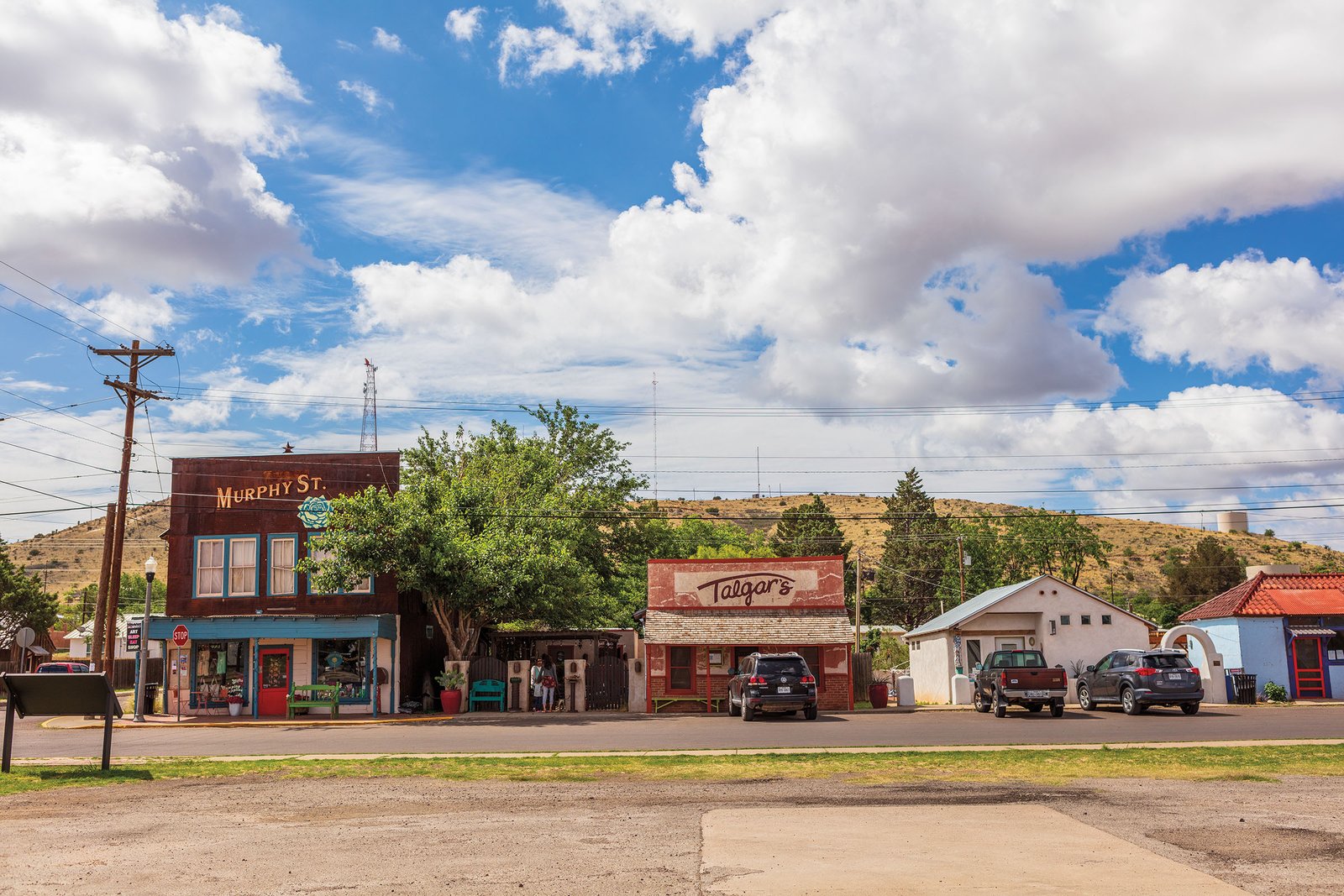
When most travelers think of Texas, the mind immediately jumps to sprawling metropolises like Dallas, Austin, Houston, or San Antonio.
But beyond the bustling city lights and booming industries lies a different side of the Lone Star State—one defined by quaint main streets, historic charm, natural beauty, and communities that hold tight to their traditions.
These small towns are where Texas’s personality truly shines.
From the rolling vineyards of Fredericksburg to the desert art scene of Marfa, from coastal escapes in Port Aransas to cowboy culture in Bandera, Texas’s small towns tell the story of the state’s heritage, diversity, and hospitality.
Many of them have preserved their historic architecture, cultural traditions, and local flavors, offering travelers a more authentic and intimate experience than they might find in larger cities.
In this guide, we’ll explore a curated list of the most charming small towns in Texas to visit in 2025.
Each destination is selected not only for its beauty and attractions but also for the unique sense of place it offers—whether that’s stargazing in some of the darkest skies in America, enjoying farm-to-table dining in an artist’s haven, or discovering German roots still alive in Hill Country communities.
This isn’t just a list of places—it’s a roadmap to experiences: sipping local wine, floating down rivers, discovering antique treasures, dancing to live country music, and watching the sunset over wide Texas skies.
Whether you’re planning a weekend getaway, a cross-state road trip, or simply looking for hidden gems, these towns offer a reminder that sometimes the best travel memories are made in places where life moves just a little slower.
Historic & Cultural Small Towns in Texas
Fredericksburg – A German-Texan Gem in the Hill Country
Nestled in the heart of Texas Hill Country, Fredericksburg is one of the most celebrated small towns in the state, and for good reason.
Founded by German immigrants in 1846, the town has preserved its European heritage while blending it with Texan hospitality, creating a unique cultural experience.
Why Visit Fredericksburg?
- Wine Country Capital: Fredericksburg anchors the Texas Wine Trail, home to more than 60 wineries, vineyards, and tasting rooms. Travelers can explore everything from boutique family-run wineries to award-winning estates.
- Peach Orchards: If you’re visiting in the summer, Fredericksburg peaches are legendary across the state. Roadside stands and orchards let you pick your own or sample homemade peach cobblers and jams.
- Historic Main Street: The town’s Main Street is a mix of 19th-century architecture, boutique shops, German bakeries, and beer gardens. It’s the kind of place where you can spend an entire day wandering without rushing.
- Enchanted Rock: Just a short drive away, Enchanted Rock State Natural Area offers incredible hiking, rock climbing, and some of the best stargazing in Texas. This pink granite dome has been a spiritual site for Native Americans for centuries and today remains a must-see natural landmark.
Local Tip: While many visitors come for the wine, Fredericksburg’s German cuisine is equally worth the trip.
Restaurants like Der Lindenbaum and Otto’s German Bistro serve authentic schnitzels, sausages, and hearty Bavarian fare, paired perfectly with a local glass of wine or a cold beer.
Jefferson – A Step Back in Time
Located near the Louisiana border, Jefferson feels like stepping into a living history book.
Once a bustling river port in the mid-1800s, this town preserves its past with Victorian architecture, horse-drawn carriage rides, and antique shops lining its historic streets.
Why Visit Jefferson?
- Historic Homes & Museums: The Gone With the Wind Museum and Jefferson Historical Museum capture the town’s antebellum heritage. Visitors can tour restored mansions like the House of the Seasons.
- Caddo Lake: Just outside town lies Caddo Lake, one of the only natural lakes in Texas. Its mysterious bald cypress trees draped in Spanish moss create an almost otherworldly setting. Kayaking or taking a steamboat tour here is an unforgettable experience.
- Haunted History: Jefferson is considered one of the most haunted towns in Texas, with ghost tours offered at historic hotels like The Excelsior House. Whether you’re a skeptic or believer, it’s an exciting way to learn the town’s colorful past.
- Antiquing: Jefferson is a treasure trove for antique lovers. Its many shops attract collectors from across the state hunting for unique finds.
Local Tip: Plan your visit during the Jefferson Pilgrimage Festival in the spring, when the town celebrates its heritage with parades, reenactments, and home tours.
Granbury – History Meets Lakefront Fun
Granbury is often hailed as one of the most charming small towns in America, and it consistently makes “Best Historic Small Town” lists nationwide.
Just an hour southwest of Fort Worth, it blends rich history with lakefront relaxation, making it a perfect weekend getaway.
Why Visit Granbury?
- Historic Downtown Square: Centered around the 1891 Hood County Courthouse, Granbury’s square is one of the most beautiful in Texas. It’s filled with boutique shops, wine tasting rooms, antique stores, and family-owned restaurants. Unlike many towns that modernized their centers, Granbury has preserved its historic charm.
- Granbury Opera House: Built in 1886 and restored to its Victorian glory, this opera house is still hosting live plays, musicals, and performances today. Watching a show here feels like stepping back in time.
- Lake Granbury: Beyond history, the town thrives as a lake destination. Visitors can rent boats, go fishing, or simply relax at the sandy City Beach Park—rare for an inland Texas town.
- Festivals & Events: Granbury is known for its year-round calendar of events, including the Harvest Moon Festival of the Arts and Candlelight Tour of Homes at Christmas.
Travel Insight: One of the unique aspects of Granbury is its small-town friendliness.
Shopkeepers often know repeat visitors by name, and live music drifts across the square in the evenings.
Unlike larger Texas cities, Granbury encourages travelers to slow down and savor the experience.
Best Time to Visit:
Spring and fall are ideal, with pleasant weather for strolling the square and enjoying lake activities.
Summers can be hot but bring a lively, beach-town vibe to Lake Granbury.
Local Tip: Stay overnight in one of the many historic bed-and-breakfasts, some housed in 19th-century buildings.
The hospitality here is as much a reason to visit as the attractions.
Castroville – The “Little Alsace of Texas”
If Fredericksburg represents German heritage, Castroville is where French Alsatian culture lives on in Texas.
Located just west of San Antonio, this town was founded in 1844 by Alsatian immigrants, and its European influence remains evident in its stone cottages, bakeries, and Old World charm.
Why Visit Castroville?
- Alsatian Architecture: The town features over 60 historic homes built in the traditional Alsatian style—thick limestone walls, steeply pitched roofs, and charming wooden shutters.
- St. Louis Catholic Church: A stunning Gothic-style church built in 1868, it still serves as the spiritual center of the community.
- Medina River Natural Area: Perfect for picnicking, kayaking, or hiking along shaded riverbanks. This is where locals escape the summer heat.
- Food with French Flair: Castroville is known for its European-inspired bakeries and Alsatian dishes. You’ll find pastries and breads that feel plucked straight out of rural France.
Travel Insight: Castroville isn’t a “touristy” destination—it feels more like a living, breathing European village in Texas.
For travelers who enjoy authentic cultural immersion, it’s one of the most unique experiences in the state.
Best Time to Visit:
Spring is ideal, when wildflowers blanket the Hill Country and the Medina River flows strong.
Local Tip: Book a stay at the Landmark Inn State Historic Site, a restored 19th-century inn where travelers once stopped along the Old San Antonio Road.
It’s like sleeping inside Texas history.
San Elizario – A Hidden Historic Border Town
Tucked along the El Paso Mission Trail, San Elizario is one of the most underrated historic towns in Texas.
With roots going back to the 1500s, it predates many of the state’s better-known settlements and remains a fascinating blend of Spanish, Mexican, and Texan cultures.
Why Visit San Elizario?
- Spanish Mission Legacy: The San Elizario Chapel, originally founded in 1789, is one of the oldest churches in Texas. The town played a crucial role in the Spanish colonization of the Southwest.
- Art & Culture District: Today, San Elizario has re-emerged as an arts hub with dozens of galleries showcasing Southwestern, Mexican, and Native American influences. Unlike tourist-heavy Santa Fe, this district feels raw and authentic.
- Historic Jail (Billy the Kid Connection): Legend has it that Billy the Kid once broke into the San Elizario jail to free a friend—making this tiny town part of Old West folklore.
- Mission Trail Experience: San Elizario is part of the El Paso Mission Trail, a 9-mile journey that links three historic Spanish missions, offering travelers a cultural road trip back in time.
Travel Insight: What makes San Elizario stand out is its living culture.
Many families here can trace their ancestry back centuries, and walking through town feels like being inside a living museum where history isn’t just preserved—it’s still part of daily life.
Best Time to Visit:
Late fall and spring are ideal, as West Texas summers can be brutally hot.
Plan your trip around cultural festivals like the San Elizario Veterans Parade or Mission Trail Art Market to experience the community at its liveliest.
Local Tip: Don’t leave without trying authentic border cuisine at one of the family-owned cantinas.
The flavors here—blending Tex-Mex with centuries-old recipes—are unlike anywhere else in the state.
Artsy & Quirky Texas Towns
Marfa – Minimalist Art Meets Desert Mystery
Marfa might be one of the most famous small towns in Texas, thanks to its unlikely reputation as a global art destination tucked in the remote West Texas desert.
With fewer than 2,000 residents, Marfa has become a pilgrimage site for artists, dreamers, and curious travelers.
Why Visit Marfa?
- Chinati Foundation: Founded by minimalist artist Donald Judd, this contemporary art museum features massive installations spread across a former military base. It’s one of the most unique art experiences in the country.
- Prada Marfa: A quirky art installation—a faux Prada boutique sitting alone in the desert—has become an iconic photo spot and symbol of modern art in unexpected places.
- Marfa Lights: Mysterious glowing orbs that appear on the horizon east of town have puzzled scientists and fascinated visitors for decades. Watching for them at the Marfa Lights Viewing Area is a tradition for travelers.
- Stargazing & Desert Vibes: With its remote location and dark skies, Marfa offers some of the clearest stargazing in Texas. Combine that with desert landscapes and it feels like another world.
Travel Insight: Marfa is not for everyone—it’s quirky, remote, and not overly commercialized. But that’s exactly its charm.
It’s a destination for those who want an offbeat experience and are willing to trade big-city comforts for authenticity.
Best Time to Visit:
Spring and fall bring cooler weather and more events, including film festivals, art shows, and music gatherings.
Summer can be scorching, and many businesses close midweek, so plan carefully.
Local Tip: Stay in a renovated vintage trailer or airstream at El Cosmico, one of Marfa’s most unique lodging options.
It perfectly captures the town’s creative, bohemian spirit.
Wimberley – Small-Town Charm with Creative Energy
Located between Austin and San Antonio, Wimberley is a Hill Country favorite that combines natural beauty with an artistic spirit.
Known for its swimming holes and creative community, it’s a beloved weekend escape for Texans.
Why Visit Wimberley?
- Jacob’s Well: A stunning natural artesian spring that plunges more than 100 feet into the earth. It’s a favorite (and slightly daring) swimming spot, though timed reservations are required.
- Blue Hole Regional Park: A shaded, spring-fed swimming hole surrounded by cypress trees—often ranked among the best in Texas.
- Local Art Scene: Wimberley is packed with galleries, pottery studios, and artisan shops. On the first Saturday of each month (March–December), Wimberley hosts one of the largest outdoor markets in Texas, known as Wimberley Market Days.
- Scenic Beauty: Overlook the rolling Hill Country from the top of Old Baldy, a short hike with rewarding views.
Travel Insight: Wimberley blends the laid-back pace of a river town with the energy of an artistic hub.
It’s where you can go from a morning swim in crystal-clear waters to an afternoon browsing handmade crafts.
Best Time to Visit:
Spring and summer are ideal for enjoying the swimming holes.
Fall brings cooler weather and smaller crowds, making it perfect for art browsing and wine tasting.
Local Tip: Stop at Wimberley Glassworks, where you can watch artisans create hand-blown glass pieces—each one a unique souvenir of this creative town.
Salado – An Artistic Escape
Salado is a small village along the I-35 corridor between Austin and Waco, but don’t let its size fool you.
This town has been an artist’s haven for decades, attracting creatives, history buffs, and travelers seeking a mix of culture and charm.
Why Visit Salado?
- Artisan Community: Salado is dotted with pottery studios, glassblowing shops, and art galleries. The town has a reputation for fostering creativity, making it a perfect stop for anyone who loves unique, handcrafted pieces.
- Historic Stagecoach Inn: Established in 1861, this inn was once a popular stop along the Chisholm Trail. Today, it remains one of the oldest continuously operating hotels in Texas and a piece of living history.
- Royal Street District: This charming area offers boutique shops, antique stores, wine-tasting rooms, and cafés. It’s designed for strolling and slow exploration.
- Cultural Events: From art fairs to seasonal markets, Salado keeps its cultural calendar lively year-round.
Travel Insight: Salado feels like a blend of historic charm and modern creativity.
Travelers who love discovering small, artistic towns like Santa Fe will appreciate Salado’s intimate version of that spirit—without the crowds.
Best Time to Visit:
Spring and fall are ideal for outdoor shopping and strolling.
The Christmas Stroll, held every December, transforms the town into a storybook setting with lights, carolers, and seasonal markets.
Local Tip: Visit Salado Glassworks, where you can not only shop for beautiful hand-blown glass art but also watch live demonstrations.
It’s one of the most memorable experiences in the town.
Round Top – The Antique Capital of Texas
Round Top may have a population of fewer than 100 people, but twice a year it becomes the center of the antique and design world during the famous Round Top Antiques Fair.
Collectors, designers, and travelers from across the globe descend on this tiny town to hunt for treasures.
Why Visit Round Top?
- Round Top Antiques Fair: This is the main event, held in the spring and fall. Spanning miles of fields, barns, and showrooms, the fair is one of the largest antique markets in the U.S. Visitors can find everything from vintage farmhouse décor to European art and rare collectibles.
- Henkel Square Market: A restored historic district with boutique shops, wine bars, and small museums. It’s charming year-round, even outside of the antiques fair.
- Culinary Delights: Round Top has developed a surprisingly refined food scene, with farm-to-table restaurants and cozy cafés that cater to its art-and-design-loving crowd.
- Texas History: The town also has deep roots in German immigration, with preserved 19th-century buildings that add to its character.
Travel Insight: Round Top may be tiny, but it has an outsized personality.
During antiques season, expect traffic jams on country roads and world-class designers bargaining in barns.
Outside of those times, it transforms into a quiet countryside retreat.
Best Time to Visit:
Spring (March–April) and fall (September–October) for the antique fairs.
If you want to avoid the crowds, visit in winter or early summer for a slower-paced experience.
Local Tip: Book accommodations well in advance for the antiques fair—many rentals, inns, and B&Bs fill up months ahead.
For a unique stay, try a restored farmhouse rental just outside town.
Hill Country Treasures
Why the Texas Hill Country is Special
If there’s one region in Texas that travelers fall in love with instantly, it’s the Hill Country.
Rolling limestone hills, spring-fed rivers, fields of wildflowers, and a patchwork of wineries and small towns make it one of the most scenic regions in the state.
The Hill Country has a rhythm all its own—slower, friendlier, and deeply tied to both German and Mexican heritage.
For travelers, the Hill Country isn’t just about pretty landscapes.
It’s about experiences: floating the Guadalupe River on a summer afternoon, stopping at a roadside peach stand in July, listening to live country music under the stars, or sipping local wine while overlooking miles of vineyards.
This is where Texas feels most accessible, and its small towns each add their own unique flavor to the mix.
Let’s explore some of the best Hill Country towns to add to your Texas travel list.
Boerne – Gateway to Hill Country Adventure
Just 30 miles northwest of San Antonio, Boerne is one of the most welcoming Hill Country towns with a perfect mix of nature, history, and culture.
Why Visit Boerne?
- Cave Systems: Boerne is home to both Cave Without a Name and Cascade Caverns—two fascinating underground cave systems offering guided tours filled with stalactites, stalagmites, and natural history.
- Charming Main Plaza: Lined with historic limestone buildings, shops, breweries, and German restaurants, downtown Boerne is a lively yet relaxing spot for an afternoon stroll.
- Hill Country Mile: A mile-long stretch of boutique shops, art galleries, and restaurants that captures the spirit of small-town Texas hospitality.
- Outdoor Beauty: Nearby Cibolo Nature Center & Farm offers hiking trails, a spring-fed creek, and educational programs about the local environment.
Travel Insight: Boerne feels like a bridge between city and countryside—close enough to San Antonio for convenience, but far enough to feel worlds away.
Best Time to Visit:
Spring and fall bring ideal weather and annual festivals, while summer is great for river tubing and cave exploration.
Local Tip: Grab a craft beer at Boerne Brewery or taste authentic German sausage at a local café to connect with the town’s roots.
Llano – Riverfront Town with Texas Barbecue
Llano sits on the banks of the Llano River and has built its reputation on three things: scenic drives, outdoor recreation, and barbecue.
Why Visit Llano?
- Cooper’s Old Time Pit Bar-B-Que: One of the most famous barbecue joints in Texas, drawing visitors statewide. Eating brisket here is practically a Texas rite of passage.
- Llano River: Perfect for kayaking, swimming, and fishing, with calm waters that are family-friendly.
- Enchanted Rock Proximity: Just a short drive from town, this granite dome is one of the most iconic natural attractions in Texas.
- Wildflower Drives: In spring, the highways around Llano explode in color with Texas bluebonnets, Indian paintbrushes, and other wildflowers.
Travel Insight: Llano offers a slice of authentic rural Texas life. It’s less polished than Fredericksburg but more genuine, with warm locals and a laid-back pace.
Best Time to Visit:
Spring for wildflowers, or fall for cooler weather and outdoor festivals.
Local Tip: Time your visit with the Llano Earth Art Fest, where artists create massive sculptures out of natural river rocks—a quirky and memorable event unique to this town.
Bandera & Luckenbach – The Heart of Texas Cowboy Culture
If you’ve ever dreamed of experiencing the Wild West spirit of Texas, look no further than Bandera and Luckenbach.
These two small towns are very different in size and setting, but both have earned legendary status as the keepers of cowboy culture, live music, and rustic Texan charm.
Bandera – The Cowboy Capital of the World
Bandera proudly calls itself the “Cowboy Capital of the World,” and it’s not just a slogan.
Founded along the Medina River in the mid-1800s, Bandera became a hub for cattle drives and ranching—a legacy that still lives on today.
Why Visit Bandera?
- Dude Ranches: Visitors can stay at one of the town’s many working ranches, where you can saddle up for horseback rides, enjoy campfire cookouts, and even try your hand at roping cattle.
- Honky-Tonks & Dance Halls: Places like Arkey Blue’s Silver Dollar Saloon have been serving up country music and cold beer for decades. Locals and travelers alike gather here to dance, listen to live bands, and soak in the cowboy spirit.
- Cowboy Festivals: Bandera hosts rodeos, Wild West reenactments, and festivals year-round, keeping its cowboy traditions alive and thriving.
- Outdoor Adventures: Beyond cowboy life, Bandera is a gateway to the Hill Country State Natural Area—perfect for hiking, horseback riding, and stargazing.
Local Tip: Plan your trip during the National Day of the American Cowboy Festival in July for a full immersion into rodeo shows, cowboy poetry, and authentic ranch culture.
Luckenbach – Where Everybody’s Somebody
Just an hour away from Bandera lies Luckenbach, a tiny town with a giant reputation.
Made famous by Willie Nelson and Waylon Jennings’ hit song, “Luckenbach, Texas (Back to the Basics of Love),” this little community has become a pilgrimage site for country music fans.
Why Visit Luckenbach?
- Legendary Dance Hall: The Luckenbach Dance Hall hosts live music almost every night of the week, ranging from local bands to famous country stars who drop in unannounced. It’s a place where you’re just as likely to see a Grammy-winning musician as you are a group of locals fiddling onstage.
- Rustic Setting: The town itself consists of little more than a post office, general store, bar, and the dance hall—but that’s the charm. It’s an authentic slice of old Texas.
- Cultural Icon: Luckenbach has become synonymous with Texas’s country spirit—laid-back, friendly, and all about music and community.
Local Tip: Arrive early, grab a beer under the oak trees, and stay late for the music. In Luckenbach, no one is a stranger—it’s the kind of place where “everybody’s somebody.”
Travel Insight: Together, Bandera and Luckenbach form the soul of Texas cowboy country. Spend a day or two in Bandera living the ranch life, then head to Luckenbach for an evening of dancing and live music.
Few experiences will make you feel more connected to the heart of Texas than this combination.
Best Time to Visit:
Spring and fall are ideal for comfortable weather, outdoor events, and music festivals.
Small Coastal & Riverside Escapes
Port Aransas – Laid-Back Island Vibes
Sitting on Mustang Island, Port Aransas (or “Port A” to Texans) is the quintessential Texas beach town.
Known for its relaxed vibe, family-friendly beaches, and abundant outdoor activities, it’s a favorite for weekend getaways and summer vacations.
Why Visit Port Aransas?
- Miles of Beaches: Unlike Galveston’s busier shores, Port Aransas offers cleaner sands and a more laid-back atmosphere. Great for swimming, sunbathing, and sandcastle competitions.
- Fishing Capital: Known as the “Fishing Capital of Texas,” Port Aransas is perfect for deep-sea charters, pier fishing, and dolphin-watching tours.
- Nature & Wildlife: Mustang Island State Park and nearby wetlands provide opportunities for kayaking, birdwatching, and exploring coastal ecosystems.
- Festivals: The Texas SandFest, one of the largest sand-sculpting competitions in the U.S., draws visitors every spring.
Travel Insight: Port Aransas combines island vibes with Texas hospitality.
It’s a small town where golf carts replace cars, flip-flops are the dress code, and seafood comes fresh from the Gulf.
Best Time to Visit:
Late spring and early fall offer warm water without the peak summer crowds.
Local Tip: Rent a golf cart—it’s the best way to explore both the beach and town at a relaxed pace.
Rockport – Coastal Art & Relaxation
Rockport is Port Aransas’s quieter cousin, known for its art scene, birdwatching, and laid-back coastal charm.
It’s the kind of place where visitors come to unwind, slow down, and connect with nature.
Why Visit Rockport?
- Rockport Beach: The first “Blue Wave” certified clean beach in Texas, ideal for families and safe swimming.
- Fulton Mansion State Historic Site: A beautifully preserved 19th-century mansion that tells the story of early coastal Texas life.
- Art Colony: Rockport has long been a haven for artists. The Rockport Center for the Arts and local galleries make it a cultural gem on the Gulf Coast.
- Birdwatching: The Aransas National Wildlife Refuge nearby is home to endangered whooping cranes in winter—an incredible sight for bird lovers.
Travel Insight: Rockport is less about crowds and more about quiet escapes.
It’s a perfect destination for couples, retirees, or anyone seeking a peaceful seaside getaway.
Best Time to Visit:
Winter and spring for birdwatching, summer for beach activities.
Local Tip: Don’t miss the Rockport Art Festival every July, one of the oldest and most respected art festivals in Texas.
Seadrift – A Hidden Fishing Village
For travelers looking to escape the crowds entirely, Seadrift is a tiny fishing town on the San Antonio Bay.
It’s simple, authentic, and ideal for those who love fishing and boating.
Why Visit Seadrift?
- Fishing Paradise: Known for redfish, trout, and flounder, Seadrift is a hotspot for anglers.
- Kayaking & Boating: The bay and surrounding marshes are perfect for paddling adventures and wildlife spotting.
- Matagorda Island Access: A remote barrier island with miles of untouched beaches, accessible only by boat from Seadrift.
Travel Insight: Seadrift isn’t polished—it’s the kind of town where life revolves around the tides. But that’s its charm.
For travelers who want to experience the raw Gulf Coast, it’s as authentic as it gets.
Best Time to Visit:
Spring and fall, when fishing is at its peak and temperatures are mild.
Local Tip: Stay in a fishing lodge or rent a bay cabin to fully embrace the coastal lifestyle.
Additional Gulf Coast Small Towns Worth Mentioning
To make this section even richer, here are a few more gems:
- Port Isabel: Historic lighthouse town near South Padre Island.
- Surfside Beach: A quieter, family-friendly alternative to Galveston.
- Aransas Pass: Known as the “Shrimp Capital of Texas,” with authentic seafood experiences.
Desert & Mountain Towns of West Texas
Alpine – Gateway to Big Bend
Alpine is a college town tucked between desert plains and mountain ranges, making it the cultural and practical hub of Far West Texas.
With colorful murals, lively events, and easy access to Big Bend National Park, Alpine is often the starting point for exploring this remote region.
Why Visit Alpine?
- Sul Ross State University: The campus adds a youthful, artsy energy to the town and hosts the Museum of the Big Bend, showcasing local history, Native American artifacts, and rotating art exhibits.
- Murals & Street Art: Alpine is known for its vibrant murals, which turn the town into an open-air gallery.
- Breweries & Local Flavor: Big Bend Brewing Company and a growing food scene make Alpine more than just a stopover.
- Proximity to Big Bend: Only about 80 miles from Big Bend National Park, it’s a convenient base camp for adventurers.
Travel Insight: Alpine is bigger than its neighboring towns but still feels small and friendly.
It’s a place where locals strike up conversations with travelers, making it a welcoming stop on any West Texas road trip.
Best Time to Visit:
Fall and spring, when desert temperatures are mild and events like the Trappings of Texas cowboy art show take place.
Local Tip: Don’t miss the Kokernot Field, a historic baseball stadium often called “the best little ballpark in Texas.”
Fort Davis – History & Dark Skies
Surrounded by the Davis Mountains, Fort Davis is one of the most scenic small towns in Texas.
It blends rich history with incredible natural beauty and is a hub for astronomy enthusiasts.
Why Visit Fort Davis?
- Fort Davis National Historic Site: A well-preserved 19th-century military outpost that once protected travelers along the San Antonio–El Paso Road. The site includes restored barracks, officer’s quarters, and living history programs.
- Davis Mountains State Park: Offering hiking trails, wildlife viewing, and some of the best mountain scenery in Texas.
- McDonald Observatory: One of the world’s leading observatories. The Star Parties here are legendary, giving visitors the chance to see galaxies, planets, and stars under some of the darkest skies in the U.S.
Travel Insight: Fort Davis is a rare mix of history and science.
You can spend the morning touring a frontier fort and the evening peering through telescopes at distant galaxies.
Best Time to Visit:
Summer brings warm days but cooler nights than the desert floor. Spring and fall are most comfortable for hiking.
Local Tip: Book tickets for a McDonald Observatory Star Party in advance—they often sell out.
Terlingua – Ghost Town Meets Adventure
Terlingua is perhaps the most famous of Texas’s ghost towns, but don’t expect a deserted place.
Instead, it’s a quirky desert community known for its eclectic residents, outdoor adventures, and legendary chili cook-offs.
Why Visit Terlingua?
- Ghost Town Ruins: Old mining-era adobe structures and cemeteries give Terlingua its ghostly character.
- Big Bend Proximity: Just minutes from Big Bend National Park and Big Bend Ranch State Park, Terlingua is an adventurer’s basecamp.
- Chili Cook-Off: Every November, thousands gather for the Original Terlingua International Chili Championship—a Texas-sized party filled with music, food, and community.
- Quirky Desert Culture: With its mix of artists, drifters, and outdoor lovers, Terlingua feels like a frontier town reborn.
Travel Insight: Terlingua isn’t polished—it’s raw, rugged, and unapologetically unique. It attracts those who crave something different from the usual tourist trail.
Best Time to Visit:
Fall and winter, when desert temperatures are pleasant. Summers can reach over 100°F.
Local Tip: Watch the sunset from the Terlingua Trading Post and Starlight Theatre porch.
It’s the town’s unofficial gathering place, where travelers and locals swap stories as the desert sky turns brilliant colors.
Mini Road Trip Suggestion: The Big Bend Loop
One of the best ways to experience these three towns is through a Big Bend loop road trip:
- Start in Alpine for supplies, local culture, and a brewery stop.
- Head to Fort Davis (25 miles away) for history, mountain hikes, and stargazing at McDonald Observatory.
- Finish in Terlingua, the gateway to Big Bend National Park, for adventure and desert sunsets.
This loop combines history, nature, and quirky culture—all in one unforgettable West Texas journey.
Family-Friendly Small Towns
Dripping Springs – The “Wedding Capital of Texas”
Known for its scenic beauty, wineries, and laid-back Hill Country charm, Dripping Springs has grown into both a popular wedding destination and a favorite spot for families looking for outdoor adventure.
Why Visit Dripping Springs with Family?
- Hamilton Pool Preserve: A breathtaking natural swimming hole with a 50-foot waterfall that cascades into a jade-green pool. Families can hike short trails and cool off in summer (reservations required).
- Family-Friendly Breweries & Distilleries: Many of the town’s craft breweries, like Family Business Beer Company, are designed with open spaces, live music, and areas for kids to play while parents enjoy a drink.
- Dripping Springs Ranch Park: A large community space with playgrounds, horse arenas, and seasonal events like rodeos and farmers markets.
- Gateway to Hill Country: Located near Austin, it’s a great base for family day trips across the Hill Country.
Travel Insight: Dripping Springs strikes a balance—it’s trendy enough for adults (wineries, breweries, weddings) but relaxed and natural enough for kids to enjoy without feeling out of place.
Best Time to Visit:
Spring for wildflowers and waterfalls, summer for swimming, fall for cooler weather and outdoor events.
Local Tip: Stop by Texas Hill Country Olive Company for tours, tastings, and kid-friendly grounds where families can picnic.
Brenham – Bluebonnets & Blue Bell Ice Cream
Brenham is the definition of a family-friendly Texas town.
It’s famous for being home to Blue Bell Creameries and for its stunning fields of wildflowers each spring.
Why Visit Brenham with Family?
- Blue Bell Creameries Tour: A must-do for families. Learn how Texas’s favorite ice cream is made, sample fresh scoops, and explore exhibits about the company’s history.
- Wildflower Trails: Brenham is one of the best places in Texas to see bluebonnets (the state flower) and other wildflowers in spring. Perfect for family photos.
- Antique Carousel: Built in the early 1900s, this restored carousel lets kids ride for just a quarter—a nostalgic experience for parents and fun for kids.
- Washington-on-the-Brazos Historic Site: Just outside Brenham, this is where Texas declared independence. Families can explore interactive exhibits and reenactments.
Travel Insight: Brenham is ideal for families who want a classic Texas experience—simple pleasures, historic charm, and lots of ice cream.
Best Time to Visit:
Spring is the prime season for both wildflowers and comfortable weather.
Local Tip: Bring a picnic blanket and spend an afternoon at Fireman’s Park, where kids can enjoy playgrounds while adults relax under shady oaks.
Palestine – Dogwoods, Trains & Small-Town Charm
Nestled in East Texas, Palestine is a family favorite thanks to its Dogwood Trails Festival, heritage railroads, and historic downtown.
Why Visit Palestine with Family?
- Texas State Railroad: Ride a vintage steam train through the Piney Woods. It’s one of the most unique and kid-friendly attractions in Texas.
- Dogwood Trails Festival: Every spring, the town bursts into color with blooming dogwood trees. The festival includes parades, art shows, food vendors, and family-friendly entertainment.
- Historic Downtown: Families can stroll through antique shops, cafés, and small museums that tell the story of East Texas life.
- Outdoor Fun: Nearby Davey Dogwood Park offers scenic drives and trails perfect for easy hikes with kids.
Travel Insight: Palestine offers a storybook small-town vibe. With trains, festivals, and plenty of space to roam, it’s an easy win for families traveling with children of all ages.
Best Time to Visit:
March–April for the Dogwood Trails Festival, or fall for cooler weather and train rides.
Local Tip: Book a ride on the Polar Express Train Ride during the holiday season.
Kids wear pajamas, sip hot chocolate, and meet Santa Claus while the train recreates the classic Christmas story.
Bonus Small Towns in Texas Worth Exploring
Nacogdoches – The Oldest Town in Texas
Often called the “Oldest Town in Texas,” Nacogdoches traces its history back over 300 years. Nestled in East Texas, it’s filled with historic charm and natural beauty.
Why Visit Nacogdoches?
- Historic Downtown: Red-brick streets lined with antique shops and local cafés give the town a nostalgic atmosphere.
- Gardens & Trails: The Ruby M. Mize Azalea Garden and Lanana Creek Trail make it a floral paradise in spring.
- History Everywhere: With ties to Native Americans, Spanish settlers, and early Texans, this town embodies Texas heritage.
Local Tip: Visit during the Texas Blueberry Festival each June—one of the sweetest family-friendly events in the state.
Gruene – A Dance Hall Legend
Technically a historic district within New Braunfels, Gruene (pronounced “Green”) is a must-see Texas treasure.
It’s best known for its legendary dance hall but offers much more.
Why Visit Gruene?
- Gruene Hall: The oldest continually operating dance hall in Texas (est. 1878). Country music icons like George Strait and Willie Nelson have performed here.
- Guadalupe River Fun: Families and friends can float, kayak, or paddleboard down the scenic river.
- Historic Charm: Antique shops, rustic eateries, and live music give Gruene a timeless vibe.
Local Tip: Book a tubing trip in summer, then end the day with live music at Gruene Hall—an iconic Texas combination.
Gonzales – The Birthplace of Texas Independence
History buffs will love Gonzales, famous as the site where the first shot of the Texas Revolution was fired in 1835.
Why Visit Gonzales?
- “Come and Take It” History: The Gonzales Memorial Museum preserves the cannon that sparked the revolution.
- Historic Architecture: The town has preserved 19th-century homes, many of which are open for tours.
- Small-Town Events: Festivals like the “Come and Take It Celebration” keep the town’s history alive.
Local Tip: This is a great stop for travelers who want to mix history and road trips, since Gonzales sits along scenic routes between San Antonio, Houston, and Austin.
Travel Planning Tips for Exploring Texas Small Towns
Exploring Texas’s small towns isn’t about rushing from place to place—it’s about slowing down, taking the scenic routes, and immersing yourself in local culture.
Here are a few tips to make the most of your trip:
- Best Time to Visit:
- Spring (March–May): Wildflowers bloom, festivals abound, and weather is pleasant statewide.
- Fall (September–November): Cooler temperatures, wine harvest season, and fewer crowds.
- Summer: Great for swimming holes and coastal escapes, but be prepared for heat in inland towns.
- Winter: Quiet and festive, with holiday markets and small-town Christmas lights.
- Spring (March–May): Wildflowers bloom, festivals abound, and weather is pleasant statewide.
- Suggested Road Trips:
- Hill Country Wine Trail: Fredericksburg → Luckenbach → Wimberley → Boerne → Gruene
- Big Bend Adventure Loop: Alpine → Fort Davis → Terlingua → Big Bend National Park
- Coastal Escape: Rockport → Port Aransas → Seadrift → Port Isabel
- Hill Country Wine Trail: Fredericksburg → Luckenbach → Wimberley → Boerne → Gruene
- Unique Lodging Options:
- Historic bed-and-breakfasts in Jefferson and Granbury
- Dude ranches in Bandera
- Airstream trailers at El Cosmico in Marfa
- Beach cottages in Port Aransas or Rockport
- Historic bed-and-breakfasts in Jefferson and Granbury
- Cultural Experiences to Seek Out:
- Small-town festivals (chili cook-offs, wildflower trails, art fairs)
- Farmers markets and local food tours
- Live music in iconic venues like Gruene Hall and Luckenbach
- Small-town festivals (chili cook-offs, wildflower trails, art fairs)
Conclusion
Texas may be known for its big cities and wide-open spaces, but its true heart often beats in its small towns.
These communities—whether they’re historic, artsy, coastal, or cowboy—offer experiences you simply can’t find anywhere else.
They remind us that travel isn’t always about the biggest attractions, but about the stories, people, and traditions you encounter along the way.
Whether you’re sipping wine in Fredericksburg, chasing ghost stories in Jefferson, dancing under the stars in Luckenbach, or fishing off the coast of Port Aransas, Texas’s small towns provide a chance to slow down and savor authentic moments.
So, next time you plan a Texas getaway, look beyond the skyline of Dallas or the music stages of Austin. Instead, set your sights on the hidden gems and charming small towns that make Texas unforgettable.