Summer Vacation in Yellowstone 2025: Ultimate Travel Guide
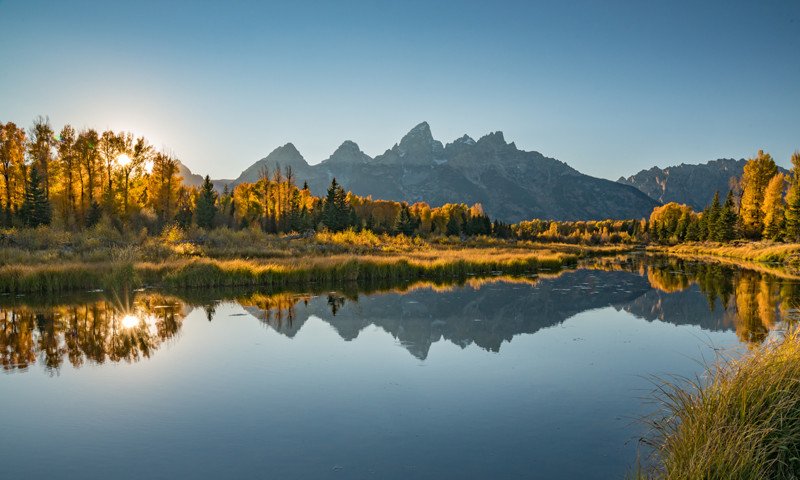
Why Yellowstone is the Ultimate Summer Vacation Spot
Every summer, millions of travelers set their sights on Yellowstone National Park, and it’s easy to understand why.
As the world’s first national park, established in 1872, Yellowstone is not only a living piece of history but also a showcase of nature’s most dramatic spectacles.
From towering geysers that erupt with clockwork precision to vast valleys where bison roam freely, Yellowstone delivers an experience that feels both wild and timeless.
The warmer months open up over 3,500 square miles of landscapes, giving visitors access to everything from alpine lakes and lush meadows to the Grand Canyon of the Yellowstone.
Roads and facilities that remain closed in winter become accessible, making summer the most convenient time for first-time visitors and families.
What sets Yellowstone apart from other destinations is its rare blend of geology, wildlife, and adventure.
Imagine watching Old Faithful erupt in a burst of steam against a clear blue sky, kayaking across the vast waters of Yellowstone Lake at sunrise, or spotting a grizzly bear foraging in the distance while eagles soar overhead.
These aren’t just activities — they’re once-in-a-lifetime encounters with the raw power and beauty of nature.
Whether you’re hiking a quiet trail through a wildflower-filled meadow, sharing stories around a campfire, or teaching your kids about geothermal wonders at the visitor center, the park encourages you to slow down and reconnect — with nature, with history, and with yourself.
For travelers looking for a vacation that is equal parts adventure, relaxation, and education, Yellowstone in summer is unmatched.
Quick Facts About Yellowstone National Park
Before diving into trip planning, it helps to understand the scale and significance of Yellowstone.
This isn’t just another national park — it’s a living laboratory of geology, ecology, and history that draws more than 4 million visitors every year, with the majority arriving in summer.
Here are some essential facts that make Yellowstone both fascinating and practical to know before your visit:
- Location & Size: Yellowstone stretches across three U.S. states — Wyoming (96% of the park), Montana (3%), and Idaho (1%). Covering over 3,472 square miles, it’s larger than Rhode Island and Delaware combined.
- Establishment: Founded in 1872, Yellowstone was the world’s first national park, setting the standard for global conservation and preservation efforts.
- Geothermal Wonders: The park sits atop one of the largest active volcanic systems on Earth. It contains over 10,000 hydrothermal features (geysers, hot springs, mud pots, and fumaroles) — more than anywhere else in the world.
- Wildlife: Yellowstone is one of the last nearly intact ecosystems in the northern temperate zone. It’s home to 67 species of mammals (including bison, elk, grizzly bears, and wolves) and 285 species of birds. The park’s bison herd, estimated at around 5,000 animals, is the largest free-ranging herd in the United States.
- Lakes & Rivers: At 136 square miles, Yellowstone Lake is the largest high-elevation lake in North America. The park also contains the headwaters of the Yellowstone, Snake, and Green Rivers, which eventually flow into the Pacific and Gulf of Mexico.
Its size alone requires careful planning; what seems like a single park is, in reality, a vast wilderness where travel between sites can take hours.
Best Time to Visit Yellowstone in Summer
Summer (June through August) is the most popular time to explore Yellowstone, but each month offers a different experience.
Knowing the seasonal differences can help you decide the best time for your trip, whether you’re seeking warm weather, abundant wildlife sightings, or fewer crowds.
June: The Fresh Start of Summer
- Weather: Daytime highs average 60–70°F (15–21°C), while nights can dip into the 30s and 40s. Snow may still linger at higher elevations.
- Highlights:
- Wildflowers begin to bloom across meadows, creating stunning landscapes.
- Wildlife viewing is excellent — bears are active, and bison calves (called “red dogs”) are easy to spot.
- Rivers and waterfalls are at peak flow due to snowmelt, making early summer the best time for dramatic water scenery.
- Wildflowers begin to bloom across meadows, creating stunning landscapes.
- Considerations: Some higher-elevation trails may still be closed due to snow. Mosquitoes can also be more noticeable in wet areas.
July: Peak Season and Summer Energy
- Weather: The warmest month, with daytime highs averaging 70–80°F (21–27°C). Nights are still cool, around 40–50°F.
- Highlights:
- Almost all park roads, trails, and facilities are open, giving you full access to Yellowstone’s 3,500+ square miles.
- Perfect conditions for hiking, camping, kayaking, and scenic drives.
- Ranger-led programs are in full swing, offering educational activities for families.
- Almost all park roads, trails, and facilities are open, giving you full access to Yellowstone’s 3,500+ square miles.
- Considerations: July is the busiest month, meaning heavy crowds, traffic jams (often from bison on the road), and fully booked lodges. Planning and reservations well in advance are essential.
August: Warm Days, Quieter Evenings
- Weather: Still warm during the day, averaging 70–78°F (21–25°C), but slightly drier.
- Highlights:
- The most stable weather of the season, ideal for outdoor adventures.
- Wildlife like elk and bison become more active as they prepare for the fall rut.
- Late August sees fewer crowds, especially as families head home for the school year.
- The most stable weather of the season, ideal for outdoor adventures.
- Considerations: Some areas may feel drier and dustier. Afternoon thunderstorms are still possible, so be prepared for sudden changes.
So, When’s the Best Month?
- For fewer crowds and lush scenery: Early to mid-June
- For full access and warmest weather: July
- For stable weather and slightly lighter crowds: Late August
No matter which month you choose, summer in Yellowstone promises unforgettable experiences.
The key is matching your priorities — whether it’s wildlife, hiking, photography, or avoiding congestion — to the seasonal rhythm of the park.
How to Get to Yellowstone
Yellowstone may feel like another world, but it’s surprisingly accessible once you know the best routes.
Since the park spans Wyoming, Montana, and Idaho, there are multiple entry points and travel options depending on your starting location and trip style.
Here’s how to plan your arrival:
By Air: Nearest Airports to Yellowstone
If you’re flying in, several regional airports provide convenient access:
- Bozeman Yellowstone International Airport (BZN), Montana
- About 90 miles (2 hours) to the park’s North Entrance (Gardiner, MT).
- A popular choice for visitors, with rental cars and plenty of flight options.
- About 90 miles (2 hours) to the park’s North Entrance (Gardiner, MT).
- Jackson Hole Airport (JAC), Wyoming
- The only airport inside a national park (Grand Teton).
- About 60 miles (1.5 hours) from the South Entrance.
- Best for combining a Yellowstone trip with a visit to Grand Teton National Park.
- The only airport inside a national park (Grand Teton).
- Yellowstone Regional Airport (COD), Cody, Wyoming
- About 52 miles (1 hour) from the East Entrance.
- Ideal for those wanting to experience the Old West charm of Cody before heading into Yellowstone.
- About 52 miles (1 hour) from the East Entrance.
By Car: Driving to Yellowstone
Yellowstone is best experienced by car, giving you the flexibility to stop for wildlife sightings and scenic overlooks.
The park has five entrances, each offering a different experience:
- North Entrance (Gardiner, MT): Open year-round; closest to Mammoth Hot Springs.
- West Entrance (West Yellowstone, MT): The busiest in summer; convenient for geyser country (Old Faithful, Grand Prismatic).
- South Entrance (via Jackson, WY): Connects to Grand Teton; a great two-park road trip.
- East Entrance (Cody, WY): Scenic drive along Sylvan Pass; combines well with Cody’s cowboy culture.
- Northeast Entrance (Cooke City, MT): Gateway to Lamar Valley; ideal for wildlife watchers.
Where to Stay in Yellowstone
Choosing the right place to stay can shape your entire Yellowstone experience.
With the park’s massive size — larger than Delaware and Rhode Island combined — your lodging choice affects how much time you spend driving versus exploring.
Here’s a detailed breakdown of your options:
1. Staying Inside the Park
For the most immersive experience, nothing beats staying within Yellowstone’s boundaries.
Lodges and cabins put you close to the action, but they book up quickly (often a year in advance).
- Historic Lodges:
- Old Faithful Inn – A rustic, iconic lodge built in 1904, just steps from the famous geyser.
- Lake Yellowstone Hotel – Elegant with stunning lake views; ideal for travelers seeking comfort.
- Old Faithful Inn – A rustic, iconic lodge built in 1904, just steps from the famous geyser.
- Cabins & Budget-Friendly Lodging:
- Cabins at Canyon Village or Roosevelt Lodge offer a simpler, rustic experience.
- Cabins at Canyon Village or Roosevelt Lodge offer a simpler, rustic experience.
- Pros: Unmatched convenience, early access to attractions before day crowds, and that authentic national park atmosphere.
- Cons: Expensive and limited availability; no TVs or Wi-Fi in most lodges.
2. Campgrounds & RV Parks in Yellowstone
If you love the outdoors, camping is a budget-friendly and adventurous way to stay in the park.
- Popular Campgrounds:
- Madison Campground – Centrally located, great for exploring geyser basins.
- Canyon Campground – Near the Grand Canyon of the Yellowstone.
- Fishing Bridge RV Park – The only campground with full RV hookups.
- Madison Campground – Centrally located, great for exploring geyser basins.
- Pros: Affordable, close to nature, and flexible.
- Cons: Spots fill quickly in summer, and you’ll need to be prepared for changing weather and wildlife safety rules.
3. Staying in Gateway Towns
If in-park lodging is booked, nearby towns provide excellent alternatives with more dining, shopping, and modern amenities.
- West Yellowstone, Montana (West Entrance):
- Most popular gateway with many hotels, motels, and vacation rentals.
- Closest to Old Faithful and geyser country.
- Most popular gateway with many hotels, motels, and vacation rentals.
- Gardiner, Montana (North Entrance):
- Great for visiting Mammoth Hot Springs.
- Known for its charming small-town vibe.
- Great for visiting Mammoth Hot Springs.
- Cody, Wyoming (East Entrance):
- Famous for its Western heritage and the Buffalo Bill Center of the West.
- Adds a cultural twist to your trip.
- Famous for its Western heritage and the Buffalo Bill Center of the West.
- Jackson, Wyoming (South Entrance):
- Upscale lodging, vibrant dining scene, and easy access to both Yellowstone and Grand Teton.
- Upscale lodging, vibrant dining scene, and easy access to both Yellowstone and Grand Teton.
- Cooke City & Silver Gate, Montana (Northeast Entrance):
- Best for wildlife lovers heading into Lamar Valley.
- Quiet and less crowded than other towns.
- Best for wildlife lovers heading into Lamar Valley.
4. Which Option is Best for You?
- Want the full Yellowstone vibe? Stay inside the park lodges.
- Love camping or road-tripping? Book a campground or RV site.
- Prefer modern comforts & flexibility? Stay in gateway towns like West Yellowstone or Jackson.
- Interested in culture + park access? Cody combines history with a scenic entrance.
Pro Traveler Tip
If you can’t secure in-park lodging, a smart strategy is to split your stay: book a few nights in West Yellowstone for easy access to geysers, then move to Gardiner or Cooke City for Lamar Valley wildlife watching.
This way, you minimize long drives and maximize your time in nature.
Essential Packing List for a Yellowstone Summer Trip
Yellowstone’s weather and terrain can change dramatically in a single day — from sunny skies in the afternoon to chilly nights and sudden rain showers.
Packing wisely is the difference between a comfortable adventure and a stressful one.
Here’s a comprehensive, practical packing guide for your summer trip:
Clothing Essentials
- Layered Clothing: Temperatures swing from 40°F (4°C) in the mornings to 80°F (27°C) in the afternoons. Pack moisture-wicking base layers, lightweight shirts, and a warm fleece or jacket.
- Rain Gear: A waterproof jacket or poncho is a must — afternoon thunderstorms are common in July and August.
- Hiking Pants & Shorts: Convertible pants work well for both chilly mornings and warm afternoons.
- Sturdy Footwear: Waterproof hiking boots with good ankle support are essential for uneven trails. Bring a pair of comfortable walking shoes for boardwalks and around lodges.
- Hat & Sunglasses: Protection from the sun is crucial at Yellowstone’s high elevation.
Gear for Exploring the Park
- Daypack: Lightweight, with enough room for water, snacks, rain gear, and layers.
- Water Bottle or Hydration Pack: Dehydration happens faster at higher altitudes. Carry at least 2 liters per person per day.
- Binoculars: A must for spotting wolves, bears, and eagles in the valleys.
- Camera & Extra Batteries: With geysers, wildlife, and stunning landscapes, you’ll want to capture everything.
- Trekking Poles: Helpful for steep trails like Uncle Tom’s Trail or Mount Washburn.
Wildlife & Safety Essentials
- Bear Spray: Non-negotiable in Yellowstone. Available for rent or purchase in gateway towns.
- First Aid Kit: Include blister care, bug spray, and sunscreen (the high-altitude sun is intense).
- Maps & Guidebook: GPS and cell service are unreliable. A paper map is essential for navigation.
- Flashlight or Headlamp: Useful for early morning wildlife viewing or late-night camp activities.
Food & Outdoor Dining Supplies
- Reusable Containers & Snacks: Nuts, dried fruit, and granola bars are perfect for hikes.
- Picnic Blanket: Many scenic areas are perfect for outdoor meals.
- Cooler: If you’re road-tripping, a cooler helps store drinks and perishable food safely.
Pro Traveler Tip
Pack like you’re preparing for three seasons in one trip: chilly spring mornings, hot summer afternoons, and wet fall evenings.
That way, no matter what Yellowstone throws at you, you’ll be ready.
Top Geysers and Hot Springs to Visit in Yellowstone
Yellowstone is home to over 10,000 geothermal features, including geysers, hot springs, fumaroles, and mud pots.
Summer is the perfect time to witness these natural wonders at their best. Here’s a guide to the must-see geothermal attractions:
1. Old Faithful Geyser
- Why Visit: Yellowstone’s most famous geyser, Old Faithful, erupts approximately every 90 minutes, shooting up to 185 feet into the air.
- Visitor Tips:
- Arrive early in the morning or late afternoon to avoid crowds.
- The Old Faithful Visitor Center offers live eruption predictions and a short educational film.
- Arrive early in the morning or late afternoon to avoid crowds.
2. Grand Prismatic Spring
- Why Visit: The largest hot spring in the U.S., Grand Prismatic Spring is 275 feet wide and 160 feet deep. Its vibrant colors — red, orange, yellow, green, and blue — are caused by heat-loving bacteria.
- Visitor Tips:
- Walk the boardwalk for a close-up view.
- For the best aerial perspective, hike the Fairy Falls Trail Overlook.
- Walk the boardwalk for a close-up view.
3. Mammoth Hot Springs
- Why Visit: Terraced limestone formations create an otherworldly landscape. Hot water rising through limestone deposits forms stepped terraces in shades of white, cream, and orange.
- Visitor Tips:
- Explore both the Lower and Upper Terraces; the Upper Terraces are less crowded and more photogenic.
- Wear sturdy shoes — some areas can be slippery.
- Explore both the Lower and Upper Terraces; the Upper Terraces are less crowded and more photogenic.
4. Norris Geyser Basin
- Why Visit: The hottest and most dynamic geothermal area in Yellowstone. Geysers like Steamboat Geyser can erupt over 300 feet, making it the world’s tallest currently active geyser.
- Visitor Tips:
- Boardwalks allow safe access to fragile geothermal features.
- Bring water and sun protection — the area is mostly exposed.
- Boardwalks allow safe access to fragile geothermal features.
5. West Thumb Geyser Basin
- Why Visit: Nestled along Yellowstone Lake, this basin combines geothermal features with scenic lake views. Features include colorful hot springs and small geysers.
- Visitor Tips:
- Ideal for photography, especially in the morning light.
- Less crowded than Old Faithful, making it perfect for a quieter experience.
- Ideal for photography, especially in the morning light.
6. Fountain Paint Pot
- Why Visit: A classic mud pot site showcasing bubbling mud, steaming fumaroles, and hot springs. Visitors can see a range of geothermal activity in one area.
- Visitor Tips:
- Walk the loop trail to see all the features.
- Mud pots are unpredictable, so check for active bubbling areas.
- Walk the loop trail to see all the features.
Pro Traveler Tip
- Plan Your Route: Summer crowds can be heavy at Old Faithful. Combine visits by proximity — e.g., explore the Upper Geyser Basin, then drive to Grand Prismatic and Fountain Paint Pot in the same day.
- Safety First: Always stay on boardwalks and marked trails. The ground is thin, and geothermal areas can be dangerously hot.
Summer in the park is the perfect season for wildlife enthusiasts, offering long daylight hours, lush landscapes, and high chances of witnessing some of North America’s most iconic species in their natural environment.
Scenic Drives and Road Trips in Yellowstone
Yellowstone is a park best explored by car, especially in the summer when the long daylight hours give you plenty of time to see everything at your own pace.
One of the most popular routes is the Grand Loop Drive, which connects major attractions like Old Faithful, the Grand Prismatic Spring, Yellowstone Lake, and the Grand Canyon of the Yellowstone.
Every stop along this loop offers breathtaking scenery — from steaming geysers and colorful hot springs to rolling meadows alive with wildlife.
Lamar Valley: A Wildlife Paradise
If spotting wildlife is on your list, Lamar Valley is the place to go. Early mornings and evenings are the best times to see bison herds, pronghorns, and even wolves.
The valley is wide and open, making it easier to safely observe animals while capturing stunning photographs.
Beartooth Highway: High-Altitude Adventure
For those craving dramatic scenery, the Beartooth Highway is a must.
Climbing over 10,000 feet, this drive treats visitors to panoramic mountain views, alpine lakes, and wildflower-filled meadows.
It’s a longer route but worth every mile for the unforgettable vistas and sense of adventure.
South Entrance to West Thumb: Scenic Lakeside Drive
If you prefer a quieter route, take the South Entrance toward West Thumb.
This drive winds along Yellowstone Lake and passes several small geysers and hot springs.
It’s ideal for stopping to stretch your legs, take photos, and enjoy the serene beauty of the water against the backdrop of distant hills.
Tips for a Memorable Drive
- Start early: Popular spots like Old Faithful get crowded by late morning.
- Bring binoculars: You never know when wildlife might appear near the road.
- Leave plenty of time: Don’t rush — Yellowstone is best experienced slowly.
- Follow safety rules: Stay on designated roads and watch for wildlife crossing.
By planning your drives carefully, you can turn even a simple car ride into an unforgettable Yellowstone adventure.
Each route has its own charm, offering a mix of wildlife, geothermal wonders, and stunning landscapes that are unique to the park.
Best Wildlife Viewing Spots in Yellowstone
Yellowstone is a wildlife enthusiast’s dream, home to some of North America’s most iconic animals.
Summer is the perfect season to see them in their natural habitats, as long daylight hours and lush landscapes make wildlife activity more visible.
Lamar Valley: America’s Serengeti
Often called “America’s Serengeti,” Lamar Valley is the top destination for spotting bison, elk, and wolves.
Early mornings and evenings are prime times for viewing, as animals are most active during these cooler hours.
With wide-open meadows and gentle rivers, this valley provides excellent opportunities for photography while keeping a safe distance from the wildlife.
Hayden Valley: Big Mammals and Scenic Views
Another hotspot is Hayden Valley, located between Yellowstone Lake and Canyon Village. This area attracts large numbers of bison, elk, and occasionally grizzly bears.
Driving slowly along the valley roads allows you to pause whenever an animal appears, making it a rewarding experience for both casual observers and dedicated wildlife photographers.
Yellowstone Lake Area: Birds and Aquatic Life
The areas around Yellowstone Lake are perfect for spotting aquatic and bird species.
Look for otters, osprey, and bald eagles along the shoreline, especially during calm mornings when the lake reflects the surrounding mountains.
Northeast Entrance: Secluded Wildlife Encounters
For those seeking a quieter experience, the backcountry near Cooke City and Silver Gate offers a chance to see moose and black bears without the crowds.
These areas require more patience and often involve short hikes or roadside stops, but the rewards are well worth it.
Wildlife Viewing Tips
- Bring binoculars or a spotting scope to see animals clearly without disturbing them.
- Be patient: Wildlife can appear unexpectedly — a slow, quiet approach is key.
- Follow safety rules: Always maintain a safe distance from bears, bison, and other large animals.
- Visit during early morning or late evening: Wildlife activity peaks at these times.
Summer in Yellowstone gives visitors the best chance to witness wildlife in action, from bison roaming the valleys to wolves howling in the distance.
With the right preparation and a respectful approach, a day of wildlife watching can become the highlight of your entire trip.
Hiking Trails for All Skill Levels in Yellowstone
Yellowstone offers hiking opportunities for every kind of adventurer, from casual walkers to seasoned backpackers.
Summer is the best season to explore the park’s trails, as most paths are clear of snow and wildlife sightings are abundant.
Easy Trails: Scenic Walks and Boardwalks
For beginners or families, Yellowstone has numerous easy, well-maintained trails.
The Upper Geyser Basin Trail near Old Faithful is a flat, boardwalked route that lets visitors see geysers and hot springs safely.
Another gentle option is the West Thumb Geyser Basin Trail, which combines geothermal features with lakeside views, making it perfect for photography or a leisurely stroll.
Moderate Trails: Rewarding Day Hikes
If you’re ready for a bit more challenge, trails like the Fairy Falls Trail or Mystic Falls Trail offer moderate hikes with incredible rewards.
The Fairy Falls Trail leads to the Grand Prismatic Spring overlook, giving a stunning aerial view of Yellowstone’s most colorful hot spring.
Mystic Falls, in the Blacktail Plateau area, features a scenic waterfall and lush forests, ideal for those who enjoy a mix of geothermal and woodland scenery.
Challenging Trails: Backcountry Adventures
Experienced hikers seeking adventure can explore trails like the Mount Washburn Trail or Elephant Back Mountain.
The Mount Washburn Trail climbs over 10,000 feet, offering panoramic views of Yellowstone’s valleys, lakes, and distant peaks.
These trails demand proper preparation — bring plenty of water, sturdy hiking shoes, and bear spray, as wildlife encounters are common in remote areas.
Tips for a Safe and Enjoyable Hike
- Start early: Trails are cooler and wildlife is more active in the morning.
- Stay on marked paths: Protect fragile geothermal areas and yourself.
- Bring essentials: Water, snacks, a map, and sun protection are musts.
- Be bear aware: Carry bear spray and know how to use it. Hike in groups when possible.
- Check trail conditions: Some higher-elevation trails may still have snow even in summer.
Whether you’re looking for a short, scenic stroll or a challenging backcountry trek, Yellowstone’s hiking trails provide an unmatched way to immerse yourself in the park’s natural beauty.
Each trail offers unique vistas, wildlife encounters, and geothermal wonders, making hiking a highlight of any summer visit.
Best Picnic Spots and Scenic Rest Areas in Yellowstone
Taking a break to enjoy a picnic or simply soak in Yellowstone’s beauty is one of the joys of a summer visit.
The park offers numerous scenic spots where you can relax, eat, and enjoy nature without leaving the trail of adventure.
Fishing Bridge Picnic Area
Located along Yellowstone Lake, Fishing Bridge Picnic Area is ideal for families and groups.
With tables, open lawns, and lake views, it’s a peaceful place to enjoy lunch while watching ducks, osprey, and occasionally otters play near the shoreline.
Lamar Valley Pullouts
For a wildlife-focused picnic, the Lamar Valley pullouts are unbeatable.
Stop at designated areas along the road to set up a snack break while keeping an eye out for bison herds, elk, or even wolves in the distance.
Remember to stay inside your vehicle or maintain a safe distance — safety comes first.
Grant Village Picnic Area
Situated near West Thumb Geyser Basin, Grant Village Picnic Area offers a combination of shaded tables and lakeside views.
It’s an excellent spot to rest after hiking nearby trails or exploring geothermal features.
Mount Washburn Overlook Rest Areas
After a strenuous hike, the rest areas near Mount Washburn provide a perfect spot to relax and take in panoramic views of Yellowstone’s valleys and peaks.
Bring a lightweight lunch or snacks to enjoy the scenery — the view alone is worth the stop.
Picnic Tips for Yellowstone Visitors
- Pack everything in: There are no trash cans along most trails — carry out all waste.
- Use bear-proof containers: Wildlife is abundant; keep food secure at all times.
- Plan around activity: Early morning or late afternoon stops provide cooler temperatures and often wildlife sightings.
- Bring seating or blankets: Not all areas have picnic tables, so a blanket can make a comfortable spot anywhere.
Yellowstone’s picnic and rest areas are more than just convenience stops — they are perfect vantage points to experience the park’s beauty, spot wildlife, and recharge for the next adventure.
Summer makes these spots especially enjoyable, with warm weather and long daylight hours giving visitors plenty of time to linger.
Camping in Yellowstone – Tips and Locations
Camping in Yellowstone is a quintessential way to experience the park’s wilderness up close, from the crackling of morning fires to the distant calls of wolves and birds.
Summer is the peak season, offering warm weather, clear trails, and long daylight hours — perfect for both first-time and experienced campers.
Popular Campgrounds
Yellowstone has 12 main campgrounds with over 2,000 sites, each offering a unique location and atmosphere.
Some favorites include:
- Madison Campground – Centrally located with easy access to geysers and wildlife-rich areas.
- Grant Village Campground – Near Yellowstone Lake and West Thumb, ideal for lake views and short hikes.
- Canyon Campground – Perfect for exploring the Grand Canyon of Yellowstone and nearby waterfalls.
Backcountry Camping
For those seeking solitude, backcountry camping allows a more immersive experience.
Permits are required, and hikers can camp along designated trails.
Popular areas include Mount Washburn and Lamar Valley backcountry zones, where you might wake up to wildlife grazing nearby.
Essential Camping Tips
- Reserve in advance: Summer spots fill quickly, sometimes months ahead.
- Bear safety: Store food in bear-proof lockers and follow all wildlife regulations.
- Prepare for weather: Summer days are warm, but nights can be chilly; pack layers and a quality sleeping bag.
- Respect park rules: Stay on designated sites, practice Leave No Trace, and keep noise minimal to protect wildlife and fellow campers.
- Water and supplies: Bring plenty of water and plan meals carefully — not all campgrounds have services.
Camping in Yellowstone transforms a visit into an unforgettable adventure, allowing you to experience sunrise over geysers, starlit skies, and the sounds of the wild.
Whether you prefer a developed campground with amenities or a remote backcountry site, the park’s camping options make it possible to truly connect with nature.
Boating and Water Activities on Yellowstone Lakes
Yellowstone’s lakes offer more than just scenic beauty — they provide opportunities for boating, fishing, and relaxing waterside activities.
Summer is the ideal time to enjoy these experiences, with calm waters, warm weather, and stunning natural backdrops.
Yellowstone Lake: The Heart of Water Fun
Yellowstone Lake is the largest high-elevation lake in North America, making it perfect for boating and fishing.
Visitors can rent rowboats, kayaks, or motorboats at Grant Village and Bridge Bay marinas.
The calm waters provide a peaceful environment for photography, wildlife spotting, or simply enjoying a quiet day on the lake.
Fishing in Yellowstone
The park’s lakes and rivers are renowned for cutthroat trout, a favorite among anglers. Popular fishing spots include Yellowstone Lake, Slough Creek, and the Yellowstone River.
Anglers must have a valid Yellowstone National Park fishing permit and follow catch limits to protect the native fish population.
Other Water Activities
- Swimming: While most lakes and rivers are cold and best suited for brief dips, some areas like Lewis Lake provide safe swimming zones.
- Canoeing and Kayaking: Paddle along serene bays or explore hidden coves, keeping an eye out for osprey, bald eagles, and herons.
- Photography and Birdwatching: Lakesides are perfect for capturing stunning reflections, waterfowl, and the occasional moose wading near the shore.
Tips for a Safe and Enjoyable Water Experience
- Check local regulations: Some lakes restrict motorboats to protect wildlife and water quality.
- Bring life jackets: Safety is crucial, especially for families or inexperienced boaters.
- Go early or late: Mornings and evenings offer calm waters and a higher chance of spotting wildlife.
- Pack essentials: Sunscreen, water, snacks, and a waterproof bag for valuables.
Whether you’re paddling across a quiet bay, fishing for trout, or simply relaxing by the shore, Yellowstone’s lakes make water-based activities a refreshing addition to your summer adventure.
The combination of natural beauty, wildlife, and recreational options ensures that every visit is memorable.
Summer Festivals and Ranger Programs in Yellowstone
Yellowstone isn’t just about natural wonders — summer brings a variety of festivals, educational programs, and ranger-led activities that enhance the visitor experience.
These programs provide a deeper understanding of the park’s wildlife, geology, and history, making your trip both fun and informative.
Ranger-Led Programs
Rangers offer daily talks, guided hikes, and evening campfire programs covering topics such as geysers, wildlife behavior, and park history.
Popular programs include:
- Geyser Observation Talks: Learn about the science behind Old Faithful and other geothermal features.
- Wildlife Walks: Rangers provide insights on spotting bison, elk, bears, and wolves safely.
- Junior Ranger Program: Perfect for kids, this program includes interactive activities, badges, and hands-on learning.
Summer Festivals and Special Events
While Yellowstone doesn’t host large city-style festivals, summer sees special events and celebrations in nearby gateway towns:
- West Yellowstone Rodeo: Just outside the park, offering a true Western experience with rodeo events, music, and food.
- Yellowstone Heritage Festivals: Showcasing local crafts, Native American traditions, and outdoor skills demonstrations.
Evening Programs and Star Gazing
Summer nights are ideal for stargazing due to Yellowstone’s low light pollution.
Ranger-led evening programs often include:
- Astronomy Talks: Learn about constellations, planets, and the Milky Way.
- Nighttime Wildlife Observation: Spot nocturnal animals safely while guided by experts.
Tips to Make the Most of Ranger Programs
- Check schedules in advance: Programs vary daily and seasonally.
- Arrive early: Popular talks and walks fill quickly, especially for families.
- Bring essentials: Water, sunscreen, comfortable shoes, and a notebook for notes.
- Engage actively: Ask questions and participate — these programs are designed to enrich your experience.
Yellowstone’s summer festivals and ranger programs add layers of learning and fun to the natural adventure.
From discovering the secrets behind geothermal features to spotting wildlife under expert guidance, these experiences create memories that last far beyond the trip itself.
Photography Tips for Capturing Yellowstone’s Beauty
Yellowstone’s landscapes, wildlife, and geothermal features make it a paradise for photographers.
Summer offers long daylight hours, vibrant colors, and dynamic wildlife activity — perfect for both beginners and seasoned photographers looking to capture unforgettable shots.
Essential Photography Gear
- Camera: DSLR or mirrorless cameras are ideal, but modern smartphones can also produce stunning results.
- Lenses: Wide-angle lenses capture sweeping landscapes, while telephoto lenses are essential for safely photographing wildlife.
- Tripod: Useful for low-light conditions, sunrise, sunset, or long-exposure shots of waterfalls and geysers.
- Accessories: Extra batteries, memory cards, and a lens cleaning kit ensure you don’t miss a moment.
Best Times for Photography
- Golden Hours: Early mornings and late evenings provide soft, warm light ideal for landscapes and wildlife.
- Midday: Use this time for capturing vibrant colors of geothermal pools, lakes, and wildflowers.
- Night: Yellowstone’s clear summer skies allow for spectacular astrophotography, including the Milky Way.
Top Photography Spots
- Grand Prismatic Spring Overlook: Capture the iconic rainbow-colored geothermal pool from above.
- Lamar Valley: Ideal for photographing bison, elk, and wolves in natural settings.
- Yellowstone Lake: Reflections of mountains and wildlife on calm waters create breathtaking shots.
- Canyon Village: The Upper and Lower Falls of the Yellowstone River offer dramatic waterfall photography opportunities.
Photography Tips for Wildlife
- Keep a safe distance: Use a telephoto lens to avoid disturbing animals.
- Be patient: Wildlife photography requires stillness and careful observation.
- Observe behavior: Capture unique moments by watching animals’ interactions and routines.
- Respect park rules: Never approach bears, bison, or other large wildlife for a better shot.
Additional Tips
- Scout locations: Research trails, overlooks, and wildlife hotspots ahead of time.
- Use leading lines: Rivers, trails, and geothermal features can guide viewers’ eyes through your photos.
- Experiment with angles: Low angles for dramatic landscapes or high viewpoints for sweeping vistas add variety.
With the right preparation and approach, Yellowstone in summer provides limitless photography opportunities.
Whether capturing geothermal wonders, majestic wildlife, or vibrant landscapes, visitors can create stunning visual memories that last a lifetime.
Summer Weather and What to Pack for Yellowstone
Summer in Yellowstone offers long, sunny days and mostly mild temperatures, making it the most popular season for visitors.
However, the weather can change quickly, especially at higher elevations, so proper preparation is key to a safe and enjoyable trip.
Typical Summer Weather
- Daytime temperatures: Range from 70°F to 85°F (21°C–29°C) in valleys, cooler in higher elevations.
- Nighttime temperatures: Can drop to 40°F–50°F (4°C–10°C), so warm layers are essential.
- Rain and thunderstorms: Afternoon thunderstorms are common, particularly in July and August.
- Snow: Rare in lower elevations but possible on higher trails even in July.
Clothing Essentials
- Layered clothing: Lightweight base layers, fleece or insulated mid-layers, and waterproof outer layers for sudden rain.
- Sturdy footwear: Hiking boots or trail shoes with good traction are crucial for trails and uneven terrain.
- Sun protection: Hats, sunglasses, and sunscreen help protect against high-elevation sun exposure.
- Extra socks and gloves: Especially useful for early morning hikes or higher-altitude trails.
Gear and Accessories
- Daypack: Carry water, snacks, maps, first-aid kit, and camera gear.
- Rain gear: A lightweight, packable rain jacket or poncho is recommended.
- Bug protection: Mosquitoes and gnats can be bothersome near water and in forested areas; insect repellent is a must.
- Hydration: Bring plenty of water, especially when hiking or spending extended time outdoors.
Tips for Packing Smart
- Check the forecast: Daily weather updates help plan hikes and outdoor activities.
- Pack versatile items: Clothing that can layer or double as sun/rain protection saves space.
- Keep essentials accessible: Water, snacks, sunscreen, and a small first-aid kit should be easy to reach.
- Plan for emergencies: A flashlight, whistle, and portable charger can be lifesavers on backcountry adventures.
By preparing for Yellowstone’s variable summer weather, visitors can enjoy every aspect of the park comfortably and safely.
Proper clothing, layered gear, and smart packing ensure that sudden changes in temperature or weather do not disrupt your adventure, allowing you to focus on wildlife, hiking, and exploring the park’s breathtaking landscapes.
Wildlife Viewing Tips and Safety Guidelines in Yellowstone
Yellowstone is home to an extraordinary variety of wildlife, from iconic bison and elk to elusive wolves and bears.
Summer is the best time for wildlife spotting, as animals are more active and easier to observe in the park’s open valleys.
However, safety and respect for nature are crucial when viewing these creatures.
Best Areas for Wildlife Viewing
- Lamar Valley: Known as the “Serengeti of North America,” it’s ideal for spotting wolves, bison, and pronghorn.
- Hayden Valley: Offers excellent opportunities to see bison, bears, and a variety of birds.
- Yellowstone Lake & Lewis Lake: Great for observing waterfowl, osprey, and moose.
- Roadside Pullouts: Many wildlife sightings happen along the road; always use designated pullouts for safe observation.
Wildlife Viewing Tips
- Use binoculars or a telephoto lens: Stay safe while still getting a close view.
- Go early or late: Dawn and dusk are peak times for animal activity.
- Move quietly and patiently: Sudden movements or loud noises can scare wildlife away.
- Stay in your vehicle when necessary: Some animals, especially bears and bison, can be unpredictable.
Safety Guidelines
- Keep a safe distance: Stay at least 100 yards from bears and wolves, and 25 yards from other large animals.
- Never feed wildlife: Feeding animals disrupts their natural behaviors and is strictly prohibited.
- Be aware of surroundings: Watch for animal trails, tracks, and signs to avoid accidental encounters.
- Travel in groups: Larger groups reduce risk, especially when hiking in bear territory.
- Follow park regulations: Always respect barriers, signage, and ranger instructions.
Enhancing the Experience
- Take notes or photos: Documenting sightings helps track animal behavior and adds to your experience.
- Learn animal habits: Understanding seasonal behaviors, mating patterns, and feeding times improves viewing success.
- Engage with ranger programs: Ranger-led wildlife talks provide valuable insights on safe and responsible observation.
With careful planning and respect for wildlife, Yellowstone offers an unforgettable summer experience.
Observing animals in their natural habitat provides a rare opportunity to connect with nature while creating memories that last a lifetime.
Following safety guidelines ensures that both visitors and wildlife remain protected, keeping the park a thriving ecosystem for generations to come.
Hiking Trails for All Skill Levels in Yellowstone
Yellowstone is a hiker’s paradise, offering trails that range from easy lakeside strolls to challenging backcountry climbs.
Summer provides ideal conditions for exploring, with most trails fully accessible and wildlife actively visible along the paths.
Whether you’re a beginner or an experienced hiker, the park has options to suit every skill level.
Easy Trails
- Mystic Falls Trail (1.5 miles round trip): A short hike through lush forests to a beautiful waterfall.
- West Thumb Geyser Basin Boardwalk (1 mile loop): An easy, flat trail showcasing geysers and hot springs by Yellowstone Lake.
- Grand Prismatic Spring Overlook (1.2 miles round trip): A moderate uphill trail with stunning panoramic views of the iconic spring.
Moderate Trails
- Fairy Falls Trail (5 miles round trip): Passes colorful geothermal features, ending at the 200-foot waterfall.
- Mount Washburn Trail (6 miles round trip): Offers sweeping views of Yellowstone’s valleys and peaks; prime spot for wildlife.
- Uncle Tom’s Trail (0.9 miles, steep descent): Leads to a dramatic viewpoint of Lower Falls in the Grand Canyon of Yellowstone.
Strenuous Trails
- Avalanche Peak Trail (4.6 miles round trip): Steep climb with rewarding panoramic views of Yellowstone Lake and surrounding mountains.
- Elephant Back Mountain Trail (6 miles round trip): Challenging terrain with alpine meadows and potential wildlife sightings.
- Mount Sheridan Trail (6 miles round trip): Offers rugged backcountry experience and breathtaking vistas of the Yellowstone Plateau.
Hiking Tips for a Safe and Enjoyable Experience
- Start early: Avoid midday heat and crowds; early mornings are perfect for wildlife encounters.
- Pack essentials: Bring water, snacks, first-aid kit, sunscreen, and layered clothing.
- Know your limits: Choose trails that match your fitness level and hiking experience.
- Stay on designated trails: Protect fragile geothermal areas and minimize environmental impact.
- Be bear-aware: Carry bear spray, make noise while hiking, and follow park wildlife guidelines.
Enhancing Your Hike
- Photography: Capture geothermal features, wildlife, and scenic vistas along the way.
- Flora and Fauna Observation: Summer wildflowers bloom throughout the park, adding vibrant color to trails.
- Guided Hikes: Ranger-led or private guided hikes provide insights into Yellowstone’s geology, ecology, and history.
With trails for every skill level, Yellowstone allows visitors to explore the park at their own pace.
From short, scenic walks to challenging mountain climbs, hiking in summer delivers unforgettable views, wildlife encounters, and a deep connection with nature.
Scenic Drives and Must-See Viewpoints in Yellowstone
Yellowstone is not just for hiking — its scenic drives offer breathtaking views of geysers, waterfalls, wildlife, and rugged landscapes, making it accessible for all visitors.
Summer is the perfect time to explore these routes, as roads are fully open and wildlife is abundant.
Top Scenic Drives
- Grand Loop Road (142 miles): The main artery connecting major park attractions, including Old Faithful, Yellowstone Lake, and the Grand Canyon of Yellowstone.
- Beartooth Highway (31 miles in Montana/Wyoming): Known for alpine meadows, glacial lakes, and panoramic mountain views.
- Lamar Valley Drive: Ideal for wildlife spotting, particularly bison, elk, and wolves during early morning or evening.
Must-See Viewpoints
- Artist Point: Iconic overlook of the Grand Canyon of Yellowstone and Lower Falls. Best visited in the morning for soft lighting and fewer crowds.
- Grand Prismatic Spring Overlook: Offers a stunning aerial view of the vibrant geothermal pool and surrounding terrain.
- Tower Fall Viewpoint: Provides dramatic views of the 132-foot waterfall and surrounding cliffs.
- West Thumb Geyser Basin Boardwalk: A lakeside viewpoint with colorful hot springs and easy walking access.
- Mud Volcano Area: Observation decks highlight Yellowstone’s unique geothermal activity with bubbling mud pots and steam vents.
Tips for Scenic Drives
- Start early: Morning drives reduce traffic and increase chances of wildlife sightings.
- Plan rest stops: Pullouts, visitor centers, and designated viewpoints enhance your experience.
- Check road conditions: Summer roads are usually open, but weather or construction may affect certain routes.
- Pack essentials: Snacks, water, camera, and binoculars ensure comfort and better wildlife observation.
Enhancing Your Scenic Drive
- Photography: Use stops to capture geysers, wildlife, and panoramic vistas.
- Picnic opportunities: Many viewpoints have picnic areas to enjoy meals surrounded by nature.
- Ranger recommendations: Stop by visitor centers for insider tips on the best viewpoints and times to visit.
With Yellowstone’s scenic drives and must-see viewpoints, even those who prefer a relaxed pace can experience the park’s beauty.
From towering waterfalls to vast valleys teeming with wildlife, driving through Yellowstone allows you to soak in its diverse landscapes safely and comfortably.
Planning Your Yellowstone Summer Itinerary
A well-structured itinerary ensures you make the most of your Yellowstone summer vacation.
With vast landscapes, diverse wildlife, and countless attractions, careful planning helps balance exploration, relaxation, and adventure.
Tips for Creating Your Itinerary
- Decide the trip duration: 3–5 days is ideal to cover major highlights; a week allows for deeper exploration.
- Prioritize attractions: Identify must-see spots like Old Faithful, Grand Prismatic Spring, and Yellowstone Lake.
- Mix activities: Combine hiking, wildlife viewing, geothermal features, and scenic drives for variety.
- Allow flexibility: Weather, wildlife sightings, or unexpected closures may require adjustments.
- Plan accommodations: Book lodges, cabins, or nearby towns in advance, as summer is peak season.
Sample 3-Day Itinerary
Day 1 – Geysers and Thermal Features:
- Morning: Old Faithful and Upper Geyser Basin
- Afternoon: Grand Prismatic Spring and Midway Geyser Basin
- Evening: Sunset at West Thumb Geyser Basin
Day 2 – Wildlife and Scenic Drives:
- Morning: Lamar Valley for bison and wolf spotting
- Afternoon: Hayden Valley and Yellowstone Lake
- Evening: Tower Fall viewpoint
Day 3 – Waterfalls and Hiking:
- Morning: Grand Canyon of Yellowstone, Upper and Lower Falls
- Afternoon: Mystic Falls or Fairy Falls hike
- Evening: Relax at Yellowstone Lake or enjoy ranger-led programs
Additional Planning Tips
- Start early each day: Maximize daylight and wildlife activity.
- Keep snacks and water handy: Essential for long hikes or drives.
- Check ranger programs: Summer offers guided hikes, talks, and interactive experiences.
- Use maps and apps: Official park maps and apps provide up-to-date road, trail, and wildlife info.
- Stay safe and prepared: Always follow park safety guidelines, especially around wildlife and geothermal areas.
By planning your Yellowstone summer itinerary thoughtfully, you can ensure a smooth, memorable, and safe adventure.
From geysers and waterfalls to wildlife encounters and scenic drives, a well-balanced plan allows you to experience the park’s majestic beauty, unique ecosystems, and unforgettable summer moments without feeling rushed.
Conclusion: Make the Most of Your Yellowstone Summer Adventure
A summer trip to Yellowstone is more than just a vacation—it’s an immersive journey into nature’s most remarkable landscapes.
From geysers and hot springs to breathtaking waterfalls, scenic drives, and abundant wildlife, every moment in the park offers something unique.
By planning ahead, packing smart, respecting wildlife, and exploring both popular and hidden spots, visitors can maximize their experience while staying safe and comfortable.
Whether you’re hiking trails suited to your skill level, chasing golden-hour wildlife sightings, or simply soaking in Yellowstone’s unparalleled beauty, a well-thought-out summer itinerary ensures memories that will last a lifetime.
Yellowstone isn’t just a destination; it’s a summer adventure that connects you with nature in its purest, most awe-inspiring form.Embrace the journey, plan carefully, and let Yellowstone’s wonders guide your summer adventure.