Unforgettable Things to Do in Palm Springs, California: Desert Adventures, Art, and Relaxation
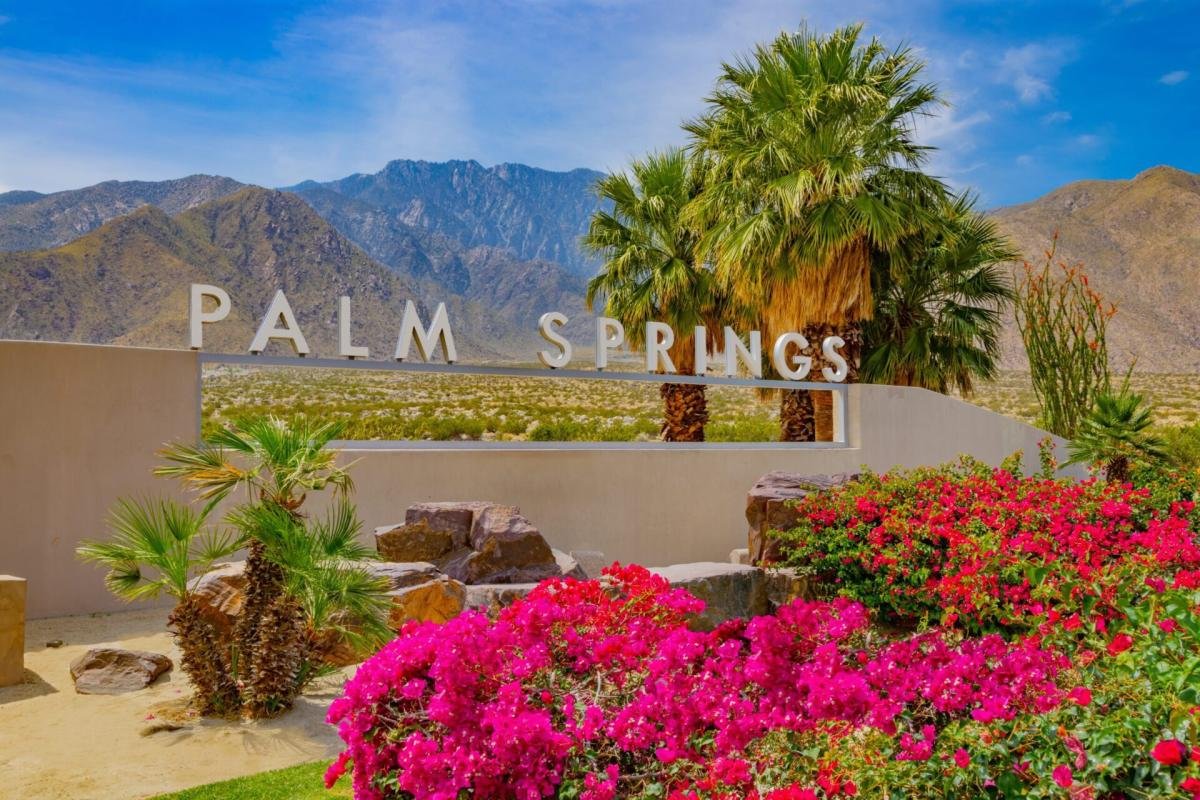
Introduction: The Allure of Palm Springs
Tucked in California’s sun-drenched Sonoran Desert, Palm Springs is more than just a stylish retreat — it’s a playground of natural beauty, cultural richness, and retro charm.
Once a favorite hideaway for Hollywood stars, this desert city is now a top destination for travelers seeking sunshine, serenity, and style.
Whether you’re hiking through rugged canyons, soaking in natural hot springs, or browsing mid-century modern boutiques, Palm Springs offers a curated mix of relaxation and adventure.
From architectural tours and art installations to spa getaways and stargazing, Palm Springs surprises you with depth beyond its sunny surface.
This guide is built from local insights, first-hand travel experiences, and expert research — so you can skip the tourist traps and uncover what truly makes Palm Springs unforgettable.
2. Ride the Palm Springs Aerial Tramway – From Desert Floor to Alpine Peaks
Rising majestically over the Coachella Valley, the Palm Springs Aerial Tramway offers an experience that is nothing short of breathtaking.
As the world’s largest rotating aerial tramcar, this iconic attraction doesn’t just connect two elevations — it transports visitors through five distinct life zones, from the cactus-studded desert below to the cool alpine forests of Mount San Jacinto State Park.
What Makes It Extraordinary
- An Engineering Marvel: First opened in 1963 and upgraded in 2000, the tramway’s rotating cars slowly spin during the 10-minute ascent, offering 360-degree panoramic views without needing to move an inch. As you glide up 2.5 miles along the cliffs of Chino Canyon, the geological layers tell a story millions of years old — from rugged granite formations to volcanic deposits.
- Alpine Escape from Desert Heat: Temperatures at the top station — located at an elevation of 8,516 feet — can be 30 to 40 degrees cooler than in downtown Palm Springs. This makes it a perfect summer escape for those looking to beat the heat without leaving the region.
- Gateway to Wilderness: At the mountain station, visitors gain access to over 50 miles of hiking trails within the Mount San Jacinto Wilderness Area. Whether you’re seeking a leisurely walk along Desert View Trail or a challenging climb to San Jacinto Peak (the second-highest peak in Southern California), the trail system here is vast and remarkably scenic.
On-Site Amenities
- Peaks Restaurant: Often referred to as “one of the most scenic restaurants in the world,” Peaks Restaurant offers upscale mountain cuisine with floor-to-ceiling windows overlooking the Coachella Valley. Try their trout or bison burger for a taste of local flavor.
- Mountain Station Features:
- Observation Decks
- Natural History Museum
- Documentary Theater
- Gift Shop
- Observation Decks
These amenities are perfect for those who want to enjoy the elevation without venturing too far into the wilderness.
Visit in Winter for a Snow-Capped Experience
Many visitors are surprised to learn that the Tramway Mountain Station regularly receives snow in winter.
The contrast between the snowy pine forests above and the sun-soaked desert below is surreal.
Cross-country skiing and snowshoeing are popular here during the season — equipment can be rented at the Adventure Center located at the top.
Local Tips & Need-to-Know Info
- Arrive Early or Late Afternoon: For fewer crowds and stunning lighting conditions, try to schedule your ride early in the morning or just before sunset.
- Dress in Layers: Even if it’s 90°F in the valley, it could be in the 50s or lower at the top — and that’s without factoring in wind chill.
- Timed Tickets: Especially during holidays or weekends, it’s highly recommended to book your tram tickets in advance online to avoid long wait times.
- Parking: Paid parking is available at the base station. Shuttle service is offered from lower lots on busy days.
3. Explore the Palm Springs Art Museum
Hidden among the mid-century architecture of downtown Palm Springs, the Palm Springs Art Museum stands as a cultural anchor in a city best known for its resorts and sunshine.
But this isn’t your average desert gallery—it’s a thoughtfully curated museum showcasing an impressive fusion of contemporary art, Native American artifacts, modernist sculpture, and rotating exhibitions that draw critical acclaim.
A Deeper Look at the Experience
Founded in 1938, the museum originally focused on desert wildlife and Native American history.
Today, it spans over 150,000 square feet, housing an eclectic collection that speaks to both the region’s heritage and its international appeal.
Its transformation mirrors the evolution of Palm Springs itself—from a quiet resort town to a globally recognized hub for design and culture.
Key Highlights to Explore Inside:
- Modern & Contemporary Art: Works by notable artists such as Andy Warhol, Roy Lichtenstein, Helen Frankenthaler, and Ansel Adams regularly rotate through exhibitions.
- Mesoamerican and Native American Collections: Artifacts, jewelry, and traditional crafts from indigenous cultures of the Southwest give visitors valuable insight into the desert’s original inhabitants.
- Sculpture Garden: The Faye Sarkowsky Sculpture Garden just outside offers a tranquil space for reflection, showcasing large-scale works by celebrated sculptors.
- Architecture & Design Center: Located nearby, this satellite space is a must-see for architecture lovers and mid-century modern enthusiasts. Housed in a restored 1961 bank designed by E. Stewart Williams, it features rotating exhibitions on design history and urban planning.
Why It’s a Must-See
The museum’s greatest strength is how it tells a story—not just about art, but about place.
It reflects Palm Springs’ unique position at the crossroads of nature, architecture, and artistic freedom.
Whether you’re a seasoned art aficionado or simply looking to escape the desert heat for a few hours, this museum offers depth and inspiration well beyond its modest size.
Visitor Essentials
- Location: 101 Museum Drive, Palm Springs, CA
- Admission: Free on Thursdays from 5–8 PM; otherwise, tickets start at $16 for adults.
- Hours: Open Thursday through Sunday (check current hours on the website)
Relax at a Historic Mid-Century Modern Hotel or Resort
Palm Springs isn’t just a destination—it’s a mood. And nowhere is that more apparent than in its iconic mid-century modern resorts and hotels.
These architectural gems are more than just places to sleep; they’re an immersive throwback to the glamour, sophistication, and leisure of the 1950s and 60s, when Hollywood’s elite escaped to the desert for sunshine and seclusion.
Why Mid-Century Modern is the Soul of Palm Springs
In the post-World War II era, Palm Springs became a playground for celebrities like Frank Sinatra, Marilyn Monroe, and Dean Martin.
Architects such as Donald Wexler, Albert Frey, and Richard Neutra were commissioned to design sleek, low-profile homes and resorts that harmonized with the desert landscape.
Today, many of these properties have been meticulously restored and are now open to guests who want to sleep inside a piece of design history.
Recommended Resorts for Architecture, Comfort & Atmosphere
Here are a few standout mid-century properties that offer more than just a poolside retreat:
| Hotel/Resort | Notable Features | What Makes It Special |
| The Parker Palm Springs | Eclectic Jonathan Adler interior design, sprawling grounds, spa, and hammocks | A glamorous yet playful escape with celebrity-level privacy |
| The Ace Hotel & Swim Club | Vintage desert vibes, poolside bar, weekend DJs, bike rentals | A hip, social hotel that blends retro and boho effortlessly |
| L’Horizon Resort & Spa | Originally designed in 1952 by William F. Cody for a Hollywood producer | Luxurious and intimate—adults-only with private bungalows |
| The Saguaro Palm Springs | Bright, rainbow-colored façade, bold retro decor, and Instagram-worthy pool | Affordable fun for travelers looking for visual flair |
| Korakia Pensione | Moroccan-Mediterranean architecture, candlelit courtyards, and peaceful vibes | A tranquil, romantic getaway that’s perfect for couples |
Insider Tips
- Book early, especially during events like Modernism Week (February) or Coachella season.
- Many of these properties offer architecture tours or are featured in city-led design walks.
- Even if you’re not staying overnight, you can often grab a day pass to enjoy their pools, spas, or restaurants.
Why It’s Worth Your Stay
Choosing to stay in one of these hotels is like immersing yourself in a curated lifestyle experience—complete with vintage furniture, mountain views, and cocktails by the firepit.
It’s the kind of place where time slows down, and design becomes part of the adventure.
Take the Palm Springs Aerial Tramway into the Mountains
If you think Palm Springs is all desert and sunshine, the Palm Springs Aerial Tramway will flip your expectations upside down—literally and figuratively.
In just 10 minutes, this rotating tram car whisks you from the hot desert floor to a pine-scented alpine wonderland over 8,500 feet above sea level.
It’s one of the most dramatic—and accessible—elevation changes in the U.S., offering visitors breathtaking views, cool mountain air, and a whole different side of the desert.
The Ride: An Engineering Marvel
Built in 1963, the Palm Springs Aerial Tramway is the world’s largest rotating aerial tramway, ascending two-and-a-half miles along the rugged cliffs of Chino Canyon.
Each tram car slowly rotates 360 degrees during the journey, ensuring panoramic views of the Coachella Valley, San Jacinto Mountains, and desert landscape far below.
For first-timers, the sensation of gliding smoothly over craggy cliffs with massive drop-offs is both exhilarating and awe-inspiring. It’s a photographer’s dream—so keep your camera handy.
At the Top: Mt. San Jacinto State Park
Once you arrive at the Mountain Station (8,516 ft.), you’ll step into a completely different ecosystem—where temperatures are often 30–40°F cooler than in Palm Springs.
This mountaintop oasis opens up into Mt. San Jacinto State Park, offering:
- Over 50 miles of hiking trails through pine forests and alpine meadows
- The San Jacinto Peak trail (11,000+ ft) for serious hikers
- Snowshoeing and cross-country skiing in winter
- A cozy restaurant and lounge with panoramic windows
- A small natural history museum and theater with educational exhibits
Travel Tips
- Dress in layers. The temperature difference is dramatic—especially in winter when snow is common at the top.
- Buy tickets in advance via the official tram website—weekends and holidays get busy.
- Avoid peak heat by riding early in the day or at sunset for glowing views.
- Bring water and snacks if you plan to hike.
Who Should Visit
The tramway is perfect for:
- Families with kids who want an unforgettable, scenic ride
- Hikers looking for mountain trails without a long drive
- Couples and photographers in search of sunset or stargazing spots
- Summer visitors seeking a break from the desert heat
Why It’s a Must-Do
Few places in the world allow you to go from cactus to conifers in minutes.
The Palm Springs Aerial Tramway isn’t just a fun ride—it’s an unforgettable experience that redefines what Palm Springs has to offer.
Whether you’re looking for adventure, tranquility, or just a new perspective, this mountaintop escape delivers.
Visit the Palm Springs Art Museum
Tucked beneath the dramatic backdrop of the San Jacinto Mountains, the Palm Springs Art Museum is a cultural gem that surprises many visitors with its depth, diversity, and sophistication.
It’s not just a museum—it’s an evolving reflection of the creative spirit that’s long defined the desert, from modernist architects and mid-century designers to Indigenous artists and contemporary innovators.
What You’ll Discover Inside
Spanning three levels and over 150,000 square feet, this museum houses an impressive collection that goes far beyond what you might expect in a resort town.
Here’s what makes it stand out:
- Modern and Contemporary Art: Works by influential artists like Andy Warhol, Alexander Calder, Marc Chagall, and Henry Moore are beautifully showcased throughout the museum. There’s a strong emphasis on post-war American art, minimalism, and desert-influenced expressionism.
- Architecture and Design: You’ll find rotating exhibits that honor Palm Springs’ global significance as a hub for mid-century modern design. From vintage furniture to architectural blueprints, it’s heaven for design buffs.
- Native American and Western Art: The museum respectfully highlights the artistic traditions of Cahuilla, Navajo, and Pueblo peoples, integrating historical pieces with contemporary Native American works.
- Sculpture Garden: Step outside and wander through the Faye Sarkowsky Sculpture Garden, where desert flora surrounds abstract bronze and steel forms.
Bonus: Architecture Fans Take Note
The museum itself is a mid-century modern architectural marvel, designed by E. Stewart Williams—the same visionary who designed homes for celebrities like Frank Sinatra.
Its use of natural stone, soaring ceilings, and glass walls brings the outdoors in and highlights the region’s commitment to blending art and environment.
Events, Performances & More
- The Annenberg Theater within the museum hosts live performances ranging from classical concerts to contemporary dance.
- Free Thursday evenings (5–8 pm) offer a chance to explore the galleries without a ticket.
- Rotating exhibitions keep things fresh—check the museum’s official calendar to see what’s on display during your visit.
Travel Tips
- Allow at least 1.5 to 2 hours for a full walkthrough.
- Don’t miss the museum store—it’s stocked with quirky, locally-made art books, prints, and souvenirs.
- There’s also a satellite architecture and design center nearby, housed in a restored modernist bank building.
Who Should Visit
- Art lovers and culture seekers
- Design and architecture enthusiasts
- Travelers looking for a break from the sun
- Couples or solo travelers on a relaxed cultural outing
Why It’s a Must-Do
In a town often associated with spas and sunshine, the Palm Springs Art Museum adds intellectual and artistic depth.
It’s a place where the spirit of the desert meets the pulse of creative expression, offering a cool and contemplative experience amid your adventures.
Stroll Through the Historic Inns and Shops of Palm Canyon Drive
At the heart of Palm Springs lies Palm Canyon Drive, a palm-lined boulevard that pulses with desert charm, retro glamour, and a relaxed, walkable atmosphere.
This central artery is more than just a shopping street—it’s a historic corridor that brings together architecture, local culture, mid-century nostalgia, and contemporary desert style.
What to Expect on Palm Canyon Drive
Stretching for several miles through downtown, Palm Canyon Drive offers a laid-back pedestrian-friendly experience, where you can explore at your own pace.
Here’s what makes it special:
- Iconic Architecture: Many of the buildings lining the street are excellent examples of mid-century modern design, with clean lines, breeze blocks, and colorful facades that reflect Palm Springs’ unique architectural legacy. Keep an eye out for historic inns and restored retro motels like the Del Marcos Hotel (designed by William Cody in 1947).
- Locally-Owned Boutiques: Palm Canyon Drive is home to independent shops, galleries, and vintage stores. You’ll find everything from modernist home decor and desert-inspired art to locally crafted jewelry, bohemian clothing, and handmade gifts. Favorites include:
- Trina Turk Boutique – a colorful landmark for Palm Springs fashion lovers.
- Destination PSP – offering nostalgic souvenirs with local flair.
- Just Fabulous – a shop that blends books, gifts, and art into one stylish spot.
- Trina Turk Boutique – a colorful landmark for Palm Springs fashion lovers.
- Art & Galleries: Several contemporary galleries feature rotating exhibits of desert artists, pop art, photography, and Native American works. Check out Palm Springs Cultural Center or Gallery 500 if you’re an art enthusiast.
- Cafes and Eateries: Take a break at a shaded café patio and soak in the views of the San Jacinto Mountains. Whether you’re looking for craft coffee, artisan ice cream, or a California-fresh lunch, you’ll find great spots to unwind:
- Koffi Palm Springs – a go-to for locally roasted coffee and mountain views.
- Lulu California Bistro – a lively sidewalk café perfect for brunch or people-watching.
- Farm – a tucked-away Provençal-style eatery that feels like a secret garden.
- Koffi Palm Springs – a go-to for locally roasted coffee and mountain views.
Don’t Miss: Palm Springs Walk of Stars
As you stroll, look down—you’ll notice stars embedded in the sidewalk. Similar to Hollywood’s version, the Palm Springs Walk of Stars honors celebrities, civic leaders, and historical figures who contributed to the city’s rich legacy.
Historical Context
Palm Canyon Drive has served as a social and cultural hub since the 1930s, when Hollywood stars first made Palm Springs their desert escape.
The area has maintained its Old Hollywood glamour while adapting to the creative, open-minded vibe that draws artists, retirees, and digital nomads today.
Travel Tips
- Go early or late: Midday heat can be intense, especially in summer. Mornings or early evenings are ideal for walking.
- Thursday nights bring VillageFest, a vibrant street fair with local artisans, food trucks, and live entertainment.
- Free parking is available behind many buildings and on side streets.
Who Will Love It
- Couples on a romantic walk
- Families seeking a relaxing, stroller-friendly outing
- Solo travelers exploring the artsy side of the city
- Design lovers and fans of retro aesthetics
Why It’s Worth Your Time
Palm Canyon Drive is where the soul of Palm Springs is most visible—from its historic architecture and vibrant shops to its creative community and relaxed pace.
It’s not just a street—it’s an immersive experience in desert life, past and present.
Discover Indian Canyons and Tahquitz Canyon Trails
Palm Springs may be best known for its modernist architecture and resort lifestyle, but just minutes from downtown lies a stunning desert oasis of ancient palm groves, hidden waterfalls, and sacred canyons that have been home to the Agua Caliente Band of Cahuilla Indians for centuries.
If you’re looking to experience authentic natural beauty, cultural history, and soul-refreshing hikes, then Indian Canyons and Tahquitz Canyon are must-visits.
Indian Canyons: A Cultural and Natural Treasure
Located at the southern edge of Palm Springs, Indian Canyons is a preserved tribal land consisting of three primary canyons:
- Palm Canyon – The world’s largest California fan palm oasis, offering a 15-mile trail along a shady streambed flanked by towering palms and rocky cliffs. Ideal for those seeking scenic hikes and photo-worthy landscapes.
- Andreas Canyon – A more moderate 1-mile loop trail perfect for families or those with limited time. The lush stream, fragrant native plants, and birdlife make this a serene, easy-going walk that feels worlds away from city life.
- Murray Canyon – A slightly more rugged trail (4 miles round-trip) that leads to the lovely Seven Sisters Waterfall, a seasonal cascade tucked deep in the canyon. Great for adventurous hikers.
Local Tip: Springtime is especially beautiful when wildflowers bloom, and winter brings flowing water and cooler temperatures ideal for hiking.
Tahquitz Canyon: The Hidden Desert Waterfall
Closer to downtown and more compact than Indian Canyons, Tahquitz Canyon is a deeply spiritual and visually stunning destination.
The 2-mile loop trail leads through dramatic desert terrain to the 40-foot Tahquitz Falls, one of the most unexpected and rewarding sites in Palm Springs.
Here’s what makes it special:
- Ancestral Stories: The canyon is named after Tahquitz, a legendary spirit in Cahuilla mythology. Interpretive signs and rangers at the visitor center provide context on the oral traditions passed down through generations.
- Rock Art & Cultural Sites: Along the trail, you may spot petroglyphs, bedrock mortars, and other signs of ancient habitation.
- Guided Ranger Tours: Enhance your visit with a ranger-led hike that covers geology, native plants, and cultural history. More info here.
How to Visit
| Site | Hours | Fees | Best Time to Visit |
| Indian Canyons | 8 AM – 5 PM | $12 Adults, $6 Kids | October to April |
| Tahquitz Canyon | 7:30 AM – 5 PM | $15 Adults, $7 Kids | Early morning or late afternoon |
Footwear: Wear sturdy hiking shoes—some trails are rocky and exposed.- Water: Bring plenty, especially during warmer months.
- Permits: Both areas are managed by the Agua Caliente Band of Cahuilla Indians, and entrance fees help preserve the land.
Why It’s Worth Your Time
Where else can you stand beneath a lush desert waterfall, walk in the footsteps of ancient civilizations, and explore landscapes shaped by both natural forces and sacred
traditions—all just 10 minutes from your resort?
Whether you’re a nature lover, photographer, or history buff, this is a place where you’ll feel the heartbeat of the desert.
See the Stars at the Palm Springs Air Museum
While Palm Springs dazzles with its luxury resorts and sun-soaked hiking trails, one of the city’s most underrated yet captivating attractions is the Palm Springs Air Museum—a place where history, heroism, and engineering come alive.
This is not your average museum. It’s interactive, immersive, and deeply inspiring, offering travelers of all ages a meaningful dive into aviation history and military legacy.
Why Visit the Palm Springs Air Museum?
Ranked among the top aviation museums in the world, the Palm Springs Air Museum houses one of the largest collections of flyable WWII aircraft in existence, along with planes from the Korean War, Vietnam War, and beyond.
But what sets it apart is the hands-on experience and stories told by actual veterans who serve as docents.
- Over 70 Historic Aircraft: From the P-51 Mustang and B-17 Flying Fortress to modern jets like the F-14 Tomcat, every plane is meticulously maintained—many still fly during special events.
- Hangars by Era: The museum is divided into four massive hangars, each dedicated to a specific war era. Interactive exhibits, touchable artifacts, and engaging video displays make the content highly digestible for all ages.
- Climb into Cockpits: Yes, you can sit inside the cockpits of real fighter planes and bombers. It’s the closest most people will ever get to flying one.
- Veteran-Led Tours: The museum’s guides include retired pilots and military personnel, adding emotional depth and credibility you won’t find in textbooks. Their first-hand stories of flying in combat are often unforgettable.
Events and Flight Experiences
- Flight Demonstrations: On select weekends and holidays, vintage aircraft take to the skies for live flying exhibitions.
- Warbird Rides: You can actually book a ride in a WWII aircraft (like the T-6 Texan or P-51). These experiences must be scheduled in advance and come with a price tag—but the thrill is priceless. Learn more here.
Visitor Info
| Detail | Info |
| Address | 745 N Gene Autry Trail, Palm Springs, CA |
| Hours | Daily, 10 AM – 5 PM |
| Admission | $22 Adults, $10 Kids, Free for Active Military |
| Parking | Free, on-site |
| Accessibility | Fully ADA-compliant |
Expert Insight
Even if you’re not a “museum person,” this place is a must-see, especially for families with kids or those interested in American history.
It’s well-curated, emotionally resonant, and visually impressive, offering something rare—a powerful sense of connection to the past in a setting that’s fully alive.
Unwind at the Palm Springs Art Museum
Tucked away in the heart of downtown, the Palm Springs Art Museum is an unexpected cultural gem that blends world-class art, modern design, and desert inspiration.
While most visitors come to Palm Springs for nature and relaxation, this museum offers a compelling contrast—a space for intellectual and artistic exploration.
What Makes It Special?
This isn’t just a side attraction—it’s one of the premier art museums in Southern California, boasting a striking collection of contemporary art, Native American artifacts, photography, architecture, and sculpture.
- Three Floors of Exhibits: From Ansel Adams photographs and Dale Chihuly glasswork to Native American pottery and mid-century paintings, the diversity is astonishing.
- Desert-Inspired Collections: Many exhibits explore how artists have interacted with desert landscapes, light, and isolation—making it thematically perfect for this region.
- Free Architecture & Design Center: Located nearby, this satellite space is housed in a restored mid-century modern bank and focuses on design, architecture, and innovation.
- Outdoor Sculpture Garden: A serene space to reflect among palm trees, modern sculptures, and desert flora—perfect for unwinding before dinner.
Events, Exhibitions & Educational Programs
The museum regularly hosts:
- Special exhibitions from renowned national and international artists.
- Art After Dark events featuring music, drinks, and open galleries.
- Lectures, films, and children’s art workshops, making it inclusive for families and curious minds.
Visitor Info
| Detail | Info |
| Address | 101 Museum Drive, Palm Springs, CA |
| Hours | Thu–Sun, 10 AM – 5 PM (closed Mon–Wed) |
| Admission | $16 Adults, Free for Kids under 18 & every Thursday evening |
| Parking | Free |
Local Tip
Visit on Thursday evenings when the museum is free and coincides with VillageFest, a downtown street fair filled with food vendors, artists, and performers.
It’s the perfect way to end an art-filled afternoon with local flavor and community energy.
Explore the Moorten Botanical Garden & Cactarium
Nestled on the south end of Palm Canyon Drive, the Moorten Botanical Garden & Cactarium is a compact yet mesmerizing oasis that celebrates the rugged beauty and biodiversity of desert plant life.
It’s not your average garden—this is a living museum of desert flora, curated with care and bursting with character.
Why It’s Worth a Visit
What sets Moorten apart is its focus on desert ecosystems.
Established in 1938 by Chester “Cactus Slim” Moorten, a former Hollywood actor turned horticulturist, the garden today boasts more than 3,000 species of desert plants from the Americas, Africa, and beyond.
- World’s First “Cactarium”: A shaded greenhouse filled with rare and exotic cacti—some of which you’ll never see in the wild again.
- Walking Trails by Biome: The garden is arranged by geographical region—walk through desert environments from Arizona, Baja California, and South Africa.
- Instagram-Worthy Views: The winding paths, aged wooden signs, vintage relics, and sculptural plants make it a visual feast for photographers and plant lovers alike.
- Birdwatching & Wildlife: The garden attracts hummingbirds, butterflies, and even the occasional desert lizard, giving it a vibrant, lived-in feel.
Educational & Historic Appeal
- The garden is still operated by the Moorten family, giving it an authentic, old-California charm.
- Interpretive signs and friendly staff help visitors understand how these plants survive harsh climates, making it a learning experience for kids and adults alike.
- Moorten often collaborates with local schools and desert conservation projects, deepening its impact beyond tourism.
Visitor Info
| Detail | Info |
| Address | 1701 S Palm Canyon Drive, Palm Springs, CA |
| Hours | Daily, 10 AM – 4 PM (closed Wednesdays in summer) |
| Admission | $5 Adults, $2 Kids (under 15), Free under age 5 |
| Best Time to Visit | Early morning or late afternoon for better light and cooler temps |
Insider Tip
Plan your visit during spring bloom season (March–April) when the cacti and succulents burst into colorful flowers—it’s one of the most surreal and beautiful sights in Palm Springs.
Ride the Palm Springs Aerial Tramway
Rising from the desert floor to the pine-scented alpine forest in just 10 minutes, the Palm Springs Aerial Tramway is one of the most thrilling and unique experiences in Southern California.
It’s not just a scenic ride—it’s a journey through five distinct ecological zones, climbing 8,516 feet to the top of Mount San Jacinto State Park.
Why You Shouldn’t Miss It
- World’s Largest Rotating Tramcar: The tram slowly spins 360° during the 2.5-mile ascent, offering panoramic views of Chino Canyon, Coachella Valley, and even into Mexico on clear days.
- Climate Contrast: Start in the arid desert and end up in a cool mountain climate. Temperatures at the top can be 20–30°F cooler than downtown Palm Springs—perfect for escaping the heat.
- Four-Season Access: In the summer, enjoy hiking and stunning vistas. In winter, the summit transforms into a snowy retreat for cross-country skiing and snowshoeing.
Activities at the Top
Once you reach the Mountain Station, the experience has only just begun:
- Over 50 Miles of Trails: For everyone from casual walkers to serious trekkers.
- Observation Deck: Equipped with high-powered binoculars for spotting birds, bighorn sheep, and distant landmarks.
- Natural History Museum: Learn about the geology, ecology, and indigenous history of the region.
- Two Restaurants:
- Peaks Restaurant: Fine dining with a view.
- Pines Café: More casual, cafeteria-style meals.
- Peaks Restaurant: Fine dining with a view.
- Adventure Center (Seasonal): Offers ski gear rentals, guided hikes, and educational programs.
Visitor Info
| Detail | Info |
| Location | 1 Tram Way, Palm Springs, CA |
| Ride Duration | ~10 minutes each way |
| Tram Schedule | Departures every 30 mins (check seasonal hours) |
| Tickets | ~$30 Adults, ~$17 Children (Advance booking recommended) |
Insider Tip
Go for a sunset ride to witness the desert bathed in golden light. Bring a jacket—even in summer—as temperatures drop significantly at the top.
Attend the Palm Springs International Film Festival
The Palm Springs International Film Festival (PSIFF) isn’t just a local celebration—it’s one of the largest film festivals in North America and a key stop on the road to the Academy Awards.
Held each January, this world-class event transforms Palm Springs into a hotspot for movie lovers, celebrities, critics, and industry insiders.
What Makes It Special
- Star-Studded Gala: The annual Awards Gala draws A-list actors, directors, and producers. Past honorees have included Brad Pitt, Cate Blanchett, and Quentin Tarantino.
- Global Film Lineup: The festival features over 200 films from more than 60 countries, showcasing everything from indie gems and foreign films to big-budget Oscar contenders.
- Academy-Recognized: Known for screening Oscar-submitted foreign films, making it a favorite among international filmmakers and critics alike.
- Intimate Screenings & Q&As: Many films include post-screening discussions with directors, writers, and cast—providing rare access and insight into the filmmaking process.
Ideal for All Types of Travelers
- Solo Travelers: Attend screenings and connect with other film enthusiasts.
- Couples: Make it a romantic evening with dinner and a red-carpet premiere.
- Locals & Visitors: Whether you’re a film buff or just curious, there’s something for everyone.
Event Details
| Detail | Info |
| Typical Dates | Early January |
| Location | Primarily held at venues like the Palm Springs Regal Theatre, Annenberg Theater, and Camelot Theatres |
| Tickets | Available for single films, day passes, or full festival access |
Insider Tip
Buy tickets early—especially for the Gala Night and major foreign film screenings.
They sell out fast. If you’re visiting in January, book accommodations well in advance, as hotels fill up quickly during the festival week.
Discover Mid-Century Modern Marvels on an Architecture Tour
Palm Springs is more than just a desert escape—it’s an open-air museum of mid-century modern architecture that has captivated design enthusiasts for decades.
From iconic homes to elegant civic buildings, this city proudly showcases the hallmarks of the post-war design boom: clean lines, glass walls, flat planes, and a seamless indoor-outdoor flow.
Why It’s Worth Exploring:
Palm Springs became a canvas for architects like Richard Neutra, Albert Frey, and William Krisel, who brought the “Desert Modernism” style to life.
These homes and buildings weren’t just about aesthetics—they were designed to harmonize with the desert climate and landscape.
Whether you’re an architecture buff or a casual admirer of beautiful design, a self-guided or group architecture tour offers a fascinating look into the city’s stylish history.
Notable Stops:
- Kaufmann Desert House – Designed by Richard Neutra in 1946, this iconic home epitomizes mid-century modern elegance.
- Frey House II – Architect Albert Frey’s personal home, built right into the rocky hillside with panoramic views of the valley. It’s not always open to the public, but it’s worth seeing even from the outside.
- Twin Palms Estate – Frank Sinatra’s former residence, now available for tours or private rentals.
- Palm Springs City Hall – Co-designed by Frey, this public building features soaring breezeways and clean desert-modern lines.
Tours to Consider:
- Palm Springs Mod Squad: Small, guided tours led by architecture enthusiasts and local historians. Learn more
- Modern Tours Palm Springs: Offers custom private tours catered to your architectural interests.
- PS Architecture Tours: A highly informative experience that dives deep into the designers’ lives and visions.
Insider Tip:
Visit during Modernism Week (February) to access exclusive home tours, lectures, and events that celebrate Palm Springs’ architectural legacy.
Final Thoughts: Experience the Soul of Palm Springs
Whether you’re drawn to the dramatic desert landscapes, the soothing mineral spas, world-class golf courses, or the retro-chic vibes of mid-century design, Palm Springs offers something far beyond the typical tourist experience.
It’s a place where natural beauty, creativity, and cultural depth coexist in every corner.
From sunrise hikes in Indian Canyons to stargazing in the clear desert sky, and from sipping cocktails by vintage pools to admiring the architectural works of modern masters—every moment here tells a story.
Palm Springs isn’t just a getaway; it’s a destination that invites you to slow down, soak in the sun, and rediscover what it means to unwind.
So whether you’re a solo traveler in search of serenity, a couple seeking a romantic escape, a family ready for fun, or a curious adventurer wanting to learn and explore—Palm Springs is ready to welcome you.