Things to Do in San Antonio: The Ultimate 2025 Travel Guide
San Antonio
San Antonio, Texas, is a city where history, culture, and modern attractions blend seamlessly into one unforgettable travel experience.
Known as the “Alamo City,” it’s the seventh-largest city in the United States, yet it still maintains a charming, walkable downtown with a warm, welcoming atmosphere.
Visitors often come for its iconic history—the Alamo and Spanish colonial missions—but stay for its vibrant culinary scene, diverse cultural festivals, and family-friendly attractions.
What makes San Antonio unique compared to other Texas cities is the way it embraces its multicultural roots.
From Spanish and Mexican heritage to German immigrant influences, you’ll see layers of history reflected in the architecture, food, and traditions.
Whether you’re exploring the famous River Walk, savoring authentic Tex-Mex cuisine at Market Square, or enjoying a concert at the Pearl District, San Antonio feels both historic and contemporary.
The city also has a strong appeal for families, solo travelers, and couples alike.
Adventure seekers can explore underground caverns or theme parks, while history enthusiasts will find endless stories in its preserved neighborhoods and historic landmarks.
San Antonio’s mild winters and lively year-round events make it a destination worth visiting any season, though spring and fall are particularly popular due to the pleasant weather and cultural festivals.
In short, San Antonio is not just a stop on a Texas itinerary—it’s a destination in itself.
Over the following sections, we’ll explore the best attractions, historic sites, neighborhoods, and hidden gems that make this city one of the most exciting places to visit in the United States.
1. The Historic Alamo: Symbol of Texas Independence
No visit to San Antonio is complete without standing before the Alamo, the most iconic historic site in Texas and a symbol of resilience and independence.
Originally established in the 18th century as Mission San Antonio de Valero, it was one of the five Spanish missions built to spread Christianity and European culture among Indigenous peoples.
But its true place in history came during the Battle of the Alamo in 1836, a pivotal moment in the Texas Revolution when fewer than 200 Texian defenders held out for 13 days against Mexican General Santa Anna’s much larger army.
Though the defenders fell, their bravery inspired the rallying cry: “Remember the Alamo!”
Today, the Alamo is more than a historic building—it’s a sacred landmark and a place of learning.
The site includes the preserved chapel, long barracks, gardens, and a museum featuring artifacts from the Texas Revolution.
Visitors can take self-guided or docent-led tours, with immersive exhibits that detail both the Spanish colonial era and the struggle for Texas independence.
For travelers, the Alamo offers more than just a history lesson. Standing within its limestone walls gives a tangible sense of the sacrifices made here.
Early mornings are the best time to visit if you want to avoid heavy crowds, especially during peak tourist seasons.
Admission to the Alamo Church is free, but advanced reservations are recommended for timed entry, while special guided tours and after-hours experiences may carry a fee.
Beyond the history, the Alamo is part of a larger UNESCO World Heritage designation that includes San Antonio’s other Spanish colonial missions, making it one of the most important cultural landmarks in the United States.
Whether you’re a history buff, a student of architecture, or simply curious about Texas’s past, the Alamo provides an experience that is both educational and deeply moving.
Traveler Tip: After visiting the Alamo, take a short walk to the nearby River Walk for dining and sightseeing—it’s an easy way to combine two of San Antonio’s most popular attractions in a single day.
2. San Antonio River Walk: The City’s Heartbeat
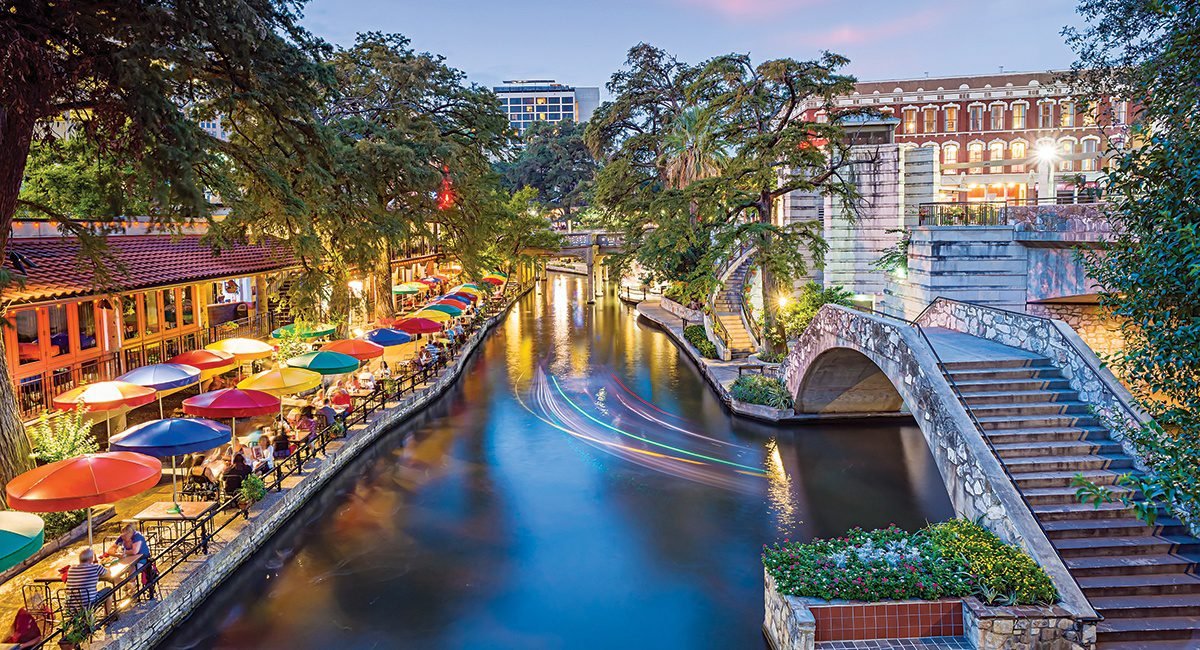
The San Antonio River Walk (Paseo del Río) is the city’s most iconic attraction and a centerpiece of daily life for locals and visitors alike.
Winding through downtown, this 15-mile network of stone pathways follows the San Antonio River, lined with lively cafés, shops, hotels, museums, and cultural landmarks.
More than just a tourist spot, the River Walk is the city’s heartbeat, where history, dining, nightlife, and leisure come together.
One of the highlights is the narrated riverboat cruise, which offers a relaxing way to learn about the city’s history while gliding past historic buildings, modern architecture, and colorful murals.
In the evenings, the River Walk transforms with twinkling lights reflecting off the water, making it a romantic setting for couples and a fun nightlife hub for friends.
Beyond its downtown stretch, the River Walk connects to other districts such as the Museum Reach, featuring outdoor art installations and the San Antonio Museum of Art, and the Mission Reach, which links to four historic Spanish colonial missions south of downtown.
This makes the River Walk not just a scenic attraction but also a practical way to explore San Antonio’s history and culture.
Traveler Tips:
- Dining: Popular restaurants like Boudro’s Texas Bistro and Casa Rio offer riverside dining with Tex-Mex and Texas specialties.
- Events: During holidays such as Christmas and Fiesta San Antonio, the River Walk is decorated with lights and festive parades that make it even more magical.
- Insider experience: Walk the less-crowded sections in the early morning for a peaceful atmosphere and great photography opportunities.
The River Walk isn’t simply a place to visit—it’s an experience to live.
Whether you’re enjoying breakfast by the river, listening to mariachi music at night, or using it as a gateway to the city’s museums and missions, the River Walk embodies the charm and energy that defines San Antonio.
3. San Antonio Missions National Historical Park (UNESCO Site)
While the Alamo is the most famous, San Antonio is home to four other beautifully preserved Spanish colonial missions that together make up the San Antonio Missions National Historical Park.
Recognized as a UNESCO World Heritage Site in 2015, this collection of missions tells the story of Spanish colonization and the blending of cultures that shaped early Texas.
The four missions include:
- Mission Concepción – Known for its original frescoes and being the oldest unrestored stone church in the United States.
- Mission San José – Often called the “Queen of the Missions” for its size and stunning baroque architecture, including the famous Rose Window.
- Mission San Juan Capistrano – A smaller mission, notable for its farming history and fertile lands along the river.
- Mission Espada – The oldest mission in San Antonio, with a charming stone chapel and original aqueduct system that is still visible today.
Exploring these missions gives visitors a glimpse into the religious, agricultural, and cultural life of the 18th century.
Each mission still serves as an active parish, creating a unique combination of living history and spiritual heritage.
The Mission Reach Trail, an eight-mile extension of the River Walk, connects all four missions.
Travelers can walk, bike, or even kayak between them while enjoying scenic river views and native landscapes. This allows visitors to experience both history and nature in one journey.
Traveler Tips:
- Admission: Free entry at all missions, though donations are encouraged.
- Best way to explore: Rent a bike and cycle along the Mission Reach Trail for a full-day adventure.
- Don’t miss: The Sunday Mariachi Mass at Mission San José, a moving cultural and spiritual experience.
Visiting the San Antonio Missions offers far more than a history lesson—it’s a chance to connect with the city’s deep cultural roots and appreciate the endurance of communities that helped shape modern Texas.
4. San Fernando Cathedral & Main Plaza Light Show
The San Fernando Cathedral is not only the spiritual heart of San Antonio but also one of the oldest continuously operating cathedrals in the United States.
Founded in 1731 by Canary Island settlers, it stands as a living piece of history and a striking example of Gothic Revival and colonial architecture.
Inside, the cathedral is peaceful and awe-inspiring, with stained-glass windows, intricate stonework, and centuries of stories etched into its walls.
It also holds the remains of several defenders of the Alamo, making it a site of both spiritual and historic importance.
While the cathedral is impressive by day, it truly comes alive at night with the San Antonio | The Saga, a world-class video art installation projected onto the cathedral’s façade.
This 24-minute light and sound show, created by French artist Xavier de Richemont, tells the story of San Antonio’s 300-year history—blending imagery, music, and color into a captivating performance that’s free for the public.
The surrounding Main Plaza is a lively gathering place where locals and travelers come together to enjoy food trucks, live music, and cultural events.
The plaza’s festive energy paired with the cathedral’s grandeur makes this a must-visit experience in downtown San Antonio.
Traveler Tips:
- Best viewing: Arrive early for “The Saga” to secure a good spot in front of the cathedral.
- Cost: The light show is free, making it one of the best-value cultural experiences in the city.
- Timing: Check the official schedule, as the show typically runs several nights a week, with multiple performances per evening.
Visiting San Fernando Cathedral offers two distinct experiences—quiet reflection inside during the day and vibrant cultural storytelling outside at night.
Together, they showcase San Antonio’s ability to honor its history while celebrating its vibrant present.
5. Market Square (El Mercado) & Mexican Culture
If the Alamo tells the story of Texas independence, Market Square (El Mercado) tells the story of San Antonio’s soul.
Recognized as the largest Mexican market in the United States, this vibrant three-block outdoor plaza is filled with restaurants, artisan shops, and stalls that reflect the city’s deep Mexican heritage.
Walking through Market Square feels like stepping into a traditional Mexican marketplace.
Brightly painted storefronts overflow with handcrafted goods, from embroidered dresses and leather belts to colorful ceramics and folk art.
Street performers and mariachi bands often provide live music, creating an atmosphere that’s festive and distinctly local.
At the heart of Market Square is Mi Tierra Café y Panadería, a San Antonio institution since 1941.
Open 24 hours, Mi Tierra is famous for its Tex-Mex dishes, traditional pan dulce (Mexican pastries), and festive décor that includes murals honoring local legends and year-round holiday lights.
Eating here is not just a meal—it’s part of the cultural experience.Market Square is also the site of many annual events and festivals.
During Cinco de Mayo and Fiesta San Antonio, the plaza comes alive with parades, live entertainment, and authentic cuisine.
Even on regular days, visitors can enjoy street tacos, aguas frescas, and sweet treats while browsing for souvenirs.
Traveler Tips:
- Shopping: Don’t miss the indoor Mercado, which houses more than 30 specialty shops.
- Dining: Try the enchiladas at Mi Tierra or enjoy casual bites from the food stalls.
- Best time to go: Visit on weekends for live music and performances, though weekdays are less crowded for shopping.
Market Square is more than a shopping destination—it’s a cultural celebration of the city’s Mexican roots.
For travelers seeking to experience the authentic flavors, sounds, and traditions of San Antonio, El Mercado is an essential stop.
6. Pearl District: Trendy Eats & Boutique Shopping
Once the site of a historic brewery, the Pearl District has transformed into one of San Antonio’s most vibrant cultural and culinary hubs.
Located just north of downtown along the River Walk’s Museum Reach, the district blends restored industrial architecture with modern design, creating a stylish neighborhood that’s equally appealing to locals and travelers.
The Pearl is best known for its culinary scene, which rivals any in Texas. Here, you’ll find an eclectic mix of restaurants run by award-winning chefs, craft breweries, and bakeries serving everything from gourmet tacos to farm-to-table fare.
Standouts include Cured, a charcuterie-focused eatery housed in the former brewery administration building, and Southerleigh Fine Food & Brewery, which pairs inventive Texas cuisine with craft beer brewed on-site.
Another highlight is the Pearl Farmers Market, held every Saturday and Sunday. This bustling open-air market showcases locally grown produce, artisanal foods, and handmade goods.
It’s a favorite weekend activity for locals and a great way for visitors to taste the flavors of South Texas.
Beyond food, the Pearl District offers boutique shopping, art galleries, and cultural events throughout the year.
You can browse stylish clothing shops, pick up Texas-made goods, or attend seasonal celebrations like Dia de los Muertos and holiday markets.
The district also hosts live music and outdoor yoga sessions, adding to its lively, community-focused atmosphere.
At the heart of it all is Hotel Emma, a luxury boutique hotel built inside the old brewery.
With its unique design blending industrial history and modern elegance, it has become one of San Antonio’s most iconic places to stay.
Traveler Tips:
- Dining: Make reservations at popular spots, as the Pearl’s restaurants often book up quickly.
- Getting there: Easily accessible by car, rideshare, or a scenic River Walk stroll from downtown.
- Don’t miss: Evening walks when the district’s restored brick buildings are lit up, creating a warm, inviting glow.
The Pearl District is where San Antonio’s history meets its modern identity—stylish, creative, and rooted in community.
For foodies, shoppers, and culture seekers, it’s one of the city’s most rewarding neighborhoods to explore.
7. Japanese Tea Garden & Brackenridge Park
Tucked away just minutes from downtown, the Japanese Tea Garden is one of San Antonio’s most serene and picturesque escapes.
Originally a rock quarry in the late 19th century, the site was transformed into a lush garden in the 1910s, featuring stone bridges, a dramatic waterfall, and winding pathways surrounded by vibrant flowers and koi-filled ponds.
It’s a place where visitors can slow down, enjoy nature, and experience a side of San Antonio that feels worlds away from the busy River Walk.
The garden’s stone pavilion offers beautiful views of the lily ponds below, making it a favorite spot for photography, picnics, or quiet reflection.
Admission is free, making it one of the best-value attractions in the city. Within the garden, the Jingu House Café serves light refreshments and teas, offering a peaceful break in the middle of your visit.
Adjacent to the Japanese Tea Garden is Brackenridge Park, a sprawling urban green space that’s home to some of San Antonio’s most popular attractions.
Families can enjoy the San Antonio Zoo, which houses more than 750 species, or ride the miniature Brackenridge Eagle Train that circles the park.
Outdoor enthusiasts will find plenty of walking trails, picnic spots, and shady oak groves perfect for a leisurely afternoon.
The park also has historic ties—it sits on land that has been a gathering place for humans for thousands of years, with archaeological evidence of settlements dating back over 12,000 years.
This long history adds another layer of significance to the natural beauty of the area.
Traveler Tips:
- Best time to visit: Spring and fall, when flowers are in full bloom and temperatures are comfortable.
- Photography: Arrive early in the morning to capture the gardens without crowds.
- Combination visit: Pair your trip with nearby attractions like the Witte Museum and the San Antonio Zoo.
The Japanese Tea Garden and Brackenridge Park together offer a refreshing balance to San Antonio’s urban energy—providing history, nature, and relaxation in one of the city’s most scenic settings.
8. Tower of the Americas: City Views from Above
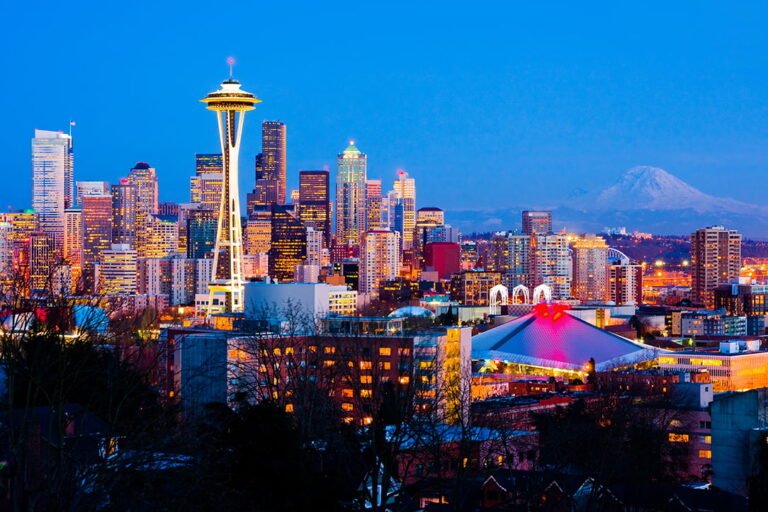
Rising 750 feet above San Antonio’s skyline, the Tower of the Americas is the city’s answer to Seattle’s Space Needle—a landmark built for the 1968 HemisFair World’s Fair that remains one of San Antonio’s top attractions today.
For visitors, it offers both history and a chance to see the city from a whole new perspective.
The highlight of any visit is the observation deck, which provides panoramic views stretching up to 50 miles on a clear day.
From here, you can spot the Alamo, the River Walk, and even the rolling Texas Hill Country in the distance.
Interactive exhibits and telescopes help visitors connect with the city’s landmarks, making it an educational stop as well as a scenic one.
For dining with a view, the Chart House Restaurant sits at the top of the tower and slowly rotates, giving diners a 360-degree view of San Antonio as they enjoy steaks, seafood, and Texas-inspired dishes.
It’s particularly popular at sunset, when the city lights begin to glow against the evening sky.
In addition to the observation deck, the Tower also features a 4D Theater Ride that combines motion seats, wind, and sound effects to showcase Texas landscapes and culture in an immersive way—great for kids and families.
Traveler Tips:
- Best time to visit: Go just before sunset to enjoy both daytime views and the city lit up at night.
- Tickets: Admission includes access to the observation deck and 4D theater.
- Insider note: Reservations are recommended for the Chart House, especially on weekends.
The Tower of the Americas isn’t just about sightseeing—it’s about experiencing San Antonio from above.
Whether you’re dining at the top, snapping skyline photos, or learning about Texas in the 4D ride, the Tower offers a perspective that ties the city together in one unforgettable visit.
9. San Antonio Museum of Art & McNay Art Museum
San Antonio isn’t only about history and outdoor adventures—it also has a thriving art scene, anchored by two standout museums that appeal to both casual visitors and serious art lovers.
San Antonio Museum of Art (SAMA)
Housed in a former brewery along the Museum Reach of the River Walk, SAMA is known for having one of the most comprehensive collections in the southern United States.
Its galleries span 5,000 years of history, showcasing everything from ancient Egyptian artifacts and Greek sculptures to Latin American folk art and contemporary works.
The museum also features a renowned collection of Asian art, making it a truly global experience.
For travelers who enjoy blending culture with leisure, its riverside location makes it easy to pair a museum visit with a stroll along the River Walk.
McNay Art Museum
Located just a short drive from downtown, the McNay Art Museum offers a very different experience.
Set in a Spanish Colonial Revival mansion surrounded by gardens, it was the first modern art museum in Texas.
The McNay is especially loved for its impressive collection of 20th-century European and American art, with works by masters such as Picasso, Monet, and Georgia O’Keeffe.
Rotating exhibitions bring fresh perspectives, while the serene setting makes the museum feel more intimate than traditional galleries.
Traveler Tips:
- Admission: Both museums offer free days and discounts—check their schedules before visiting.
- Best for families: SAMA’s interactive programs and kid-friendly exhibits make it appealing for younger visitors.
- Best for art lovers: The McNay is perfect for those who appreciate modern and impressionist art in a beautiful, tranquil setting.
Together, these two museums showcase the diversity of San Antonio’s art culture—one deeply global and encyclopedic, the other focused on modern creativity in a historic Texas home.
For travelers looking to balance history with art, these stops are essential.
10. Hemisfair Park & Yanaguana Garden
San Antonio’s Hemisfair Park is a lively downtown destination that blends history, culture, and family-friendly fun.
Originally built to host the 1968 HemisFair World’s Fair, the area has since been reimagined into a vibrant urban park that locals and visitors alike enjoy year-round.
It’s also where you’ll find the iconic Tower of the Americas, anchoring the skyline.
One of the park’s biggest draws today is the Yanaguana Garden, a creative, family-focused space filled with imaginative playgrounds, splash pads, climbing structures, and art installations.
Designed with kids in mind, it’s also a favorite spot for adults, offering shaded seating, food vendors, and space to relax.
The name “Yanaguana” comes from the Payaya people’s word for the San Antonio River, honoring the area’s Indigenous heritage.
Beyond the garden, Hemisfair Park often hosts festivals, concerts, and community events, ranging from outdoor movie nights to cultural celebrations.
The open lawns and event spaces make it a go-to gathering place in the heart of the city.
The park also has strong ties to history. Walking through the grounds, you’ll see remnants of the 1968 World’s Fair, as well as new developments that blend modern urban design with San Antonio’s heritage.
With the ongoing Hemisfair revitalization project, the park continues to evolve as a centerpiece of downtown life.
Traveler Tips:
- Admission: Free entry, with activities suitable for all ages.
- Best for: Families traveling with children, or anyone looking for a relaxing green space downtown.
- Nearby attractions: Tower of the Americas, La Villita Historic Arts Village, and the River Walk.
Hemisfair Park and Yanaguana Garden represent San Antonio’s balance of past and present—honoring its World’s Fair history while creating a space that fosters community, creativity, and play.
11. Natural Bridge Caverns: Underground Adventure
Just 30 minutes north of downtown San Antonio lies one of Texas’s most remarkable natural wonders—the Natural Bridge Caverns.
Discovered in 1960 by a group of college students, these vast underground chambers take their name from the massive 60-foot natural limestone bridge that spans the cave’s entrance.
Today, they’re not only a National Natural Landmark but also one of the most visited attractions in the region.
Visitors can choose from a variety of guided tours that showcase the caverns’ dramatic stalactites, stalagmites, and other geological formations.
The popular Discovery Tour highlights the largest and most breathtaking chambers, while the Hidden Passages Tour ventures into darker, narrower sections where delicate formations glisten under subtle lighting.
For those seeking more thrill, the Adventure Tour allows you to gear up and explore undeveloped areas much like the original discoverers did.
Above ground, the caverns offer even more excitement. Families can enjoy the Twisted Trails Adventure Course, which features zip rails, rope challenges, and climbing obstacles, or test their skills in the massive outdoor maze.
For younger kids, there are gem and fossil mining stations that combine fun with education.
Nearby, the Natural Bridge Wildlife Ranch provides a safari-style drive-through experience with exotic animals like giraffes, zebras, and ostriches—making it easy to pair both attractions into a full-day adventure.
Traveler Tips:
- Best time to visit: Summer can be crowded, so weekdays or mornings are ideal. Inside the caverns, temperatures stay around 70°F year-round, making it a refreshing break from Texas heat.
- Tickets: Advance reservations are recommended, especially during peak travel seasons.
- Insider note: Wear comfortable shoes—paths inside the caverns can be damp and uneven.
Natural Bridge Caverns is more than just a sightseeing stop—it’s an immersive experience that showcases the beauty and power of nature, offering adventure, science, and family fun all in one destination.
12. SeaWorld San Antonio & Aquatica Water Park
For families and animal lovers, SeaWorld San Antonio is one of the city’s most popular attractions.
Spanning more than 250 acres, it’s the largest SeaWorld park in the United States and combines marine life encounters, thrilling rides, and live entertainment.
Visitors can watch spectacular shows featuring dolphins, sea lions, and orcas, or get up close with animals through behind-the-scenes tours and interactive exhibits.
The park emphasizes marine education and conservation, making it not only entertaining but also informative for kids and adults alike.
Animal lovers will particularly enjoy the Penguin Encounter and the chance to see sharks and rays in immersive exhibits.
For thrill-seekers, SeaWorld offers adrenaline-pumping roller coasters like the Steel Eel hypercoaster and the Great White inverted coaster.
Younger children have plenty of options too, with kid-friendly rides, play areas, and splash zones.
Next door, Aquatica San Antonio provides the perfect way to cool off in the Texas heat. This water park features wave pools, lazy rivers, and water slides of all sizes, from relaxing floats to high-speed plunges.
The park is also themed with lush landscaping and sandy beaches, creating a tropical escape within the city.
Traveler Tips:
- Best time to visit: Weekdays outside of peak summer months for shorter lines.
- Tickets: Combo tickets for SeaWorld and Aquatica are available and often the best value.
- Insider note: Bring sunscreen and arrive early to secure shaded spots, especially during summer.
SeaWorld and Aquatica together make for a full day—or even a weekend—of fun.
They offer a balance of education, thrill rides, and water play, making them some of the best family-friendly attractions in San Antonio.
13. Six Flags Fiesta Texas: Theme Park Thrills
If you’re looking for an adrenaline rush, Six Flags Fiesta Texas is the ultimate destination in San Antonio for thrill rides, live shows, and family fun.
Opened in 1992 on the site of a former limestone quarry, the park is uniquely set against towering rock walls that create a dramatic backdrop for roller coasters and live entertainment.
Six Flags Fiesta Texas is home to some of the most exciting rides in the region. Highlights include:
- Iron Rattler – A hybrid wooden and steel coaster known for its steep first drop and smooth ride.
- Wonder Woman Golden Lasso Coaster – The world’s first single-rail roller coaster, offering a fast and innovative ride experience.
- Superman Krypton Coaster – One of the tallest floorless coasters in the world, with sweeping views and powerful loops.
Beyond the thrill rides, the park also caters to families with gentler attractions and kids’ zones themed around Looney Tunes and DC Comics characters.
In the summer, visitors can cool off at White Water Bay, a full water park included with admission, featuring wave pools, lazy rivers, and water slides.
Six Flags is also known for its seasonal events, which transform the park throughout the year.
During Fright Fest, the park becomes a haunted wonderland filled with scare zones and haunted houses.
In winter, Holiday in the Park brings festive lights, seasonal shows, and holiday-themed rides.
Traveler Tips:
- Best time to visit: Spring and fall offer cooler weather and shorter lines compared to peak summer.
- Tickets: Buy online in advance to save money, and consider a fast pass to skip long lines on weekends.
- Insider note: Stay late—nighttime rides with the quarry walls lit up are a completely different experience.
Six Flags Fiesta Texas combines world-class roller coasters with family entertainment and seasonal events, making it a must-visit for thrill-seekers and fun lovers in San Antonio.
14. King William Historic District
For travelers who appreciate history, architecture, and charm, the King William Historic District offers a refreshing change of pace from San Antonio’s bustling downtown.
Located just south of the River Walk, this neighborhood is one of the city’s most picturesque areas and is designated as a National Historic District.
The district dates back to the mid-1800s, when German immigrants, many of whom were successful merchants, built grand homes along the San Antonio River.
They named the neighborhood after King Wilhelm I of Prussia, and today it remains one of the best-preserved historic neighborhoods in Texas.
Walking through the King William area feels like stepping back in time. Streets lined with massive oak trees shade elegant Victorian mansions, Greek Revival homes, and Italianate villas.
Some of these historic houses have been converted into museums, galleries, and bed-and-breakfasts, while others remain private residences that showcase the neighborhood’s continued vitality.
A highlight of the district is the Steves Homestead Museum, an 1876 mansion offering guided tours that reveal the lifestyle of San Antonio’s 19th-century elite.
The neighborhood is also known for its artistic vibe, with local studios and galleries showcasing contemporary works within historic settings.
For dining and relaxation, King William blends culture with cuisine. You’ll find charming coffee shops, riverside patios, and restaurants that highlight both German and Tex-Mex influences.
Pair your stroll with brunch at a café or enjoy a leisurely afternoon in one of the shaded pocket parks.
Traveler Tips:
- Best way to explore: Take a walking or biking tour for the full historic and architectural experience.
- Timing: Visit in the morning or late afternoon for cooler weather and softer light for photography.
- Nearby attractions: The district is adjacent to the Blue Star Arts Complex, a hotspot for art galleries, craft breweries, and nightlife.
The King William Historic District is more than just a neighborhood—it’s a living museum that captures San Antonio’s European influences and historic elegance.
For anyone who loves architecture and culture, it’s one of the city’s most rewarding areas to explore.
15. La Villita Historic Arts Village
Nestled along the banks of the River Walk, La Villita Historic Arts Village is one of San Antonio’s oldest neighborhoods and a hub for local art, culture, and history.
Once a small community that housed Spanish soldiers and later European immigrants, La Villita has been transformed into a vibrant village of artisan shops, galleries, and cultural venues, while still preserving its historic roots.
The district consists of one-square block of preserved 18th- and 19th-century adobe and Victorian-style buildings, now home to working artists and craftspeople.
Here, you can browse for handmade jewelry, pottery, textiles, paintings, and other one-of-a-kind souvenirs.
Each studio or shop offers something unique, giving visitors a chance to support local artists while taking home authentic pieces of San Antonio’s culture.
La Villita is also known for its role as a cultural gathering place. Throughout the year, it hosts festivals, performances, and markets that bring the community together.
One of the most famous events is Fiesta San Antonio, when La Villita becomes a central stage for music, parades, and celebrations.
The historic Arneson River Theatre, an outdoor amphitheater along the River Walk, is part of the village and regularly hosts concerts, folkloric dances, and cultural shows with the river as a backdrop.
Traveler Tips:
- Shopping: Prices here vary from affordable crafts to fine art, making it easy to find something for every budget.
- Timing: Weekdays are less crowded, but weekends often bring live music and cultural activities.
- Nearby attractions: Located steps away from Hemisfair Park, the River Walk, and San Fernando Cathedral, making it easy to combine into a downtown itinerary.
La Villita offers more than just shopping—it’s a cultural immersion that showcases the creativity and diversity of San Antonio’s artistic community.
For travelers seeking an authentic, historic, and artistic experience, this charming village is a must-visit.
16. San Antonio Botanical Garden: A Living Tapestry of Nature
If you want to slow down and soak in San Antonio’s natural beauty, the San Antonio Botanical Garden is the perfect escape.
Spanning 38 acres, this garden is more than just a collection of plants—it’s a living classroom, a cultural hub, and a sanctuary for anyone seeking peace amid vibrant landscapes.
The garden highlights the incredible diversity of Texas flora through the Texas Native Trail, which showcases ecosystems from the Hill Country, East Texas Pineywoods, and South Texas Plains.
Strolling along these trails gives visitors a glimpse of the state’s distinct environments—all in one place.
Other highlights include the Lucile Halsell Conservatory, a striking glass structure that houses plants from desert, tropical, and aquatic habitats.
Families love the Family Adventure Garden, designed with play areas, water features, and interactive exhibits for children to connect with nature.
Seasonal events such as Lightscape, an immersive holiday light trail, turn the garden into a magical experience at night.
The garden also doubles as a cultural venue, hosting cooking classes, wellness workshops, and outdoor concerts.
It’s a place where nature, art, and community intersect, making it more than just a pretty landscape.
Traveler Tips:
- Best time to visit: Spring for colorful blooms, or winter evenings for Lightscape.
- Dining: Enjoy fresh, garden-inspired meals at the onsite Garden Café.
- Photography: Bring your camera—the seasonal gardens and conservatory provide stunning backdrops.
The San Antonio Botanical Garden is a feast for the senses, offering color, fragrance, and tranquility all in one stop.
It’s an ideal destination for couples, families, and solo travelers looking to reconnect with nature.
17. Day Trips from San Antonio: Wine, Music & Hill Country Charm
While San Antonio itself has plenty to offer, some of the most rewarding experiences lie just beyond the city.
A short drive into the Texas Hill Country reveals rolling landscapes, charming small towns, and experiences that add depth to any San Antonio itinerary.
Fredericksburg – Texas Wine Country
Just over an hour’s drive from San Antonio, Fredericksburg is the heart of Texas wine country, boasting more than 50 wineries and tasting rooms.
The town blends German heritage with modern charm, offering everything from schnitzel dinners to vineyard tours.
Strolling down Main Street, visitors will find boutique shops, art galleries, and authentic bakeries.
Gruene Historic District – Music & Nostalgia
For music lovers, Gruene (pronounced “Green”) is a can’t-miss destination. The town’s crown jewel is Gruene Hall, Texas’s oldest dance hall, where legends like Willie Nelson and George Strait once performed.
Even today, live music fills the hall nightly, creating an authentic Texas experience. Gruene is also known for its antique stores, riverside dining, and opportunities to go tubing on the Guadalupe River.
Other Hill Country Highlights
- Boerne: A quaint town with boutique shopping and natural attractions like the Cibolo Nature Center.
- New Braunfels: Famous for water recreation and its lively German heritage festivals.
- Canyon Lake: A beautiful spot for boating, fishing, and scenic lake views.
Traveler Tips:
- Getting around: Renting a car is the easiest way to explore Hill Country towns.
- Best time to visit: Spring brings wildflowers, including the famous Texas bluebonnets, while fall is great for wine harvest festivals.
- Local insight: Plan to stay overnight in Fredericksburg or Gruene for a true small-town Texas experience.
These day trips showcase the soul of Texas beyond San Antonio, from the vineyards of Fredericksburg to the dance halls of Gruene.
They’re perfect for travelers who want to add a taste of the Hill Country to their city adventure.
18. Seasonal Events & Festivals: Celebrate San Antonio All Year Long
San Antonio isn’t just a city of landmarks—it’s a city that lives and breathes festivals.
Throughout the year, the streets, plazas, and riverbanks come alive with celebrations that highlight the city’s multicultural roots, vibrant arts scene, and Tex-Mex spirit.
If you time your visit right, you’ll experience San Antonio at its most colorful and lively.
Fiesta San Antonio
The crown jewel of the city’s festivals, Fiesta San Antonio is a 10-day citywide party held every April.
What began in 1891 as a flower parade to honor the Alamo heroes has evolved into one of the largest festivals in the United States.
Expect parades, food fairs, live music, cultural performances, and over 100 events spread across the city.
Highlights include the Battle of Flowers Parade and Night in Old San Antonio (NIOSA), where La Villita transforms into a global street fair.
Día de los Muertos (Day of the Dead)
San Antonio hosts one of the most vibrant Día de los Muertos celebrations outside of Mexico.
Colorful altars, traditional music, and giant skeleton puppets fill downtown, offering a mix of reverence and festivity that celebrates life and heritage.
Holiday River Walk Lights
During the holiday season, the San Antonio River Walk glows with over 100,000 sparkling lights strung through the cypress trees.
The Ford Holiday River Parade, complete with decorated floats drifting along the river, is one of the city’s most magical traditions.
Other Must-See Events
- Texas Folklife Festival: Celebrates the state’s cultural diversity with food, dance, and crafts.
- San Antonio Stock Show & Rodeo: A February tradition with concerts, livestock shows, and classic rodeo competitions.
- Culinaria Wine + Food Festival: A foodie favorite showcasing San Antonio’s culinary scene.
Traveler Tips:
- Plan ahead: Hotels fill quickly during major festivals like Fiesta—book months in advance.
- Budget tip: Many festival events, especially parades and concerts in public plazas, are free.
- Local insight: Join locals in collecting Fiesta medals, a beloved tradition that has become a citywide treasure hunt.
San Antonio’s festivals aren’t just events—they’re immersive experiences that showcase the city’s energy, creativity, and traditions.
No matter when you visit, there’s a good chance you’ll stumble into a celebration worth joining.
19. San Antonio Food Scene: A Flavorful Journey Through Cultures
San Antonio isn’t just a feast for the eyes—it’s also a culinary powerhouse that blends Tex-Mex traditions, Mexican heritage, and modern innovation.
In fact, UNESCO recognized San Antonio as a Creative City of Gastronomy, making it one of only two cities in the U.S. with this distinction.
From sizzling fajitas to inventive fine dining, the city’s food reflects its diverse history.
Tex-Mex staples like enchiladas, tacos, and chile con queso can be found at legendary eateries such as Mi Tierra Café y Panadería or Rosario’s Mexican Café Y Cantina.
For authentic Mexican flavors, head to La Gloria at the Pearl or try street-style tacos at a local taquería.
San Antonio also has a thriving barbecue scene, with brisket, ribs, and smoked sausages rivaling any in Texas.
For something upscale, the Pearl District’s chef-driven restaurants, like Cured and Supper, showcase farm-to-table dining with creative twists.
And let’s not forget dessert: from pan dulce (Mexican sweet bread) to paletas (frozen fruit pops), San Antonio’s sweet treats are just as memorable as its savory dishes.
Traveler Tips:
- Don’t miss: Puffy tacos, a San Antonio specialty where fried tortillas puff up into delicious pockets.
- Foodie events: Check out Culinaria Festival Week, highlighting the best chefs, wines, and restaurants in the city.
- Local insight: Skip the chains—San Antonio’s family-run restaurants and food trucks often serve the most authentic flavors.
San Antonio’s food scene is as much a part of the city’s identity as the Alamo or River Walk. Every meal here is a chance to taste the cultural blend that makes this city unforgettable.
20. San Antonio Nightlife: Live Music, Bars & Dancing
When the sun sets, San Antonio comes alive with a nightlife scene that’s as diverse as its culture.
From lively dance halls to rooftop bars overlooking the skyline, the city offers something for every kind of night owl.
Live Music & Dance Halls
San Antonio has a proud music heritage, and you’ll find live performances every night of the week.
The Aztec Theatre and Majestic Theatre host concerts in beautifully restored historic venues, while smaller bars and clubs feature everything from rock to jazz.
For a true Texas experience, head to a dance hall like John T. Floore’s Country Store or Gruene Hall (just outside the city) where locals two-step to live country music.
Bars & Breweries
The city’s craft beer scene is booming, with spots like Freetail Brewing and Alamo Beer Company offering local brews in fun, social settings.
Along the River Walk, you’ll find everything from upscale cocktail lounges to casual margarita bars.
The Pearl District also shines at night with trendy bars, wine lounges, and patios that buzz with energy.
Rooftop Views & Late-Night Eats
For sweeping city views, Paramour Rooftop Bar is a favorite, offering creative cocktails and stunning skyline scenery.
And no San Antonio night out is complete without some late-night bites—whether it’s tacos from a food truck or Tex-Mex staples from 24-hour eateries like Mi Tierra Café y Panadería.
Traveler Tips:
- Dress code: Casual works almost everywhere, but upscale bars may have stricter rules.
- Best neighborhoods: Downtown, the Pearl, and St. Mary’s Strip are nightlife hotspots.
- Local insight: Tejano music is huge in San Antonio—catch a live set for an authentic cultural experience.
San Antonio’s nightlife reflects the city itself—energetic, welcoming, and full of variety.
Whether you’re dancing under neon lights or sipping cocktails under the stars, the city knows how to keep the night going.
21. San Antonio Sports & Outdoor Adventures: From Spurs to Kayaking
San Antonio isn’t just about history and culture—it’s also a city that loves its sports and outdoor activities.
Whether you’re cheering for the home team or exploring the great outdoors, the city offers plenty of ways to stay active and adventurous.
Spurs Basketball: A City’s Pride
Sports fans know that San Antonio is home to the San Antonio Spurs, one of the NBA’s most successful franchises.
Watching a game at the Frost Bank Center is more than just basketball—it’s a community event that unites the entire city.
The electric atmosphere, enthusiastic fans, and world-class talent make attending a Spurs game a bucket-list experience for any sports lover.
Kayaking & Paddleboarding the River
For those who prefer the outdoors, the San Antonio River and nearby waterways provide great opportunities for kayaking and paddleboarding.
The Mission Reach section of the River Walk is especially popular, offering calm waters surrounded by natural beauty and historic missions along the route.
Hiking & Biking Trails
San Antonio is also surrounded by excellent trails. Government Canyon State Natural Area, just outside the city, features over 40 miles of hiking and biking paths, including trails that lead to real dinosaur tracks preserved in limestone.
Within the city, the Greenway Trails System offers more than 80 miles of scenic trails perfect for cycling, jogging, or walking.
Golf & Other Outdoor Fun
Golf enthusiasts can tee off at top-rated courses like the TPC San Antonio, which hosts PGA Tour events.
Families can also enjoy outdoor adventure parks, zip lines, and nature preserves within a short drive of downtown.
Traveler Tips:
- Tickets: Buy Spurs tickets early, as games often sell out, especially during playoff season.
- Best time for outdoor activities: Fall and spring provide cooler weather for hiking and kayaking.
- Local insight: Rent bikes downtown to combine sightseeing with an active adventure.
From the roar of a basketball crowd to the quiet paddle of a kayak along the river, San Antonio proves it’s a city where sports and nature thrive side by side.
22. Hidden Gems of San Antonio: Off-the-Beaten-Path Experiences
While San Antonio’s famous landmarks draw millions of visitors each year, the city also rewards those who go beyond the obvious.
Tucked away in neighborhoods and lesser-known corners are hidden gems that reveal a more intimate, authentic side of the Alamo City.
Briscoe Western Art Museum
Overlooking the River Walk, the Briscoe Western Art Museum showcases the culture of the American West through art, artifacts, and storytelling.
From cowboy gear to Native American artifacts, it’s a fascinating stop that many travelers miss.
San Pedro Springs Park
As the oldest public park in Texas, San Pedro Springs Park is both historic and relaxing.
Locals love it for its shaded picnic spots, natural spring-fed pool, and open-air theater. It’s less crowded than Brackenridge Park but just as charming.
Historic Hot Wells Hotel & Baths
This partially restored ruin of a once-famous hot springs resort offers a glimpse into San Antonio’s quirky history.
It was a luxury getaway in the early 1900s and is now a park blending history with local community art and events.
Southtown Arts District
Just south of downtown, Southtown is a vibrant, artsy neighborhood filled with galleries, murals, indie shops, and craft breweries.
It’s the place to discover San Antonio’s creative pulse away from the main tourist trail.
Traveler Tips:
- Best for: Travelers who want a deeper cultural experience beyond the Alamo and River Walk.
- When to go: Weekends are livelier in Southtown with art walks and pop-up markets.
- Local insight: Talk to artists and shop owners—you’ll often hear personal stories that enrich your visit.
Exploring these hidden gems gives you a sense of the “real San Antonio”—a city full of history, creativity, and surprises waiting beyond the guidebooks.
23. Conclusion: Why San Antonio Belongs on Your Travel List
San Antonio is a city where history, culture, and modern life converge in a way that feels both timeless and dynamic.
From iconic landmarks like the Alamo and River Walk to hidden gems in Southtown and the Hill Country beyond, every corner tells a story worth discovering.
Travelers can immerse themselves in centuries of heritage, savor world-class cuisine, join vibrant festivals, and enjoy adventures ranging from underground caverns to NBA games.
What sets San Antonio apart is its ability to balance the past and present—preserving Spanish missions while embracing a thriving food, art, and music scene.
It’s a place where families, couples, and solo travelers alike can find experiences that are meaningful, exciting, and memorable.
Whether you’re here for a weekend getaway or a longer journey, San Antonio leaves visitors with more than just memories—it leaves them with a deeper appreciation of Texas’s cultural soul.
So pack your bags, bring your curiosity, and let San Antonio surprise you.