20 Best Things to Do in San Francisco: Ultimate 2025 Travel Guide
Why San Francisco Should Be on Every Traveler’s Bucket List
San Francisco isn’t just another city on the map — it’s a destination where culture, history, and natural beauty blend in a way few other places can match.
Known as the “City by the Bay,” San Francisco draws over 25 million visitors each year who come for its iconic landmarks, diverse neighborhoods, and laid-back West Coast vibe.
What makes San Francisco special is its ability to surprise you at every turn.
One moment you’re standing on the windswept bluffs of Lands End gazing at the Pacific Ocean, and the next you’re sipping world-class coffee in the Mission District, surrounded by vibrant murals.
It’s a city where Victorian architecture stands shoulder-to-shoulder with sleek skyscrapers, and where cultural traditions from Chinatown to Little Italy add layers of depth to the local experience.
Travelers also find San Francisco incredibly versatile.
Whether you’re a foodie searching for fresh sourdough bread at the Ferry Building Marketplace, a history buff eager to step inside Alcatraz, or a nature lover biking across the Golden Gate Bridge, there’s something here to satisfy every passion.
And with the city’s compact layout, it’s surprisingly easy to explore — though you’ll quickly discover the famous steep hills are a workout on their own!
This guide will take you through the 20 best things to do in San Francisco, from world-famous icons to hidden gems known mostly to locals.
By the end, you’ll be ready to plan a trip that captures the spirit of the city — and maybe even fall in love with it enough to start planning your return before you’ve even left.
Golden Gate Bridge: San Francisco’s Timeless Icon
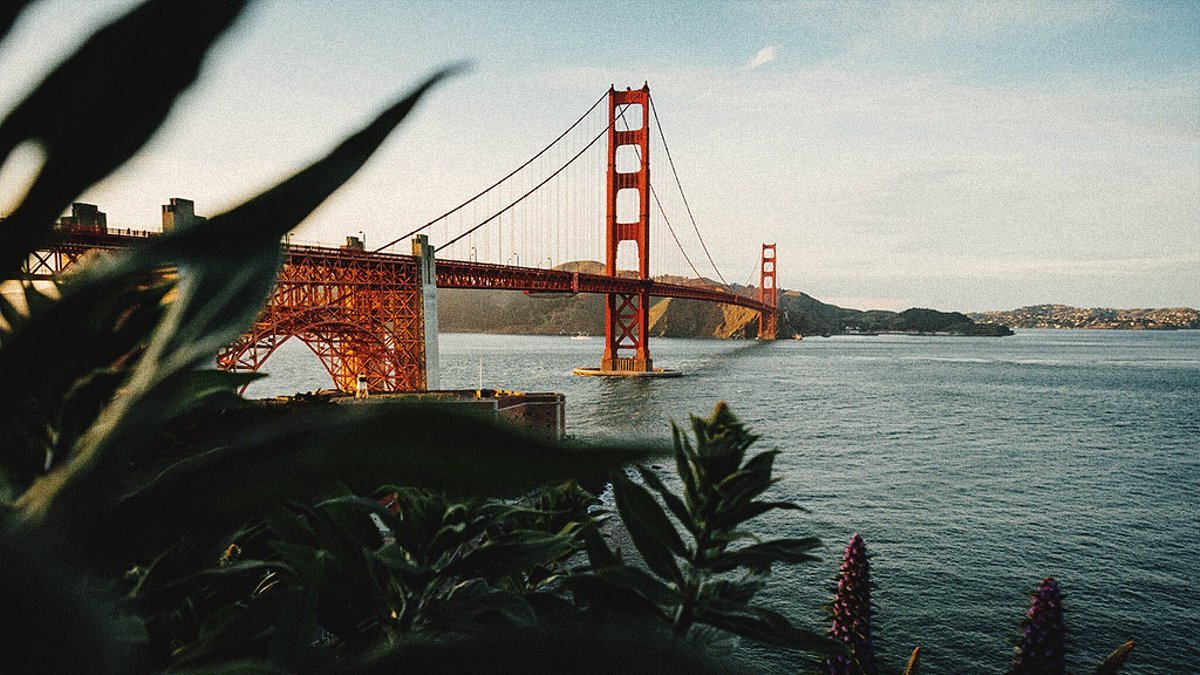
No visit to San Francisco is complete without experiencing the Golden Gate Bridge, one of the most recognized landmarks in the world.
Spanning 1.7 miles across the Golden Gate Strait, this striking orange-red suspension bridge connects San Francisco to Marin County and has been a symbol of the city since its opening in 1937.
Walk, Bike, or Drive: The Best Ways to Experience the Bridge
There are multiple ways to enjoy the Golden Gate Bridge, each offering a unique perspective:
- Walk Across the Bridge – Taking a stroll along the pedestrian walkway is an unforgettable experience. The entire walk is about 35 minutes one way, giving you sweeping views of the San Francisco skyline, Alcatraz, and the Pacific Ocean.
- Bike Across the Bridge – Renting a bike in Fisherman’s Wharf and cycling across to the charming town of Sausalito is a classic adventure. Once there, many travelers enjoy a waterside meal before catching the ferry back to San Francisco.
- Drive Across – If you’re short on time, driving across still provides that wow moment. But keep in mind there’s a toll when heading southbound into the city.
Hidden Viewpoints Most Tourists Miss
While the bridge is stunning from any angle, locals often head to lesser-known spots for the best photos:
- Battery Spencer (Marin Headlands) – Just across the bridge, this vantage point offers a postcard-perfect view of the entire span with the city behind it.
- Crissy Field – A relaxed beach park on the San Francisco side where you can picnic while enjoying the bridge rising over the bay.
- Baker Beach – Famous for its sandy shoreline and panoramic backdrop of the bridge with the Pacific waves rolling in.
Why It’s More Than Just a Bridge
The Golden Gate Bridge is more than an architectural marvel; it’s a cultural icon that represents innovation, resilience, and beauty.
At the time of its completion, it was the longest suspension bridge in the world, built against enormous engineering challenges.
Today, it stands as a testament to San Francisco’s pioneering spirit and remains one of the most photographed landmarks worldwide.
Visiting it isn’t just about crossing from one side to the other — it’s about feeling the magnitude of human achievement while surrounded by breathtaking natural scenery.
Alcatraz Island: From Infamous Prison to Must-Visit Landmark
Sitting just 1.25 miles offshore in the middle of San Francisco Bay, Alcatraz Island is one of the city’s most compelling attractions.
Known worldwide as “The Rock,” Alcatraz was once home to some of America’s most notorious criminals — including Al Capone and George “Machine Gun” Kelly — before becoming a fascinating historic site visited by over a million people each year.
Getting There: The Ferry Ride Experience
The only way to reach Alcatraz is by ferry from Pier 33 Alcatraz Landing.
The short ride across the bay is part of the adventure, offering sweeping views of the Golden Gate Bridge, the city skyline, and of course, the island itself as it comes into view.
Tickets often sell out weeks in advance, so it’s best to book early, especially during peak travel seasons.
Touring the Infamous Prison
Once on the island, visitors can step inside the former federal penitentiary, which operated from 1934 to 1963.
The award-winning self-guided audio tour (“Doing Time: The Alcatraz Cellhouse Tour”) brings history to life with firsthand stories from former guards and inmates.
Walking through the cold, narrow cells and the echoing mess hall provides a chilling sense of what life was like for prisoners confined here.
Highlights include:
- D Block (“The Hole”) – solitary confinement cells that give you a sobering glimpse of prison discipline.
- The Recreation Yard – where prisoners once caught their only fresh air and glimpses of freedom.
- Warden’s Office & Guard Towers – reminders of the strict surveillance system.
Night Tours vs. Day Tours
- Day Tours are great for first-time visitors, offering full access to the island’s historic sites, gardens, and trails.
- Night Tours provide a more atmospheric experience, with special programs, fewer crowds, and views of the city lights twinkling across the bay.
Beyond the Prison Walls
While most people focus on the prison, Alcatraz also has layers of unexpected beauty and history:
- The island’s gardens, restored by volunteers, showcase rare plants and colorful blooms.
- Birdwatchers flock here to spot nesting seabirds, including cormorants and gulls.
- Alcatraz also played a role in the Native American occupation of 1969–1971, a pivotal moment in Indigenous activism.
Why Alcatraz Captures the Imagination
Alcatraz is more than a prison-turned-museum — it’s a place that combines dark history, human resilience, and natural beauty.
The eerie cell blocks, contrasted with sweeping bay views, create an experience that sticks with you long after you leave.
It’s a reminder of how isolation and freedom can exist side by side in one of San Francisco’s most fascinating landmarks.
Fisherman’s Wharf & Pier 39: San Francisco’s Waterfront Playground
If San Francisco has a hub of tourist energy, it’s Fisherman’s Wharf, a lively waterfront district that combines seafood shacks, street performers, museums, and postcard-worthy views of the bay.
At the heart of it all lies Pier 39, a family-friendly attraction famous for its sea lions, shops, and restaurants.
Sea Lions, Street Performers & Waterfront Fun
One of Pier 39’s biggest draws is its resident sea lion colony.
Since the late 1980s, these playful animals have made the floating docks their home, barking, lounging, and splashing around for delighted crowds.
Watching them up close is free and endlessly entertaining.
Around the pier, you’ll also find jugglers, magicians, and musicians filling the air with excitement, making it one of the most animated spots in the city.
For families, the Aquarium of the Bay showcases 20,000 local marine animals, while thrill-seekers can hop on a Bay Cruise for sweeping views of the Golden Gate Bridge and Alcatraz.
Best Seafood Restaurants with a View
Fisherman’s Wharf has a long tradition of serving up the freshest catches from the Pacific. Some can feel touristy, but a few spots are worth the hype:
- Boudin Bakery Café – famous for its sourdough bread bowls filled with creamy clam chowder.
- Scoma’s Restaurant – a local favorite offering dock-to-dish seafood right on the water.
- Alioto’s – family-run since 1925, serving classic Italian seafood dishes with sweeping bay views.
If you want a more casual bite, grab Dungeness crab or shrimp cocktail from one of the outdoor stands along Jefferson Street — a classic Wharf experience.
Shopping & Attractions
Pier 39 isn’t just about food and sea lions. Its lively promenade features quirky shops selling everything from SF souvenirs to handcrafted jewelry.
Kids and adults alike love the Carousel, and the 7D Experience offers an interactive ride that blends gaming and cinema.
Nearby, the Musée Mécanique is a hidden gem — a free museum packed with vintage arcade games and mechanical wonders, many still playable.
It’s a nostalgic trip back in time that surprises many first-time visitors.
Why It’s Worth Visiting
While locals sometimes skip Fisherman’s Wharf due to its crowds, it remains an essential stop for first-time travelers.
The mix of history, entertainment, food, and waterfront scenery captures the spirit of San Francisco’s maritime past while offering fun for all ages.
Whether you’re here for the sea lions, a hot sourdough bowl, or a boat ride under the Golden Gate, Fisherman’s Wharf and Pier 39 guarantee a lively and memorable San Francisco experience.
Chinatown Adventures: A Cultural Journey Through the Oldest Chinatown in North America
San Francisco’s Chinatown isn’t just another neighborhood — it’s the oldest and largest Chinatown outside of Asia, dating back to 1848.
With its ornate gates, bustling markets, and red lantern–lined streets, this district feels like stepping into a completely different world within the city.
Exploring the Streets & Landmarks
The most famous entry point is the Dragon Gate at Grant Avenue and Bush Street.
From there, you can wander through narrow alleys and vibrant streets filled with herbal shops, tea houses, and traditional bakeries.
Key spots to explore include:
- Portsmouth Square – known as the “heart” of Chinatown, often filled with locals practicing tai chi or playing mahjong.
- Old St. Mary’s Cathedral – built in 1854, it’s one of the oldest buildings in the neighborhood.
- Waverly Place – called the “Street of Painted Balconies,” lined with colorful temples and associations.
Dim Sum & Market Streets Worth Visiting
No trip to Chinatown is complete without indulging in authentic dim sum.
From bustling banquet halls to tiny hole-in-the-wall eateries, there are endless choices.
A few favorites include:
- Good Mong Kok Bakery – famous for its grab-and-go dim sum, especially pork buns and shrimp dumplings.
- City View Restaurant – a sit-down option known for classic dim sum carts.
- Golden Gate Bakery – if you’re lucky enough to catch it open, their egg tarts are legendary.
The local markets are equally fascinating. Stockton Street is less touristy and gives you a real sense of daily life with vendors selling live seafood, exotic fruits, and traditional herbs.
Festivals & Cultural Experiences
If you visit during the Chinese New Year Parade, you’ll witness one of the largest celebrations of its kind outside Asia, complete with lion dancers, firecrackers, and a giant golden dragon weaving through the streets.
Year-round, the temples, cultural centers, and specialty shops make it a place where tradition meets modern city life.
Why Chinatown is a Must-Visit
What sets San Francisco’s Chinatown apart is its authenticity and history.
This is a community that has thrived for more than 170 years despite adversity, shaping the city’s identity in countless ways.
Visiting Chinatown isn’t just about food or shopping — it’s about experiencing a living cultural hub that continues to thrive at the heart of San Francisco.
Union Square: The Heartbeat of San Francisco’s Urban Energy
If San Francisco has a central gathering place, it’s Union Square.
Surrounded by theaters, hotels, flagship department stores, and art galleries, this bustling plaza is both a shopping mecca and a cultural hub.
Whether you’re in the mood for luxury retail therapy, people-watching, or catching a Broadway-style show, Union Square delivers an unmistakable city vibe.
Shopping, Art & Entertainment
Union Square is best known as San Francisco’s premier shopping district.
Here you’ll find everything from high-end luxury brands like Louis Vuitton, Gucci, and Cartier to department stores such as Macy’s and Neiman Marcus.
For those who prefer boutique shopping, nearby Maiden Lane offers chic designer stores tucked into a historic pedestrian alley.
But Union Square isn’t just about shopping. Art lovers can enjoy public installations, rotating exhibits, and galleries that showcase both international and local artists.
The Hearts in San Francisco sculptures, scattered around the square, are an iconic photo opportunity and part of a fundraising tradition for San Francisco General Hospital.
The Theater District
Just a short walk from the plaza lies San Francisco’s Theater District, home to the historic Curran Theatre and American Conservatory Theater (A.C.T.).
Broadway shows, contemporary plays, and classic performances make Union Square a must for anyone who enjoys live entertainment.
Seasonal Events & Holiday Magic
Union Square truly shines during the holidays. Each winter, the plaza is transformed with a giant Christmas tree, ice-skating rink, and sparkling light displays.
It’s one of the city’s most festive spots, drawing locals and visitors alike to enjoy the holiday spirit.
In summer, outdoor concerts, art fairs, and cultural events turn the square into a lively open-air stage.
Why Union Square Belongs on Your Itinerary
Union Square isn’t just a shopping district — it’s a snapshot of San Francisco’s urban character.
It’s where the energy of the city comes alive, blending commerce, art, and culture in a single square block.
Even if you’re not planning a shopping spree, it’s worth visiting to soak in the atmosphere, snap some photos, and enjoy a coffee while watching the world go by.
Ride the Historic Cable Cars: San Francisco’s Moving Landmarks
Few experiences capture the spirit of San Francisco quite like hopping onto a historic cable car.
These wooden streetcars, pulled by an underground cable system, have been clattering up and down the city’s steep hills since 1873.
Today, they’re not just a mode of transport — they’re a living piece of history and an iconic part of the city’s identity.
How to Experience the Cable Cars
San Francisco’s cable cars operate on three main lines:
- Powell–Hyde Line – The most scenic, running from Market Street to Fisherman’s Wharf with postcard-worthy views of Alcatraz and the bay.
- Powell–Mason Line – Also heads toward the Wharf, but with a slightly different route through North Beach.
- California Street Line – Runs east–west and is less crowded, offering sweeping views of the Financial District and Nob Hill.
Visitors can hop on at the turntables at Powell and Market or Fisherman’s Wharf.
For a truly authentic experience, stand on the outside running board as the car climbs and dips along the city’s dramatic hills — it’s a thrill unlike any other.
Tips for the Best Ride
- Avoid Peak Hours – Cable cars get crowded; early mornings or evenings are quieter.
- Bring Cash/Card – Tickets are around $8 per ride (or included with a Muni Passport).
- Hold On Tight – If you’re standing on the side, keep a firm grip for the sharp turns and steep inclines.
Why Cable Cars Are More Than a Tourist Attraction
The cable car system is the last of its kind in the world. Designated a National Historic Landmark, these cars survived near extinction in the mid-20th century thanks to local activism.
Riding them is not only fun but also a way to connect with San Francisco’s resilience and history.
The clang of the conductor’s bell, the wooden benches, and the sensation of gliding uphill with the bay sparkling in the background all combine into a uniquely San Francisco memory.
The Magic of the Journey
While cable cars can be practical for getting around, the real joy lies in the experience itself.
It’s a moving sightseeing tour that gives you front-row access to the city’s charm — the perfect mix of nostalgia and excitement that keeps travelers coming back.
North Beach – Little Italy: A Taste of Europe in San Francisco
Nestled between Chinatown and Fisherman’s Wharf, North Beach is San Francisco’s historic Italian neighborhood, affectionately known as Little Italy.
With its cozy cafés, trattorias, and old-world charm, this district offers travelers a chance to experience European culture with a distinctly San Franciscan twist.
A Neighborhood with Deep Roots
North Beach became home to Italian immigrants in the late 19th and early 20th centuries, many of whom worked as fishermen, bakers, and shopkeepers.
Today, their legacy lives on in the neon-lit restaurants along Columbus Avenue, bakeries filled with fresh cannoli, and the sounds of Italian spoken on the streets.
The neighborhood also has a rich literary history — it was once the hub of the Beat Generation.
Writers like Jack Kerouac and Allen Ginsberg gathered here, leaving behind a legacy you can still feel in local bookstores and cafés.
Best Cafés, Pizza & Gelato Stops
- Caffè Trieste – A legendary coffeehouse where poets and artists once met.
- Tony’s Pizza Napoletana – Famous for award-winning pies baked in multiple types of ovens, from wood-fired to coal-fired.
- Stella Pastry & Café – A sweet stop for authentic cannoli and Italian pastries.
- Gelato Classico – Perfect for an afternoon treat after exploring the neighborhood.
Must-See Landmarks in North Beach
- Saints Peter and Paul Church – This striking cathedral on Washington Square has long been a community anchor, once nicknamed the “Italian Cathedral of the West.”
- City Lights Bookstore – A cultural landmark founded in 1953, this independent bookstore is a must-visit for literature lovers.
- Washington Square Park – A green space where locals relax, surrounded by restaurants and cafés.
Why North Beach Belongs on Every Traveler’s List
North Beach is more than just a food destination — it’s a cultural journey. It combines the warmth of Italian hospitality with the creative spirit of San Francisco.
Whether you’re savoring handmade pasta, exploring historic churches, or thumbing through books at City Lights, North Beach offers a slower, more intimate side of the city that balances perfectly with the energy of its busier districts.
Coit Tower & Telegraph Hill: Panoramic Views and Painted History
Rising 210 feet above Telegraph Hill, Coit Tower is one of San Francisco’s most beloved landmarks.
Built in 1933, the white concrete tower stands as both a city viewpoint and a monument to local history.
For visitors, it offers two compelling reasons to climb its hilltop perch: unparalleled city views and vivid murals that tell San Francisco’s story.
The Tower with 360° City Views
At the top of Coit Tower, an observation deck provides panoramic views of the entire Bay Area. On a clear day, you can spot:
- The Golden Gate Bridge stretching across the Pacific entrance.
- Alcatraz Island sitting in the middle of the bay.
- The Bay Bridge connecting to Oakland.
- San Francisco’s rolling hills and iconic neighborhoods.
The ride up via elevator (plus a short staircase to the top) is worth every moment — especially around sunset, when the city glows in golden light.
Murals That Tell San Francisco’s History
Inside the tower, the walls are covered with Depression-era murals painted by 26 artists as part of a 1930s public art program.
These frescoes depict everyday life in California during the Great Depression: farmers in fields, dockworkers loading ships, and library patrons lost in books.
The murals were controversial when first unveiled due to their social and political themes, but today they’re treasured as some of the best examples of American Social Realism art.
Exploring Telegraph Hill
The tower sits atop Telegraph Hill, a neighborhood known for its steep stairways and lush greenery.
Walking up the Filbert Street Steps or Greenwich Steps offers a more scenic (and challenging) route to the top.
Along the way, you may spot the area’s most famous residents — the wild parrots of Telegraph Hill, a flock of bright green birds that have become a city legend.
Why Coit Tower is a Must-See
Coit Tower blends art, history, and breathtaking views in one location. It’s not just a viewpoint, but also a cultural landmark that connects travelers with the city’s past.
Standing at the top, with the wind off the bay and San Francisco spread out below, you’ll understand why it’s one of the most photographed — and most loved — spots in the city.
Lombard Street: The “Crookedest Street in the World”
San Francisco is famous for its steep hills, but none are more iconic than Lombard Street, often called the “crookedest street in the world.”
Located between Hyde and Leavenworth Streets, this one-block stretch features eight sharp hairpin turns winding down a steep hill, framed by beautifully landscaped gardens. It’s quirky, charming, and a must-see for first-time visitors.
Tips for Driving or Walking Lombard Street
- Driving – Many travelers rent a car just to drive down this zigzag road. But keep in mind, traffic often builds up, especially during peak tourist hours.
- Walking – For the best experience, walk along the sidewalks that run beside the curves. This way, you can admire the flowers, take photos, and enjoy the views of Coit Tower and the bay in the distance.
- Best Time to Visit – Early mornings or evenings are less crowded and give you the chance to enjoy the street without long lines of cars.
A Garden in the Middle of the City
What makes Lombard Street especially photogenic is the lush landscaping that lines its curves.
Seasonal flowers — from hydrangeas to roses — transform the street into a garden path that changes color throughout the year.
It’s as much about the beauty of the plants as it is about the unusual design of the road.
Fun Facts That Most Visitors Don’t Know
- Lombard Street isn’t technically the most crooked street in San Francisco — that title belongs to Vermont Street in Potrero Hill, though it’s less famous.
- The curves were designed in the 1920s to reduce the street’s steep 27% grade, making it safer for cars.
- The average speed limit here? A mere 5 mph.
Why Lombard Street is Worth the Stop
While some might dismiss it as a tourist trap, Lombard Street is more than just a photo opportunity.
It represents San Francisco’s inventive way of adapting to its unique geography, and it’s one of those experiences that makes the city memorable.
Whether you’re snapping pictures of the twisting turns or simply strolling down the hill, Lombard Street embodies the playful spirit of San Francisco.
Golden Gate Park: San Francisco’s Green Escape
Sprawling over 1,000 acres, Golden Gate Park is San Francisco’s answer to New York’s Central Park — but even bigger.
Stretching from the Haight-Ashbury district all the way to Ocean Beach, this lush urban oasis is packed with gardens, museums, lakes, and trails.
For travelers, it’s the perfect place to slow down and enjoy a mix of nature, culture, and recreation all in one.
A Park Full of Treasures
Golden Gate Park is so large and diverse that you could spend an entire day exploring and still not see everything. Some highlights include:
- Japanese Tea Garden – The oldest Japanese garden in the U.S., complete with koi ponds, stone lanterns, and a graceful arched bridge. Springtime brings cherry blossoms, making it especially magical.
- de Young Museum – Known for its global art collection and striking architecture. Don’t miss the free observation tower for panoramic city views.
- California Academy of Sciences – A family favorite featuring an aquarium, planetarium, rainforest dome, and a living green roof.
- Conservatory of Flowers – A Victorian-era glasshouse filled with rare tropical plants.
- Stow Lake – Rent a paddleboat or rowboat for a peaceful escape on the water.
Things to Do in the Park
- Bike or Skate – Car-free roads make it easy to rent a bike and cover more ground.
- Picnic or Relax – There are plenty of grassy meadows perfect for spreading out a blanket.
- Attend an Event – From music festivals like Outside Lands to cultural parades, the park is often alive with community events.
Hidden Corners Worth Discovering
Beyond the main attractions, Golden Gate Park hides plenty of surprises:
- Shakespeare Garden – A romantic nook where every plant mentioned in Shakespeare’s works is grown.
- Buffalo Paddock – Yes, you can spot a herd of American bison grazing in the western meadow.
- Windmills & Tulip Garden – Near Ocean Beach, the Dutch Windmill and tulip fields look like they belong in Europe.
Why Golden Gate Park is a Must-Visit
Golden Gate Park is more than just greenery — it’s a blend of culture, history, and natural beauty.
Whether you’re admiring rare art, sipping tea in a Zen garden, or simply cycling past meadows and lakes, the park offers something for everyone.
It’s a reminder that even in a busy city, tranquility is never far away.
Exploratorium: Where Science Meets Curiosity
If you’re looking for a museum that sparks wonder in both kids and adults, the Exploratorium is a must-visit.
Located at Pier 15 along the Embarcadero, this innovative museum goes beyond traditional exhibits — it’s an interactive playground of science, art, and human perception.
A Hands-On Science Experience
Unlike most museums where you stand back and observe, the Exploratorium invites you to touch, experiment, and play with over 600 interactive exhibits.
From bending light with mirrors to walking through a fog bridge, every corner of the museum encourages curiosity.
Highlights include:
- Tactile Dome – A pitch-black maze where you navigate using only your sense of touch.
- Fog Bridge – Step through an outdoor misty cloud created by high-pressure fog nozzles, an unforgettable photo op.
- Distorted Room – Experience optical illusions that challenge your sense of space and balance.
- Outdoor Exhibits – Along the bay, you’ll find exhibits exploring wind, waves, and sunlight in action.
Perfect for Families & Adults Alike
Families love the Exploratorium because kids can learn by doing, while adults are just as captivated by the creativity behind the exhibits.
For grown-ups, the museum also hosts “After Dark Thursdays”, where you can explore the exhibits with cocktails, live music, and science demonstrations in a 21+ setting.
Blending Art and Science
What sets the Exploratorium apart is its fusion of art and science. Many exhibits are designed by artists who use science as their medium, creating experiences that are as visually striking as they are educational.
This balance makes the museum feel playful and inspiring rather than academic.
Why the Exploratorium Belongs on Your List
The Exploratorium isn’t just a museum — it’s a place where imagination, science, and creativity collide.
Whether you’re traveling with kids, a group of friends, or even solo, it guarantees discoveries that will leave you seeing the world in a new way.
Visiting here adds a layer of fun and curiosity to your San Francisco trip that you won’t find anywhere else.
Palace of Fine Arts: A Romantic Escape with Timeless Architecture
Among San Francisco’s many landmarks, the Palace of Fine Arts stands out for its serene beauty and classical architecture.
Built in 1915 for the Panama-Pacific International Exposition, this monumental structure was designed to showcase art and culture.
Today, it remains one of the city’s most photographed — and most romantic — locations.
A Peaceful Urban Retreat
Set in the Marina District, the Palace is surrounded by a tranquil lagoon where swans and ducks glide peacefully across the water.
The towering rotunda and Corinthian colonnades create a dramatic backdrop, making it a favorite spot for wedding photos, proposals, and leisurely strolls.
Despite being just minutes from the city bustle, it feels worlds away — quiet, elegant, and calm.
Best Times for Photography
- Golden Hour – The soft glow at sunrise or sunset bathes the rotunda in golden light.
- Nighttime – The Palace is illuminated after dark, casting magical reflections on the lagoon.
- Spring & Summer – The surrounding gardens are in full bloom, adding extra color to your shots.
From Exposition to Hollywood Fame
Originally built as a temporary structure, the Palace of Fine Arts was so beloved by locals that it was rebuilt in the 1960s with permanent materials.
Over the years, it’s become a cultural icon, appearing in countless films, TV shows, and commercials — from The Room to Vertigo and even Star Wars references.
Why the Palace of Fine Arts is Worth Visiting
Unlike San Francisco’s busier attractions, the Palace of Fine Arts offers a slower, more reflective experience.
It’s a place to admire architecture, enjoy a picnic by the lagoon, or simply take a quiet walk.
Whether you’re a photographer, a romantic, or just someone looking for a peaceful break in the city, this landmark captures San Francisco’s charm in a uniquely elegant way.
The Painted Ladies & Alamo Square: Postcard-Perfect San Francisco
If there’s one view that instantly says “San Francisco,” it’s the Painted Ladies — a row of colorful Victorian and Edwardian homes lined up against the backdrop of the modern city skyline.
Perched on the edge of Alamo Square Park, these iconic houses embody the city’s charm and history, earning their place on postcards, TV shows, and Instagram feeds around the world.
A Glimpse Into San Francisco’s Victorian Past
The Painted Ladies were built in the late 19th century during San Francisco’s Victorian housing boom.
Their pastel colors, detailed woodwork, and steep gabled roofs reflect the Queen Anne architectural style that defined the era.
Unlike many homes destroyed in the 1906 earthquake and fire, these houses survived and continue to represent the city’s historic resilience.
Pop Culture Fame
The Painted Ladies gained worldwide recognition thanks to TV shows and movies — most famously the opening credits of “Full House.”
Generations of fans still flock here to snap photos in front of this familiar backdrop, making it one of the most beloved filming locations in the U.S.
Alamo Square Park: More Than Just a Viewpoint
Directly across from the Painted Ladies, Alamo Square Park offers a relaxed green space with panoramic views of downtown San Francisco. It’s a favorite spot for picnics, dog walks, and sunset watching.
From the hilltop, you can see the juxtaposition of historic houses with modern skyscrapers — a perfect snapshot of the city’s character.
Tips for Visiting
- Best Time for Photos – Late afternoon when the sun lights up the houses and skyline.
- Bring a Blanket – Locals love lounging on the grassy slope while enjoying the view.
- Look Beyond the Row – The surrounding neighborhood is filled with other beautifully preserved Victorian homes.
Why the Painted Ladies are a Must-See
The Painted Ladies and Alamo Square capture the essence of San Francisco’s visual identity — a mix of nostalgia, history, and beauty.
Whether you’re a history buff, a photographer, or just a fan of Full House, standing here gives you that picture-perfect moment that defines the City by the Bay.
Haight-Ashbury District: The Hippie Movement’s Birthplace
Few neighborhoods in the U.S. are as closely tied to counterculture as Haight-Ashbury.
Known simply as “The Haight,” this colorful district became the epicenter of the 1960s hippie movement, attracting musicians, artists, and free thinkers who forever changed the cultural fabric of San Francisco.
Today, it remains a vibrant mix of vintage charm, eclectic shops, and street art — a living reminder of its revolutionary past.
A Walk Through Hippie History
In the Summer of Love (1967), thousands of young people flocked to Haight-Ashbury, drawn by ideals of peace, love, and music.
Icons like Janis Joplin, Jimi Hendrix, and the Grateful Dead once called this neighborhood home.
Walking its streets, you’ll still find Victorian houses painted in psychedelic colors and murals celebrating the spirit of the ’60s.
Vintage Shops, Murals & Counterculture Vibes
- Vintage Boutiques – The Haight is packed with secondhand clothing stores where you can score retro finds, from bell-bottoms to leather jackets.
- Amoeba Music – A legendary record store housed in a former bowling alley, it’s a must-visit for music lovers.
- Murals & Street Art – Every corner bursts with colorful art, reflecting the neighborhood’s ongoing creativity.
Cafés & Quirky Stops
Haight-Ashbury isn’t just about history — it’s also a thriving neighborhood where locals hang out.
You’ll find cozy cafés, independent bookstores, and quirky smoke shops that carry on the district’s alternative vibe.
Coffee to the People and The Red Victorian are just a couple of local spots with character.
Why Visit Haight-Ashbury
Exploring Haight-Ashbury is like walking through a time capsule of cultural revolution. It’s a reminder that San Francisco has long been a city where new ideas, art, and lifestyles flourish.
Whether you’re there to shop, explore, or simply soak up the bohemian atmosphere, the Haight offers a side of the city that’s as authentic as it is unconventional.
Mission District: Murals, Culture & Flavor
The Mission District is one of San Francisco’s most dynamic neighborhoods, known for its Latino heritage, vibrant murals, and incredible food scene.
Named after Mission San Francisco de Asís (Mission Dolores), founded in 1776, this area blends deep history with modern creativity.
Today, it’s a place where travelers can experience culture through art, cuisine, and community.
Mission Murals: An Open-Air Art Gallery
The Mission is often called San Francisco’s mural capital, with over 400 murals scattered across its walls and alleys. The most famous spots include:
- Balmy Alley – A block-long stretch filled with murals addressing social justice, cultural pride, and political themes.
- Clarion Alley – Known for colorful, ever-changing works by local artists.
- Women’s Building Mural – A massive piece celebrating female strength and cultural unity.
These murals aren’t just art — they’re storytelling canvases that reflect the struggles, triumphs, and identity of the community.
Must-Try Taquerias & Foodie Delights
The Mission is also the birthplace of the Mission-style burrito, a supersized burrito filled with rice, beans, meat, and toppings wrapped in a warm tortilla. Some of the best spots include:
- La Taqueria – Widely considered one of the best burrito shops in the country.
- El Farolito – A late-night favorite known for generous portions and bold flavors.
- Taqueria Cancún – Another local legend for classic Mission-style burritos.
Beyond taquerias, the neighborhood is packed with trendy eateries, bakeries, and coffee shops, offering everything from artisan pastries to modern fusion cuisine.
Mission Dolores & Local Heritage
At the heart of the district stands Mission Dolores, the oldest surviving building in San Francisco.
Visitors can tour the historic chapel, gardens, and cemetery to learn about the city’s Spanish and Indigenous roots.
This landmark provides a striking contrast to the modern vibrancy of the surrounding streets.
Why the Mission Belongs on Your Itinerary
The Mission District is San Francisco’s cultural heartbeat. It’s where tradition meets creativity, where walls speak through murals, and where food brings people together.
Exploring the Mission gives travelers not just sights to see, but a deeper understanding of the city’s diverse identity.
Ferry Building Marketplace: A Foodie’s Paradise by the Bay
Perched along the Embarcadero, the Ferry Building Marketplace is one of San Francisco’s most beloved culinary destinations.
Originally built in 1898 as the city’s primary transportation hub, the building has been transformed into a gourmet marketplace that celebrates local flavors, artisanal products, and farm-to-table dining.
Gourmet Food, Local Vendors & Farmers’ Market Treasures
Inside the Ferry Building, you’ll find a carefully curated mix of vendors showcasing the best of Northern California’s food culture.
From fresh oysters to organic cheeses, the options are endless:
- Cowgirl Creamery – Famous for handcrafted cheeses, including the award-winning Mt. Tam triple-cream.
- Hog Island Oyster Co. – A must-stop for fresh oysters and seafood with views of the bay.
- Acme Bread Company – Known for its crusty sourdough and artisan loaves.
- Blue Bottle Coffee – A Bay Area favorite for third-wave coffee lovers.
On Tuesdays, Thursdays, and Saturdays, the Ferry Plaza Farmers Market adds an extra layer of excitement.
Local farmers, ranchers, and food makers set up stalls selling seasonal produce, handmade products, and ready-to-eat treats — it’s considered one of the best farmers’ markets in the country.
Must-Try Treats for Foodies
- A warm sourdough loaf paired with local cheese.
- Hog Island’s grilled oyster platter.
- Specialty chocolates and handmade confections from local chocolatiers.
- Farm-fresh produce you can snack on as you wander.
A Historic Building with Modern Energy
While the food is the main attraction, the building itself is worth admiring. The iconic clock tower has greeted ships for over a century and remains one of the city’s most recognizable landmarks.
The blend of history and modern culinary culture makes the Ferry Building a unique destination where the past and present meet.
Why the Ferry Building Should Be on Your List
The Ferry Building isn’t just a place to grab a bite — it’s an experience of San Francisco’s food culture.
Whether you’re sipping local wine, browsing artisanal stalls, or enjoying fresh seafood with a view, it’s a must-visit for anyone who loves to eat well while traveling.
It’s also the perfect stop before or after a stroll along the scenic Embarcadero waterfront.
San Francisco’s Beaches: Where City Meets the Pacific
While San Francisco is best known for its skyline and steep hills, it also offers a handful of stunning beaches where travelers can escape the urban bustle and enjoy fresh ocean air.
From sandy stretches perfect for picnics to rugged coastal views, the city’s shoreline provides both relaxation and adventure.
Ocean Beach: Windswept & Wild
Stretching along the city’s western edge, Ocean Beach is San Francisco’s largest and most dramatic beach.
With its wide sandy expanse, crashing waves, and often misty atmosphere, it’s ideal for long walks, bonfires (in designated fire pits), or simply watching surfers tackle the waves.
- Best for: Long strolls, sunsets, and beach fires.
- Tip: Swimming isn’t recommended here due to strong currents.
Baker Beach: Golden Gate Views
Nestled in the Presidio, Baker Beach is famous for its unbeatable views of the Golden Gate Bridge.
It’s a popular spot for picnics, photography, and relaxing with the sound of the waves.
- Best for: Iconic photos with the Golden Gate as your backdrop.
- Fun fact: The northern end is clothing-optional, though most visitors stick to the main sandy areas.
Crissy Field: Family- & Pet-Friendly Escape
Located along the bay in the Presidio, Crissy Field is a former airfield turned into a recreational haven.
Its calm waters and sandy shoreline make it perfect for families, joggers, and dog walkers. The grassy fields and trails add to the laid-back vibe, with spectacular bridge views as a bonus.
- Best for: Families, dog lovers, and picnics.
- Highlight: The flat walking path is perfect for biking or strolling with views of Alcatraz.
Hidden Gems Along the Coast
- Marshall’s Beach – A quieter alternative near Baker Beach, with postcard-perfect views of the Golden Gate.
- Mile Rock Beach – Accessible via a short hike from Lands End, this tiny cove offers peace, tide pools, and stunning sunsets.
Why San Francisco’s Beaches Are Worth Visiting
San Francisco’s beaches reflect the raw beauty of the Pacific Coast, offering a mix of wild landscapes and calm bayfront retreats.
Whether you’re capturing an iconic Golden Gate photo, letting your dog run free at Crissy Field, or sitting by a bonfire on Ocean Beach, these shores provide a refreshing balance to the city’s urban energy.
Off-the-Beaten-Path Gems: Discover San Francisco Beyond the Icons
While San Francisco’s world-famous landmarks draw millions of visitors, some of the city’s most memorable experiences lie in its hidden corners.
These off-the-beaten-path spots offer quiet escapes, local charm, and unique perspectives you won’t always find in guidebooks.
Sutro Baths Ruins
At the edge of the city, near Ocean Beach, you’ll find the hauntingly beautiful Sutro Baths ruins.
Once a massive public saltwater swimming complex built in 1896, it burned down in the 1960s, leaving behind atmospheric concrete remains.
Today, visitors can walk along the ruins, explore tide pools, and take in sweeping views of the Pacific. At sunset, it’s one of the most dramatic sights in San Francisco.
Lands End Trail
For travelers seeking natural beauty without leaving the city, the Lands End Trail is a must.
This coastal trail winds through cypress groves and cliffs, offering breathtaking views of the Golden Gate Bridge and Marin Headlands.
Hidden along the path is the Labyrinth at Lands End, a stone maze that adds a meditative element to the hike.
Hidden Staircases with City Views
San Francisco is famous for its hills, and tucked into those slopes are colorful staircases that double as works of art.
- 16th Avenue Tiled Steps – A mosaic masterpiece featuring over 160 steps decorated with vibrant tiles depicting sun, sea, and stars.
- Filbert Street Steps – A lush, garden-like climb up Telegraph Hill with peekaboo views of the bay.
- Lincoln Park Steps – Another hidden gem decorated with colorful mosaic tiles.
The Wild Parrots of Telegraph Hill
While not an official attraction, spotting the wild parrot flock of Telegraph Hill is a true local experience.
These bright green birds have made the city their home, and hearing their squawks above the trees adds an unexpected splash of color and sound to your visit.
Why These Hidden Gems Matter
These spots may not always make the top-10 lists, but they show a different side of San Francisco — quieter, more personal, and often more rewarding.
They’re perfect for travelers who want to go beyond the typical tourist experience and uncover the layers of history, art, and nature that make this city so endlessly fascinating.
Conclusion: Crafting Your Perfect San Francisco Itinerary
San Francisco is more than just a city of hills and fog — it’s a place where cultures, landscapes, and histories converge to create an experience unlike anywhere else.
From iconic landmarks like the Golden Gate Bridge and Alcatraz to cultural districts such as Chinatown and the Mission District, every neighborhood tells its own story.
The city invites you to explore not just the must-sees, but also the hidden staircases, trails, and local treasures that give San Francisco its depth.
What makes the City by the Bay truly special is its ability to offer something for every kind of traveler. Food lovers will savor fresh sourdough, Mission-style burritos, and waterfront oysters.
History buffs can trace stories from Gold Rush days to Beat poetry nights. Nature enthusiasts can hike coastal trails or picnic in Golden Gate Park.
And for those who simply want to take it all in, nothing beats riding a cable car or sitting at Alamo Square watching the Painted Ladies glow in the afternoon sun.
San Francisco isn’t a city you check off a list — it’s a place you experience, layer by layer.
Its blend of innovation, resilience, and charm ensures that whether it’s your first visit or your fifth, the city always has something new to reveal.
So craft your itinerary, pack a jacket for the fog, and get ready to explore. Because San Francisco isn’t just a destination — it’s a journey of discovery that stays with you long after you’ve left the bay behind.