Things to Do in Sedona, Arizona
1. Introduction: Why Sedona Captivates Every Kind of Traveler
Sedona isn’t just a stopover between Phoenix and the Grand Canyon — it’s a destination that commands attention.
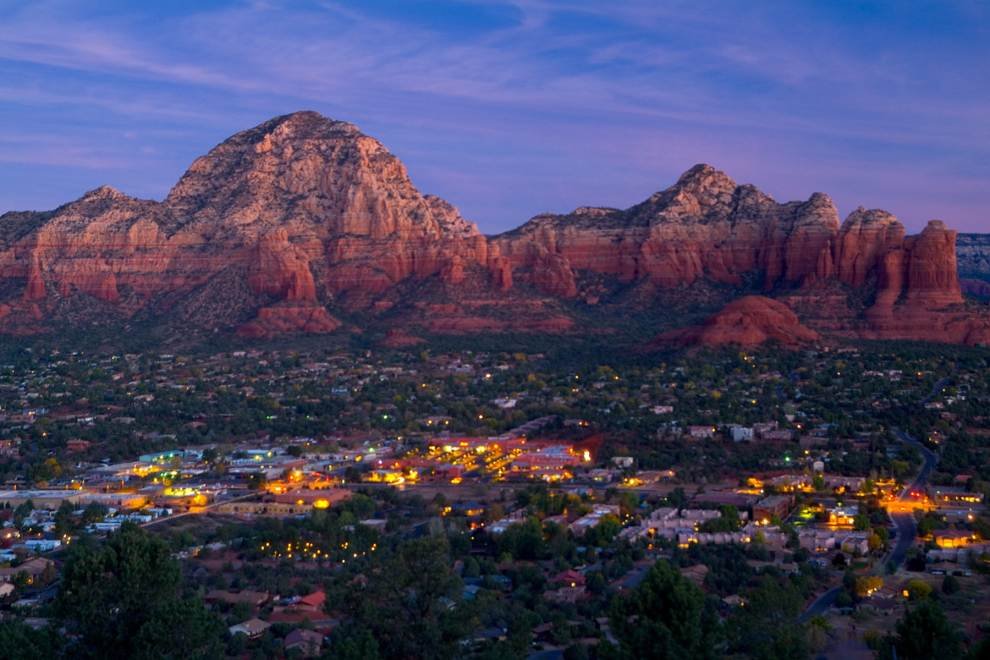
Nestled in Arizona’s high desert and framed by crimson cliffs and pine forests, Sedona offers a landscape that’s both otherworldly and deeply grounding.
But it’s not just the scenery that draws in over 3 million visitors a year — it’s the energy, culture, and soul of the place.
Known for its vortex sites, red rock hiking trails, vibrant arts scene, and spiritual retreats, Sedona has earned a reputation as one of America’s most enchanting small cities.
And whether you’re a solo hiker seeking solitude, a couple chasing sunsets, a family looking for outdoor fun, or a photographer chasing the perfect light — there’s something in Sedona for you.
Historically, this area was sacred ground for Indigenous tribes such as the Yavapai and Apache, and many still consider it a place of spiritual power. With that deep cultural lineage, Sedona has evolved into a haven for creatives, nature lovers, and wellness seekers.
This guide offers far more than a list of tourist traps. It’s crafted by experts who know Sedona — not just from guidebooks, but from boots on the ground. Inside, you’ll find:
- Locally informed recommendations
- First-hand hiking tips
- Hidden gems missed by most travelers
- Links to official sources, like the Forest Service and Sedona tourism bureau
So get ready to plan your perfect Sedona itinerary — with clarity, trust, and authentic value in every section.
2. Explore the Red Rock Formations That Made Sedona Famous
Sedona’s red rock formations aren’t just stunning — they’re a geological masterpiece more than 300 million years in the making. These towering sandstone buttes and cliffs glow with hues of crimson, orange, and pink, especially during sunrise and sunset, creating a dreamscape unlike anywhere else in the U.S.
Here are the most iconic (and unforgettable) rock formations to visit:
1. Cathedral Rock
- Why it’s special: One of Sedona’s most photographed sites, Cathedral Rock is both a geological wonder and a spiritual vortex location.
- Trail Info: The climb is short (~1.2 miles round-trip) but steep, requiring hand-and-foot scrambling in places. Don’t underestimate it.
- Best time to visit: Sunset — the rocks turn a fiery red as the sun dips behind them.
- Photography tip: For reflective shots, hike down to Red Rock Crossing.
- Trail info via AllTrails
2. Bell Rock and Courthouse Butte Loop
- Ideal for: Beginners and families.
- Why go: These two majestic formations form the gateway to Red Rock Country and are accessible right off Highway 179.
- Highlights: Easy trails with panoramic views, biking paths, and spiritual energy often reported around Bell Rock.
- Length: ~4.2-mile loop for Courthouse Butte; shorter routes available for Bell Rock scramblers.
- Bell Rock Vortex insights
3. Devil’s Bridge
- What makes it epic: The largest natural sandstone arch in the Sedona area, Devil’s Bridge delivers a heart-pounding photo opportunity.
- Trail length: Varies based on starting point; the shortest option is ~2 miles round-trip from the Dry Creek Road parking lot.
- Safety tip: The bridge narrows at the center. It’s safe if you stay focused, but not recommended in wet weather.
- Parking: Use the Sedona Shuttle during busy months to avoid congestion. Info at Sedona Shuttle
4. Soldier Pass Trail (with Hidden Caves)
- Underrated highlight: Leads to several unique formations — the Seven Sacred Pools, the Devil’s Kitchen sinkhole, and Soldier Pass Cave, a hidden sandstone slot cave popular with locals.
- Trail stats: Moderate; 4.5 miles round trip
- Pro tip: Arrive early — only 14 parking spots exist at the trailhead. Use shuttle services or hike in from Jordan Road Trailhead.
5. The Birthing Cave
- Why locals love it: This lesser-known spot requires a short, easy hike and rewards you with a heart-shaped alcove carved into the rock.
- Insider secret: The best viewpoint is from the cave’s back wall — climb up inside for the signature wide-angle photo.
- Trailhead: Long Canyon Trail (~2 miles round trip)
- Note: Please respect local beliefs — this site holds spiritual significance.
Quick Tips for Hiking Red Rock Country:
- Always bring plenty of water, sunscreen, and sturdy shoes.
- Trails are on exposed slickrock — they heat up fast.
- Leave No Trace: Sedona’s fragile desert ecosystem needs your care.
- Consider using Sedona Shuttle routes to reduce traffic and environmental impact.
3. Sedona’s Vortex Sites: Mystical Energy or Magnetic Tourism?
If you’ve heard that Sedona has “energy,” you’re not imagining things — at least according to locals, healers, and spiritual seekers who believe that certain parts of Sedona emit vortex energy. But what exactly is a vortex, and should it be part of your travel itinerary?
Let’s break it down with clarity and curiosity.
What Is a Vortex, Really?
In Sedona, a vortex is thought to be a natural site where the Earth’s energy swirls more intensely — like a subtle electromagnetic force. People report experiencing heightened meditation, emotional clarity, or even physical sensations like tingling or calmness at these sites.
While not scientifically proven, these spots have been revered by Indigenous tribes for centuries, and modern visitors often describe them as deeply moving or spiritually refreshing.
According to the Sedona Chamber of Commerce, vortexes are believed to enhance prayer, meditation, and mind-body connection.
Top Vortex Sites in Sedona
Here are the four most famous energy vortexes — all of which are also scenic wonders:
1. Airport Mesa
- Energy type: Masculine/upward energy
- Experience: A short, steep hike leads to panoramic views over Sedona and a strong wind-swept energy.
- Great for: Quick visits, meditation, sunset photos
2. Cathedral Rock Vortex
- Energy type: Feminine/receptive
- Experience: Combines spiritual intensity with dramatic natural beauty. Many say this site balances emotional clarity with grounding energy.
- Tip: Pause at the saddle before climbing higher — it’s one of the strongest spots.
3. Bell Rock Vortex
- Energy type: Combination of masculine and feminine
- Experience: Easily accessible and great for all visitors, especially beginners. Feel the energy even from the base.
- Pro tip: Explore the various energy spirals at different heights on the rock.
4. Boynton Canyon Vortex
- Energy type: Balanced (masculine/feminine)
- Experience: A deeply wooded canyon with red rock cliffs. Locals claim the energy here promotes harmony and unity.
- Local lore: “The Kachina Woman” rock formation is a sacred site to the Yavapai-Apache tribe.
Should You Visit a Vortex?
Even if you’re skeptical about energy fields, these sites are worth visiting for the views alone. But if you’re curious:
- Try meditation or deep breathing at the site and see how you feel.
- Consider joining a guided vortex tour with a local energy healer or spiritual guide.
- Use a journal or mindfulness app to record your thoughts and sensations afterward.
Useful Resources for Spiritual Travelers:
- Sedona Metaphysical Spiritual Association
- Sedona Chamber: Vortex Overview
- Sacred Sedona Tours: Guided vortex, Native, and shamanic experiences
4. Jeep Tours & Off-Road Adventures Through the Backcountry
Sedona isn’t just for hikers and spiritual seekers — it’s also an off-road paradise. The region’s rugged red rock terrain, slot canyons, and high-desert plateaus make for some of the most exciting Jeep tours in the Southwest.
If you want to see remote scenery without hiking miles, this is your adventure.
Why Take a Jeep Tour in Sedona?
- Access hidden trails and remote viewpoints you can’t easily hike to.
- Learn about geology, native history, and desert ecosystems from expert local guides.
- It’s ideal for families, couples, and those with mobility concerns.
- These tours often include cultural storytelling and fun off-road thrills.
Many Jeep tours are operated by long-standing, certified companies that prioritize eco-conscious practices, ensuring the delicate desert environment is respected.
Top Jeep Tour Companies in Sedona
Here are the best-reviewed and most trusted options:
1. Pink Adventure Tours
- Why it’s iconic: The bubblegum-pink Jeeps are almost as famous as the red rocks themselves.
- Tours offered: Broken Arrow, Ancient Ruins, Scenic Rim, and more.
- Highlight: The Broken Arrow Trail, an exclusive route only Pink Jeeps can legally access — with hair-raising descents and panoramic vistas.
- Visit Pink Jeep Tours
2. Red Rock Western Jeep Tours
- Experience level: Local and rugged
- Notable tours: Soldiers Pass Trail, Coyote Canyon, and Vortex Jeep Tours.
- Unique aspect: They incorporate spiritual and cultural elements into some packages.
- Explore Red Rock Jeep Tours
3. Safari Jeep Tours
- Why go: Offers smaller, more intimate groups and knowledgeable guides with deep historical knowledge.
- Recommended for: Travelers looking to go beyond sightseeing and get into story-rich experiences.
- Safari Jeep Info
Best Jeep Trails in Sedona
- Broken Arrow Trail: Iconic red rock formations, adrenaline drops, and incredible views. A must-do.
- Soldier Pass Trail: Caves, sinkholes, and sacred pools — all in one ride.
- Diamondback Gulch: Bumpy, rugged, and thrilling with rollercoaster-like paths.
- Schnebly Hill Road: Wind your way up to jaw-dropping views of the Mogollon Rim.
Insider Tip: Most tours last between 1.5 to 3 hours. Book morning or golden-hour slots for the best lighting and temps.
5. Scenic Hikes and Trails for All Skill Levels
Sedona’s hiking scene is as iconic as its red rocks — and with good reason. This high-desert town offers an accessible trail network that welcomes everyone, whether you’re traveling with kids, seeking solitude, or chasing adrenaline.
What makes Sedona’s trails truly special is their diversity: you can explore shady canyons, climb mesa tops, or wander through wide-open desert all within a few miles of town.
For newcomers or families, Bell Rock Pathway is a perfect introduction to the terrain. It’s a relatively flat, well-maintained trail that skirts the base of the famous Bell Rock formation and offers panoramic views of Courthouse Butte.
If you’re looking for something shadier and a bit more whimsical, West Fork Trail in Oak Creek Canyon delivers. This lush hike winds through towering canyon walls, crosses a gentle stream multiple times, and is particularly magical in the fall when the leaves change color.
Intermediate hikers will love Doe Mountain Trail, a short but steep ascent that rewards you with a mesa-top stroll and 360-degree views of the surrounding landscape. Another great option is Fay Canyon, where you’ll walk through a verdant canyon framed by sandstone cliffs. Those willing to scramble a bit off-trail can discover a hidden arch tucked into the rock face.
If you’re up for a challenge, Sedona won’t disappoint. Bear Mountain Trail is one of the area’s most demanding hikes, but the sweeping views at the summit — stretching all the way to the San Francisco Peaks near Flagstaff — make every step worth it.
For those seeking the highest accessible point in Sedona, Wilson Mountain Trail climbs over 2,500 feet from Midgley Bridge to reveal breathtaking vistas across Oak Creek Canyon.
No matter your skill level, it’s important to come prepared. Start your hikes early to avoid midday heat, bring plenty of water, and wear appropriate footwear.
Stick to designated trails to protect Sedona’s fragile desert ecosystem, and always practice Leave No Trace principles. With thoughtful planning, hiking in Sedona becomes not just a scenic outing, but a deeply enriching experience.
6. Explore Sedona’s Artistic Soul: Galleries, Culture & Creative Energy
Sedona isn’t just a feast for the eyes — it’s a hub for the soul. Beyond its red rock formations and hiking trails, this desert town pulses with creative energy.
Artists, sculptors, and spiritual visionaries have been drawn here for decades, transforming Sedona into one of the Southwest’s most vibrant art destinations.
Tlaquepaque Arts & Shopping Village
Tucked under the shade of sycamore trees and nestled along Oak Creek, this charming village recreates the feel of a traditional Mexican artisan plaza. With cobblestone walkways, vine-covered archways, and tiled fountains, it’s a destination as beautiful as the art it showcases.
- What to find: Handcrafted pottery, blown glass, fine jewelry, Native American art, and plein air painting studios.
- Tip: Visit in the early morning or late afternoon to enjoy quieter strolls and better light for photos.
- Resource: Explore Tlaquepaque
Uptown Sedona: Boutique Galleries & Local Talent
Just north of the main roundabout, Uptown Sedona brims with contemporary and Southwestern art galleries. Here, you’ll find:
- Exposures International Gallery: One of the largest fine art galleries in the U.S., featuring sculpture gardens and modern pieces.
- Lanning Gallery: Known for its mix of classic and contemporary Southwest art.
- Kuivato Glass Gallery: A specialty gallery focused on colorful and innovative glasswork.
These spaces often feature working artists, limited-edition collections, and one-of-a-kind finds that reflect the spirit of the region.
Outdoor Art & Creative Vibes Around Town
Sedona’s creativity extends outdoors — with sculpture installations along scenic roads, murals hidden in unexpected places, and even art woven into local resorts and healing centers. Keep your eyes open as you explore; beauty here isn’t confined to four walls.
Plan Around First Friday Art Walk
Held on the first Friday of every month, this community event opens up many of Sedona’s galleries for special evening viewings. Enjoy complimentary wine, meet artists in person, and discover new pieces — all while strolling under the stars.
Local Insight: Many gallery owners are artists themselves — don’t be shy about asking them to share stories behind their collections.
7. Discover Sedona’s Spiritual Side: Vortexes, Energy Healing & Sacred Spaces
For many, Sedona isn’t just beautiful — it’s deeply transformative. The region has long been considered a place of powerful energy, attracting spiritual seekers, healers, and curious travelers from around the globe.
Whether you’re fully immersed in metaphysical exploration or just open to new experiences, Sedona’s spiritual scene is as enriching as it is fascinating.
What Is a Sedona Vortex?
A vortex is believed to be a spot where the Earth’s energy spirals upward or downward, creating a space that enhances meditation, introspection, and even physical healing. While the science is debated, many visitors report a palpable shift in energy when standing near a vortex site.
The four main vortex locations in Sedona are:
- Cathedral Rock Vortex (Feminine energy – introspection & inner peace)
- Bell Rock Vortex (Balanced energy – strength & grounding)
- Airport Mesa Vortex (Masculine energy – motivation & clarity)
- Boynton Canyon Vortex (Balance of masculine and feminine energies – harmony)
Each site is accessible by trail and marked by stunning scenery. You don’t have to “believe” in the energy to appreciate the serenity they offer.
Pro Tip: Visit at sunrise or sunset when the energy feels more powerful — and the light makes for stunning photos.
Guided Vortex Tours & Ceremonies
If you’re new to Sedona’s metaphysical world, consider joining a guided vortex tour led by local energy practitioners. These tours combine geology, Native traditions, and spiritual practices like meditation or sound healing. Some even include aura photography or chakra balancing along the way.
Recommended operators:
- Sedona Vortex Adventures
- SpiritQuest Retreats
- Sedona Mystical Tours
Wellness Experiences: Reiki, Crystals & Sound Baths
Beyond the vortexes, Sedona offers a range of wellness and healing experiences rooted in Eastern, Indigenous, and New Age traditions. You can book:
- Reiki energy healing
- Chakra alignment sessions
- Sound bath meditations
- Crystal therapy and intuitive readings
Many of these are held in serene settings, surrounded by red rocks and nature, creating a truly immersive wellness retreat.
Spiritual Shops & Metaphysical Centers
You’ll also find crystal shops, spiritual bookstores, and metaphysical centers throughout town. They often carry items like sage bundles, tarot decks, healing stones, and local handmade spiritual art.
If you’re unsure where to start, ask for guidance — most shopkeepers are happy to explain how items are used in healing or meditation practices.
8. Scenic Drives & Hidden Viewpoints in Sedona
Not every magical Sedona experience requires hiking boots. For those who prefer to take in the red rock beauty from the comfort of their car — or are simply short on time — Sedona offers several scenic drives and lesser-known viewpoints that deliver jaw-dropping views without much effort.
Red Rock Scenic Byway (SR 179)
Often called “A Museum Without Walls,” this 7.5-mile stretch from Interstate 17 into Sedona is the ultimate introduction to the area’s natural grandeur.
- Highlights: Bell Rock, Courthouse Butte, Cathedral Rock (from a distance)
- Best stops: Bell Rock Vista and Little Horse Trail parking lots offer easy pull-offs with panoramic views.
- Pro tip: Drive it around golden hour for rich colors and minimal glare.
Oak Creek Canyon Drive (SR 89A)
Running between Sedona and Flagstaff, this winding canyon road is one of the most beautiful in the U.S. Expect soaring cliffs, lush forests, and creekside picnic areas.
- Must-see pull-offs:
- Midgley Bridge: A great spot for photography and access to hiking trails.
- Slide Rock State Park: Famous for its natural water slides and swimming holes.
- Indian Gardens Café & Market: A hidden gem for coffee and brunch.
- Midgley Bridge: A great spot for photography and access to hiking trails.
Local Insight: Autumn is a show-stopper here — the canyon turns into a tunnel of gold and orange leaves. Aim for a weekday morning to avoid traffic.
Schnebly Hill Road (for Adventurers)
If you’re driving a 4WD or off-road-capable vehicle, Schnebly Hill Road is a bumpy but unforgettable experience. It connects Sedona to I-17 via rugged terrain and rewards travelers with dramatic overlook points.
- Scenic payoff: Schnebly Hill Vista is one of the best views in the region.
- Caution: Not suitable for standard sedans or low-clearance vehicles. Closed in winter or after rain.
Hidden Viewpoints Worth the Detour
For those looking to escape the crowds and capture unique photos, these under-the-radar spots are worth a stop:
- Crescent Moon Ranch Park: Offers a quieter view of Cathedral Rock reflected in Oak Creek.
- Cultural Park Overlook: A peaceful bluff with panoramic views, perfect for sunset.
- Airport Loop Overlook (but not the vortex site): Park near the airport and walk 5 minutes for a quieter viewpoint with fewer tourists.
These routes and viewpoints allow you to witness Sedona’s beauty from new angles — whether you’re driving through for the afternoon or taking your time with a picnic and a camera.
10. Practical Travel Tips for Sedona Visitors
Planning a trip to Sedona? These firsthand insights, local tips, and helpful planning tools will ensure your experience is as smooth, scenic, and soul-refreshing as possible.
Best Time to Visit Sedona
Sedona is a year-round destination, but the ideal time really depends on your goals:
- Spring (March–May): Wildflowers bloom, temperatures are ideal (60s–80s°F), and trails are in their prime.
- Fall (September–November): Fewer crowds, golden foliage in Oak Creek Canyon, and mild weather.
- Summer (June–August): Hot days (up to 100°F) but fewer tourists and stunning sunrise hikes.
- Winter (December–February): Light snow dusts the red rocks; it’s a peaceful time with cozy lodging rates.
Insider tip: Book accommodations at least 3–4 months ahead for spring and fall — Sedona fills up fast.
How to Get Around
Sedona is car-friendly, but parking can be tricky at popular trailheads. Consider:
- Renting a car: Essential for day trips and early trail access.
- Using the free Sedona Shuttle: Operates seasonally for high-traffic trailheads like Cathedral Rock and Soldier Pass.
- E-bike rentals: Great for cruising around West Sedona and avoiding parking frustrations.
Where to Stay
- Luxury stays: L’Auberge de Sedona, Amara Resort
- Mid-range favorites: Arabella Hotel, Orchards Inn
- Budget options: GreenTree Inn, Sedona Village Lodge
- Unique stays: Creekside cabins, Airbnbs with red rock views, or energy retreat centers
If you’re prioritizing easy access to trails, stay in West Sedona. For dining, galleries, and charm, Uptown Sedona is ideal.
What to Pack
Sedona’s high desert climate and active terrain call for smart packing:
- Hiking gear: Sturdy shoes, hydration pack, sunscreen, and a wide-brimmed hat.
- Layered clothing: Mornings and evenings can be cool even in summer.
- Reusable water bottle: There are limited water stations at some trailheads.
- Navigation tools: Download AllTrails maps in advance (some trail areas lack signal).
Leave No Trace: Stick to marked trails, pack out all trash, and avoid disturbing rock formations and plants.
Permits & Fees
Many trailheads require a Red Rock Pass, which helps maintain the local environment. You can purchase:
- Daily Pass: $5
- Weekly Pass: $15
- Annual Pass: $20
Conclusion: Why Sedona Deserves a Spot on Your Bucket List
Sedona isn’t just a destination — it’s a deep, red-soaked experience that blends natural wonder with soulful energy.
From its iconic vortexes and cathedral-like rock formations to its thriving art scene, ancient history, and endless trails, every corner of Sedona invites you to slow down and connect — with the land, with others, and often with yourself.
Whether you’re a hiker chasing sunrises, a family in search of meaningful memories, a couple seeking scenic serenity, or a solo traveler diving into self-discovery, Sedona offers something rare: the ability to ground you and uplift you at the same time.
Armed with this in-depth guide, you now have everything you need to craft an unforgettable trip — including where to go, what to do, and how to do it responsibly and enjoyably.
Just remember to stay hydrated, respect the land, and leave a little room in your itinerary for the unexpected — because in Sedona, the surprises are often the best part.