Where to Stay in Boston: Best Areas, Hotels & Travel Tips (2025 Guide)
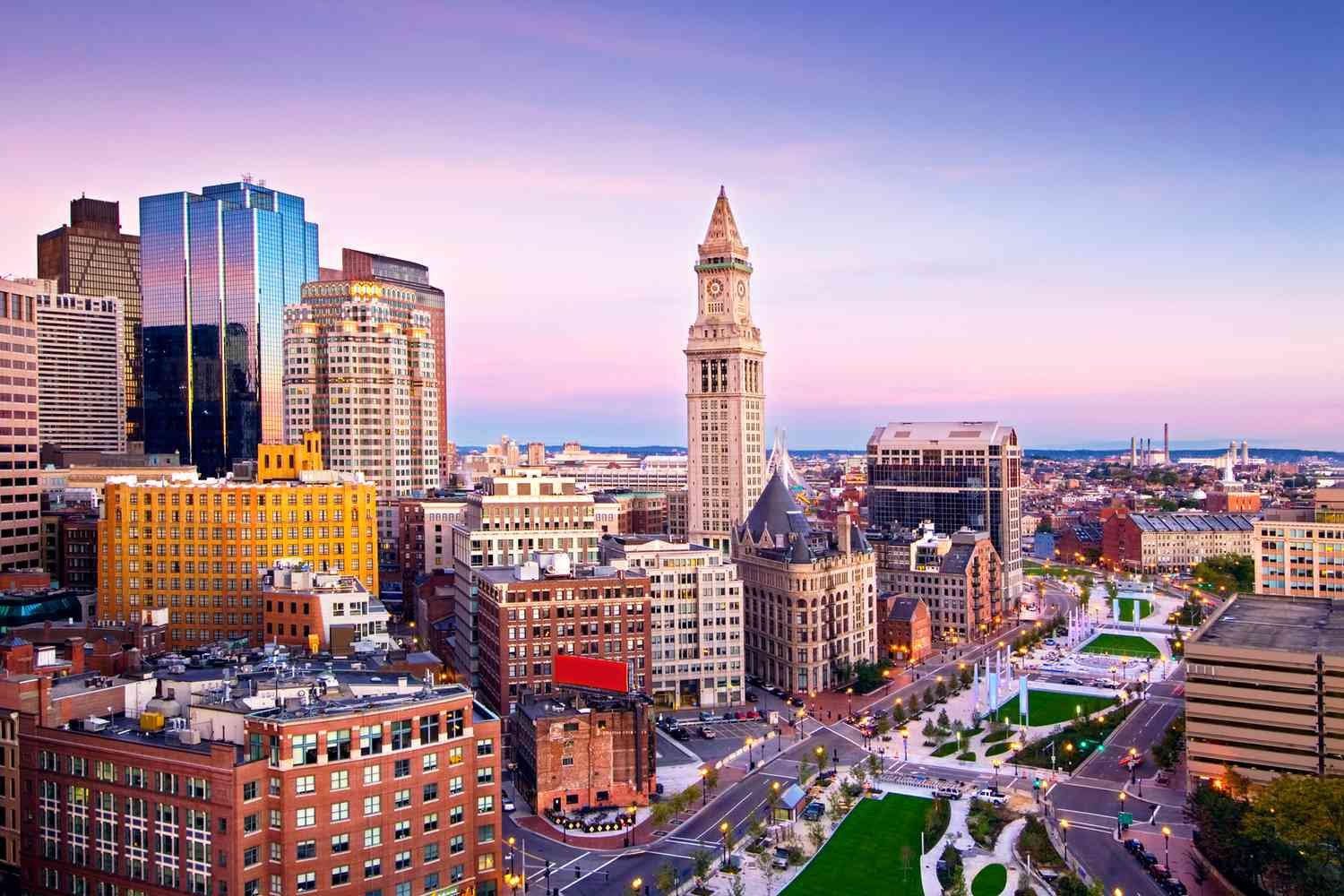
Boston is a city where American history meets modern innovation, and every neighborhood offers a distinct personality.
From the cobblestone streets of Beacon Hill to the sleek skyscrapers of the Seaport, where you stay can shape your entire travel experience.
For first-time visitors, choosing the right area can feel overwhelming—should you stay near Fenway Park for the energy of Red Sox Nation, or settle into the Back Bay for its blend of luxury hotels and upscale shopping? Families, couples, students, and business travelers all look for different things, and Boston provides options for every style of trip.
What makes accommodation in Boston unique is its mix of historic charm and modern convenience.
Unlike many U.S. cities, Boston is highly walkable, with major attractions clustered around compact neighborhoods.
Staying near Boston Common might put you within walking distance of the Freedom Trail, while the North End immerses you in Italian eateries and colonial history.
On the other hand, Cambridge across the Charles River offers a more academic vibe, perfect for those wanting a quieter stay with easy access to Harvard and MIT.
This guide goes beyond a basic hotel list. You’ll find a comprehensive neighborhood breakdown, insider tips on where to book, pros and cons of each area, and recommendations tailored to different types of travelers.
Whether you’re planning a short business trip, a family vacation, or a romantic getaway, this 2025 guide will help you confidently decide where to stay in Boston—so you can focus on enjoying the city itself.
1. Overview of Boston’s Neighborhoods
Boston is often described as a “city of neighborhoods,” and for good reason.
Each area feels like its own small town, with a distinct personality, history, and style of accommodations.
Unlike sprawling cities where everything feels far apart, Boston’s neighborhoods are closely connected, meaning you can stay in one area and still explore most of the city with ease.
Here’s a quick overview to help you understand what each neighborhood is known for:
- Downtown Boston – Central and historic, perfect for first-time visitors who want to be near major attractions like the Freedom Trail, Boston Common, and Faneuil Hall.
- Back Bay – Upscale and elegant, filled with luxury hotels, designer shops, and brownstone architecture along Newbury Street.
- Beacon Hill – Romantic and historic, famous for its cobblestone streets, gas-lit lamps, and boutique inns.
- North End – Boston’s Little Italy, known for authentic Italian food, narrow streets, and walkability to both the waterfront and historic sites.
- South End – Trendy, artistic, and LGBTQ+ friendly, with art galleries, chic restaurants, and boutique hotels.
- Seaport District – Sleek and modern with luxury hotels, rooftop bars, and waterfront views—great for nightlife and business travelers.
- Fenway/Kenmore – Home to Fenway Park and Boston University, ideal for sports fans, students, and those seeking affordable stays.
- Cambridge – Across the Charles River, home to Harvard and MIT, offering a quieter, intellectual atmosphere with boutique and family-friendly stays.
- Charlestown – A peaceful, historic neighborhood with the Bunker Hill Monument and Navy Yard; ideal for travelers seeking a quieter escape.
- Logan Airport Area – Best for convenience, especially for short layovers or early-morning flights.
Quick Comparison Snapshot
| Neighborhood | Best For | Vibe |
| Downtown Boston | First-time visitors | Central, historic, walkable |
| Back Bay | Luxury & shopping | Chic, upscale, sophisticated |
| Beacon Hill | Romantic getaways | Historic, charming, intimate |
| North End | Food lovers | Italian, lively, cultural |
| South End | Arts & local culture | Trendy, creative, LGBTQ+ friendly |
| Seaport District | Nightlife & business | Modern, sleek, energetic |
| Fenway/Kenmore | Sports fans & students | Lively, youthful, affordable |
| Cambridge | Families & academics | Intellectual, calm, cultural |
| Charlestown | History & quiet stays | Peaceful, historic, quaint |
| Logan Airport Area | Short stays | Convenient, practical |
This overview gives travelers a big-picture understanding of what Boston offers, making it easier to decide which neighborhood fits their travel style before we break down each one in detail.
2. Downtown Boston – Best for First-Time Visitors
If it’s your first time in Boston, staying in Downtown Boston is one of the smartest choices.
This neighborhood is the historic and cultural heart of the city, packed with landmarks, restaurants, and easy access to public transportation.
You’ll find yourself within walking distance of many of Boston’s top attractions, making it an excellent base for exploring without needing a car.
Why Stay Here?
Downtown Boston offers the perfect introduction to the city.
The famous Freedom Trail starts here, weaving through 16 historic sites, including Faneuil Hall, the Old State House, and Boston Common—the oldest public park in America.
Quincy Market, with its mix of food stalls and shops, adds a lively touch to the area, while the bustling Financial District ensures there’s always energy in the streets.
For travelers who love to be in the center of the action, Downtown Boston checks all the boxes: it’s walkable, historic, and full of life.
Accommodation Options
Hotels in Downtown range from mid-range chains to upscale historic stays.
You’ll find iconic hotels like the Boston Omni Parker House Hotel, which is not only centrally located but also famous for inventing Boston Cream Pie.
For modern comfort, large hotel brands like Marriott and Hyatt are available, while boutique hotels provide a more intimate atmosphere.
Pros of Staying in Downtown Boston
- Walkability – Easy access to Boston Common, Quincy Market, the Freedom Trail, and waterfront.
- Transit connections – Multiple “T” subway lines converge here, making it simple to reach other neighborhoods.
- Historic atmosphere – Sleep in the middle of America’s revolutionary past.
- Plenty of dining – Endless restaurants, pubs, and cafes within minutes.
Cons of Staying in Downtown Boston
- Higher prices – Hotels here can be expensive, especially in peak tourist season.
- Crowds – Popular attractions draw heavy foot traffic, especially in summer.
- Noise – Being at the center of it all means it’s not the quietest neighborhood.
Who It’s Best For
- First-time visitors who want to see Boston’s most iconic landmarks
- History lovers eager to follow the Freedom Trail
- Solo travelers & couples who value convenience and energy
3. Back Bay – Luxury Hotels & Upscale Shopping
If you’re looking for sophistication, luxury, and postcard-perfect city views, Back Bay is the neighborhood to book.
Known for its elegant Victorian brownstones, world-class shopping, and wide tree-lined streets, Back Bay offers a polished blend of old Boston charm with modern luxury.
Why Stay Here?
Back Bay is home to Newbury Street, one of the most fashionable shopping streets in the U.S., lined with designer boutiques, art galleries, and chic cafés.
You’ll also find Copley Square, where the Boston Public Library and Trinity Church showcase stunning architecture.
The neighborhood stretches to the Charles River Esplanade, a beautiful waterfront park perfect for jogging, cycling, or watching the sunset.
For travelers who enjoy staying in stylish surroundings, Back Bay delivers the ideal balance of historic beauty and upscale comfort.
Accommodation Options
Back Bay boasts some of Boston’s finest hotels, from grand luxury stays to boutique gems.
The Fairmont Copley Plaza is a Boston icon, offering gilded interiors and historic charm, while the Mandarin Oriental Boston delivers modern five-star luxury.
Boutique hotels such as The Lenox combine warmth with elegance, making Back Bay popular for both leisure and business travelers.
Pros of Staying in Back Bay
- Luxury accommodations – Some of Boston’s best hotels with top-tier service.
- Shopping & dining – Access to high-end boutiques, Newbury Street, and a variety of restaurants.
- Beautiful architecture – Historic brownstones and impressive landmarks make it scenic.
- Central location – Easy walk to Downtown, Fenway, and the Charles River.
Cons of Staying in Back Bay
- Expensive – Hotels and dining tend to be pricier than other neighborhoods.
- Busy at peak times – Popular with tourists and shoppers, especially in summer and holidays.
- Limited budget options – Few hostels or affordable stays compared to other areas.
Who It’s Best For
- Luxury travelers seeking upscale hotels and fine dining
- Couples who want a romantic and stylish setting
- Shoppers & design lovers drawn to Newbury Street and elegant architecture
- Business travelers who prefer polished surroundings with easy city access
Back Bay is Boston at its most sophisticated and stylish, making it one of the best neighborhoods for those who want a memorable, high-end experience while still being close to the city’s main attractions.
4. Beacon Hill – Historic Charm & Romantic Getaway
If you dream of staying in one of Boston’s most picturesque and historic neighborhoods, Beacon Hill is the place to be.
With its gas-lit street lamps, red-brick sidewalks, and cobblestone alleys, it feels like stepping into a 19th-century painting.
This neighborhood offers a quiet, romantic atmosphere while still being just steps from Boston Common and Downtown.
Why Stay Here?
Beacon Hill is best known for Acorn Street, one of the most photographed streets in America, with its narrow cobblestones and Federal-style row houses.
The neighborhood has a charming, almost European feel, making it especially popular with couples looking for a romantic escape.
The area also has upscale antique shops, independent boutiques, and intimate cafés, perfect for slow strolls and relaxed evenings.
Accommodation Options
Because of its smaller size, Beacon Hill doesn’t have large chain hotels.
Instead, you’ll find boutique inns and historic guesthouses that reflect the neighborhood’s charm.
Places like the Beacon Hill Hotel and The Whitney Hotel offer elegant, intimate stays with personalized service.
Many accommodations here are housed in converted townhouses, giving you the feeling of living like a local Bostonian.
Pros of Staying in Beacon Hill
- Historic atmosphere – One of Boston’s most beautiful neighborhoods.
- Romantic vibe – Perfect for couples and those seeking a quieter stay.
- Proximity – Walking distance to Boston Common, Downtown, and the Charles River.
- Charming shops & cafés – Unique, boutique shopping and dining options.
Cons of Staying in Beacon Hill
- Limited hotel options – Fewer accommodations compared to larger districts.
- Higher prices – Boutique charm often comes with premium rates.
- Not ideal for nightlife – Quiet evenings, fewer bars and clubs.
Who It’s Best For
- Couples looking for a romantic, scenic getaway
- History lovers who want to stay in Boston’s most historic district
- Travelers who value charm over nightlife
- Repeat visitors who want to experience Boston like a local
Beacon Hill is where Boston’s old-world charm shines brightest, offering an intimate and memorable stay that’s especially well-suited for romantic trips.
5. North End – Best for Food Lovers
If your travels are guided by your stomach, the North End is where you’ll want to unpack your bags.
Known as Boston’s Little Italy, this neighborhood is packed with old-world charm and an endless selection of authentic Italian eateries.
Narrow streets, bustling cafés, and the aroma of fresh pasta and espresso make the North End an unforgettable place to stay.
Why Stay Here?
The North End is a culinary paradise, offering everything from classic Italian bakeries like Mike’s Pastry and Modern Pastry, to fine dining establishments serving regional specialties.
Beyond food, the neighborhood is deeply tied to Boston’s history.
Paul Revere’s House and the Old North Church, both key landmarks on the Freedom Trail, are located here, giving you a blend of food and history right at your doorstep.
The neighborhood’s intimate streets, lively atmosphere, and proximity to the Boston Waterfront make it a favorite for travelers who want both flavor and culture.
Accommodation Options
Unlike larger districts, the North End doesn’t have many large hotels.
Instead, you’ll find boutique accommodations, charming inns, and stylish short-term rentals that capture the neighborhood’s character.
Many travelers also choose Airbnb apartments here, enjoying the chance to live like a local in the heart of Boston’s food scene.
Pros of Staying in the North End
- World-class dining – Boston’s best Italian restaurants, bakeries, and cafés.
- Historic sites – Home to Paul Revere’s House and Old North Church.
- Charming vibe – Narrow streets and lively atmosphere with a European feel.
- Proximity to waterfront – Easy walk to Boston Harbor and Aquarium.
Cons of Staying in the North End
- Limited hotel options – Few large or luxury hotels; mostly boutique and rentals.
- Crowded at night – Popular restaurants draw big crowds, especially weekends.
- Parking challenges – Narrow streets make driving and parking difficult.
Who It’s Best For
- Food lovers who want Boston’s best dining steps away
- History buffs interested in Revolutionary-era landmarks
- Couples & solo travelers seeking a lively, authentic neighborhood feel
- Travelers who enjoy a European-style atmosphere in the U.S.
The North End is a feast for both the palate and the senses, making it the perfect neighborhood for food enthusiasts who also appreciate history and culture.
6. South End – Trendy & Artsy District
For travelers who love exploring a city’s creative side, the South End is a neighborhood worth considering.
Known for its art galleries, stylish restaurants, and diverse community, the South End blends historic architecture with a trendy, urban feel.
Its wide streets are lined with Victorian brownstones, parks, and murals, giving the area a mix of elegance and artistic energy.
Why Stay Here?
The South End has grown into one of Boston’s most vibrant neighborhoods, attracting artists, foodies, and locals who appreciate culture.
The area is home to SoWa Art + Design District, where you’ll find galleries, design studios, and seasonal open markets showcasing local talent.
Food lovers are spoiled with innovative dining ranging from farm-to-table spots to globally inspired cuisine, many run by award-winning chefs.
Another defining feature is its reputation as one of Boston’s most LGBTQ+ friendly areas, making it a welcoming and inclusive place to stay.
Unlike the tourist-heavy Downtown or North End, the South End feels more local and authentic, perfect for travelers who want to experience Boston beyond the guidebook highlights.
Accommodation Options
The South End offers boutique hotels, stylish inns, and short-term rentals that match the neighborhood’s creative energy.
Options like The Revolution Hotel appeal to younger travelers with affordable yet trendy stays, while boutique hotels and modern apartments provide comfort with a design-forward twist.
Pros of Staying in the South End
- Art & culture – Galleries, murals, and cultural events add unique character.
- Food scene – Diverse dining with some of Boston’s best restaurants.
- Local vibe – Less touristy than Downtown, giving a more authentic experience.
- Inclusive community – Strong LGBTQ+ presence and welcoming atmosphere.
Cons of Staying in the South End
- Not as central – Longer walk or transit ride to main tourist attractions.
- Fewer large hotels – Mostly boutique accommodations or rentals.
- Evenings are quieter – While there’s great dining, nightlife is limited compared to the Seaport.
Who It’s Best For
- Cultural travelers who want to explore Boston’s art and design scene
- Food enthusiasts eager for diverse, chef-driven restaurants
- LGBTQ+ travelers seeking a welcoming and inclusive neighborhood
- Repeat visitors who want a less tourist-heavy experience of Boston
The South End offers a creative, stylish alternative to Boston’s more traditional districts, making it a top choice for travelers who value culture, food, and a local feel over tourist crowds.
7. Seaport District – Modern Luxury & Waterfront Views
Once an industrial shipping area, the Seaport District has transformed into one of Boston’s most modern and vibrant neighborhoods.
Today, it’s a hub of glass skyscrapers, trendy restaurants, rooftop bars, and luxury hotels, all set against the backdrop of Boston Harbor.
For travelers who want cutting-edge style and nightlife energy, the Seaport is an unbeatable choice.
Why Stay Here?
The Seaport has become Boston’s “It” neighborhood in recent years, attracting both locals and visitors.
By day, you can stroll along the Harborwalk, enjoy fresh seafood at waterfront restaurants, or explore cultural spots like the Institute of Contemporary Art (ICA).
By night, the area comes alive with rooftop lounges, craft breweries, and clubs that draw a younger, professional crowd.
It’s also an ideal location for business travelers, with its proximity to the Boston Convention & Exhibition Center and easy access to Logan Airport.
The Seaport’s modern infrastructure makes it one of the most convenient areas for work and play.
Accommodation Options
The Seaport is packed with high-end hotels offering sleek design and waterfront views.
Popular options include the Envoy Hotel, with its famous rooftop bar, and the Seaport Hotel, which combines business-friendly amenities with harbor scenery.
For ultra-luxury, the InterContinental Boston offers five-star service right on the water.
Pros of Staying in the Seaport District
- Modern luxury – New hotels with stylish design and top amenities.
- Waterfront views – Scenic harbor walks and room options with stunning views.
- Nightlife & dining – Rooftop bars, breweries, and upscale seafood restaurants.
- Business-friendly – Close to convention centers and easy airport access.
Cons of Staying in the Seaport District
- Higher prices – Hotels and dining are on the expensive side.
- Less historic charm – Unlike Beacon Hill or the North End, the Seaport feels modern and newly built.
- Busy nightlife – Can be noisy, especially near bars and event venues.
Who It’s Best For
- Luxury travelers seeking modern hotels with great views
- Business travelers attending conventions or needing airport convenience
- Nightlife lovers who want trendy bars and late-night energy
- Young professionals & couples who enjoy a vibrant, modern atmosphere
The Seaport District represents Boston’s sleek, contemporary side, offering high-end stays, harbor views, and an exciting social scene—perfect for travelers who want a mix of style and convenience.
8. Fenway/Kenmore – Best for Sports Fans
If you’re a sports enthusiast, there’s no better place to stay in Boston than Fenway/Kenmore, home to the legendary Fenway Park.
But beyond baseball, this neighborhood buzzes with student life, casual dining, and music venues, making it a lively and affordable option for travelers who enjoy being in the middle of the action.
Why Stay Here?
The highlight of Fenway/Kenmore is, of course, Fenway Park, where fans flock to watch the Red Sox and soak up one of the most iconic stadium experiences in America.
Even if you’re not attending a game, the atmosphere around game days is electric, with local bars and sports pubs packed with fans.
But Fenway isn’t just about baseball. The area is home to the Isabella Stewart Gardner Museum and the Museum of Fine Arts, two of Boston’s top cultural attractions.
With its proximity to several universities, the neighborhood also has a youthful, energetic vibe fueled by students, live music, and casual eateries.
Accommodation Options
Fenway/Kenmore offers a range of mid-range hotels and budget-friendly stays.
Options like the Hotel Commonwealth blend upscale comfort with a prime location near Fenway Park, while more affordable chains and short-term rentals cater to students, solo travelers, and budget-conscious visitors.
Pros of Staying in Fenway/Kenmore
- Fenway Park – Perfect for sports fans and Red Sox enthusiasts.
- Cultural attractions – Close to world-class museums and galleries.
- Affordable stays – More mid-range and budget options than luxury hotels.
- Energetic atmosphere – Lively nightlife, music, and youthful energy.
Cons of Staying in Fenway/Kenmore
- Crowded on game days – Expect heavy foot traffic and noise during baseball season.
- Not as central – Slightly farther from Downtown and historic sites.
- Limited luxury hotels – Few options for travelers seeking high-end stays.
Who It’s Best For
- Sports fans who want to be steps away from Fenway Park
- Budget-conscious travelers looking for affordable accommodations
- Students & young travelers seeking nightlife and a lively atmosphere
- Culture lovers interested in nearby museums and live music
Fenway/Kenmore is Boston’s playground for sports and culture lovers, offering an exciting, youthful energy that makes it an excellent choice for fans, students, and travelers who enjoy being part of the action.
9. Cambridge – Academic & Intellectual Vibe
While technically a separate city from Boston, Cambridge feels like an essential part of the Greater Boston experience.
Home to Harvard University and the Massachusetts Institute of Technology (MIT), it’s a neighborhood steeped in academic prestige, innovation, and cultural richness.
For travelers who want a quieter, more reflective stay while still being minutes from Boston, Cambridge is a perfect choice.
Why Stay Here?
Cambridge offers a different pace compared to Boston’s busy Downtown.
Instead of skyscrapers and bustling financial districts, you’ll find leafy squares, historic libraries, student-filled coffee shops, and thought-provoking museums.
Harvard Square is the neighborhood’s lively center, filled with bookstores, indie cinemas, and street performers, while Kendall Square near MIT has a modern, tech-forward vibe with breweries and innovative restaurants.
Travelers staying here enjoy both access to world-class cultural attractions and a more local, intellectual atmosphere.
And thanks to the “T” subway, Boston’s historic core is just a short ride away.
Accommodation Options
Cambridge offers a mix of upscale hotels, boutique stays, and family-friendly options.
The Charles Hotel in Harvard Square is a favorite for its luxury-meets-classic style, while Hotel Veritas offers a boutique experience with personalized charm.
For business travelers or tech enthusiasts, Kendall Square has sleek modern hotels that cater to professionals working in the innovation district.
Pros of Staying in Cambridge
- Academic & cultural attractions – Harvard, MIT, museums, and historic sites.
- Local charm – Bookstores, indie cafés, and neighborhood feel.
- Family-friendly – Quieter streets and parks ideal for kids.
- Proximity to Boston – Easy subway ride into the city center.
Cons of Staying in Cambridge
- Not as central – Requires a short transit ride to major Boston attractions.
- Hotel prices – Can be high due to university demand.
- Less nightlife variety – More about cafés and pubs than Boston’s club scene.
Who It’s Best For
- Families who want quieter, kid-friendly accommodations
- Academics & intellectuals drawn to Harvard and MIT
- Business travelers working in Kendall Square’s tech district
- Travelers seeking local culture beyond Boston’s tourist core
Cambridge offers a thoughtful, culturally rich alternative to central Boston, making it perfect for travelers who want an intellectual, laid-back atmosphere without being far from the city’s main attractions.
10. Charlestown – Quiet & Historic Escape
Tucked just across the Charles River from Downtown Boston, Charlestown is a neighborhood where history and tranquility meet.
As Boston’s oldest neighborhood, it blends Revolutionary War landmarks with a quiet, residential feel, making it a great choice for travelers who want to stay close to the city center but enjoy a slower pace.
Why Stay Here?
Charlestown is home to two of Boston’s most significant historic sites: the Bunker Hill Monument and the USS Constitution Museum in the Charlestown Navy Yard.
Walking through the neighborhood, you’ll find red-brick row houses, leafy streets, and waterfront views of Boston’s skyline.
Unlike busier parts of the city, Charlestown has a calmer, more local vibe, ideal for those who want to avoid tourist crowds while still being minutes from Downtown.
It’s especially appealing to families and history lovers who prefer a more residential environment with easy access to Boston’s attractions.
Accommodation Options
Charlestown doesn’t have a huge hotel scene, but that’s part of its charm.
You’ll find cozy boutique inns, small guesthouses, and vacation rentals that give a home-like feel.
Many Airbnbs here are historic townhouses, offering an authentic stay in one of Boston’s most character-rich areas.
Pros of Staying in Charlestown
- Historic significance – Bunker Hill and USS Constitution within walking distance.
- Quieter atmosphere – Less crowded than Downtown or Back Bay.
- Local neighborhood feel – Residential vibe with charming architecture.
- Waterfront views – Beautiful skyline perspectives across the river.
Cons of Staying in Charlestown
- Limited hotels – Fewer accommodations than central neighborhoods.
- Less nightlife – Limited dining and bar options compared to Downtown.
- Commuting – Requires walking or transit to reach most major attractions.
Who It’s Best For
- History buffs who want to stay near Revolutionary War landmarks
- Families seeking quieter, safe accommodations
- Travelers who prefer local neighborhoods over tourist-heavy districts
- Repeat visitors looking for a new perspective of Boston
Charlestown is a peaceful, history-filled escape that offers a slower pace while keeping you connected to the heart of Boston.
It’s the perfect choice for travelers who value authenticity and quiet over nightlife and crowds.
11. Logan Airport Area – Convenient for Short Stays
While most travelers prefer to stay in Boston’s central neighborhoods, there are times when the Logan Airport area is the most practical choice.
Located just across Boston Harbor in East Boston, the airport district is ideal for layovers, overnight stays, or travelers with early-morning or late-night flights.
Why Stay Here?
The main reason to stay near Logan is convenience.
Boston’s airport is one of the busiest on the East Coast, and being nearby eliminates the stress of long commutes or missing flights.
Thanks to the Blue Line “T” subway and water taxis, Downtown Boston is only 10–15 minutes away, making it possible to combine convenience with quick sightseeing.
This area is also useful for business travelers on short trips, or those driving through New England who need a one-night stop.
While you won’t get the charm of Back Bay or Beacon Hill, the airport district delivers efficiency and ease.
Accommodation Options
Hotels here are mostly mid-range airport chains, but many offer excellent amenities for travelers in transit.
Options like the Hilton Boston Logan Airport provide direct walkway access to terminals, while others such as Hyatt Regency Boston Harbor offer stunning harbor views with shuttle service.
Most hotels include free airport shuttles, early check-in, and business amenities.
Pros of Staying Near Logan Airport
- Unmatched convenience – Perfect for early flights or overnight layovers.
- Quick transport – Subway, shuttles, and water taxis connect easily to Downtown.
- Harbor views – Some hotels offer surprisingly scenic stays.
- Stress-free travel – Avoid traffic and long commutes to the airport.
Cons of Staying Near Logan Airport
- Lacks character – No historic charm or neighborhood feel.
- Limited entertainment – Few restaurants and attractions nearby.
- Not for long vacations – Better suited for short stays only.
Who It’s Best For
- Business travelers on quick trips with tight schedules
- Travelers with early or late flights who need convenience
- Layover passengers staying in Boston for one night
- Drivers on road trips needing an easy overnight stop
The Logan Airport area isn’t where you go to experience Boston’s culture, but it’s the smartest choice when convenience is the priority.
For quick, no-fuss stays, it delivers everything a traveler needs to make their trip smoother.
12. Best Luxury Hotels in Boston
Boston has no shortage of world-class hotels that combine historic elegance with modern luxury.
From landmark properties steeped in tradition to sleek five-star retreats with harbor views, the city’s luxury hotels deliver exceptional service, fine dining, and unbeatable locations.
Top Picks for 2025
1. Fairmont Copley Plaza (Back Bay)
- An iconic Boston landmark since 1912.
- Known for its grand lobby, gold-leafed ceilings, and elegant rooms.
- Perfect for travelers who love classic luxury and central location near Newbury Street.
2. The Mandarin Oriental Boston (Back Bay)
- A five-star retreat with spacious, contemporary rooms.
- Features a world-class spa and fine dining options.
- Ideal for business travelers and couples looking for sophistication.
3. The Newbury Boston (Back Bay)
- Former Ritz-Carlton, now reimagined with modern design and luxury.
- Offers stylish rooms, a rooftop restaurant with park views, and impeccable service.
- Best for travelers who want luxury paired with history.
4. Four Seasons Hotel One Dalton Street (Back Bay)
- Boston’s tallest luxury hotel, with panoramic views of the skyline.
- Home to Zuma, a renowned Japanese izakaya.
- Perfect for modern travelers who want high-rise glamour.
5. The Whitney Hotel (Beacon Hill)
- A boutique five-star stay in Boston’s most historic neighborhood.
- Offers personalized service, chic interiors, and a quiet, romantic setting.
- Best for couples who want intimacy and charm.
6. InterContinental Boston (Seaport/Waterfront)
- Sleek, contemporary design with floor-to-ceiling harbor views.
- Known for its excellent dining, spa, and waterfront access.
- Ideal for business travelers or couples seeking a modern waterfront stay.
Why Choose a Luxury Hotel in Boston?
- Exceptional amenities – Fine dining, spas, concierge services, and more.
- Prime locations – Close to Boston’s best attractions.
- Unique character – Many luxury hotels blend Boston’s history with modern elegance.
- Unmatched service – Attention to detail that enhances the travel experience.
Boston’s luxury hotels offer more than just a place to sleep—they provide an experience of comfort, culture, and sophistication, perfect for travelers who want to make their trip unforgettable.
13. Best Boutique Hotels in Boston
For travelers who value style, character, and personalized service, Boston’s boutique hotels offer a refreshing alternative to large luxury chains.
These properties combine intimate atmospheres with unique design touches, often set in historic buildings that capture the city’s charm.
Top Boutique Picks for 2025
1. The Lenox (Back Bay)
- A Boston classic blending old-world elegance with modern comfort.
- Family-owned and known for personalized hospitality.
- Located steps from Newbury Street, Copley Square, and the Boston Public Library.
2. XV Beacon (Beacon Hill)
- Luxurious boutique hotel in a historic 1903 Beaux-Arts building.
- Features fireplaces in nearly every room and a rooftop deck with city views.
- Perfect for romantic getaways and travelers who love intimate luxury.
3. The Liberty Hotel (Beacon Hill/West End)
- Housed in a former 19th-century jail, now transformed into a stylish hotel.
- Combines history with edgy, modern design.
- A favorite for travelers who want a stay that’s truly one-of-a-kind.
4. The Revolution Hotel (South End)
- Trendy, affordable boutique option with artsy interiors and co-working spaces.
- Appeals to younger travelers and digital nomads.
- Great for those who want a creative, local vibe at a reasonable price.
5. The Eliot Hotel (Back Bay/Fenway border)
- A refined boutique stay with French-inspired elegance.
- Known for its award-winning restaurant, Uni.
- A great choice for food lovers and those who appreciate classic style.
6. The Verb Hotel (Fenway)
- Retro-themed hotel celebrating Boston’s music history.
- Fun, colorful rooms and a pool—rare in Boston hotels.
- Perfect for music fans and younger travelers seeking a playful atmosphere.
Why Stay in a Boutique Hotel?
- Personalized service – Smaller staff-to-guest ratio creates a more tailored experience.
- Unique design & atmosphere – Every property has a distinct personality.
- Historic charm – Many boutique hotels are housed in restored Boston landmarks.
- Local feel – Offers an experience closer to Boston’s culture and lifestyle.
Boston’s boutique hotels are ideal for travelers who want more than just a stay—they want a story, character, and a sense of place.
14. Best Budget-Friendly Hotels in Boston
Boston is known for its historic charm and world-class attractions—but it’s also one of the most expensive cities in the U.S. to visit.
The good news? Travelers on a budget can still find great accommodations without sacrificing comfort or convenience.
From no-frills hotels to hostels and well-priced Airbnbs, there are ways to stay in Boston affordably.
Budget-Friendly Hotel Picks for 2025
1. HI Boston Hostel (Downtown)
- One of the city’s best-rated hostels.
- Offers dorm-style rooms, private options, and community activities.
- Perfect for solo travelers, backpackers, and students.
2. Found Hotel Boston Common (Theater District)
- Affordable boutique-style hotel with simple but stylish rooms.
- Centrally located near Boston Common and public transit.
- Great value for first-time visitors on a budget.
3. The Verb Hotel (Fenway)
- While not the cheapest, it’s a fun and reasonably priced option.
- Retro music theme, pool access, and lively vibe.
- Popular with young travelers and Red Sox fans.
4. Airbnb & Short-Term Rentals (Various Neighborhoods)
- Often cheaper than hotels, especially for groups.
- Options range from student apartments in Fenway to charming townhouses in Charlestown.
- Ideal for longer stays or travelers who want a local feel.
5. Chain Hotels Near Logan Airport
- Budget-friendly compared to Downtown luxury properties.
- Offer free shuttles and easy subway connections to central Boston.
- Best for short stays or travelers with early flights.
Tips for Saving Money on Boston Stays
- Visit off-season – Hotel rates drop significantly in winter (Jan–March).
- Book early – Prices spike quickly in spring and summer.
- Stay just outside the city – Areas like Somerville or Quincy offer lower rates with subway access.
- Consider hostels – HI Boston is one of the best in the U.S. for budget travelers.
Who It’s Best For
- Backpackers & solo travelers seeking affordable hostels
- Students & young travelers on a budget trip
- Families & groups who can split the cost of short-term rentals
- Practical travelers who value savings over luxury
Even in a pricey city like Boston, budget travelers have smart options—whether it’s a stylish hostel, a simple hotel, or a cozy rental just outside the tourist core.
With planning, you can experience Boston’s charm without breaking the bank.
15. Best Family-Friendly Hotels in Boston
Boston is a fantastic destination for families, thanks to its walkable neighborhoods, kid-friendly museums, and historic attractions.
When traveling with children, choosing the right hotel can make the trip smoother—look for properties that offer extra space, convenient locations, and amenities designed with families in mind.
Top Family-Friendly Hotels in Boston (2025)
1. The Bostonian Boston (Downtown/North End)
- Spacious suites with kitchenettes, ideal for families.
- Steps from Quincy Market, the Aquarium, and the Freedom Trail.
- Perfect for families who want to explore on foot.
2. Residence Inn by Marriott Boston Back Bay/Fenway
- Offers apartment-style suites with kitchens.
- Great location near Fenway Park and family attractions.
- Excellent for longer stays or families who prefer cooking meals.
3. Seaport Hotel (Seaport District)
- Large rooms and an indoor pool—a huge plus for kids.
- Close to the Children’s Museum and Boston Tea Party Ships.
- A balanced choice for both parents and kids.
4. The Colonnade Hotel (Back Bay)
- Known for its rooftop pool, a family favorite in summer.
- Central location with access to shopping, dining, and transit.
- Spacious rooms that fit small families comfortably.
5. Hyatt Place Boston/Seaport District
- Modern, affordable rooms with sofa beds for kids.
- Offers family-friendly breakfast and easy harbor access.
- Good choice for families who want comfort without overspending.
Why Families Love Boston Hotels
- Suites & kitchens – Many family-friendly hotels offer apartment-style layouts for convenience.
- Pools & kid-friendly amenities – Pools are rare in Boston hotels but highly valued by families.
- Central locations – Staying near Boston Common, the Seaport, or Back Bay makes sightseeing easier.
- Walkability – Parents appreciate that many attractions are within walking distance.
Tips for Families Booking in Boston
- Book early if traveling during school vacation weeks—hotels fill fast.
- Look for hotels near subway stops to minimize walking with kids.
- Consider a rental in Cambridge or Charlestown for more space and quieter nights.
Who It’s Best For
- Families with young children needing convenience and comfort.
- Parents who prefer kitchen access to cook meals.
- Families staying longer than a weekend who need spacious suites.
Boston’s family-friendly hotels make it easy for parents to enjoy the city while keeping kids happy and comfortable, ensuring a stress-free and memorable trip.
16. Best Hotels for Business Travelers
As one of the leading cities for finance, biotech, education, and healthcare, Boston attracts a steady flow of business travelers.
Choosing the right hotel can make the difference between a stressful work trip and a smooth, productive stay.
Business-friendly hotels in Boston offer central locations, easy airport access, meeting spaces, and reliable amenities like fast Wi-Fi and workstations.
Top Business Hotels in Boston (2025)
1. InterContinental Boston (Seaport/Waterfront)
- Sleek, modern hotel overlooking the harbor.
- Known for excellent conference facilities and business services.
- Just 10 minutes from Logan Airport, making travel seamless.
2. Seaport Hotel (Seaport District)
- A favorite for convention-goers, located next to the Boston Convention & Exhibition Center.
- Offers large meeting spaces, fitness center, and easy access to business hubs.
3. Four Seasons Hotel One Dalton Street (Back Bay)
- High-rise luxury with impeccable service.
- Popular with executives seeking both comfort and prestige.
- On-site dining and spa make it easy to mix work with relaxation.
4. The Westin Copley Place (Back Bay)
- Large, business-friendly hotel with meeting rooms and event spaces.
- Centrally located for both work and leisure.
- Strong Wi-Fi and spacious rooms with workstations.
5. Hilton Boston Logan Airport (Logan Area)
- Direct walkway connection to airport terminals.
- Ideal for overnight stays before/after business flights.
- Offers business amenities and meeting spaces for quick layovers.
What Business Travelers Value in Boston Hotels
- Proximity to business districts – Seaport and Back Bay are top locations.
- Airport convenience – Logan Airport hotels save time on short trips.
- Work-friendly amenities – Reliable Wi-Fi, desk setups, meeting spaces.
- After-hours relaxation – Gyms, spas, and fine dining for work-life balance.
Who It’s Best For
- Executives & professionals attending conferences or meetings.
- Short-trip travelers who want quick airport access.
- Business/leisure mix travelers who want to enjoy Boston while working.
Boston’s business hotels blend professionalism with comfort, ensuring that corporate travelers can stay productive while also enjoying the city’s dining, culture, and harbor views.
17. Airbnb vs. Hotels in Boston
When planning a trip to Boston, one of the biggest decisions travelers face is whether to book a traditional hotel or opt for an Airbnb/short-term rental.
Both options have advantages, but the right choice depends on your budget, group size, and the kind of experience you want.
Why Choose a Hotel in Boston?
Hotels offer convenience, amenities, and security.
If you’re looking for easy access to staff, daily cleaning, and prime locations, hotels are the go-to choice.
In Boston, hotels also give you the benefit of proximity—whether that’s being steps from Fenway Park, on the historic Freedom Trail, or overlooking the harbor in the Seaport District.
Pros of Hotels:
- Professional service (concierge, housekeeping, room service).
- Central locations near top attractions.
- On-site amenities like gyms, pools, spas, and business centers.
- Loyalty rewards programs for frequent travelers.
Cons of Hotels:
- Higher nightly rates, especially in peak season.
- Less space than most rentals.
- Additional fees (parking, resort-style charges) can add up.
Why Choose an Airbnb in Boston?
Airbnb can feel more local and personal, especially in neighborhoods like the North End, Charlestown, or Cambridge, where hotel options are limited.
Rentals often provide kitchens, laundry, and multiple bedrooms—ideal for families or longer stays.
Pros of Airbnb:
- More space, often at lower cost per person.
- Kitchens for cooking, saving money on meals.
- Unique, local stays in residential neighborhoods.
- Better suited for families or groups.
Cons of Airbnb:
- Service varies—no guaranteed daily cleaning or 24/7 help.
- Extra fees (cleaning, service charges) can reduce savings.
- Less central than hotels; some rentals are farther from main attractions.
- Limited flexibility with cancellations compared to hotels.
Best Fit for Each Option
- Hotels: Best for short trips, first-time visitors, business travelers, and those who value convenience and service.
- Airbnb: Best for families, groups, budget-conscious travelers, or those seeking a longer, local-style stay.
In Boston, hotels provide reliability and central convenience, while Airbnb offers more space and a local feel.
Your choice ultimately depends on whether you prefer the ease of hotel amenities or the flexibility of a home-like rental.
18. Tips for Booking Accommodations in Boston
Finding the right place to stay in Boston isn’t just about choosing the neighborhood—it’s also about booking smart.
Hotel rates in the city fluctuate dramatically based on season, events, and location.
With a little planning, you can save money and avoid common traveler frustrations.
1. Book Early—Especially in Peak Season
Boston is busiest from April through October, thanks to baseball season, graduations, and tourism.
If you’re visiting in spring, summer, or fall, book your hotel at least 2–3 months in advance to avoid paying inflated last-minute prices.
2. Watch Out for Event Weeks
Major events like the Boston Marathon (April) or big Red Sox games can cause hotel rates to double or even triple.
Check the city’s event calendar before confirming your dates.
3. Consider the Off-Season
Winter (January–March) is Boston’s slowest tourism season, which means lower hotel prices and fewer crowds.
While the weather is cold, attractions like museums and historic sites remain open, making this a great time for budget-conscious travelers.
4. Stay Near the “T” (Subway)
Boston is a compact city, but traffic and parking are notoriously difficult.
Choosing a hotel or rental near a “T” subway station ensures you’ll get around easily and avoid high parking fees.
5. Compare Airbnb & Hotel Costs Carefully
Airbnbs can be cheaper for groups or long stays, but cleaning fees and service charges often make them pricier for short visits.
Always calculate the total cost before booking.
6. Look Beyond Downtown
Staying just outside central Boston—such as in Cambridge, Somerville, or Quincy—can save you money while keeping you connected by subway.
7. Use Loyalty Programs
If you frequently stay at hotel chains (Marriott, Hilton, Hyatt), using their rewards programs in Boston can save you money or provide perks like free nights and upgrades.
8. Check Parking Costs
If you’re driving, note that many Boston hotels charge $40–60 per night for parking.
Consider staying in neighborhoods like Charlestown or Cambridge, where parking is easier and cheaper.
Key Takeaway
The best strategy for booking in Boston is to plan ahead, know your travel style, and be flexible with neighborhoods.
With smart timing and careful research, you can find accommodations that balance convenience, comfort, and cost.
19. Final Thoughts: Choosing the Best Place to Stay in Boston
Boston may be a compact city, but where you choose to stay can dramatically shape your trip. Each neighborhood offers a unique perspective:
- Downtown puts you in the middle of history and major attractions—perfect for first-time visitors.
- Back Bay delivers upscale shopping and luxury hotels for travelers who want style and sophistication.
- Beacon Hill is a romantic escape filled with historic charm.
- The North End tempts food lovers with authentic Italian cuisine.
- South End brings arts, culture, and a local vibe.
- Seaport District caters to nightlife seekers and business travelers who love modern luxury.
- Fenway/Kenmore offers sports, museums, and budget-friendly options with youthful energy.
- Cambridge provides a quieter, intellectual environment near Harvard and MIT.
- Charlestown is peaceful and historic, great for families and repeat visitors.
- Logan Airport area is best for quick, convenient layovers.
When choosing where to stay, think about your travel priorities: Do you want to walk to historic sites, shop in luxury boutiques, enjoy quiet nights, or dive into Boston’s nightlife? Are you traveling with kids, a partner, or solo? Do you prefer a full-service hotel, a boutique stay, or a local-style Airbnb?
The good news is that Boston’s excellent public transportation and compact layout mean you can explore multiple neighborhoods no matter where you stay.
The key is to choose a base that matches your personality and travel goals.
Final Word
Whether you’re here for history, food, sports, culture, or business, Boston has the right neighborhood and hotel to make your trip memorable.
By understanding the city’s diverse areas and planning ahead, you’ll find the perfect stay—and with it, the perfect Boston experience.