Where to Stay in Costa Rica: A Region-by-Region Guide for Every Traveler and Budget in 2025
We’ll begin with the Introduction section below. This content is written to be 100% original, people-first, and fully aligned with Google’s E-E-A-T guidelines.
It provides detailed insights, expert-level travel knowledge, and substantial value to your readers. Let’s dive in.
Introduction: Why Your Base in Costa Rica Matters
Costa Rica is one of those rare travel destinations where every region feels like a different world—lush cloud forests alive with howler monkeys, beaches where turtles nest by moonlight, and volcanoes that steam beneath the stars.
With just over 19,000 square miles of land, the country may be small, but deciding where to stay in Costa Rica can significantly impact your experience.
The truth is: there’s no one-size-fits-all answer. A surfer’s paradise in Tamarindo may not appeal to a birdwatcher headed for Monteverde.
A romantic jungle hideaway near Arenal might not suit a backpacker chasing nightlife in Puerto Viejo.
That’s why choosing where to base yourself in Costa Rica requires more than just picking a hotel — it means aligning your destination with your interests, travel style, budget, and season.
And here’s the most important thing many travel blogs miss: Costa Rica isn’t a country where you book one hotel and call it a trip.
It’s a place where moving between regions gives you completely different environments, cultures, and ecosystems — and that’s what makes it magical.
In this comprehensive guide, you’ll find:
- A region-by-region breakdown of where to stay in Costa Rica, including highlights and expert lodging recommendations
- Tips tailored to different traveler types: families, couples, digital nomads, backpackers, and luxury seekers
- A clear comparison of accommodation price ranges, from budget hostels to high-end eco-lodges
- Hidden gems and unique places to stay that most travel guides overlook
- Insider travel planning tips on how to choose and book the right stay for your trip
Whether you’re planning your first trip or returning to explore new corners of this biodiverse paradise, this guide will help you make well-informed, experience-driven decisions about where to stay in Costa Rica in 2025 and beyond.
How to Choose Where to Stay in Costa Rica
Choosing the right place to stay in Costa Rica isn’t just about picking a hotel — it’s about finding the environment that aligns with your travel goals.
Each region has its own energy, attractions, weather, and accessibility.
To make the most of your trip, you need to match the destination to your travel style, priorities, and timing.
This section offers a people-first breakdown to help you navigate those decisions like a pro.
Match Your Destination to Your Travel Style
Costa Rica is not a country you experience the same way as everyone else. It’s a country of micro-climates, micro-cultures, and wildly different terrain.
That’s why your first question should be: “What kind of trip do I want to have?”
Here’s how to pair your travel personality with the right region:
1. Adventure Seekers
If ziplining through rainforests, whitewater rafting, and hiking active volcanoes sound like your kind of trip, head to:
- La Fortuna & Arenal Volcano – known for adrenaline-packed excursions
- Turrialba – home to Costa Rica’s top rafting rivers
- Monteverde – for canopy walks and cloud forest exploration
Pro Tip: Book a lodge that partners with local adventure tour companies — this saves time and often gets you exclusive rates.
2. Beach Lovers
Dreaming of soft sand, surf breaks, and cocktails at sunset? You’ll want:
- Tamarindo or Playa Hermosa (Pacific) – for well-developed beach towns
- Santa Teresa or Nosara – remote, boho-chic beach life
- Puerto Viejo (Caribbean) – for cultural vibes and palm-fringed coastlines
Insider Insight: The Caribbean coast has flatter, warmer seas in September–October, while the Pacific is ideal from December to April.
3. Wildlife & Nature Enthusiasts
Costa Rica is home to over 500,000 species — and some places offer better access to wildlife than others:
- Osa Peninsula – for jaguars, monkeys, and untouched rainforest
- Monteverde – best for birdwatching, including the elusive quetzal
- Tortuguero – turtle nesting season is magical (July to October)
Did You Know? Costa Rica has 30+ national parks. Lodging near a park entrance can cut tour costs and maximize animal encounters.
4. Luxury & Wellness Travelers
Looking for world-class spa treatments, gourmet cuisine, and full-service experiences? These regions offer premium stays:
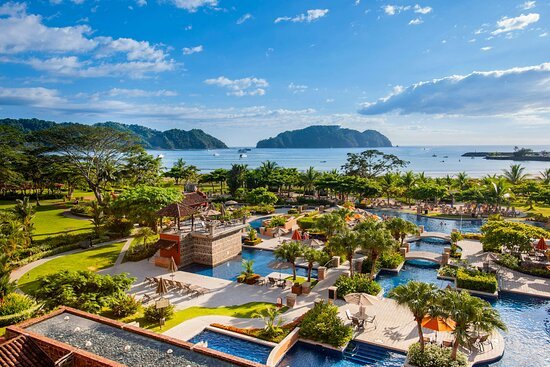
- Papagayo Peninsula (Guanacaste) – high-end beachfront resorts
- Santa Teresa – yoga retreats and wellness sanctuaries
- Arenal – luxury lodges with volcano views and thermal spas
Expert Tip: Many luxury resorts in Costa Rica are eco-certified and offer private naturalist tours, farm-to-table dining, and wellness packages.
5. Budget & Backpacker Travelers
For those traveling light or long-term, Costa Rica has vibrant backpacker hubs:
- Tamarindo – surf hostels and a social atmosphere
- Puerto Viejo – affordable cabinas and a laid-back backpacker scene
- San José – solid base for day trips and transit
Reality Check: Costa Rica is more expensive than many expect. Budget travelers should look for lodging with kitchens, public transit access, and free breakfasts.
Key Factors to Consider When Choosing Where to Stay
Beyond travel style, logistics matter. Here’s what often gets overlooked:
1. Seasonality
- Dry Season (Dec–April): Best time to visit most regions, but also the busiest and priciest
- Green Season (May–Nov): Fewer crowds, lush landscapes, occasional downpours
- Caribbean Coast Exception: September and October are peak dry months there
Pro Strategy: Book popular spots like Manuel Antonio or Arenal 2–3 months in advance during peak season.
2. Transportation & Access
Costa Rica’s mountainous terrain means distances can be deceiving. A 100-mile journey might take 4+ hours. Consider:
- Renting a car for flexibility in remote areas (Santa Teresa, Osa)
- Choosing towns with shuttle/tour access if you don’t want to drive (La Fortuna, Tamarindo)
- Proximity to domestic airports for short stays
3. Infrastructure & Services
Depending on where you go, you’ll find different levels of development:
- Good infrastructure: Tamarindo, San José, La Fortuna
- Rustic or remote: Osa Peninsula, Nicoya beaches, Caribbean coast
Wi-Fi Note: Most places offer internet, but speeds can vary dramatically. If you’re a digital nomad, check speed reviews before booking.
4. Language & Cultural Comfort
Spanish is the national language, but English is widely spoken in touristy regions.
For more immersive cultural experiences, try less-developed areas where you’ll interact with local Ticos more directly.
Summary
Choosing where to stay in Costa Rica isn’t just about location — it’s about how you want to feel during your trip.
From adrenaline highs in the cloud forest to lazy days on the beach, from luxury spas to rainforest hammocks — Costa Rica offers it all.
In the next section, we’ll go region by region to explore where to stay, what makes each area special, and what kind of traveler it’s best suited for.
Regional Breakdown: Where to Stay in Costa Rica by Destination
Costa Rica’s compact size is deceptive — within just a few hours’ drive, the scenery can shift from misty cloud forests to sun-scorched beaches, sleepy surf towns to vibrant cultural hubs.
Each region offers a distinct experience, and knowing what to expect helps ensure you stay in the right place for your goals, comfort level, and time frame.
In this section, we’ll explore eight of Costa Rica’s most popular and worthwhile regions to stay, complete with local insights, accommodation styles, and recommended areas to base your trip.
1. La Fortuna & Arenal Volcano (Northern Lowlands)
Overview
La Fortuna is Costa Rica’s adventure capital — and for good reason. It’s home to the perfectly conical Arenal Volcano, surrounded by lush rainforest, natural hot springs, and eco-adventure parks.
It’s one of the easiest areas to access without a car, making it a go-to base for first-timers.
Who It’s Best For
- First-time travelers
- Adventure seekers
- Families with kids
- Travelers without a rental car
Top Experiences Nearby
- Soak in volcanic hot springs (Tabacón, EcoTermales)
- Zipline and hike through Arenal National Park
- Visit La Fortuna Waterfall and local wildlife sanctuaries
- Whitewater rafting on the Balsa or Sarapiquí rivers
Where to Stay
- Luxury: Tabacón Thermal Resort & Spa – Natural hot springs and volcano views
- Mid-range: Arenal Springs Resort – Family-friendly and scenic
- Budget: Arenal Backpackers Resort – Pool, hammocks, and tour desk on-site
Expert Tip: Choose a lodge with onsite hot springs — they offer a much more private and relaxed experience than public pools.
2. Monteverde Cloud Forest (Central Highlands)
Overview
Monteverde feels like stepping into a dream — a high-elevation rainforest where clouds drift through ancient trees, and rare birds flit among hanging moss.
This region is a biodiversity hotspot and an ideal base for nature-lovers and eco-tourists.
Who It’s Best For
- Nature photographers and birdwatchers
- Travelers seeking quiet and cooler climates
- Sustainability-minded tourists
Top Experiences Nearby
- Walk the hanging bridges in Selvatura Park
- Spot the resplendent quetzal in Curi-Cancha Reserve
- Night jungle tours with local guides
- Visit hummingbird gardens and coffee farms
Where to Stay
- Luxury: Senda Monteverde – Upscale eco-lodge with forest views
- Mid-range: Monteverde Lodge & Gardens – Elegant, close to town
- Budget: Camino Verde B&B – Affordable, great hospitality
Insider Note: Pack layers and waterproof gear. Monteverde’s microclimate is cool, wet, and wonderfully unpredictable.
Manuel Antonio & Quepos (Central Pacific Coast)
Overview
This region offers the rare combo of tropical beaches and rainforest teeming with wildlife — all within walking distance.
Manuel Antonio National Park is Costa Rica’s most visited, and the nearby town of Quepos is lively but accessible.
Who It’s Best For
- Couples and honeymooners
- Families with kids
- Wildlife lovers who want easy access
Top Experiences Nearby
- Hike and swim in Manuel Antonio National Park
- Watch sloths and monkeys in the wild
- Enjoy sunset cocktails on a cliffside terrace
- Take a catamaran cruise or snorkeling trip
Where to Stay
- Luxury: Gaia Hotel & Reserve – Adults-only, eco-luxury with sweeping ocean views
- Mid-range: Hotel Costa Verde – Iconic rooms with jungle and beach views (even an airplane suite!)
- Budget: Millenium Manuel Antonio – Clean, walkable to the park, and friendly staff
Traveler Warning: Keep your snacks hidden — the local monkeys have sticky fingers and zero shame.
Tamarindo & Guanacaste (Northwest Pacific Coast)
Overview
Tamarindo is Costa Rica’s most accessible surf town. It’s developed, fun, and easy to navigate, making it a prime base for first-time beachgoers.
Guanacaste also includes quieter beach areas like Playa Flamingo and Playa Conchal for those seeking luxury or romance.
Who It’s Best For
- Surfers and beach lovers
- Digital nomads
- Groups and solo travelers looking for nightlife
Top Experiences Nearby
- Learn to surf on Playa Tamarindo’s mellow waves
- Day trip to nearby beaches like Playa Avellanas or Playa Langosta
- Explore Las Baulas Marine Park (turtle nesting site)
- Horseback riding or ATV tours inland
Where to Stay
- Luxury: Jardin del Eden Boutique Hotel – Adults-only, modern, central
- Mid-range: The Coast Beachfront Hotel – Spacious suites near the sand
- Budget: Selina Tamarindo – Hostel/hotel hybrid with co-working space
Local Insight: Tamarindo is ideal for beginners, but advanced surfers should head to nearby Playa Grande or Witch’s Rock.
Santa Teresa, Nosara & the Nicoya Peninsula (Remote Pacific Coast)
Overview
The Nicoya Peninsula is the beating heart of Costa Rica’s bohemian spirit.
Along this rugged coastline lie two of the country’s trendiest wellness and surf towns: Santa Teresa and Nosara.
These once-hidden gems have transformed into hotspots for digital nomads, yoga enthusiasts, and off-grid adventurers seeking barefoot luxury and Pacific waves.
Santa Teresa is lively and raw, with jungle trails leading to pristine beaches and a bustling surf scene.
Nosara (particularly Playa Guiones) is more peaceful — a yoga haven wrapped in lush jungle, where ATVs replace cars and sunsets are a ritual.
Who It’s Best For
- Surfers (especially intermediates to advanced)
- Digital nomads and remote workers
- Wellness travelers and yogis
- Couples seeking peaceful seclusion
Top Experiences Nearby
- Sunrise or sunset yoga on the beach
- Surfing legendary breaks at Playa Carmen (Santa Teresa) or Playa Guiones (Nosara)
- ATV jungle adventures to hidden beaches like Playa Ario
- Sip organic smoothies and browse artisan markets
Where to Stay
- Luxury: Nantipa – A Tico Beach Experience (Santa Teresa) – Oceanfront, luxurious and tranquil
- Mid-range: Bodhi Tree Yoga Resort (Nosara) – All-inclusive yoga and wellness retreat
- Budget: Selina Santa Teresa – Great for solo travelers, work & surf balance
Insider Tip: Roads here are rough and often unpaved. A 4×4 rental is essential if you want to explore fully — and be prepared for dust in dry season or mud in rainy months.
Puerto Viejo & the Caribbean Coast (Limón Province)
Overview
The Caribbean side of Costa Rica offers a completely different flavor — think reggae rhythms, Afro-Caribbean cuisine, and golden-sand beaches backed by rainforest.
Puerto Viejo de Talamanca is the heart of it all: colorful, eclectic, and a bit wild. It’s the go-to base for travelers looking for something authentic, slower-paced, and culturally rich.
Who It’s Best For
- Cultural travelers & foodies
- Backpackers and budget travelers
- Wildlife lovers and beachcombers
Top Experiences Nearby
- Explore Cahuita National Park – white-sand beaches and coral reef snorkeling
- Bike from beach to beach on a jungle-lined coastal trail
- Spot sloths, frogs, and toucans at the Jaguar Rescue Center
- Feast on coconut rice, jerk chicken, and Caribbean flavors
Where to Stay
- Luxury: Hotel Aguas Claras – Boutique, artsy and sustainable
- Mid-range: Le Cameleon Boutique Hotel – Stylish with modern comforts
- Budget: Pagalu Hostel – Well-kept, central, and highly rated among backpackers
Local Flavor: September and October are the Caribbean’s driest months — the opposite of the rest of Costa Rica — making this region ideal for late-year travelers.
Osa Peninsula & Corcovado National Park (Southern Pacific)
Overview
Often called the most biodiverse place on Earth, the Osa Peninsula is a raw, untamed paradise.
Home to Corcovado National Park, this region is a dream for conservationists, wildlife lovers, and eco-travelers willing to trade modern luxuries for immersive jungle experiences.
It’s also one of the few places on the planet where you can see all four Costa Rican monkey species in the wild, alongside tapirs, pumas, scarlet macaws, and even jaguars (if you’re lucky).
Who It’s Best For
- Hardcore nature and wildlife lovers
- Eco-tourists and photographers
- Adventurous couples and solo travelers
Top Experiences Nearby
- Hike deep into Corcovado with a licensed naturalist guide
- Spot dolphins and whales off the coast of Drake Bay
- Sleep in an open-air jungle cabin surrounded by nature sounds
- Participate in sea turtle conservation programs (seasonal)
Where to Stay
- Luxury: Lapa Rios Lodge – Iconic eco-luxury and deeply sustainable
- Mid-range: Bosque del Cabo – Clifftop cabins with wildlife just steps away
- Budget: Poor Man’s Paradise – Rustic, remote, right on the beach
Important Note: Many lodges here are boat-access only, and power may be solar. Expect limited connectivity — and maximal reconnection with nature.
San José & the Central Valley
Overview
Often overlooked by travelers eager to head for the coast or jungle, San José and the Central Valley offer convenience, culture, and a surprising amount of charm.
Whether you’re arriving late, flying out early, or curious about Costa Rican urban life, this region is more than a transit point — it’s a launching pad to volcanoes, coffee farms, and museums.
Who It’s Best For
- First-night or last-night travelers
- Culture and history enthusiasts
- Business travelers
Top Experiences Nearby
- Explore the National Museum and Pre-Columbian Gold Museum
- Tour a traditional coffee plantation near Alajuela
- Visit the active Poás or Irazú volcanoes on a day trip
- Enjoy fine dining and artisan markets in Barrio Escalante
Where to Stay
- Luxury: Gran Hotel Costa Rica – A Hilton Curio property with old-world elegance
- Mid-range: Hotel Presidente – Central, artsy, and walkable
- Budget: Fauna Luxury Hostel – Affordable and stylish in Escazú
Travel Tip: If you only have 1–2 nights in the city, pick a hotel in Escazú (upscale, safe, and close to the airport) or Barrio Amón (cultural hub in central San José).
Where to Stay in Costa Rica by Budget
Costa Rica offers a wide range of accommodations, from ultra-budget hostels to world-class eco-luxury resorts.
But unlike many other Central American countries, Costa Rica is not as cheap as most travelers expect — especially in tourist-heavy regions.
That’s why understanding what you can realistically get at each price point is essential.
Below is a clear breakdown of where to stay in Costa Rica by budget, including practical expectations, regional trends, and real accommodation examples for 2025.
Budget-Friendly Stays: Under $75/night
What to Expect
Budget lodging in Costa Rica doesn’t mean low quality — many hostels and cabinas (basic cabins) are clean, safe, and full of character.
However, they may offer limited amenities (e.g. cold showers, no AC), shared bathrooms, and variable Wi-Fi speeds. These stays often appeal to backpackers, solo travelers, and digital nomads on longer trips.
Typical Features
- Dorm rooms or fan-only private rooms
- Communal kitchens or breakfast included
- Social atmosphere (especially in surf/beach towns)
- Proximity to town centers or bus terminals
Best Regions for Budget Travelers
- Puerto Viejo – great hostel scene, affordable food
- Tamarindo – surf hostels with work-travel setups
- San José – low-cost lodging for short stays or connections
- La Fortuna – budget-friendly options with tour access
Examples of Good Budget Stays
- Pagalu Hostel, Puerto Viejo – centrally located, well-reviewed, clean
- Arenal Backpackers Resort, La Fortuna – pool, tours, great atmosphere
- Fauna Luxury Hostel, San José – stylish and surprisingly upscale for the price
Pro Tip: Traveling with a friend? Booking a private double room in a hostel often costs the same as two dorm beds — with more privacy.
Mid-Range Stays: $75–$200/night
What to Expect
This is Costa Rica’s sweet spot for value. Mid-range travelers can expect air conditioning, private bathrooms, on-site restaurants or pools, and sometimes even spa services or guided tour options.
This price tier is ideal for couples, families, and shorter-stay travelers seeking comfort and quality without splurging.
Typical Features
- Boutique hotels, eco-lodges, guesthouses
- Air-conditioned private rooms with en-suite bathrooms
- Small pools, on-site breakfast, or nature access
- Better locations and local tour partnerships
Best Regions for Mid-Range Value
- Monteverde – well-priced eco-lodges with character
- La Fortuna – thermal resorts at affordable prices
- Nosara / Santa Teresa – small beachfront bungalows
- Manuel Antonio – mid-range boutique hotels with ocean views
Examples of Quality Mid-Range Stays
- Monteverde Lodge & Gardens – beautiful forest setting, great service
- The Coast Beachfront Hotel, Tamarindo – steps from the sand
- Arenal Springs Resort, La Fortuna – thermal pools and volcano views at a fair price
Travel Insight: Many of Costa Rica’s family-run hotels fall into this range and often provide more personalized, authentic experiences than larger chains.
Luxury Stays: $200–$600+/night
What to Expect
Costa Rica’s luxury stays are world-class, often combining environmental sustainability with high-end design, cuisine, and service.
From private plunge pools and chef-prepared meals to open-air suites in the rainforest, these accommodations are for travelers who want a seamless, indulgent, and unforgettable experience.
Typical Features
- Designer rooms, villas, or bungalows
- On-site fine dining and wellness services
- Private nature guides, exclusive experiences
- 4×4 access or private airport transfers
Best Regions for Luxury Travelers
- Papagayo Peninsula – Costa Rica’s luxury resort hub
- Santa Teresa – boutique beachfront hideaways
- Arenal / La Fortuna – hot spring resorts with volcano views
- Osa Peninsula – ultra-remote eco-luxury lodges
Examples of Standout Luxury Stays
- Lapa Rios Lodge, Osa Peninsula – renowned sustainable lodge
- Nantipa, Santa Teresa – luxury meets local culture by the beach
- Tabacón Thermal Resort, Arenal – natural hot springs, exceptional design
- Andaz Costa Rica Resort, Papagayo – international luxury meets pura vida
Sustainability Note: Many of Costa Rica’s luxury properties are eco-certified and partner with local conservation programs — luxury here doesn’t have to mean excess.
Additional Tips for Budget Planning
- Book early in high season (Dec–April) — the best-value hotels sell out fast.
- Green season (May–Nov) = lower prices, more availability, and lush landscapes.
- Look for “breakfast included” listings — it saves time and money daily.
- Avoid booking solely on price — read reviews carefully for noise, bugs, and mold issues, especially in tropical zones.
Summary
Costa Rica isn’t the cheapest destination in Latin America — but it’s worth every colón when you stay in places that match your needs and values.
Whether you’re a backpacker sleeping steps from the surf or a honeymooner soaking in your private thermal pool, there’s something here for everyone — if you know where (and when) to look.
Where to Stay in Costa Rica Based on Traveler Type
Choosing where to stay in Costa Rica becomes far easier when you tailor it to your personal travel style and needs.
A romantic retreat looks very different from a kid-friendly beach hotel, and a solo backpacker won’t want the same experience as a wellness-focused yogi or remote worker.
This section breaks down the best regions and lodging styles for different types of travelers, so you can build an experience that’s not just good — but perfect for you.
For Couples & Honeymooners
Costa Rica is wildly romantic — think candlelit dinners in the jungle, soaking in natural hot springs under the stars, and waking up to ocean waves or rainforest sounds.
Whether you’re on a honeymoon or simply escaping together, the country offers intimate, luxurious, and secluded options.
Best Places to Stay
- La Fortuna / Arenal – Private hot spring villas with volcano views
- Santa Teresa – Boutique beachfront bungalows and boho luxury
- Manuel Antonio – Cliffside hotels overlooking the Pacific
Top Stay Experiences
- Couple’s massage with rainforest views
- Romantic waterfall hikes and beach picnics
- Private plunge pools, candlelit jungle dining, or in-room breakfasts
Recommended Lodging
- Nayara Springs, Arenal – Adults-only, luxury jungle villas with private hot springs
- Nantipa, Santa Teresa – Sophisticated beachfront hideaway with modern flair
- Makanda by the Sea, Manuel Antonio – Romantic and stylish, adults-only
Tip: Look for adults-only resorts or villas with full privacy if you’re celebrating a honeymoon or anniversary.
For Families with Kids
Costa Rica is one of the safest and most family-friendly countries in Latin America.
Many hotels cater specifically to families, offering pools, kid-friendly menus, on-site wildlife, and easy access to adventure activities like ziplining, hiking, and boat tours.
Best Places to Stay
- La Fortuna – Adventure parks, waterfalls, and wildlife in one
- Manuel Antonio – Beaches + animals = instant kid favorite
- Guanacaste beaches – Easy access, calm waves, and full-service resorts
Top Family Experiences
- Visiting sloth and butterfly sanctuaries
- Guided night walks in the jungle
- River safaris or chocolate farm tours
Recommended Lodging
- Arenal Springs Resort, La Fortuna – Spacious rooms and hot springs
- Hotel Costa Verde, Manuel Antonio – Family suites and wildlife all around
- Westin Reserva Conchal, Guanacaste – All-inclusive comfort for all ages
Tip: Avoid extremely remote eco-lodges or places without AC or screens — they can be uncomfortable for small children or infants.
For Solo Travelers & Backpackers
Costa Rica is a safe, welcoming destination for solo travelers, with a strong backpacker community, well-trodden routes, and hostels that foster social connection.
Whether you’re into surfing, yoga, or just meeting like-minded adventurers, you’ll find your tribe.
Best Places to Stay
- Tamarindo – Surf, nightlife, hostels, and a digital nomad scene
- Puerto Viejo – Chill Caribbean vibes, easy to meet people
- Santa Teresa – Yoga, coworking, and hostel community
Top Solo Travel Perks
- Group tours for waterfall hikes or ziplining
- Easy-to-navigate beach towns
- Hostels with shared kitchens, movie nights, and free yoga
Recommended Lodging
- Selina Tamarindo – Cowork, surf, sleep – all in one
- Pagalu Hostel, Puerto Viejo – Clean, central, and sociable
- Don Jon’s Lodge, Santa Teresa – Surf-shack vibes and community kitchen
Pro Tip: Solo female travelers will find Costa Rica friendly and safe, especially in smaller towns. Just follow standard solo travel precautions at night and on hikes.
For Digital Nomads & Remote Workers
With Costa Rica growing in popularity among digital nomads, certain towns now cater specifically to travelers who work remotely.
The key is finding spots with strong Wi-Fi, a balanced pace, and social infrastructure like coworking cafes and yoga studios.
Best Places to Stay
- Santa Teresa – Fast internet, strong wellness scene, global community
- Nosara – Quiet, nature-rich, high-quality coworking
- Tamarindo – Beachfront coworking, surf breaks, and expat hubs
Top Remote Work Features
- Fast, stable Wi-Fi (check Speedtest reviews!)
- Quiet workspaces or in-room desks
- Healthy food options and community events
Recommended Lodging
- Selina Nosara – Coworking-focused, in a beautiful jungle setting
- Zunya, Santa Teresa – Creative collective, ideal for slow travel
- Tamarindo Backpackers, Tamarindo – Affordable with fast internet
Insider Insight: If working full-time hours, avoid areas with spotty power like Osa or Tortuguero. Stick to beach towns with proven infrastructure.
For Eco-Conscious Travelers
Costa Rica is a global pioneer in sustainable tourism, with dozens of certified eco-lodges, regenerative tourism programs, and biodiversity conservation efforts.
If you want to reduce your footprint and support local communities, this country is a shining example of how to do travel right.
Best Places to Stay
- Osa Peninsula – Deep jungle, fully off-grid eco-lodges
- Monteverde – Home to many conservation efforts and reforestation projects
- Arenal / Sarapiquí – Eco-hotels near active volcanoes and rivers
Eco-Friendly Features to Look For
- CST certification (Costa Rica’s official sustainable tourism seal)
- Renewable energy use, composting, plastic-free policies
- On-site naturalist guides or reforestation initiatives
Recommended Lodging
- Lapa Rios Lodge, Osa – World-renowned, solar-powered luxury
- Rancho Margot, Arenal – Fully self-sustained permaculture lodge
- Monteverde Inn, Monteverde – Budget-friendly and ecologically run
Travel Tip: Booking eco-lodges supports not just the environment, but also local communities, indigenous landowners, and wildlife preservation efforts.
Summary
From honeymooners to digital nomads, wildlife lovers to surf junkies, Costa Rica offers the perfect lodging match for every kind of traveler.
The key is understanding your own goals and knowing which regions — and accommodations — will help you achieve them.
Travel Planning Tips & Insider Advice for Booking Stays in Costa Rica
Now that you know where to stay based on your region, budget, and travel style, it’s time to talk logistics.
Booking accommodation in Costa Rica can be easy — but only if you know what to expect.
From sneaky service charges to choosing the right platforms and avoiding over-touristed areas, these travel planning tips are designed to help you book smarter, safer, and better.
Here’s what seasoned travelers, local experts, and industry insiders recommend before you finalize your Costa Rica accommodation.
1. Know When to Book (and When to Wait)
Costa Rica’s tourism seasons heavily influence pricing and availability.
High Season (Dry Season: December to April)
- Best weather, especially on the Pacific side
- Most expensive time to travel
- Popular areas (e.g., Manuel Antonio, Arenal, Tamarindo) sell out early
- Book 2–4 months in advance
Green Season (May to November)
- Lower rates and more availability
- Lush landscapes and fewer crowds
- Intermittent rain — but often just afternoon showers
- Last-minute deals possible (especially in shoulder months like May & November)
Caribbean Coast Exception
- September and October are dry season months here
- The perfect time to explore Puerto Viejo, Cahuita, or Tortuguero
Pro Tip: Some luxury eco-lodges in remote areas close during peak rainy months (October). Always check availability in advance.
2. Use the Right Booking Platforms
Different platforms serve different purposes. Here’s how to navigate them:
Best for Hotel and Lodge Booking
- Booking.com – Widest selection, filters by amenities and traveler type
- Expedia – Good for bundled flight + hotel deals
- Agoda – Sometimes offers better rates for Asian and European travelers
Best for Unique Stays
- Airbnb – Ideal for long stays, families, or groups; many beach towns have excellent listings
- VRBO – Similar to Airbnb, with more upscale villa options
Best for Eco or Remote Stays
- EcoTripMatch, CST Directory (Costa Rica Sustainable Tourism), and Blue Osa Direct Booking – For sustainable, off-the-beaten-path stays
Local Insight: Some smaller eco-lodges and guesthouses don’t list on major platforms. A quick Google search or reaching out via social media can uncover better rates and availability.
3. Read Reviews With the Right Lens
Costa Rica’s diversity means expectations vary wildly. A place called “rustic” in San José may mean old and noisy — but in the jungle, it might mean no AC but monkeys outside your window.
Key Review Points to Check:
- Wi-Fi quality (especially for remote workers)
- Cleanliness and bugs (a common concern in tropical zones)
- Staff hospitality and tour availability
- Water pressure and hot water (still inconsistent in rural areas)
- Safety and proximity to main roads
Pro Tip: Sort by “most recent” reviews and filter by travel type (solo, family, couple) to find feedback relevant to you.
4. Understand Pricing, Taxes & Fees
Costa Rica’s pricing structure can surprise travelers. Here’s what to keep in mind:
- 13% VAT tax is not always included in the listed price
- 10% service charge (for hotels/restaurants) may also be added
- Some remote lodges include mandatory meal plans
- Credit cards are widely accepted, but bring some cash for deposits at local or budget stays
Budget Tip: Avoid ATMs that charge flat fees ($5–7 per transaction). Use a card with no foreign transaction fees for bookings.
5. What to Ask Before Booking (Especially in Remote Areas)
Here are essential questions many travelers forget to ask — and later regret:
- Is the property accessible by 4×4?
- Do you offer airport or boat transfers?
- Is Wi-Fi available in all rooms or just in common areas?
- Are meals included? Is there a restaurant onsite or nearby?
- Can you help arrange local tours or transport?
- Is there secure parking if I’m renting a car?
Note: Remote eco-lodges may run on solar power — meaning limited electricity hours or no air conditioning.
6. Watch Out for Tourist Traps
Certain towns are over-developed and overpriced for what they offer. This doesn’t mean you should avoid them — just know what you’re getting.
Example Tourist Trap Zones:
- Jaco – Easily accessible but overbuilt; party-centric
- Overpriced Airbnb villas in overhyped areas without proper reviews
- “Eco” resorts that greenwash (claim sustainability without proof)
Look for:
- CST-certified properties (Certified Sustainable Tourism program)
- Family-run businesses or hotels with verified local engagement
- Properties with detailed sourcing about their environmental and community contributions
7. Plan for Multiple Regions (If You Can)
Staying in just one part of Costa Rica limits your experience. The country’s magic lies in its contrasts — and the best trips include a blend of environments.
Sample 10-Day Itinerary Stay Split:
- Days 1–3: Arenal (adventure + hot springs)
- Days 4–6: Monteverde (nature + hiking)
- Days 7–10: Santa Teresa or Manuel Antonio (beach + surf or romance)
Local Logic: Travel time is slow, so plan 3-night minimums in each region to avoid exhausting transitions.
Summary
Booking the right place to stay in Costa Rica isn’t just about star ratings — it’s about aligning your experience with local geography, climate, travel goals, and infrastructure.
With these planning tips, you’ll avoid common mistakes, spot good value, and ensure your stay enhances — not hinders — your pura vida adventure.
Hidden Gems: Unique & Offbeat Places to Stay in Costa Rica
While Costa Rica is famous for its well-known hotspots like La Fortuna and Manuel Antonio, some of the most unforgettable stays are found off the beaten path — nestled in remote jungles, perched in the trees, or tucked away on little-known beaches.
If you’re the kind of traveler who craves authenticity, novelty, and stories to tell, this list of hidden gems and unique lodging experiences is where your Costa Rica adventure truly levels up.
1. Treehouse Hotels in the Jungle
What It Is:
Built into or among towering rainforest trees, these open-air structures immerse you in nature like nowhere else.
Expect howler monkeys as alarm clocks and views of mist-covered canopies from your bed.
Where to Find Them:
- Osa Peninsula (for pure jungle immersion)
- Caribbean Coast (for beach + jungle combo)
- Sarapiquí region (less touristy, rich in wildlife)
Example:
- Finca Bellavista, Southern Zone – Costa Rica’s original treehouse community with zipline-accessed homes, waterfalls, and zero cell service
- Tree House Lodge, Puerto Viejo – A beachfront treehouse made with sustainable materials and natural design
Insider Tip: These stays often require a 4×4 vehicle and a spirit of adventure — but the tradeoff is total immersion.
2. Jungle Glamping Experiences
What It Is:
“Glamping” — glamorous camping — brings you closer to nature without sacrificing comfort.
Think king-sized beds, solar-powered lights, gourmet meals, and open-air bathrooms in the rainforest.
Where to Find Them:
- Monteverde (cloud forest vibes)
- Tortuguero (jungle + river + turtle beaches)
- Nicoya Peninsula (surf and forest blend)
Example:
- Chira Glamping, Monteverde – Luxury tents with panoramic forest views and private hot tubs
- Mawamba Lodge, Tortuguero – Riverside glamping with included wildlife tours
Good to Know: Some glamping spots are off-grid, meaning limited power after dark or no Wi-Fi. Embrace the disconnection.
3. Remote Beach Eco-Lodges
What It Is:
These are low-footprint, locally integrated stays that give you the entire beach — or bay — to yourself.
Often solar-powered and built from local materials, they support conservation and community development.
Where to Find Them:
- Golfo Dulce, near Osa
- Playa Coyote or Playa San Miguel (Nicoya’s “secret” coastlines)
- Playa Chiquita, south of Puerto Viejo
Example:
- Saladero Eco Lodge, Golfo Dulce – Only accessible by boat, surrounded by tropical forest and marine wildlife
- Hotel Cuna del Angel, Dominical – Boutique luxury meets eco-responsibility
Nature Bonus: These areas are often close to turtle nesting beaches, mangrove estuaries, or coral reefs — ideal for conscious travelers.
4. Boutique B&Bs with Local Stories
What It Is:
Some of the most soulful stays in Costa Rica are small, family-run bed & breakfasts where hospitality is personal, breakfasts are home-cooked, and the hosts have lived in the area for generations.
Where to Find Them:
- Sarapiquí – A birder’s paradise
- Turrialba – Rural, volcano-view towns rarely visited by tourists
- San Gerardo de Dota – Cloud forest with quetzal sightings and trout fishing
Example:
- Sueño Azul Resort, Sarapiquí – Combines birdwatching with spa services and horseback riding
- Dantica Lodge, San Gerardo de Dota – Artist-run, with a gallery and gourmet restaurant in the clouds
Travel Insight: Many of these owners act as local guides, helping guests plan tours, birdwatching excursions, or cultural visits with authenticity and care.
5. Indigenous-Operated Lodging
What It Is:
Staying in indigenous-owned or co-managed accommodations provides deep cultural insight and supports community-led tourism.
These are powerful experiences for travelers looking to learn respectfully and leave a positive footprint.
Where to Find Them:
- Talamanca Region, near Bribrí and Yorkín communities
- Terraba Indigenous Territory, Southern Zone
Example:
- Yorkín Eco-Tourism Project – Community-run lodge accessible only by canoe, offering cacao farm tours, traditional meals, and river hikes
- El Descanso Lodge, Bribrí – Women-led, with an emphasis on herbal medicine and storytelling
Cultural Note: Always book through certified programs or NGOs to ensure your stay directly benefits the community — and follow cultural protocols with respect.
Summary
If you’re willing to look beyond the brochures, Costa Rica offers some of the most unique, eco-conscious, and soulful places to stay in the world.
Whether you want to sleep in a tree, bathe beneath the stars, or wake up to the wisdom of the forest, these hidden gems will redefine what travel can feel like.
Final Thoughts: Where Should You Stay in Costa Rica?
By now, you’ve probably realized there’s no single answer to the question, “Where should I stay in Costa Rica?” — because the truth is, it depends entirely on the kind of experience you’re looking for.
And in a country this biodiverse, varied, and dynamic, that’s the beauty of it.
The Right Place = The Right Experience
- Want adventure and comfort? Stay in La Fortuna — where volcanoes, waterfalls, and hot springs are just steps away.
- Looking for barefoot luxury and beach sunsets? Try Santa Teresa or Nosara.
- Want to get off the grid and into the wild? Head to the Osa Peninsula.
- Love wildlife but want something easy? Base yourself near Manuel Antonio.
- Need to unplug but stay connected for work? Tamarindo or Puerto Viejo offer the perfect balance.
Costa Rica isn’t a country where you should stay in just one place. In fact, the most satisfying trips involve a mix of environments and regions, each offering something entirely different.
Sample Itineraries Based on Travel Style
Here are a few sample stay combinations that can help you get the most out of your Costa Rica trip in 7–12 days:
Option 1: Classic Costa Rica (Nature, Volcanoes, Beaches)
- Days 1–3: La Fortuna (hot springs, volcano, jungle tours)
- Days 4–6: Monteverde (cloud forest, ziplining, night walks)
- Days 7–9: Manuel Antonio (wildlife, beach time, romantic sunsets)
Option 2: Off-the-Beaten-Path Explorer
- Days 1–4: Puerto Viejo (Caribbean coast, culture, rainforest)
- Days 5–7: Yorkín Indigenous Stay (canoe travel, cacao farms)
- Days 8–10: Cahuita or Playa Chiquita (chill beach time, snorkeling)
Option 3: Wellness & Slow Travel
- Days 1–4: Santa Teresa (yoga, surfing, sunsets)
- Days 5–7: Nosara (wellness retreat, boutique glamping)
- Days 8–10: Arenal (thermal spas, waterfall hikes, massage)
Option 4: Wild Costa Rica
- Days 1–3: Drake Bay (remote jungle eco-lodge)
- Days 4–6: Corcovado National Park (wildlife hikes, boat tours)
- Days 7–9: Uvita or Dominical (whale watching, waterfalls)
Option 5: Digital Nomad Base + Side Trips
- Base: Tamarindo (7–30 days) – Reliable Wi-Fi, surf, coworking
- Weekend 1: Monteverde – Fresh air, hiking, forest immersion
- Weekend 2: Arenal – Adventure, hot springs, ziplining
Final Advice for Travelers
- Mix & match regions to experience Costa Rica’s full diversity
- Consider seasonality when picking your coast — Pacific vs. Caribbean
- Choose places that match your comfort level, travel goals, and vibe
- And whenever possible, support local businesses, eco-certified hotels, and community tourism initiatives — because Costa Rica thrives when its people and environment do
Last Word
Costa Rica isn’t just a destination — it’s a feeling. And where you stay shapes that feeling more than any itinerary can.
A good hotel gives you rest. The right one transforms your trip.
So, stay somewhere that makes you feel the essence of pura vida — whether it’s a hammock in the jungle, a treetop room with the monkeys, or a beachfront villa where the sunsets remind you to breathe a little slower.
You’ve now got everything you need to confidently choose where to stay in Costa Rica — whether it’s your first time or your fifth.
Happy travels, and may your journey be filled with beauty, kindness, and wild discovery.