Where to Stay in New York: Complete 2025 Guide
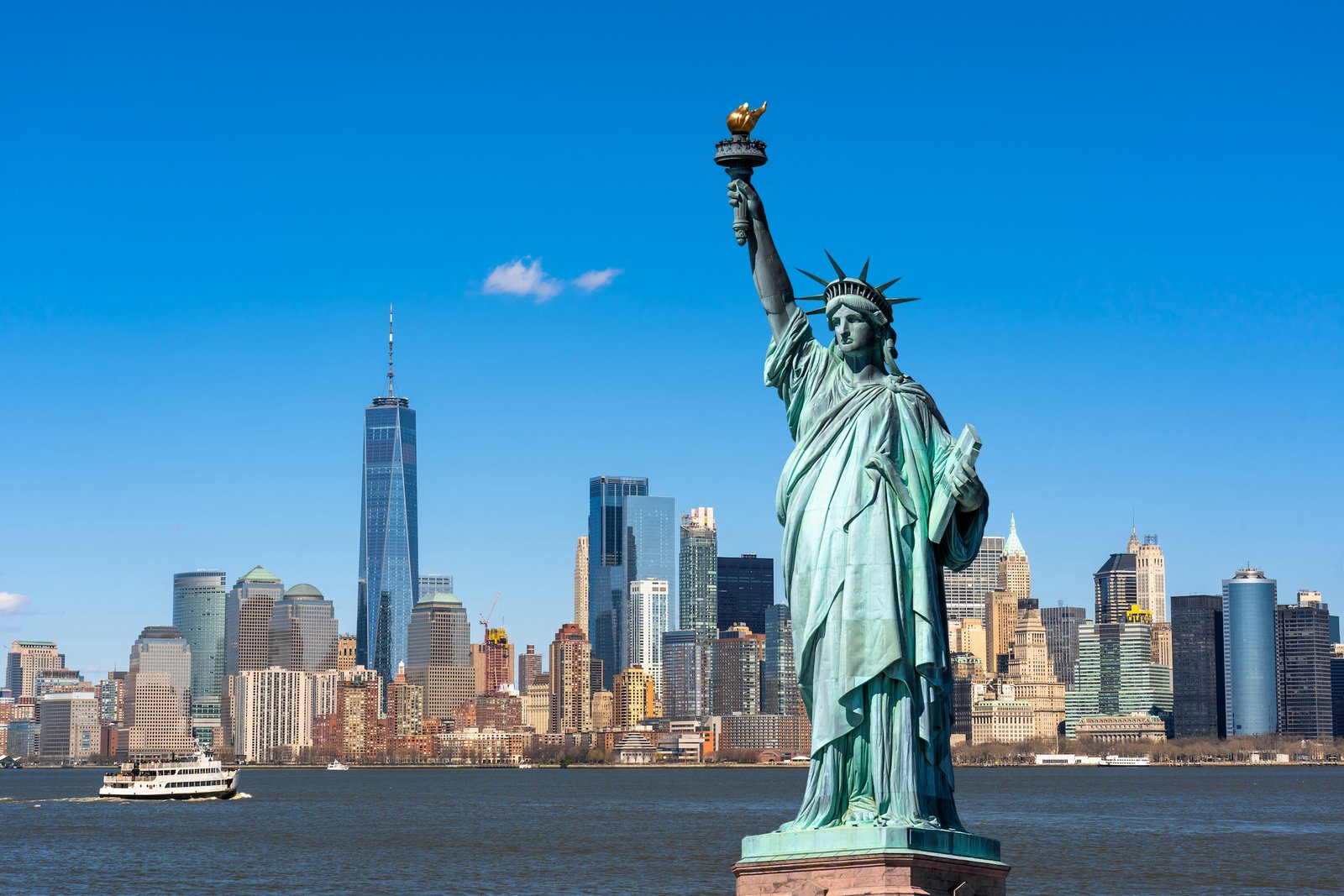
New York City is one of the most exciting—and overwhelming—places to visit in the world.
With five boroughs, hundreds of unique neighborhoods, and more than 700 hotels, choosing where to stay can feel like solving a puzzle.
The “right” area for you depends less on where the landmarks are and more on how you want to experience the city.
Most first-time visitors instinctively book a hotel near Times Square, assuming it’s the best base for sightseeing.
While staying in Midtown can be convenient for Broadway shows and major attractions, it’s not always the most authentic or budget-friendly option.
In fact, locals rarely spend time there outside of work or theater nights.
That’s why understanding New York’s neighborhood personalities is essential.
Do you want to wake up steps from Central Park? Experience late-night jazz in Greenwich Village? Snap skyline photos from Brooklyn’s waterfront? Or maybe you’d prefer a quieter, family-friendly area that still has easy subway access.
This guide is designed to give you a clear, neighborhood-by-neighborhood breakdown of the best places to stay in New York in 2025.
Instead of simply listing hotels, it focuses on matching the area to your travel style—whether you’re here for romance, culture, shopping, food, or just a whirlwind weekend.
By the end, you’ll not only know which area fits your needs but also understand why locals recommend certain neighborhoods over others.
This insider approach ensures that your accommodation choice enhances your trip rather than limits it.
1. Quick Neighborhood Guide at a Glance
New York is a city of neighborhoods, each with its own rhythm, price range, and personality. Here’s a quick snapshot of the best areas to stay, based on what type of trip you’re planning:
| Neighborhood | Best For | Why Stay Here |
| Midtown Manhattan (Times Square/Theater District) | First-time visitors, Broadway fans | Close to landmarks, theaters, and subways; energetic but crowded |
| Downtown Manhattan (Financial District, Battery Park) | Sightseeing, history lovers | Easy access to Statue of Liberty, 9/11 Memorial, Wall Street |
| Upper East Side & Upper West Side | Families, museum-goers | Leafy streets, Central Park, world-class museums |
| Greenwich Village & West Village | Couples, romantic getaways | Charming brownstones, boutique hotels, jazz clubs, intimate restaurants |
| Lower East Side & East Village | Nightlife, trendsetters | Bars, indie venues, rooftop lounges, vibrant late-night scene |
| SoHo & Tribeca | Luxury, shopping, foodies | Upscale hotels, designer stores, Michelin-star dining |
| Williamsburg (Brooklyn) | Hip travelers, budget-midrange stays | Creative vibe, street art, nightlife, skyline views |
| DUMBO & Brooklyn Heights (Brooklyn) | Families, photographers | Quiet streets, parks, stunning Manhattan skyline views |
| Long Island City (Queens) | Budget travelers, skyline lovers | Affordable hotels, quick subway ride to Midtown, riverfront views |
| Harlem (Manhattan) | Culture, history, jazz lovers | Rich heritage, soulful food, Apollo Theater, brownstones |
| Flushing (Queens) | Food lovers, authentic experiences | World’s best Chinese & Korean food outside Asia, affordable stays |
| Bronx (near Yankee Stadium) | Sports fans | Easy game-day access, more local feel, budget options |
Why This Table Helps Travelers
Most blogs overwhelm readers with long lists of hotels but skip the big picture—how neighborhoods actually shape your trip.
With this quick reference, you can match your budget, interests, and travel style in minutes, then dive into the detailed sections that follow for deeper insights and hotel recommendations.
2. Best Area for First-Time Visitors: Midtown Manhattan
If it’s your first trip to New York, Midtown Manhattan is the classic—and often most practical—place to stay.
This central hub stretches roughly from 34th Street (Herald Square & Penn Station) to 59th Street (Central Park South) and is home to some of the city’s most recognizable landmarks.
Why Midtown is Great for First-Timers
- Iconic Attractions on Your Doorstep: Staying here puts you within walking distance of Times Square, Rockefeller Center, the Empire State Building, Bryant Park, Grand Central Terminal, and even the southern edge of Central Park. For many visitors, being able to walk outside and see neon lights or world-famous skyscrapers instantly captures the “New York feeling.”
- Unbeatable Transit Connections: Midtown is the beating heart of NYC’s subway system. With Penn Station, Grand Central, and dozens of subway lines nearby, you can reach virtually any part of the city without hassle.
- Broadway & Theater Access: If you’re coming for shows, Midtown—especially the Theater District—makes it easy to catch late-night performances without worrying about a long trip back.
- Variety of Hotels: From luxury icons like The Plaza and St. Regis to midrange chains and budget-friendly pod hotels, Midtown has the widest accommodation options in New York.
Things to Keep in Mind
- Crowds & Noise: Times Square is one of the busiest places on Earth, buzzing with tourists at all hours. If you crave peace, you may find it overwhelming.
- Tourist Prices: Restaurants and stores around Times Square charge premium rates for average food and souvenirs. You’ll need to venture a few blocks away to eat like a local.
- Less Authentic NYC Feel: Locals generally avoid this part of town for day-to-day life. If you’re hoping to blend in with real New Yorkers, Midtown can feel a bit staged.
Who Should Stay Here
- First-time visitors who want to tick off major landmarks quickly.
- Families who prefer convenience and centrality.
- Theater lovers catching multiple Broadway shows.
- Business travelers attending conferences at the Javits Center or offices nearby.
Expert Tip
If you want the convenience of Midtown without the chaos of Times Square, consider staying closer to Bryant Park, Grand Central, or Central Park South.
These areas are quieter, safer, and still within walking distance of the action.
3. Best Area for Sightseeing Lovers: Downtown Manhattan (Financial District & Battery Park)
If your dream New York trip includes ferry rides to the Statue of Liberty, exploring the 9/11 Memorial & Museum, or walking the historic Wall Street district, Downtown Manhattan is the perfect base.
This neighborhood is steeped in history while also being a hub of modern skyscrapers and waterfront parks.
Why Downtown Works for Sightseers
- Gateway to Iconic Landmarks: Staying downtown means you’re steps away from the Statue of Liberty ferry at Battery Park, the Brooklyn Bridge, and the One World Observatory at the Freedom Tower.
- Historic & Cultural Depth: Unlike Midtown’s neon lights, the Financial District blends old and new. You’ll find Trinity Church, Federal Hall (where George Washington was inaugurated), and cobblestoned Stone Street lined with pubs.
- Waterfront Vibes: The Hudson River Greenway and Battery Park offer rare open space and skyline views. Perfect for travelers who want a mix of sightseeing and outdoor strolling.
- Quieter Evenings: Since this is mainly a business district, the area is calmer at night compared to Midtown. That makes it appealing to those who want sightseeing convenience without late-night noise.
Things to Keep in Mind
- Limited Nightlife: After office hours, many restaurants close early. If nightlife is a priority, you’ll need to head uptown or across the bridge to Brooklyn.
- Commute to Midtown: While the subway makes it easy to reach other parts of Manhattan, traveling to Midtown or Central Park takes 20–30 minutes.
- Hotel Choices: Options range from modern chains (Marriott, Hilton) to boutique stays, but there are fewer historic hotels compared to Uptown.
Who Should Stay Here
- History buffs who want to explore NYC’s colonial roots and landmark events.
- Sightseeing-focused travelers who want fast access to ferries, memorials, and museums.
- Couples and families who prefer quieter evenings after full sightseeing days.
Expert Tip
If you stay here, pick a hotel near the Fulton Street subway hub—it connects to nearly every major line, making it easy to reach uptown attractions.
For a memorable night, walk across the Brooklyn Bridge at sunset and return via subway.
4. Best Area for Culture & Museums: Upper East Side & Upper West Side
If your idea of the perfect trip involves strolling through world-class museums, leafy brownstone streets, and mornings in Central Park, then the Upper East Side (UES) and Upper West Side (UWS) are ideal bases.
These neighborhoods showcase New York’s intellectual and cultural heart while offering a calmer, more residential vibe than Midtown.
Why Stay on the Upper East Side
- Museum Mile: The UES is home to the Metropolitan Museum of Art (The Met), Guggenheim Museum, and several smaller gems like the Neue Galerie. You could spend days just along Fifth Avenue’s Museum Mile.
- Elegant Atmosphere: Known for its luxury townhouses, designer boutiques on Madison Avenue, and upscale hotels, the UES has a refined, sophisticated charm.
- Central Park Access: Many UES hotels are steps away from the park’s quieter entrances—perfect for morning jogs or picnics.
Why Stay on the Upper West Side
- Family-Friendly & Relaxed: The UWS has a cozy neighborhood feel, with playgrounds, bookshops, and a strong sense of community. It’s ideal for families who want safety and green space.
- Cultural Icons: Home to the American Museum of Natural History, the New-York Historical Society, and Lincoln Center, where the Metropolitan Opera and New York Philharmonic perform.
- Great Food Scene: From casual bagel shops to beloved institutions like Zabar’s, food here feels authentic and less touristy.
Things to Keep in Mind
- Commute Time: While well-connected by subway, it takes about 20 minutes to reach Midtown and longer for downtown attractions.
- Hotel Costs: Luxury dominates the Upper East Side, while the Upper West Side offers a mix of boutique and mid-range stays. Budget options are limited.
- Quieter Nights: Don’t expect much nightlife compared to downtown—this is more of a “home base” neighborhood.
Who Should Stay Here
- Art and culture lovers who want easy access to world-famous museums.
- Families seeking safe, calm, and convenient areas near Central Park.
- Travelers craving authenticity over tourist crowds, with more of a “local” experience.
Expert Tip
For the best of both worlds, book a stay near Central Park West (UWS) or East 70s (UES)—you’ll be close to museums, quiet residential streets, and within 20 minutes of Midtown by subway.
5. Best Area for Couples & Romantic Getaways: Greenwich Village & West Village
For couples looking for a romantic New York escape, there’s no better place to stay than Greenwich Village and the West Village.
Unlike the neon chaos of Midtown, these neighborhoods offer charming cobblestone streets, intimate restaurants, jazz clubs, and boutique hotels that feel worlds apart from the city’s hustle.
Why Couples Love the Village
- Charming Streetscapes: Brownstone-lined blocks, tree-shaded sidewalks, and hidden courtyards create a romantic, storybook atmosphere. Wandering here feels like stepping into a movie set.
- Boutique Hotels: Instead of towering high-rises, the area is dotted with cozy boutique hotels and historic inns, many with fireplaces, rooftop bars, or garden patios—perfect for romantic stays.
- Intimate Dining: The Village is filled with candlelit restaurants, authentic Italian trattorias, and wine bars. Dining here feels slower, more personal, and less tourist-driven.
- Live Music & Jazz: Legendary venues like the Blue Note Jazz Club and Village Vanguard create unforgettable date-night experiences.
Things to Keep in Mind
- Price Point: The West Village is one of the city’s most expensive neighborhoods, both for hotels and dining. Expect boutique luxury rather than budget bargains.
- Fewer Major Landmarks: While the vibe is unbeatable, big attractions are a subway ride away. This is better for atmosphere than sightseeing convenience.
- Small Streets: Narrow lanes can feel confusing to navigate—though that’s part of the charm.
Who Should Stay Here
- Couples on a romantic getaway seeking quiet charm, unique stays, and cozy dining.
- Travelers who love music, arts, and nightlife in an intimate, bohemian setting.
- Visitors who prefer boutique style over skyscraper hotels.
Expert Tip
For a classic romantic evening, stroll through Washington Square Park at sunset, then have dinner in a hidden West Village trattoria, and cap the night with live jazz.
If you want a hotel recommendation, look into historic gems like The Marlton Hotel or stylish boutique options like The Jane.
6. Best Area for Nightlife & Trendsetters: Lower East Side & East Village
If your ideal New York trip means late nights, rooftop cocktails, live music, and edgy street style, then the Lower East Side (LES) and East Village are the neighborhoods for you.
Once gritty, these areas have evolved into cultural hotspots that balance old-school New York with cutting-edge nightlife.
Why Nightlife Lovers Choose the LES & East Village
- Bars & Rooftop Lounges: The LES is famous for trendy rooftop bars like Mr. Purple and hidden speakeasies such as Attaboy, while the East Village offers dive bars and casual pubs with authentic character.
- Live Music & Indie Vibe: From iconic punk rock venues like Bowery Ballroom to underground performance spaces, this is where New York’s music scene thrives.
- Street Culture Meets Trendy: You’ll find everything from vibrant street art and vintage shops to avant-garde galleries and fashionable boutiques.
- Food Scene: Alongside late-night pizza slices, these neighborhoods are dotted with trendy eateries, ramen joints, and fusion restaurants that stay open past midnight.
Things to Keep in Mind
- Noise Factor: With bars and clubs on nearly every block, these areas are lively well into the early hours. If you’re a light sleeper, pick a hotel on a quieter side street.
- Boutique Over Luxury: Hotels here tend to be boutique, stylish, and mid-range. Don’t expect sprawling resorts—think sleek lofts and design-forward stays.
- Edgy Vibe: The LES especially retains some of its gritty character. For some travelers, that’s part of the charm; for others, it may feel overwhelming.
Who Should Stay Here
- Nightlife seekers who want to be within walking distance of bars, lounges, and clubs.
- Young travelers and creatives looking for trendy, artistic neighborhoods.
- Couples and friends who prefer buzzing streets over quiet evenings.
Expert Tip
For a balanced stay, choose a boutique hotel near Ludlow Street (LES) or St. Mark’s Place (East Village)—close to the action but tucked away enough for restful nights.
Many hotels here also feature rooftop bars, meaning the party sometimes starts at your own hotel.
7. Best Area for Families with Kids: Upper West Side + Brooklyn Heights/DUMBO
Traveling to New York with kids requires a balance of safety, convenience, and access to family-friendly attractions.
While many visitors default to Midtown, families often find the Upper West Side (UWS) and Brooklyn neighborhoods like Brooklyn Heights and DUMBO to be much more comfortable bases.
Why the Upper West Side Works for Families
- Central Park on Your Doorstep: Kids can run, play, or visit the Central Park Zoo while parents enjoy shaded strolls and picnics.
- World-Class Museums for All Ages: The American Museum of Natural History is a hit with children thanks to its dinosaur exhibits and planetarium.
- Safe, Residential Vibe: The UWS feels like a real neighborhood, with tree-lined streets, playgrounds, and a calmer atmosphere than Midtown.
- Family-Friendly Dining: From casual bagel shops to pizza joints, dining here is easy and welcoming for kids.
Why Brooklyn Heights & DUMBO Are Great for Families
- Scenic Waterfront Parks: Brooklyn Bridge Park offers playgrounds, carousels, and spectacular views of Manhattan—kids love the open space.
- Quieter Streets: Brooklyn Heights’ historic brownstone blocks feel safe and residential, making them ideal for strollers.
- Easy Manhattan Access: Multiple subway lines and the pedestrian-friendly Brooklyn Bridge make it quick to reach downtown Manhattan.
- Creative Activities: DUMBO hosts family-friendly festivals, pop-up art, and markets that entertain kids and adults alike.
Things to Keep in Mind
- Commute Times: From Brooklyn, it takes 15–20 minutes to reach Manhattan attractions by subway. The UWS is more central, but still about 20–30 minutes from downtown sights.
- Hotel Choices: UWS hotels are limited, often boutique or midrange. Brooklyn offers stylish boutique stays, though fewer big chains.
- Evenings are Quiet: Both areas wind down earlier than Midtown or the LES, which can be a plus for families but less exciting for nightlife.
Who Should Stay Here
- Families with young children who want safe, walkable areas with parks and attractions.
- Travelers looking for quieter evenings after busy sightseeing days.
- Parents who prefer neighborhoods with playgrounds, open spaces, and family dining options.
Expert Tip
For the Upper West Side, staying near 72nd Street is ideal—it’s central to both Central Park and the Natural History Museum.
In DUMBO, pick a hotel along the waterfront to enjoy skyline views and direct access to Brooklyn Bridge Park.
8. Best Area for Luxury Travelers: SoHo & Tribeca
For travelers who want New York at its most stylish, SoHo (South of Houston Street) and Tribeca (Triangle Below Canal Street) are the ultimate bases.
These neighborhoods combine fashion, fine dining, and upscale boutique hotels, offering a polished experience far removed from tourist-heavy Midtown.
Why Luxury Travelers Choose SoHo & Tribeca
- Designer Shopping: SoHo’s cobblestone streets are lined with luxury boutiques like Chanel, Prada, and Louis Vuitton, alongside chic art galleries and concept stores.
- Upscale Dining: Tribeca boasts some of NYC’s best fine-dining experiences, including multiple Michelin-starred restaurants, celebrity chef kitchens, and intimate wine bars.
- Boutique & Five-Star Hotels: Instead of towering chains, the area offers high-end stays like The Crosby Street Hotel, The Mercer, and The Greenwich Hotel, known for personalized service and unique design.
- Exclusive Vibe: Unlike Midtown’s tourist crowds, these neighborhoods attract a refined mix of locals, celebrities, and business elites.
Things to Keep in Mind
- High Prices: Luxury comes at a steep cost. Both hotels and dining here are among the priciest in New York.
- Less Central for Landmarks: While Downtown attractions are close, you’ll need a subway or car ride to reach Midtown museums or Broadway theaters.
- Quieter Nights: While bars and lounges exist, SoHo and Tribeca prioritize exclusivity and fine dining over loud nightlife.
Who Should Stay Here
- Luxury travelers who value design-forward hotels and upscale experiences.
- Couples seeking romantic boutique stays with a stylish atmosphere.
- Shopaholics who want high-end stores right outside their hotel door.
- Foodies chasing Michelin-star dining and world-class restaurants.
Expert Tip
If you want the best of SoHo’s shopping and Tribeca’s dining, stay near Canal Street where the two neighborhoods meet.
For a truly indulgent stay, The Greenwich Hotel (owned by Robert De Niro) offers a private Japanese-style spa and courtyard—a rare oasis in Manhattan.
9. Best Area for Budget Travelers: Long Island City + Williamsburg/Bushwick
New York has a reputation for being expensive, but savvy travelers know there are affordable places to stay—without sacrificing safety or convenience.
For budget-conscious visitors, Long Island City (LIC) in Queens and Williamsburg/Bushwick in Brooklyn are excellent options.
Why Long Island City is Ideal for Budget Stays
- Lower Hotel Prices: LIC offers some of the most affordable hotel rooms near Manhattan, often 30–40% cheaper than Midtown.
- Skyline Views: Many hotels, especially those near the East River, boast stunning views of the Manhattan skyline at a fraction of the cost.
- Quick Commute to Manhattan: With multiple subway lines (E, M, N, R, 7), you can reach Midtown in less than 10 minutes.
- Growing Scene: LIC is also home to MoMA PS1, breweries, and waterfront parks, making it more than just a “cheap alternative.”
Why Williamsburg & Bushwick Attract Budget Travelers
- Trendy but Affordable: Williamsburg has a hip vibe with vintage stores, cafes, and nightlife—perfect for younger travelers looking for culture on a budget.
- Street Art & Creativity: Bushwick is an open-air gallery of murals and art spaces, giving budget travelers a cool, authentic experience.
- Alternative Lodging: Hostels, shared lofts, and budget boutique hotels are more common here than in Manhattan.
- Local Food Scene: From dollar pizza to food trucks, eating here is cheaper than tourist-heavy Midtown.
Things to Keep in Mind
- Distance: While subway connections are strong, staying outside Manhattan means factoring in travel time—20–30 minutes to central attractions.
- Neighborhood Vibes: LIC feels more industrial, while Bushwick has an edgy, artsy character. Some travelers may find them less polished than Manhattan.
- Nightlife vs. Quiet: Williamsburg has a buzzing nightlife, while LIC is quieter. Choose based on your preference.
Who Should Stay Here
- Budget-conscious travelers who don’t want to spend a fortune on hotels.
- Younger visitors and backpackers seeking a vibrant, artsy atmosphere.
- Families or groups who prefer larger hotel rooms at lower prices.
Expert Tip
If you want maximum value, pick a hotel in LIC near Court Square or Queensboro Plaza—you’ll save money and be just one subway stop from Manhattan.
For an edgier, cultural stay, go for a loft-style hotel in Bushwick and explore the neighborhood’s famous street art.
10. Where to Stay for Business Travelers: Financial District & Midtown East
New York isn’t just a tourist destination—it’s one of the world’s biggest business hubs, attracting professionals for conferences, client meetings, and corporate travel.
If you’re visiting primarily for work, location and convenience are key.
Two neighborhoods stand out: the Financial District (FiDi) and Midtown East.
Why the Financial District Works for Business
- Close to Wall Street: If your work is tied to finance, law, or government, FiDi puts you near major firms and offices.
- Modern Business Hotels: Many hotels here cater to business travelers, offering large meeting spaces, fast Wi-Fi, and executive lounges.
- Easy Transit: Fulton Center subway hub and ferries provide quick access to other boroughs and airports.
- Peaceful Evenings: With fewer tourists at night, FiDi is calm and efficient for business-focused stays.
Why Midtown East is a Top Choice
- Corporate Hub: Midtown East is home to countless headquarters, law firms, and consulates. If your work involves Midtown or UN-related business, this is the most convenient choice.
- Conference-Friendly Hotels: Large hotels like the Grand Hyatt and New York Marriott East Side offer conference rooms and on-site business amenities.
- Near Grand Central: Easy rail connections to Westchester, Connecticut, and Long Island make commuting painless.
- After-Work Dining: Midtown East has a balance of quick lunch spots and upscale steakhouses for business dinners.
Things to Keep in Mind
- Price Premium: Both areas lean toward upscale, with business-friendly hotels charging higher rates during weekdays.
- Less Entertainment: While convenient for work, these areas aren’t nightlife hotspots. You’ll likely commute elsewhere for leisure.
- Rush Hour Crowds: Both districts are packed with commuters—something to plan around when scheduling meetings.
Who Should Stay Here
- Business travelers with meetings in FiDi or Midtown offices.
- Conference attendees needing hotels with large meeting facilities.
- Corporate groups requiring proximity to transit hubs.
Expert Tip
If you want to balance work with leisure, pick a hotel near Bryant Park (Midtown East)—close to offices but also walkable to theaters and restaurants.
In FiDi, look for hotels near Battery Park for a refreshing view after a long workday.
11. Best Area for Food Lovers: Flushing, Williamsburg, Chinatown & Little Italy
New York is one of the world’s greatest food cities, and where you stay can shape your culinary journey.
For foodies, neighborhoods like Flushing (Queens), Williamsburg (Brooklyn), Chinatown, and Little Italy (Manhattan) offer some of the richest dining experiences in the city.
Why Flushing is a Food Paradise
- Authentic Asian Cuisine: Often called the real Chinatown of NYC, Flushing offers world-class Chinese, Korean, Taiwanese, and Southeast Asian food. From dumpling shops to hot pot restaurants, the diversity is unmatched.
- Affordable Eats: Many meals here cost less than half of what you’d pay in Manhattan, making it a budget-friendly foodie haven.
- Hidden Gems: The best spots are tucked inside malls and food courts, like the New World Mall Food Court, where dozens of vendors serve regional specialties.
Why Williamsburg Attracts Trendy Food Lovers
- Cutting-Edge Dining: Williamsburg is home to New York’s trendiest restaurants, from artisanal pizza to modern fusion kitchens.
- Cafés & Brunch Culture: Coffee shops, rooftop brunch spots, and craft breweries make it a magnet for young foodies.
- Street Markets: Don’t miss Smorgasburg, Brooklyn’s iconic weekend food market featuring 100+ local vendors.
Why Chinatown & Little Italy Are Classics
- Historic Food Culture: Manhattan’s Chinatown is a must for dumplings, Peking duck, and bubble tea, while Little Italy offers old-school trattorias and bakeries.
- Cultural Immersion: Beyond the food, these neighborhoods immerse you in NYC’s immigrant history and culinary traditions.
- Affordable Bites: From $1 dumplings to cannoli at family-run bakeries, it’s one of the city’s most wallet-friendly foodie areas.
Things to Keep in Mind
- Commute Factor: Flushing is in Queens, about 30 minutes from Midtown by subway. Worth it for food, but less convenient for sightseeing.
- Crowds: Chinatown and Little Italy get packed with tourists, especially on weekends.
- Trendy = Expensive: Williamsburg’s hottest restaurants often require reservations and charge premium prices.
Who Should Stay Here
- Food-focused travelers who prioritize meals as much as attractions.
- Adventurous eaters seeking authentic global cuisines.
- Budget travelers who want affordable, flavorful dining without Midtown prices.
Expert Tip
For a foodie-focused trip, consider splitting your stay: a few nights in Flushing or Chinatown for authentic eats, followed by a few nights in Williamsburg to explore New York’s modern dining scene.
12. Best Area for Broadway & Theater Fans: Times Square & Theater District
If your New York trip revolves around seeing Broadway shows and soaking up the energy of the stage, there’s no better place to stay than the Theater District, centered around Times Square.
This area is the beating heart of Broadway, where iconic theaters line the streets and marquees light up the night sky.
Why Theater Lovers Stay Here
- Steps from Broadway Shows: From classics like The Phantom of the Opera (at least until recently) to modern hits like Hamilton and Wicked, staying here means you can walk to your show in minutes.
- Iconic Atmosphere: Times Square is electrifying at night—bright billboards, street performers, and a constant hum of excitement. For theater lovers, it feels like being in the middle of a living stage.
- Late-Night Dining: After a show, dozens of restaurants and diners stay open late, making it easy to grab a meal without heading far.
- Wide Hotel Selection: From luxury stays like the InterContinental Times Square to budget pod hotels, there are options for every price point.
Things to Keep in Mind
- Crowds & Chaos: Times Square is one of the busiest tourist spots in the world. If you prefer quiet evenings, this area may feel overwhelming.
- Tourist Pricing: Restaurants here often charge more for average food. Savvy visitors eat a few blocks away in Hell’s Kitchen or Bryant Park.
- Not Very Local: Locals rarely hang out here—it’s a tourist and theater district first and foremost.
Who Should Stay Here
- Broadway enthusiasts planning to attend multiple shows.
- First-time visitors who want to be in the heart of the action.
- Night owls who thrive in lively, nonstop energy.
Expert Tip
If you love Broadway but want a slightly calmer stay, look for hotels just outside Times Square—in Hell’s Kitchen or near Bryant Park. You’ll still be walking distance to the theaters but escape the overwhelming crowds after the curtain falls.
13. Best Area for Shopping Lovers: SoHo, Fifth Avenue & Herald Square
For travelers who see shopping as a central part of their New York adventure, the city offers some of the world’s best retail neighborhoods.
From luxury boutiques to flagship department stores, each district has its own unique character.
Why SoHo is a Shopper’s Dream
- Designer Boutiques & Galleries: SoHo’s cobblestone streets are lined with luxury brands like Chanel, Louis Vuitton, and Dior, alongside trendy boutiques and art galleries.
- Trendy Fashion Finds: Beyond luxury, SoHo is also home to emerging designers and concept stores where you’ll discover one-of-a-kind pieces.
- Stylish Atmosphere: Shopping here feels like a cultural experience—historic cast-iron buildings house the world’s chicest brands.
Why Fifth Avenue is Iconic
- World-Famous Shopping Street: From Saks Fifth Avenue to Tiffany & Co., Fifth Avenue is synonymous with luxury shopping.
- Flagship Stores: Apple’s cube-shaped flagship store, Bergdorf Goodman, and Nike’s multistory megastore make it a must-see even for window shoppers.
- Holiday Magic: During December, Fifth Avenue’s holiday window displays are legendary and attract visitors from around the world.
Why Herald Square Appeals to Bargain Hunters
- Home of Macy’s Flagship: This giant department store takes up an entire city block and has everything from budget to high-end.
- Affordable Brands: Nearby stores like H&M, Uniqlo, and Victoria’s Secret make Herald Square perfect for mid-range shopping.
- Central Location: Just steps from Penn Station, it’s convenient for visitors staying in Midtown.
Things to Keep in Mind
- Crowds: All three districts attract heavy foot traffic, especially on weekends and during holidays.
- Price Range: SoHo and Fifth Avenue are luxury-focused, while Herald Square caters to more affordable budgets.
- Time Drain: Shopping in these areas can easily consume a full day—plan accordingly.
Who Should Stay Here
- Fashion lovers chasing designer brands and exclusive collections.
- Bargain hunters looking for department stores and mainstream fashion.
- Travelers wanting a “New York shopping experience” beyond souvenirs.
Expert Tip
If shopping is a priority, stay near SoHo for boutiques or Midtown near Herald Square for convenience.
For the best of both worlds, book a hotel near Bryant Park—you’ll be within walking distance of Fifth Avenue and a short subway ride to SoHo.
14. Best Area for Sports Fans: Madison Square Garden & Yankee Stadium
For sports lovers, New York offers legendary venues where staying nearby can turn a trip into a dream experience.
Whether it’s catching the New York Knicks or Rangers at Madison Square Garden (MSG) or cheering for the Yankees in the Bronx, where you stay can make attending games far more convenient.
Why Stay Near Madison Square Garden (MSG)
- Central Location: MSG sits above Penn Station, making it one of the most accessible venues in the city. Staying nearby means you’re within walking distance to basketball, hockey, concerts, and major events.
- Plenty of Hotels: Midtown West and Chelsea offer a wide range of accommodations, from business-friendly hotels to boutique stays.
- Extra Convenience: If you’re catching a late-night game, staying close avoids long subway rides back to your hotel.
Why Stay Near Yankee Stadium (Bronx)
- Game Day Atmosphere: The Bronx comes alive on Yankees game days, with fans filling sports bars, local eateries, and the stadium itself. Staying nearby lets you fully experience the energy.
- Cheaper Lodging Options: Compared to Midtown, accommodations near Yankee Stadium tend to be more affordable.
- Local Flavor: The Bronx offers authentic New York vibes, with Latin American food, neighborhood markets, and cultural landmarks like the Bronx Zoo and Botanical Garden.
Things to Keep in Mind
- Limited Nightlife in the Bronx: Outside game days, the area around Yankee Stadium is quieter and not a nightlife hub.
- Hotel Availability: The Bronx has fewer hotels than Manhattan. You may need to book early during the baseball season.
- Commute Factor: If you want sightseeing, staying in the Bronx means a longer subway ride to Manhattan attractions.
Who Should Stay Here
- Sports fans planning trips around games or concerts.
- Travelers attending multiple events at MSG or Yankee Stadium.
- Visitors who want local, non-touristy New York experiences.
Expert Tip
If you’re combining sightseeing with sports, stay in Midtown West near MSG—you’ll be central for both games and attractions.
If your trip is baseball-focused, staying in the Bronx (or just across the river in Harlem) gives you easy access to Yankee Stadium without breaking the bank.
15. Best Area for Skyline Views: DUMBO & Long Island City
Few experiences rival looking out at the Manhattan skyline—a glittering panorama that reminds you why New York is called the city that never sleeps.
If breathtaking views are high on your priority list, DUMBO (Down Under the Manhattan Bridge Overpass) in Brooklyn and Long Island City (LIC) in Queens are the best neighborhoods to stay in.
Why DUMBO Offers Unforgettable Views
- Manhattan Bridge & Brooklyn Bridge: DUMBO’s waterfront parks deliver postcard-perfect views of both bridges and the lower Manhattan skyline.
- Brooklyn Bridge Park: A sprawling waterfront park with lawns, playgrounds, and iconic photo spots like Pebble Beach—ideal for couples, families, and photographers.
- Trendy Yet Calm: Once industrial, DUMBO is now home to art galleries, chic cafés, and boutique hotels that often feature skyline-facing rooms.
Why Long Island City is a Skyline Hotspot
- Affordable Views: Hotels in LIC often have rooftop bars and skyline-facing rooms for much less than Manhattan prices.
- East River Access: Gantry Plaza State Park offers sweeping vistas of Midtown Manhattan, including the Empire State and Chrysler Buildings.
- Quick Subway Commute: LIC is just one stop from Midtown, letting you enjoy views without sacrificing convenience.
Things to Keep in Mind
- Fewer Hotel Options: DUMBO has boutique-style stays but not many large hotels. LIC has more budget-to-midrange hotels but fewer luxury choices.
- Quiet Evenings: Both neighborhoods are calmer than Manhattan. Great for relaxation, but nightlife seekers may prefer elsewhere.
- Commute Time: While both areas have strong subway access, you’ll still need 15–20 minutes to reach central Manhattan attractions.
Who Should Stay Here
- Couples looking for a romantic backdrop.
- Photographers & Instagram travelers seeking iconic skyline shots.
- Budget-conscious travelers who want million-dollar views without Midtown prices.
Expert Tip
For the best experience, book a hotel in LIC with a rooftop bar (like Ravel Hotel or Boro Hotel) or a boutique hotel in DUMBO with river views.
Plan one evening picnic in Brooklyn Bridge Park—it’s one of the most magical skyline experiences in New York.
16. Best Area for History & Architecture Buffs: Harlem & Brooklyn Heights
New York isn’t just skyscrapers and neon lights—it’s also a city rich with history and architectural beauty.
For travelers fascinated by culture, heritage, and classic cityscapes, Harlem in Manhattan and Brooklyn Heights in Brooklyn are two neighborhoods that stand out.
Why Harlem Appeals to History Lovers
- Cultural Legacy: Harlem is the birthplace of the Harlem Renaissance, a cultural movement that shaped music, literature, and art in the early 20th century.
- Jazz & Soul Food: Legendary venues like the Apollo Theater and iconic restaurants like Sylvia’s still preserve Harlem’s cultural heartbeat.
- Architectural Gems: Stroll through Harlem’s streets and you’ll find stunning brownstones and historic churches dating back over a century.
- Living History: Beyond the landmarks, Harlem still thrives as a hub of Black culture, arts, and community.
Why Brooklyn Heights Attracts Architecture Enthusiasts
- Classic Brownstones: Brooklyn Heights is famous for its 19th-century brownstones and tree-lined streets, often featured in films and TV.
- Brooklyn Heights Promenade: This scenic walkway offers some of the best views of lower Manhattan, framed by historic homes.
- Historic District: As New York’s first designated historic district, the neighborhood has preserved its elegant character while offering modern comforts.
- Quiet Elegance: Compared to busier neighborhoods, Brooklyn Heights provides a calm, almost European atmosphere.
Things to Keep in Mind
- Less Touristy: While rich in culture, neither Harlem nor Brooklyn Heights is packed with tourist attractions. That makes them more authentic but less central for first-time visitors.
- Hotel Options: Boutique hotels and B&Bs are common; large chains are limited. Plan ahead for availability.
- Commute Factor: Harlem offers quick subway access to Midtown, while Brooklyn Heights connects easily to Lower Manhattan.
Who Should Stay Here
- History buffs eager to explore NYC’s cultural roots.
- Architecture lovers drawn to brownstones, historic churches, and preserved districts.
- Travelers seeking authenticity in neighborhoods where locals truly live.
Expert Tip
For a cultural deep-dive, stay in Harlem and catch a Sunday gospel service or a live jazz show.
In Brooklyn Heights, book a stay near the Promenade for quiet mornings with world-class skyline views.
Both neighborhoods reward travelers who want to go beyond the usual tourist trail.
17. Unique & Boutique Hotel Stays
New York isn’t just about big-name hotel chains and skyscraper towers—it’s also a city where you can find one-of-a-kind boutique hotels that tell a story, celebrate design, or preserve a slice of history.
For travelers who value personality and creativity over brand names, these stays offer a chance to experience New York in a more intimate, memorable way.
Why Boutique Hotels Stand Out in NYC
- Personalized Experience: Smaller hotels often provide more attentive service, making you feel like a guest rather than a reservation number.
- Design & Character: From art-deco interiors to industrial-chic lofts, boutique hotels often reflect the vibe of their neighborhood.
- Local Connection: Many boutique stays emphasize local art, food, and design, giving you a deeper sense of place.
Notable Boutique Stays Across NYC
- The High Line Hotel (Chelsea) – A Gothic-style former seminary turned into a design-forward stay, with gardens and cozy nooks.
- The Marlton (Greenwich Village) – A romantic, historic property with Parisian-inspired charm, perfect for couples.
- The Ace Hotel (NoMad) – Trendy, artsy, and a favorite among creatives with its lobby coffee shop and DJ sets.
- The Wythe Hotel (Williamsburg, Brooklyn) – A converted factory offering loft-style rooms with exposed brick and Manhattan skyline views.
- The Jane Hotel (West Village) – Quirky and historic, originally built to house sailors, now a stylish budget-friendly boutique option.
Things to Keep in Mind
- Limited Rooms: Boutique hotels often sell out quickly, especially during peak seasons—booking early is essential.
- Price Variability: Some boutiques rival luxury hotels in cost, while others are surprisingly affordable.
- Fewer Big-Hotel Amenities: Don’t expect large gyms or conference centers; the charm lies in intimacy and style.
Who Should Stay Here
- Design enthusiasts who appreciate creative, character-filled spaces.
- Couples and solo travelers looking for unique, memorable stays.
- Travelers who want to immerse themselves in a neighborhood’s culture.
Expert Tip
If you’re visiting during peak season and want a boutique experience, look outside Midtown—Brooklyn, Greenwich Village, and Chelsea have some of the most interesting independent hotels at better value than Fifth Avenue.
18. Alternative Stays: Airbnbs, Hostels & Extended Stays
Not every traveler wants (or needs) a traditional hotel.
In New York, alternative accommodations like Airbnbs, hostels, and extended-stay apartments can offer affordability, flexibility, or a more local feel.
Choosing the right option depends on your budget, group size, and the kind of experience you want.
Airbnbs in NYC
- Local Immersion: Staying in an Airbnb can let you experience New York more like a resident, whether it’s a Brooklyn brownstone apartment or a chic loft in SoHo.
- Variety of Options: From single rooms to entire apartments, Airbnbs suit different budgets and group sizes.
- Neighborhood Choice: The best Airbnbs are often found in Brooklyn (Williamsburg, Greenpoint) or Queens (Astoria, LIC) where prices are lower than Manhattan.
- Important Note: As of 2023, New York passed strict Airbnb regulations, which means short-term whole-apartment rentals are very limited. Most legal listings are private rooms or 30+ day stays. Always double-check listing compliance.
Hostels for Budget Travelers
- Affordable Beds: Hostels remain one of the cheapest ways to stay in NYC, with dorm-style rooms starting at a fraction of hotel rates.
- Social Environment: Great for solo travelers who want to meet others. Many hostels organize walking tours, events, and group outings.
- Locations: Popular hostels can be found in the Upper West Side, Harlem, and Brooklyn. Examples include HI NYC Hostel and The Local NYC in Long Island City.
Extended-Stay Hotels & Serviced Apartments
- For Longer Trips: If you’re staying a week or more, extended-stay hotels and serviced apartments offer more space and amenities like kitchens.
- Convenience: Chains like Element Hotels, Staybridge Suites, or apartment-style options in Midtown and LIC are ideal for business travelers or families.
- Value: While nightly rates may be higher than hostels, the ability to cook meals can save money long-term.
Things to Keep in Mind
- Regulations: Be cautious with Airbnbs—many illegal listings exist. Choose hosts with solid reviews and ensure compliance with NYC laws.
- Amenities Trade-Off: Hostels and Airbnbs may lack the full-service perks (concierge, housekeeping) of hotels.
- Safety: Always verify neighborhood safety, especially if staying in a shared space.
Who Should Consider Alternative Stays
- Backpackers and budget travelers seeking hostels.
- Families and groups wanting apartment-style space.
- Long-term visitors or digital nomads needing extended-stay apartments.
Expert Tip
If you’re visiting New York for the first time and considering Airbnb, look for options in Astoria (Queens) or Greenpoint (Brooklyn)—both are affordable, safe, and just 15–20 minutes from Midtown by subway.
For backpackers, HI NYC Hostel on the Upper West Side is one of the most popular, social, and reliable hostels in the city.
19. Conclusion + Quick Tips
Choosing where to stay in New York is about more than just booking a hotel — it’s about deciding what kind of trip you want to have.
Each neighborhood offers a different side of the city:
- Midtown gives first-timers quick access to landmarks.
- Downtown immerses you in history and skyline views.
- The Upper West/East Sides provide family-friendly comfort and world-class museums.
- Greenwich Village & West Village offer romance and charm.
- The Lower East Side & East Village keep you close to nightlife and trendsetting culture.
- SoHo & Tribeca deliver luxury and style.
- Brooklyn & Queens neighborhoods give you affordability, skyline views, and local authenticity.
Ultimately, the best area depends on your priorities: sightseeing, food, nightlife, family activities, or budget.
By matching your neighborhood choice to your travel style, you’ll make the most of your time in New York and avoid the classic tourist mistake of staying in the wrong area.
Quick Tips for Choosing the Right Place to Stay in NYC
- Check Subway Access: A good subway stop nearby is worth more than a flashy hotel lobby. It saves time and money.
- Balance Convenience & Atmosphere: Times Square is central but chaotic; quieter areas like Brooklyn Heights or the Upper West Side may offer a better overall experience.
- Plan Around Your Interests: If Broadway is your priority, stay in the Theater District. If food is your passion, consider Flushing or Williamsburg.
- Budget Smartly: Remember that hotels are only part of your costs—factor in transportation, dining, and attractions.
- Book Early: New York hotels fill up quickly, especially during holidays and peak tourist seasons. Boutique hotels and budget-friendly spots sell out months in advance.
Final Thought
New York is a city of contrasts—fast-paced yet full of quiet corners, luxurious yet accessible, historic yet ever-changing.
Where you stay shapes the version of the city you’ll experience.
Choose wisely, and your hotel won’t just be a place to sleep, but a gateway into the New York you’ve always dreamed of exploring.